The Landscaping Rock Choice That Changes How Hot Your Arizona Yard Feels
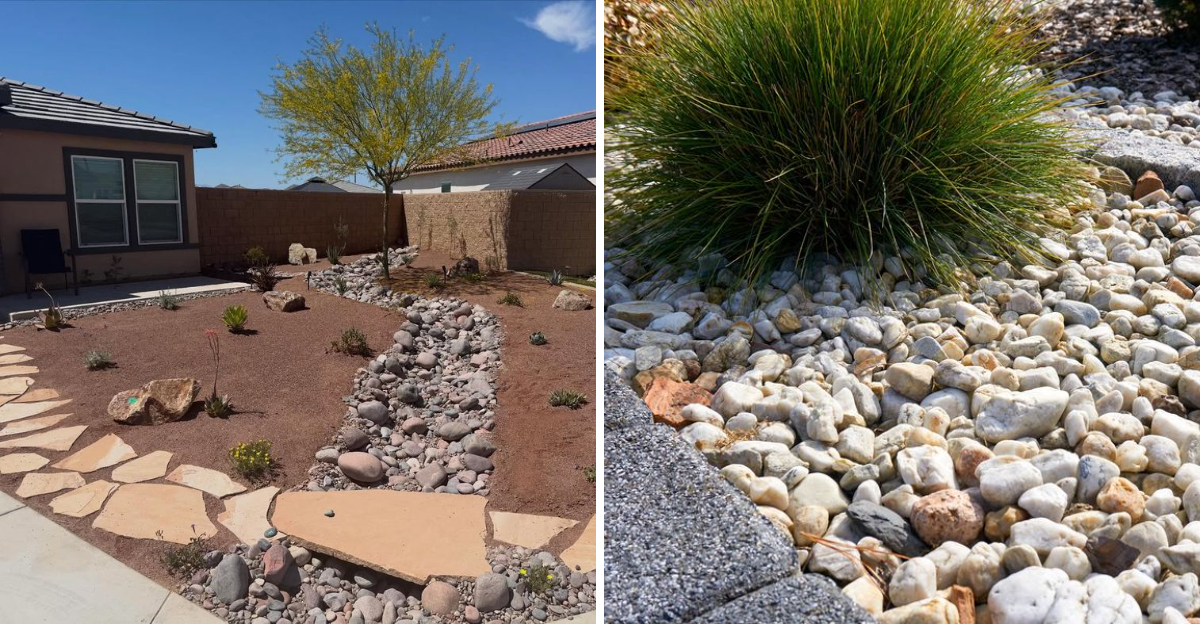
Many Arizona yards are covered with landscaping rock because it looks clean and lasts for years.
What many people do not realize is that the wrong rock can make outdoor spaces feel much hotter during summer.
Before you add another load of gravel or replace an existing bed, take a closer look at what you are using. Color, material, and placement all affect how much heat builds up near patios, walkways, and plants.
A simple change can help reduce that extra heat without giving up the low maintenance look that makes rock so popular. Choosing the right option is about more than appearance.
It can make your yard more comfortable, help nearby plants handle extreme temperatures better, and create an outdoor space that feels easier to enjoy every day.
1. Landscaping Rock Can Trap Heat
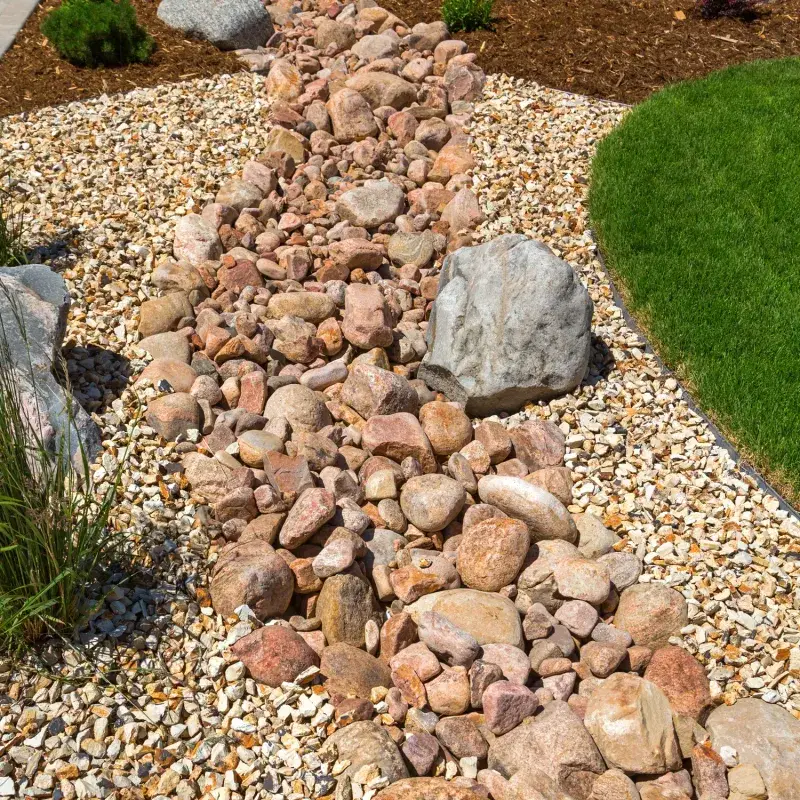
Rock does not just sit there looking pretty. Under direct sun, certain types of landscaping rock absorb an enormous amount of heat and release it slowly back into the air around your home.
Ground temperatures in rock beds can reach extreme levels on hot summer days. The surface of dark gravel in full sun can exceed 150 degrees Fahrenheit.
That heat does not stay on the ground either.
It radiates outward. It warms the air near your walls.
It pushes heat toward windows and doors. Your air conditioner works harder because of it.
Rock also holds heat well into the evening. Even after sunset, a rock bed that baked all day keeps releasing stored warmth.
Your yard stays uncomfortably hot long after the sun goes down.
Bare soil cools faster than rock does. That might surprise people who assume rock is neutral.
Rock is one of the most effective heat-storing materials commonly used in residential landscapes.
Understanding how rock traps and holds heat is the first step toward making a smarter choice.
2. Dark Landscaping Rock Vs. Light Landscaping Rock
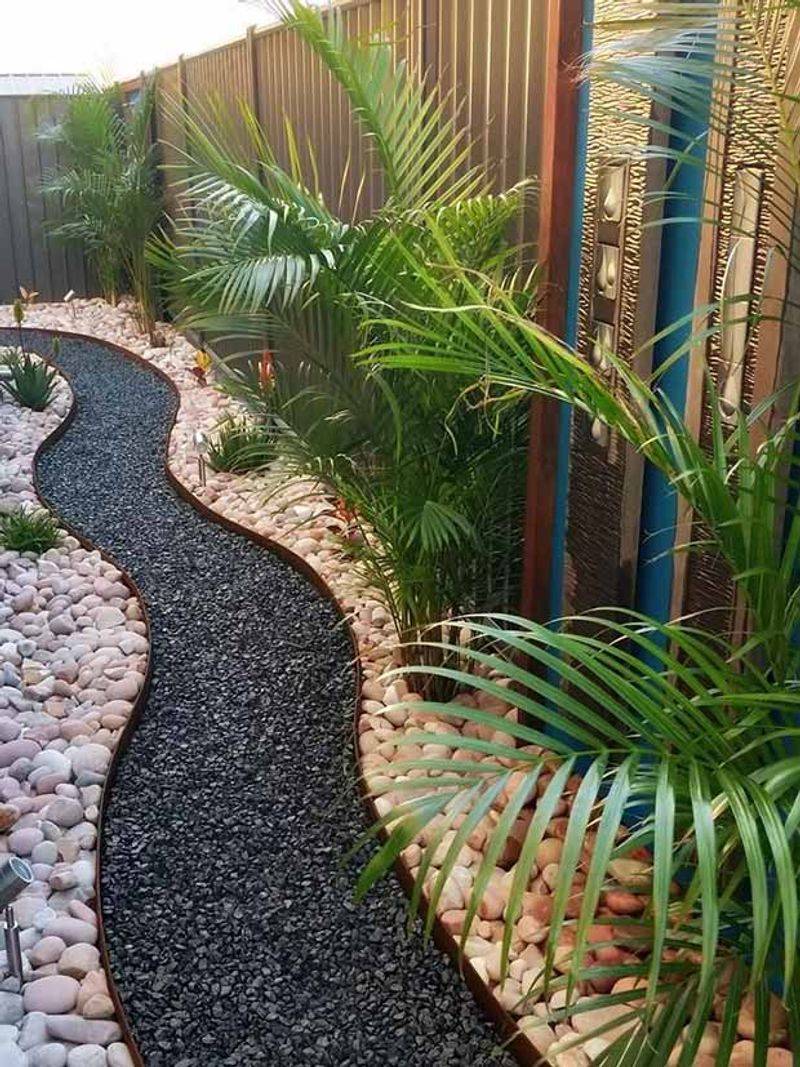
Color is one of the biggest factors in how hot your rock gets. Dark rocks absorb more solar radiation.
Light rocks reflect more of it back into the atmosphere.
Black Mexican pebbles and dark volcanic rock are popular choices in desert landscaping. They look sharp and contrast beautifully with plants.
But they can reach surface temperatures that are significantly higher than lighter alternatives on the same day.
Light-colored decomposed granite, white marble chips, and tan river rock reflect more sunlight. They still get warm, but surface temperatures tend to stay lower compared to dark options.
That difference matters when you are walking barefoot or sitting near a rock bed.
Lighter materials generally stay cooler than darker ones in full sun. Depending on the rock type and sun exposure, the surface temperature difference can range from about 20 to 40 degrees Fahrenheit.
Choosing a lighter rock can make patios, walkways, and nearby planting areas more comfortable during the hottest part of the day.
Switching from dark to light rock will not eliminate heat entirely. No rock stays cool in peak summer sun.
But lighter options tend to reduce the intensity of heat radiating from the ground.
Your Arizona Garden Changes Every Week. Your Plan Should Too.
Gardening in Arizona changes quickly throughout the season. Every Friday you’ll receive a simple weekly plan showing exactly what to plant, prune, fertilize, harvest, and protect so you never miss the right timing.
3. Plants Can Struggle In Hot Rock Beds
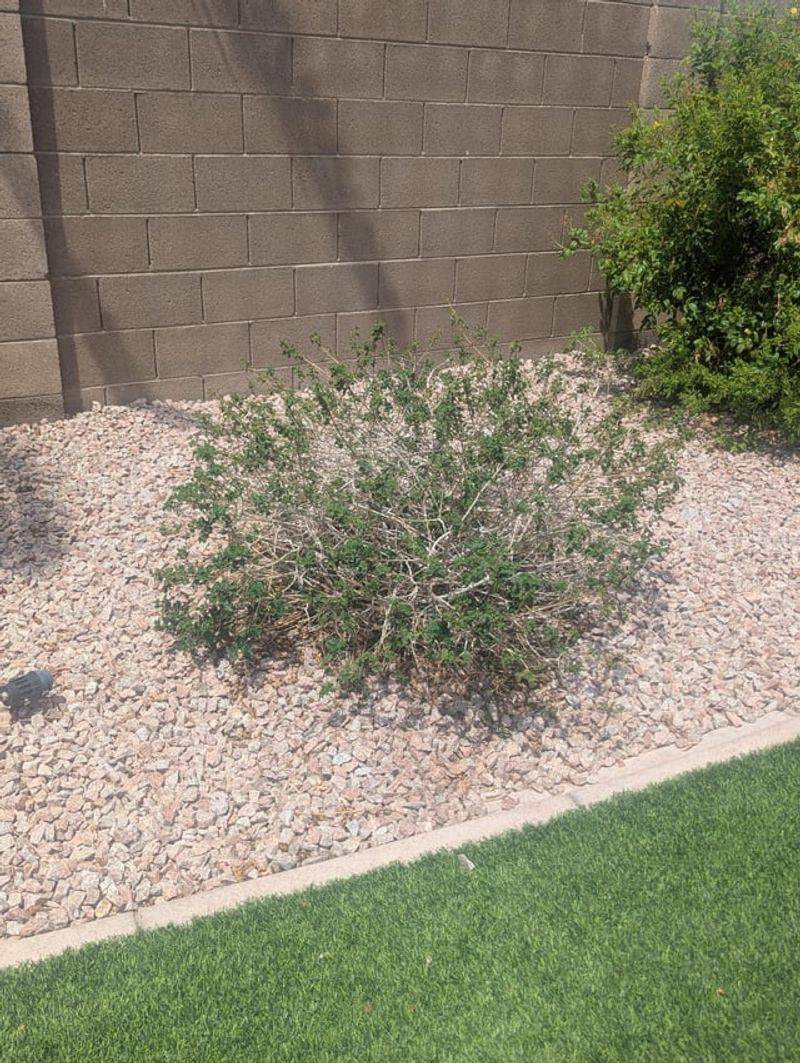
Hot rock beds are tough on plants. Even desert-adapted species have limits, and radiant heat from rock can push soil temperatures beyond what roots handle comfortably.
When rock absorbs heat all day and radiates it back at night, the soil underneath stays warm. Roots prefer cooler nighttime temperatures to recover from daytime stress.
Consistently warm soil can weaken even drought-tolerant plants over time.
Smaller plants placed close to dark rock beds often show signs of heat stress. Leaves may scorch at the edges.
New growth can wilt quickly. Flowering plants may drop blooms early when soil temperatures stay too high.
Choosing lighter-colored rock around plant beds can reduce some of this pressure. Placing rock further from plant bases also helps.
Even a small buffer between rock and the base of a plant can make a meaningful difference in root zone temperature.
Larger plants with established root systems tend to handle rock beds better than newly planted ones. Young transplants are especially vulnerable during their first summer season.
Organic mulch around plant bases, even in small amounts, can buffer soil temperature more effectively than rock alone.
4. Rock Placement Matters As Much As Rock Choice
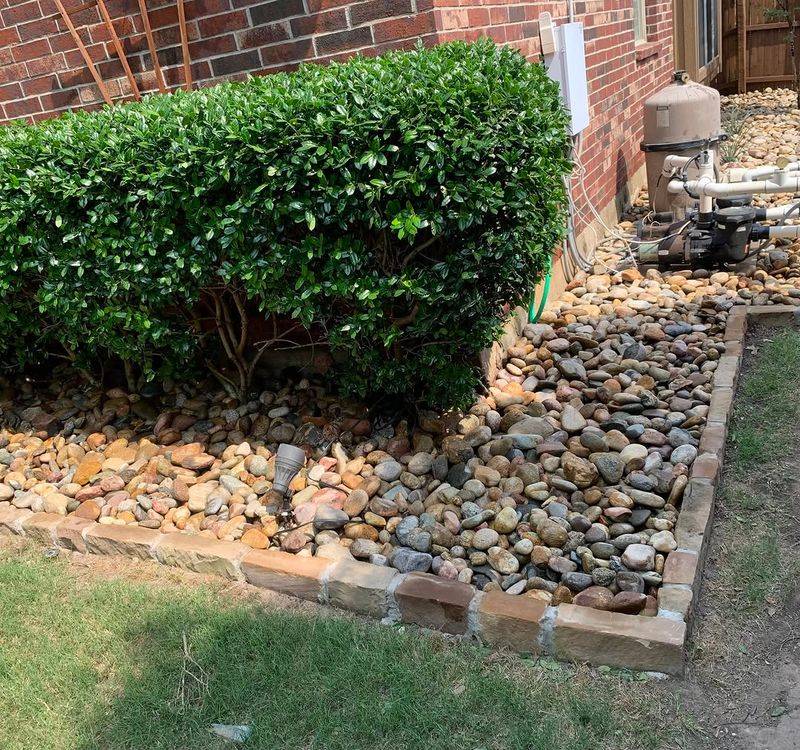
Even the coolest-colored rock can cause problems if it is placed in the wrong spot. Where you put rock in your yard matters just as much as what type you choose.
South-facing and west-facing areas receive the most intense sun exposure throughout the day. Rock in those zones absorbs more heat than rock placed on the north or east side of a property.
Positioning lighter rock in high-sun areas is a smart starting point.
Rock placed directly against your home’s exterior walls can radiate stored heat back into the building. That increases indoor temperatures and adds strain to cooling systems.
Leaving a gap between rock beds and exterior walls, or choosing light-colored rock in those zones, can help reduce that effect.
Shaded rock areas behave very differently from exposed ones. Rock under a tree canopy or beneath a shade structure stays noticeably cooler.
Placing rock strategically in shaded zones allows you to enjoy its aesthetic benefits without as much heat buildup.
Pathways through sunny areas benefit from lighter rock. Walkways made of dark crushed rock can become genuinely uncomfortable to walk on barefoot during peak afternoon heat.
Thinking about sun patterns before laying rock is worth the effort.
5. Comparing Common Landscaping Rock Types
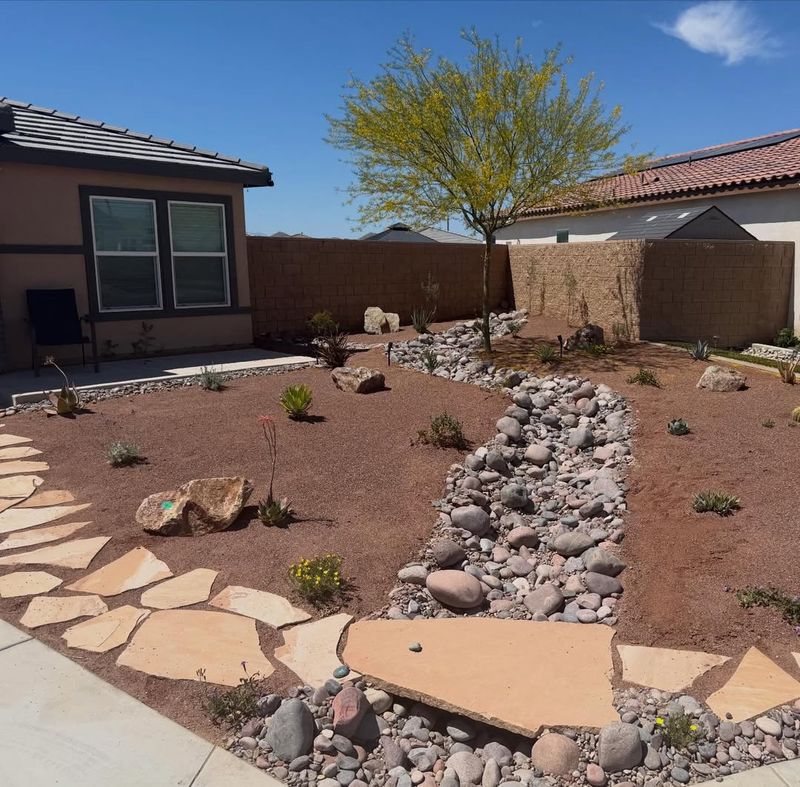
Walk through any Arizona landscape supply yard and you will find dozens of rock options. Each one handles heat differently, and knowing the basics helps you choose wisely.
Decomposed granite is one of the most widely used options in the Southwest. It comes in light tan, gold, and brown shades.
Lighter varieties reflect more heat, making them a reasonable middle-ground choice for many yards.
Lava rock is lightweight and porous. Its dark red and black colors absorb heat readily.
However, its porous texture does allow some airflow, which can slightly reduce heat retention compared to dense dark rock. It is still a warm material overall.
River rock comes in a range of colors and sizes. Smooth, rounded, and often lighter in tone, it tends to perform better in heat than darker alternatives.
Larger river rocks also leave more air gaps, which can help reduce ground-level heat buildup somewhat.
Crushed basalt is dense and very dark. It heats up quickly and holds heat effectively.
It looks dramatic but tends to create some of the hottest surface conditions of common rock types.
White marble chips reflect sunlight well and are among the cooler rock options available.
6. Picking The Right Rock For Your Landscape
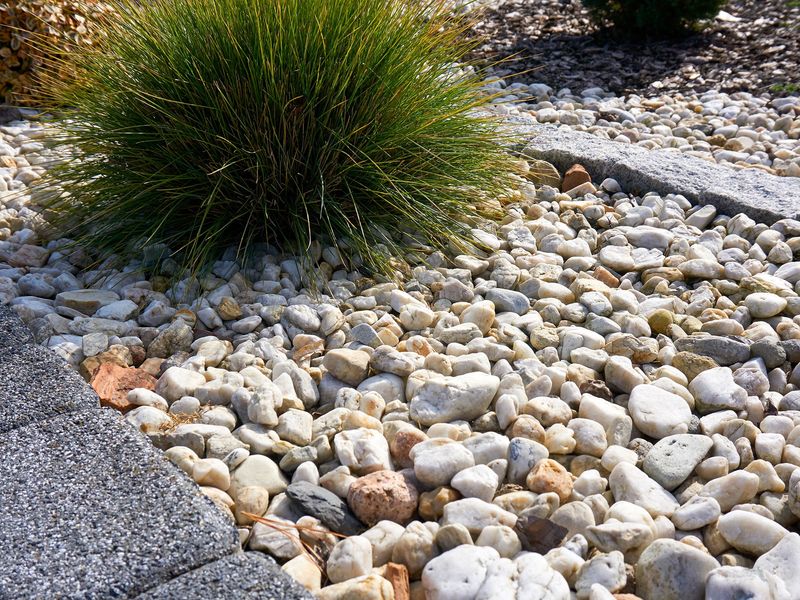
Picking rock is not just about what looks good in a photo. It requires thinking about sun exposure, plant placement, foot traffic, and long-term comfort in your specific outdoor space.
Start by identifying the hottest zones in your yard. South-facing beds and open sunny areas are prime candidates for lighter-colored rock.
Saving darker, more dramatic rocks for shaded spots or accent areas lets you enjoy their appearance without the worst heat penalties.
Consider the size of the rock as well. Larger rocks with more gaps between them allow for slightly better airflow at ground level.
Finely crushed rock packs tightly together, creating a denser surface that can trap more heat close to the ground.
Local supply yards in Arizona carry a wide range of options. Comparing samples side by side in actual sunlight gives a better sense of how reflective a rock really is.
A rock that looks light inside a shaded warehouse can still absorb significant heat outdoors.
Budget also plays a role. Decomposed granite remains one of the most affordable and widely available options in the region.
White marble chips and specialty light rocks tend to cost more but may perform better in heat-sensitive areas.
7. Cooler Ground Cover Alternatives
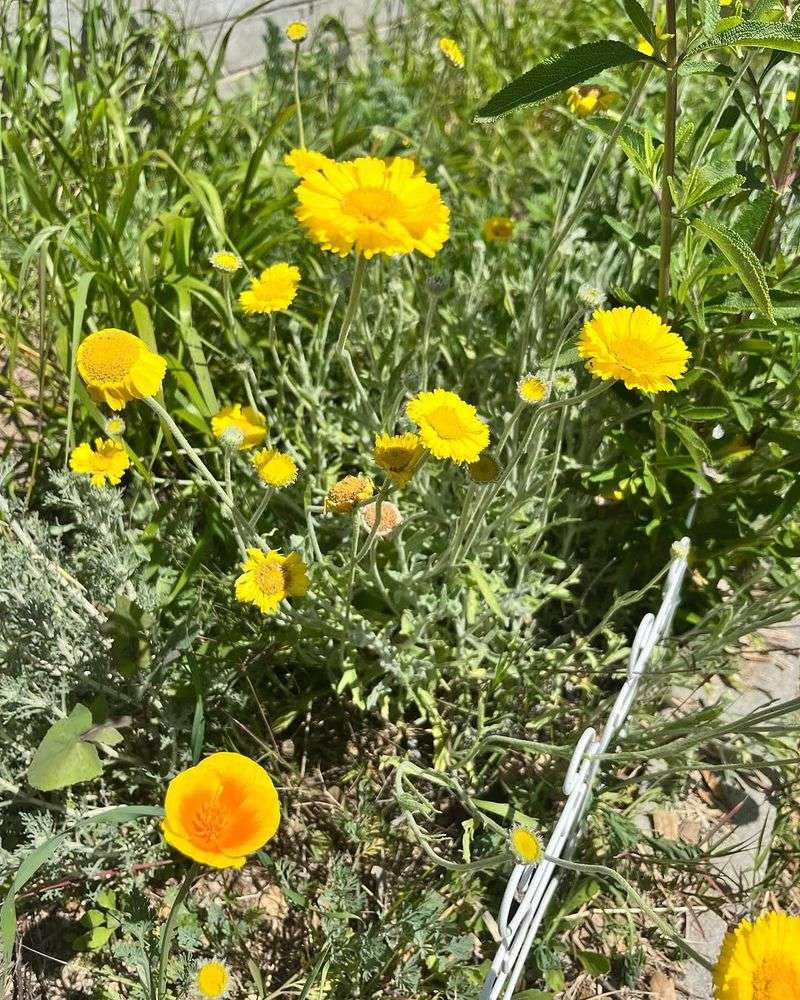
Rock is not your only option. Several ground cover alternatives can keep yard temperatures lower while still looking clean and low-maintenance.
Decomposed granite topped with a light layer of organic mulch in plant areas combines the practical benefits of both materials. Rock handles the outer zones while mulch keeps root areas cooler and retains soil moisture more effectively.
Low-growing native ground cover plants are worth considering in partial sun areas. Plants like desert marigold, trailing indigo bush, or low-water ornamental grasses add greenery while providing natural shade at ground level.
Shaded soil stays considerably cooler than exposed rock under the same sun conditions.
Artificial turf has become more popular in hot-climate yards. Modern versions handle heat better than older products, though they can still get warm in direct afternoon sun.
They perform best in areas with some shade or where foot comfort is the priority.
Decomposed granite with a stabilizing binder creates a firm surface that works well for patios and pathways. Light-colored versions reflect heat reasonably well and stay cooler than dark paving alternatives.
Shade structures over rock areas make a significant difference. A pergola, shade sail, or overhead cover blocks direct sun from hitting rock surfaces, dramatically reducing how much heat builds up underneath.
Combining lighter rock with strategic shade is one of the most effective ways to make a desert yard feel genuinely more comfortable during peak summer heat.