What Arizona Residents Should Do If They Spot a Suspected Black Widow in the Garage
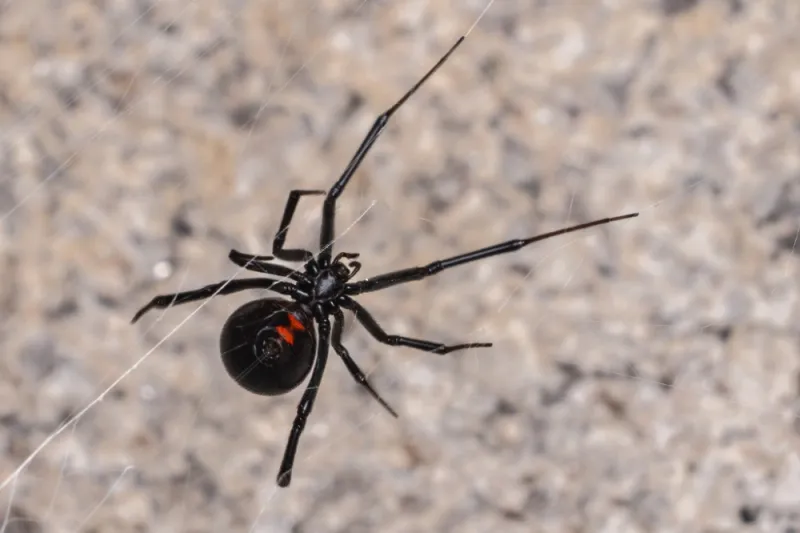
Garages are quiet, dim, and full of places for a spider to tuck away. In Arizona, one spider that people worry about is the western black widow.
Seeing a spider does not mean it is dangerous, though, and a calm plan works better than panic. Here is how to stay safe, what to do after a possible bite, and how to make your garage less inviting.
A garage sighting does not identify the spider
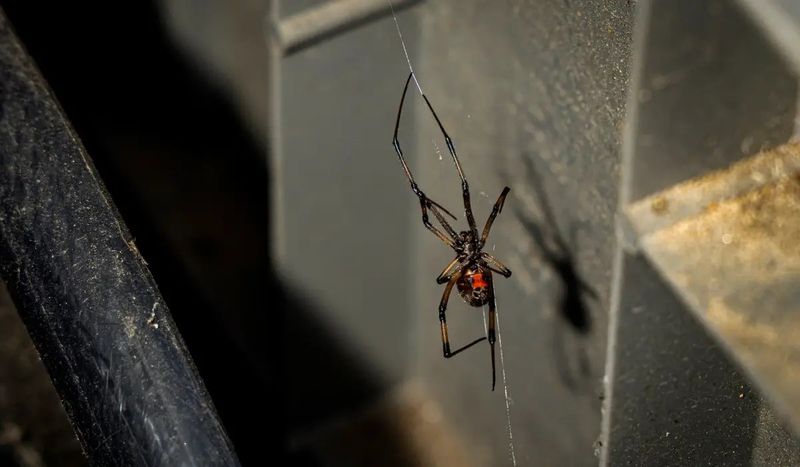
This guide is about a suspected western black widow, not every spider that wanders into an Arizona garage. Most garage spiders are harmless, and spotting one tells you very little about what it is.
Still, Arizona Cooperative Extension lists the western black widow (Latrodectus hesperus) as one of the state’s two most common venomous spiders. It is shy and secretive, and it prefers dark spots that are rarely disturbed.
Garage corners, shelves, and stored boxes fit that description well.
A sighting does not confirm the species, and it does not mean the spider is about to attack. Widows are generally nonaggressive, and bites are defensive, usually happening when the spider is pressed, threatened, or trapped.
So the goal is simple: prevent contact, and know how to respond if someone may have been bitten. The next sections cover both.
A quick look cannot always confirm a black widow
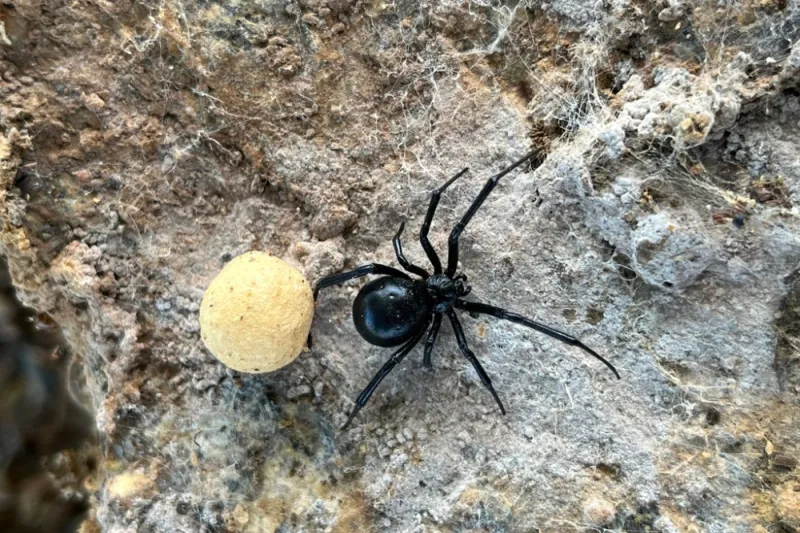
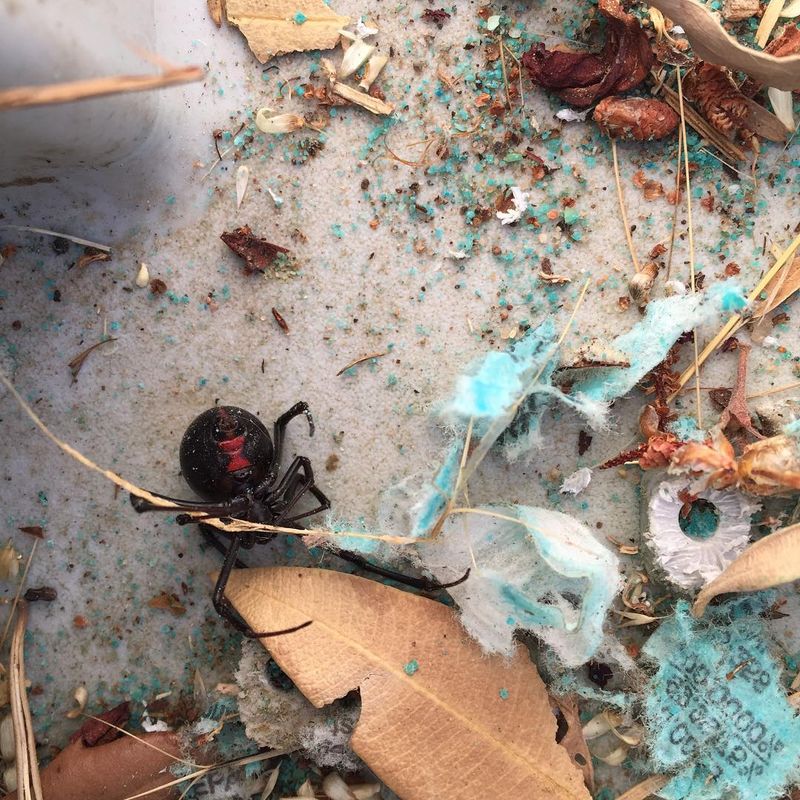
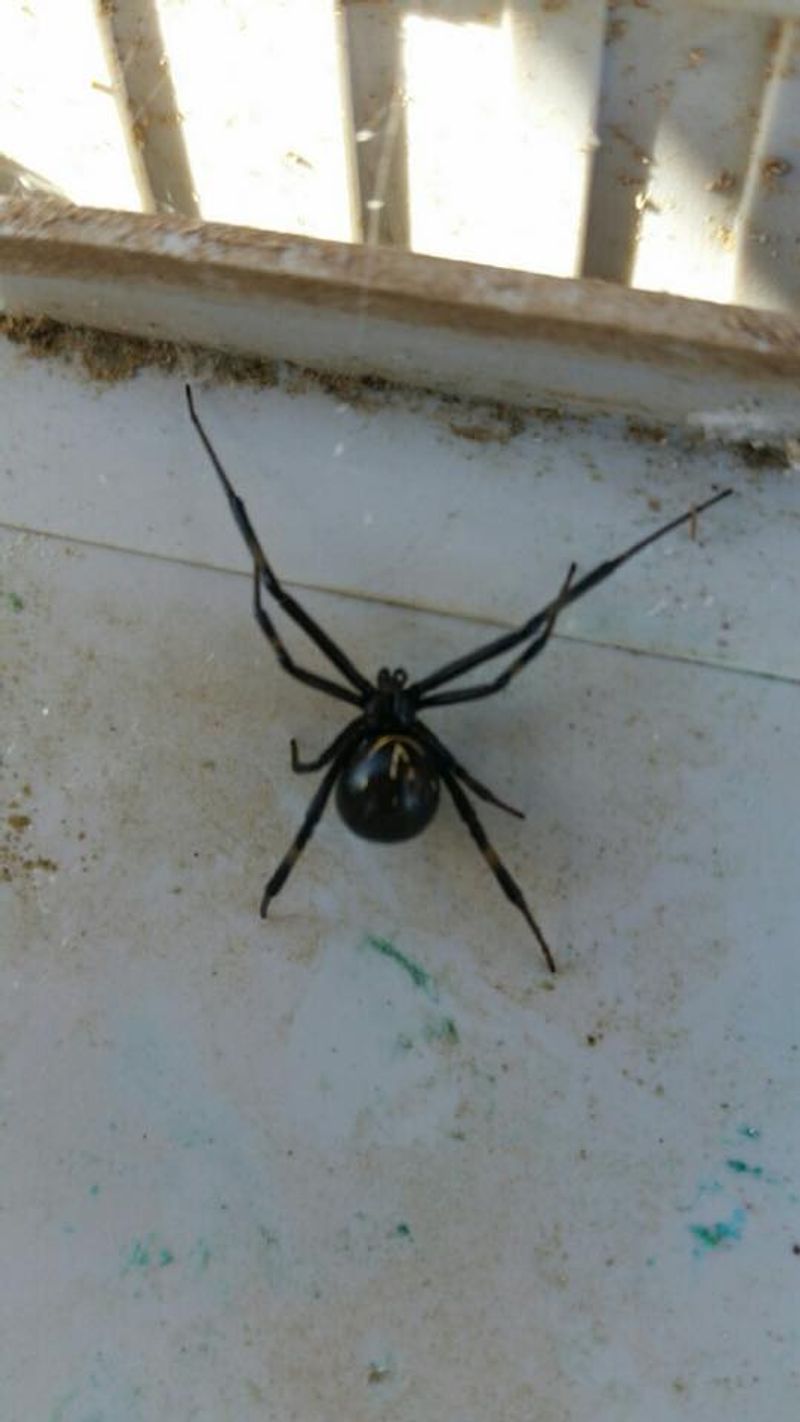
An adult female western black widow is shiny black. She usually has a red or orange hourglass-like marking on the underside of her abdomen, according to the Arizona Poison and Drug Information Center.
That marking sits on the belly, so you may never see it while she hangs in her web. Males and young spiders can also look different, with more varied markings.
For that reason, the hourglass is a poor pass-or-fail test. Seeing one may raise your suspicion, but not seeing one does not prove the spider is harmless.
When a spider looks uncertain, treat the uncertainty as a reason for distance. Do not lean in for a better view, nudge the web, or pick the spider up to check its underside.
Keep people and pets away
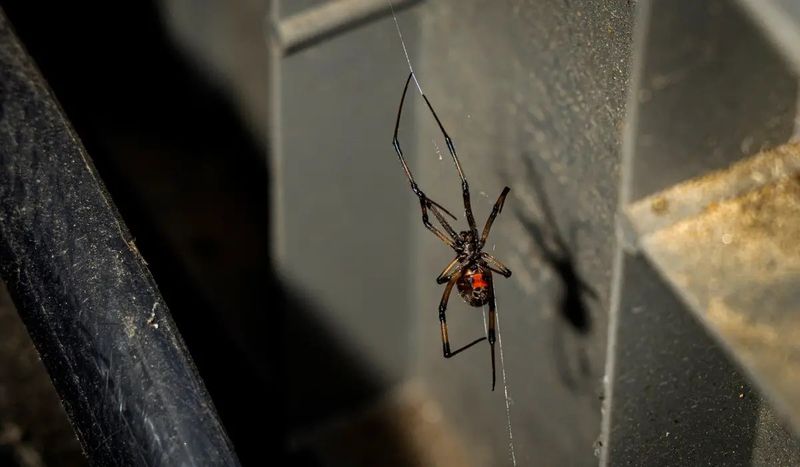
Once you suspect a black widow, the first move is to give it space. Keep children and pets out of that part of the garage, and avoid any bare-handed contact with the area.
Do not approach, trap, relocate, or remove the spider yourself. UC IPM notes these spiders may bite when threatened or trapped, so close handling is where trouble starts.
A photo can help with identification, but only if you can take one from a safe distance. A specimen is not worth any risk.
Never delay calling for bite guidance just to get a picture or catch the spider.
If the spider needs to be removed, call a professional pest-control company. Handing the job over is a sensible choice, not an overreaction.
Call for guidance after a possible bite
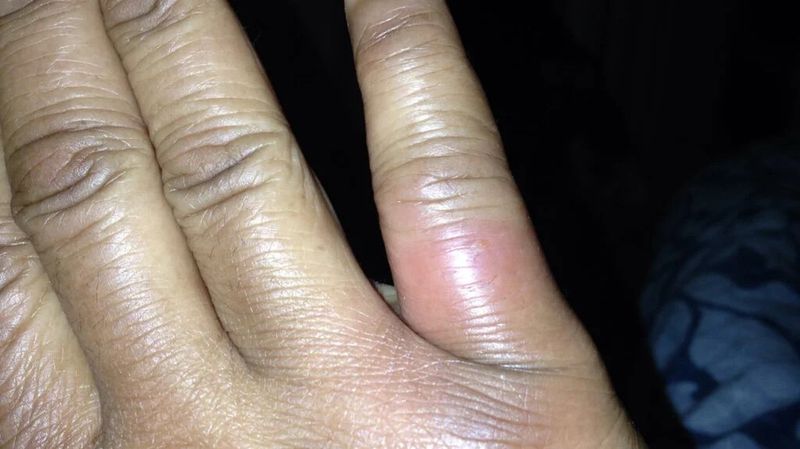
If someone may have been bitten, wash the area with soap and water and apply a cool compress. Then call the Arizona Poison and Drug Information Center at 1-800-222-1222 for guidance.
Your Arizona Garden Changes Every Week. Your Plan Should Too.
Gardening in Arizona changes quickly throughout the season. Every Friday you’ll receive a simple weekly plan showing exactly what to plant, prune, fertilize, harvest, and protect so you never miss the right timing.
You do not need to identify the spider first.
Symptoms can include spreading pain, muscle cramps, nausea, vomiting, sweating, and high blood pressure, as described by the Arizona poison center. These signs do not prove a bite on their own, which is another reason to call.
The center notes that treatment at a medical facility may be needed for children under 5 or adults with severe symptoms. Specialists can help sort out how urgent the situation is.
Keep perspective on the risk. A widow bite can be serious, but it is not usually fatal.
A sore or rash alone also does not show that a spider caused it, since other bites and skin conditions are often mistaken for spider bites.
Check stored gear before using it
Gloves, boots, and seasonal gear sit untouched for months, which makes them cozy shelter. Most items hold nothing at all, but a little habit goes a long way.
Wear gloves and long sleeves when you clear out boxes or shelves. Before you put on shoes or clothing, or pick up equipment, give each piece a good shake and a look.
Closed storage helps too. Keep gloves and clothing in sealed bags, and put seasonal belongings in containers with lids.
That leaves fewer open nooks where a spider can settle.
Suppose you reach for garden gloves you left on a shelf all summer. A quick shake over the floor takes seconds and removes the surprise.
If you do spot a suspected widow while sorting, step back and follow the earlier steps rather than brushing it away.
Reduce sheltered hiding places in the garage

Beyond your belongings, the garage itself can be set up to offer fewer hiding spots. Clutter that stays put for years gives spiders the quiet shelter they like.
Clear out piles you no longer need, and leave some open floor along walls. Sweep or vacuum webs and spiders from storage areas on a regular schedule, using a long-handled tool rather than your hand.
Entry points matter as well. Seal gaps where you can, and keep window screens and door weather-stripping in good repair, as Arizona pest-proofing guidance suggests.
Treat all of this as a way to cut down opportunities, not as a promise. Spiders can still find a way in, so keep up the routine and stay alert.
Spraying is not a complete control plan
Reaching for a can of spray feels like action, but it is a weak stand-alone plan. The Arizona poison center reports that black widows resist many insecticides, and UC IPM says insecticides do not provide long-term control.
Spraying also tends to mean getting close to the spider, which is the opposite of what you want. Nothing here promises that a garage will be free of spiders.
If activity is persistent or widespread, call a professional pest-control company. They can pair sanitation, like the clutter and web cleanup described earlier, with other measures.
Some of those measures may include trapping. In this context, that means pest-control steps that do not require you to approach or handle the spider, and a professional should advise on or handle them.
Steady habits and expert help beat a quick spray every time.