Catnip and Mosquitoes: What the Research on Nepetalactone Actually Shows
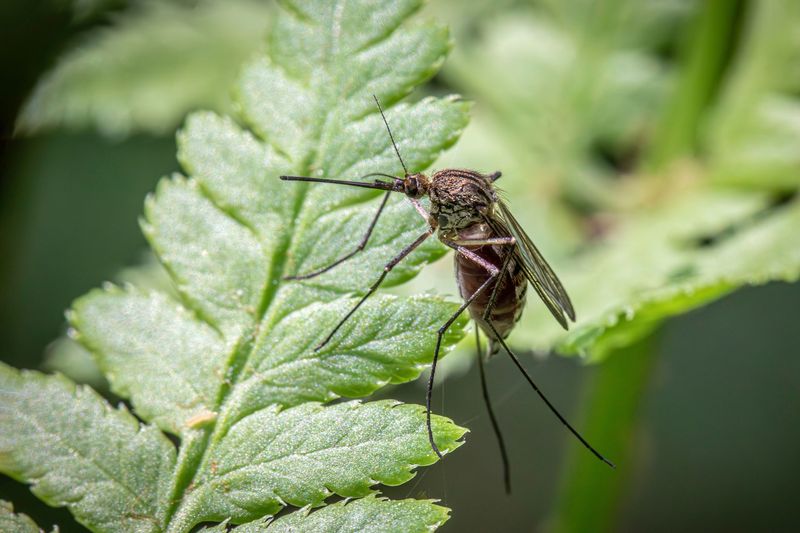
Catnip has a real chemical trick up its sleeve when it comes to mosquitoes, and scientists have been studying it closely. The plant produces a compound called nepetalactone that genuinely messes with how mosquitoes sense their surroundings.
But there is a big difference between what happens in a lab and what a catnip plant sitting in your yard actually does for you on a summer evening in Phoenix or Tucson. Here is what the research really says, and what it does not.
A catnip plant is not a mosquito shield
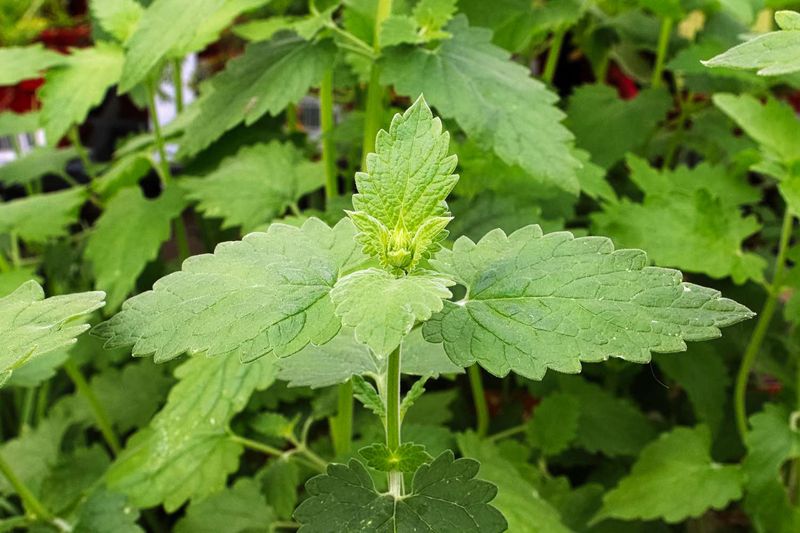
Plenty of gardening articles claim that planting certain herbs around a patio keeps mosquitoes away. Catnip shows up on those lists regularly, and the reasoning sounds logical: if the plant contains a repellent compound, surely growing it nearby pushes mosquitoes back.
The problem is that having a compound inside a plant and having that compound actively working in the air around you are two very different things.
Clemson Cooperative Extension’s review of repellent plants makes this point clearly: landscape plantings have not been tested adequately to support the common claim that these plants repel mosquitoes just by growing nearby. Volatile oils that give catnip its scent can dissipate quickly outdoors, especially in Arizona’s dry heat.
Crushing or bruising the leaves releases far more of those oils than an intact, undisturbed plant does.
No study has measured whether a catnip plant growing in a Phoenix or Tucson yard reduces mosquito landings on people sitting nearby. The title’s comparison with store-bought spray has no research behind it.
What researchers have tested are extracted catnip oil and formulated products, and even those results come with important limits that the next few sections explain.
Nepetalactone activates an irritant receptor, not a proven pain alarm
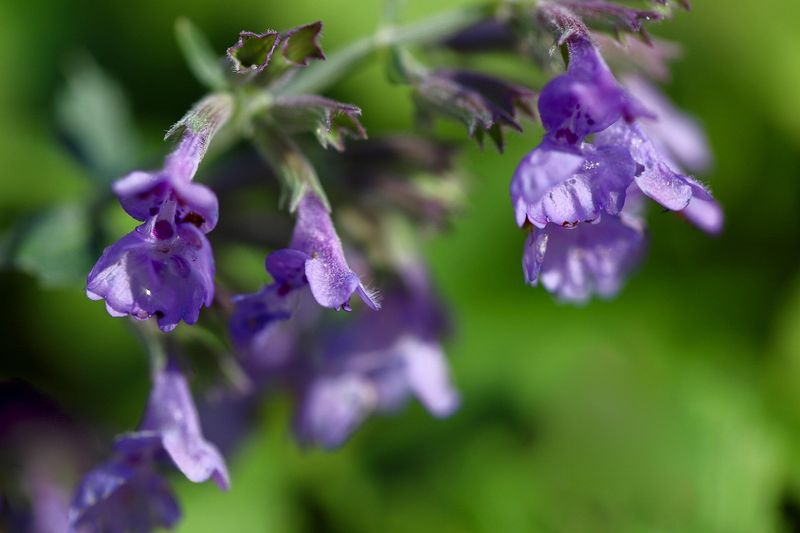
Catnip’s active compound is nepetalactone, and researchers have traced its effect on mosquitoes down to a specific receptor. A 2021 study published in Current Biology found that nepetalactone activates certain variants of the TRPA1 receptor in mosquitoes.
TRPA1 is an irritant receptor, the kind that responds to chemical irritants in the environment. When it fires, the mosquito tends to move away from the source.
Researchers confirmed the receptor’s role by testing mosquitoes that had been genetically altered to lack functional TRPA1. Those mosquitoes were not repelled by catnip, which strongly points to the receptor as the key pathway.
That is a genuinely interesting finding because it identifies a specific biological mechanism rather than just observing that mosquitoes avoid catnip.
Some headlines described this as catnip causing mosquitoes to feel pain. The researchers did not measure pain, and that framing goes further than the study supports.
Irritant-receptor activation and pain are not the same thing. The same study also found that nepetalactone did not activate human TRPA1 under the specific conditions tested, but that single result under controlled lab conditions is not a blanket safety clearance for applying catnip preparations to skin at home.
Catnip oil’s results depend on the test
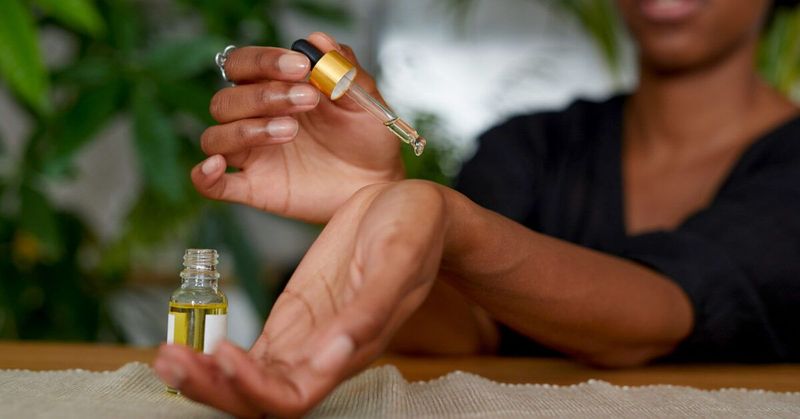
When researchers compare catnip oil to DEET, the answer changes depending on how the experiment is set up. A 2005 USDA study comparing contact and spatial repellency found that catnip oil outperformed DEET as a spatial repellent in olfactometer tests, where mosquitoes choose between an odor source and clean air from a distance.
Your Arizona Garden Changes Every Week. Your Plan Should Too.
Gardening in Arizona changes quickly throughout the season. Every Friday you’ll receive a simple weekly plan showing exactly what to plant, prune, fertilize, harvest, and protect so you never miss the right timing.
In that same study, DEET outperformed catnip oil as a contact repellent, meaning when the substance was applied directly to a surface the mosquitoes could land on.
A separate human-volunteer test found that nepetalactone compounds were less effective than DEET at deterring Aedes aegypti from biting exposed skin. Aedes aegypti is the species responsible for transmitting dengue, Zika, and chikungunya, and it is present in parts of Arizona.
That result matters if personal bite protection is the goal.
Neither result cancels the other out. What they show together is that mosquito species, test method, and whether the repellent is acting at a distance or on skin all shift the outcome considerably.
Picking one study and calling it the final word on catnip oil versus DEET misses that context entirely. Any honest comparison has to specify which product, which concentration, which mosquito, and which type of protection is being measured.
A promising lotion trial does not prove a garden plant works
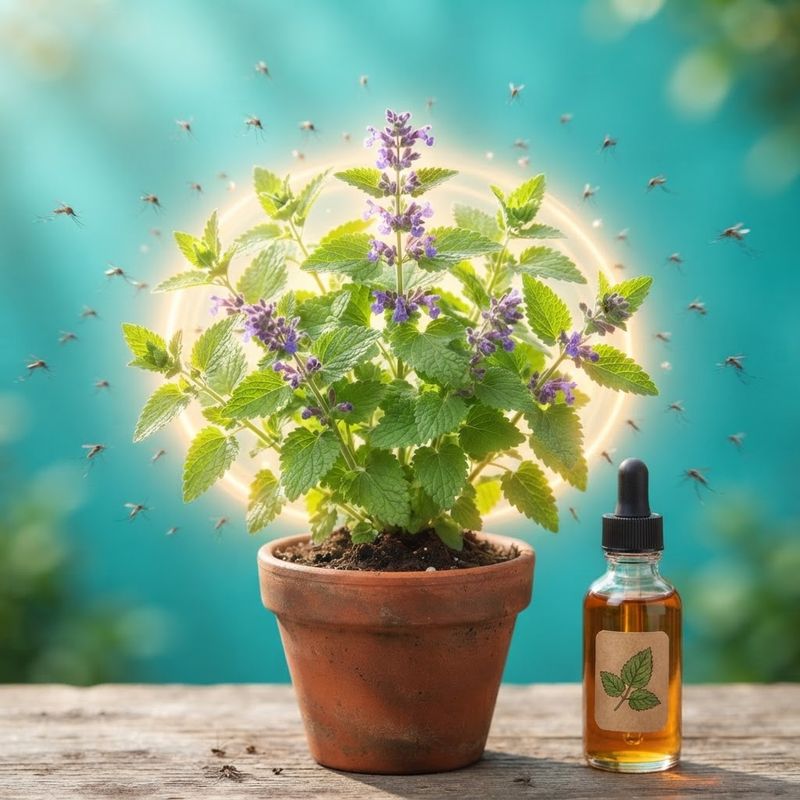
One of the most encouraging recent findings on catnip as a repellent comes from a 2026 field trial conducted in rural Uganda. Researchers applied different lotions to volunteers’ exposed lower legs and counted mosquito landings over four-hour evening sessions.
The formulations tested included a lotion containing 6% catnip oil with over 92% nepetalactone, a lotion with 15% DEET, and a plain control lotion.
The results published in Scientific Reports showed that the 6% catnip-oil lotion performed similarly to the 15% DEET lotion during those trials. That is a genuinely positive result for a plant-derived ingredient.
But the details matter: this was a specific formulated lotion, tested on people in a specific region of East Africa, against the mosquito species active there, over a four-hour window.
Translating that result to an Arizona yard requires several leaps the data do not support. The tested lotion is not the same thing as a catnip plant, crushed catnip leaves, or a homemade preparation.
The mosquito species in rural Uganda differ from those active in Phoenix and Tucson. The trial did not measure protection beyond four hours or test against every relevant species.
Encouraging results from one well-designed field trial are a reason to follow further research, not a reason to skip proven personal protection measures.
Give catnip a realistic Arizona growing plan

If the science around catnip’s compounds interests you enough to grow the plant, going in with realistic expectations for Arizona conditions will save frustration. According to the University of Arizona Cooperative Extension’s guide on catnip and catmint, the plant grows across a range of soils and established plants may survive for several years.
The same guide notes that catnip can spread and may need to be kept in check, so giving it a contained bed or a pot is worth considering.
Regional fit is a real question in the low desert. The University of Arizona’s Yavapai County plant database classifies catnip as an introduced species and records it in riparian habitats and moist, shaded areas at roughly 4,000 to 8,000 feet in elevation.
That is a very different environment from a Phoenix or Tucson backyard in July. The database entry does not characterize it as drought-tolerant or suited to low-desert heat.
General herb-growing guidance for Tucson suggests that summer sun can be intense for many herbs, and that afternoon shade, well-drained soil, and appropriate irrigation help. Those are sound starting points, but they are not a species-specific promise that catnip will thrive at lower elevations during monsoon season.
Treat it as a gardening experiment rather than a guaranteed addition to the landscape, and plan for supplemental water and shade cloth if summer heat becomes a problem.
Use labeled repellents and reduce standing water
For actual personal protection against mosquito bites in Arizona, the starting point is an EPA-registered repellent applied according to its label. CDC guidance on preventing mosquito bites recommends choosing from EPA-registered active ingredients, which include DEET, picaridin, IR3535, oil of lemon eucalyptus, PMD, and 2-undecanone.
Following the label matters because protection time, application frequency, and age restrictions vary by product.
Catnip oil does appear on the EPA’s list of active ingredients in some registered skin-applied repellents. That means certain formulated catnip-oil products have gone through EPA’s registration process and carry specific, approved use directions.
An EPA-registered catnip-oil product is a different thing from rubbing crushed leaves on your arm or applying undiluted essential oil to skin. The registration covers a particular formulation at a particular concentration, not the ingredient in every form it could take.
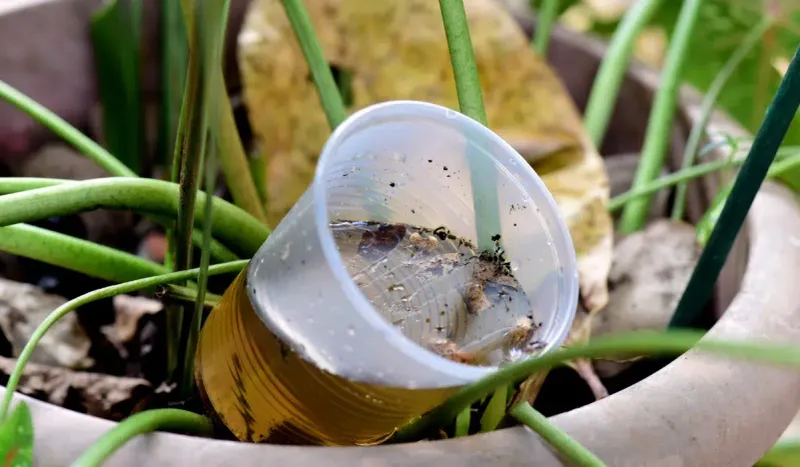
Yard management matters just as much as what you put on your skin. Maricopa County’s backyard mosquito-control checklist advises not allowing outdoor water to stand for more than four days, draining water from containers and plant-pot saucers after rain, making sure window and door screens fit without gaps, and wearing repellent and covering up during the hours when mosquitoes are most active.
Combining personal repellent use with regular water-source checks gives you a much stronger defense than either step alone.
Treat catnip as a garden choice, not a protection plan
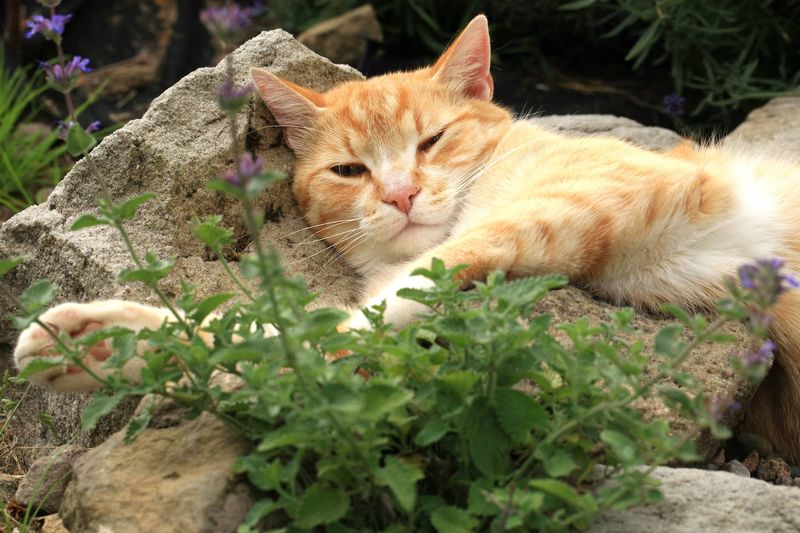
Catnip is a genuinely interesting plant with a real chemical story behind it. The receptor research is solid science, and the Uganda field results for a specific formulated lotion are worth watching as more studies follow.
Growing catnip in an Arizona yard can be a worthwhile garden project if you go in knowing its limits and its needs in the low desert.
What the research does not show is that a catnip planting protects the people sitting nearby. For that, an EPA-registered repellent applied to skin and a yard kept free of standing water are the tools that have actually been tested for the job.
The plant and the protection plan are simply two different things, and keeping them separate is the clearest takeaway from everything the science has found so far.