10 Low-Maintenance Arizona Shrubs That Look Great Year-Round When You Plant Them This Fall
Fall is the secret planting season in the Arizona desert, and smart gardeners know it. Cooler air and warm soil give new shrubs months to grow strong roots before the brutal summer heat returns.
The right picks can save water, feed hummingbirds and bees, and keep your yard looking good in every season. Here are ten tough, easygoing shrubs that earn their spot in a low-desert yard.
1. Texas Sage
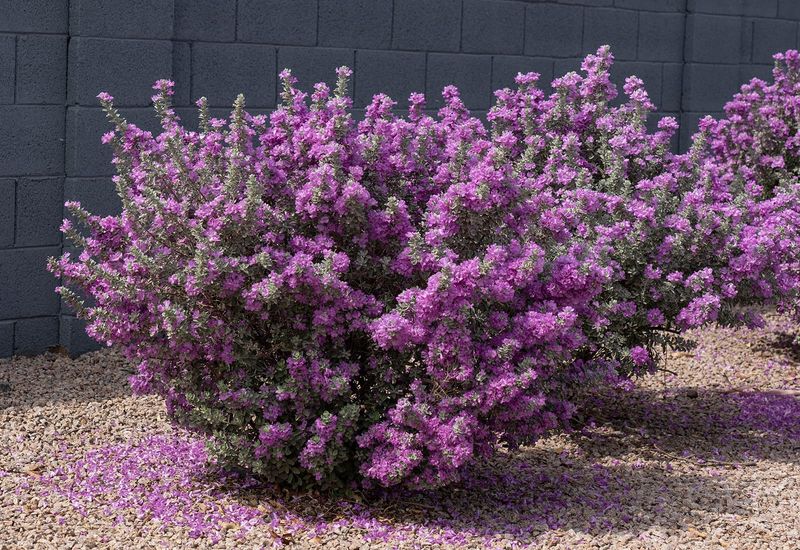
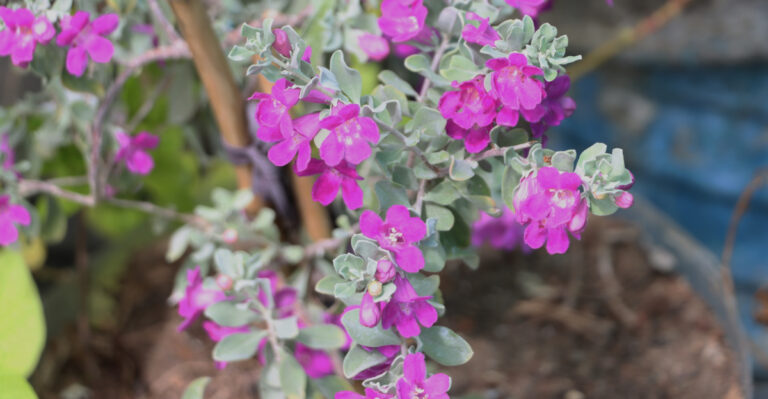
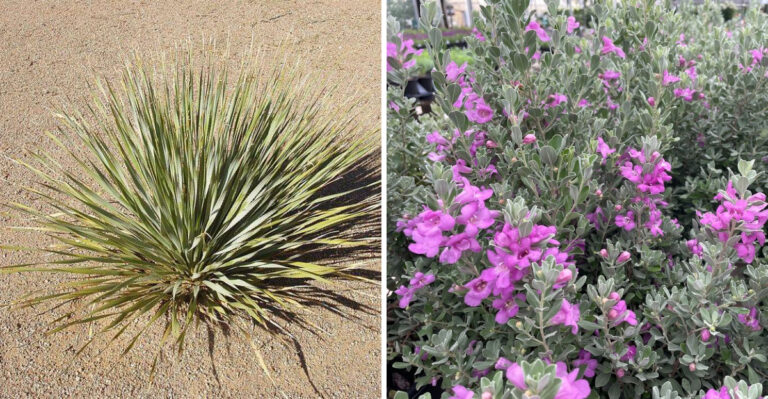
Ever notice a hedge suddenly explode in purple right after a monsoon storm? That surprise show comes from Texas Sage, often nicknamed the barometer bush because humidity tends to trigger its blooms.
Many Phoenix neighbors swear they can predict rain by watching it.
Beyond the fun weather trick, the shrub shrugs off summer highs above 110 degrees and grows happily in the alkaline, caliche-heavy soil found across the low desert. Silvery-green leaves stay on all year, so your yard never looks bare.
When flowers appear, bees and other pollinators show up quickly, turning a simple border into busy habitat.
Care is refreshingly simple. Skip the electric hedge trimmer, since boxy shearing reduces blooms and stresses the plant.
Let it keep a natural, rounded shape and prune lightly in late winter if needed.
Planting in October or November gives roots a full cool season to spread out before June arrives. Water every week or so during the first few months, then gradually stretch the gaps.
Once established, deep watering every few weeks in summer is usually plenty. Give it full sun and good drainage, and avoid soggy spots, which can cause root trouble.
2. Brittlebush
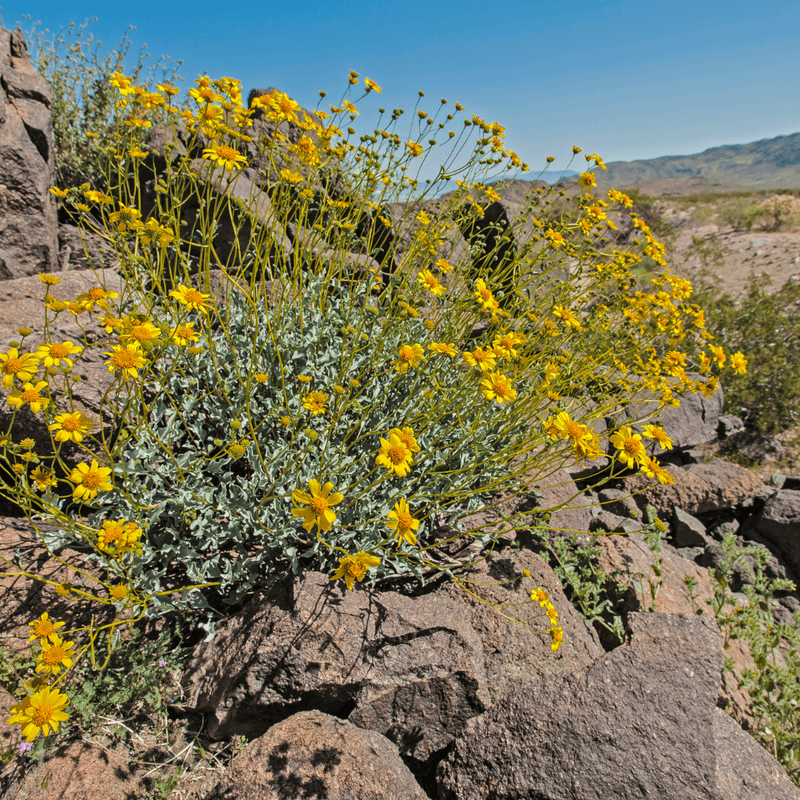
Drive past any Sonoran Desert hillside in early spring and you will spot golden mounds glowing against the rocks. That is Brittlebush, a true native that has been handling Arizona weather for thousands of years without anyone fussing over it.
Its fuzzy, silver leaves act like built-in sunscreen, reflecting harsh light and holding onto moisture. Bright yellow daisy-like flowers rise above the foliage, mostly in spring, and often again after good rains.
Bees and butterflies flock to them, so your yard can become a reliable stop for local pollinators.
Fun fact: Indigenous peoples and early Spanish missionaries used the plant’s resin as glue and even as incense. The common name comes from its brittle stems, which snap easily.
Fall planting, from October through early November, is the sweet spot. Water regularly through the first winter, then back off.
Too much water actually makes Brittlebush leggy and short-lived, so treat it with a little tough love.
After the spring bloom fades, trim off old flower stalks and cut the plant back by about a third to keep it tidy. Rocky, well-drained ground in full sun suits it best.
Pair it with globe mallow and penstemon for a natural desert look.
3. Baja Fairy Duster
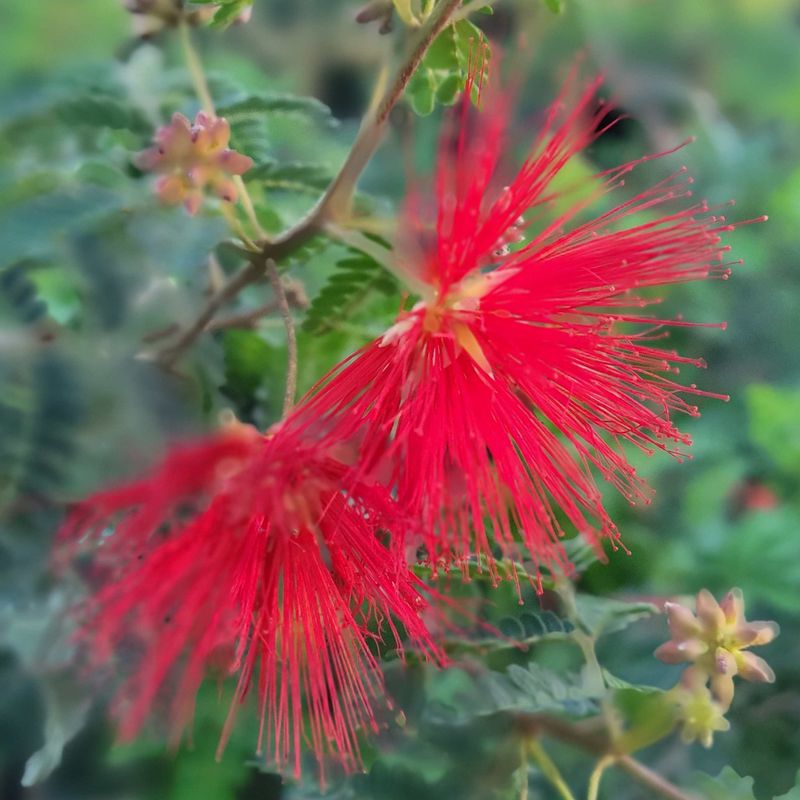
Picture a tiny red firework frozen mid-burst, and you have the flower of the Baja Fairy Duster. Each bloom is a fluffy pom-pom of slender stamens, and hummingbirds treat them like a favorite restaurant.
Your Arizona Garden Changes Every Week. Your Plan Should Too.
Gardening in Arizona changes quickly throughout the season. Every Friday you’ll receive a simple weekly plan showing exactly what to plant, prune, fertilize, harvest, and protect so you never miss the right timing.
In warm parts of the Valley, this evergreen shrub can flower almost all year, with peaks in spring and fall. That steady nectar supply makes it one of the best choices for anyone hoping to keep hummingbirds visiting through every season.
Butterflies and verdins often stop by too.
Fine, fern-like leaves give it a soft, airy feel that contrasts nicely with spiky agaves or bold prickly pears. It typically reaches four to five feet tall and wide, a handy size for foundation plantings or low screens near a patio.
Once established, it needs surprisingly little water and handles reflected heat from walls and driveways well. During the first year, give it deep, regular drinks so roots can dig in.
Fall planting matters here because it lets the shrub settle before summer stress. Choose a sunny spot with good drainage.
In colder pockets, a hard freeze may nip the tips, but plants usually bounce back quickly once warm weather returns. Light pruning in late winter keeps the form full.
4. Chuparosa
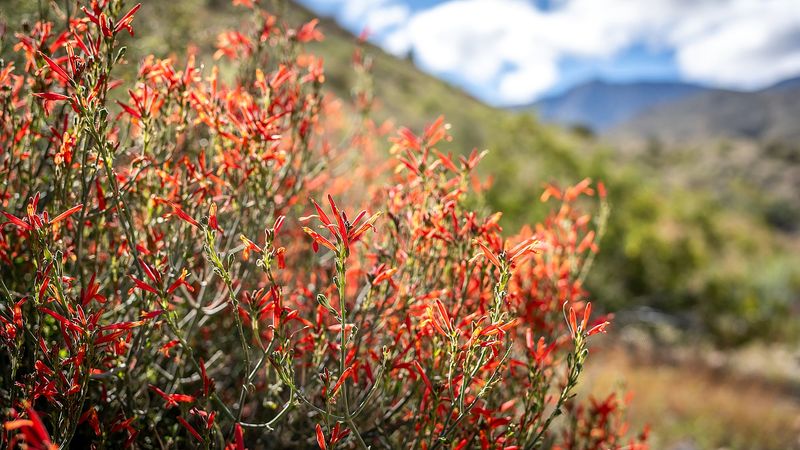
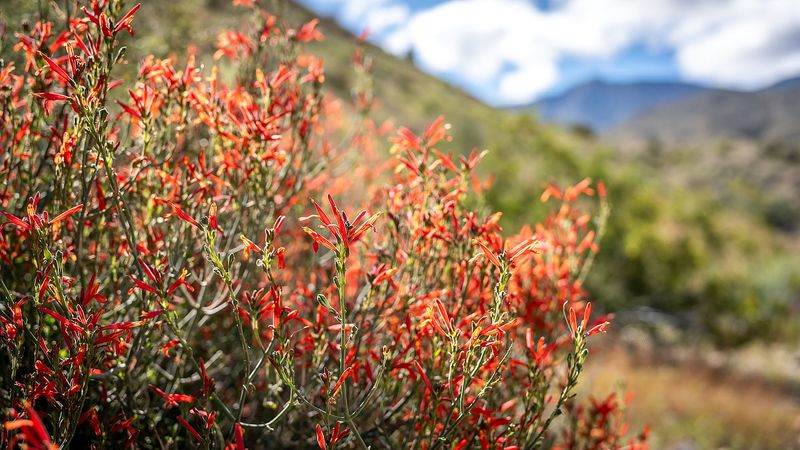
The name says it all. Chuparosa roughly translates to rose sucker, a nod to the hummingbirds that zip in to sip from its red-orange tubular flowers.
Locals sometimes call it hummingbird bush, and it truly lives up to that title.
What sets it apart from most shrubs on this list is timing. Blooms arrive during the cooler months, from late fall into spring, right when Anna’s and Costa’s hummingbirds need food most.
While other plants rest, your yard keeps feeding wildlife.
Bright green stems carry small leaves that may drop during dry spells or chilly snaps. Even then, the stems keep their color, so the plant still looks lively.
It grows into a loose mound around three to four feet tall.
Water needs are very low once roots are settled. A deep soak every few weeks in summer usually keeps it happy.
Since young plants can be sensitive to frost, plant early in fall, ideally October, in a warm, protected spot like a south-facing wall. That gives roots time to grow before winter nights dip.
Avoid heavy pruning; just trim any frost-touched tips in early spring. Pair it with brittlebush for a cheerful mix of red and yellow.
5. Desert Senna
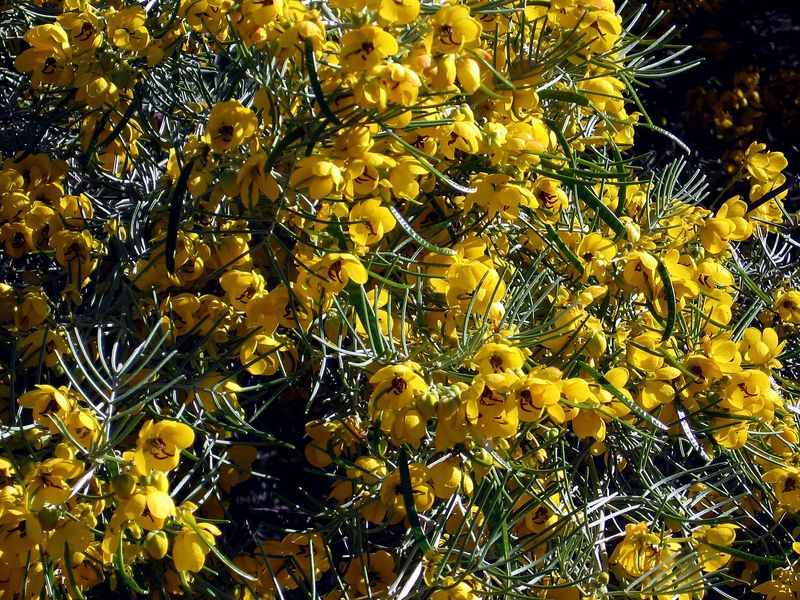
Some shrubs whisper, but Desert Senna practically sings. Clusters of buttery yellow flowers cover its fine-textured branches, often starting in late winter and continuing for weeks, turning a plain corner into a warm, sunny focal point.
Originally from Australia, this tough evergreen has adapted so well to the low desert that many Arizona homeowners treat it like a local. Its gray-green foliage stays put year-round, so it keeps your yard looking finished even in midsummer.
Pollinators love it. Bees work the blossoms steadily, and sulphur butterflies, whose caterpillars feed on senna plants, may lay eggs on the leaves.
Seeing those little yellow butterflies flutter around is a sweet bonus for anyone building a wildlife-friendly yard.
Growth is fairly quick, reaching around three to six feet tall. Water needs are low after the first year, and it handles reflected heat near sidewalks with ease.
Planting in fall gives it a valuable head start. Water deeply once or twice a week at first, then slowly space it out.
After flowering, seed pods form, and snipping them off keeps the plant neat and may encourage more blooms. Full sun and well-drained soil help it reach its best.
6. Jojoba
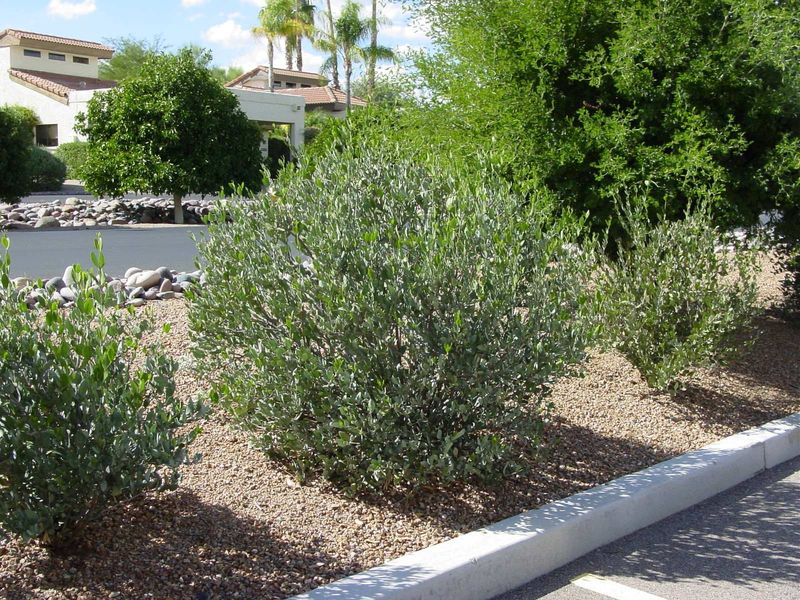
You may already own something made from Jojoba without knowing it. The oil pressed from its seeds shows up in shampoos, lotions, and lip balms around the world.
In your yard, though, this native shrub shines for a different reason: rugged, year-round structure.
Leathery blue-green leaves grow upright, tilting their edges toward the sun to reduce heat stress. That clever design helps the plant handle brutal summers while staying dense and green.
It makes a fantastic informal hedge or privacy screen without demanding constant water.
Wildlife appreciates it too. Quail, rabbits, and small birds often shelter beneath its thick branches, and some animals snack on the nutty seeds.
If you want a yard that functions as habitat, this one fits right in.
Jojoba grows slowly, so patience pays off. Expect it to reach three to six feet over several years.
Fall is an excellent planting window, since cool weather encourages deep roots, and this shrub can send a taproot surprisingly far down. Water regularly the first year, then rarely.
Plants are either male or female, and only females produce seeds, so plant a few if you want the full show. Prune lightly to shape, or simply leave it natural.
7. Bush Dalea
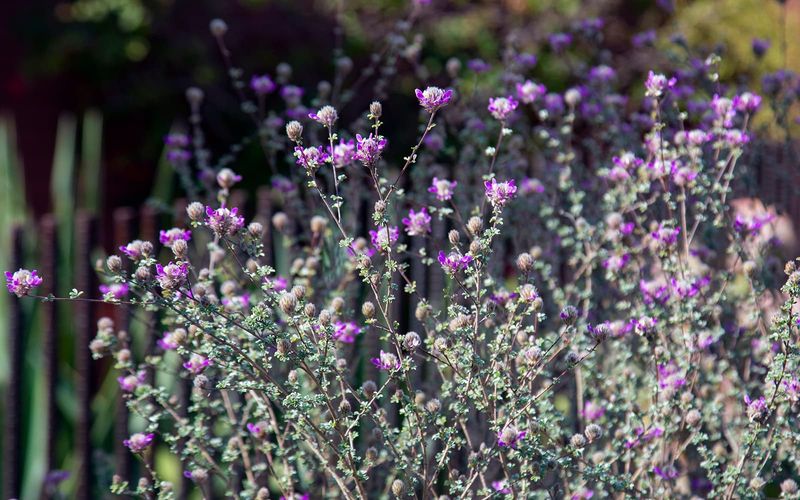
Walk past a blooming Bush Dalea and you might hear it before you see it. The violet flower clusters draw so many bees that the whole shrub seems to hum on a sunny afternoon.
Two types are popular in Arizona yards. Indigo Bush, or Dalea pulchra, wears silvery foliage and blooms from late winter into spring.
Black Dalea, Dalea frutescens, offers deep purple flowers from late summer into fall. Plant both and you can stretch the pollinator buffet across several seasons.
Gardeners also love its tidy habits. Bush Dalea has no thorns, drops very little litter, and stays a manageable size, usually three to four feet.
That makes it a smart pick near pools, walkways, and patios where messy plants become a chore.
Drought tolerance is outstanding once roots are established. Many plants get by on just occasional deep watering in summer.
Fall is prime time for planting, giving the shrub several cool months to anchor itself. Choose full sun and loose, well-drained soil, since soggy conditions cause problems.
A light trim after flowering helps keep growth compact. Silver foliage pairs beautifully with darker green plants like jojoba or rosewood for eye-catching contrast.
8. Arizona Rosewood
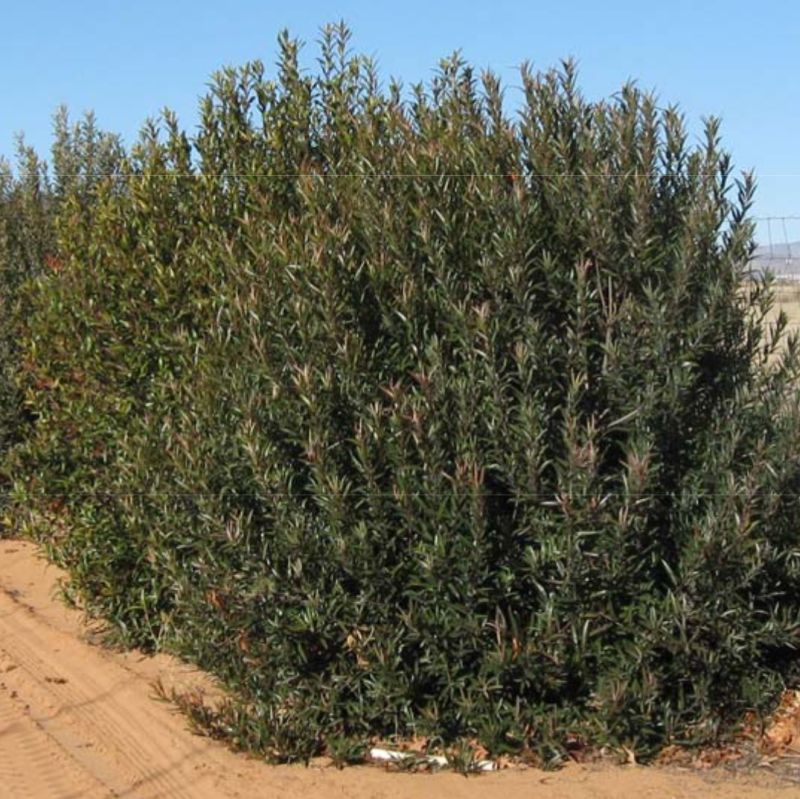
Tired of staring at your neighbor’s block wall? Arizona Rosewood might be the quiet hero your yard needs.
This native evergreen grows into a dense, upright screen that blocks views and softens hard edges without guzzling water like oleander.
Dark green, narrow leaves give it a rich, almost lush look that feels unexpected in the desert. In late spring and early summer, flat clusters of tiny white flowers appear, attracting bees and other insects.
Birds often nest in its thick branches, adding life to your yard.
Patience is part of the deal. Rosewood grows slowly at first, but over time it can reach ten to fifteen feet tall.
Many homeowners shape it into a small multi-trunk tree, which offers a bit of welcome shade near a seating area.
Once established, it needs only occasional deep watering, even during summer. Heat and alkaline soil do not bother it much.
Planting in fall gives roots a big head start before the first scorching stretch. Water deeply and regularly the first year, then reduce.
Skip heavy shearing to keep its natural form. For the best screen, space several plants six to eight feet apart along a fence line.
9. Feathery Cassia
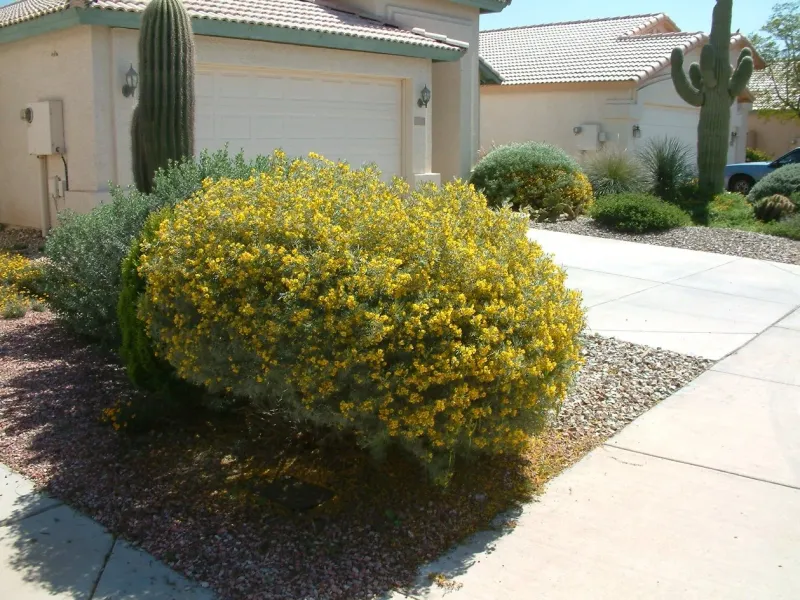
Run your hand across Feathery Cassia and the needle-thin leaves feel almost like soft pine. That wispy texture makes it stand out in a desert garden full of bold, chunky plants.
A close cousin of Desert Senna, this variety stands out because of its extra-fine foliage and toughness. It handles summer highs above 110 degrees, thrives in alkaline soil, and goes long stretches between waterings without complaint.
If your yard has a blazing west-facing spot where other plants struggle, this one is worth a try.
Small yellow flowers cover the shrub from late winter into spring, bringing in bees and sulphur butterflies. Even out of bloom, the gray-green color stays fresh all year, adding a soft, cooling tone to hot hardscape.
Most plants grow three to five feet tall and wide, with a rounded, natural shape. Little pruning is needed beyond removing seed pods after flowering, which keeps it looking neat and may encourage new growth.
Plant in fall for the strongest start. Water deeply about once a week through winter, then gradually extend the time between soakings.
Good drainage is a must. Combine it with barrel cactus, agave, or red yucca for a striking, low-water design.
10. Rosemary
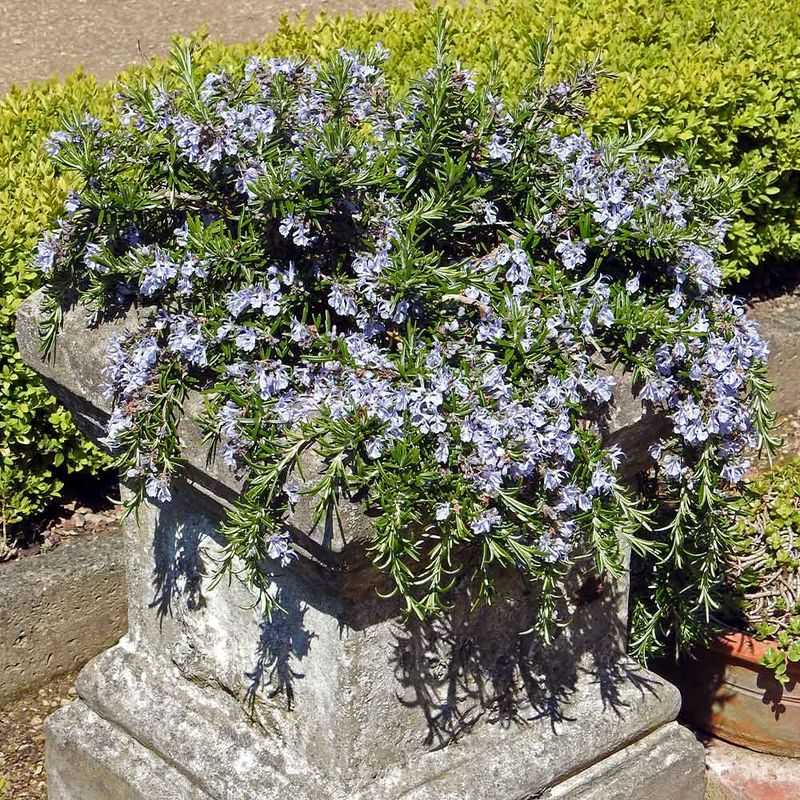
Here is a shrub that works double duty in the yard and the kitchen. Rosemary is not native to Arizona, but it comes from the dry Mediterranean and settles into low-desert life with remarkable ease.
Fragrant, needle-like leaves stay green all year, and small blue flowers appear in winter and spring, feeding early bees when few other blooms are open. Brush past it on a warm evening and the scent fills the air.
Many homeowners grow it near patios because its strong aroma may help make the area less inviting to mosquitoes and some other pests. Results vary, so think of it as a helpful layer rather than a complete fix.
Still, a sitting area ringed with rosemary smells far better than one surrounded by bare gravel.
Upright types make low hedges, while trailing varieties spill beautifully over walls and raised beds. Snip sprigs for roasted vegetables or grilled chicken whenever you like.
Fall is the recommended planting time in Arizona. Choose full sun, sandy or rocky soil, and excellent drainage.
Overwatering is the biggest risk, so let soil dry out between drinks. A little afternoon shade in summer can help young plants through their first hot season.