The Pennsylvania Trees You Can’t Cut Down Without A Permit
That big shady tree in your yard feels like yours, and in a lot of ways it is. But in many Pennsylvania towns, the rulebook has some opinions about it too.
Street trees, giant old specimens, trees near creeks, even trees on steep hillsides can come with permit requirements, and the rules vary by municipality. That is why grabbing a chainsaw first and asking questions later is a risky plan.
Fines can sting worse than a wasp nest, and nobody wants a bill from the borough office. The good news is that a quick phone call or a peek at your local ordinance can sort things out.
Knowing which situations trigger a permit helps you plan smart, stay on the right side of the rules, and keep your neighborhood leafy.
1. Street Trees Planted Between Sidewalk And Curb
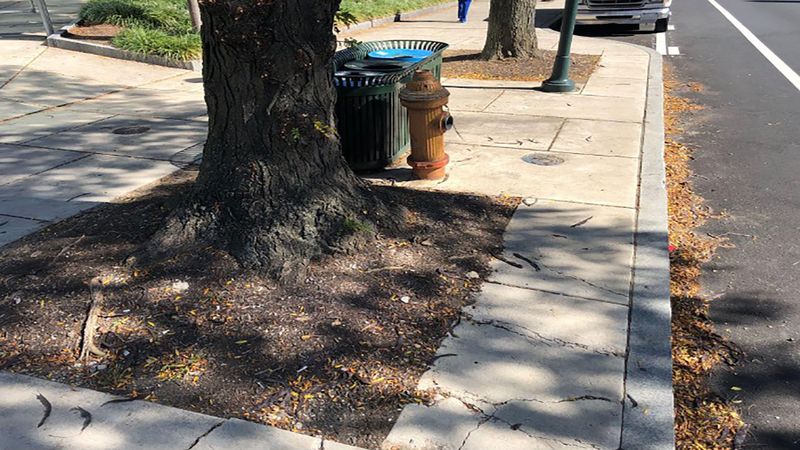
Most folks are surprised to learn that the tree in front of their house may not be fully theirs. In many towns, the strip between the sidewalk and curb is public right-of-way.
Philadelphia, Pittsburgh, and plenty of smaller boroughs in Pennsylvania treat these street trees as city property or as shared responsibility. That means you usually need a permit to prune heavily, remove, or even replace one.
Philadelphia Parks and Recreation runs a permit system for street tree work. Pittsburgh has a similar process through its City Forester.
Removing a tree without approval can bring fines based on the size and value of the tree.
Here is a smart first step if a street tree worries you. Call your city or borough office and ask who manages trees in the right-of-way.
Some places will even inspect the tree for free.
Many towns also ask you to plant a new tree after removal. Others charge a fee that goes toward planting trees elsewhere in the community.
It sounds like a hassle, but these trees cool streets, soak up rainwater, and raise property values.
Fun fact: one healthy street tree can cool the air around it as much as several room air conditioners. That is a pretty good deal for something that grows on its own.
Before you plan any work, snap a few photos and write down the tree type to make the permit chat easier.
2. Heritage Trees With Giant Trunks
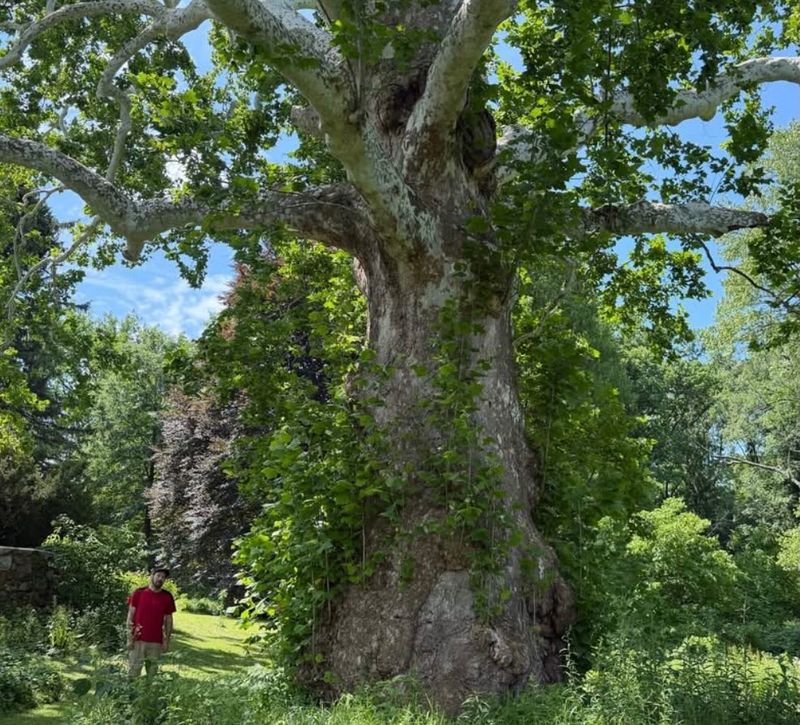
Some trees have watched over a neighborhood longer than anyone living there. Towns notice these giants, and many write special rules just for them.
Several Pennsylvania municipalities protect heritage or specimen trees. These are usually measured by trunk width at about four and a half feet off the ground, called diameter at breast height.
Common cutoffs range from 24 to 30 inches, though each town picks its own number. West Chester Borough uses 24 inches, while Radnor Township on the Main Line defines a heritage tree as one with a trunk 30 inches or more across and requires replacement trees when large trees are removed.
If you are adding a garage or pool, a large oak in the way could trigger a review in towns with rules like these.
Your Pennsylvania Garden Changes Every Week. Your Plan Should Too.
Gardening in Pennsylvania changes quickly throughout the season. Every Friday you’ll receive a simple weekly plan showing exactly what to plant, prune, fertilize, harvest, and protect so you never miss the right timing.
So how do you know if your tree counts? Grab a tape measure and wrap it around the trunk at chest height.
Divide that number by 3.14 to get the diameter.
If the result is big, check your local ordinance online or call the zoning office. Some towns require an arborist report before they approve removal.
A certified arborist may also suggest options like cabling or careful pruning. These can keep a large tree safe for years without taking it down.
Old trees are not just pretty. They hold homes for owls, woodpeckers, and countless insects, and they store huge amounts of carbon that young trees cannot match for decades.
3. Trees Growing Along Streams And Creeks
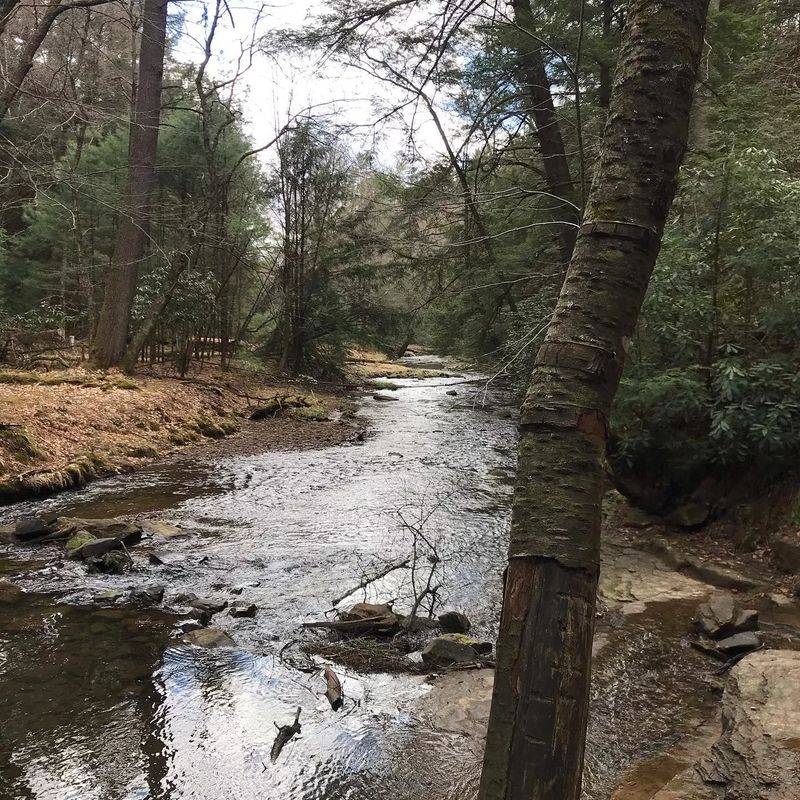
Roots along a creek bank work like nature’s rebar. They hold soil in place so heavy rain does not wash your backyard downstream.
Because of that job, many towns protect trees in riparian buffers, which are the strips of land beside streams, ponds, and wetlands. Buffer widths often range from 35 to 100 feet or more, depending on local rules and water quality.
The Pennsylvania Department of Environmental Protection also pays close attention to waterways, especially special protection streams. Work that disturbs land near these waters may need state or county permits in addition to local ones.
Sycamores, river birches, silver maples, and black willows are common creekside trees. They love wet feet and help shade the water, which keeps it cool for trout and other fish.
If a creekside tree is leaning or causing trouble, avoid ripping it out roots and all. Pulling the stump can loosen the bank and cause erosion.
Talk to your county conservation district first. Staff there can explain the rules and may point you to programs that help landowners plant buffers for free or at low cost.
Bonus tip: leaving a fallen log near the water’s edge can create great hiding spots for fish and frogs. Sometimes the best plan is just a little patience.
4. Trees In Historic Districts
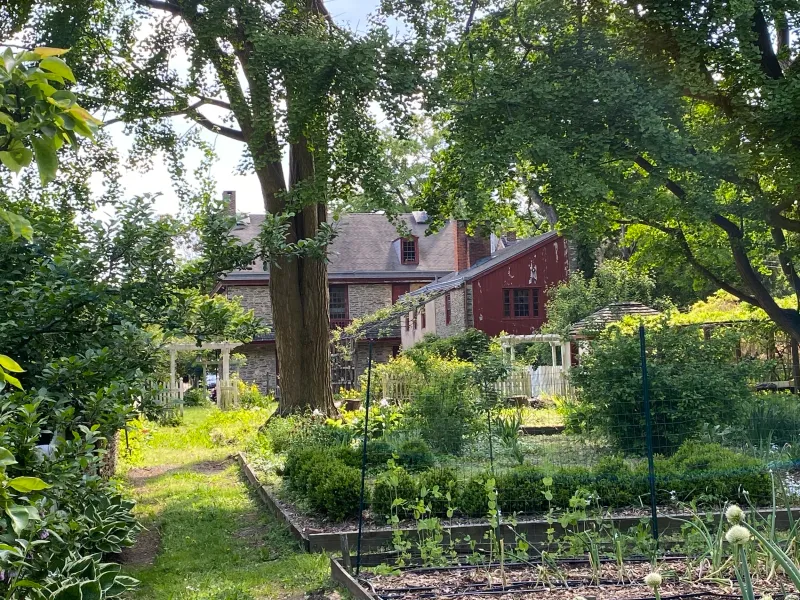
Walk down a cobblestone street in an old town and the trees feel like part of the story. Historic review boards often agree.
Places like Lancaster, Bethlehem, Gettysburg, and parts of Philadelphia have historic districts with design rules. While many of these rules focus on buildings, some also cover landscape features, including mature trees that shape the look of the street.
Taking down a tree in one of these districts might mean filing paperwork with a historical architectural review board. The board wants to keep the area’s charm, so it may ask about replacement plans or tree type.
Not every historic district has tree rules, which is why checking matters. A short email to your borough’s zoning or historic preservation officer can clear things up fast.
Here is something neat. A few Pennsylvania trees are old enough to have witnessed major moments in American history.
Gettysburg National Military Park has documented a small number of witness trees that were alive during the 1863 battle, and park staff work to protect them today.
If you own a home in a historic area, think of your tree as part of a bigger picture. Keeping records of its care, like pruning dates and arborist visits, can help if questions ever come up during a sale or review.
5. Trees On Steep Slopes
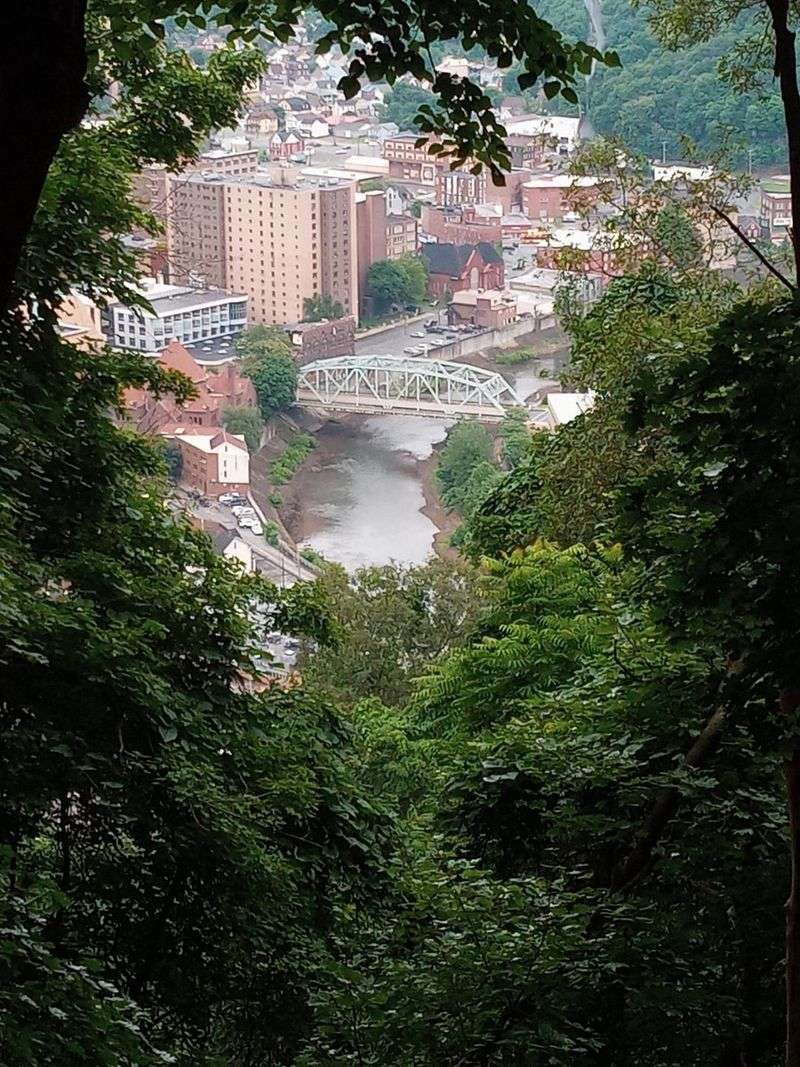
Pittsburgh is famous for hills, stairs, and houses that seem glued to the sides of ravines. Trees on those slopes are doing serious heavy lifting.
Many hilly Pennsylvania communities have steep slope ordinances. These rules limit clearing on land above a certain grade, often 15 or 25 percent, because roots help stop landslides and runoff.
Western parts of the state have dealt with costly landslides in recent years. Pulling trees off a hillside can make soil loosen faster after a big storm.
So what should you do if a slope tree blocks your view or drops branches? Start with pruning instead of removal.
Thinning branches can open sightlines while keeping roots in place.
If removal is truly needed, a permit may require an erosion plan. That could include planting shrubs, groundcover, or new trees to hold the soil.
Native plants are often recommended for this job. Witch hazel has a deep, extensive root system, while serviceberry has a broad, fibrous one, and both are commonly used on hillsides.
Native grasses are also widely suggested because their fibrous roots hold soil well.
Your township engineer or county conservation district can help you choose plants that fit your slope.
One handy test: if you would need ropes or special gear to stand near the tree, the ground is probably steep enough to fall under these rules. Check with your township engineer before any chainsaw comes out.
6. Trees On New Building Lots
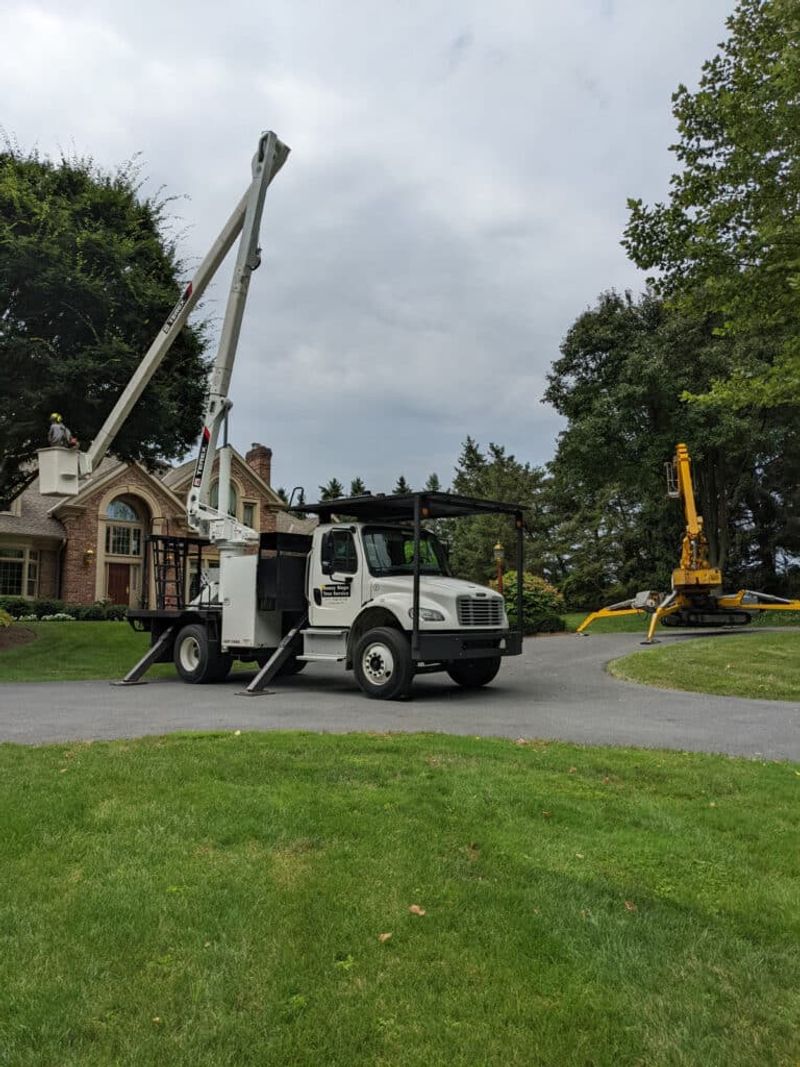
Bulldozers and big trees rarely get along. That tension is exactly why many townships step in before construction starts.
Across Pennsylvania, subdivision and land development ordinances often include tree protection rules. Builders may need to show which trees will stay, which will go, and how many new ones will be planted.
Some townships in Chester, Bucks, and Montgomery counties require replacement trees based on trunk size. Removing one large tree might mean planting several smaller ones somewhere on the property.
If you are building a home or addition, ask about tree rules early in the planning stage. Finding out late can delay permits and add surprise costs.
Protecting trees during construction takes more than good intentions. Roots spread far beyond the branches, so heavy trucks parked under a tree can crush them.
A simple trick is to set up sturdy fencing around the drip line, which is the outer edge of the branches. Keep soil piles, tools, and vehicles outside that zone.
Trees stressed by construction can decline slowly over several years. Watering during dry spells and adding a layer of mulch can help them bounce back and keep your new place shady and welcoming.
7. Trees On Public Land And Parks
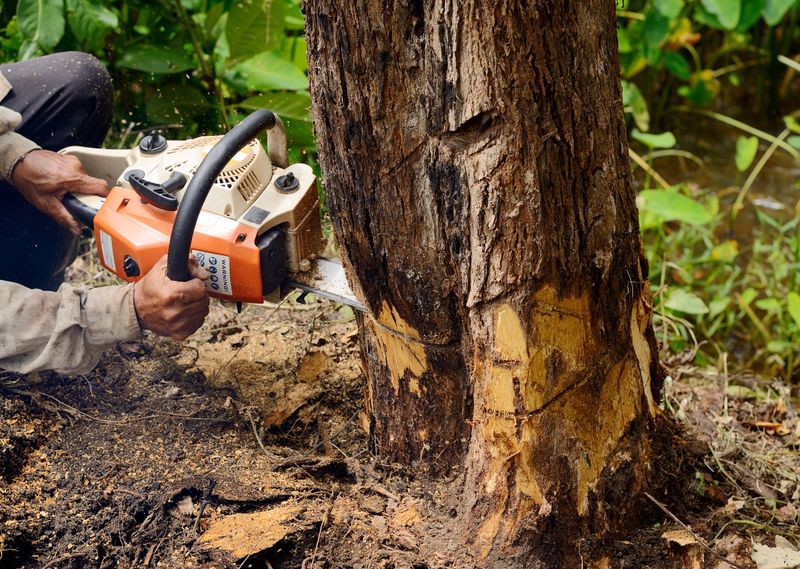
Hikers love Pennsylvania’s huge network of public forests. With more than two million acres of state forest land, the trees there belong to everyone.
That shared ownership means cutting is tightly controlled. Taking firewood or felling trees in state forests usually needs a permit from the Department of Conservation and Natural Resources, often called DCNR.
DCNR does offer personal firewood permits in certain state forests. These let people gather downed or marked wood for home use, but only in approved areas and amounts.
Local parks follow similar ideas. Cutting a branch from a city park tree for your fireplace or crafts can lead to a citation.
Neighbors sometimes run into trouble when a park tree hangs over their yard. You can often trim branches on your side, but harming the whole tree is a different story.
Call your parks department to report concerns instead.
Here is a cool bit of history. Pennsylvania’s state forest system grew out of land that was heavily logged in the late 1800s.
Conservation pioneers like Gifford Pinchot, who later became governor, helped bring those forests back.
Today, those regrown woods offer shade, clean water, and wildlife habitat for all of us to enjoy.
8. Hemlocks And Other Treasured Native Trees
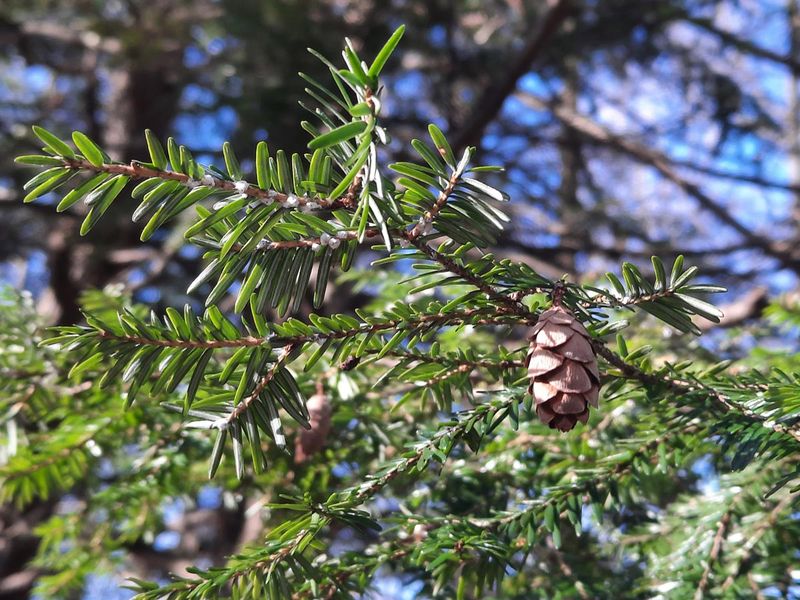
Few trees hold a special place in Pennsylvania hearts like the Eastern hemlock. It is the official state tree, chosen back in 1931.
Hemlocks shade cool ravines and help keep streams chilly enough for trout. Sadly, an invasive insect called the hemlock woolly adelgid has harmed many of them across the East, and it has been attacking Pennsylvania hemlocks since 1967.
No general rule requires a permit to cut a hemlock on private property. Still, other limits can apply, which is why it pays to check before cutting any valuable native tree.
Land under a conservation easement may limit cutting without approval from the group that holds the easement. Local ordinances can add their own rules for certain trees too.
If you own property, check your deed for easements. Many landowners forget they signed one years ago, or bought land that already had one.
Spotting adelgid is pretty easy once you know the sign. Look for tiny white, cottony masses on the undersides of branches at the base of the needles, most visible from late fall through early summer.
Treatment options exist, and a licensed arborist can often help save valuable hemlocks. That is usually a far better choice than removal.
Other native trees like American chestnut hybrids, black walnut, and white oak also carry big value for wildlife. Keeping them standing helps birds, deer, and pollinators thrive right outside your window.
9. Trees In HOA And Shared Community Spaces
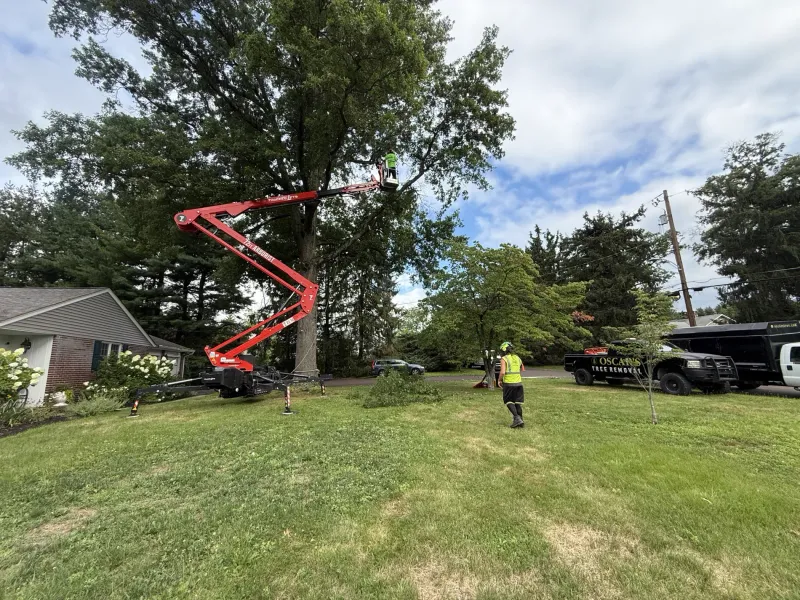
Not every permit comes from a government office. Sometimes the folks with the final say are your neighbors on the homeowners association board.
Plenty of townhome and planned communities in Pennsylvania have HOA rules about trees. These rules may require approval before removing, replacing, or even planting trees, especially in front yards or shared lawns.
HOAs care about a matching look across the neighborhood. A missing tree in a row of identical maples can stand out like a gap in a smile.
Start by reading your community’s covenants or bylaws. They are usually available from the HOA management company or posted online.
Then submit a request in writing, and include photos and a short reason for removal. Clear notes about safety or damage tend to move faster through approval.
Keep in mind that HOA approval does not replace township rules. You may need both, depending on where the tree sits.
A helpful habit is to save copies of every approval letter. If a future buyer or neighbor asks questions, you will have proof that everything was done the right way.
Working together on tree plans can also turn into a neighborhood win. Some communities hold group planting days that bring people closer.