How To Decorate A Georgia Porch For Halloween With Fall-Blooming Plants
Plastic skeletons and carved pumpkins usually steal the show on Halloween, leaving the porch around them bare. Living plants can fill that gap and keep the display fresh after the candy is gone.
Several fall bloomers hold color into November, so they earn their spot past a single night.
Warm afternoons on a Georgia porch can dry out containers faster than many expect. Plants that handle mild days and chilly nights last longest in pots by the door.
Pick plants covered in tight buds rather than full blooms, since open flowers may fade before the holiday.
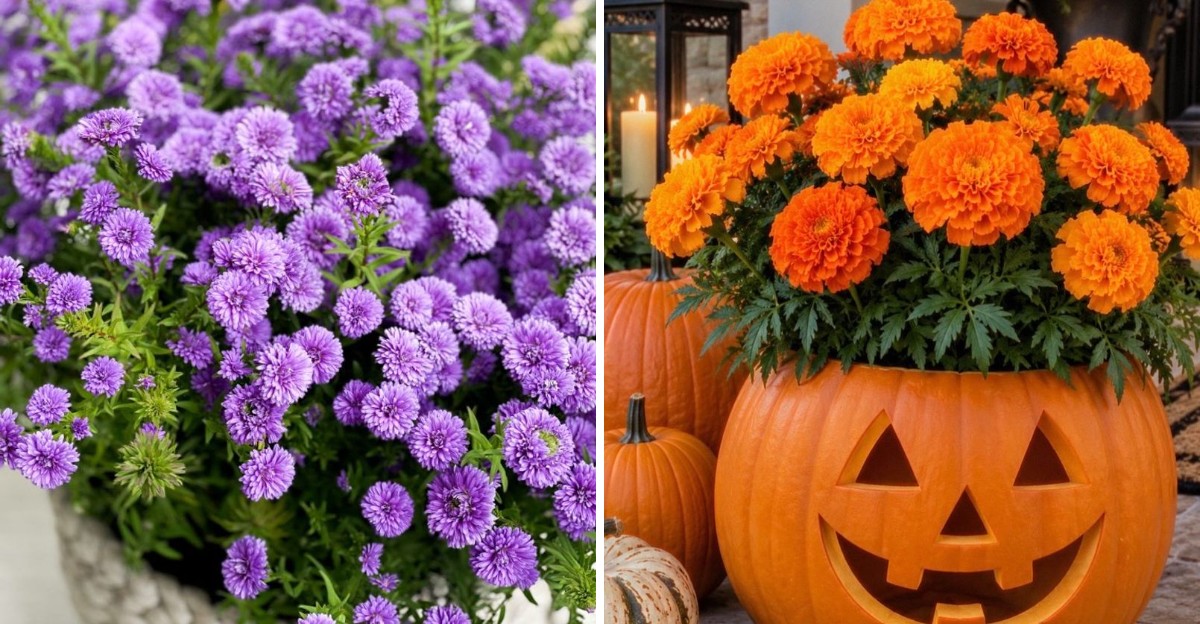
Orange and deep purple blooms beside pumpkins give you a classic look with little effort.
Many of these plants can move into garden beds afterward, stretching one night of decorating into weeks of color.
1. Garden Mums In Orange And Bronze Anchor A Festive Front Step
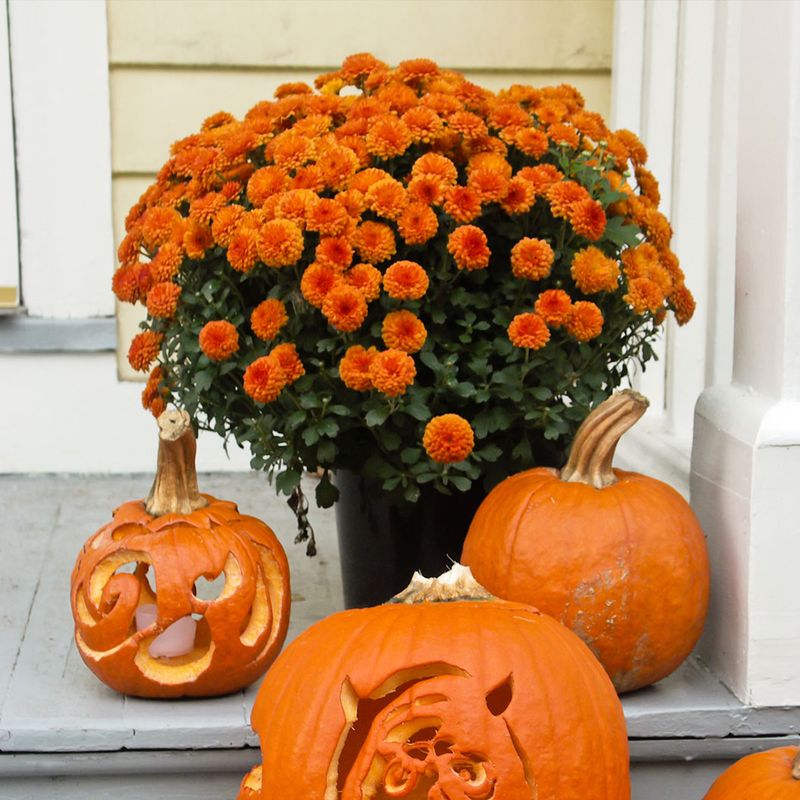
Nothing says October on a front step quite like a big, rounded mum covered in bronze blooms. Garden centers across Georgia fill up with them in September, and they sell fast once the weather turns.
Pick plants with plenty of tight buds and only a few open flowers.
Buying them that way usually stretches the show a lot longer. A mum in full bloom at the store may look tired by Halloween, especially during a warm spell.
Orange and bronze shades pair nicely with pumpkins, gourds, and straw bales.
Set a large mum on each side of the door to frame the entrance. Matching pots give a neat look, while mixed sizes feel more relaxed and homey.
Water is the big thing to watch with these plants. Potted mums are often root-bound, so they can wilt quickly on a sunny porch.
Check the soil every day or two, and water deeply when the top feels dry. Soaking the pot from below in a tub can help a tightly packed root ball absorb water.
Morning sun with some afternoon shade often helps blooms last longer in warm weather.
Once flowers fade, you can plant hardy types in the garden, though results vary. Some come back next fall, while others struggle after being forced into bloom for the market.
2. Near-Black Pansy Varieties Bring A Spooky Touch That Lasts Into Spring
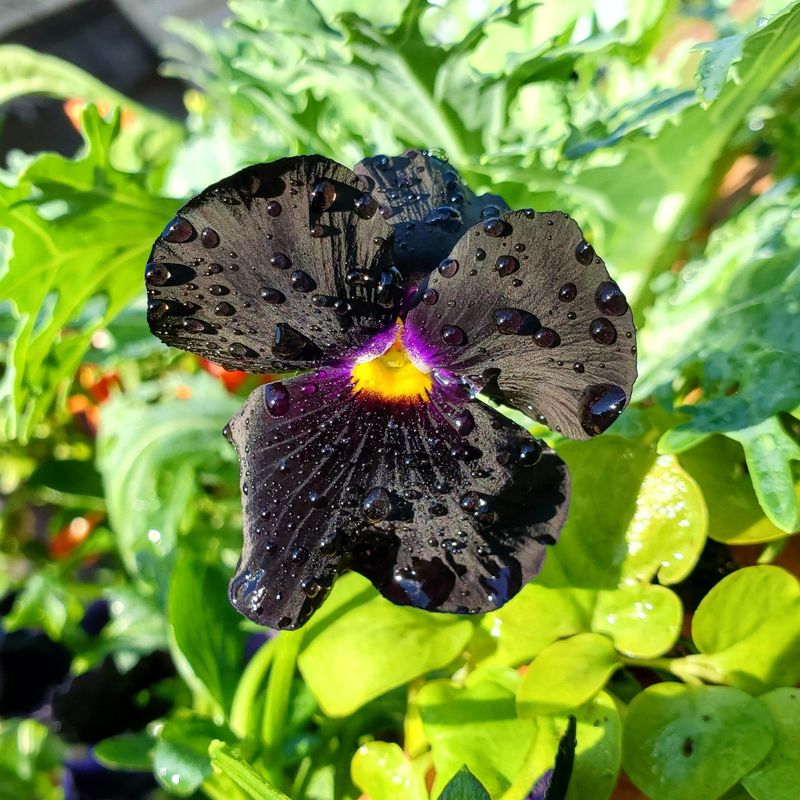
Black flowers feel made for Halloween. Pansies sold under names like Black Delight or Halloween offer petals so dark they look almost like velvet.
Up close, most of these blooms are actually a very deep purple.
From a few feet away, though, they read as black, which looks striking next to bright orange pumpkins. Tuck them around the base of a mum pot or along a window box edge.
Timing matters here. Pansies prefer cool weather, so planting them during a hot stretch in early fall can leave them leggy and stressed.
In Georgia, many gardeners wait until nighttime temperatures cool off in October before setting them out.
Here is the real bonus. Unlike many Halloween decorations, pansies can keep blooming through much of winter in mild areas and often put on a strong show again in spring.
Your Georgia Garden Changes Every Week. Your Plan Should Too.
Gardening in Georgia changes quickly throughout the season. Every Friday you’ll receive a simple weekly plan showing exactly what to plant, prune, fertilize, harvest, and protect so you never miss the right timing.
Cold snaps may pause flowering for a while, but the plants usually recover once the weather softens.
Give them a spot with at least half a day of sun for the best flowering. Pinch off faded blooms every week or so to encourage new buds.
A balanced fertilizer made for flowers can help potted pansies, since frequent watering washes nutrients out of the soil. Follow the label rate rather than guessing.
3. Violas Fit Purple And Orange Color Into Small Pots
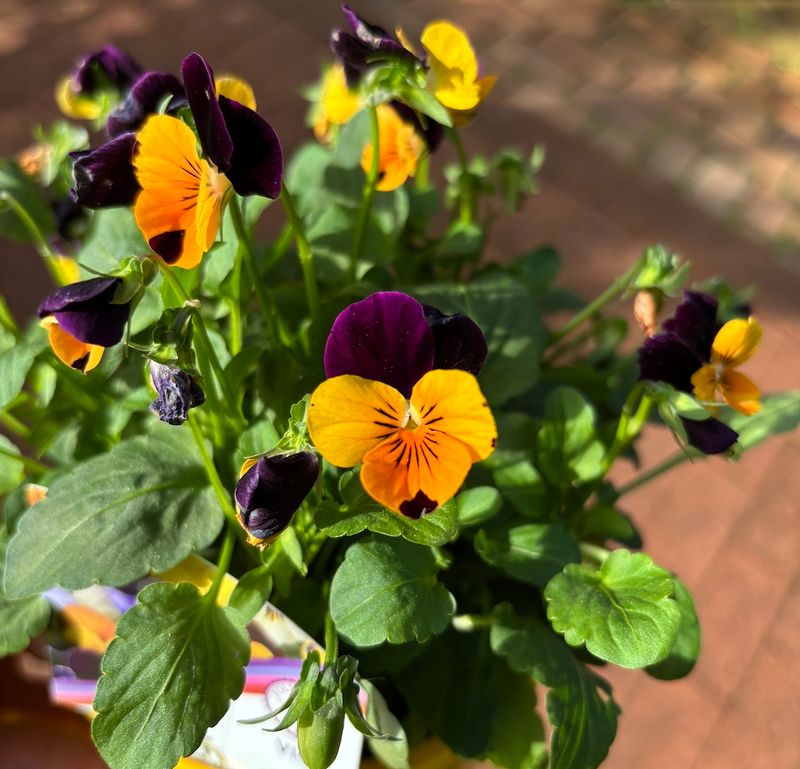
Small pots deserve flowers that fit them. Violas are cousins of pansies, but their blooms are smaller and they often produce a lot more of them.
Purple and orange varieties look cheerful lined up along porch steps.
Try using mini pumpkins between the pots for an easy pattern. Short, shallow containers, teacups with drainage holes, or old tins can all work well.
Drainage is key, so drill a hole if your container does not already have one.
Violas handle cool weather well and may keep flowering through mild winter periods. In colder spots around north Georgia, heavy freezes can slow them down or damage open blooms.
Those tiny plants dry out faster than you might expect. Small pots hold only a little soil, so check them often on breezy or sunny days.
A sunny to partly sunny location usually gives the best flowering.
Some violas come in bicolor faces with purple tops and yellow or orange centers. Those mixes blend both Halloween colors in one flower, which saves space on a crowded step.
Picking off faded flowers keeps the plants tidy and can help them keep blooming. As spring warms up, violas usually start to stretch and fade, which is a natural end to their season.
4. Ornamental Peppers Mix Tiny Flowers With Bright Fruit Until Frost
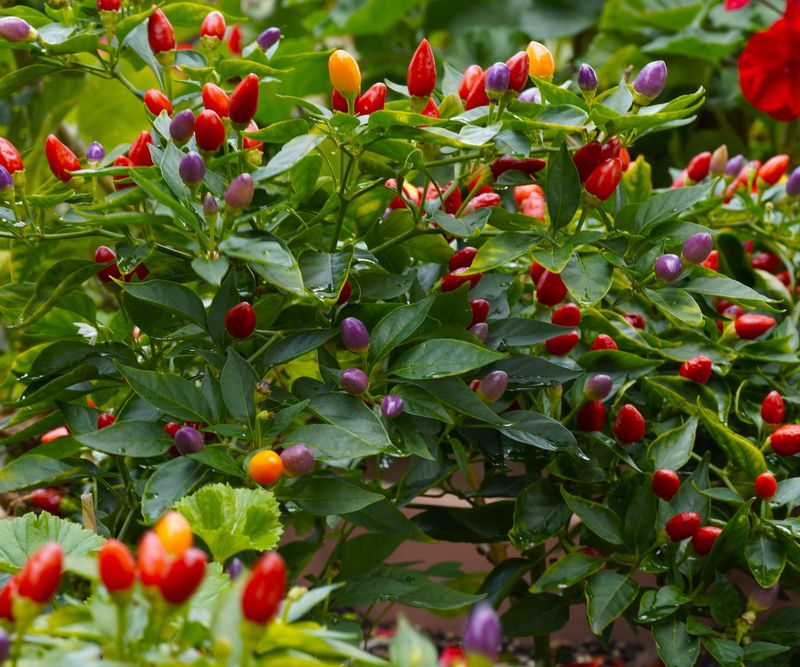
Peppers as porch decor? Absolutely.
Ornamental peppers carry small fruits that shift from purple or cream to orange and red, often all on the same plant.
Little white or purple flowers show up among the leaves too, though the fruit steals the show.
Those mixed colors fit a Halloween theme without much effort. Group two or three pots together near the door for a bold splash.
Heat is something these plants enjoy. They hold up well during the warm early fall days that often linger in Georgia.
Cold is a different story, since peppers are tender and frost can damage them quickly.
Treat them as seasonal plants for most porches. If a frost is forecast, you can move pots into a garage overnight to stretch their run a little longer.
Here is a safety note worth sharing with your family. Many ornamental peppers are very hot, and while they are edible, the fruit can irritate skin and eyes.
Keep them out of reach of small children and curious pets. Washing your hands after handling the fruit is a smart habit.
Give them full sun and steady moisture, letting the top of the soil dry slightly between waterings. Too much water in a pot without drainage can lead to root problems.
5. Feathery Orange Celosia Plumes Add Height To Porch Containers
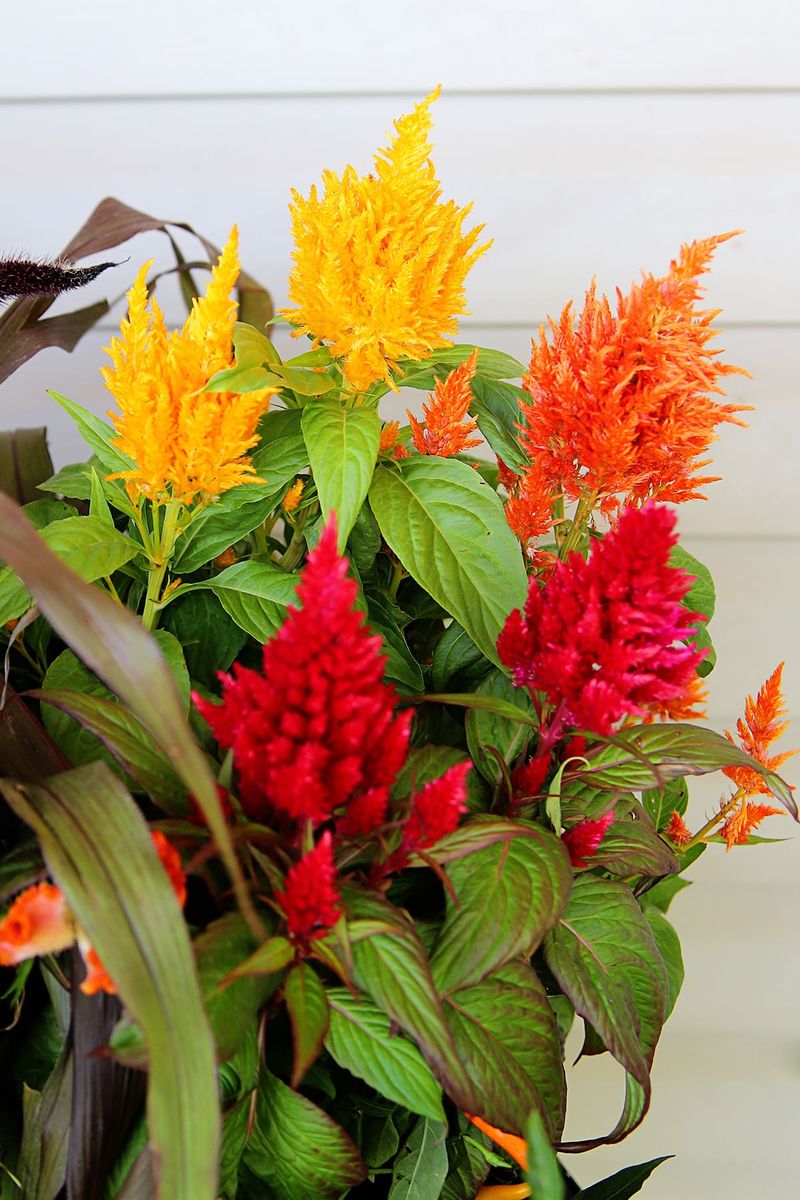
Flat displays can feel a little sleepy. Plumed celosia fixes that with soft, flame-shaped spikes that rise above shorter flowers.
Orange, gold, and deep red varieties match the colors of fall leaves.
Use one as the tall center plant in a large pot, then tuck violas or trailing ivy around the edges. That simple layering gives your container a fuller, finished look.
Celosia is a warm-season plant, so it often looks its best in early fall. Across much of Georgia, it may keep going through October if nights stay mild.
Once frost arrives, the plants usually turn brown and finish for the year.
Plan for that change ahead of time. You can swap a faded celosia for a pansy or a small evergreen shrub when it starts looking tired.
These plants like full sun and well-drained soil. They can tolerate some dryness once settled, but potted ones still need regular water.
Removing old plumes can help the plant look neater and may encourage smaller new ones.
Some people cut the plumes and dry them indoors for wreaths or table arrangements. Hang them upside down in a dry spot, and the color often holds up fairly well for weeks.
6. Marigolds Keep Gold And Orange Blooms Coming In Mild Fall Weather
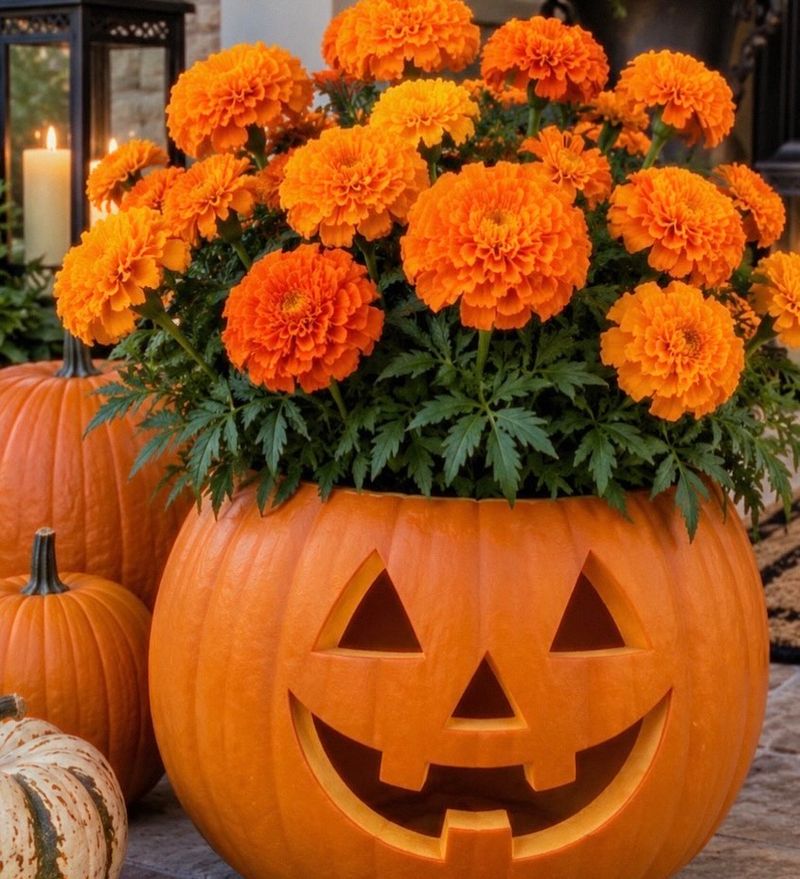
Sunny and stubborn, marigolds can hang on well past summer. In mild fall weather, they often keep pushing out gold and orange blooms right up to Halloween.
Their colors could not be more on theme for the season.
French marigolds stay small and work nicely in window boxes or step pots. African marigolds grow taller with bigger flower heads, which suits larger containers.
If you planted marigolds in spring, they may already be on your porch.
Older plants can look ragged by late summer, though. A light trim and regular deadheading may bring a fresh flush of flowers as temperatures ease.
New plants are sometimes sold in fall at garden centers. In south Georgia, where frost tends to come later, they may keep blooming longer than in the northern part of the state.
Frost will usually end their run, so think of them as short-term color.
Full sun is best for strong flowering. Water at the base instead of over the leaves, since damp foliage can encourage disease during humid stretches.
Marigolds have a strong scent that some people love and others find sharp. Place them where you will enjoy them, maybe near a rocking chair instead of right under a window.
7. Purple Asters Make An Easy Contrast Beside Orange Mums
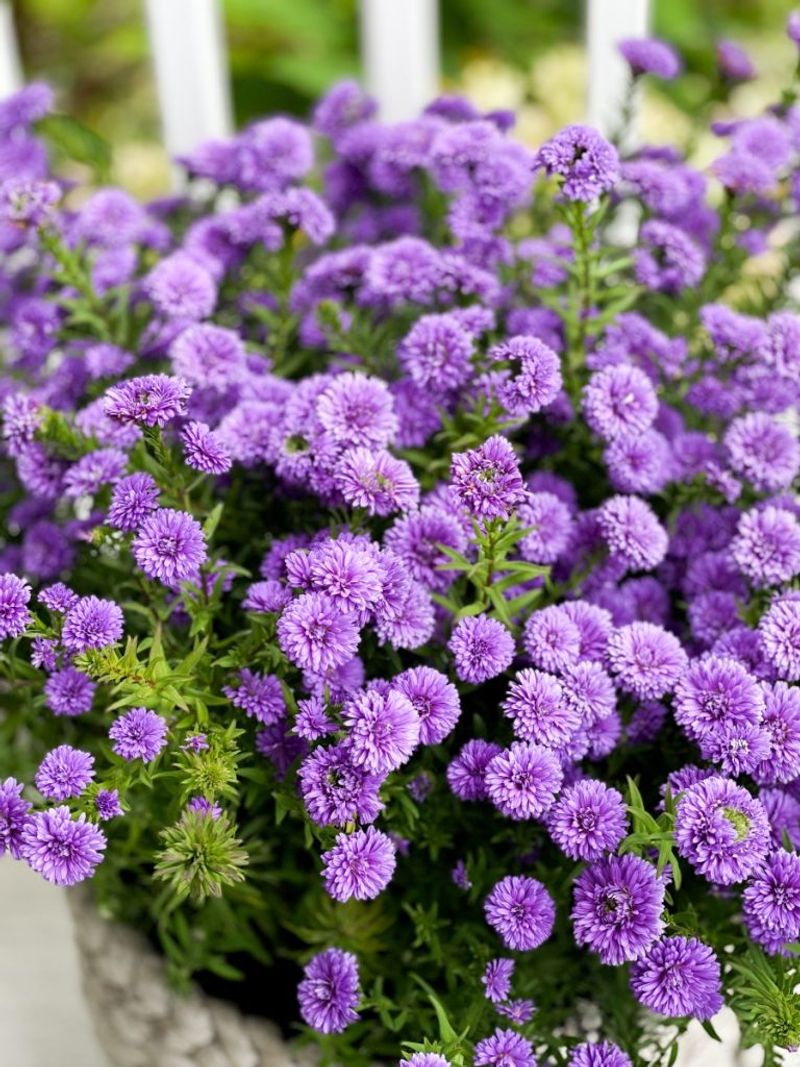
Purple and orange sit across from each other on the color wheel. Put asters next to mums, and both plants suddenly look brighter.
Asters produce small, daisy-like flowers with yellow centers.
Potted asters often appear beside mums at garden centers in fall. Their loose, airy shape softens the tight, rounded form of a mum.
Bees and butterflies may visit them on warm days. That bit of movement adds life to a porch display.
Like mums, store-bought asters can dry out fast in their pots. Water when the soil feels dry an inch down, and avoid letting them wilt over and over.
Bloom time varies by type, but many last a few weeks in fall.
Choose plants with lots of unopened buds for a longer show. Cooler weather can also help the flowers hold their color.
After blooming, perennial asters can go into a sunny garden bed. Several native asters grow well in Georgia, and planting one may give you flowers again next fall, depending on the type and site.
Cut the stems back once they turn brown, or leave some standing for winter interest. Either choice is fine for most home gardens.
8. For Larger Pots, Mexican Bush Sage Offers Fuzzy Purple Spikes
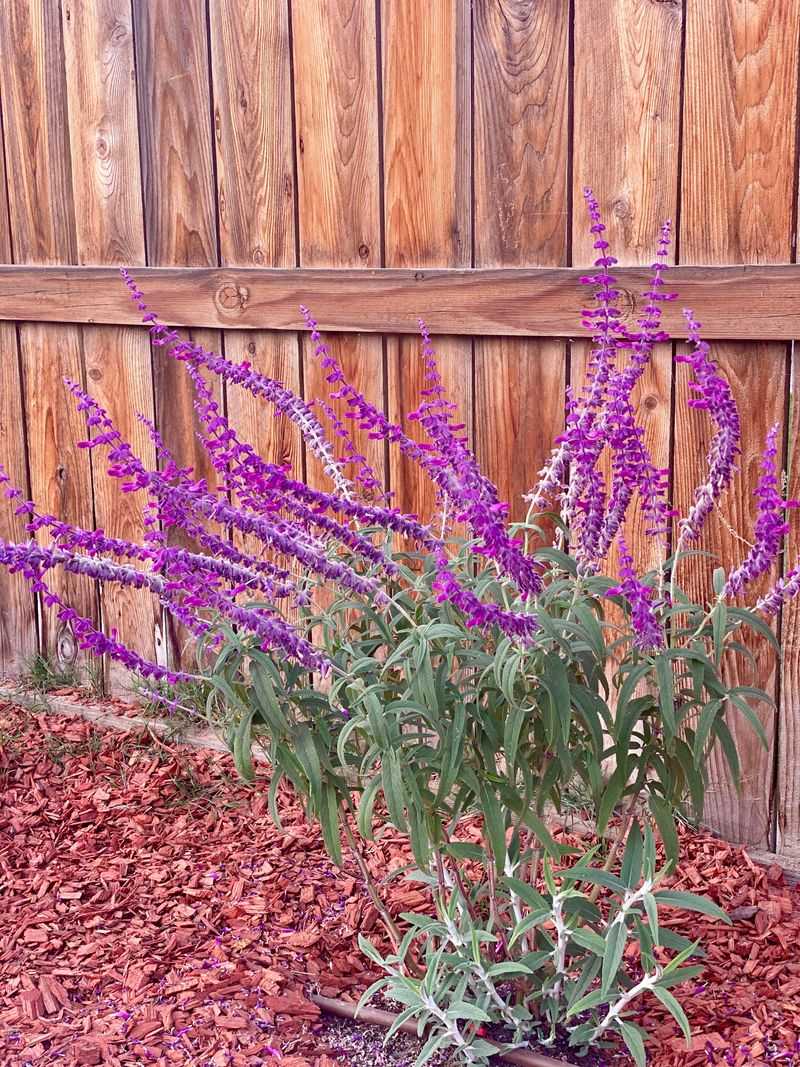
Some plants need room to show off. Mexican bush sage is one of them, with long, arching stems tipped in soft, fuzzy purple spikes.
It often blooms heavily from late summer into fall, right when porches get dressed up.
Its size makes it best for large pots or half barrels. A small container will crowd the roots and dry out too fast.
The velvety flowers feel almost like felt when you touch them.
Pair the sage with orange pumpkins at its base for a bold contrast. Shorter mums or marigolds around the edge can also fill gaps nicely.
Full sun and good drainage help this plant thrive. It handles heat well and does not need much fussing once settled.
Hardiness is where location matters. Mexican bush sage often returns from its roots in middle and south Georgia, while colder mountain areas may lose it over winter.
Plants in containers are more exposed to cold than those in the ground.
If you want to try keeping it, move the pot near a sheltered wall or into an unheated garage during hard freezes. After frost browns the stems, many gardeners cut them back in late winter or early spring.
9. Fall-Planted Snapdragons Can Bloom Now And Again Next Spring
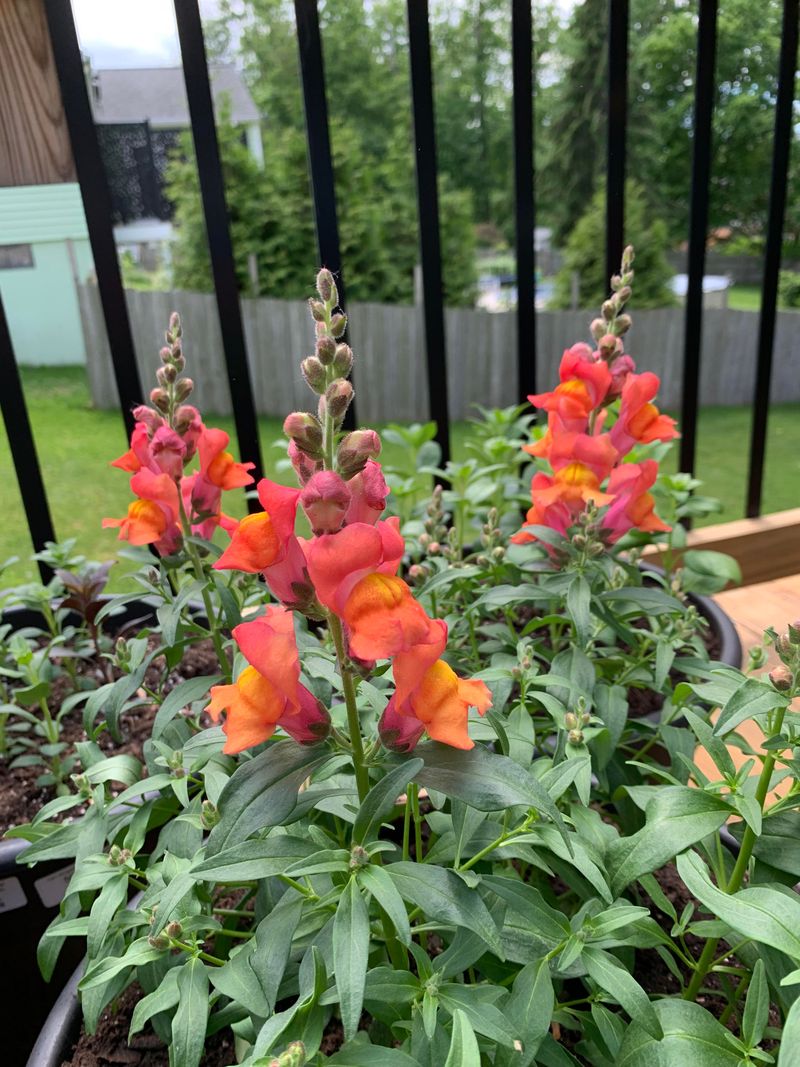
Two seasons from one planting sounds like a good deal. Snapdragons set out in fall can often flower in autumn, then bloom again when spring arrives.
Their upright spikes come in orange, yellow, burgundy, and other warm shades.
Burgundy and orange snapdragons blend nicely with a Halloween theme. They also add height to a mixed pot without the size of a large shrub.
In warmer parts of Georgia, many gardeners treat snapdragons as cool-season flowers for fall through spring. Results can vary in colder areas, where a harsh winter may damage plants.
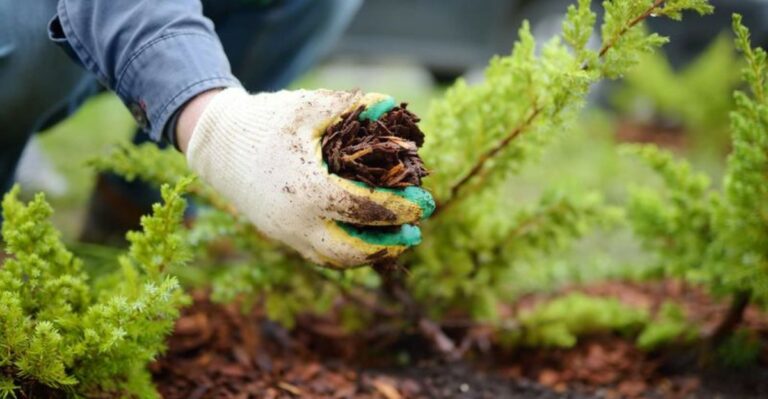
A layer of mulch in the pot can help protect roots a bit.
Plant them in a sunny spot with soil that drains well. Water regularly while they settle in, but avoid keeping the soil soggy.
Cutting faded spikes back to a side shoot can encourage more blooms. Kids often enjoy squeezing the flowers gently to make the little dragon mouths open and close.
Fall flowering may be lighter than the spring show. That is normal, since cooler days and shorter light slow things down.
Keep them through winter, and you may be rewarded with taller, fuller spikes in spring. Mixed with pansies, they can carry your porch from Halloween to Easter.