Don’t Cut Down Every Florida Seeding Plant Yet – Painted Buntings Are Coming
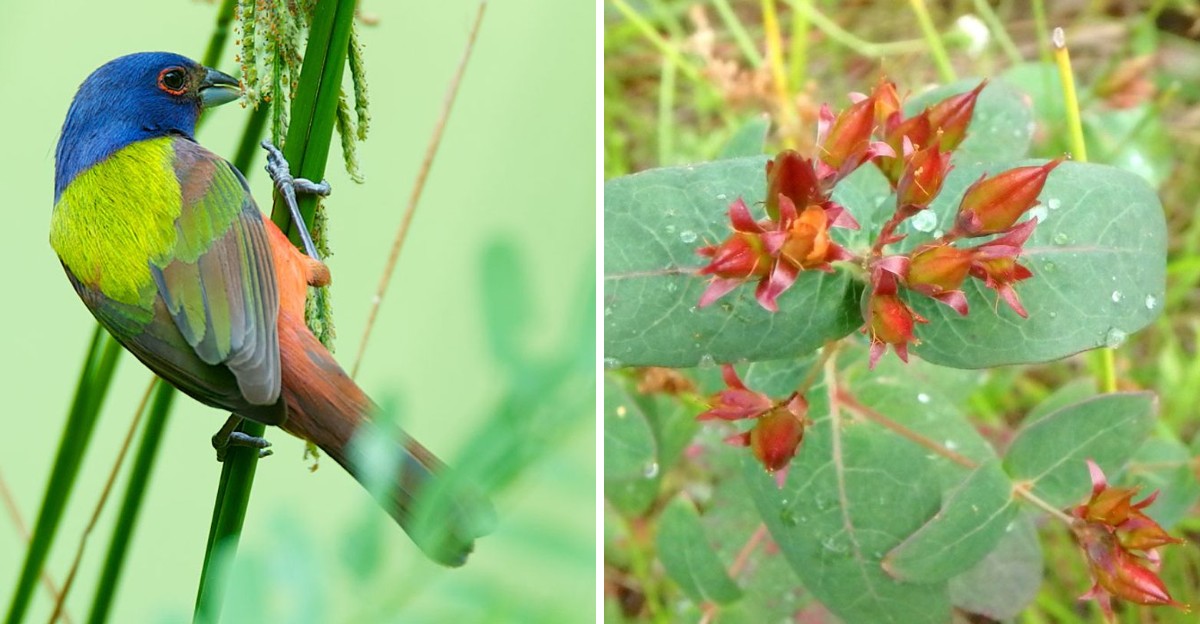
Hold the clippers. Something small, shy, and ridiculously colorful is packing for the trip to your Florida yard.
Painted buntings look like a kid raided the crayon box, and they’re about to pass through. Most gardeners tidy up this time of year, bag the tall, scruffy stuff, and leave the beds spotless.
A bunting looks at that neat patch and keeps flying.
What looks like mess to you reads as a pantry to them. Some plants carry the exact meal these birds need after a long haul, and they only carry it for a short stretch.
Nobody hands out that list at the garden center, so plenty of yards miss the window. A few simple choices make the difference between an empty yard and a front-row seat.
Put the shears away for now. Your timing could earn you a visitor worth bragging about.
1. Painted Buntings Live On Seeds All Winter
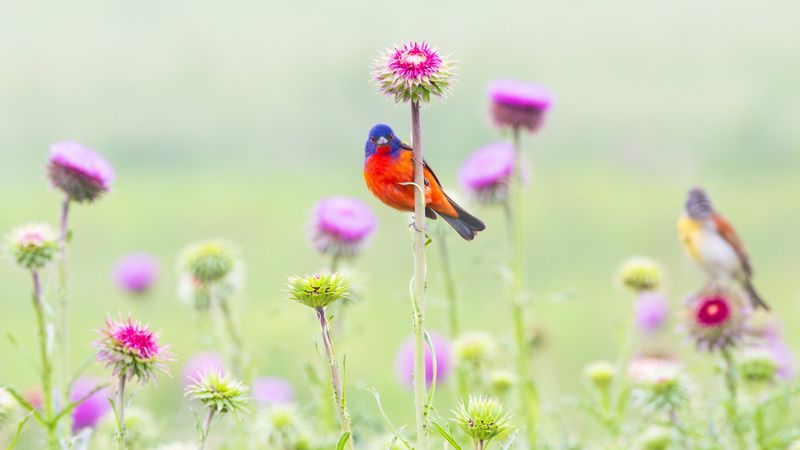
Imagine a bird so bright it looks painted by hand. Male Painted Buntings wear a blue head, a red belly, and a lime-green back.
Each fall, many of them fly south to spend the cooler months in Florida. Once they arrive, seeds become the center of their menu.
Bugs are easier to find in summer, especially when chicks need protein. In winter, though, those tiny grains do most of the heavy lifting.
So what does that mean for your yard? Every seed head you leave standing is a little snack waiting for a hungry bird.
Many people clean up their gardens in fall because it looks neat. Sadly, that tidy look can wipe out the food buntings were hoping to find.
A smarter plan is to wait until late winter or early spring. By then, the birds have eaten their fill and are getting ready to head north.
You can still trim walkways and keep the front yard looking cared for. Just pick a few back corners or side beds to leave alone.
Fun fact: the French once called this bird nonpareil, meaning without equal. One glimpse at your feeder area will show you why.
Holding off on cleanup costs you nothing but a little patience. The reward could be a rainbow hopping through your garden.
2. They Forage On The Ground Beneath Cover
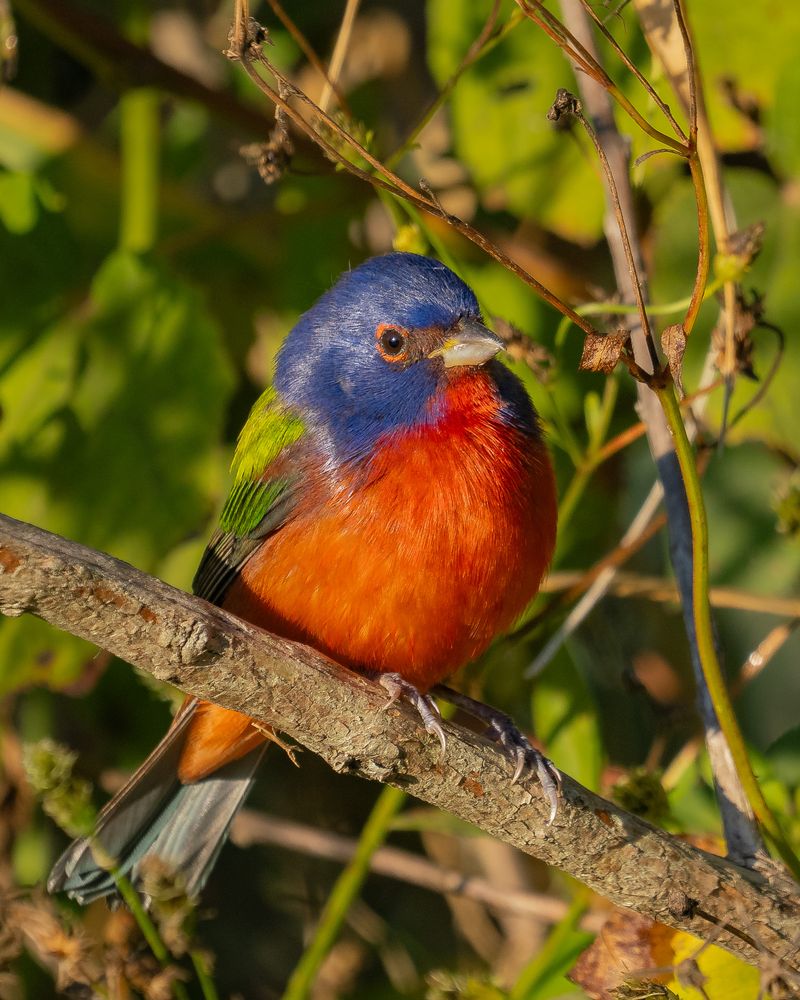
Here is a secret about these flashy birds. For all their bright feathers, they are shy and like to stay hidden.
Painted Buntings do most of their eating down on the ground. They hop through fallen leaves and low plants, picking up seeds as they go.
Staying low keeps them out of sight from hawks and roaming cats. It also puts them right where seeds drop from grasses and weeds.
You might notice a flash of color, then nothing at all. That quick move is a bunting zipping from one bush to the next.
To help them, think about what sits near the ground in your yard. Bare lawn offers little food and even less safety.
Leaf litter under shrubs is a great start, so skip the leaf blower there. Fallen leaves hide seeds and give birds a soft place to search.
Your Florida Garden Changes Every Week. Your Plan Should Too.
Gardening in Florida changes quickly throughout the season. Every Friday you’ll receive a simple weekly plan showing exactly what to plant, prune, fertilize, harvest, and protect so you never miss the right timing.
Try placing a seed tray close to a bush rather than out in the open. Birds feel braver when an escape route sits just a hop away.
Keep pets indoors during early mornings when birds feed the most. A calm yard lets these timid guests relax and stay longer.
Think of it as building a cozy kitchen with the curtains drawn. Buntings will thank you by showing up again and again.
3. Bristle Grass And Panic Grass Seeds Top The Menu
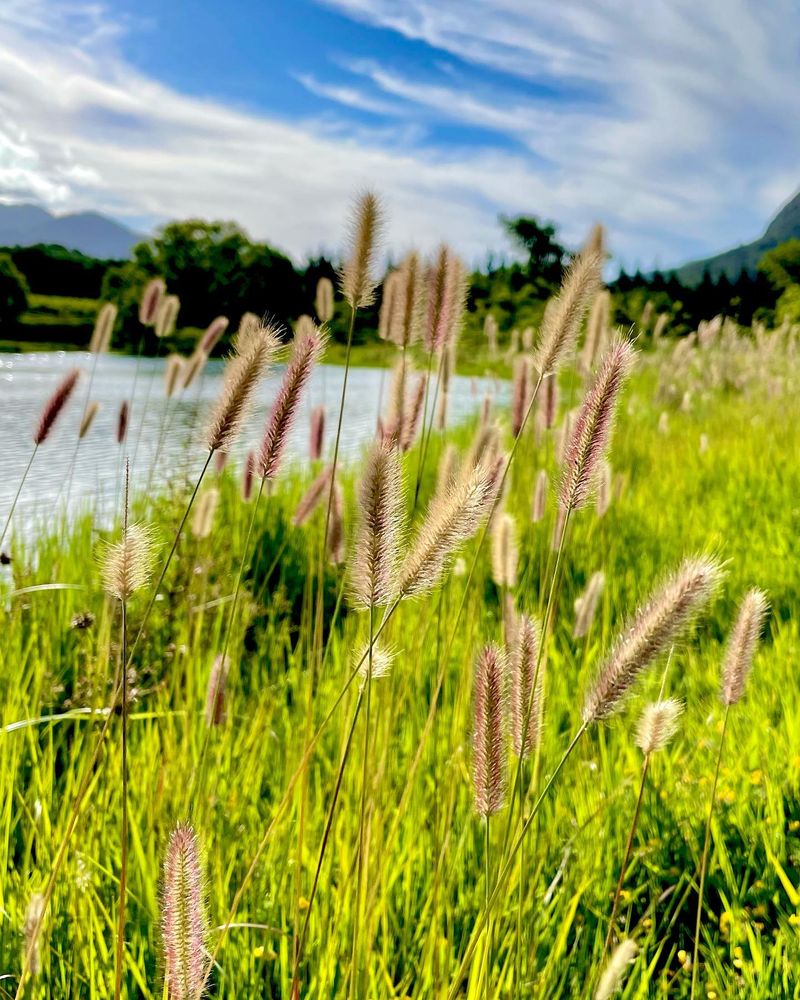
Some of the scruffiest plants around are bunting favorites. Bristle grass and panic grass may look like plain weeds, but they are packed with food.
Bristle grass, also called foxtail, has fuzzy seed heads that look like tiny bottle brushes. Each one holds many small seeds that buntings love to pick apart.
Panic grasses form loose, airy clusters of seeds on thin stems. Bitter panicgrass grows along Florida beaches and dunes, where it feeds plenty of birds.
Yes, these grasses pop up in ditches and along fence lines. That is exactly why they are so handy for wildlife.
Before you yank them out, take a closer look at the seed heads. If they are full, leave them until the birds pick them clean.
Not ready to let your whole yard go wild? Keep one strip along the back fence or a sunny corner as a grass patch.
Coastal homeowners can plant bitter panicgrass on purpose. It holds sand in place and handles salty breezes like a champ.
Here is a quirky bonus: panic grass got its name from an old Latin word for millet. So in a way, you are serving buntings a natural bowl of birdseed.
4. Spurge, Wood Sorrel And Pigweed Count Too
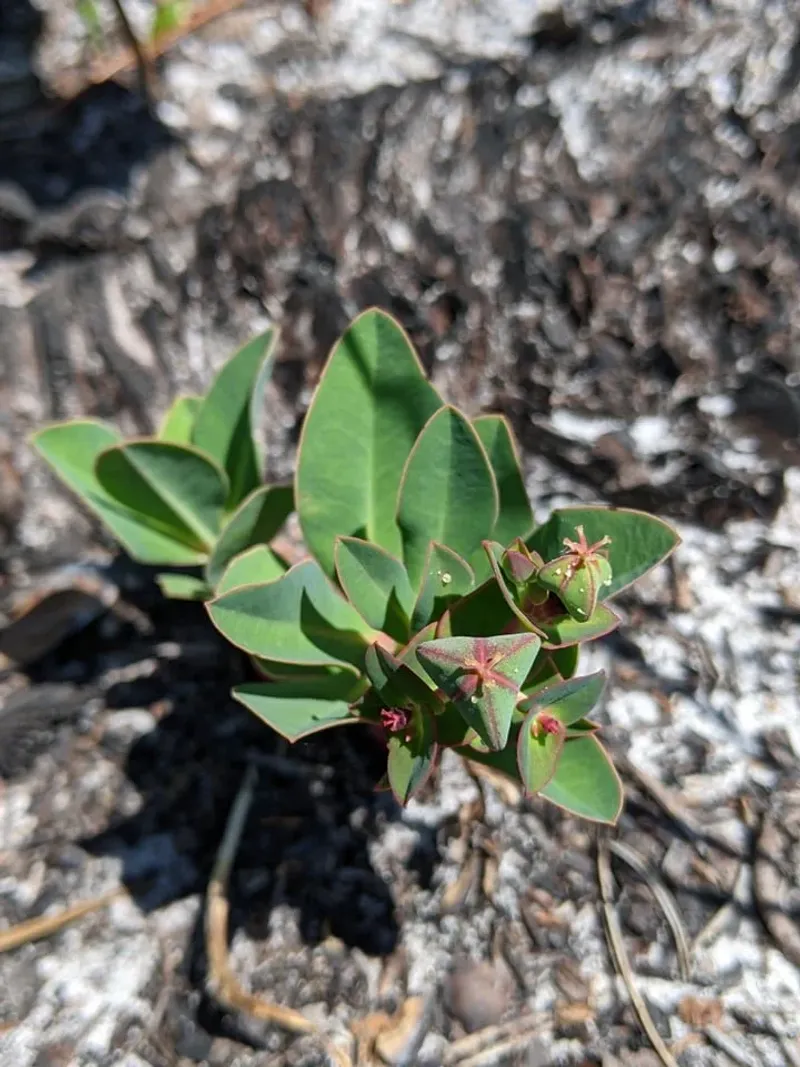
Weeds get a bad rap, and honestly, some of them deserve a second chance. Three common garden crashers are spurge, wood sorrel, and pigweed.
Spurge spreads low across sidewalks and garden beds. Its seeds are tiny, but buntings happily peck them up one by one.
Wood sorrel looks a lot like clover, with heart-shaped leaves and small yellow flowers. After blooming, it forms little seed pods that can pop open when touched.
Pigweed grows taller and makes heaps of seeds on each plant. One pigweed can produce thousands, which is great news for a hungry bird.
Now, nobody is asking you to turn your veggie garden into a weed farm. The trick is choosing where these plants can stay.
Let them grow in spots you do not use much, like behind the shed. Pull them from beds where you grow food or flowers you care about.
Skip weed destroyers in those wild zones too. Sprays can harm the seeds and the insects birds snack on.
Kids might enjoy a weed scavenger hunt to find all three plants. It turns yard work into a fun nature lesson.
A few weeds in the right place feed a lot of beaks. That is a pretty good deal for doing less work.
5. St. John’s-Wort Offers Another Seed Source
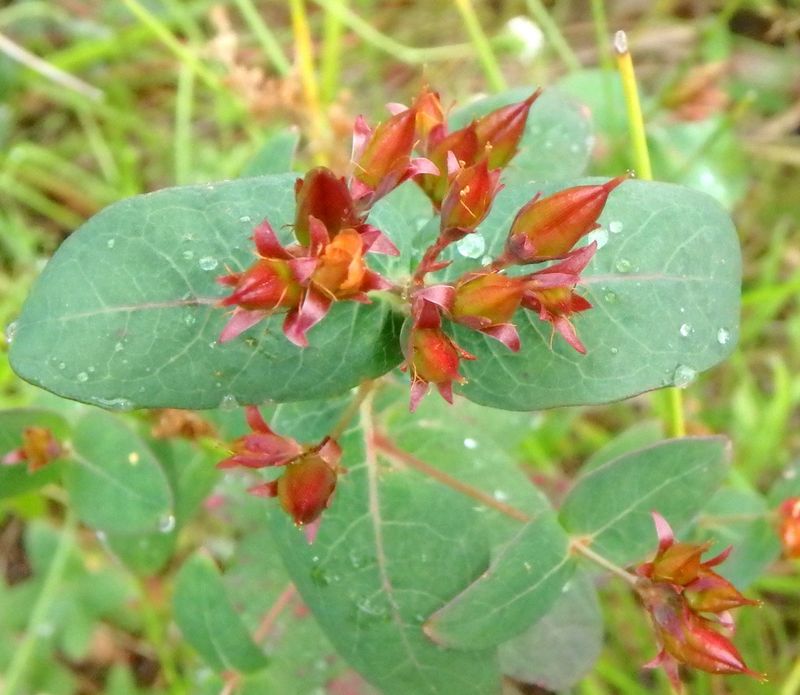
Bright yellow flowers, then a surprise snack bar. St. John’s-wort pulls double duty in a Florida yard.
Florida has many native kinds of this plant. Most grow as small shrubs with cheerful, starry yellow blooms.
Once the flowers fade, small brown capsules form. Inside are seeds that Painted Buntings like to eat.
Gardeners often snip off old flower heads to keep plants looking fresh. With St. John’s-wort, that habit removes the very food birds want.
Let the seed capsules stay on through fall and winter. They add a warm, rusty color that looks nice against green leaves.
These plants are easy to grow in sandy soil, which Florida has plenty of. Many types handle sun, heat, and even short dry spells.
Pollinators like bees also visit the flowers in warmer months. So one plant helps insects in summer and birds in winter.
Visit a native plant nursery and ask which kind fits your area. Some prefer wet spots, while others like dry, sunny ground.
Plant a small group of three or more for best results. A cluster makes more seeds and gives birds a reason to stop by.
Little effort, lots of payoff, and a pretty view too.
6. Little Bluestem And Muhly Grass Seeds Help Feed Them
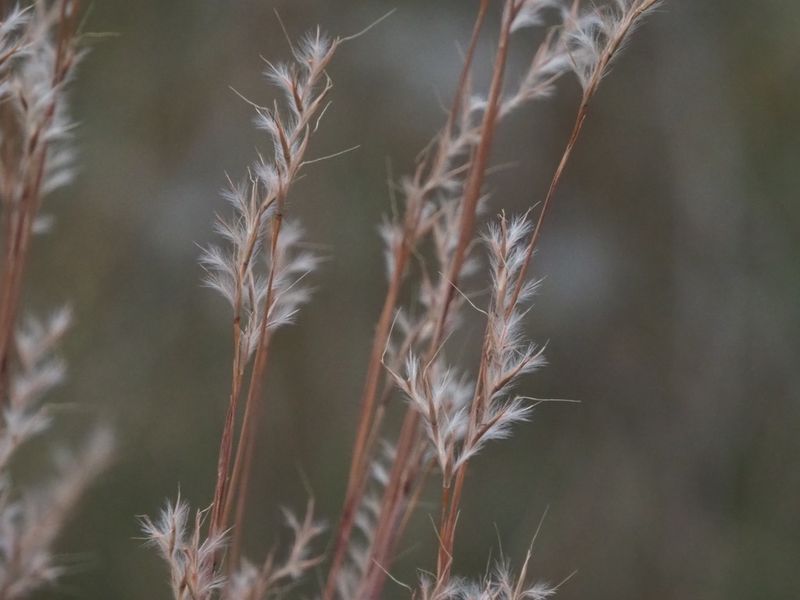
Few sights beat a field of muhly grass glowing pink in autumn. Pair it with little bluestem, and you get beauty plus bird food.
Little bluestem is a native bunch grass that turns copper and bronze as the weather cools. The Sandhill variety is known for seed heads that work well for birds like buntings.
Muhly grass forms tidy clumps across Florida and the Southeast. In fall, it sends up clouds of pink or purple flowers that later hold seeds.
Many people cut these grasses back right after they bloom. That trim removes the seeds just as buntings arrive.
A better plan is waiting until late winter to cut them down. New green growth will push up fast once spring warms things up.
Both grasses are tough and need little water once settled. They also look great in rows along driveways or mixed in garden beds.
Let the clumps grow full and wide over time. Bigger clumps mean more seeds and more shelter near the ground.
Here is a neat tip from bird lovers: grasses do better for birds when planted near shrubs. The shrubs give buntings a safe spot to dart into between bites.
7. They’ll Even Pull A Stem Down To Reach The Seeds
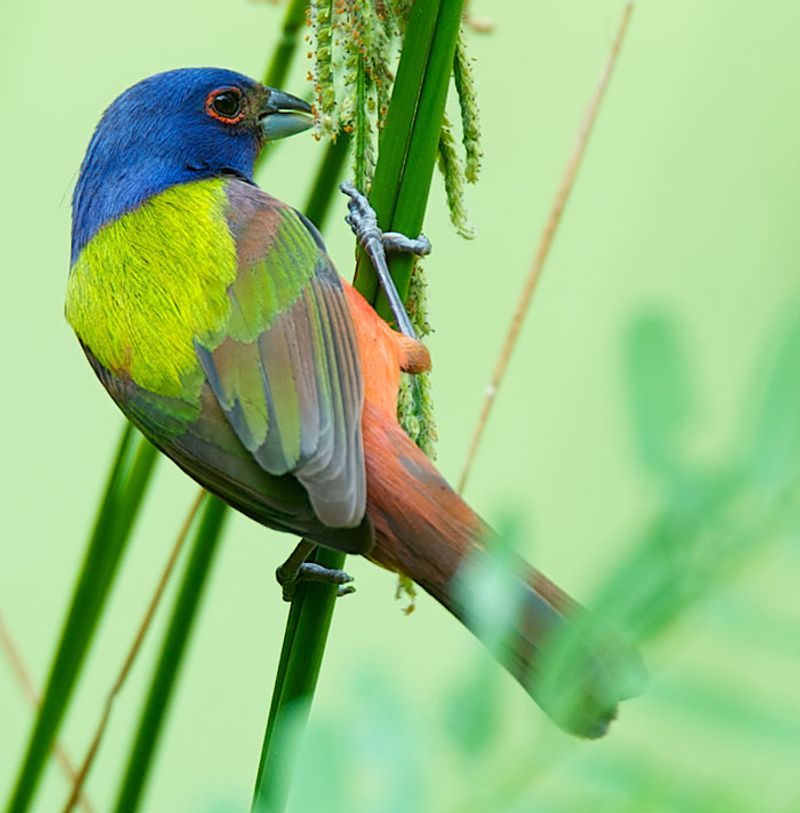
Picture a tiny bird doing a pull-up, then pinning its prize like a wrestler. That is a real Painted Bunting move.
Sometimes the best seeds sit high on a tall stem. Instead of perching up there, a bunting may fly up and grab the stem.
Next, it drags the stem down to the ground. Then it holds the stem under one foot and picks the seeds off at its own pace.
Clever, right? This trick lets the bird eat while staying low and close to cover.
It also tells us something about what plants to keep. Tall, bendy grasses and weeds are perfect for this kind of feeding.
Stiff, chopped stubble does not work nearly as well. Mowed grass offers nothing to grab, bend, or eat.
So leave some taller seed stalks standing in your wild corner. Plants about knee high or lower are easy for a small bird to pull down.
Grab binoculars and watch quietly from a window. With luck, you might catch this little show yourself.
Bird watchers often say it feels like seeing a magic trick. And the best part is that the stage is your own backyard.
Keep a notebook handy to record what you spot.
8. Shaggy, Overgrown Spots Are Exactly What They Look For
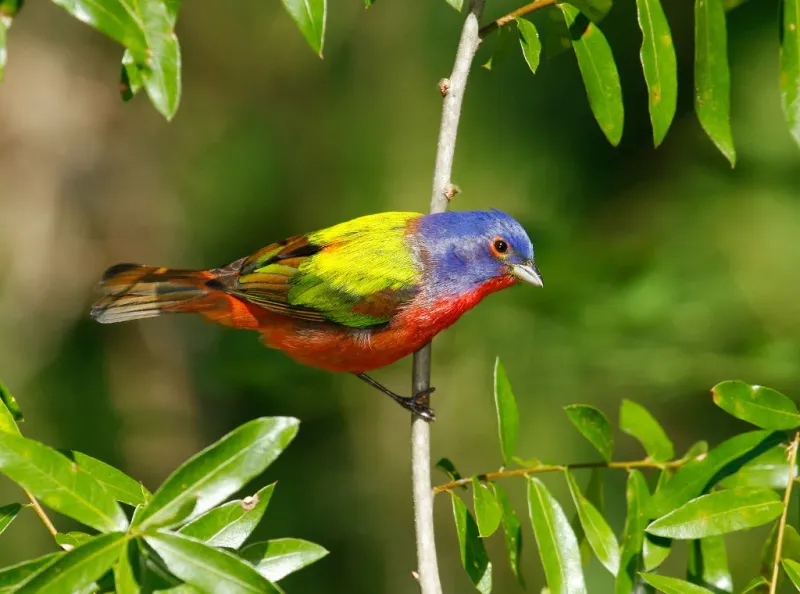
Good news for anyone who dislikes yard work. Your messiest spot might be the most welcoming place on the block.
In winter, Painted Buntings hunt for tall grass, shrubby pastures, and thick tangles of plants. Out in the wild, they choose coastal scrub, maritime hammocks, and brushy field edges.
What do those places have in common? They mix food and hiding spots in one handy package.
Semi-open areas with a few scattered shrubs and trees are ideal. Birds can feed in the open bits and duck into cover fast.
A perfectly trimmed lawn looks nice, but it feels like an empty parking lot to a bunting. There is nothing to eat and nowhere to hide.
Try picking one area to let grow a bit shaggy this season. Add a small sign that says wildlife habitat so neighbors know it is on purpose.
Mow a neat border around the wild patch. That clean edge makes the space look planned instead of forgotten.
Let grasses form clumps and drop their seeds before cutting them back. You will likely see sparrows, cardinals, and other birds join the party too.
Sometimes the best gift for nature is simply stepping back. Your rested mower will agree.
9. Leave Low, Dense Shrubs Untrimmed Nearby
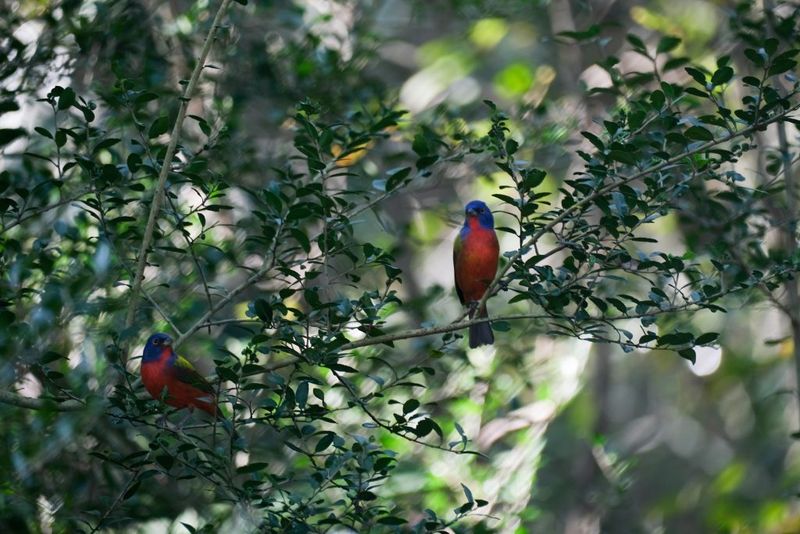
Think of a thick shrub as a bunting’s safe room. When danger shows up, that leafy hideout is where it heads first.
These birds love dense, low growth all year long. They hang out in roadside thickets, field edges, and backyard gardens with plenty of bushes.
Heavy pruning opens up shrubs and leaves birds feeling exposed. Leaving them full and bushy gives buntings a place to rest and hide.
Native picks like firebush, wild coffee, and beautyberry work well in Florida. They grow thick and many also produce berries for other birds.
Layers matter too, so picture your yard like a stair step. Tall trees go in back, medium shrubs in the middle, and low plants up front.
Place your seed grasses close to these shrubs. Birds feel far safer eating when cover sits just inches away.
Worried it will look messy? A clean mulch edge or a short garden border keeps things looking tidy.
Light shaping is fine if a bush blocks a path. Just save any big trims for spring, after the birds have left.
Do this, and your garden becomes a winter hotel for some of the prettiest guests around.