Is Planting Store-Bought Mums In The Ground This Fall A Good Idea For Georgia Gardeners?
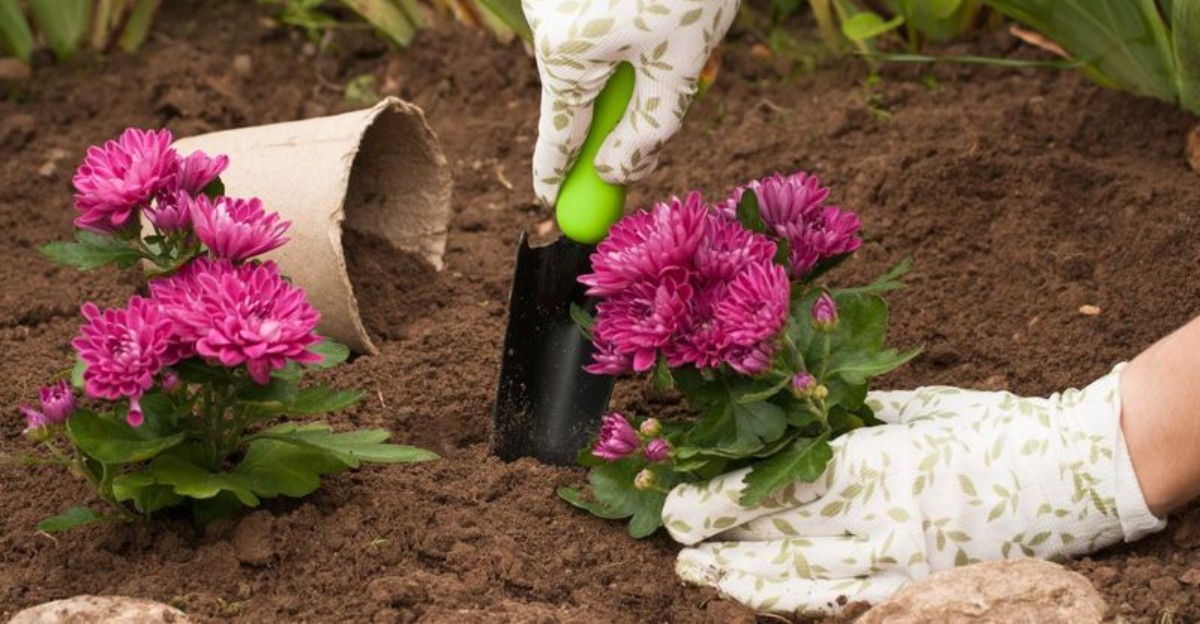
Plenty of mums bought for the front steps end up in the trash by Thanksgiving, which feels like a waste for a plant that can live for years in the right spot.
Moving them into a garden bed can work, but the odds depend on what kind of mum you bought and how soon it goes in the ground.
Many plants sold in full bloom were grown for one season of porch color, not for building the deep roots that carry a perennial through winter.
Cold alone is rarely what does them in during a Georgia winter. Soggy clay and late planting cause far more trouble, since roots need several weeks of growth before temperatures drop.
So skip the low corner where water sits after a storm. Choose the sunniest, best-drained spot you have, get the plant in this week, and leave the faded stems standing until spring.
Some will come back fuller than the pot you bought them in.
1. Fall Planting Can Work Though Survival Isn’t Guaranteed
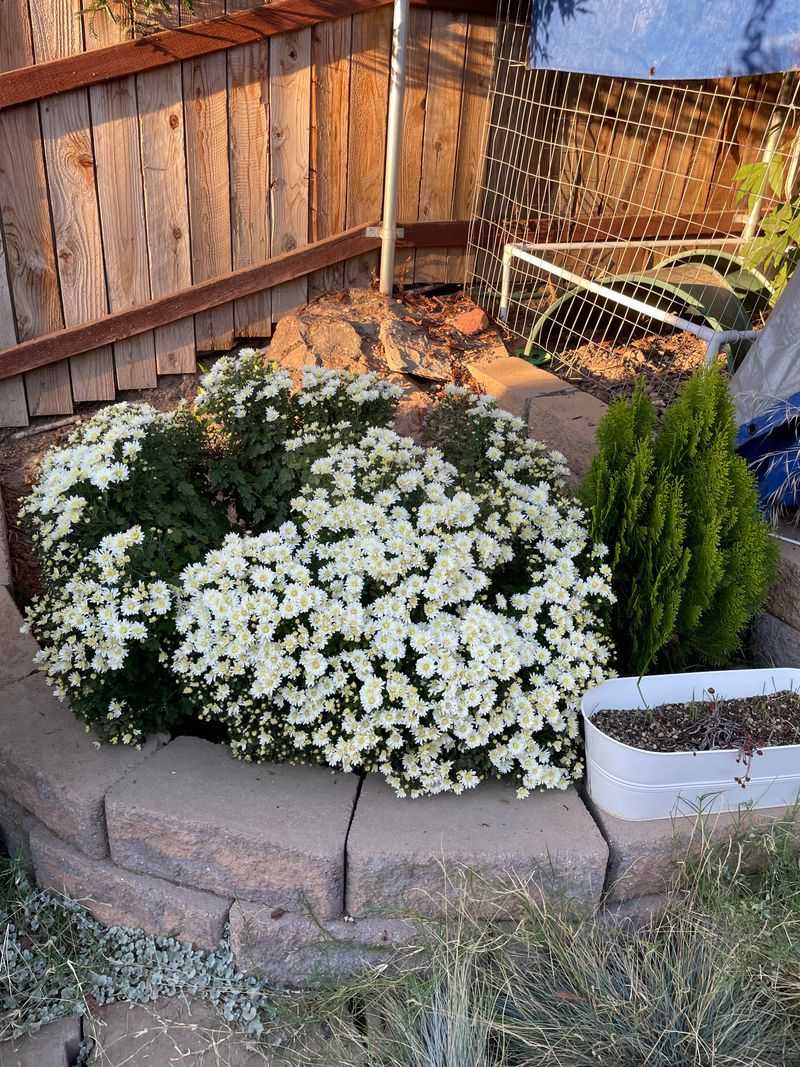
Plenty of fall mums do come back after being tucked into a bed. Others simply fade over winter, even with decent care, and it can be hard to predict which ones will make it.
Think of fall planting as a hopeful experiment rather than a sure thing.
Results vary from yard to yard because so many factors play a part. Plant type, planting date, drainage, and winter weather all shape the outcome, and you can only control some of them.
Across Georgia, gardeners often report mixed results with potted mums moved into beds in autumn. One neighbor might enjoy a full mound the next year while another sees nothing return.
Price matters here too, since many fall mums cost only a few dollars each.
If a plant fails to return, you still got weeks of color from it on the porch. Seen that way, planting it out adds a bonus chance at future blooms without much risk.
Keep your expectations realistic and pay attention to how each plant does over winter.
Labels can help you plan, so save the tag if it lists a variety name or hardiness zone. That small detail can tell you a lot about which plants are worth trying again next year.
Spring growth is the real test, so give plants until mid to late spring before deciding they did not survive.
2. Florist Mums Are Less Cold-Hardy Than Garden Mums
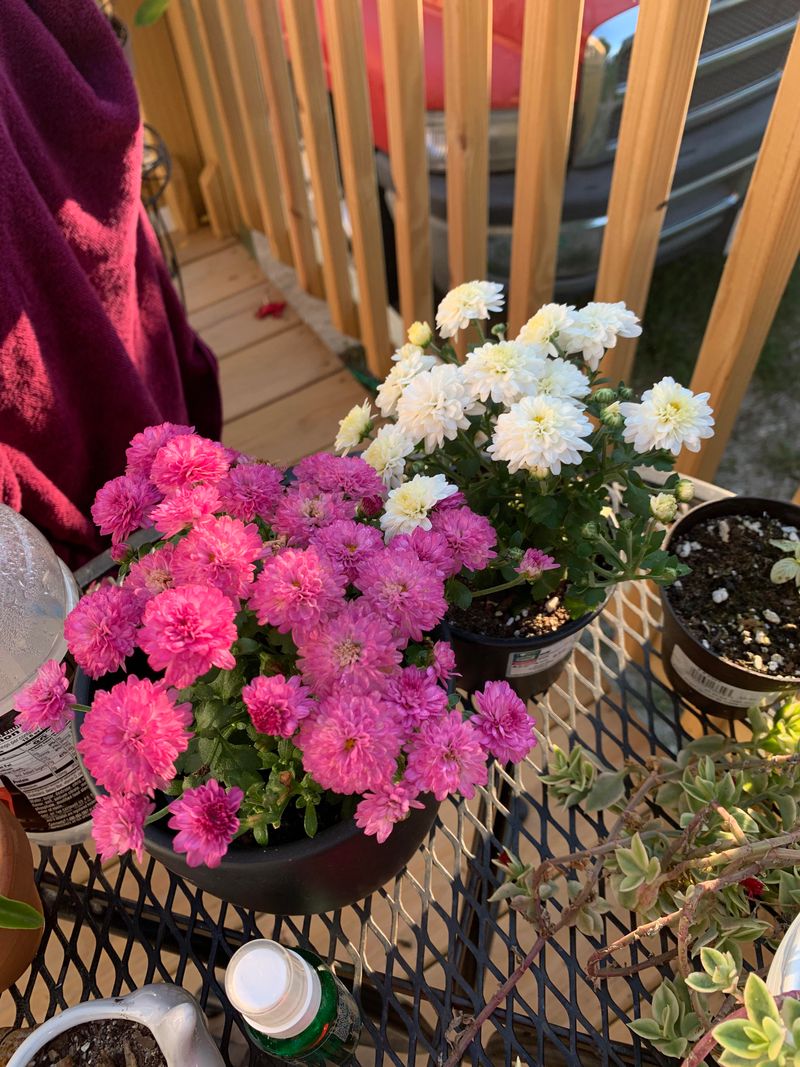
Not every mum is built for the outdoors. Florist mums are usually grown for gift pots and indoor display, and they tend to handle winter cold poorly.
Garden mums, often sold as hardy mums, are bred to live outside as perennials.
So how do you tell them apart at the store? Labels are your best clue, since hardy types are often marked as garden mums or list a winter hardiness zone.
Florist mums often show up in foil-wrapped pots around holidays.
Their blooms can be larger and showier, and they are usually sold in grocery stores or florist shops. Garden mums are more common in big outdoor displays at nurseries and home centers in fall.
Your Georgia Garden Changes Every Week. Your Plan Should Too.
Gardening in Georgia changes quickly throughout the season. Every Friday you’ll receive a simple weekly plan showing exactly what to plant, prune, fertilize, harvest, and protect so you never miss the right timing.
Even true garden mums vary in how tough they are, depending on the variety.
Some cultivars are sold mainly as single-season color, even if they are technically perennial. Growers focus on a tidy shape and heavy blooming rather than long-term winter strength.
In north Georgia, colder winters make hardiness more important than in the southern part of the state.
If you want plants that return, ask staff whether a mum is sold as a perennial. A clear answer can save you from planting something that was never meant to last.
3. Small Fall Root Systems Struggle Through Freeze And Thaw
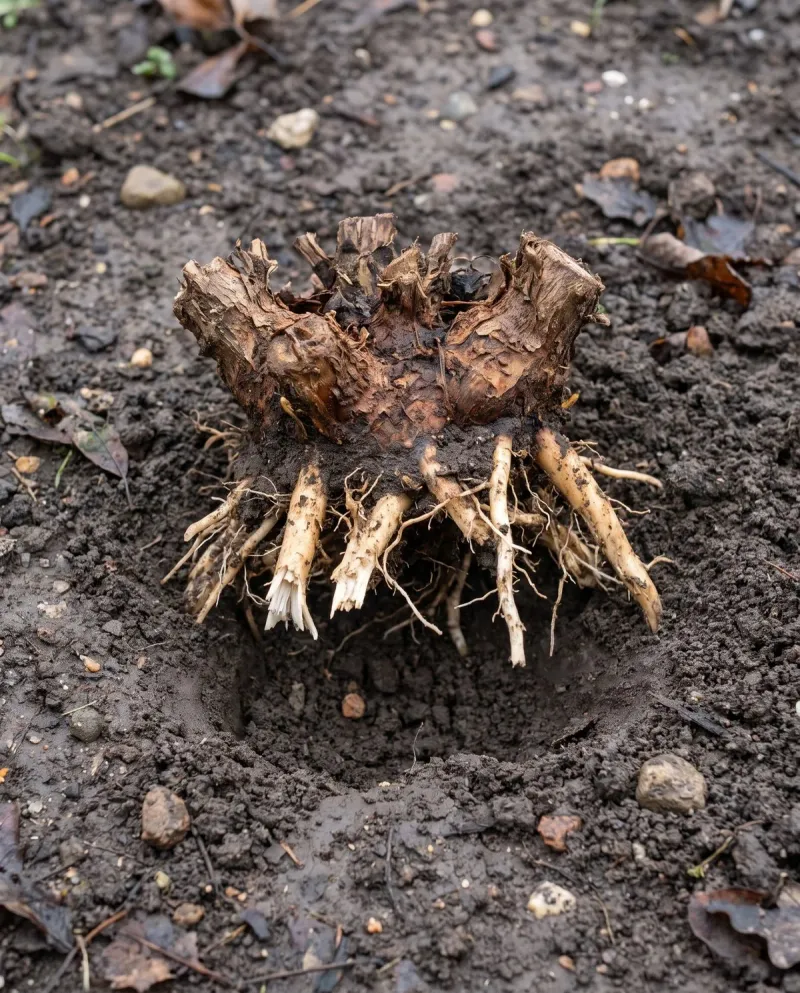
Roots tell the real story with fall mums. Most of the plant’s energy goes into flowers during autumn, so roots stay small and tightly packed inside the pot.
A plant with weak roots has little to hold onto once winter weather arrives.
Freeze and thaw cycles add another challenge. When soil freezes and warms again over and over, it can shift and push shallow plants upward, a problem called frost heaving.
Exposed roots can then dry out or get damaged by cold air.
Georgia winters often bounce between mild days and sudden cold snaps. Those swings can be harder on young plants than a steady cold, especially in poorly drained soil.
Wet clay can make matters worse during rainy months.
Roots sitting in soggy ground may rot, and a small root system has little room to recover. Loosening the root ball gently at planting can help roots reach into surrounding soil.
Check plants after a hard freeze or heavy rain.
If you see a crown lifted above the soil, press it back down gently and cover the roots. That quick step takes only a moment and may help the plant hang on until spring.
4. Getting Plants In The Ground Early Gives Roots More Time
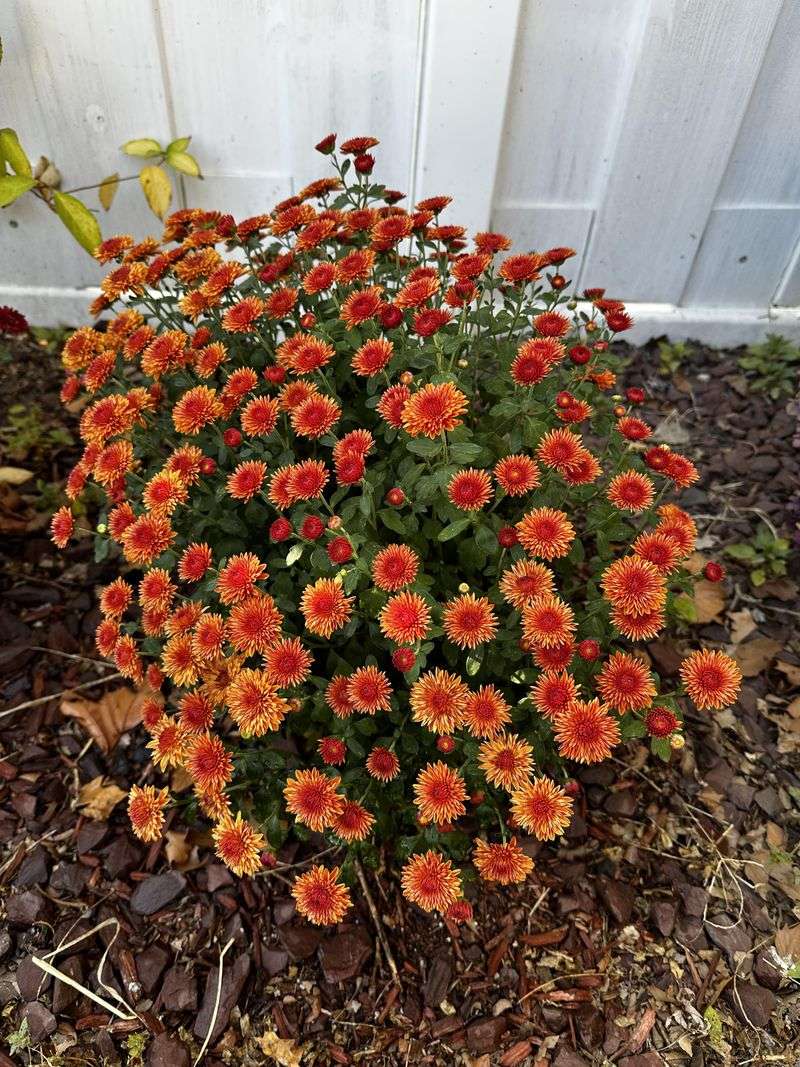
Timing can make a real difference. Mums planted early in the season get more weeks of warm soil, which lets roots spread before cold weather settles in.
Waiting until the blooms fade often leaves too little time.
Shop for mums when they first appear in stores, and choose plants with mostly closed buds. Plants still in bud may put a bit more effort into roots before the big flower show begins.
Once you bring them home, plant them soon instead of leaving them in pots for weeks.
Exact timing depends on where you live. Frost tends to arrive earlier in the north Georgia mountains than along the coast, so gardeners up north have a shorter window.
Warm fall days can stress fresh transplants, so keep an eye on moisture.
Water deeply after planting and check the soil every few days during dry spells. Roots need steady moisture to grow, but the ground should not stay soggy.
Skip heavy fertilizer this late in the year.
Pushing soft new growth before winter is usually not helpful for perennial mums. Focus instead on good planting depth, moisture, and giving the roots as much time as your calendar allows.
5. Full Sun And Well-Drained Soil Improve Winter Survival

Soggy roots are a common reason mums fail over winter. Mums generally prefer soil that drains well, and heavy clay that stays wet can cause roots to rot.
Sunlight matters just as much.
Aim for a spot that gets at least six hours of direct sun each day. Shady areas often lead to weak, leggy growth and fewer flowers the next year.
Plenty of Georgia yards have dense red clay that drains slowly.
Mixing compost into the planting area can help loosen the soil and improve drainage. Raised beds or slightly mounded planting spots are other options when water tends to pool after rain.
Watch where water collects during a heavy storm before choosing a location.
Low spots near downspouts or at the bottom of slopes often stay wet longer. A mum planted there may struggle no matter how healthy it looked at the store.
Give each plant room to breathe, too.
Good air flow helps leaves dry faster, which can lower the chance of some leaf diseases. Check the tag for mature size and leave enough space so plants are not crowded together.
6. Leave Old Stems Standing And Add Mulch After Blooms Fade
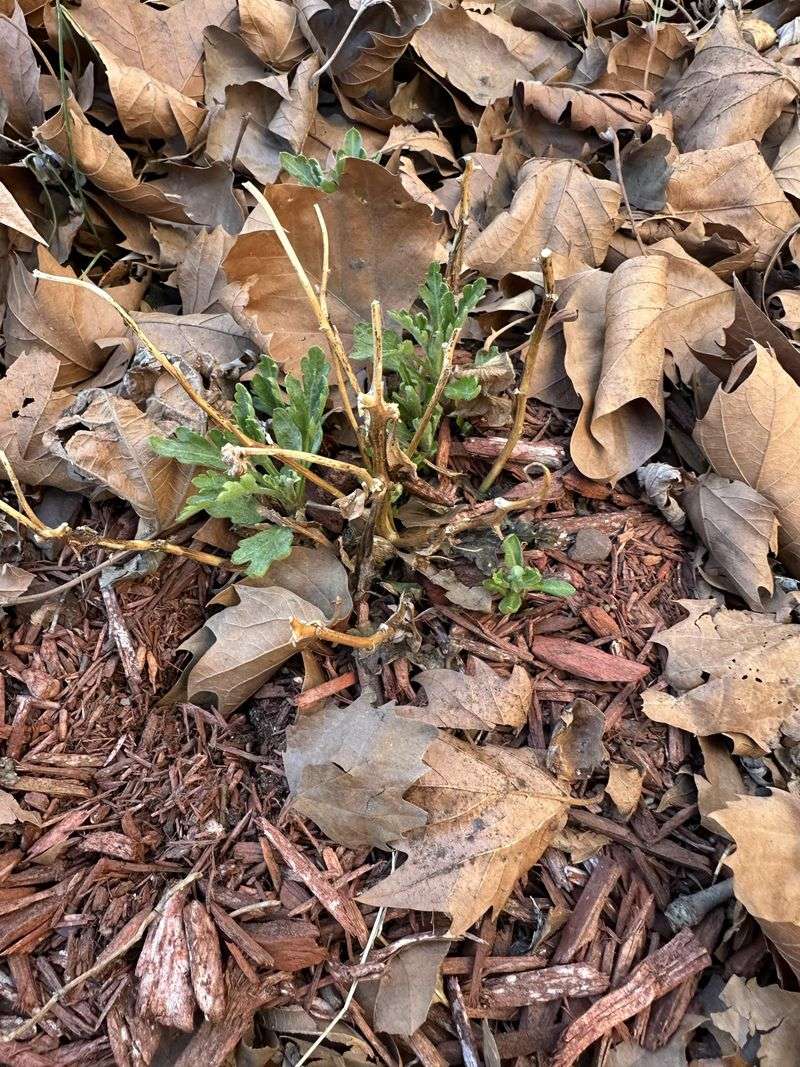
Resist the urge to tidy up too soon. Leaving the old stems in place through winter may help protect the crown, and many Extension sources suggest this approach for mums.
Brown stems are not pretty, but they can serve a purpose.
Some gardeners believe the stems help catch leaves and insulate the plant’s base. Results can vary, yet leaving them standing costs nothing and takes no extra work.
Once the ground has cooled and blooms have faded, add a layer of mulch around the plant.
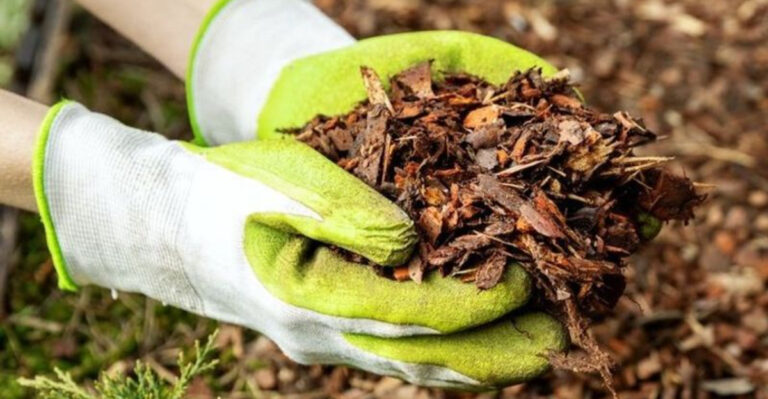
Pine straw is easy to find in Georgia and works well for this job. Shredded bark or chopped leaves are also good choices for covering the soil.
Keep the mulch loose and a few inches deep.
Avoid piling it thickly against the center of the plant, since trapped moisture might lead to rot. A light, airy layer helps steady soil temperature and may reduce frost heaving.
Wait until spring to trim old growth.
When new green shoots appear at the base, cut the old stems back near the ground. Pull some mulch away at that point so the soil can warm and fresh growth gets light.
7. Spring Planting Remains The More Reliable Way To Grow Perennial Mums
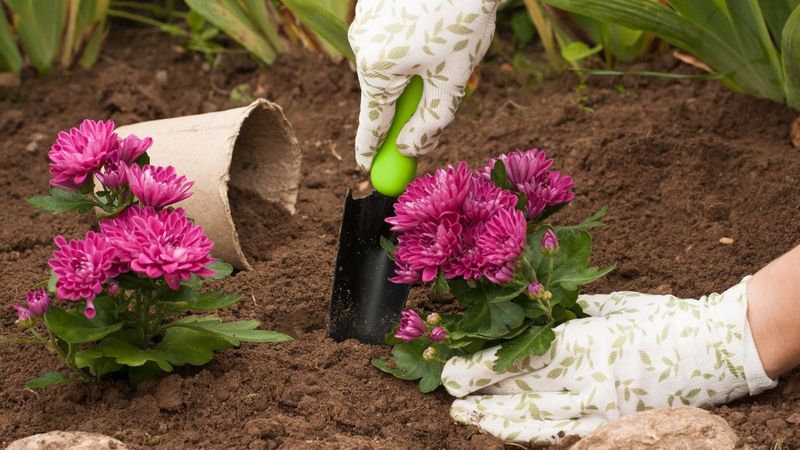
Spring gives mums a head start that fall can’t match. Plants set out after the last frost have the whole growing season to build strong roots before winter returns.
Many nurseries sell young garden mums in spring, often in small pots without flowers.
They may look plain at first, but they usually settle in faster than blooming fall plants. Their energy goes into leaves and roots instead of a big flower display.
Spring planting in Georgia also lines up well with steady warm weather.
To keep plants bushy, gardeners often pinch back the stem tips during late spring and early summer. Most guides suggest stopping by around midsummer so flower buds have time to form for fall.
Want to try both methods?
Go ahead and plant your fall mums, then add a few spring plants next year. Comparing them side by side shows what works best in your own yard and soil.
Spring plants still need decent drainage, sun, and regular water during dry stretches.
None of these steps promise success, but they give perennial mums a better shot. Over time, a well-placed clump can return year after year and bring reliable fall color to your garden.