Orange Pumpkin Spiders Show Up In Georgia Yards Right On Time For Halloween
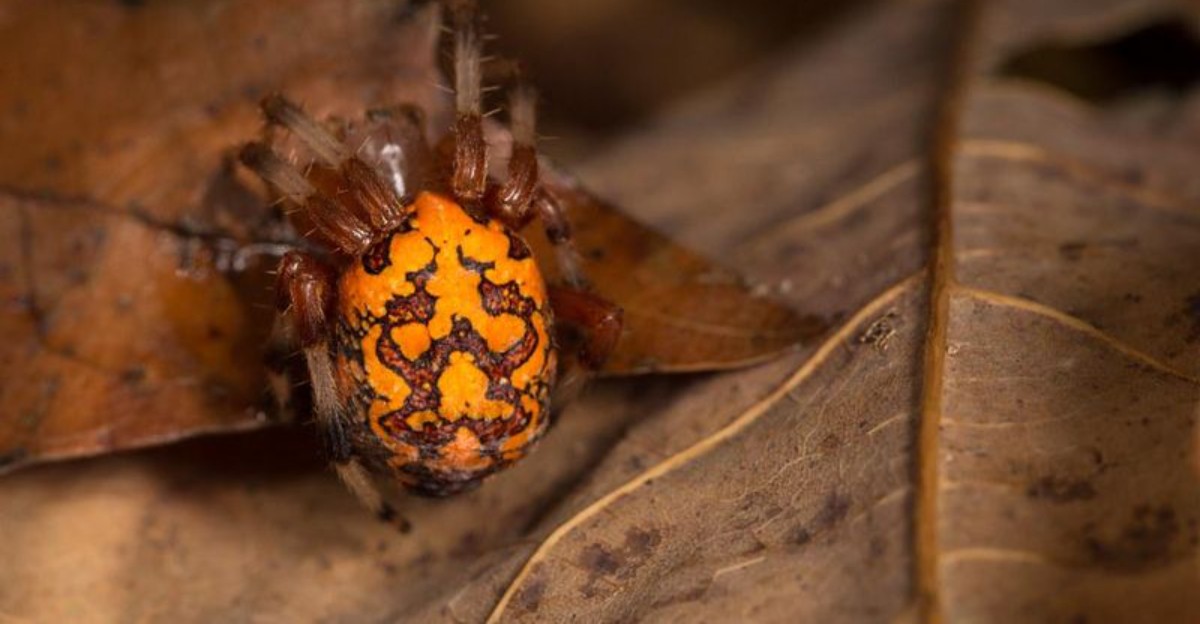
Bright orange spiders hanging in garden webs can look like Halloween decorations, especially when their rounded bodies resemble tiny pumpkins.
The timing makes them even more noticeable. By October, some garden spiders have reached maturity, making their colors and webs easier to spot.
Their appearance may seem unusual, but these spiders are part of normal backyard wildlife activity.
In Georgia, certain orb-weaving spiders display orange coloring during fall, although not every orange spider belongs to the same species. Their webs often appear around shrubs, fences, and garden paths.
If you find one, observe it without disturbing the web.
These spiders generally help control flying insects and rarely pose a threat when left alone. Their seasonal appearance offers a chance to notice wildlife that may have been growing quietly around your yard.
1. Bright Orange Bodies Make These Spiders Hard To Miss This Month
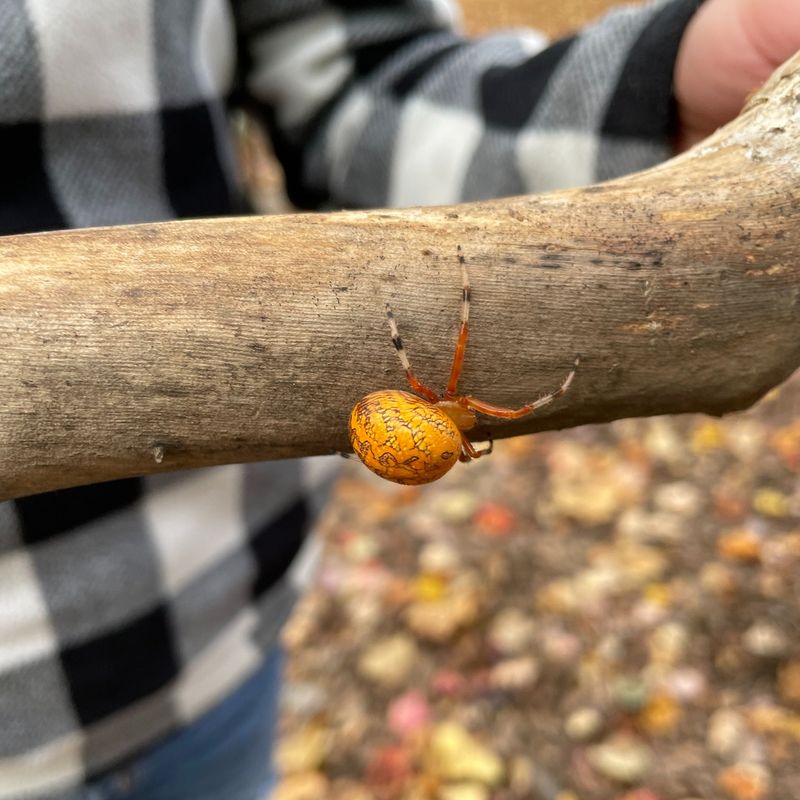
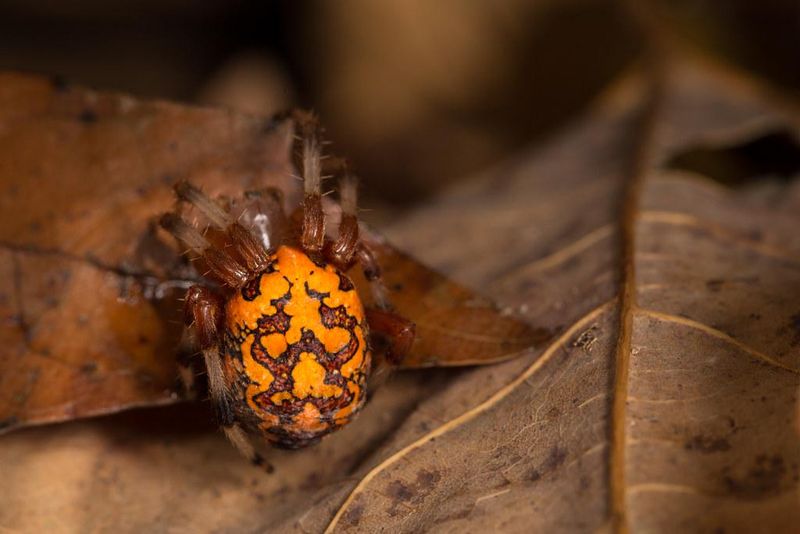
Bright orange stands out fast against fading fall leaves. That vivid color belongs to the marbled orbweaver, known to scientists as Araneus marmoreus.
Its rounded abdomen often looks like a tiny pumpkin, which explains the friendly nickname so many people use.
Color can vary quite a bit from one spider to the next. Some look bright orange or yellow, while others show brownish or cream shades with darker marbled patterns.
Legs usually have orange or tan sections banded with black or dark brown.
Females are noticeably larger than males, and their swollen abdomens are what catch most eyes in autumn. Males are smaller and slimmer, so they tend to go unnoticed.
Across Georgia, people often report these spiders in October because that is when adults are full grown.
Size is another clue worth checking. Adult females are usually around half an inch to nearly an inch long, counting the body only.
If you want a closer look, use a phone camera with zoom instead of reaching in. That keeps you at a comfortable distance and leaves the web in one piece.
Similar orange spiders do exist, so a clear photo can help with identification. Your local county Extension office can also help if you are unsure what you found.
2. Fall Is When Adult Females Become Easier To Spot
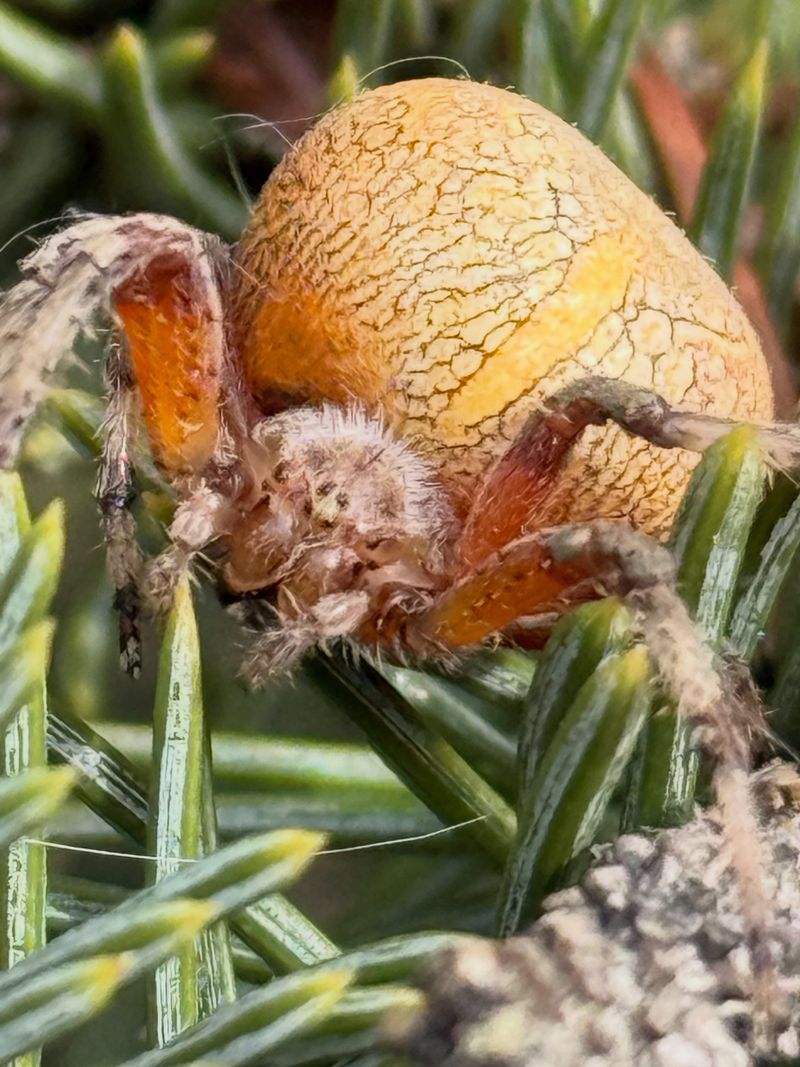
Timing explains a lot here. Marbled orbweavers spend spring and summer growing, often too small to notice.
By late summer and fall, the females reach adult size, and their round bodies make them far easier to see.
Most of these spiders produce one generation each year. Young spiders hatch in spring, grow through the warm months, and mature as the days shorten.
Webs also get larger as the spiders grow, which draws more attention from people walking through yards.
So the Halloween timing is a coincidence of the life cycle, not anything mysterious.
In Georgia, sightings often pick up from September into October and sometimes later. Exact timing can shift with weather, location, and elevation, since mountain areas cool earlier than the coast.
Males are out searching for mates around the same time. They wander more and build less, so you may rarely notice them.
Your Georgia Garden Changes Every Week. Your Plan Should Too.
Gardening in Georgia changes quickly throughout the season. Every Friday you’ll receive a simple weekly plan showing exactly what to plant, prune, fertilize, harvest, and protect so you never miss the right timing.
Hard frosts usually end the adult season. Once cold weather settles in, adults fade from view, and the next generation waits inside egg sacs.
Want to enjoy them while they last? Check the same shrubs or porch corners each morning, and you may find the same spider in the same spot for days.
3. Wheel-Shaped Webs Often Stretch Between Shrubs And Trees
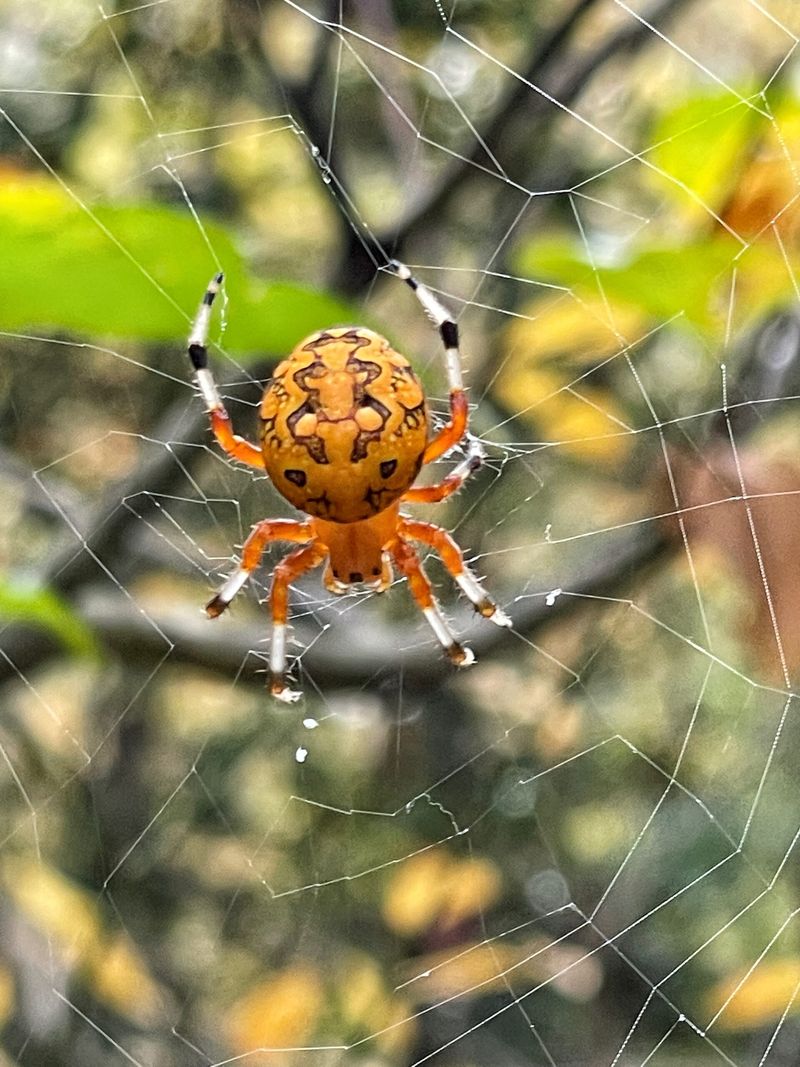
Spokes, spirals, and a sticky center make up one of the prettiest structures in your garden. Orbweavers build classic round webs that look a bit like a bicycle wheel.
These webs often hang between shrubs, tree branches, tall plants, fences, or porch railings.
Open spaces with good airflow seem to suit them, likely because flying insects pass through those gaps.
Morning dew makes the threads easy to see. On dry afternoons, though, a web can be nearly invisible until your face finds it.
Walking paths near wooded edges are common trouble spots in Georgia yards during fall. A quick wave of a stick ahead of you can save a sticky surprise.
Orbweavers often rebuild or repair webs regularly, sometimes daily. Many take down parts of the old web and recycle the silk before spinning again.
If a web blocks a doorway, you can gently move the spider with a stick to a nearby shrub. It will usually build again in a new spot.
Leaving webs in low-traffic areas is an easy choice. They do not harm plants, and they catch insects that might otherwise bother you outdoors.
4. These Orbweavers Often Stay Hidden Near Their Webs By Day
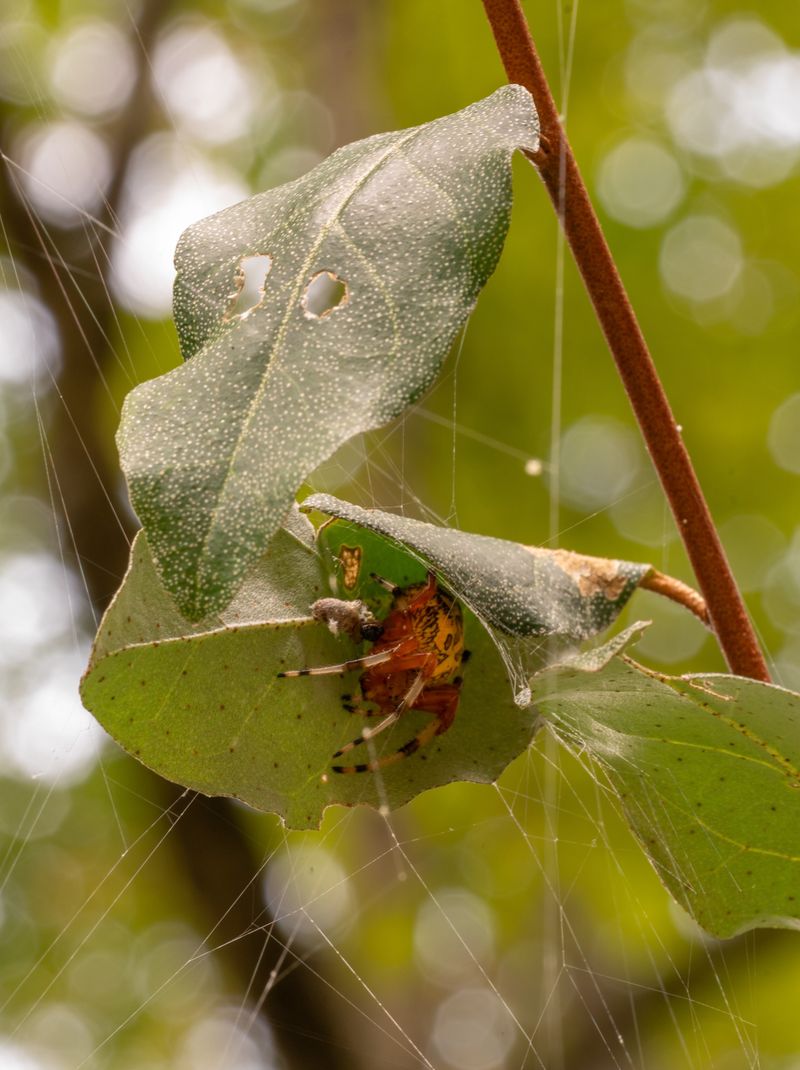
Empty webs can be misleading. You might see a perfect web at noon with no spider anywhere in sight.
Marbled orbweavers often rest in a hiding spot near the web during the day, such as a curled leaf or a tucked corner.
A silk line often runs from that hiding spot to the web. When an insect hits the threads, vibrations travel along the line and alert the spider.
Some individuals do sit right in the center of the web, especially in the evening or early morning.
Activity often increases around dusk and at night, when these spiders tend to build or tend their webs. Flashlight walks in the yard can be a fun way to spot them.
Gardeners in Georgia sometimes find them while trimming shrubs or picking up potted plants. A curled leaf held together with silk is a good sign one is nearby.
Move slowly when working around these spots. The spider will usually drop or scurry away rather than confront you.
Wearing gloves while pruning in fall is a smart habit anyway. It protects your hands from thorns, stinging insects, and the occasional surprised spider.
5. Bites Are Uncommon And Usually Not Medically Significant
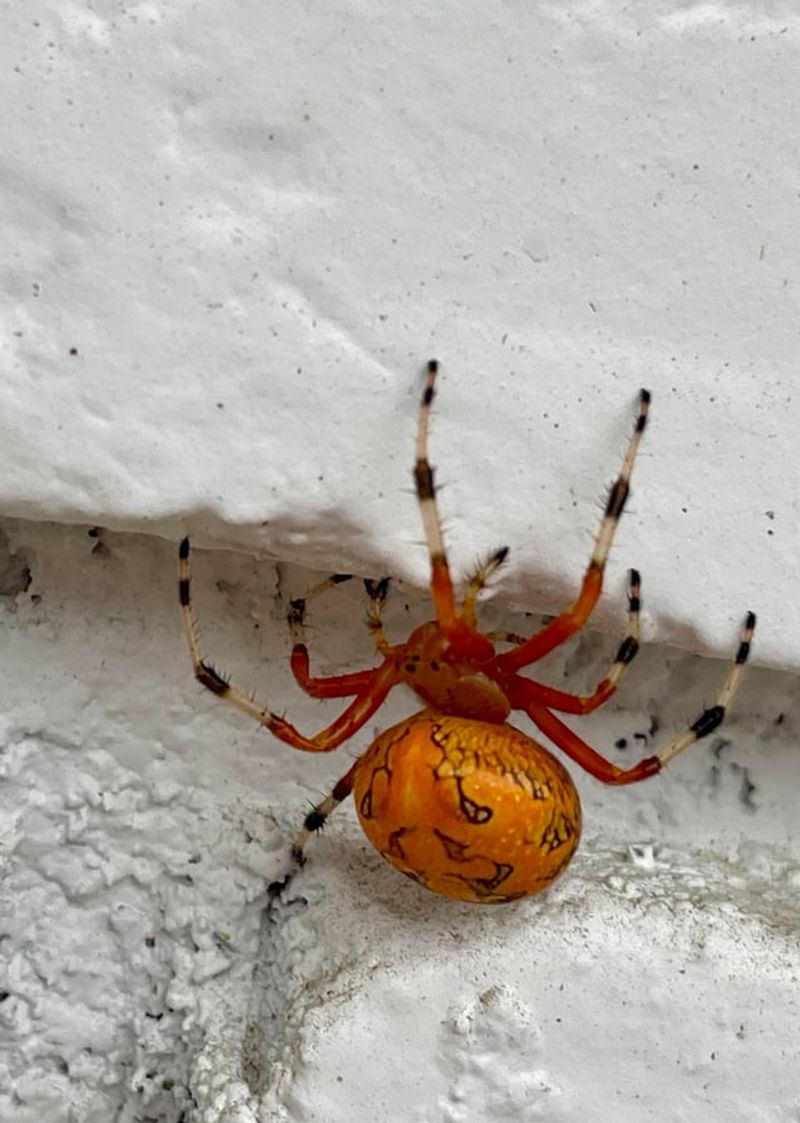
Fear often comes from the color, not the spider. Marbled orbweavers are generally shy and tend to flee or freeze when disturbed.
Bites are uncommon and usually happen only if someone presses or grabs one.
When a bite does occur, it is typically compared to a mild bee sting. Redness, slight swelling, or brief pain may show up and then fade.
Extension experts generally do not consider orbweavers medically significant to people.
Individual reactions can vary, though, just as they do with insect stings. Anyone with allergies or unusual symptoms should contact a medical professional.
Washing a bite with soap and water and using a cool cloth is a simple first step. Keep an eye on it like any minor skin irritation.
Georgia does have a couple of spiders that deserve more caution, such as widows and recluses. Those look quite different and usually hide in sheltered, dark places.
Teaching kids to look but not touch works well with any wild creature. A short talk can turn worry into curiosity during Halloween season.
Pets usually ignore these spiders, but curious dogs may sniff webs. Gently redirecting them is usually all that is needed.
6. Flying Insects Make Up Much Of Their Diet
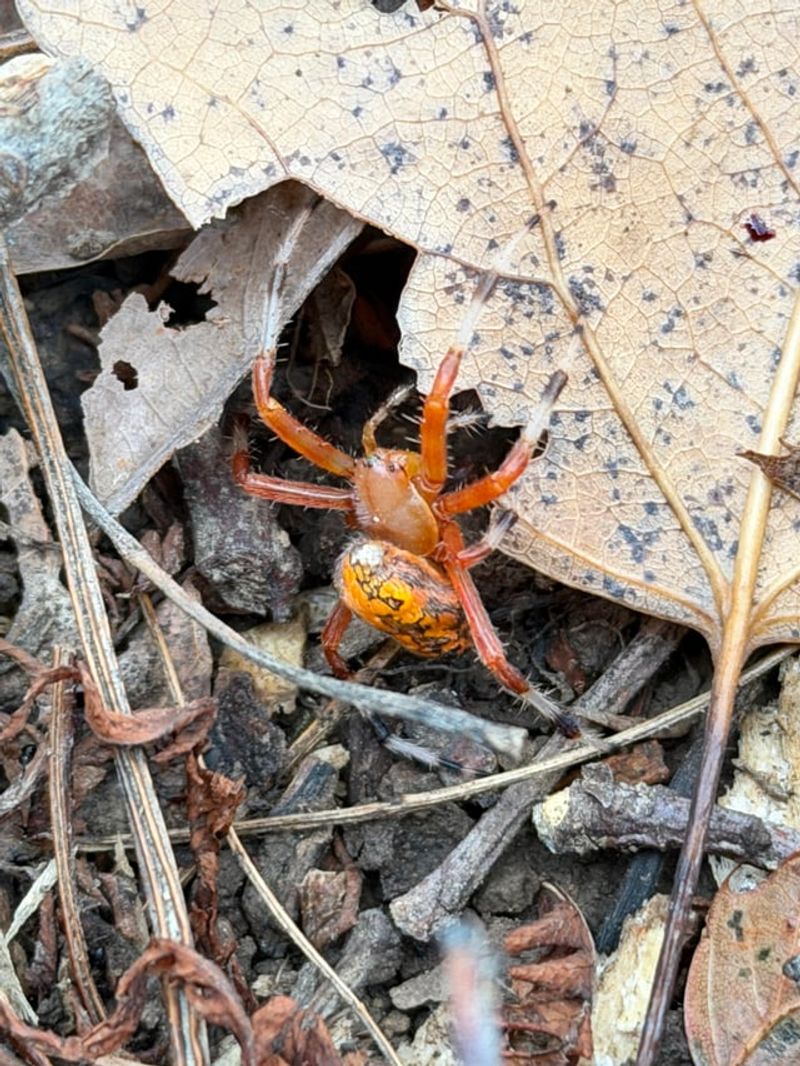
Mosquitoes, flies, and moths fly into trouble every fall evening. Orbweavers rely on their sticky webs to catch a variety of flying insects.
Once something gets stuck, the spider rushes over, bites it, and often wraps it in silk.
Small moths and flies are frequent catches, though the menu depends on what happens to fly past. Beetles, wasps, and other insects can end up in webs too.
Because they eat what lands in the web, they are not targeted pest control. Helpful insects like bees can get caught occasionally as well.
Still, gardeners often welcome them as part of a balanced backyard. Spiders help keep insect numbers in check alongside birds, toads, and other predators.
Porch lights can attract moths at night, which may explain webs near Georgia doorways in fall. Switching to yellow bug lights may reduce insect visits, though results vary.
Skipping broad insecticide sprays helps these spiders and other beneficial creatures. Those sprays can affect much more than the target pest.
Watching a spider wrap its catch can be fascinating for kids and adults alike. A flashlight and a little patience after sunset are all you need.
7. Egg Sacs Help Start The Next Generation
Late fall brings a quiet ending and a new beginning. After mating, female marbled orbweavers lay eggs inside a silk sac.
Females often place these sacs in sheltered spots like tree bark crevices, leaf litter, or protected corners.
Silk wrapping helps protect the eggs through cold weather. Adults generally do not survive winter, but the eggs carry the species forward.
Young spiders typically hatch and emerge in spring as temperatures warm.
Tiny spiderlings may disperse by releasing silk threads that catch the breeze. Some travel short distances, while others drift farther, a behavior called ballooning.
If you find a fluffy silk ball while cleaning up the yard, consider leaving it in place. Moving it to a nearby sheltered spot is another option if it is in the way.
Leaving some leaf litter and natural cover in garden beds can give many small creatures a place to overwinter. Neat yards are fine, but a few wild corners help.
Across Georgia, warm spells in winter can vary, so spring emergence timing may shift a bit year to year.
By next fall, a new crop of orange spiders may appear right on schedule.