8 Camellia Varieties That Bloom Earliest in North Carolina Yards
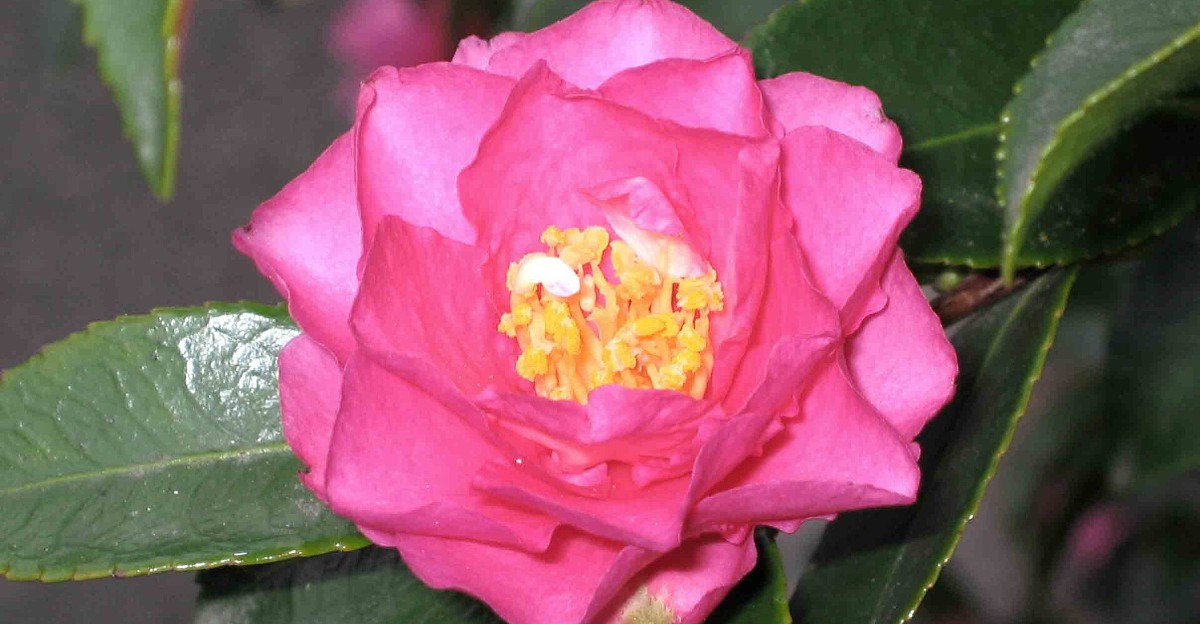
Your fall yard can glow with big pink blossoms right now, weeks ahead of the usual winter show. I learned this by accident one chilly morning in my own North Carolina garden last autumn.
One glossy evergreen shrub beside my porch opened a dozen flowers ahead of the turning oak leaves. Bees found it within an hour, and I stood there in my slippers grinning like a little kid.
Personally, I believe every yard deserves one shrub with flowers in the quiet gap of the year. The right picks for North Carolina handle our muggy summers and surprise cold snaps with real grace.
A few start flowering in late September, and some keep going well past the New Year. My favorite eight are lined up below, each one chosen for its early and reliable bloom time.
1. Winter Star Camellia
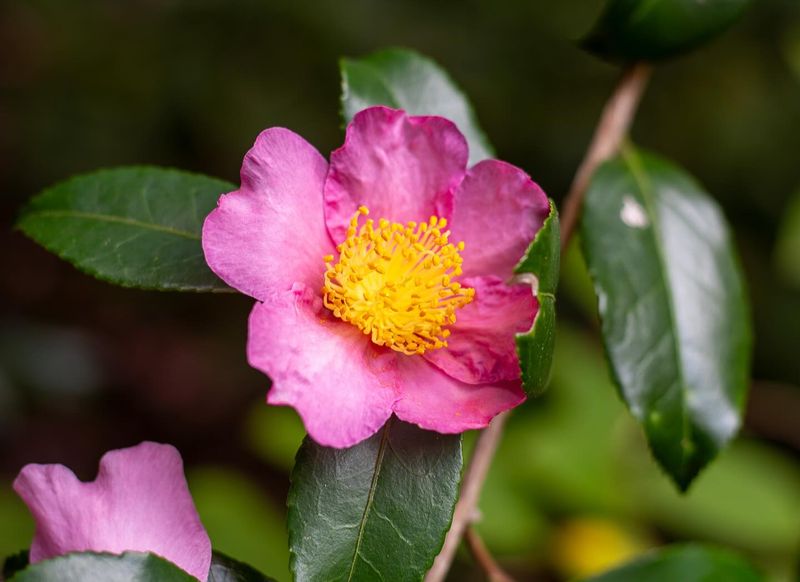
You get single flowers the color of a soft violet sunset, opening right as October nights turn crisp. Each bloom is simple and flat, with a sunny tuft of yellow stamens that bees happily visit.
The plant comes from the breeding work of Dr. William Ackerman at the U.S. National Arboretum.
He wanted shrubs that could shrug off harsh winters, so he crossed in genes from the tough tea-oil species.
That tough background helps this shrub handle cold in zone 6b, which covers some chilly mountain spots. Gardeners in the Piedmont and coastal plain can grow it with even less worry about winter damage.
Expect an upright, fairly fast grower with glossy dark leaves that stay green through every season. It works nicely as a screen along a fence or as a single showpiece near your front walk.
Early October is a smart time to plant, because cooling soil helps young roots settle in before winter. Dig a hole twice as wide as the root ball, but keep the top of the roots level with grade.
Morning sun with light afternoon shade keeps the blooms looking fresh and the leaves from scorching. Spread two inches of pine straw or shredded bark around the base, keeping it away from the stem.
Water deeply once a week for the first fall if rain is scarce in your area. By next October, you will likely spot plump buds forming, and that little sight feels like a promise.
2. Winter’s Charm Camellia
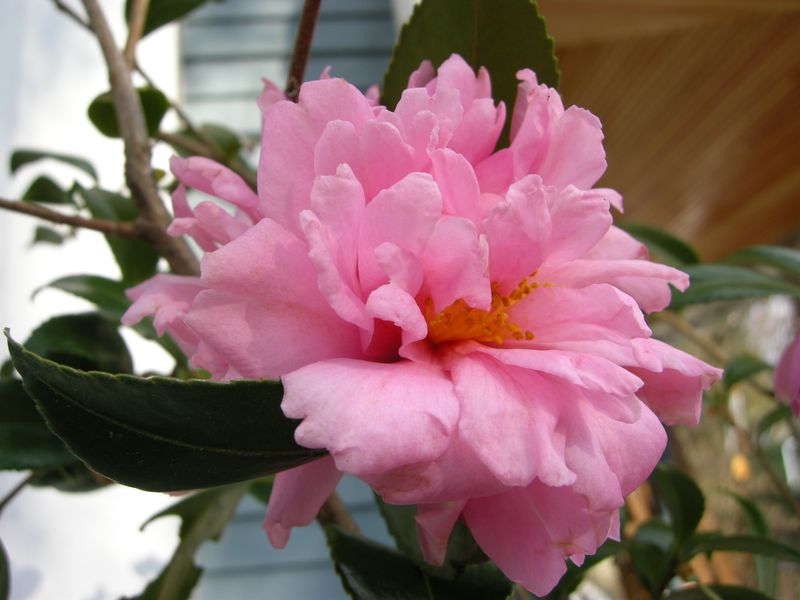
Lavender-pink ruffles stack up in the center of each flower, giving it a fluffy look like a party skirt. Its peony-style blooms appear in fall, often while nearby perennials are fading back toward the ground.
Personally, I love how the petals catch early morning light and almost seem to glow from the inside. Visitors usually stop on the path and ask what it is, which makes a fun conversation starter.
Like the previous pick, this shrub belongs to Dr. Ackerman’s famous group of cold-hardy fall bloomers. It is rated for zone 6b, so it holds up well in cooler mountain valleys of the state.
In warmer parts of the region, give it a spot with filtered afternoon shade from tall pine trees. Too much harsh sun can bleach those delicate lavender tones and leave the leaves looking yellow and tired.
Your North Carolina Garden Changes Every Week. Your Plan Should Too.
Gardening in North Carolina changes quickly throughout the season. Every Friday you’ll receive a simple weekly plan showing exactly what to plant, prune, fertilize, harvest, and protect so you never miss the right timing.
Camellias prefer slightly acidic soil that drains well, much like the soil azaleas and blueberries enjoy. A simple soil test through your county Cooperative Extension office can tell you exactly where you stand.
Skip heavy fertilizer this month, since soft new growth in fall is easily nipped by an early freeze. Feed lightly in spring after flowering ends, using a product labeled for acid-loving shrubs and evergreens.
Fallen petals make a pretty carpet under the branches, but rake them up to help reduce petal blight. That small chore keeps your plant healthy and ready for another round of soft lavender blooms next year.
3. October Magic Orchid Camellia
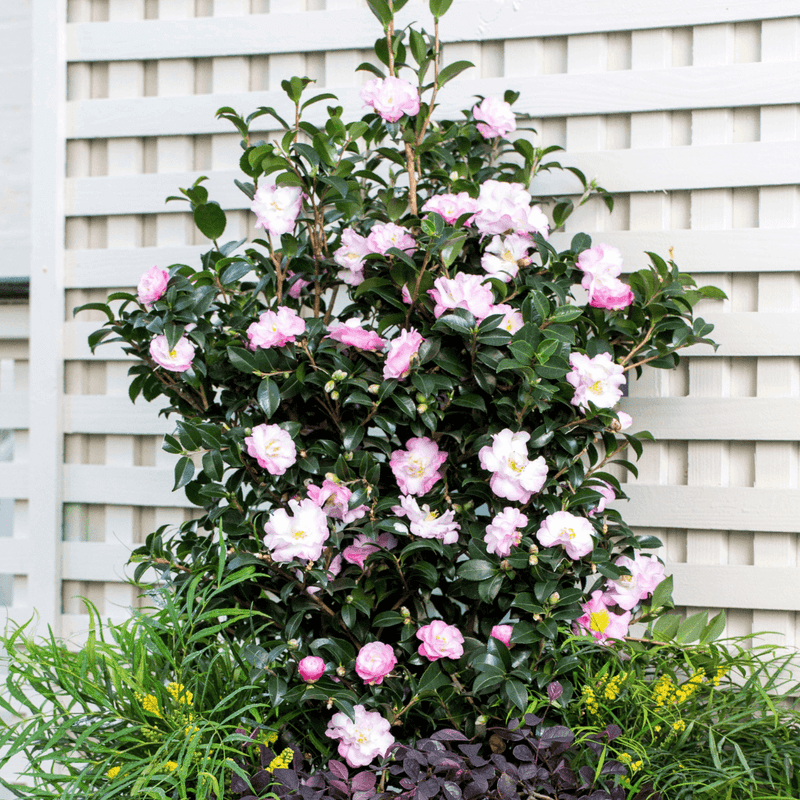
October is right there in the name, and this shrub takes its job title quite seriously each autumn. White petals brushed with orchid-pink edges begin opening as early as late September in many warm yards.
It belongs to the October Magic series from the Southern Living Plant Collection, a popular group of sasanquas. Breeders selected these plants for tidy shape and heavy flowering, which makes them easy fits for smaller lots.
You can tuck one near a patio and still have room to walk past without brushing against branches. The dense, rounded form also takes kindly to light shaping if you prefer a neater outline.
Most growers list it for zones 7 through 10, which covers a large share of the region’s lower elevations. Mountain gardeners in colder pockets may want to choose one of the hardier Ackerman hybrids instead.
Sasanquas handle more sun than their spring-blooming japonica cousins, so a bright bed can work well. Still, a touch of afternoon shade helps the pale blooms keep their crisp, clean look for longer.
Pruning should wait until flowering finishes in winter, because the buds are already set on the branches. Cutting now would remove this year’s show, and nobody wants to trade blooms for a slightly tidier shrub.
Pair it with dark green hollies or ferns so the soft blush flowers really stand out at dusk. I like how the pale petals seem to float in the yard once the porch lights come on.
4. Shishi Gashira Camellia
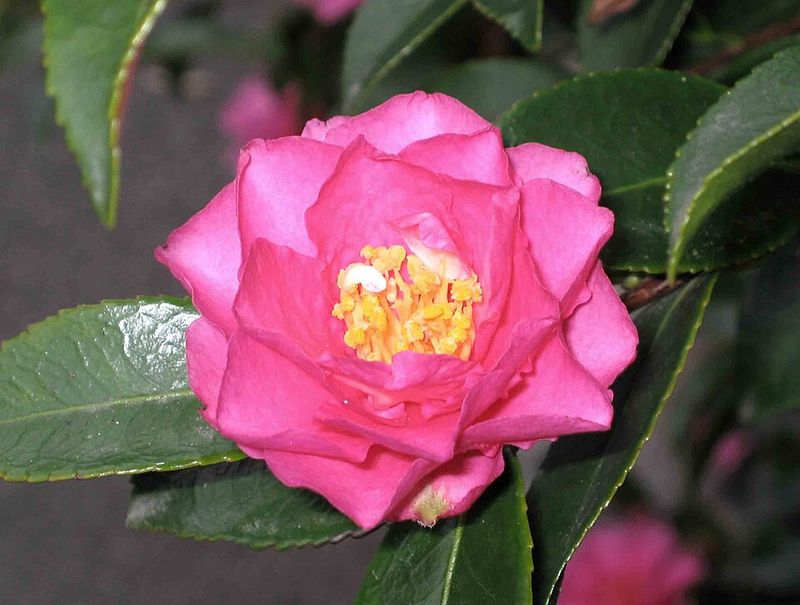
Lion’s head is the rough meaning of this Japanese name, though the plant acts more like a sweet lapdog. Low and spreading, it hugs the ground with glossy leaves and bright rose-pink flowers starting in fall.
Botanists place it in Camellia hiemalis, a close relative of the sasanqua with a similar fall bloom schedule. Its semi-double blossoms show a golden center, and they keep coming for weeks into the winter months.
Most gardeners see it stay around three to four feet tall, but it spreads wider than it grows up. That shape makes it a handy choice beneath windows, where taller shrubs would block the view outside.
You can also grow one in a large container on a sunny porch or near a front step. Use a pot with drainage holes and a bark-based mix, because soggy roots quickly lead to trouble.
Across eastern North Carolina, this plant often shows up in older neighborhoods and around church landscapes too. Its long track record in Southern gardens says a lot about its easygoing attitude toward heat and humidity.
Watch for tea scale, a tiny insect that leaves white fuzzy specks on the undersides of leaves. Horticultural oil applied during cooler weather can help manage light infestations without harming many nearby helpful insects.
Blooms open from fall well into winter, so it gives you color during the gray stretch of the year. Few low shrubs work this hard, and it asks for very little besides mulch and occasional water.
5. Yuletide Camellia
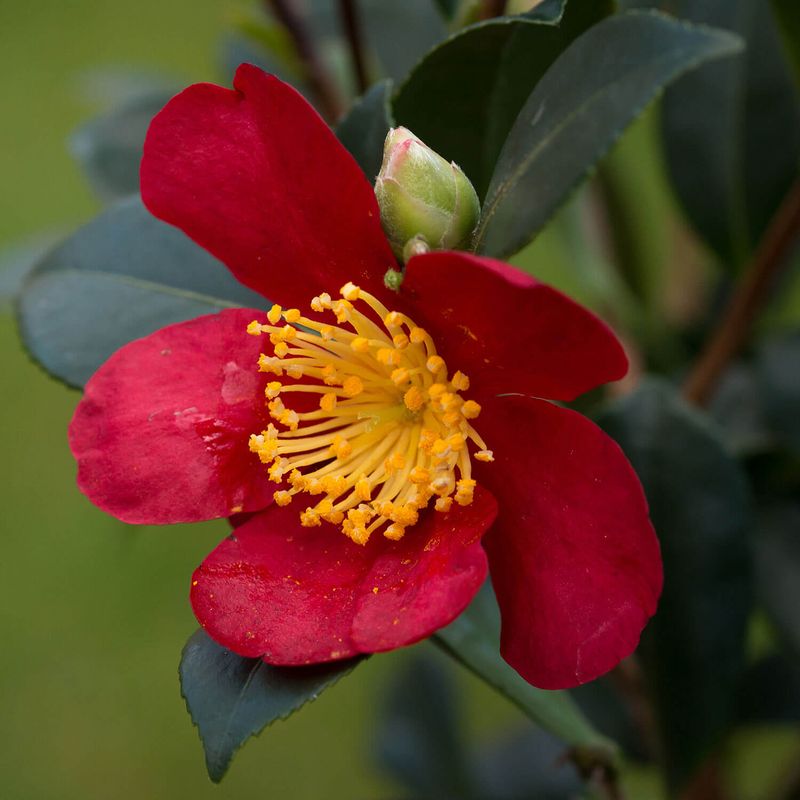
Bright red petals wrapped around a bold yellow center make this shrub look dressed for a holiday dinner. Buds swell through October, and the first flowers usually open in late fall as the weather turns brisk.
Of all the picks here, this one blooms a little later, often peaking around the winter holidays. I still include it because few early camellias offer such a true, glowing red in the cool season.
It is a Camellia sasanqua selection with single flowers, which lets pollinators reach the stamens easily. On mild sunny days, you may spot bees working the blooms when little else is open nearby.
Expect a dense, upright plant that many nurseries list at around eight to ten feet tall at maturity. That height makes it great for a privacy screen or for softening the corner of a tall house.
Space plants about five to six feet apart if you want them to knit into a hedge. Planting now gives roots months of cool weather to settle in before next summer’s heat arrives.
Some gardeners even train it flat against a wall as an espalier, which looks striking near brick. Just tie the young branches loosely, and adjust the ties each spring so they do not cut in.
Snip a few flowering stems for a table vase, and the red petals will brighten a gray December morning. Hardly any other shrub feels this festive, and it pairs beautifully with evergreen magnolia leaves and holly.
6. Kanjiro Camellia
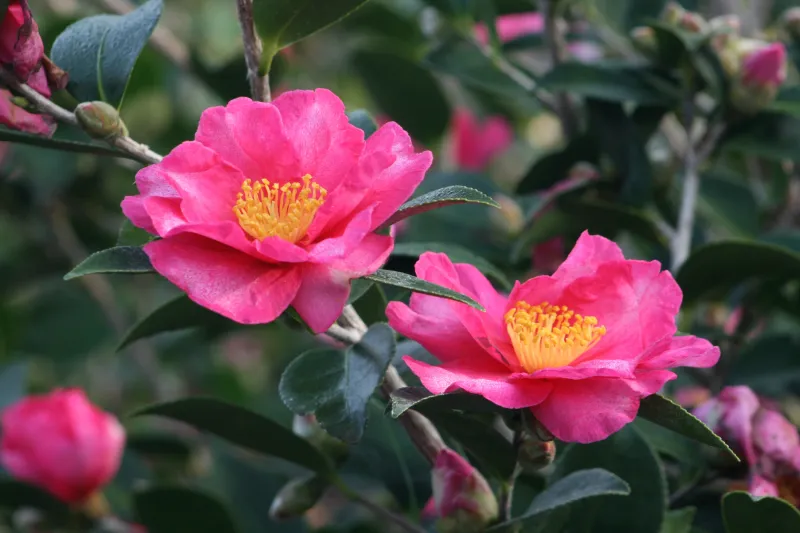
Nurseries have quietly relied on this shrub for years, using its sturdy roots to support other grafted camellias. That behind-the-scenes job says plenty about its vigor, and the flowers are pretty impressive as well.
Semi-double blossoms open a rich rose-pink, with petal edges that deepen toward cerise in cool weather. They start appearing in fall, often in such numbers that the branches look sprinkled with confetti.
Like Shishi Gashira, it is usually classified as Camellia hiemalis, though some catalogs group it with sasanquas. Either way, you get the same easy care and the same cheerful habit of blooming ahead of winter.
Growth is fast and upright, so this is a solid pick when you want a screen in a hurry. Many sources list mature heights near ten feet, with a spread that fills a property line nicely.
It handles heat and humidity well, which helps in the sticky Sandhills and coastal parts of the state. Most growers rate it for zones 7 through 9, so very cold mountain sites may be a stretch.
Give each plant enough room at planting time, because squeezing a fast grower into a tight spot backfires. Constant cutting to keep it small will reduce flowering, and that defeats the whole point of growing it.
You need to check the soil moisture weekly during dry fall spells, especially for shrubs planted this season. A slow trickle from a hose for twenty minutes soaks the roots far better than a quick sprinkle.
7. Polar Ice Camellia
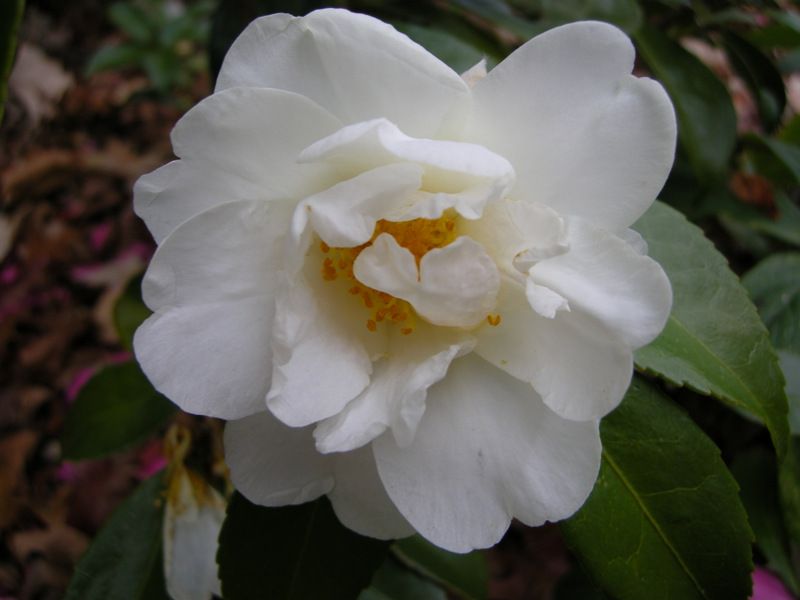
Snow-white flowers in October feel like a joke from Mother Nature, but this shrub pulls it off nicely. Each bloom has an anemone form, meaning a puffy center of small petaloids surrounded by broader outer petals.
Dr. Ackerman bred this beauty too, and it ranks among the hardiest white fall camellias you can buy. Many nurseries rate it for zone 6b, which opens the door for gardeners in higher elevations.
In the Blue Ridge region of North Carolina, that cold tolerance can make a real difference in winter. Choose a site sheltered from harsh northwest winds, because cold drying gusts are tougher on camellias than low temperatures.
White blooms show up beautifully against dark backgrounds, so try planting it near evergreens or a shady fence. They also reflect moonlight, which makes this shrub a lovely choice near an evening patio or bedroom window.
Flowering often begins in mid to late fall and can continue into early winter during mild years. A hard freeze may brown open blossoms, but unopened buds frequently carry on once temperatures rise again.
Personally, I find that browned petals look less sad if you pick them off every few days. It takes five minutes with a warm mug in hand, and the shrub looks fresh and tidy again.
Mulch under the branches to keep roots cool and moist, since camellias have fairly shallow root systems. Keep the mulch a few inches from the trunk to discourage rot and hungry critters hiding underneath.
8. Setsugekka Camellia
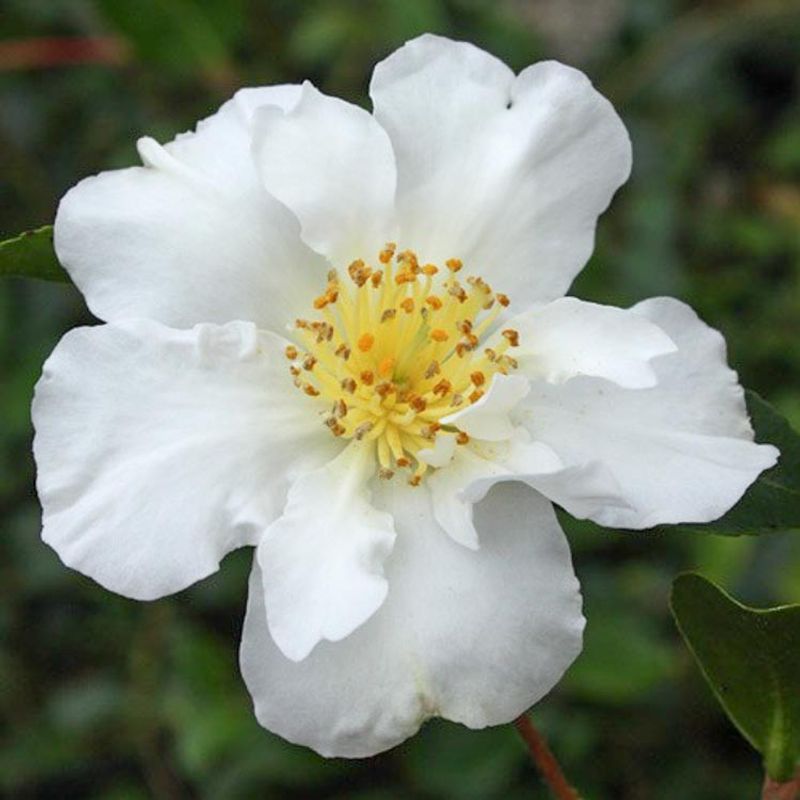
The name is often translated as snow moon flower, a fitting label for such glowing white blossoms. Large semi-double flowers have ruffled petals and a bright yellow center that shines in the autumn sun.
It is one of the earlier sasanquas to open, with blooms frequently showing up in September and October. That early start makes it a favorite finale for this list, ending things on a crisp white note.
Growth is upright and somewhat open, giving it a graceful look that suits cottage and woodland style yards. Many sources list mature heights around eight to ten feet, so plan for a tall shrub eventually.
Most listings rate it for zones 7 through 9, which fits much of the Piedmont and coastal plain. In those areas, it handles summer heat well and settles in with only modest care once established.
The flowers carry a light sweet scent, which you will notice most when standing close on a calm day. Plant it near a gate or bench so that gentle fragrance actually reaches your nose each autumn.
Shallow planting matters a lot, since burying the root flare too deep often leads to struggling plants. Set the root ball slightly above the surrounding soil, and slope the backfill gently down to meet it.
You’re in for a big surprise the first fall it blooms, because the white looks almost silver at dusk. I can’t imagine a calmer way to welcome cooler weather than a shrub covered in soft moonlit petals.