The Meaning Behind Seeing A Zebra Longwing Butterfly In Your Florida Yard
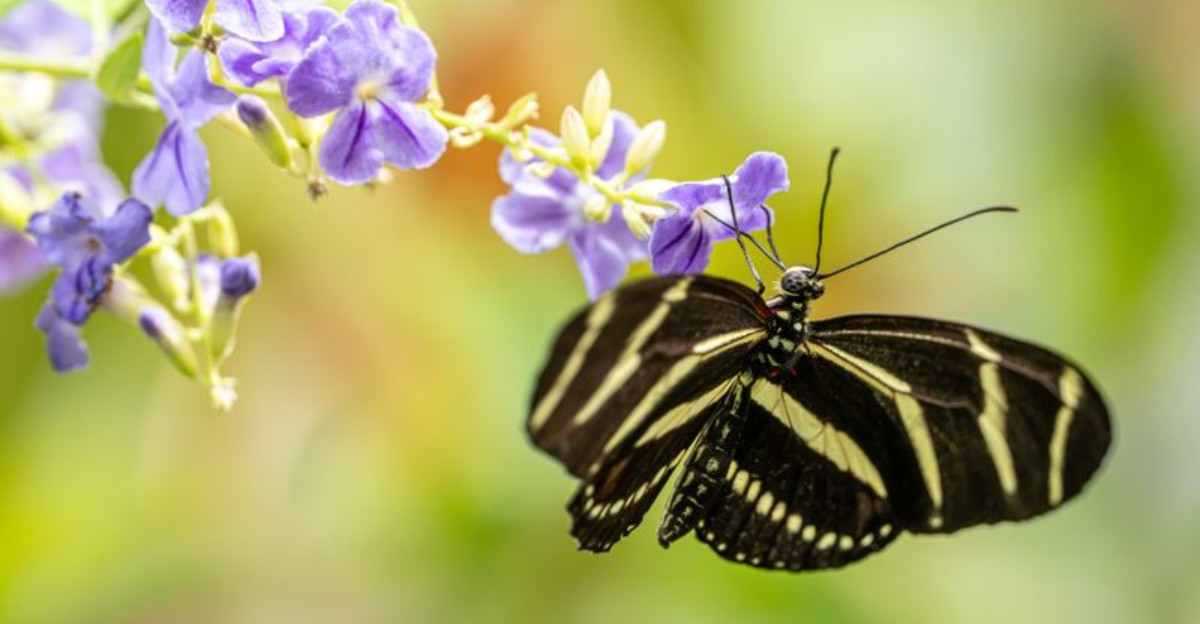
One striped butterfly in Florida eats pollen, not just nectar, and that protein can help it live for several months. Most garden butterflies only last a few weeks, so I find that extra time on the wing pretty amazing.
At night, these butterflies gather in groups on low branches and often return to the very same roost. You could walk past a sleeping cluster of twenty or more and miss it hanging quietly in the shade.
Back in 1996, lawmakers picked this black and yellow flier as the official state butterfly of Florida. I believe that honor fits, since it visits backyards across much of the state.
When one drifts slowly past your porch this October, you are seeing a butterfly that chose your yard. Did something growing in your garden quietly send an invitation you did not realize you were sending?
Your Yard Just Passed A Habitat Test
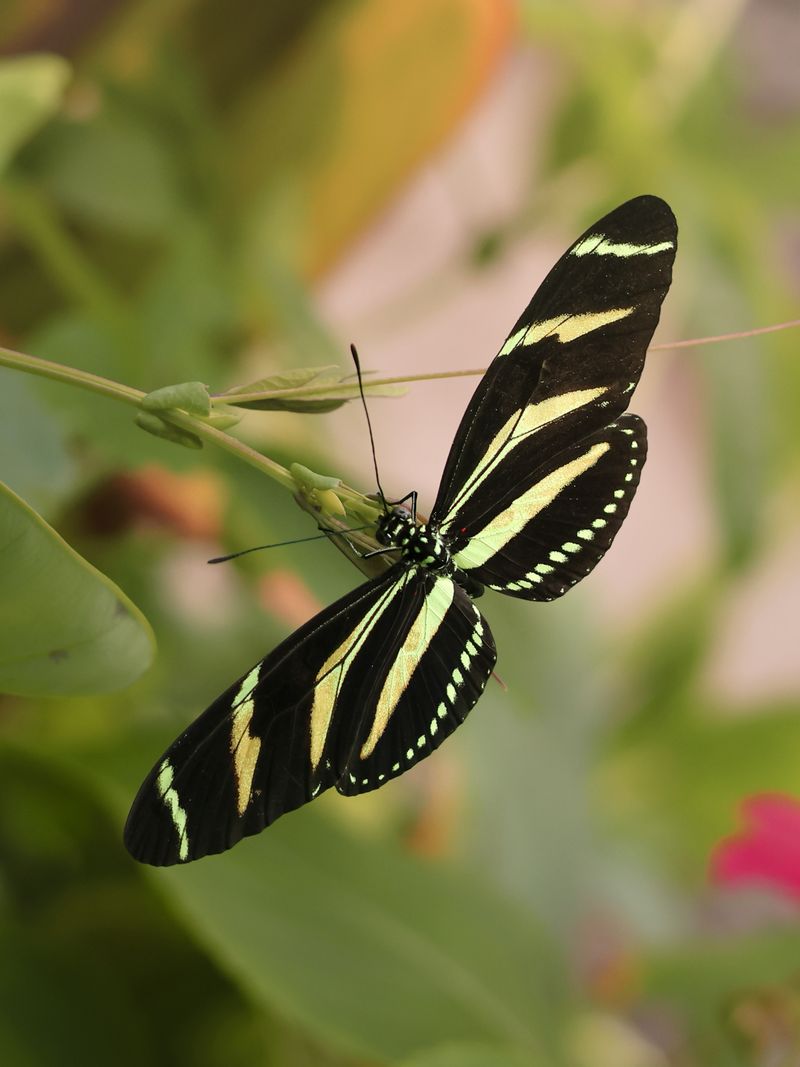
Spotting a zebra longwing usually means your yard offers food for both caterpillars and adults in one place. Biologists at the University of Florida note that these butterflies tend to stay close to dependable food sources.
Unlike monarchs, zebra longwings do not migrate long distances, so a visitor is often a local resident. Many adults patrol the same small territory for weeks, flying slow loops between flowers and nearby vines.
Some folks see the butterfly as a sign of change, hope, or good luck. Those meanings come from personal belief and culture, and science does not back any specific symbolic message.
What science does show is simpler, and I think it feels just as meaningful for a gardener. A healthy zebra longwing needs pollen, nectar, shelter from wind, and plants where females can lay eggs.
If one keeps coming back, your yard is probably meeting most of those needs without much extra effort. That is a real compliment, because suburban lawns of plain turf grass offer butterflies very little to eat.
Take a slow walk around your plants this week and note which flowers the butterfly visits most. Those notes will help you decide what to protect, what to divide, and what to add this season.
Fall is a smart time to plan, since cooler weather makes planting less stressful for many native plants. A small notebook by the back door works well for tracking sightings, dates, and favorite nectar plants.
Passionflower Vines Are The Real Magnet
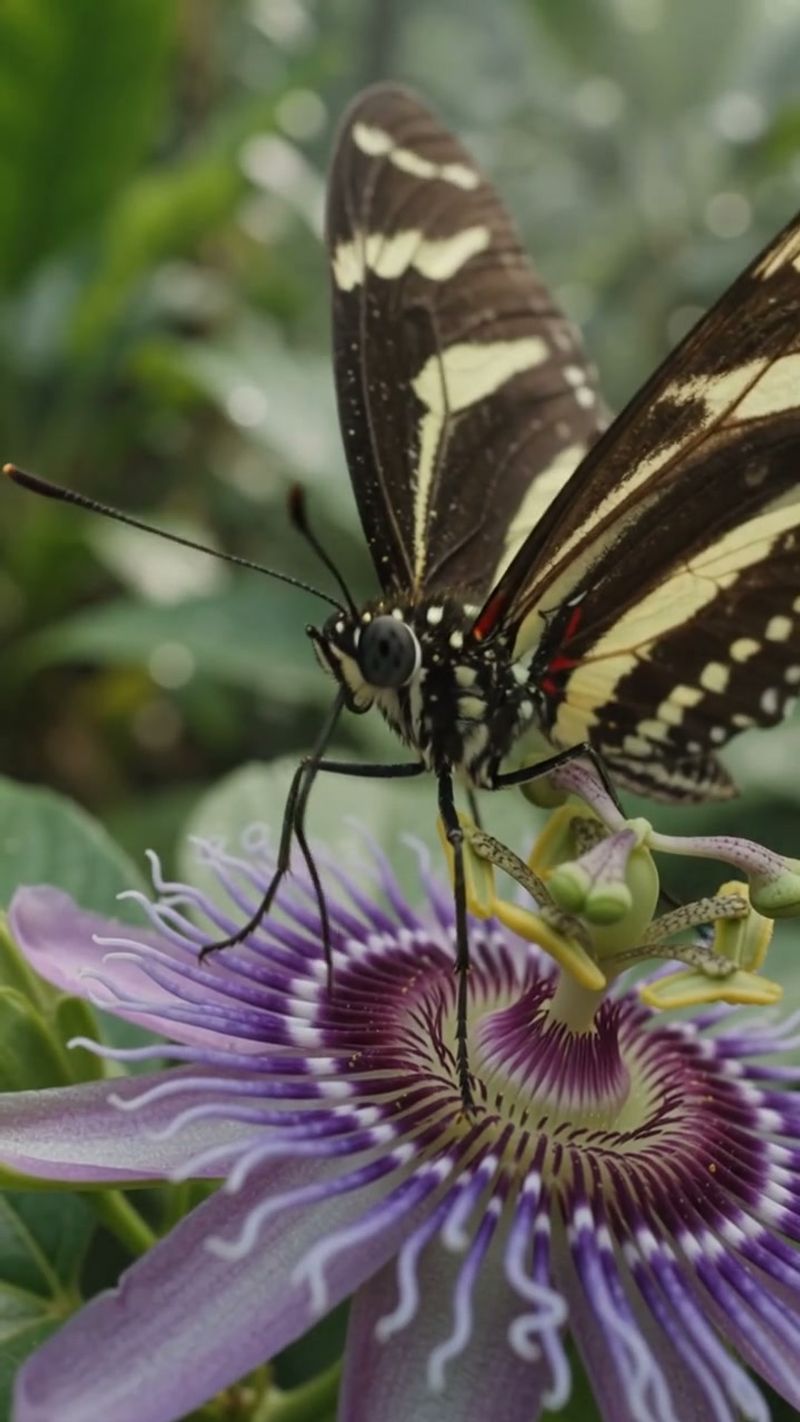
Female zebra longwings lay their tiny yellow eggs almost exclusively on passionflower vines, called Passiflora by botanists. Without those vines nearby, the butterfly might stop for a sip of nectar but rarely stays very long.
The state has several native choices, including purple passionflower, also called maypop, and the small corky-stem passionflower. Corky-stem passionflower tolerates partial shade, while maypop prefers full sun and often goes dormant during north Florida winters.
The caterpillars are white with black spots and spiky black bristles, and they chew leaves quickly. A ragged vine is a sign of success, so resist the urge to spray or trim it.
Your Florida Garden Changes Every Week. Your Plan Should Too.
Gardening in Florida changes quickly throughout the season. Every Friday you’ll receive a simple weekly plan showing exactly what to plant, prune, fertilize, harvest, and protect so you never miss the right timing.
A fun fact surprises many gardeners who grow these vines mainly for their fancy, frilly purple flowers. Passionflower leaves contain chemical compounds that caterpillars store, making both the larvae and the adults taste bad to birds.
The bold stripes act as a warning, telling hungry predators that this snack is not worth the trouble. Gulf fritillaries use the same vines, so you may find orange caterpillars sharing leaves with striped neighbors.
UF experts generally recommend native passionflowers, since some non-native species and hybrids support young caterpillars poorly. Buy plants from native nurseries, and ask whether they were treated with systemic pesticides before arriving at the shop.
October planting gives roots time to settle in before spring, when egg laying usually picks up again. Plant two or three vines near a fence or trellis so hungry caterpillars have plenty of leaves to share.
October Brings Peak Numbers To Northern Areas
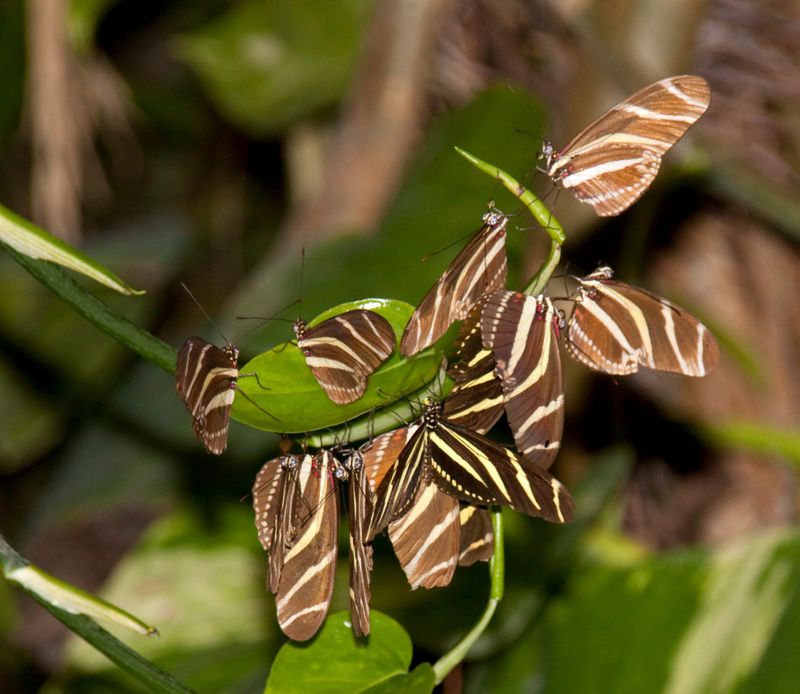
Fall is often the best season to see zebra longwings, especially across north and central parts of the state. Populations build all summer, so by October the yard may host several generations flying at the same time.
In south Florida, these butterflies fly year round because winters there rarely bring long, hard freezes. Farther north, cold snaps in winter can sharply reduce numbers, and sightings may pause until warmer months return.
That timing makes autumn sightings feel special, almost like a last busy stretch before the quiet season. I love watching them in the afternoon, when they glide slowly between blooms with long, floppy wingbeats.
Fall nectar plants matter a lot right now, because adults need steady fuel as days get shorter. Firebush, native lantana, porterweed, and blue mistflower often keep blooming through October and November in much of Florida.
Zebra longwings have a strong habit of returning to the same flower patches along a regular daily route. Scientists call this traplining, and it helps the butterflies remember where pollen and nectar are easy to find.
Keep track of what time your visitor appears, since many butterflies follow a surprisingly steady daily schedule. With a little patience, you might catch the same butterfly at the same flower nearly every afternoon.
Snap a photo of the wing pattern each day, since small nicks can help you identify individual butterflies. It turns a quick glance into a fun backyard project that kids and adults can enjoy together.
A Sleepover Roost Might Be Hiding Nearby
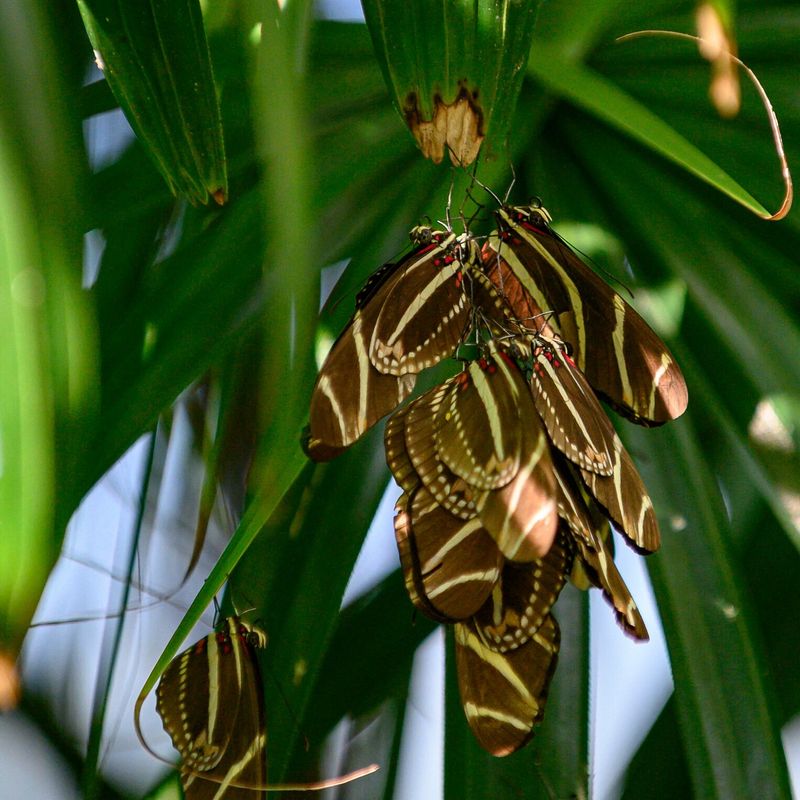
Just before sunset, zebra longwings drift toward a shared roost, often on a thin twig or hanging vine. Groups can range from a handful to several dozen, packed close together with wings folded for the night.
Researchers have found that many individual butterflies return to the same roost night after night for weeks. Scientists think roosting together may help with warmth, safety, or sharing information about good feeding spots.
Finding one feels like discovering a secret, and you can do it with a little evening detective work. Watch where butterflies fly around dusk, then check low, shaded branches within a few feet of the ground.
Dense shrubs, tangled vines, and protected corners near fences are common spots for a cluster to settle. Bring a small flashlight with a red filter, since bright white light can disturb sleeping butterflies.
Keep your distance and avoid touching the roost, because startled butterflies may abandon the spot for good. Fall cleanup can easily disrupt a hidden roost, so think twice before pruning shrubs this month.
Leaving a few messy branches in place gives your butterflies a reliable bedroom through the cooler weeks ahead. In the cool morning light, the group slowly warms up in the sun before scattering to feed again.
Early risers can quietly watch them open their wings one by one, which is a lovely sight. Morning viewing also tells you the roost is still in use, so you can plan around it.
Pesticides Can Undo Your Hard Work
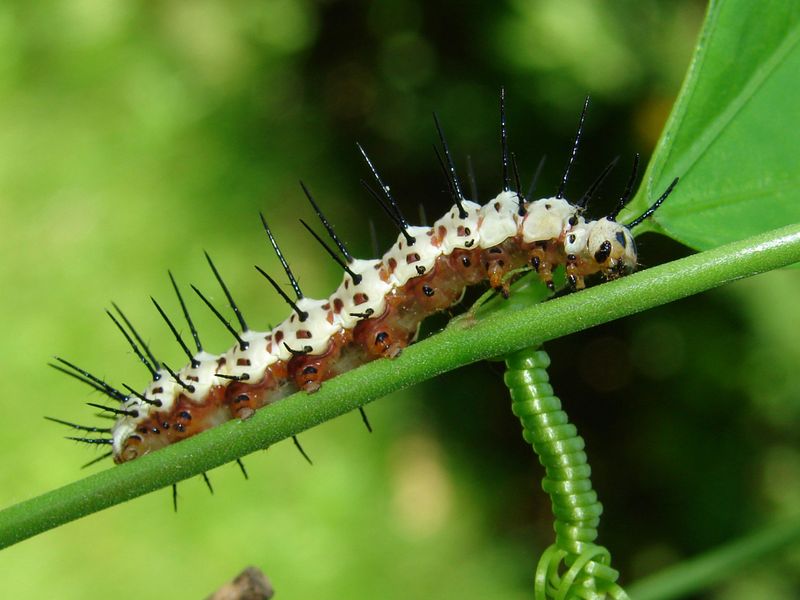
One quick spray aimed at mosquitoes or aphids can harm the very butterflies you worked so hard to attract. Caterpillars are especially sensitive, since they eat leaves that may hold leftover chemicals for days or weeks.
Broad-spectrum insecticides do not pick favorites, so they affect helpful insects along with the pests you target. Even products labeled natural, like Bt or neem oil, can harm caterpillars if they land on host plants.
Systemic insecticides are another concern, because plants absorb them and carry them into leaves, pollen, and nectar. UF/IFAS experts suggest checking plant tags for neonicotinoid treatments before buying anything meant for a pollinator garden.
Mosquito control is a real need here, so try gentler steps before reaching for a fogger. Dump standing water weekly from saucers, buckets, and birdbaths, since mosquitoes can breed in a few days.
If you hire a yard service, ask them to skip spraying your passionflower vines and flowering beds. A simple sign or flag near the vine can remind crews where the butterfly nursery is located.
Aphids on milkweed or other plants can often be managed with a strong spray of plain water. Ladybugs, lacewings, and small wasps usually show up to help once you stop using broad chemical sprays.
Honestly, a few chewed leaves are a small price to pay for a lively garden buzzing with life. Your butterflies, bees, and the birds that feed on garden insects will all benefit from that choice.
Keep The Welcome Mat Out Through Winter
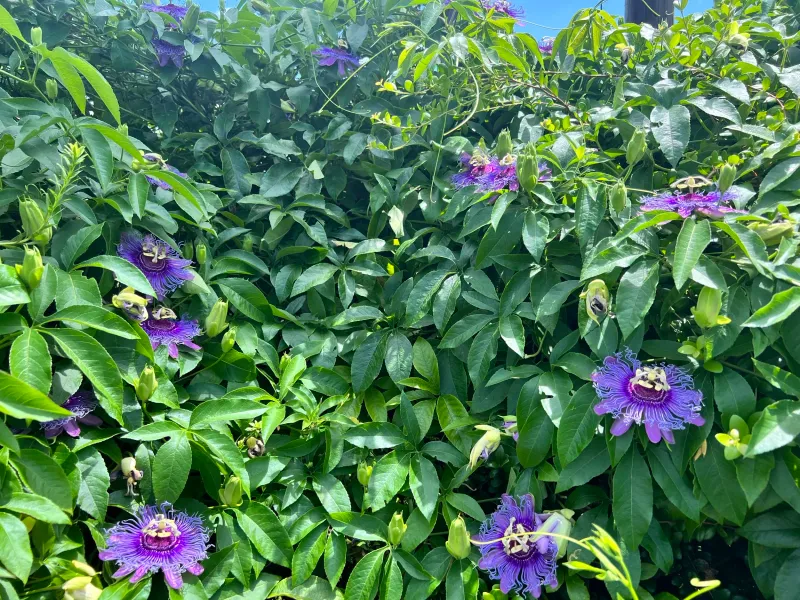
Winter here is mild compared to most states, but a few chilly nights can still challenge butterflies. Zebra longwings struggle when temperatures drop near freezing, so shelter and food make a really big difference.
Plant passionflower and nectar plants near a south-facing wall, where stored warmth can soften cold nights. Evergreen shrubs like wax myrtle or Simpson’s stopper offer windbreaks and roosting spots through the cooler months.
Leave leaf litter under shrubs, since many helpful insects and spiders shelter there until warm spring arrives. A tidy yard looks neat, but a slightly wild corner gives wildlife a much better place to rest.
If a hard freeze is forecast, cover young passionflower vines with frost cloth in the late afternoon. Remove the cloth the next morning so plants get sunlight, and check leaves for eggs or caterpillars.
Maypop vines in north Florida often fade back to the ground but usually sprout again from roots in spring. Mark their location with a stake, so you remember not to dig there during winter garden chores.
Keep a few cool-season bloomers going too, since adults still feed on warm, sunny winter afternoons. Native porterweed and firebush may slow down, but in central and south Florida they often keep flowering.
A little planning this fall means next year’s butterflies will find a yard that is ready for them. Watching that first striped visitor return is one of the sweetest rewards a Florida gardener can earn.