Reasons Your California Jade Plant Is Dropping Leaves As The Seasons Change
A kitchen windowsill can tell a quiet story in autumn. Plump green leaves lie scattered below a familiar succulent, while a few wrinkled ones cling to its branches.
Scenes like this play out across California each fall and again in spring.
This tough South African native shrugs off neglect, yet it reacts quickly when the seasons shift.
Shorter days, cooler nights, and changes in how fast soil dries can all nudge it toward shedding.
The tricky part is that very different problems can look alike at first glance, and some call for opposite responses.
A simple touch often reveals more than a long look. Once the right clue surfaces, recovery tends to follow, and these sturdy plants usually bounce back with a little patience.
1. Overwatering Is The Top Cause
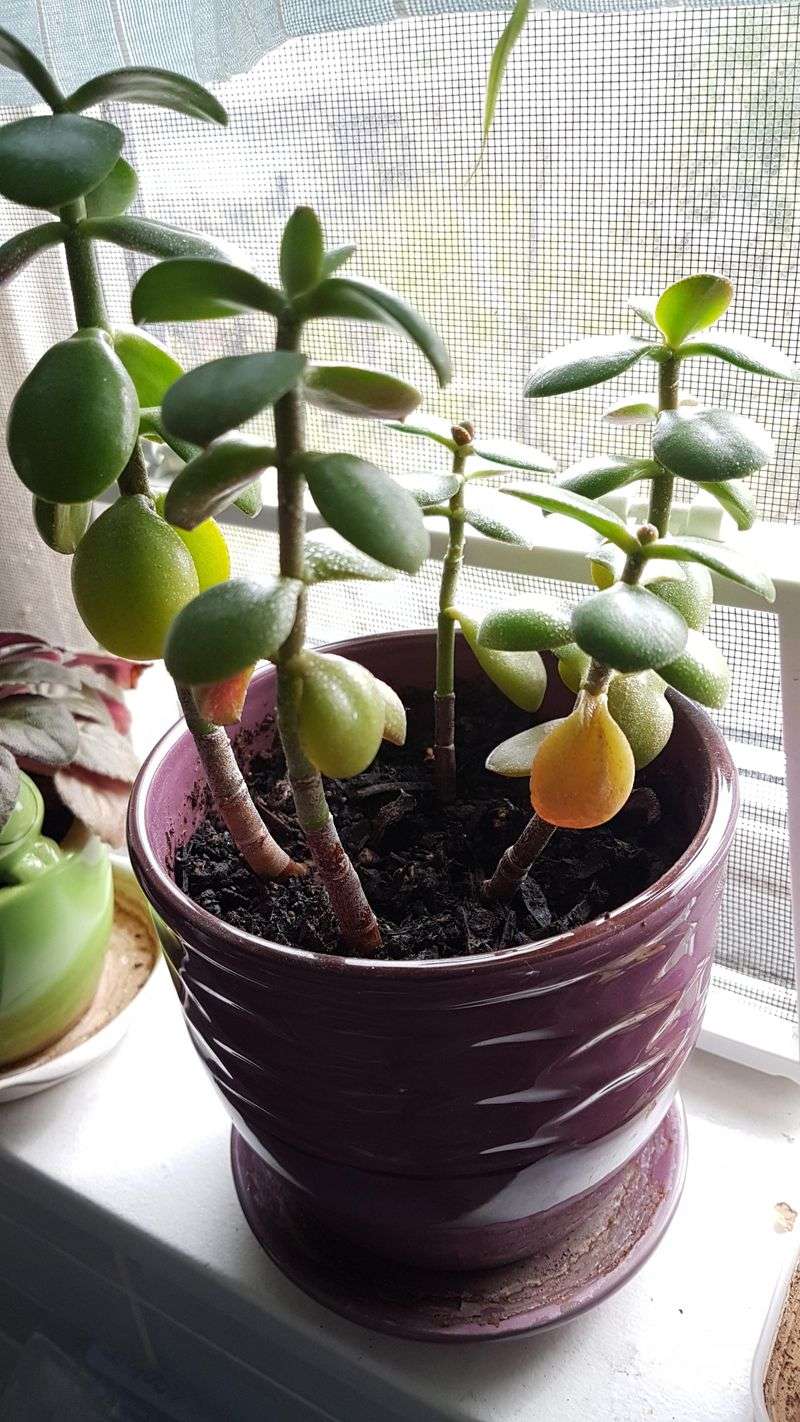
A fallen leaf squeezed between the fingers often tells the story. Squishy, slightly see-through tissue means the jade has been drinking more than it can handle.
Soggy soil ranks as the leading reason jades lose leaves, and the problem worsens as weather cools.
Jades, known to botanists as Crassula ovata, store water in thick leaves and stems. In summer, warm air and bright sun help soil dry quickly.
Once fall arrives, the plant slows down and uses far less water. A summer watering schedule then leaves roots sitting in wet soil for days.
Roots need air, and soggy soil deprives them of it, so rot soon sets in.
Leaves turning yellow, soft, or mushy offer warning signs, along with stems darkening near the soil line and a sour smell from the pot.
The fix starts with pausing all watering. Tipping the plant out reveals the roots, with healthy ones firm and pale and rotted ones brown, slimy, and falling apart.
Clean scissors, wiped with household disinfectant, trim away the damaged roots.
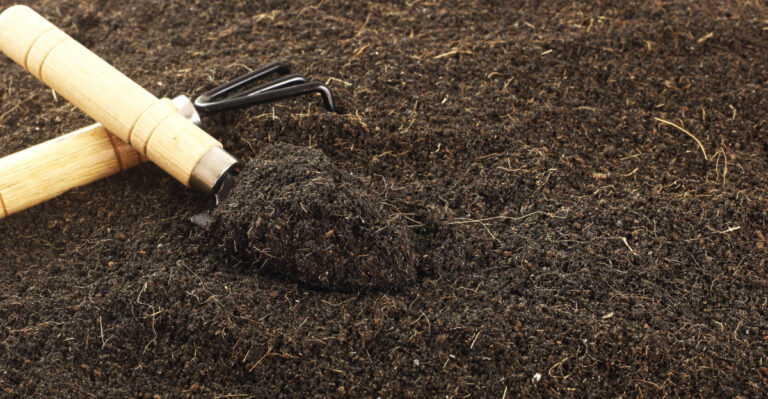
Fresh, fast-draining cactus and succulent mix and a pot with a drainage hole give the plant a clean start.
Afterward, deep watering only when the soil is completely dry works best, which may mean once every three or four weeks in winter.
A pot left sitting in a saucer of water is best avoided, since trapped moisture undoes all that effort.
2. Drought Makes Leaves Shrivel And Drop
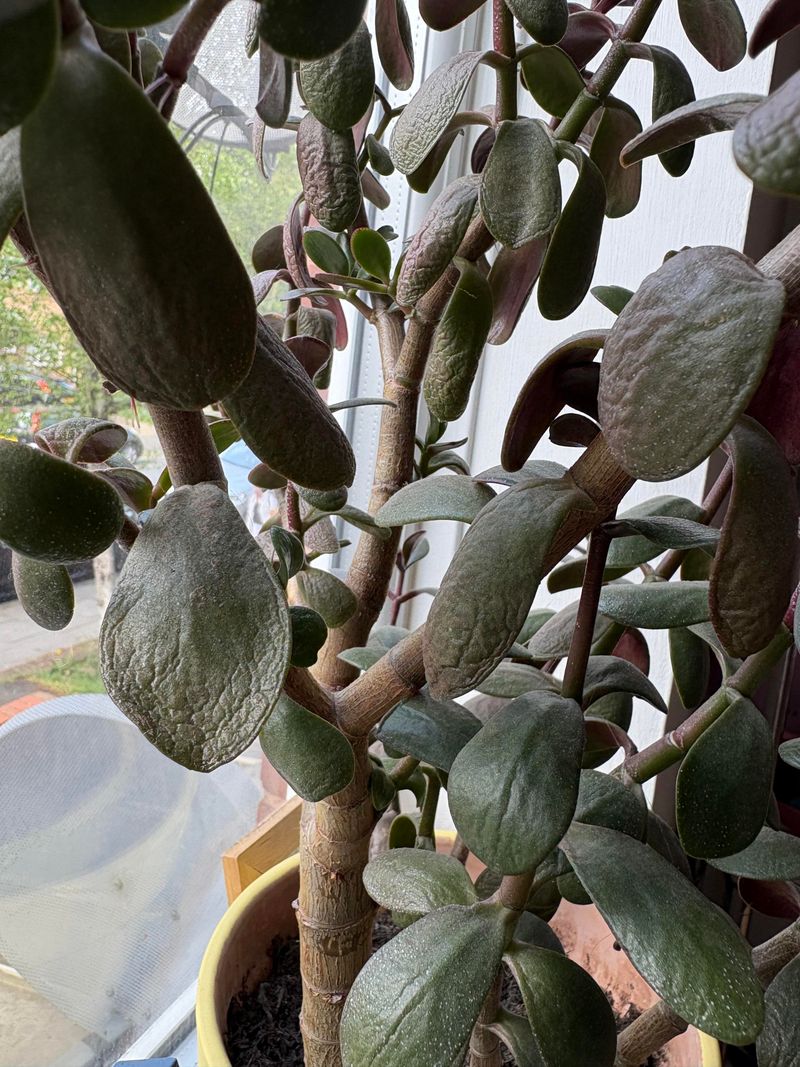
A jade on a sunny Los Angeles patio during a hot September heat wave can end up with leaves like raisins, thin and wrinkled, a few already scattered on the bricks.
That plant is simply thirsty, and the fix is easy.
Jades handle dry spells well, yet even camels need a drink eventually. Bone-dry soil for too long forces the plant to pull moisture from its leaves to protect the stems.
The leaves shrink, pucker, and finally let go.
Late summer and early fall carry real risk in California, since hot winds and low humidity dry pots out quickly.
Telling thirst from overwatering gets easy with practice. Thirsty leaves feel thin, bendy, and wrinkled, while overwatered leaves feel soft, swollen, and squishy.
Bone-dry soil pulling away from the pot edge also points to drought, as does a pot that feels unusually light.
Your California Garden Changes Every Week. Your Plan Should Too.
Gardening in California changes quickly throughout the season. Every Friday you’ll receive a simple weekly plan showing exactly what to plant, prune, fertilize, harvest, and protect so you never miss the right timing.
One good soak usually fixes a thirsty jade. A slow pour until water runs from the drainage hole works best.
Soil so dry that water rolls right off benefits from a twenty-minute soak in a tub of water, followed by thorough draining.
Leaves often plump back up within a few days. Weekly finger checks afterward help, with deep watering whenever the top couple of inches feel dry during warm months.
Outdoor pots in full sun usually need water more often than indoor ones, especially during October Santa Ana stretches.
3. Dim Winter Light Weakens Growth
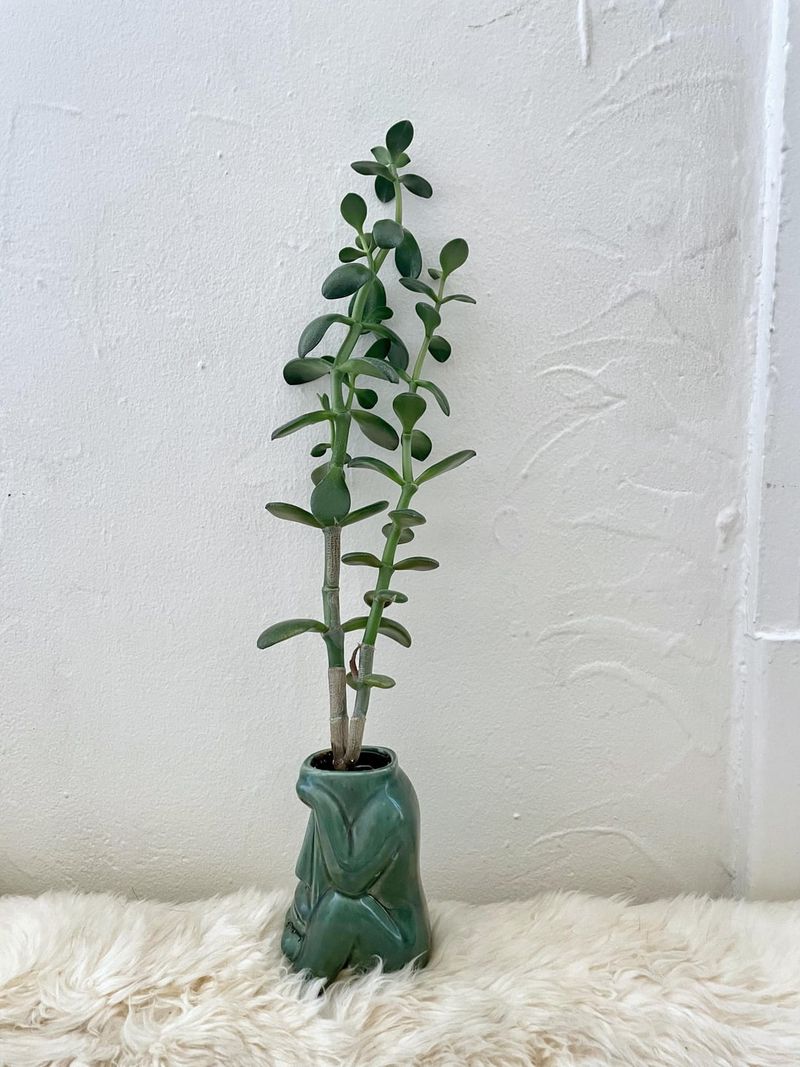
Short December days can turn a chunky jade into a lanky one. Stems stretch, gaps grow between leaves, and the plant leans toward the window as if peeking outside.
Lower leaves often fall soon after.
Jades love sunshine, needing at least four to six hours of bright light daily to stay compact and strong.
In winter, the sun sits lower and daylight lasts fewer hours, so a spot that felt sunny in June may feel like a cave by January.
Without enough light, the plant can’t make enough food, so it drops older leaves to save energy.
Pale green color, long thin stems, and new leaves smaller than the old ones signal low light.
Healthy jades in strong light often show red leaf edges, so losing that blush offers another clue.
The brightest available window makes the best winter home, with south- and west-facing windows working best in most houses.
Clean glass and dust-free leaves let more light reach the plant, and a quarter turn each week evens out growth.
A simple LED grow light helps considerably in darker rooms, set about twelve inches above the plant and run twelve to fourteen hours daily.
Less light also means less water, so watering slows through winter.
Bright light and cool nights can also coax mature jades into producing clusters of star-shaped pink or white flowers in late fall and winter.
4. Cold Nights And Drafts Trigger Leaf Drop
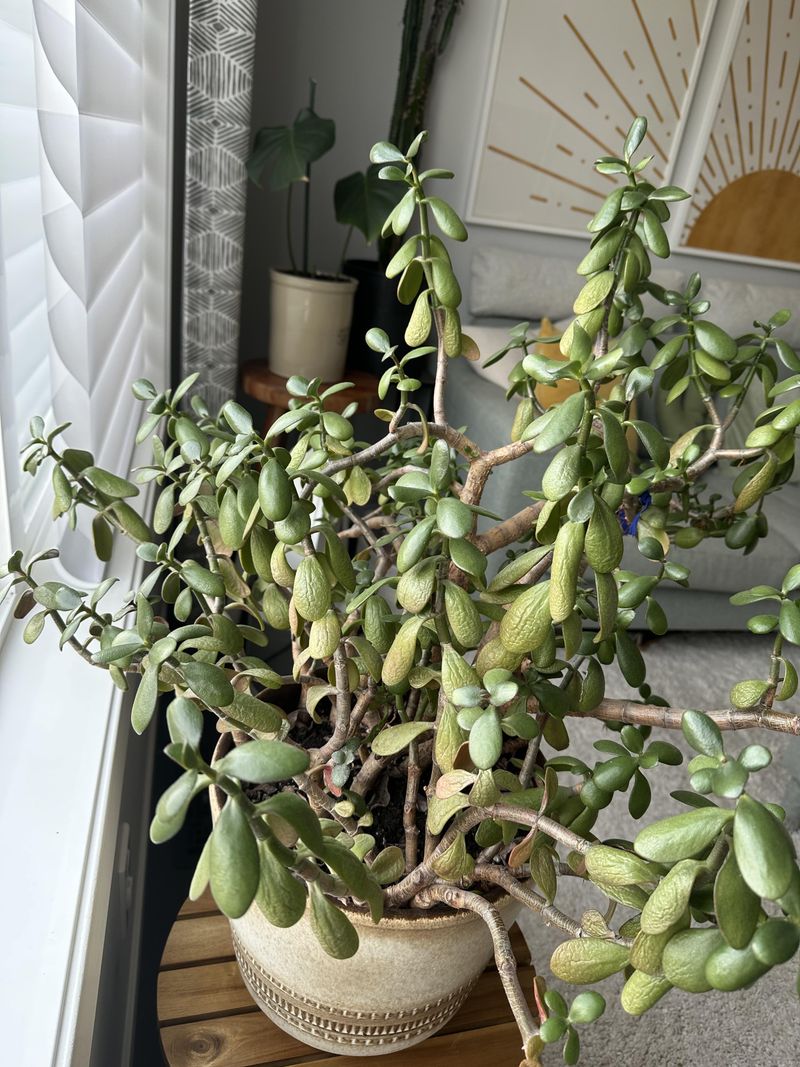
A jade that looked fine on Friday may lose half a dozen leaves by Monday after a chilly weekend near the front door.
Cold drafts work fast and leave no fingerprints.
Jades enjoy daytime temperatures between 65 and 75 degrees with slightly cooler nights, and a mild chill causes no harm.
A frosty breeze from an open door, a cold window pane, or an air conditioner blast, however, can shock the plant.
Outdoor jades face greater risk. Inland valleys and high desert areas can drop near freezing on clear winter nights, and frost damages water-filled leaves, turning them dark and mushy.
Hot air causes trouble too. Heater vents blow dry, warm air that stresses leaves and pulls out moisture quickly, and swings between hot and cold make things worse.
Indoor jades do best at least a foot away from doors, drafty windows, and vents. On very cold nights, pulling pots back from the glass helps.
Window panes can grow much colder than the room itself.
Outdoor plants benefit from forecast watching. When nights dip toward 40 degrees, pots can move under a porch roof or indoors.
When frost threatens, frost cloth or an old bedsheet covers in-ground jades overnight, coming off each morning.
Frost-damaged parts work best left until spring before trimming, since they help shield healthy growth underneath.
Coastal gardens rarely see frost, though occasional cold snaps still warrant a quick check of the forecast.
5. Sudden Moves Cause Shock
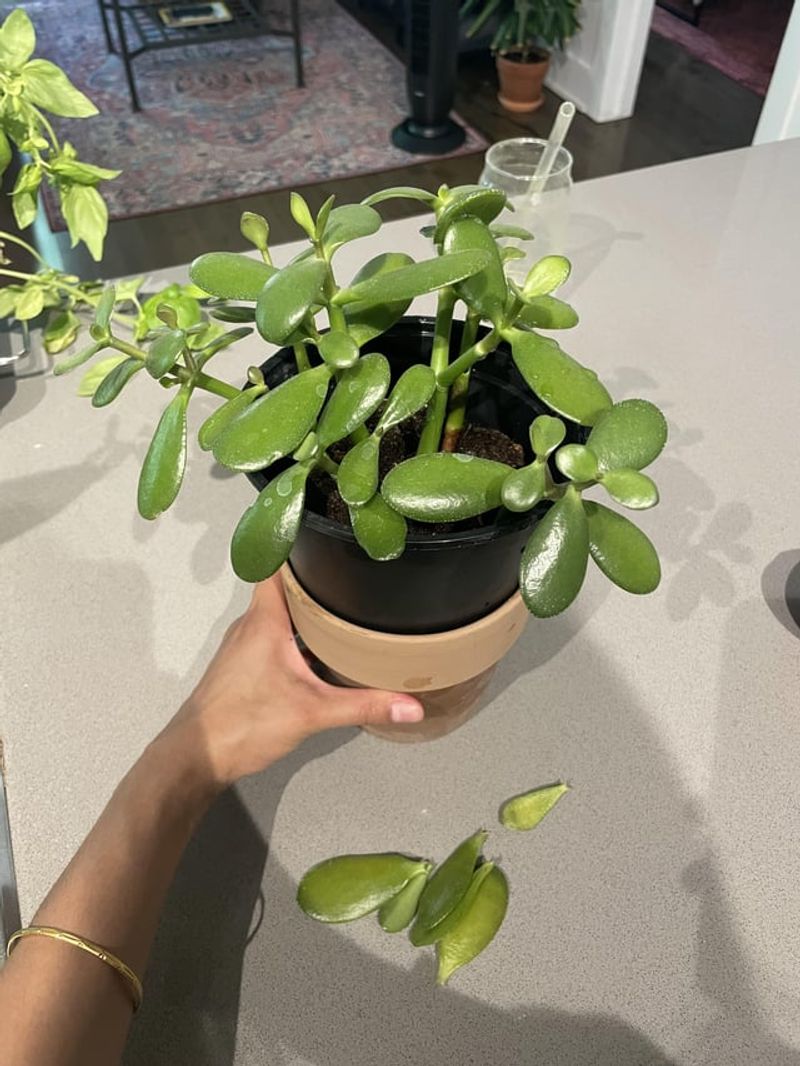
Bringing a jade indoors for winter feels like a kind gesture, though the plant may disagree.
A big move from a bright patio to a dim living room can send leaves tumbling within days.
Jades adjust to their surroundings, with leaves tuned to a certain amount of light, heat, and humidity. Changing all of those at once confuses the plant.
Shedding a few leaves is its way of resetting, and a brand new jade from the garden center often does the same after the ride home.
The reverse move causes trouble too. An indoor jade carried straight into full spring sun can scorch, showing white, tan, or brown patches on the sunny side.
Burned leaves often drop later.
A slow transition works best. Over one to two weeks, the pot moves in small steps, starting in partial shade before heading indoors to the brightest window.
In spring, the process reverses. A few hours of morning sun outside, increasing a little each week, lets leaves adjust safely.
Once a jade settles into a spot, leaving it there helps considerably.
Steady watering during a move helps, while fertilizer can wait until new growth appears.
A little leaf drop after a move is normal, and healthy stems push out fresh leaves once the plant feels at home.
The ASPCA lists jade plants as toxic to cats and dogs, so indoor placement works best out of reach of curious pets.
6. Mealybugs Drain Sap
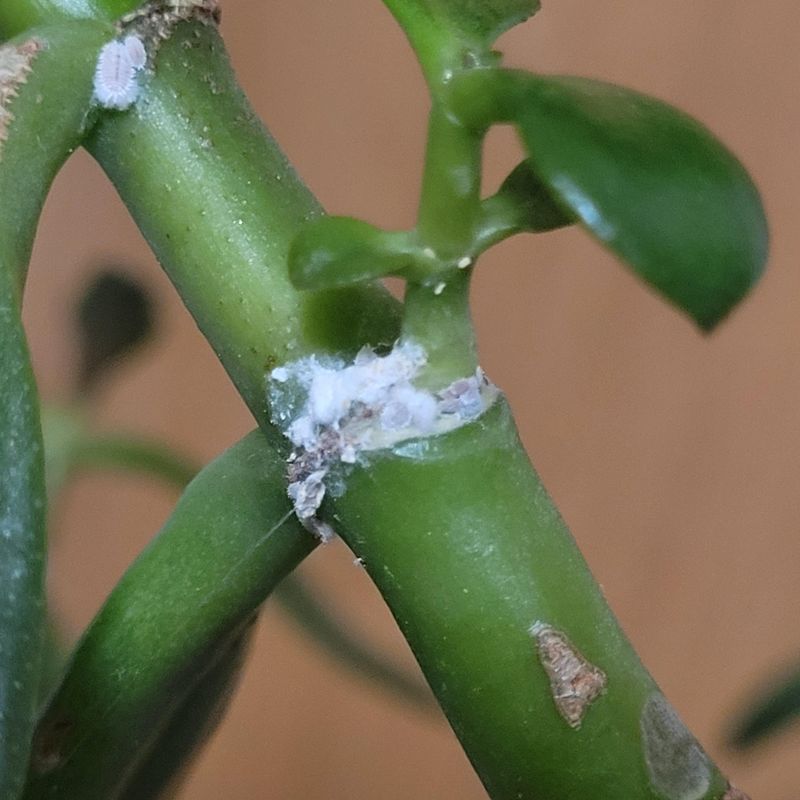
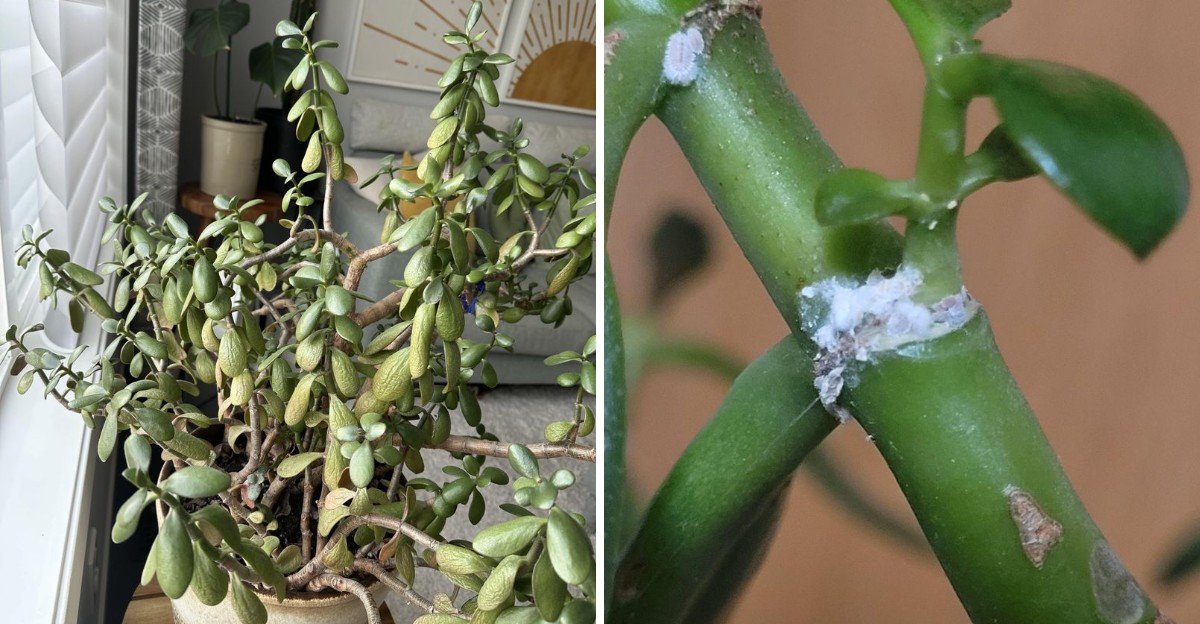
Tiny tufts of white fluff tucked where leaves meet stems may look like cotton or lint. A closer look often reveals mealybugs, among the most common jade pests.
Mealybugs are small, soft insects covered in a waxy white coating. They pierce the plant and draw out its sap.
A few cause little harm, while a large group can drain a jade quickly, leaving leaves yellow, wrinkled, and falling.
The bugs also leave sticky honeydew behind, which can grow black, sooty mold.
A close check every couple of weeks helps. Leaf joints, leaf undersides, and stems deserve attention, and pests sometimes hide in soil near the base.
Repotting time offers a good chance to inspect the roots too. Indoor plants face higher risk in winter, with no natural enemies around to help.
UC IPM recommends starting gently. Small infestations respond to a cotton swab moistened with insecticidal soap, dabbed directly on each bug.
A gentle spray of water then knocks off stragglers.
Larger groups may need insecticidal soap or horticultural oil applied more broadly, tested first on a few leaves, since jades can be sensitive to some sprays.
Badly infested stems are best trimmed and discarded in the trash.
New plants benefit from a few weeks in isolation before joining the collection, keeping unwanted guests from arriving.
Repeat checks every week or two catch any newly hatched mealybugs before numbers build again.
7. Old Inner Leaves Drop Naturally
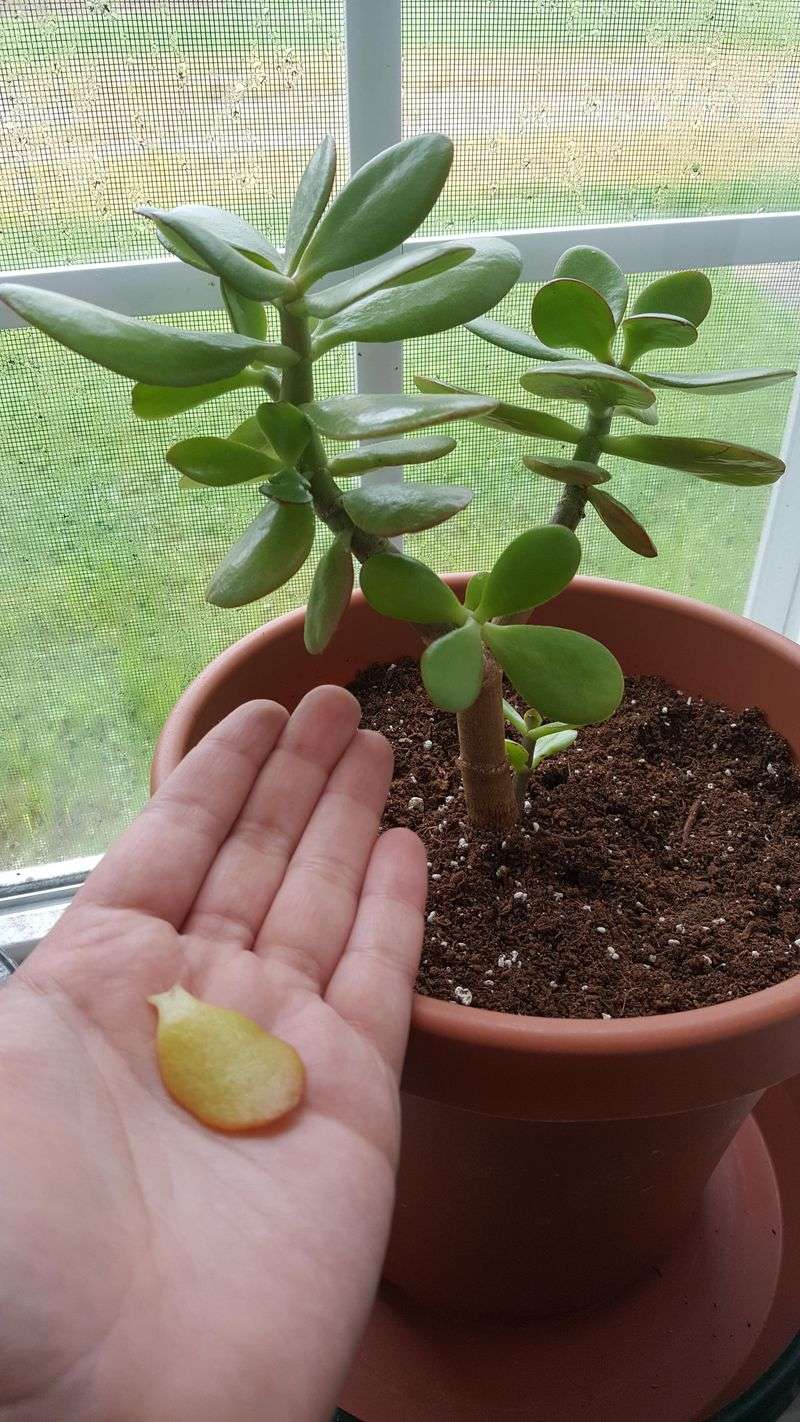
Not every fallen leaf signals a cry for help. Sometimes a jade is simply doing a little housekeeping.
Like a tree making room for new growth, a jade sheds its oldest leaves over time. These usually sit deep inside the plant or low on the stems.
They turn yellow or tan, slowly shrink, dry out, and fall away.
Branches then thicken and turn woody, giving older jades their tree-like look. That bare, bark-covered trunk signals age rather than trouble.
Natural shedding often picks up as seasons change and the plant shifts gears, pushing new growth and releasing a few old leaves along the way.
Shading plays a part too, since inner leaves receive less light as outer branches fill in.
A few signs separate normal drop from problems. Only a few leaves fall at a time, and they come from the inside or bottom.
Branch tips still look plump, green, and healthy, while stems stay firm rather than soft.
No major fix is needed. Fallen leaves deserve pickup so they don’t rot on the soil or attract pests.
A healthy fallen leaf set on dry soil can even root into a brand new baby jade, making a fun project for households with children.
Bright light and careful watering keep the plant thriving through every season, with fresh leaves replacing the old ones.
8. Crowded Roots Need Repotting
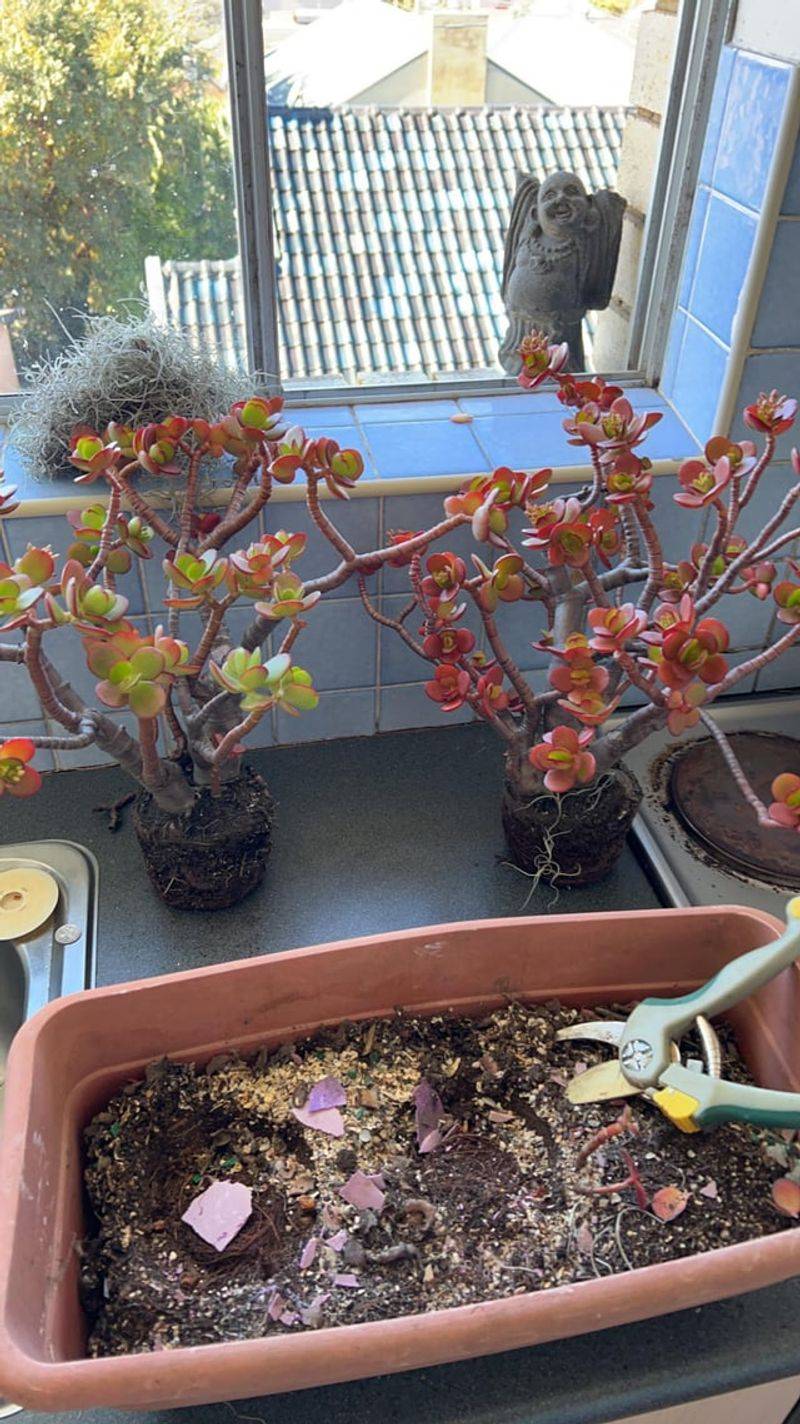
Roots poking out of the drainage hole offer a giant hint, as does water rushing through the pot in seconds without soaking in.
The jade may have simply outgrown its home.
Jades grow slowly, yet over a few years their roots can fill every inch of the pot. Crowded roots struggle to take in water and nutrients.
The soil breaks down and packs tightly too, so the plant may look thirsty regardless of watering, and leaves start to drop.
Top-heavy jades in tiny pots may also tip over.
Spring and early summer make the best repotting window, since actively growing plants recover fastest. Midwinter repotting is best avoided.
A pot just one size larger, about an inch or two wider, works best. A huge pot holds too much wet soil, bringing back the overwatering problem.
Heavy clay or terracotta pots breathe well and help balance tall plants.
Gently sliding the jade out allows circling roots to be loosened by hand. Dark or mushy roots come off, and the plant settles into fresh cactus mix at the same depth.
Waiting about a week before watering lets any broken roots heal. After that, the normal routine resumes.
Fall offers a good time to note which pots need upgrading next spring.
With room to stretch, a jade can grow steadily for decades, often passing between generations of a family.