The Fall Mowing Step That Prevents Snow Mold On Ohio Lawns
Matted, straw-colored circles appearing as snow melts can make a lawn look worse than it did all winter.
Many of those patches trace back to snow mold, a fungus that thrives under long, cold, wet cover.
Cool-season grasses common across much of Ohio are prone to it after heavy snow. Lawns that head into the cold season long and floppy give the fungus more to work with under the snow.
How you handle the last mowings of the season can shape what greets you in spring. Small adjustments now often matter more than any product spread after damage appears.
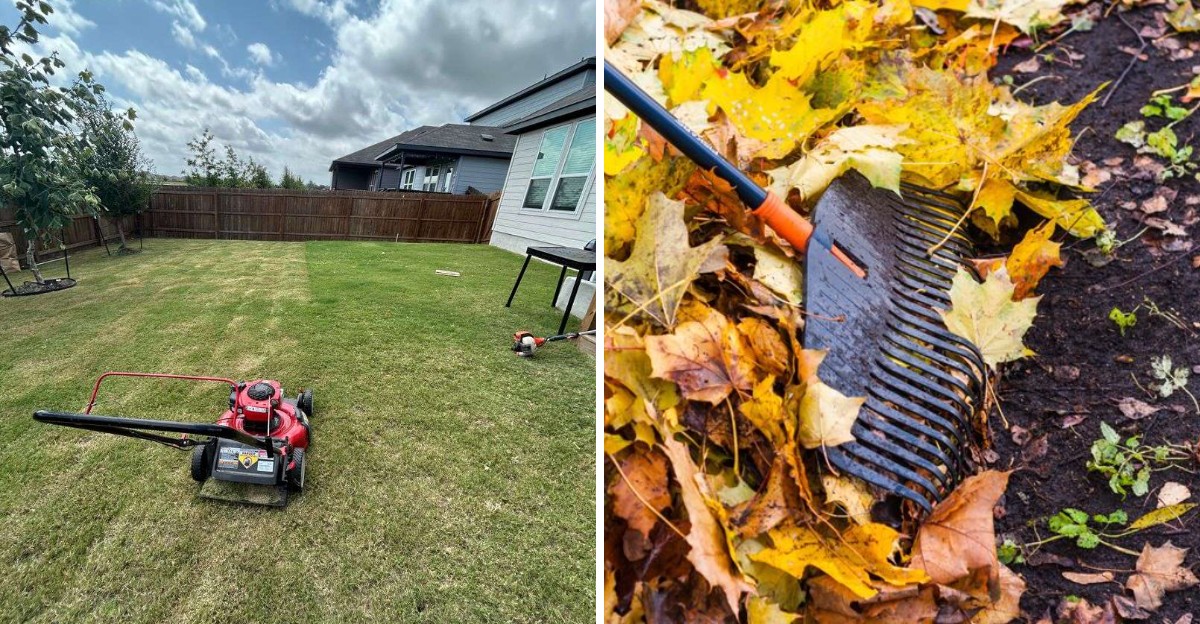
Clear fallen leaves off the grass before the first lasting snow, since they trap moisture where the fungus starts.
Most lawns recover from mild cases, but heavy patches can leave thin spots lasting into the growing season.
1. How You Handle The Final Cut Of The Season Affects Spring Recovery
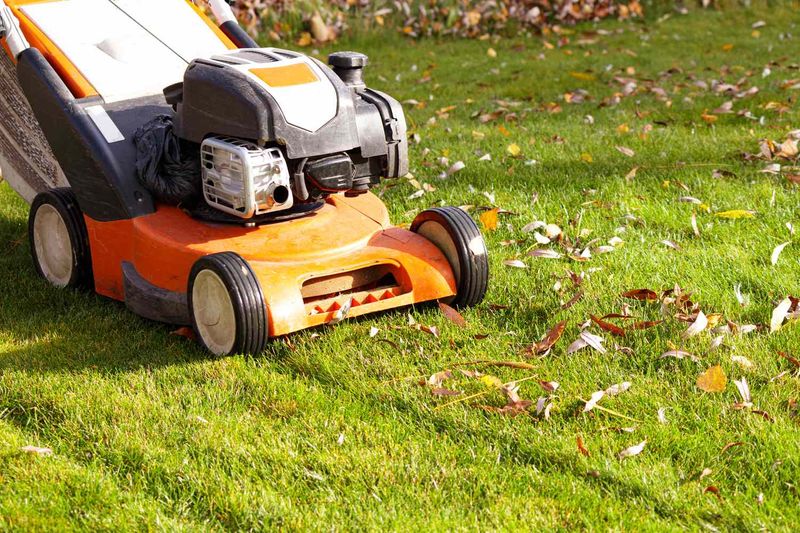
Your last mow of the year does more work than you might think. It sets the height your grass will sit at for the next several months under snow and ice.
Keeping the grass mowed at a slightly shorter height through the final cut of fall helps it avoid matting down under snow.
Shorter blades stand up better when heavy snow piles on top. Long, floppy grass tends to fold over and press into a soggy layer near the soil.
That flattened layer holds moisture and blocks airflow, which can give snow mold fungi a comfortable place to grow.
Across Ohio, snow cover varies a lot from year to year and from north to south. Areas near Lake Erie often see more lake-effect snow, while southern counties may get lighter or patchier cover.
Even so, a tidy final cut is a smart move almost anywhere in the state.
Shorter does not mean scalped, though. Cutting too low can stress the grass and weaken the crown, which is the growing point near the soil.
Most lawn experts suggest dropping only slightly below your normal summer height for that last mow.
Think of it as tucking the lawn in for winter. You want it neat and upright, not shaved down to the dirt.
A careful final cut will not erase every risk, but it gives your grass a cleaner start when spring arrives and the snow finally melts away.
2. Long Grass Flattened By Snow Creates Damp Conditions Fungi Favor
Picture a wet blanket lying on your lawn for weeks. That is roughly what happens when tall grass gets pressed flat under snow.
Blades fold over and stack on top of each other, forming a tight mat near the ground.
Underneath that mat, air barely moves and moisture lingers. Snow itself acts like insulation, so the soil surface often stays just above freezing, even during cold snaps.
Snow mold fungi are known to grow in those cool, damp spots where other organisms slow down.
Longer grass simply gives them more tissue to work with and more shelter. A shorter lawn still gets covered, but the blades are less likely to collapse into a thick, soggy layer.
Your Ohio Garden Changes Every Week. Your Plan Should Too.
Gardening in Ohio changes quickly throughout the season. Every Friday you’ll receive a simple weekly plan showing exactly what to plant, prune, fertilize, harvest, and protect so you never miss the right timing.
Weather plays a big role too. Snow that falls on unfrozen ground and stays put for a long stretch tends to raise the risk more than quick, short-lived snowfalls.
In Ohio, those long-lasting snow packs are more common in the northeast snowbelt than in the southern part of the state.
Shade adds to the problem. North-facing slopes and spots near buildings or fences keep snow longer and dry out more slowly.
You cannot control the weather, of course. What you can control is how much long, floppy grass is sitting there when that first lasting snow shows up.
3. Gray And Pink Snow Mold Leave Matted Circular Patches In Spring
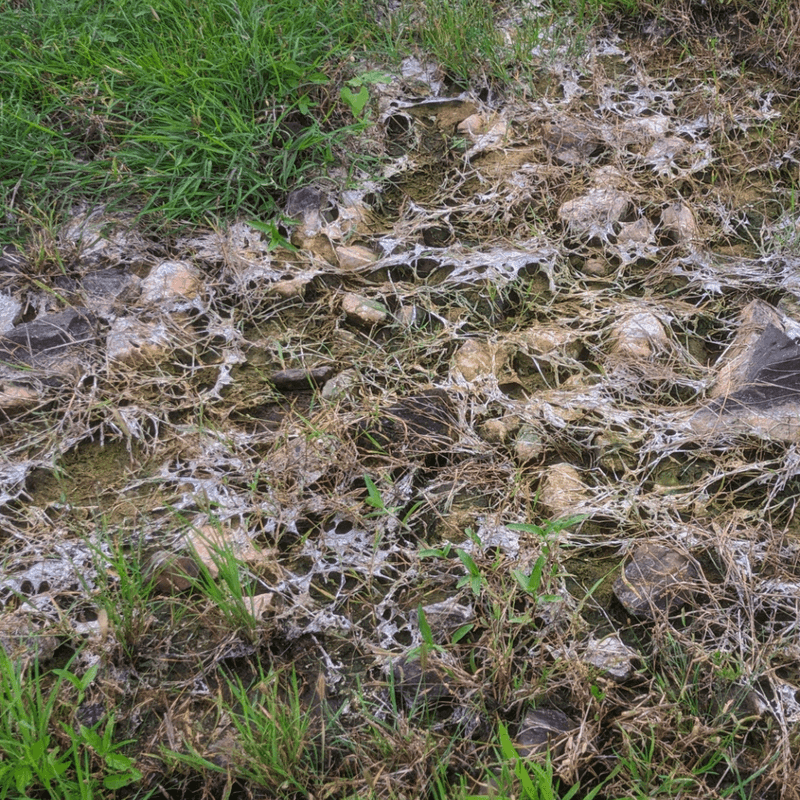
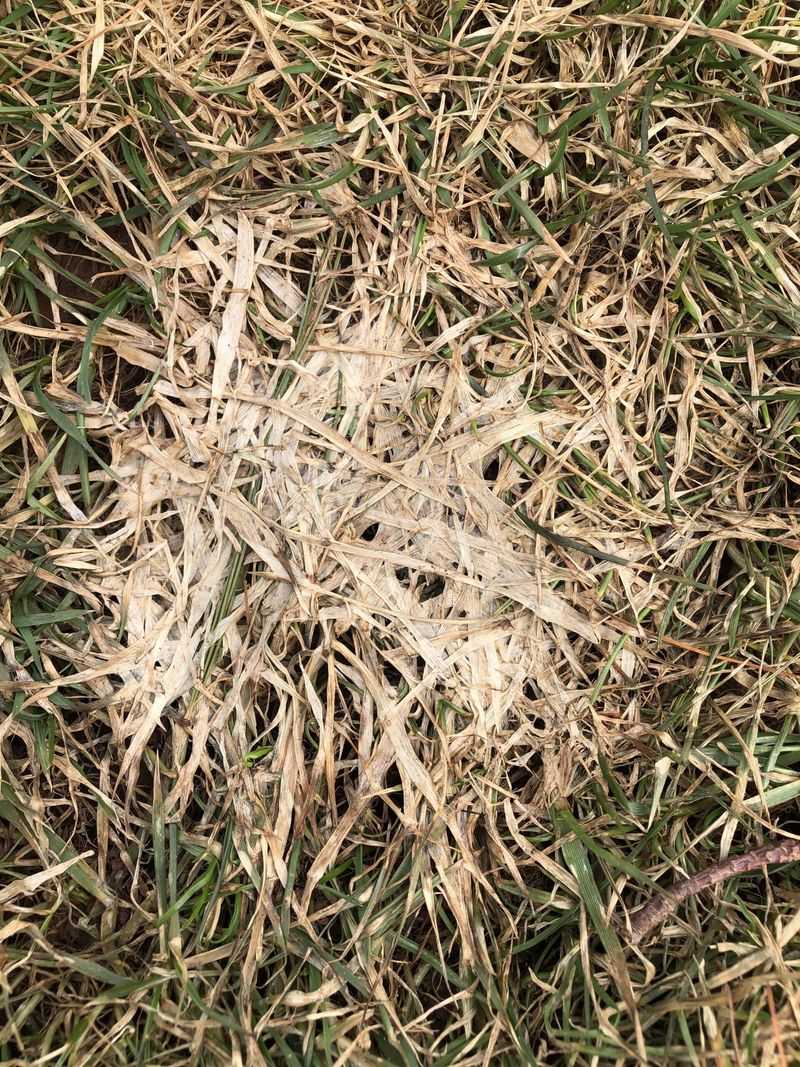
Snow melts, and suddenly your yard looks like someone spilled cobwebs on it. That crusty, grayish look is often the first clue of snow mold.
Gray snow mold usually forms roughly round patches of matted, straw-colored grass with a grayish-white coating.
Look closely and you may see tiny dark specks on the blades. Those are survival structures the fungus can use to return in later years.
Gray snow mold tends to need lengthy snow cover, so it often shows up after snowy winters.
Pink snow mold, sometimes called Microdochium patch, can look a bit different. Patches may have a pinkish or salmon edge, especially when exposed to light while still damp.
Unlike the gray type, pink snow mold can also develop during cool, wet weather without snow on the ground.
Both kinds mostly affect the leaf blades rather than the roots. Gray snow mold damage is often cosmetic, and lawns usually green up as spring warms.
Pink snow mold can be more harmful to the crowns in some cases, so recovery may take longer.
Here in Ohio, homeowners commonly spot these patches in March or April, depending on location and melt timing.
Some patches may also come from other causes, like voles or winter drying. When in doubt, a local Extension office can help you sort it out.
4. Keep Mowing At A Normal Height Until The Grass Stops Growing
Parking the mower in early October is tempting. Cool-season grasses, though, often keep growing well into fall.
Kentucky bluegrass, tall fescue, and perennial ryegrass are common in Ohio lawns, and they actually enjoy cool autumn weather.
Roots and blades keep building as long as temperatures allow. If you stop mowing too soon, the lawn can get shaggy right before snow arrives.
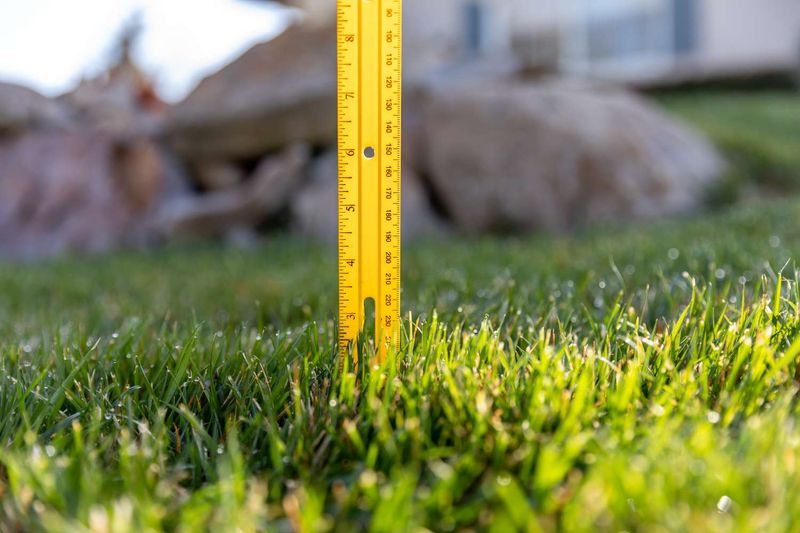
Stick with your usual mowing height through most of the fall. For many home lawns, that sits somewhere around 3 inches, though the best height depends on your grass type.
Taller grass during active growth helps shade the soil and supports healthy roots.
Try to follow the one-third rule too. Removing no more than about one-third of the blade at a time keeps the plant from getting stressed.
So when does growth slow down? There is no single date.
Timing shifts with each year’s weather and with where you live.
Northern counties often cool off sooner than the southern part of the state.
A good clue is when you go a week or more and barely notice any new growth. That usually signals the lawn is winding down.
Until then, keep the mower ready. Regular cuts at a normal height set you up for a smoother final mow later.
5. Lowering The Deck Slightly For The Last Mow Reduces Matting
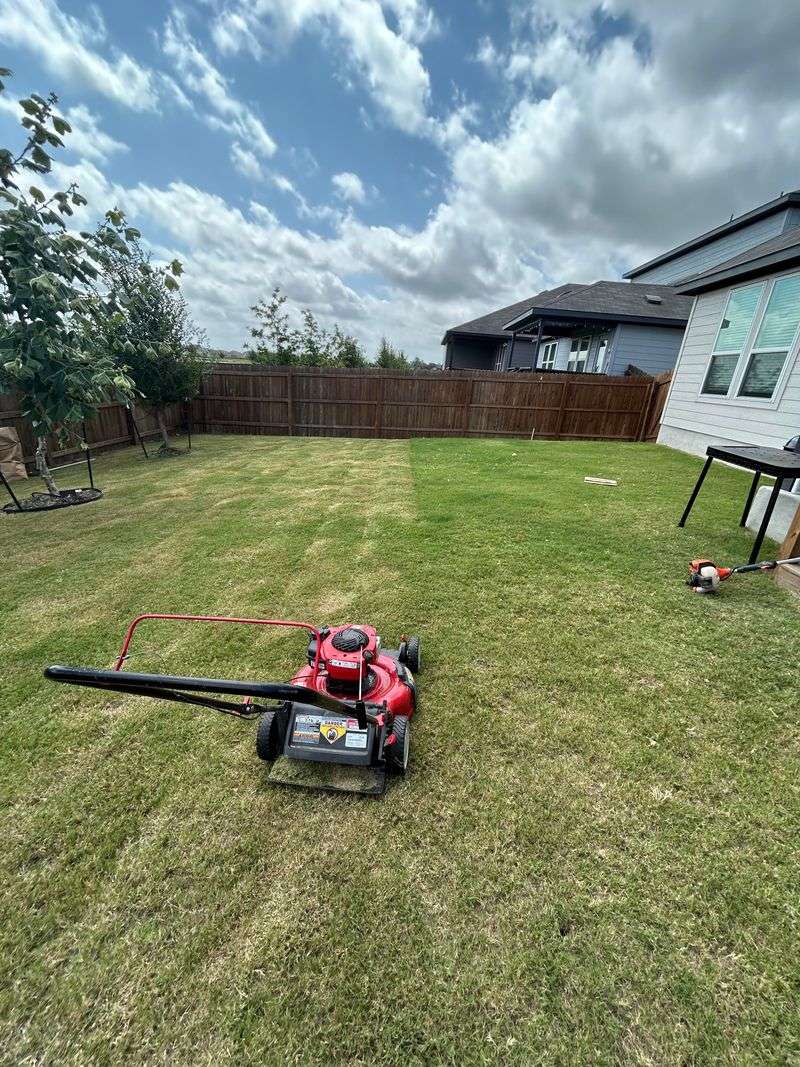
One small lever change can make a real difference. Once growth has nearly stopped, drop your mower deck a notch for the final cut.
Going down about half an inch from your normal setting is a common suggestion from lawn care experts.
If you mow at 3 inches, a last cut near 2.5 inches is reasonable for many cool-season lawns. Avoid going much lower, since scalping can damage the crown and leave the turf open to winter stress.
Shorter blades are less likely to flop and pile up under snow, which helps reduce matting.
Timing matters as much as height. Cutting low too early in fall can weaken grass that still needs leaf surface to store energy for winter.
Wait until growth has mostly slowed, often in late October or November, depending on your corner of Ohio.
Sharp blades help a lot here. Dull blades tear grass and leave ragged tips that may brown or stay weak through winter.
Mow when the lawn is dry if you can, so clippings scatter instead of clumping.
Bag or spread out any heavy clumps of clippings. Thick piles left behind can create the same damp layer you are trying to avoid.
It takes only a few extra minutes, and your lawn heads into winter neater and better prepared.
6. Clearing Leaves Off The Lawn Removes Another Damp Layer
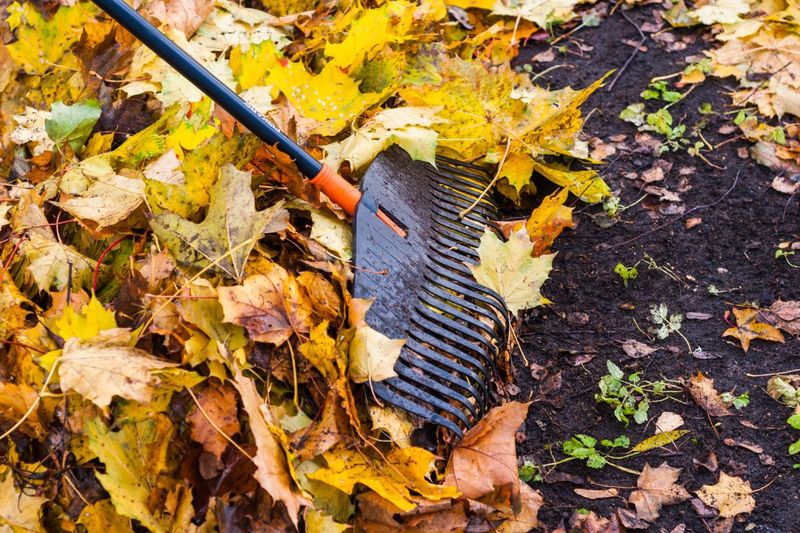
Leaves look pretty on the ground for about a week. After that, a thick layer can start smothering your grass.
Wet leaves pack down into a heavy mat that holds moisture and blocks light, much like flattened grass does.
Under snow, that soggy layer can add to the cool, damp setting snow mold fungi tend to like. It also shades the turf in fall, when grass still needs sunlight to build reserves.
Clearing leaves before the first lasting snow is a simple way to cut down on trapped moisture.
You do not have to rake every single leaf. A light scattering usually causes little trouble, especially if you shred it with a mower.
Mulching mowers can chop leaves into small bits that settle between the blades and break down over time.
Heavy leaf cover is a different story. If you cannot see much grass through the leaves, it is time to rake, blow, or bag them up.
Oaks often drop leaves late, so a second cleanup may be needed in November across much of Ohio.
Shredded leaves make great compost or garden mulch, so they do not have to go to waste.
Many communities also offer curbside leaf pickup in fall. Check your local schedule so piles are not left sitting on the lawn.
7. A Light Spring Raking Helps Matted Patches Dry Out And Recover
So you did everything right, and a few patches showed up anyway. That happens, and most lawns recover with a little help.
Once the lawn has dried enough to walk on without squishing, grab a flexible leaf rake.
Gently fluff up the matted spots to loosen the blades and let air reach the soil surface. Better airflow and sunlight help those patches dry out, which can slow any remaining fungal activity.
Go easy, though, because the grass is still waking up and roots can be tender.
Hard, aggressive raking may tear out healthy crowns. A light touch is plenty for most matted areas.
In Ohio, this job often fits somewhere in March or April, depending on when snow melts and the ground firms up.
Most gray snow mold patches green up on their own as temperatures rise. Fungicides are rarely needed on home lawns for this problem, according to many Extension recommendations.
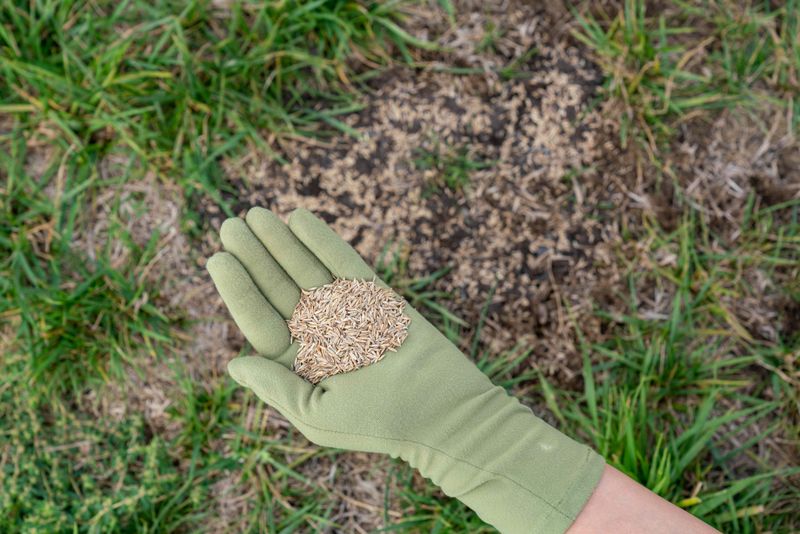
If a spot stays thin by late spring, overseeding can help fill it in.
Resist the urge to pile on heavy nitrogen fertilizer right away. Too much early feeding can push soft growth and may not fix the real cause.
Instead, focus on fall habits like a slightly shorter final cut and leaf cleanup. Those steps can lower the chances of seeing those patches again next year.