10 Native New York Plants That Survive a Dry Fall
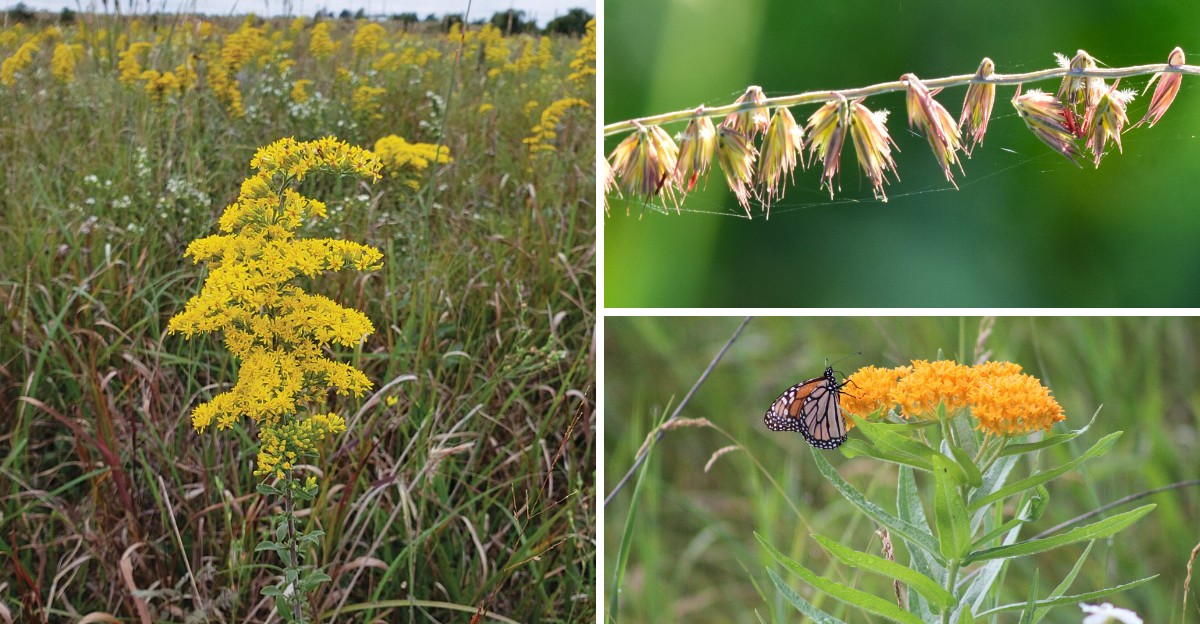
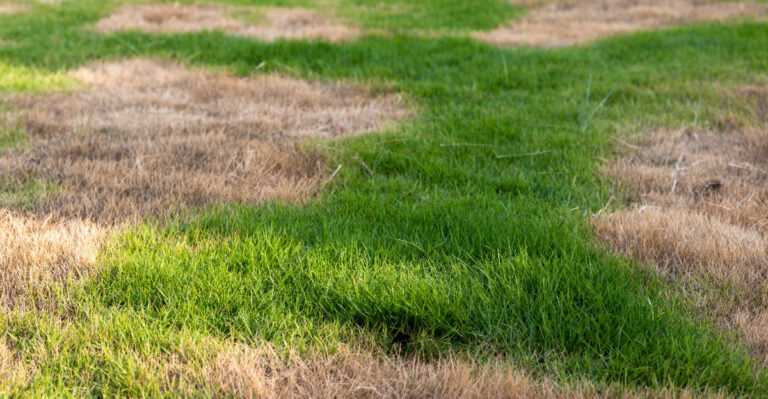
My rain gauge has been suspiciously quiet lately. And the lawn crunches under my boots like breakfast cereal!
October in New York can feel more like a desert than a crisp autumn morning. I keep watching thirsty garden beds droop, but a few tough natives look calm and oddly cheerful.
Those quiet survivors grew up here long before anyone dragged a garden hose across a backyard on a dry afternoon. Their roots dig deep into the soil, and some reach farther down than I am tall.
Many of them also feed hungry birds and late bees during these golden weeks of fall.
I gathered ten New York natives that shrug off a dry autumn with surprising grace and style. Your garden can look lively this month, and your water bill may finally get a well-earned rest.
1. Little Bluestem
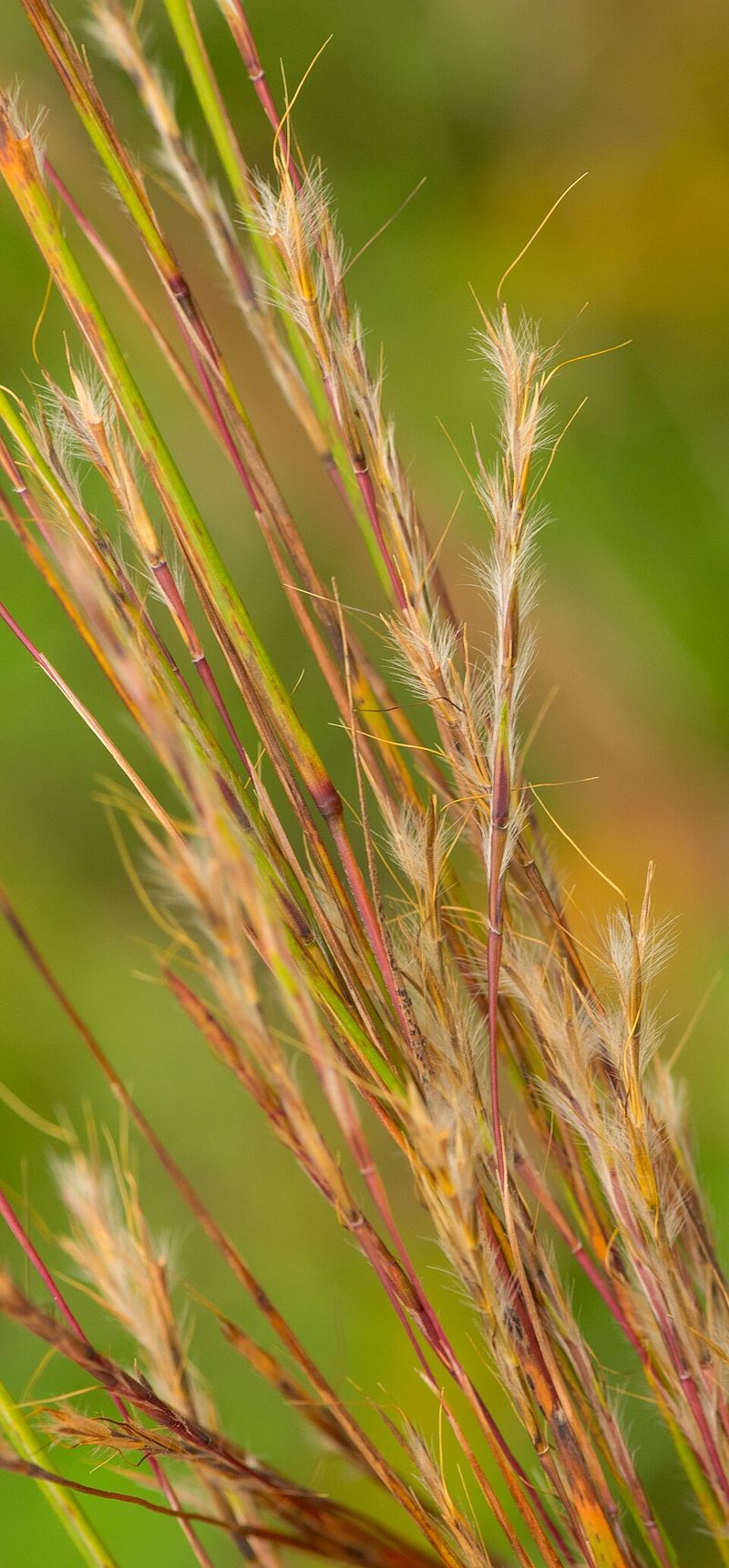
You can spot this grass from across a field in October, glowing copper like a pile of new pennies. Its summer leaves start out blue-green, then slowly warm into bronze and purple shades as nights grow cooler.
Little bluestem handles dry spells with real toughness because its roots travel several feet down into the ground. Shallow lawn grass turns brown and crispy, but this native bunchgrass keeps standing tall and looking tidy.
Most clumps reach one to three feet tall, which makes them easy to tuck into small yards and borders. Full sun keeps the stems upright, so skip shady corners where the grass tends to flop over sideways.
Soil fussiness is rarely a problem here, since it tolerates both acidic and alkaline ground across zones three through nine. Poor, lean soil actually suits it better than rich compost, which can make the stems weak and floppy.
Birds appreciate this grass more than you might expect, using the clumps for shelter and gathering nesting material. Small songbirds also pick at the fluffy silver seed heads that sparkle in low autumn sunlight each afternoon.
Deer usually wander right past it, which feels like a small victory for anyone tired of nibbled plants. I love planting it near fences or mailboxes, where the color catches your eye on every walk outside.
Early fall is a fine time to plant nursery pots, giving roots several cool weeks to settle before winter. Water new plants weekly until the ground freezes, then let this hardy grass handle future dry seasons alone.
2. Wild Bergamot
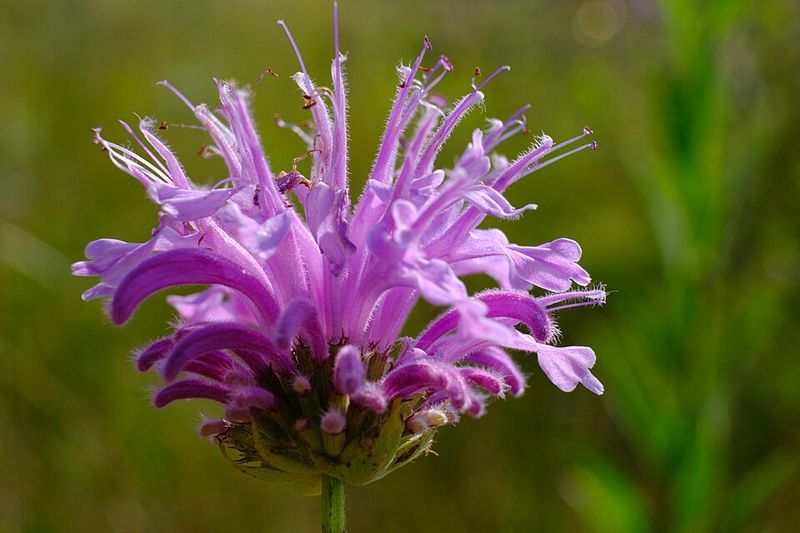
Rub one leaf between your fingers, and your hands will smell like a spicy mix of mint and oregano. That bold scent is a big reason wild bergamot stays popular with gardeners and rarely gets bothered by deer.
Lavender-pink flower heads look a bit like shaggy pom-poms, and they bloom from July into September in many gardens. By early October, the faded flowers leave behind round brown seed heads that add texture to a tired border.
Once the roots get established, this perennial handles dry weather with impressive calm and steady growth. Young plants need regular watering during their first season, but older clumps rarely ask for much extra help.
Your New York Garden Changes Every Week. Your Plan Should Too.
Gardening in New York changes quickly throughout the season. Every Friday you’ll receive a simple weekly plan showing exactly what to plant, prune, fertilize, harvest, and protect so you never miss the right timing.
Bees and hummingbirds both visit the tubular blossoms, so expect plenty of buzzing and darting activity during peak bloom. Butterflies join the party too, landing on the flower tops like tiny visitors stopping at a busy snack bar.
Most plants grow two to four feet tall, and they spread slowly into a loose, friendly clump over time. Full sun or partial shade works well, and the roots tolerate clay or sand as long as drainage is decent.
Powdery mildew sometimes coats the leaves late in the season, especially when plants sit crowded together with poor airflow. Give each clump some breathing room, and the white dusty film usually stays minor and mostly cosmetic.
I suggest leaving the seed heads standing this fall instead of trimming everything down to the ground. Small birds may stop by for a snack, and the dried stems look charming dusted with early frost.
3. Sideoats Grama
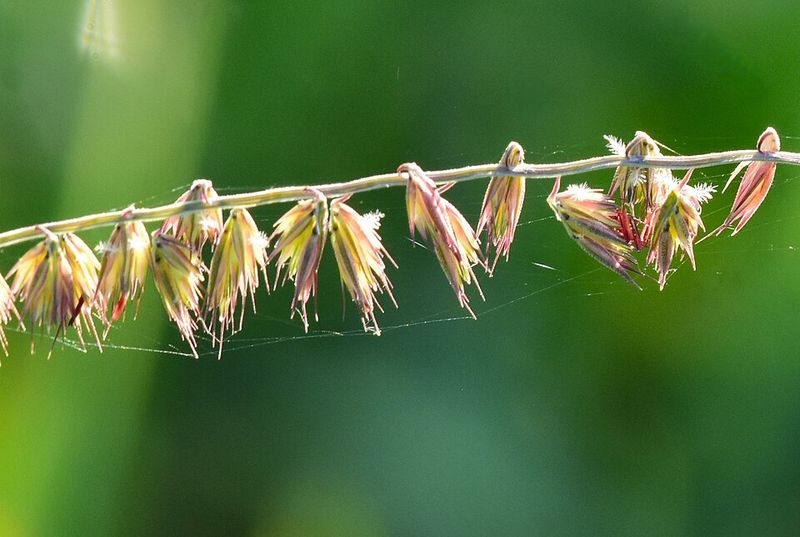
Every seed on this grass seems to have picked the same side of the stem, like fans crowding one bleacher. Those tiny oat-shaped spikelets dangle in neat rows, giving sideoats grama a quirky look you will not forget.
Here in New York, this prairie grass is quite rare in the wild, so nursery-grown plants are the responsible choice. Avoid digging any from natural areas, and look for local native plant sales or reputable growers instead.
Dry spells hardly faze it, since the plant evolved in open grasslands where summer and fall rain can be scarce. Deep fibrous roots pull moisture from far below, keeping the clumps green longer than many garden neighbors.
Autumn brings a warm golden-brown color, often with streaks of orange and red that glow in late afternoon light. Plant it in drifts along a sunny path, and the swaying seed stems will catch every passing breeze.
Expect a compact plant that reaches one to three feet tall, which suits rock gardens and small sunny beds nicely. It grows well in zones three through nine and tolerates sandy soil or even heavy clay with decent drainage.
Birds use the clumps for cover and nibble the seeds, adding a little wildlife action to your fall yard. Deer mostly ignore it, so the ornamental stems usually stay intact until winter snow presses them flat.
Skip fertilizer for this grass, because extra nutrients often lead to floppy growth and fewer interesting seed spikes. A sunny, lean spot with minimal fuss is honestly the best gift you can offer this little prairie gem.
4. Butterfly Milkweed
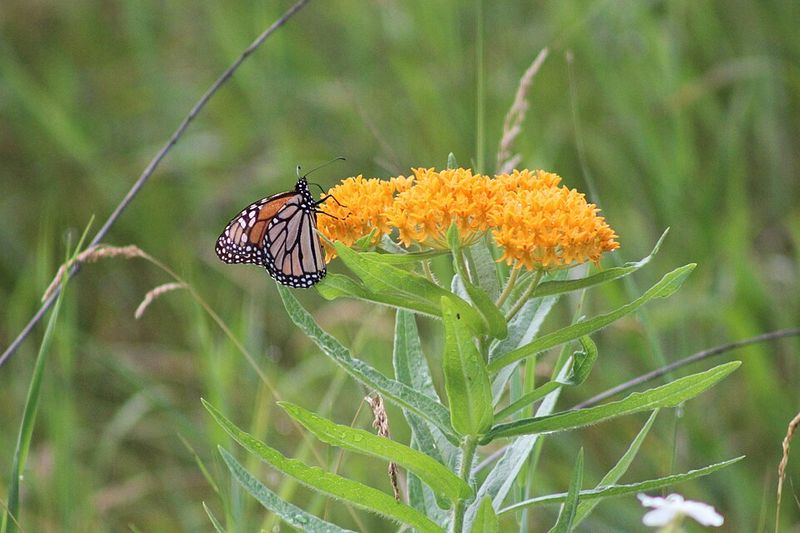
Bright orange flowers on a milkweed surprise a lot of people, especially those who expect only tall pink varieties. Butterfly milkweed is a shorter, tidier cousin that thrives in sunny, dry spots where many perennials struggle badly.
Its secret weapon is a long, thick taproot that reaches deep underground and stores water for lean times. That same root makes the plant tricky to move, so choose a permanent home before you dig the hole.
Monarch caterpillars feed on the leaves, and adult butterflies sip nectar from the flowers during the summer bloom season. By early October, you may notice slender seed pods splitting open to release silky white parachutes into the wind.
The plant usually grows one to two and a half feet tall and performs well across zones three through nine. Sandy or gravelly soil suits it best, while soggy, heavy ground can lead to root rot and weak growth.
Unlike most milkweeds, this species has clear sap instead of the milky kind, a fun detail to share with kids. Its leaves contain compounds that make it unappealing to deer and rabbits, which is helpful in many neighborhoods.
Spring growth appears late, so mark the spot this fall to avoid accidentally digging into it next year. I like placing a small stone or plant tag nearby, since the stems vanish from view during winter.
Fall planting works fine with nursery plants, as long as you water them until the ground starts to freeze. After the first year, natural rainfall usually covers its needs, even during a stubbornly dry autumn stretch.
5. New England Aster
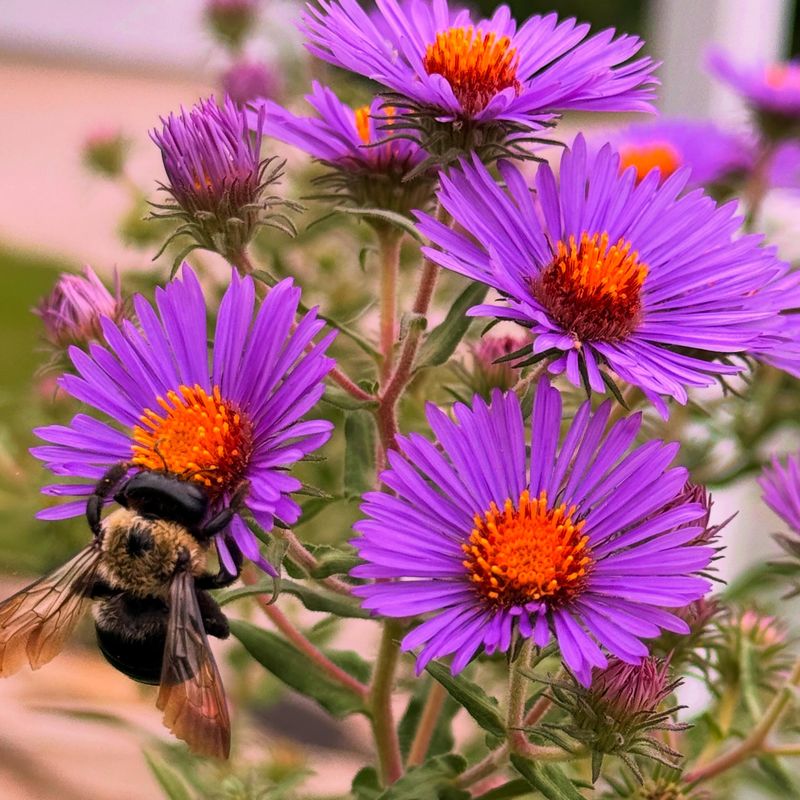
Few October sights match a tall clump of purple asters humming with hungry bees and fluttering butterflies. New England aster saves its biggest show for fall, just when many other flowers have faded and gone brown.
Hundreds of daisy-like blooms crowd each plant, with violet or rosy petals surrounding cheerful yellow centers. Migrating monarchs often stop here to refuel, and watching them sip nectar feels like a front-row nature show.
Plants commonly reach three to six feet tall, so they belong at the back of a border or along fences. Some gardeners pinch the stems back in early summer to create shorter, bushier plants that flop less later.
This aster handles some drought, though it prefers soil that stays moderately moist rather than bone dry all season. During a long dry stretch, a deep soak once a week keeps the flowers coming and the leaves fresher.
Lower leaves sometimes turn brown or spotty by fall, which is normal and usually not a sign of trouble. Shorter plants placed in front can hide those bare ankles while the colorful tops keep stealing the spotlight.
After blooming ends, fluffy seed heads form and provide food for small birds through the chillier weeks ahead. I leave the stems standing over winter, since they also offer shelter for overwintering insects in hollow stalks.
Hardy in zones three through nine, this native grows happily across nearly every region of the state. Full sun brings the most flowers, and a little patience brings a bigger, bolder clump with each passing year.
6. Gray Goldenrod
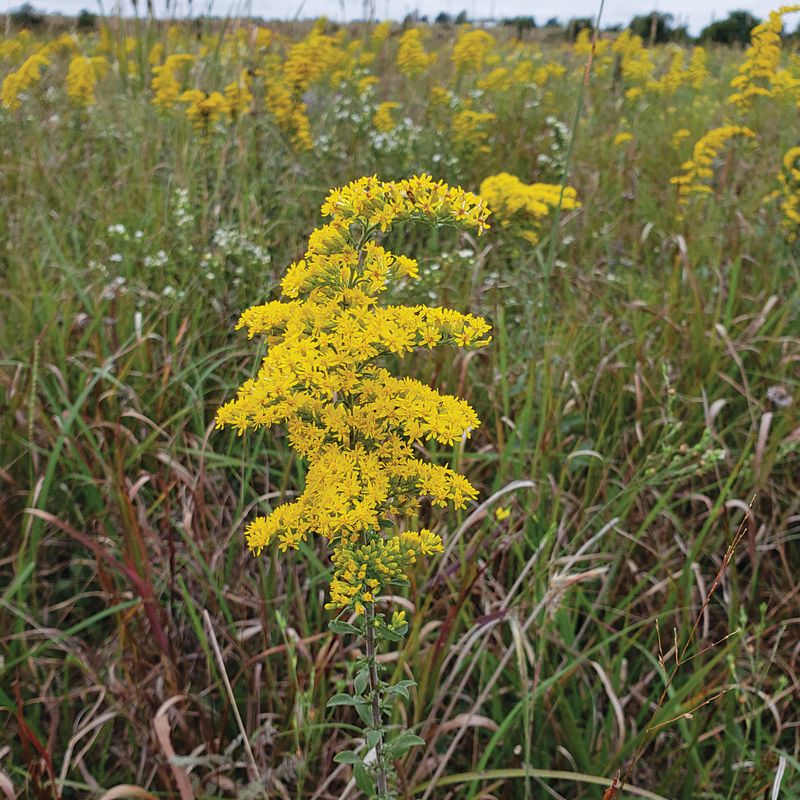
Goldenrod gets blamed for fall sneezing, but that reputation is mostly unfair and worth clearing up right away. Its pollen is heavy and sticky, carried by insects, while wind-blown ragweed is usually the real allergy culprit.
Gray goldenrod is a compact native that thrives in dry sandy soil or rocky ground where pickier plants often struggle. The name comes from the fine grayish hairs covering its leaves and stems, giving it a soft, dusty appearance.
Bright yellow plumes bloom from late summer into October, often arching to one side like a little golden wave. Those flowers arrive right when bees and butterflies need late-season food before cold weather settles in for good.
Most plants stay between one and two feet tall, making them far more manageable than the towering roadside goldenrods. That shorter height fits nicely in rock gardens or along a hot, sunny driveway edge for extra color.
Native bees love it, and many specialist bee species depend on goldenrod pollen to feed their young each fall. I find it fascinating that such a modest roadside plant can support so many tiny, hardworking visitors every season.
Lean soil suits this goldenrod perfectly, and rich garden beds can make it grow lanky and lose its tidy shape. Full sun keeps the flowers plentiful, while heavy shade usually leads to fewer blooms and weaker, leaning stems.
It grows across a wide range of zones, roughly three through nine, and handles harsh winters without much fuss. Plant it this fall, give it a few deep drinks, and let dry weather prove how tough it really is.
7. Sweet Joe Pye Weed
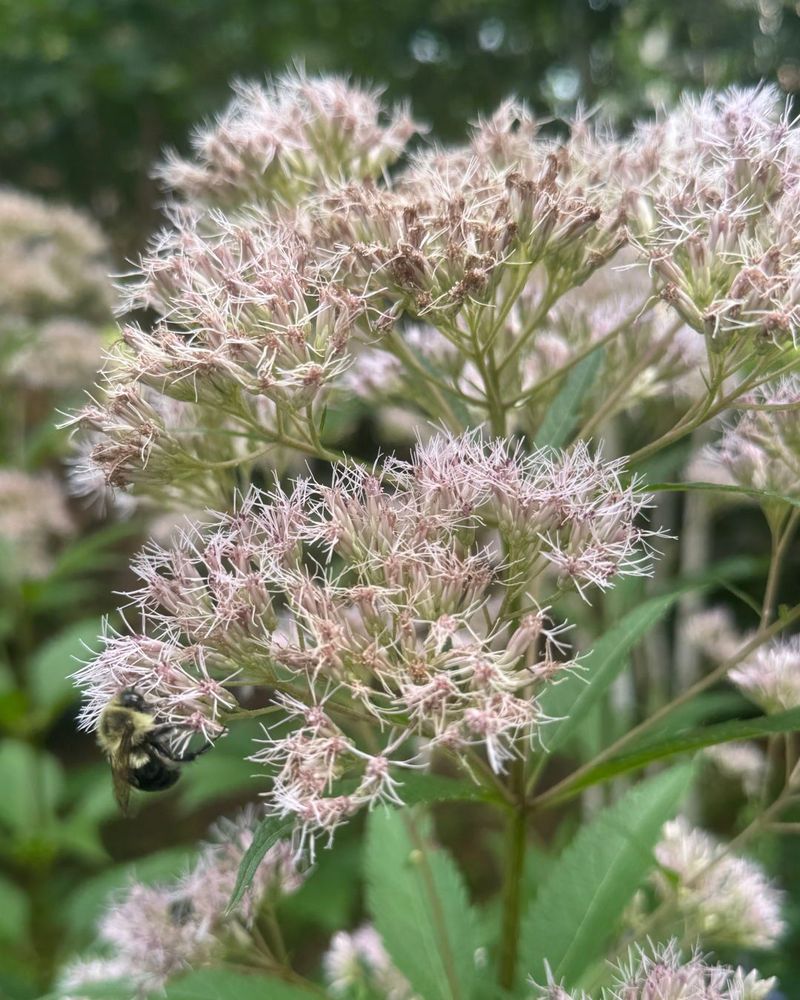
Standing beside a mature sweet Joe Pye weed can make you feel short, since some plants tower over seven feet. Its huge domed flower heads look like pink cotton candy floating above the garden on sturdy purple-tinged stems.
Many Joe Pye species love soggy ground, yet this one handles drier conditions better than most of its relatives. Once established, it copes with dry spells, though a deep watering during long droughts keeps the leaves looking fresh.
Rub a crushed leaf, and you may notice a faint vanilla scent that hints at where the sweet name came from. Mauve-pink blooms appear from midsummer into early fall, and late flowers often linger into the first days of October.
Butterflies swarm the fuzzy flower clusters, and swallowtails especially seem to treat each bloom like a landing pad. Bees join in too, gathering late nectar when many other garden plants have already finished their seasonal show.
Give this giant room to stretch, since it reaches four to seven feet tall and spreads into a wide clump. Partial to full sun works best, and it tolerates clay soil that frustrates many other tall perennials.
Deer tend to leave it alone, which helps the plant reach full height without getting chewed down midseason. As fall moves along, the seed heads turn tan and fluffy, adding structure that lasts well into the winter months.
Hardy in zones four through eight, it fits most gardens across the state with little special care needed. I suggest planting it behind shorter flowers, where the tall pink crowns can rise up and steal the show.
8. Virginia Rose
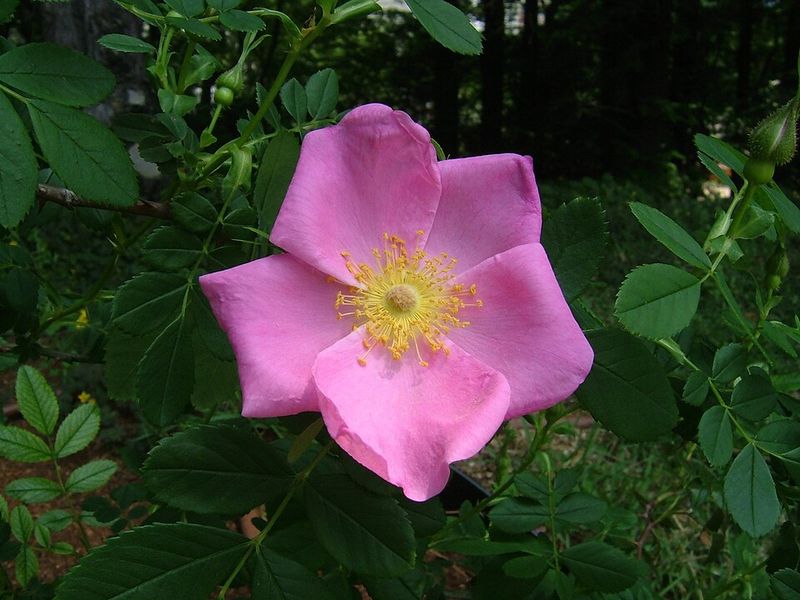
Wild roses rarely get credit for fall color, yet this native shrub turns glossy leaves into shades of purple and red. By early October, the foliage glows like embers against a backdrop of faded grass and pale autumn skies.
Bright red rose hips also appear this time of year, hanging on the branches like tiny shiny ornaments. Songbirds and other wildlife feed on those hips through the colder months, when fresh food gets harder to find.
Virginia rose handles drought with steady confidence, and it also tolerates salt, which makes it useful near roads or coastlines. Long Island gardeners often appreciate that toughness, since sandy soil and salty breezes challenge many ornamental shrubs.
Single pink flowers bloom in summer, each with five soft petals around a bright yellow center that bees adore. The blooms are simple and old-fashioned, offering a sweet charm that fancy hybrid roses sometimes lack.
Height varies widely, from about two feet up to ten feet, depending on growing conditions and available space. It spreads by suckers over time, so give it room or plan to trim stray shoots each year.
Disease resistance is another bonus, which means fewer headaches with the leaf spots that trouble many garden roses. Full sun to part shade works, and the shrub adapts to soil ranging from fairly dry to moderately moist.
Hardy across zones three through nine, it fits easily into hedgerows or wildlife-friendly borders around your property. I like how it looks good in four seasons, especially when snow settles around those cheerful red hips.
9. Bearberry
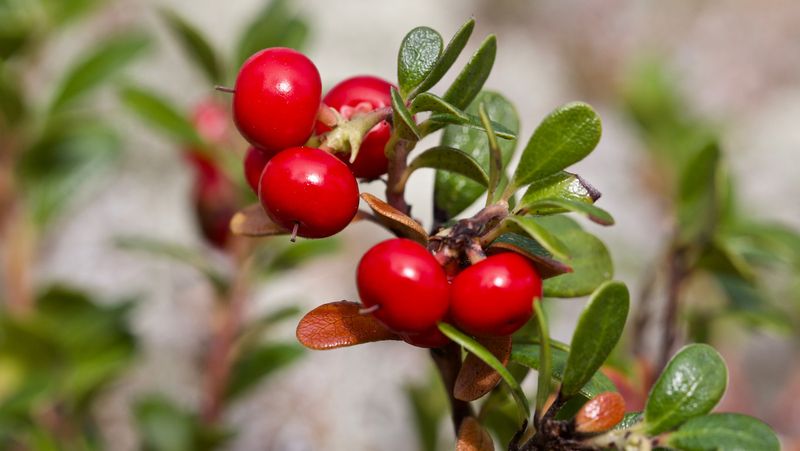
Bears really do eat these berries, and both the common name and the scientific name nod to that furry fan. Arctostaphylos roughly means bear grapes, while uva-ursi translates to grape of the bear, a cute double tribute.
Bearberry is a low evergreen shrub that creeps across the ground, forming a dense mat of small leathery leaves. It usually stays six to twelve inches tall but can spread three to six feet wide over time.
Dry sandy slopes and rocky banks suit it beautifully, and the spreading stems help hold soil in place against erosion. Acidic, well-drained ground is a must, since heavy or soggy soil often causes it to decline fairly quickly.
Fall brings a lovely change, with the dark green leaves taking on bronze or reddish-purple tints as temperatures drop. Bright red berries ripen this season and often hang on into winter, offering food for birds and small mammals.
Patience matters with this one, because young plants settle in slowly and can be fussy about being moved. Buy potted nursery plants instead of bare-root ones, and keep them watered steadily until roots grab hold.
Once established, it shrugs off drought and harsh winters, thriving in zones two through seven across colder regions. Deer generally leave it alone, which helps keep the glossy carpet looking neat through every month of the year.
I think it makes a wonderful replacement for lawn on a sunny, sandy bank that is hard to mow safely. Pair it with rocks or low grasses, and you get a natural look that needs very little upkeep.
10. Prairie Dropseed
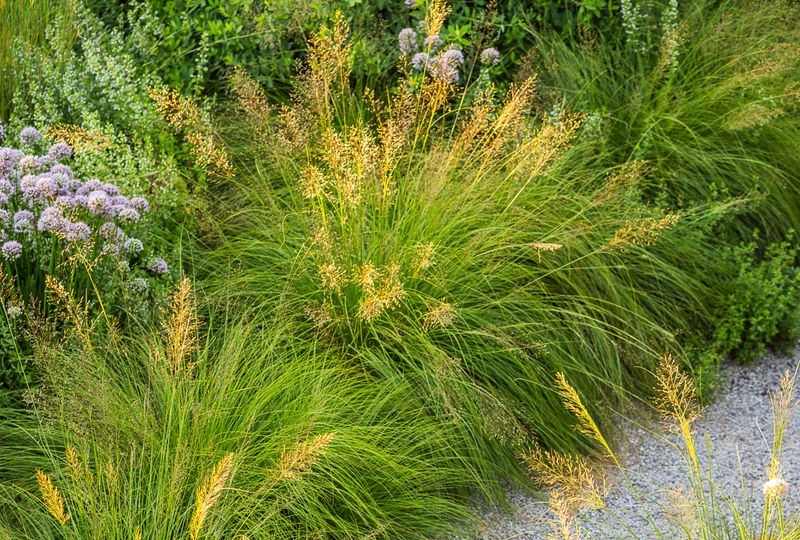
Some people say prairie dropseed smells like buttered popcorn, while others compare the scent to cilantro or warm spice. Either way, the fragrant seed heads that appear in late summer and early fall make this grass memorable.
Fine, hair-like leaves form a round fountain of green that looks almost like a giant pom-pom resting in the garden. In fall, the foliage turns golden with orange hues, then fades to a soft light bronze through winter.
Prairie dropseed is rare in the wild here, so choose nursery-grown plants and leave wild populations undisturbed. It handles hot, dry spots with ease and grows happily in zones three through nine across much of the country.
Expect a mature height of one and a half to three feet, with airy seed stems rising above the foliage. The delicate seed heads sparkle in morning dew and give birds a tasty snack as the weather cools.
Patience is part of the deal, since this grass grows slowly and may take a few years to fill out. Once settled, it often lives for decades, rewarding you with a long-lasting clump that rarely needs dividing.
Full sun and lean, well-drained soil keep it happiest, whether that ground is sandy or full of gravel. Skip rich compost and heavy fertilizer, because pampering often leads to floppy growth and less impressive fall color.
I love using it as a soft edge along walkways, where you can brush past and catch that unusual fragrance. Planted in early fall, it gets a head start and will greet you with fresh green blades next season.