Georgia Has A Fall Pollen Season Too And A Big Evergreen Is Behind It
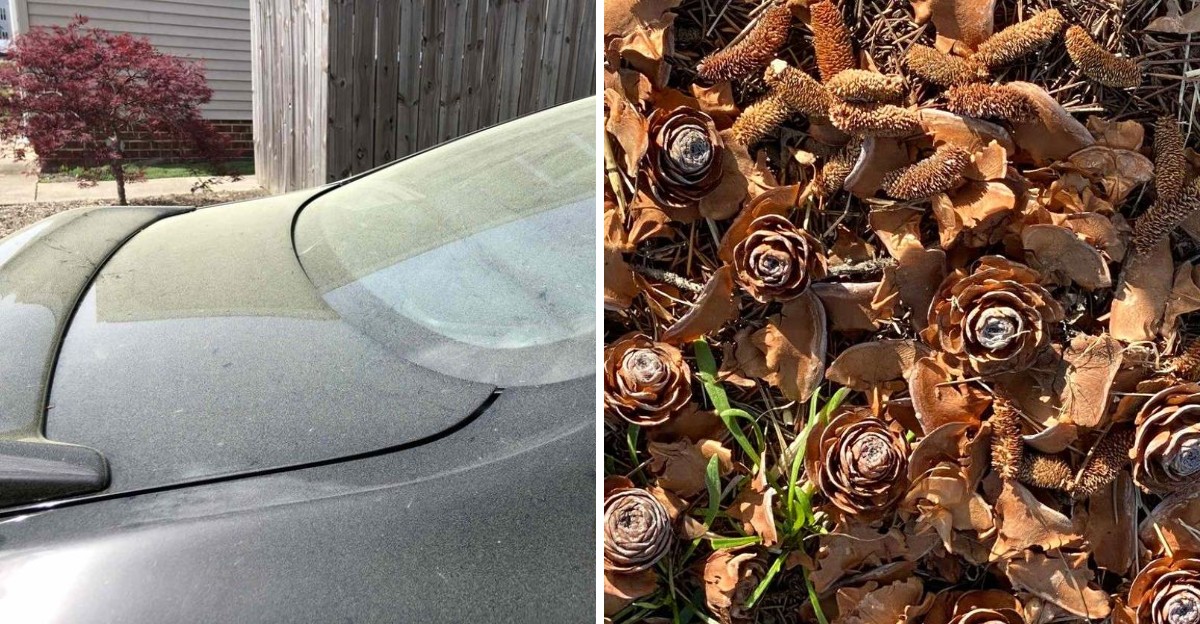
Yellow dust coating windshields and patio chairs usually gets blamed on spring pines. When it shows up in October, plenty of homeowners assume something odd is going on.
One large evergreen common in yards and parks releases its pollen in fall instead of spring.
Its cones open on a schedule that sets it apart from most trees you know.
On breezy days, clouds of fine powder can drift from the branches when the tree is in full release.
Some allergy sufferers notice sneezing and itchy eyes during these weeks without connecting it to their own yard. Glance up at the tallest evergreen nearby the next time fresh dust appears on the car.
Older neighborhoods in Georgia often have one, planted decades ago for its shape. Its fall habit usually goes unnoticed until someone connects the timing.
1. Yellow Dust In Fall Can Come From A Surprising Source
Spring pollen gets all the attention, yet a fall coating on your car can catch you off guard. If you live in Georgia, the culprit may be standing right in your yard or your neighbor’s.
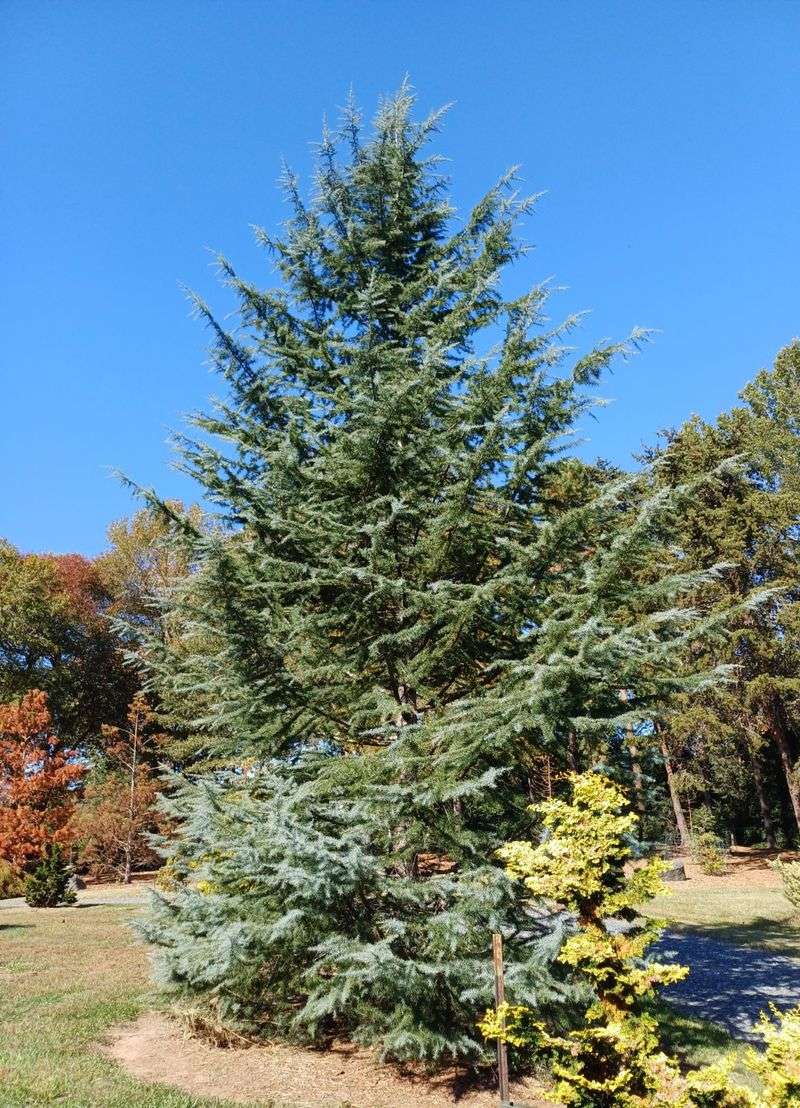
Meet the Deodar Cedar, known to botanists as Cedrus deodara.
It is a large ornamental evergreen with soft, bluish-green needles and branches that droop gently at the tips. Native to the western Himalayas, it has been planted widely across the Southeast for its graceful shape.
Homeowners often mistake it for a pine or a spruce from a distance.
Look closer and you will see short needles grouped in little clusters along the twigs. That clustered pattern is one of the easiest ways to tell it apart from the pines that shed so heavily in spring.
Unlike most local trees, Deodar Cedar releases its pollen in autumn instead of spring.
So when the yellow film shows up in fall, it is worth glancing up at any big cedars nearby. Other plants can add pollen in fall too, including ragweed and some grasses, so the tree is not the only possible source.
Still, a mature Deodar can produce a noticeable amount, especially when it sits close to a driveway or patio.
Spotting the tree helps you connect the dots. Once you know it is there, the fall dusting feels a lot less mysterious and a lot easier to plan around.
2. Deodar Cedars Shed Pollen In Fall Rather Than Spring
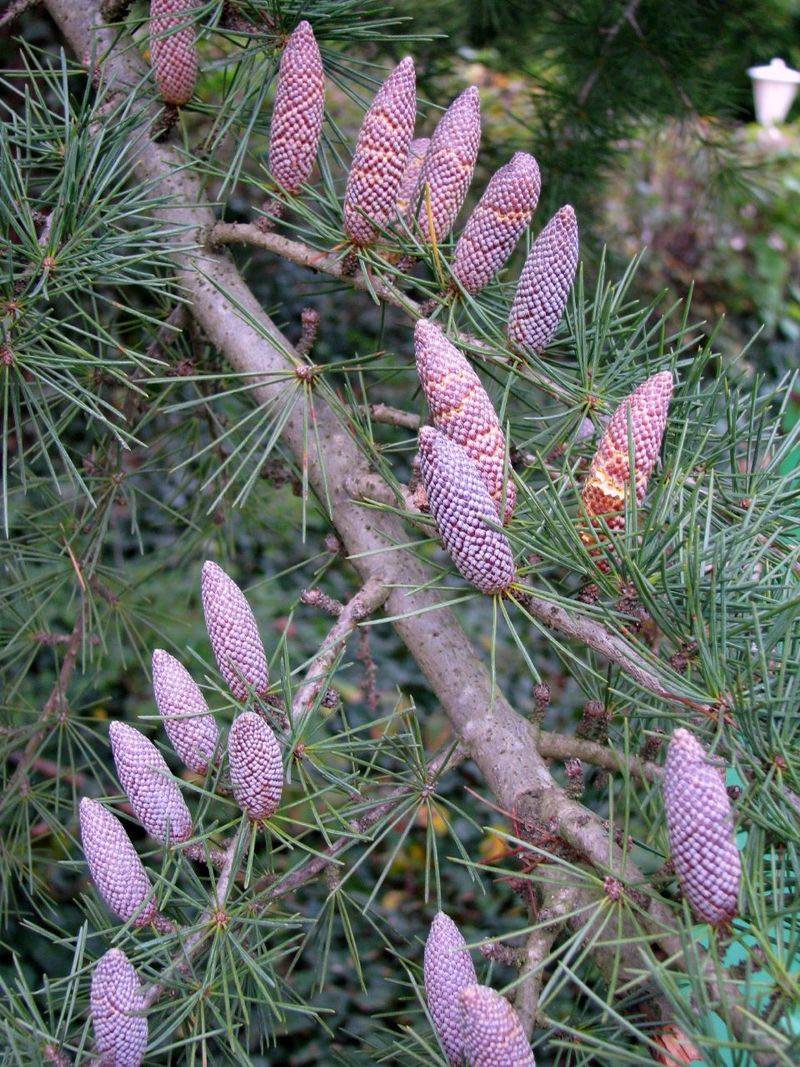
Timing is what makes this tree stand out. While oaks, pines, and many grasses pour out pollen in spring, Deodar Cedar waits until the season turns.
True cedars in the genus Cedrus generally flower in autumn, and Deodar follows that pattern.
In most of Georgia, shedding tends to show up sometime in fall, often around October. Exact timing can shift a bit from year to year depending on the weather and the individual tree.
Trees in the cooler mountains up north may run on a slightly different schedule than trees near the coast.
Why does it matter? Allergy sufferers who feel fine all summer may start sniffling again and blame a cold.
Your Georgia Garden Changes Every Week. Your Plan Should Too.
Gardening in Georgia changes quickly throughout the season. Every Friday you’ll receive a simple weekly plan showing exactly what to plant, prune, fertilize, harvest, and protect so you never miss the right timing.
Not everyone reacts to cedar pollen, and fall symptoms can have many causes.
Ragweed is a well-known fall allergy trigger, and mold spores can climb when leaves start piling up. If symptoms bother you, a doctor or allergist can help pin down what is actually causing them.
Gardeners can use this timing in a practical way. If you plan to pressure wash a deck, paint outdoor furniture, or seal a patio, waiting until the cedar finishes shedding may save you a second cleaning.
Keeping a simple note on your calendar each year can help you learn when your local trees usually start and stop.
3. Upright Male Cones Open Up And Release Clouds Of Pollen
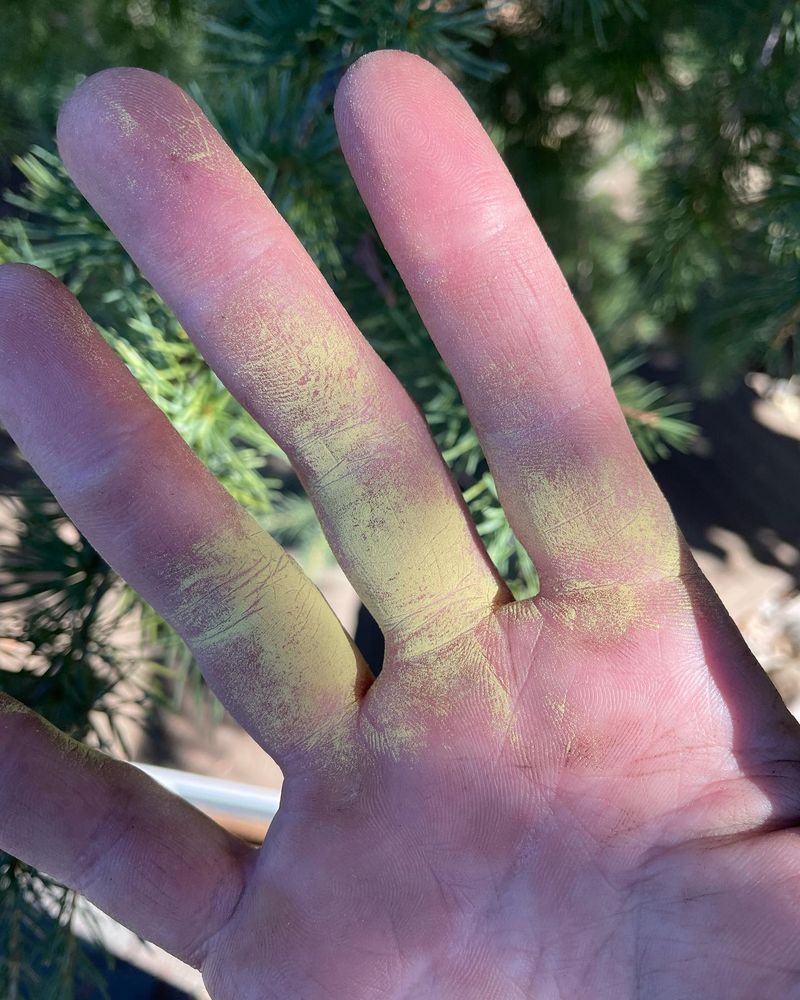
Picture dozens of small fingers pointing straight up from the branches. Those are the male cones, and they are the true source of the yellow dust.
On a Deodar Cedar, male cones are usually cylinder-shaped and stand upright on the twigs.
They start out greenish and firm, then swell as fall approaches. When they mature, the cones loosen and release pollen grains that drift away in the air.
Give a loaded branch a light tap and you may see a small puff of yellow float off.
Female cones look very different. They are barrel-shaped, sit upright on the branches, and take a long time to mature before falling apart on the tree.
Only the male cones produce pollen, so those are the ones to watch in fall.
A mature tree can carry many of them, which is why the dusting near a big Deodar can look heavy. Younger trees may produce fewer cones, and some years seem lighter than others.
Curious kids and adults alike can check a low branch to see the cones up close. Just skip this if you have pollen allergies, since shaking branches can send grains right toward your face.
Here in Georgia, a quick look at the cones can tell you whether shedding has started, peaked, or is winding down.
4. Dry Breezy Days Help Carry Pollen Off The Branches
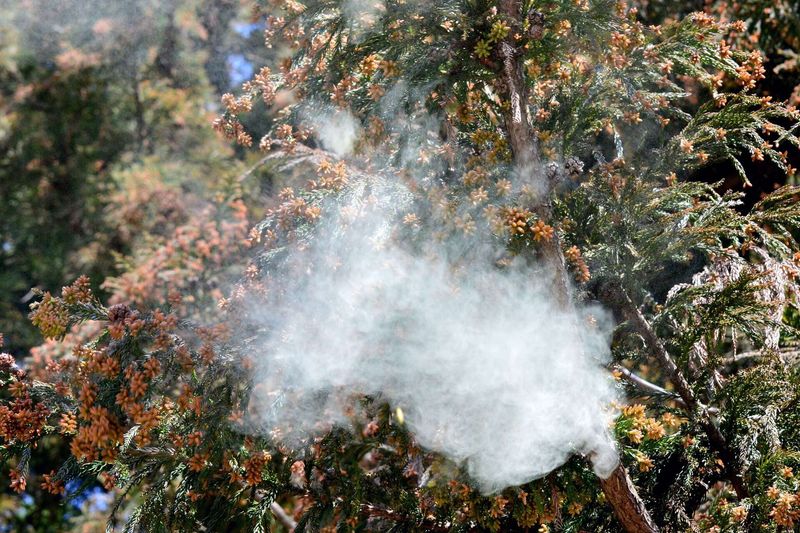
Wind does most of the heavy lifting here. Deodar Cedar relies on moving air, not insects, to carry its pollen from tree to tree.
On dry days with a steady breeze, pollen tends to lift off the cones and travel more easily.
Rain works in the opposite direction. Wet weather can wash pollen out of the air and keep cones from releasing as much until things dry out again.
Fall in Georgia often brings stretches of clear, dry weather after summer humidity fades, which can set the stage for noticeable shedding.
Morning dew may hold some pollen down early in the day. As the sun warms things up and breezes pick up, more grains may start drifting around.
How far does it travel?
Most visible dust usually lands fairly close to the tree, though lighter grains can ride the wind much farther. Cars parked right under the branches tend to collect the thickest layer.
Checking a pollen forecast from a local news station or weather service can help on breezy days. If you are sensitive, keeping windows closed and changing clothes after yard work may reduce how much pollen you bring indoors.
Parking a little farther from the tree during peak weeks is another easy fix that takes almost no effort at all.
5. Shedding Typically Wraps Up Within A Few Weeks
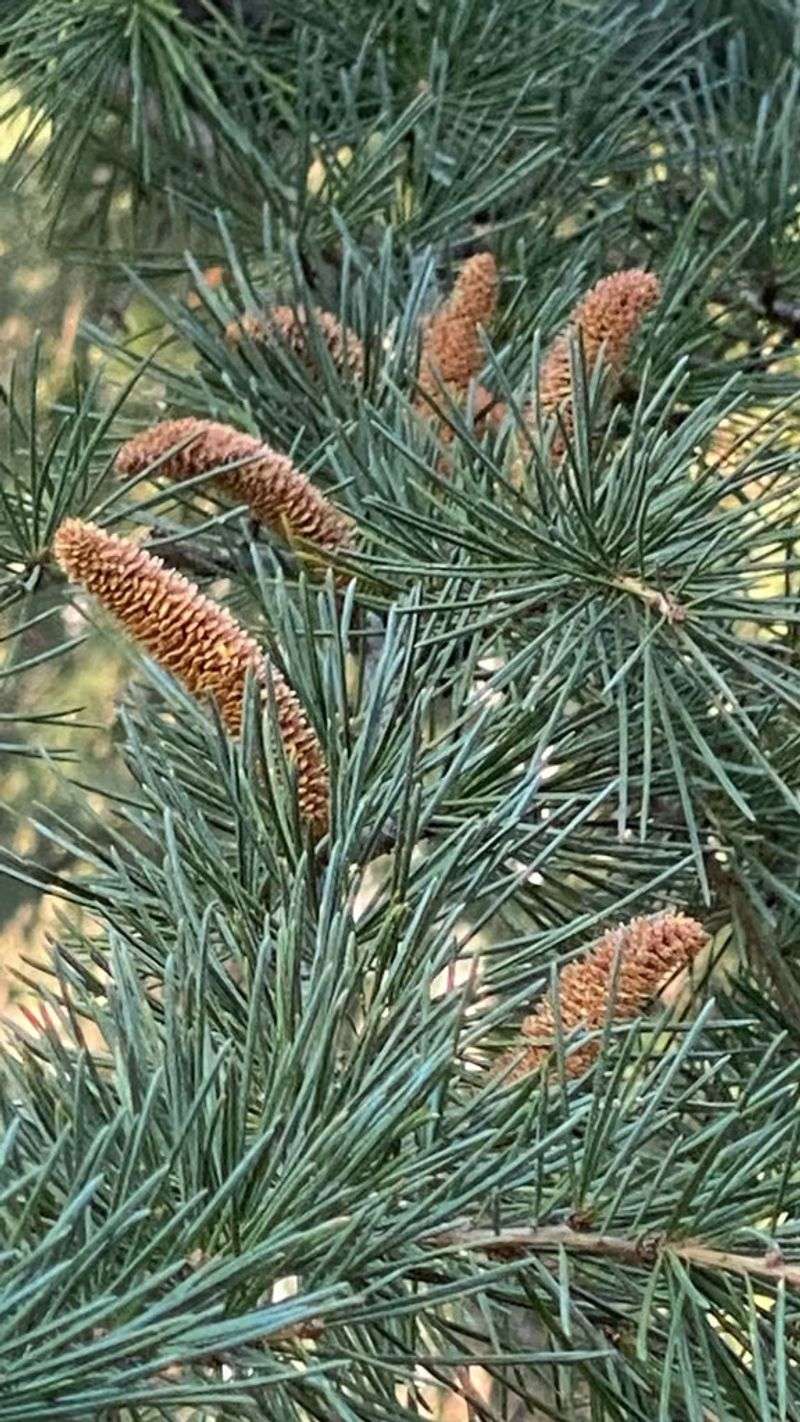
Relief usually comes sooner than people expect. Deodar Cedar shedding is generally a short event compared with the long spring pollen run.
In a typical year, most of the release seems to happen over a few weeks.
Weather can stretch or shorten that window. A rainy spell may pause shedding, while a run of dry, windy days might push it along faster.
Each tree also has its own pace, so one Deodar on your street might finish before another.
You can watch the male cones for clues. As they empty, they turn brown, look shriveled, and eventually start dropping from the branches.
Once most cones look spent, the heaviest part of the season is likely behind you.
In Georgia, that often means the yellow film fades by late fall, though exact timing varies by area and year. Light traces may linger on surfaces until a good rain or a rinse clears them.
Patience pays off with bigger outdoor projects. Holding off on deep cleaning, staining, or painting until shedding slows down can save time and effort.
If allergy symptoms continue well after the cones are spent, something else may be the cause, and checking with a doctor makes sense.
6. Spent Pollen Cones Pile Up Beneath The Branches
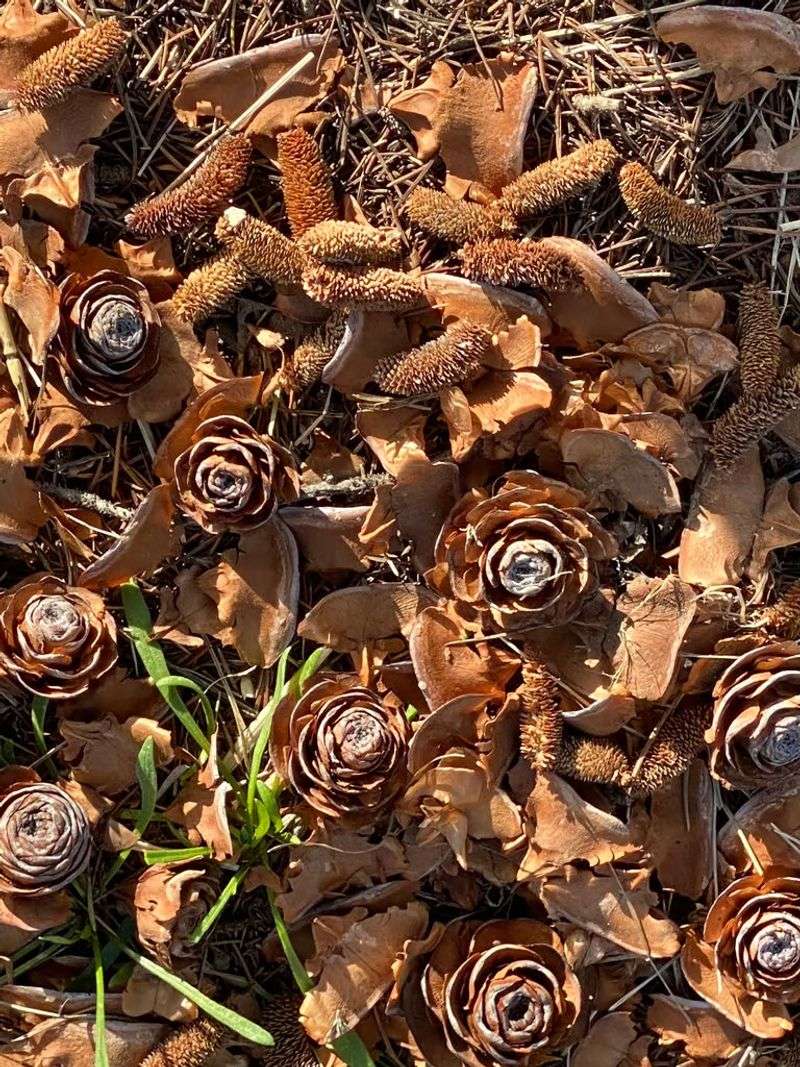
Walk under a big Deodar in late fall and you might hear a soft crunch. Those small brown pieces underfoot are the emptied male cones.
After releasing their pollen, the cones dry out and drop to the ground below.
They can collect on lawns, mulch beds, sidewalks, and patios. Around a large tree, the pile can look surprising the first time you notice it.
Good news, though, because these spent cones are generally harmless.
On mulch or in planting beds, many gardeners simply leave them alone. They are small and tend to break down over time along with other fallen plant material.
Hard surfaces are a different story. On walkways and steps, a layer of cones can feel a little slick or messy, so sweeping or using a leaf blower keeps things tidy.
A rake works well on lawns if the layer gets thick.
Gutters near the tree may catch some cones too. Checking them during your regular fall gutter cleaning can help keep water flowing during winter rains.
Across Georgia, fall cleanup already means dealing with leaves, so adding cedar cones to the routine usually takes little extra work.
Do not confuse these with the larger female cones, which break apart on the tree and drop scales instead of whole cones.
7. A Quick Rinse Clears Pollen From Cars Decks And Patio Furniture
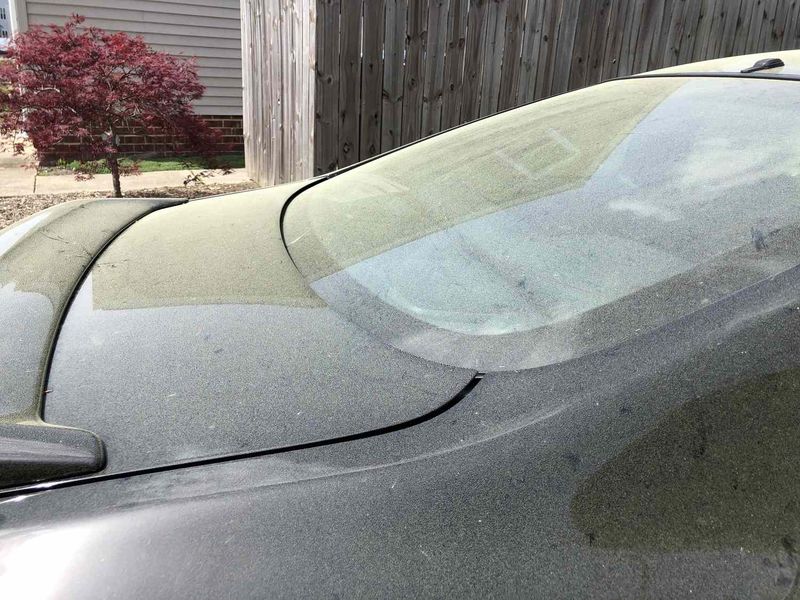
Grab the garden hose before reaching for harsh cleaners. In most cases, plain water does a solid job of washing away cedar pollen.
A gentle spray clears decks, patio tables, chairs, and outdoor cushions without much effort.
Cars can be a bit trickier. Wiping dry pollen with a cloth may drag grains across the paint, so rinsing first is usually the safer move.
After rinsing, a regular car wash soap can lift any film that stays behind.
Windows and screens collect pollen too. Hosing screens off gently can help reduce how much dust blows inside when you open the house on a cool day.
Timing your cleanup matters.
Rinsing during the middle of shedding may only buy a day or two before the next coat lands. Once the cones look spent, a single good wash often handles most of it.
Pets that nap on the porch may carry pollen indoors on their fur. A quick wipe with a damp towel can help if anyone in the house is sensitive.
Georgia homeowners already know the spring hose routine well, and this fall version tends to be lighter and shorter. Wearing a simple mask while cleaning may help if pollen bothers your nose or throat.