This Invasive Tree Is Taking Over Georgia Yards Faster Than Kudzu
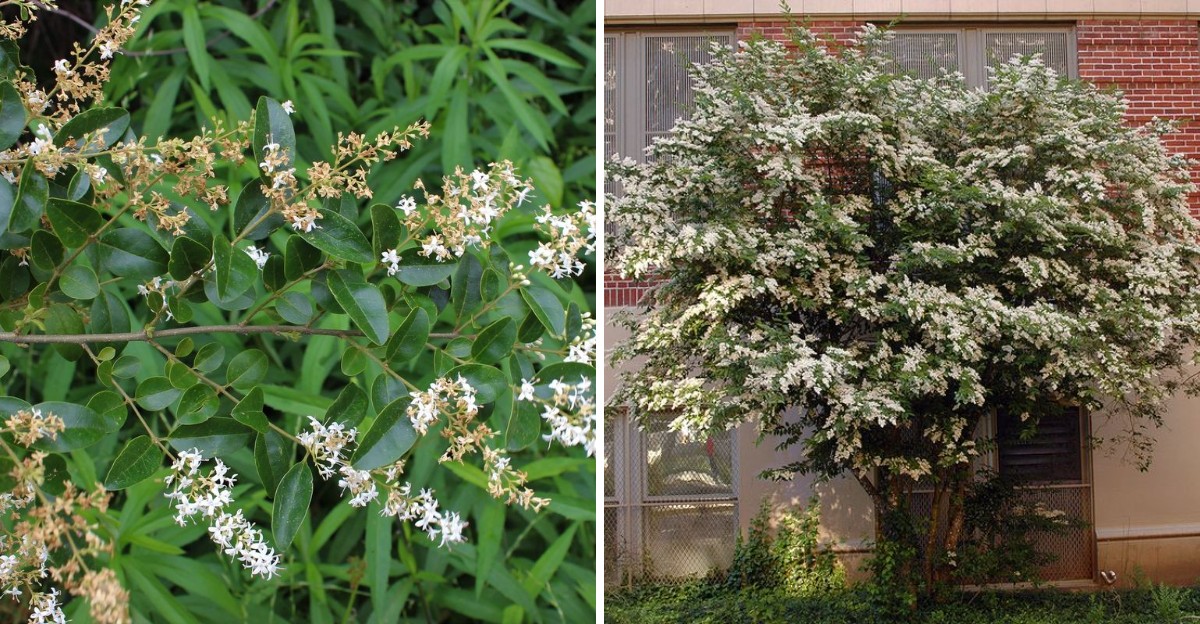
A pretty shrub once sold in garden centers now covers more Georgia forest than kudzu ever managed. Yes, the same vine famous for swallowing barns and telephone poles is losing the race to a bush.
Its small dark leaves look tidy and harmless, like something you would happily trim into a hedge. Birds love its blue-black berries, and they drop the seeds along every fence line they visit.
Personally, I pulled what I thought were a few weeds behind my shed one chilly afternoon last fall. The roots fought back like stubborn rope, and three new sprouts popped up by the following spring.
Right now in early October, it stays bright green while many native plants start fading around it.
1. You Are Up Against Chinese Privet
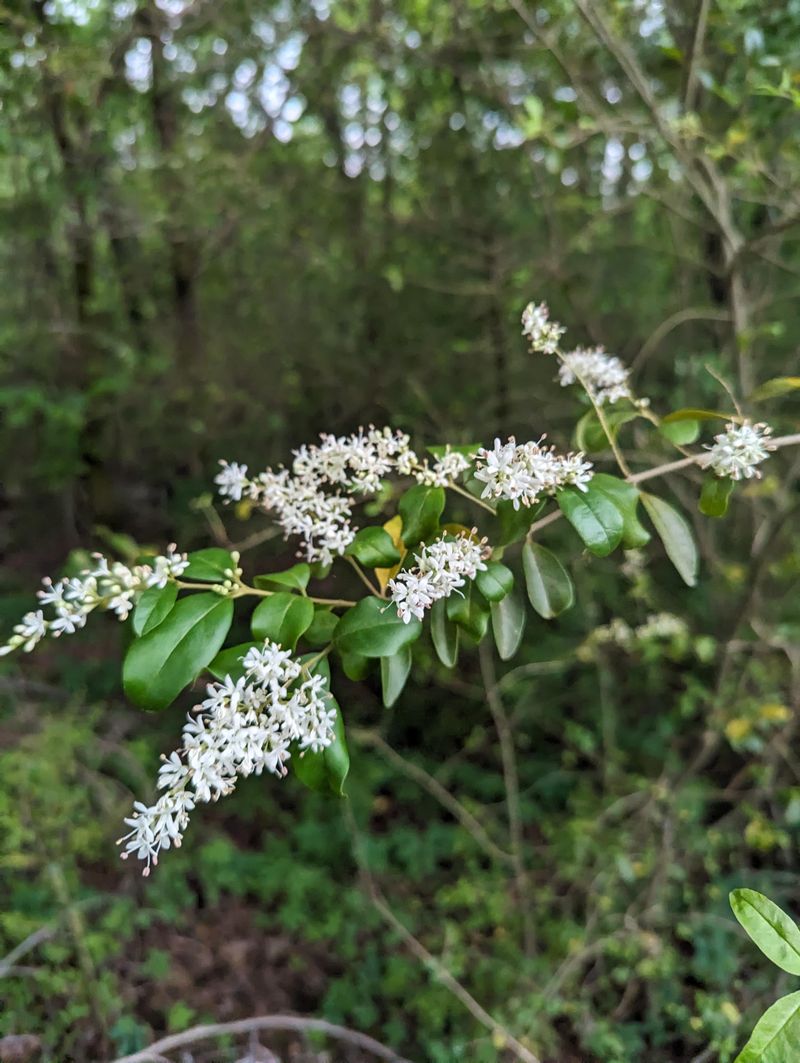
Chinese privet is the shrubby tree behind this mess, and it has earned the title of worst invader. Forestry surveys show it covers far more Georgia woodland than kudzu, which surprises nearly everyone who hears it.
Settlers brought it over from China in the 1850s as a handy hedge plant for tidy gardens. Nobody guessed that a neat little border shrub would one day jump the fence and roam freely.
You can spot it by its small oval leaves, which grow in pairs along thin, slightly fuzzy twigs. Left alone, a single plant can reach twenty feet tall and spread into a thick, tangled wall.
Kudzu gets the headlines because it smothers trees in plain sight along every highway in the South. Privet works in the shadows, filling forest floors and creek banks where few people bother to look.
Once you learn its look, you will start seeing it along roadsides, parking lots, and backyard fences. That moment of recognition is the first real step toward taking your yard back from this sneaky shrub.
Several close cousins, like glossy and Japanese privet, also escape yards, but Chinese privet spreads the fastest. Treat any of them with suspicion, especially if they show up somewhere you did not plant them.
2. Your Birds Are Planting It For You
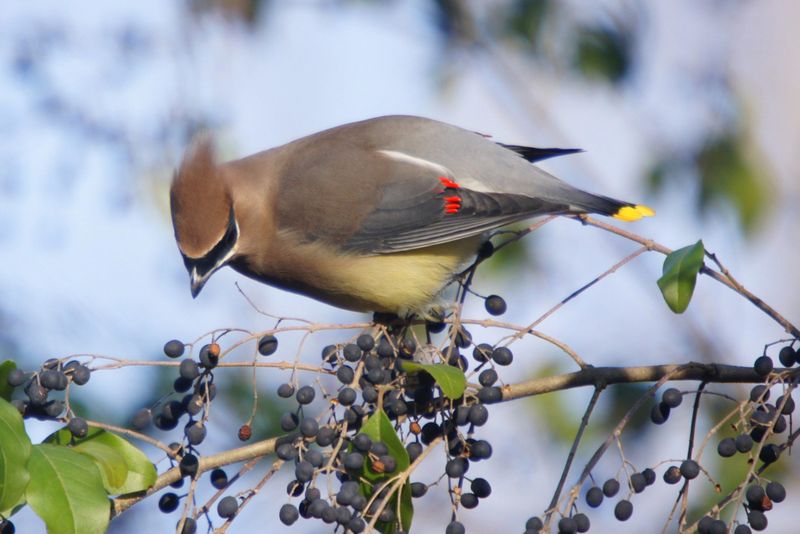
Every fall, privet bushes load up with clusters of tiny blue-black berries that look like miniature grapes. Robins, cedar waxwings, and mockingbirds gobble them up, then fly off to rest on your fence.
Each bird drops seeds in a handy little package of fertilizer wherever it happens to perch. That explains why privet often pops up in a straight line beneath power lines and fence rails.
Seeds are only half the story, since the roots send up fresh suckers several feet from the parent. One plant can turn into a small grove within a few seasons if nobody steps in to stop it.
Kudzu mostly spreads by creeping vines, so it rarely skips across town the way privet does. With wings carrying its seeds, privet can land in a brand new yard miles from the nearest thicket.
Privet also grows happily in sun or shade, wet soil or dry, which gives it endless places to settle. Few native shrubs handle such a wide range of conditions, so privet wins the race for open ground.
Your Georgia Garden Changes Every Week. Your Plan Should Too.
Gardening in Georgia changes quickly throughout the season. Every Friday you’ll receive a simple weekly plan showing exactly what to plant, prune, fertilize, harvest, and protect so you never miss the right timing.
You cannot stop birds from snacking, and honestly, you would not want to chase away your feathered friends. Removing the berry source in your own yard is the smartest way to slow down the spread.
3. Native Plants Around You Pay The Price
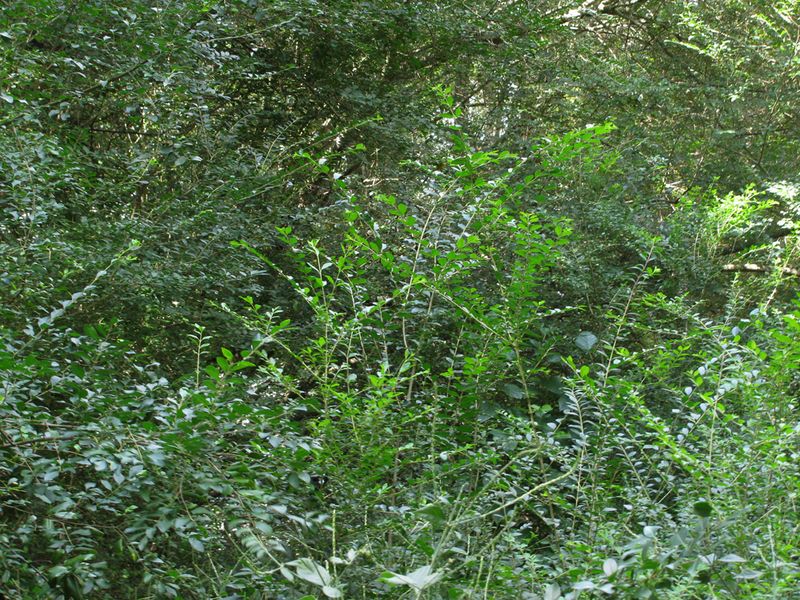
Walk into a privet thicket and you will notice something eerie: almost nothing else grows there. The dense evergreen canopy blocks sunlight, leaving bare dirt where wildflowers and young oaks should be sprouting.
Researchers at the University of Georgia found that bee numbers dropped sharply in forests crowded with privet. After crews removed the shrubs, native bees and butterflies returned in big numbers within just a few years.
Songbirds lose out too, because privet offers berries but very few of the insects that baby birds need. Native shrubs like beautyberry and spicebush host caterpillars, which are the protein-packed meals that nestlings depend on.
Along creeks, thick privet roots can crowd out the native plants that usually hold banks in place. Over time, the forest floor turns into a quiet, one-plant zone with far less variety than before.
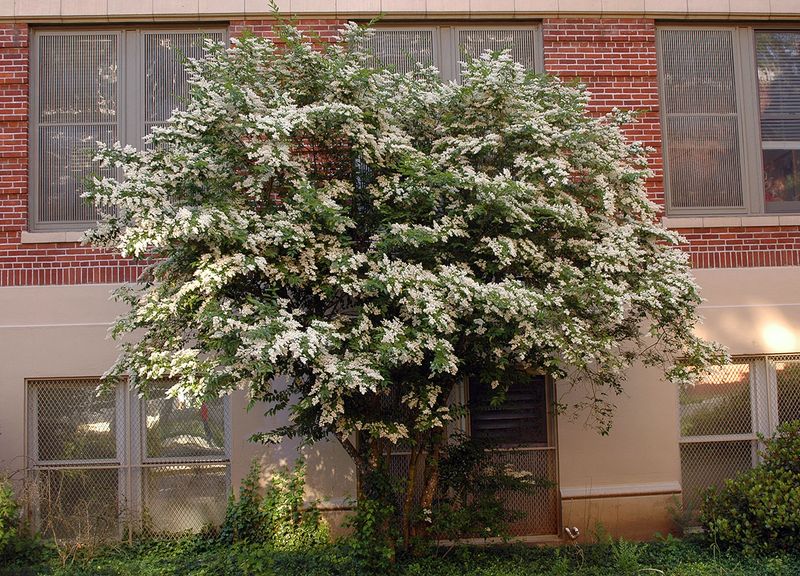
In your yard, privet hedges can swallow flower beds, shade out vegetable gardens, and push against your siding. The spring blooms also release a heavy, sweet smell that bothers many people with allergies and sensitive noses.
I like thinking of removal as a gift to the creatures that share your little patch of land. Every shrub you pull opens space for plants that feed the bees, birds, and butterflies you enjoy watching.
4. This Fall Gives You The Best Window
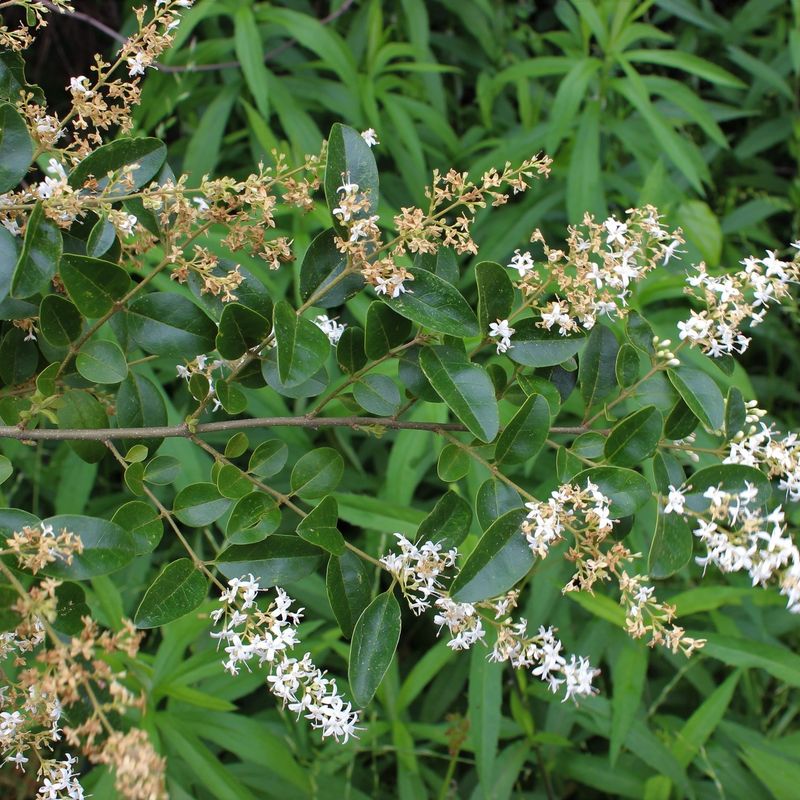
October in Georgia brings cooler mornings, and it also hands you the perfect chance to hunt down privet. As maples and sweetgums begin to change color, the privet leaves stay stubbornly green and glossy.
That contrast makes the shrubs pop out of the landscape like green flags waving at you from the woods. By late fall and winter, the effect gets even stronger once most native trees drop their leaves.
Experts often recommend treating privet from fall through early winter, when native plants are heading toward dormancy. Any spray that drifts onto a resting native shrub is less likely to cause lasting harm in autumn.
Fall also brings softer soil after the first steady rains, which makes pulling small plants much easier. Roots slide out more cleanly from damp ground, so fewer broken pieces stay behind to resprout later.
The berries ripening now are another reason to act before birds strip the branches over the winter months. Cutting fruiting stems this month means fewer seeds scattered across your whole neighborhood by next spring.
Personally, I find a crisp autumn afternoon with gloves and loppers far more pleasant than sweaty summer yard work. Grab a jacket, pick a weekend, and give yourself a couple of hours to scout your property.
5. A Removal Plan You Can Match To Size
Small seedlings under knee height are the easiest win, and you can usually yank them out by hand. Grip low near the soil, pull slowly, and try to bring up every piece of root.
For thicker stems up to a couple of inches wide, a tool called a weed wrench works wonders. It clamps onto the trunk and uses leverage, so you can pop out roots without straining your back.
Large shrubs call for the cut-stump method, which many extension agents recommend for older, woody privet. Saw the stem close to the ground, then paint herbicide on the fresh cut within a few minutes.
Focus on the outer ring just inside the bark, since that living layer carries the treatment down to roots. Products containing glyphosate or triclopyr are common choices, but read and follow every label direction carefully.
Simply chopping privet down without treating the stump often backfires and creates a bushier plant than before. The roots respond by pushing up a crowd of new shoots, almost like the shrub is getting even.
Bag any branches loaded with berries instead of tossing them in the woods or a brush pile. Your local Georgia extension office can also help with plant identification and safe product choices for your property.
6. Steady Follow-Up Keeps Your Yard Clear
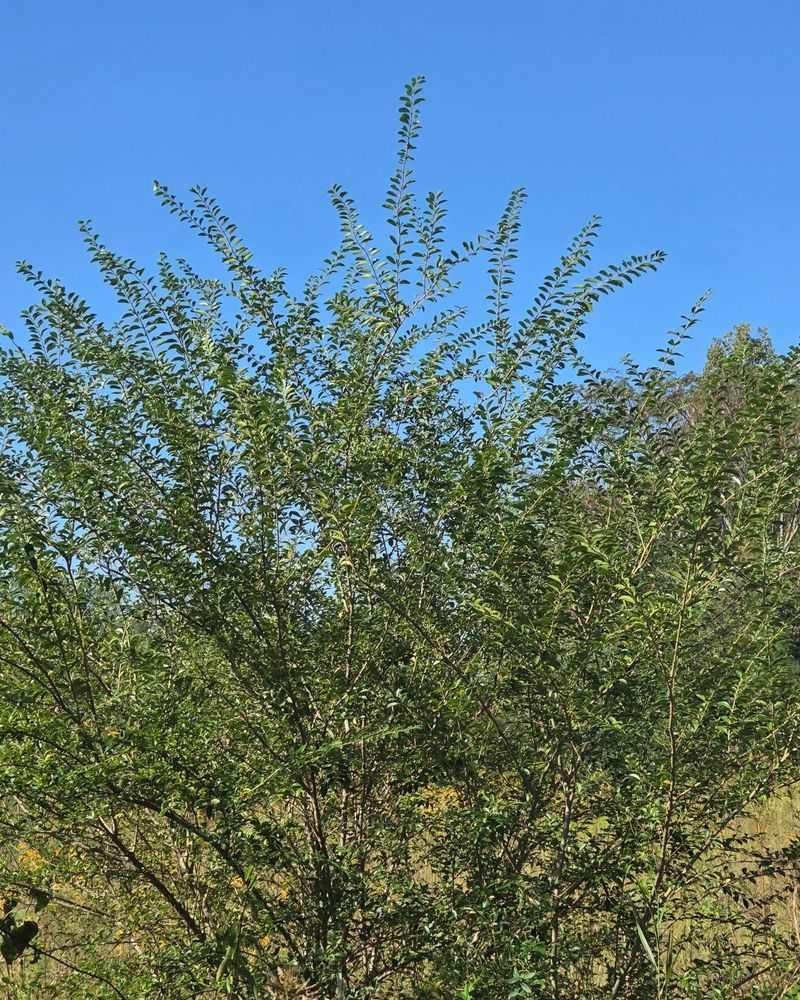
Winning one round against privet feels great, but the seed bank in your soil has other plans. Seeds can sit quietly underground for a while, then sprout the moment sunlight reaches bare ground again.
Plan a quick walk around your property every few months, paying extra attention to fences and shady edges. Pulling a handful of tiny seedlings takes minutes, while ignoring them for two years means real sawing later.
Filling open gaps with native plants gives privet less room to sneak back into your cleared spaces. Fall is a fantastic planting season in Georgia, since cooler air and warm soil help roots settle in.
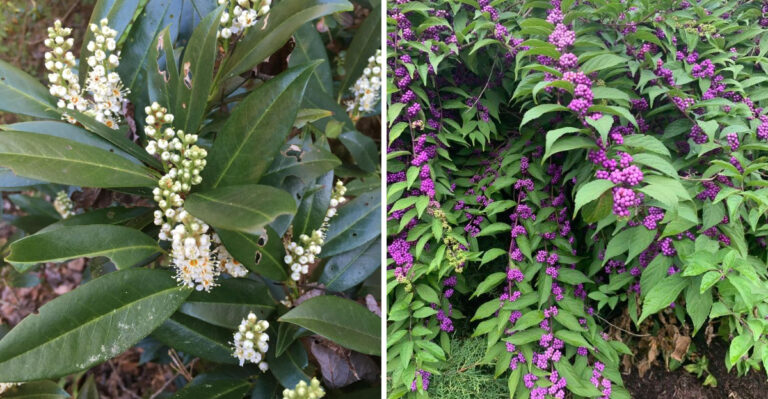
For hedges, try yaupon holly, wax myrtle, or Florida anise, which all stay green through the winter. American beautyberry adds bright purple berries in fall, and the local songbirds devour them very happily.
Talk with neighbors too, because privet growing next door will keep seeding your yard year after year. A shared weekend workday can clear a whole fence line faster and makes the job more fun.
I believe every cleared patch of ground counts, even if your yard is only a small city lot. Steady effort over a few seasons can turn a privet jungle into a lively space full of native life.