These Virginia Native Plants Have Names Made For Halloween
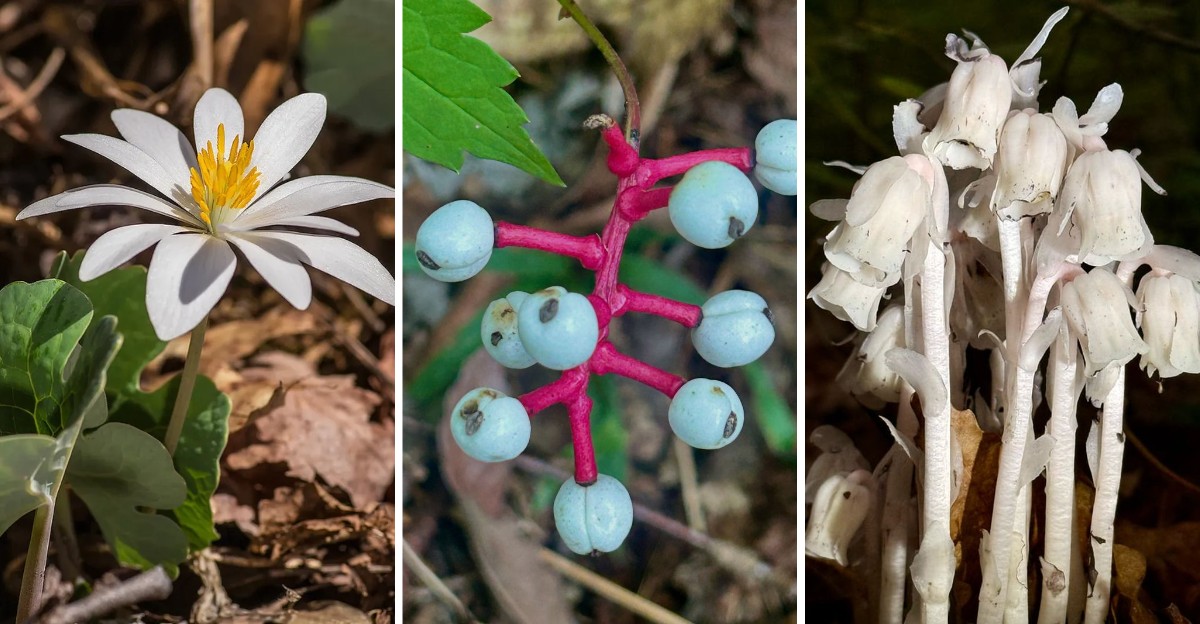
On a cold October evening, leaves crunch underfoot as the woods go quiet. Somewhere nearby, a plant called devil’s walking stick bristles with thorns.
A few steps away, clusters of white berries stare back like tiny eyeballs. Virginia forests are full of wild plants with names that sound straight out of a haunted house.
Some earned their spooky titles from blood-red sap, ghostly colors, or odd bloom times. Others got them from old folk tales and early medicine.
These plants are more than creepy names, though. Many feed bees, butterflies, and birds, while a few hide dangers worth knowing before you touch or taste anything.
Take a closer look on your next fall walk. The woods have some eerie surprises waiting.
Devil’s Walking Stick Is Covered In Sharp Spines
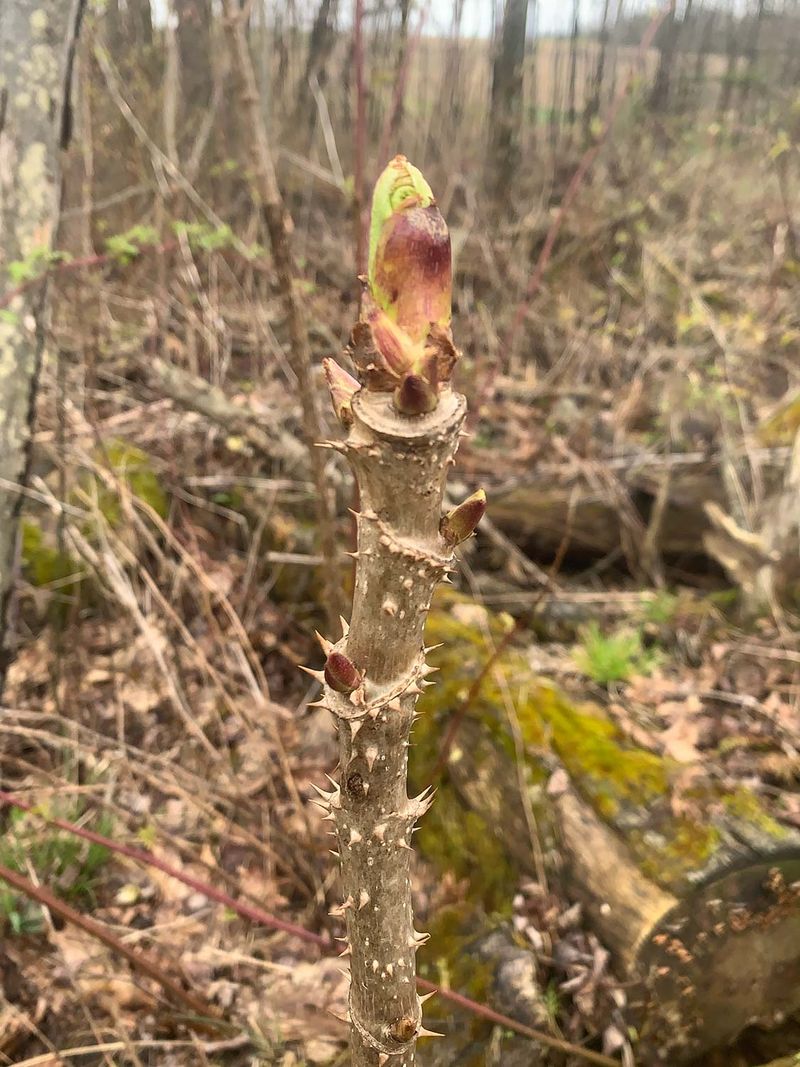
Imagine grabbing a walking stick and getting poked a dozen times. Early settlers clearly had that painful thought when naming Aralia spinosa.
Devil’s Walking Stick, also called Hercules’ Club, grows across much of eastern North America. Its stems, branches, and leaf stalks are packed with stout, sharp spines.
Winter is the best time to spot the spines clearly. The bare, unbranched stem looks like a medieval weapon poking out of the ground.
Even the giant leaves carry tiny, irritating prickles. Those compound leaves can stretch several feet long, giving the plant a tropical, almost alien look.
Size is another surprise with this native. It can grow as a big shrub or a small tree, reaching 10 to 35 feet tall.
In Virginia, you will find it most often in the Coastal Plain. It also pops up frequently in the Piedmont but less often in the mountains.
Look along wood edges, old fields, pastures, and moist streamside woods. It loves sunny gaps where it can spread by underground roots.
Here is a handy tip for hikers and gardeners. Wear thick leather gloves if you plan to prune or move one.
Planting it near a fence line can create a natural barrier. Few critters or trespassers want to push through that thorny thicket.
Late summer brings huge, frothy clusters of creamy flowers. By fall, those clusters turn into dark purple berries on pinkish stems, perfect for a spooky season display.
Doll’s Eyes Has Eerie Eyeball Berries
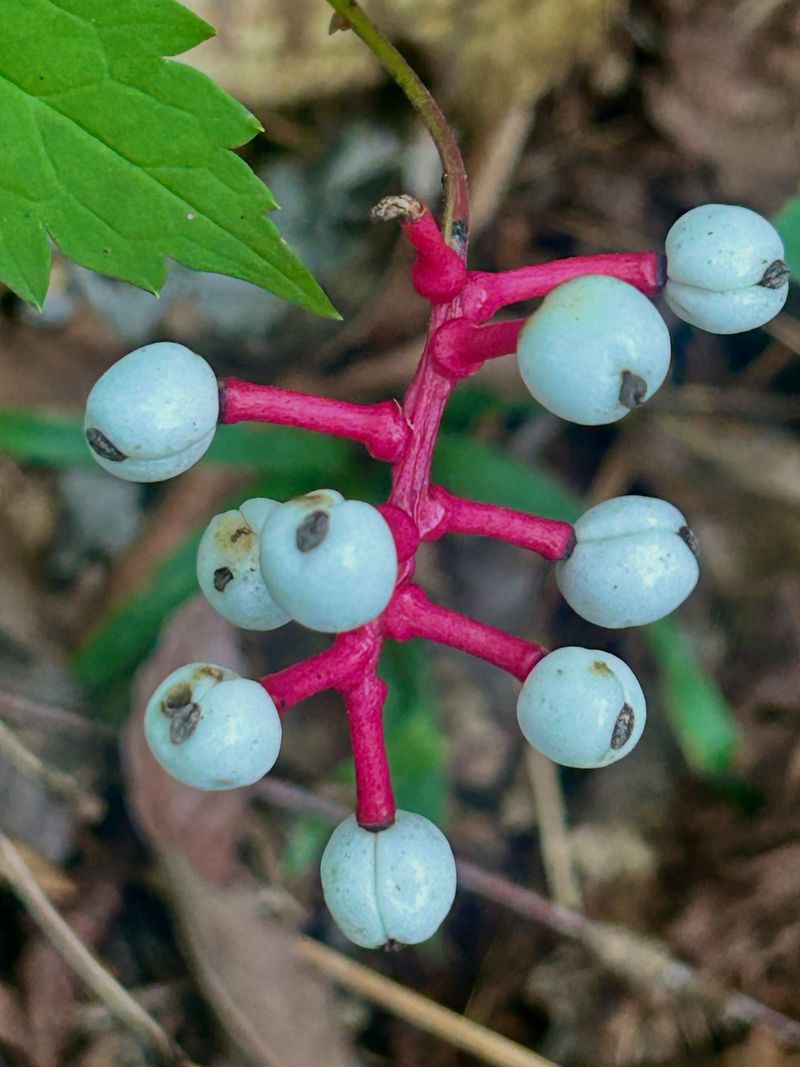
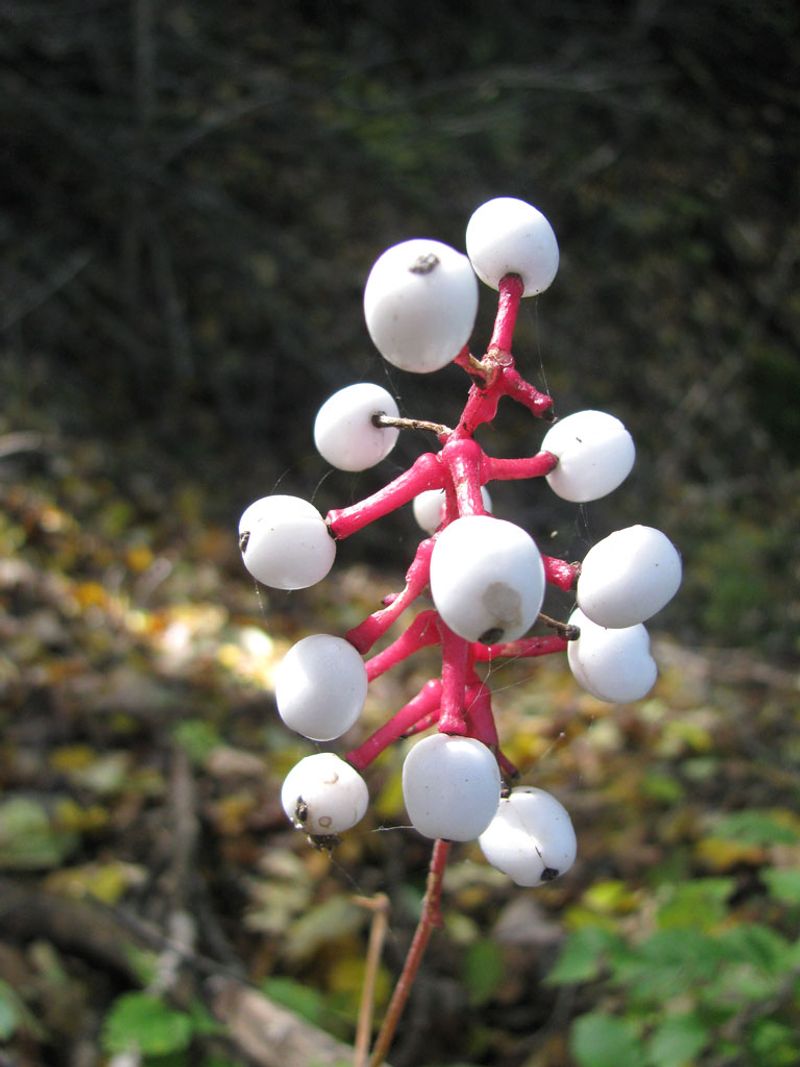
Walk through a shady forest in late summer, and something might be watching you. Small white orbs with black pupils stare out from bright red stalks.
Meet Doll’s Eyes, also known as White Baneberry. Its scientific name is Actaea pachypoda, and it grows naturally in Virginia woodlands.
Each berry measures about one centimeter across. A dark spot left by the flower’s stigma makes it look just like an old porcelain doll’s eye.
The creepiness gets even better as the fruit ripens. Supporting stalks, called pedicels, thicken and turn a vivid red color.
Those berries ripen during summer and often hang on until frost. That timing means they can still be staring at trick-or-treaters in some areas.
The plant itself stays fairly compact. Most grow 1 to 3 feet tall and spread about 2 to 3 feet wide.
Your Virginia Garden Changes Every Week. Your Plan Should Too.
Gardening in Virginia changes quickly throughout the season. Every Friday you’ll receive a simple weekly plan showing exactly what to plant, prune, fertilize, harvest, and protect so you never miss the right timing.
Doll’s Eyes prefers rich, moist soil full of decayed leaves. Shady woodlands and thickets make it feel right at home.
Gardeners love it for adding drama to a woodland bed. Pair it with ferns for a haunted forest feel that looks great from summer into fall.
A word of caution belongs here, though. Every part of this plant is toxic, especially the berries and roots.
Keep it away from areas where small kids play. Teaching children to look but not touch is a smart rule for this eerie beauty.
Bloodroot Gets Its Name From Red Sap
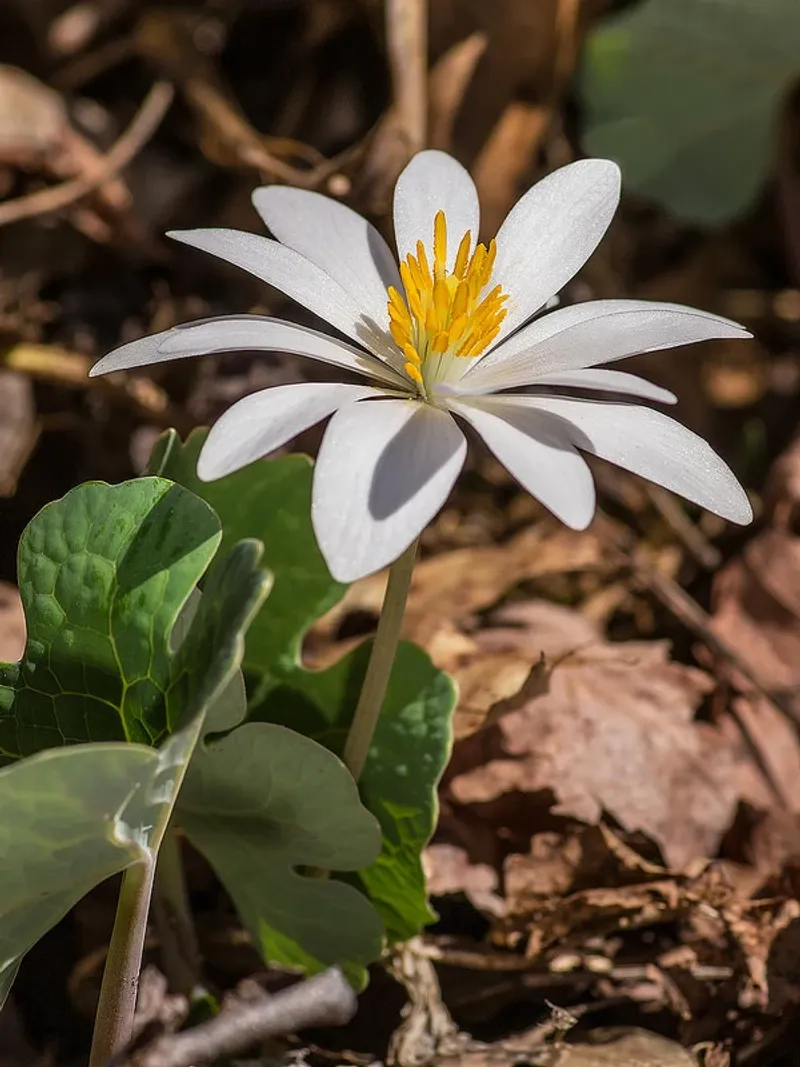
Snap a root in the spring woods, and it seems to bleed. Bloodroot earns its name from a bright red sap that oozes from every part.
Known to scientists as Sanguinaria canadensis, it grows in nearly every county in Virginia. You will see it most in the Mountains and Piedmont regions.
The sap is thickest in its knobby orange underground stems. These stems, called rhizomes, release a red, latex-like liquid when cut or broken.
Native peoples once used the sap as a natural dye. Imagine painting baskets or clothing with color pulled straight from the forest floor!
Above ground, the plant looks surprisingly sweet. Each spring, it sends up one leaf and a single delicate white flower.
Blooms usually open in March across most of the state. After a mild winter, they can appear even earlier.
Timing matters for this little wildflower. It blooms before trees leaf out, soaking up sunshine while the forest canopy is still bare.
The leaf has a fun habit worth watching. It often wraps around the flower stem like a cozy cloak on chilly mornings.
Flowers last only a few days, so plan spring walks wisely. Sunny afternoons are best, since petals close up on cloudy days.
Gardeners can grow bloodroot under deciduous trees. Wear gloves when dividing it, because the sap can irritate your skin.
Witch Hazel Blooms In Late Fall
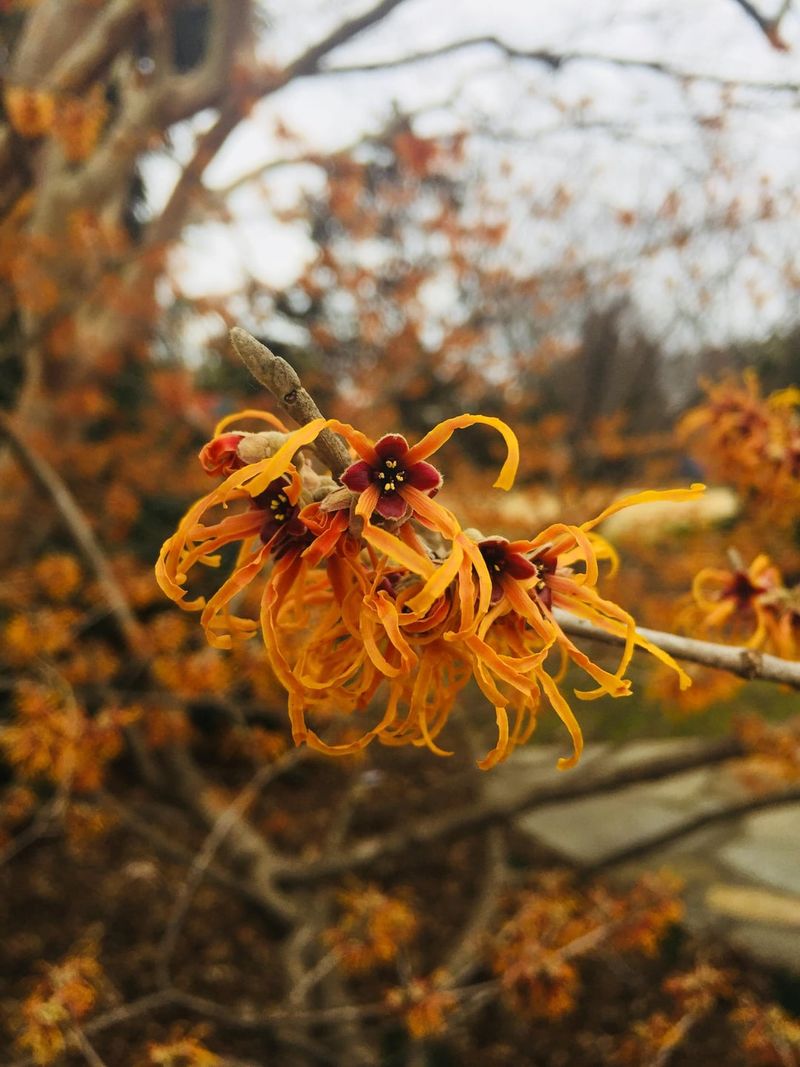
Most plants are packing it in for winter by Halloween. Witch hazel, however, is just getting ready to throw a party.
Common witch hazel goes by the scientific name Hamamelis virginiana. That name honors Virginia, where scientists first described the plant.
Its flowers look like tiny bursts of yellow ribbon. Spidery, lemon-colored petals cling to the branches from October through December.
Many of the blooms appear after the leaves drop. Bare twigs suddenly sparkle with color, almost like a witch cast a spell.
So where does the witchy name come from? Many people believe it traces to an old word meaning bendable, not to actual witches.
Early settlers also used its forked branches as divining rods. They believed the sticks could help find underground water, which added to its magical reputation.
Witch hazel grows as a multi-trunked shrub or small tree. Most reach 15 to 30 feet tall.
In the wild, it lives in woodland understories, forest edges, and stream banks. It handles partial shade nicely, making it a good fit for many yards.
Plant one near a window you look through often. Late-season flowers bring cheer on gray November days when little else blooms.
You may recognize the name from a drugstore shelf. Extracts from its bark are still used in popular skin toners today.
Ghost Pipe Glows White On The Forest Floor
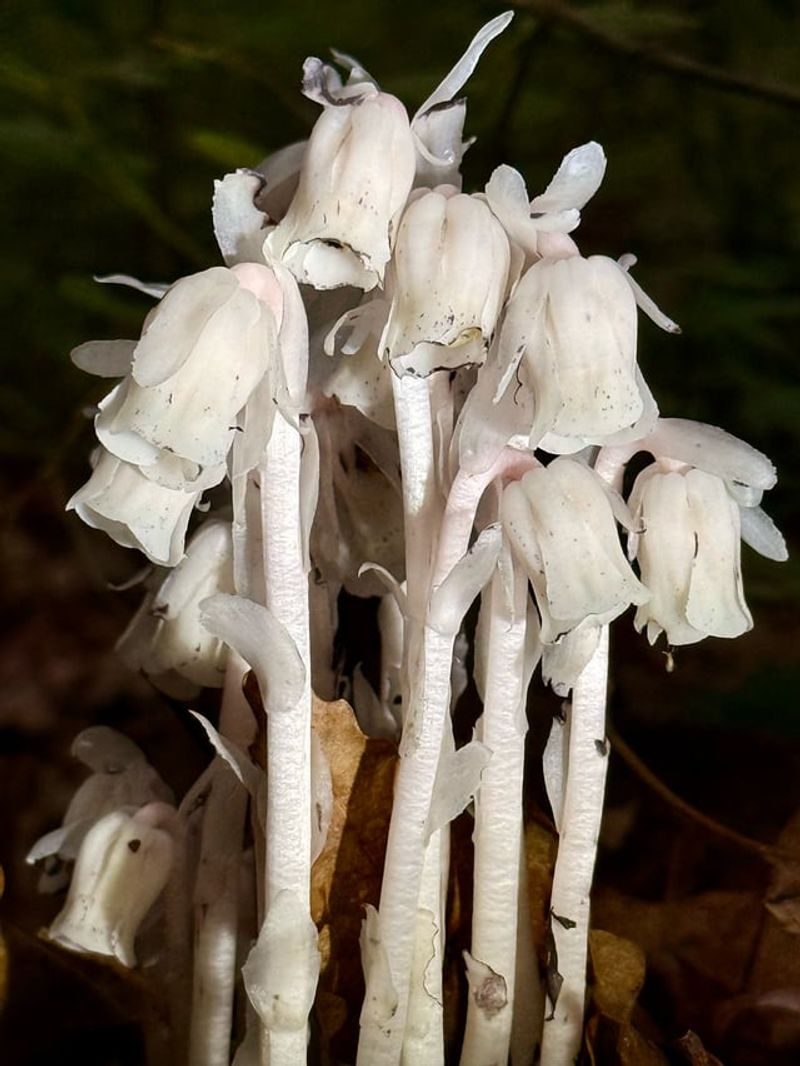
Hikers sometimes stop in their tracks and whisper, is that a mushroom? Nope, the pale, waxy stem rising from the leaves is actually a flowering plant.
Ghost Pipe, or Monotropa uniflora, is also called Indian Pipe. It grows in forested areas throughout Virginia.
Most plants are green because they hold chlorophyll. Ghost Pipe has none, so it cannot make food from sunlight.
Instead, it borrows nutrients in a sneaky way. It taps into fungi that connect to tree roots, especially oaks and beeches.
That clever trick explains its bright white color. Some plants even show soft pink or reddish tones, which makes them look even more mysterious.
Stems stay smooth, hairless, and waxy to the touch. Heights usually range from about 2 to 12 inches.
Each stem carries a single nodding flower. The bent bloom looks like a tiny pipe or a ghost bowing its head.
Search for it in rich, moist woods with thick layers of fallen leaves. Summer through early fall is your best window, especially after a good rain.
Visitors have spotted clusters at Caledon State Park along the Potomac. Bring a camera, but please leave the plants where they grow.
Picked stems quickly turn black, losing all their ghostly charm. Because they depend on fungi, Ghost Pipes almost never survive being moved to gardens.
Snakeroot Was Once Thought To Treat Bites
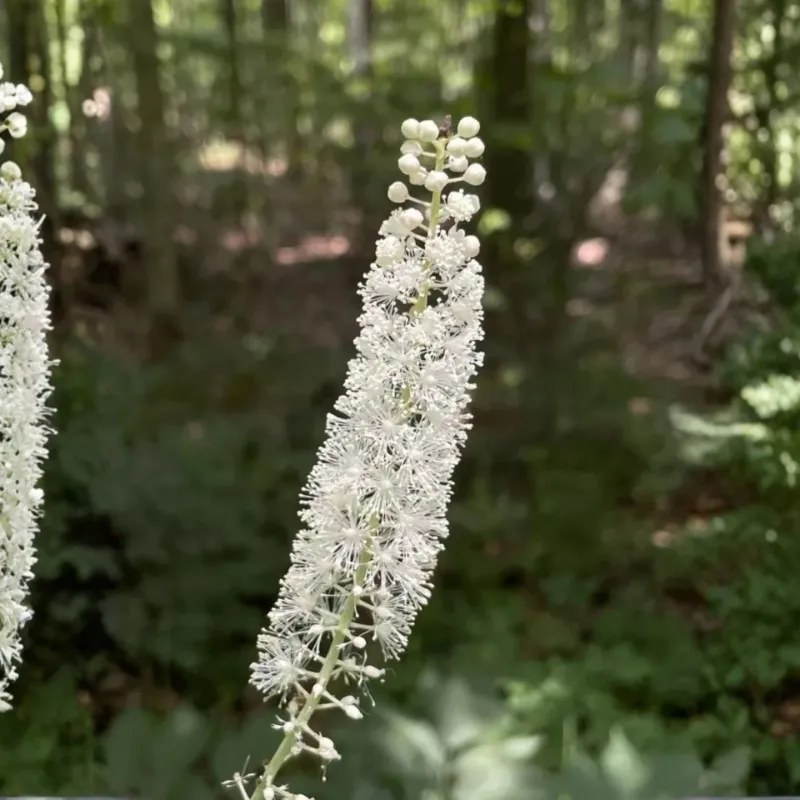
Long before modern medicine cabinets, people searched the woods for remedies. A plant with snake in its name seemed like a logical pick for snakebites.
Black Snakeroot, also called Black Cohosh, carries the scientific name Actaea racemosa. It grows in woodlands across North America, including Virginia.
Its name connects to folk beliefs about healing bites. The dark, twisting roots may have also reminded people of slithering snakes.
Native Americans used its roots and rhizomes as traditional medicine. The root contains salicylic acid, a natural compound related to aspirin.
People once relied on it for achy joints. Healers used it for problems like rheumatoid arthritis and sciatica.
Women’s health was another major use. It was given to ease cramps and help during childbirth.
Some folks also took it as a calming remedy. Old records mention it for ringing ears and high blood pressure.
Of course, old remedies are not the same as safe treatments. Talk to a doctor before trying any herbal supplement, including this one.
In the garden, Black Snakeroot really shines. Tall, white flower spikes rise up to six feet like glowing candles in a dark hallway.
Shady spots suit it best, especially with moist soil. Plant it along the back of a woodland border for a spooky, towering summer show.
Several Have Toxic Parts
Spooky names sometimes come with real warnings attached. A few of these Virginia natives can make people and pets quite sick.
Doll’s Eyes tops the danger list. All parts are toxic, and the berries hold compounds that can harm the heart.
Eating just six berries may cause serious illness. Symptoms include a burning mouth, stomach cramps, headaches, and dizziness.
Bloodroot also deserves respect. It contains alkaloids like sanguinarine, which can damage healthy tissue.
Swallowing it may bring nausea, vomiting, and dizziness. In severe cases, it can even affect the heart.
Black Snakeroot causes trouble in large amounts. Too much can lead to upset stomachs, low blood pressure, and headaches.
Health agencies have issued warnings about its extracts. Some people taking them experienced liver damage.
Devil’s Walking Stick is milder but still risky. Its unripe berries, bark, and roots can cause drooling, vomiting, and diarrhea.
Pets are not safe from it either. Dogs, cats, and horses may get irritated mouths or itchy skin.
Here is a simple safety plan for families. Teach kids never to taste wild berries without an adult’s approval.
Wear gloves when handling these plants in your garden. Wash your hands afterward, even if you think you stayed clean.
Keep a poison control number saved in your phone. Quick help makes a big difference if anyone eats something suspicious.
Many Support Pollinators And Birds
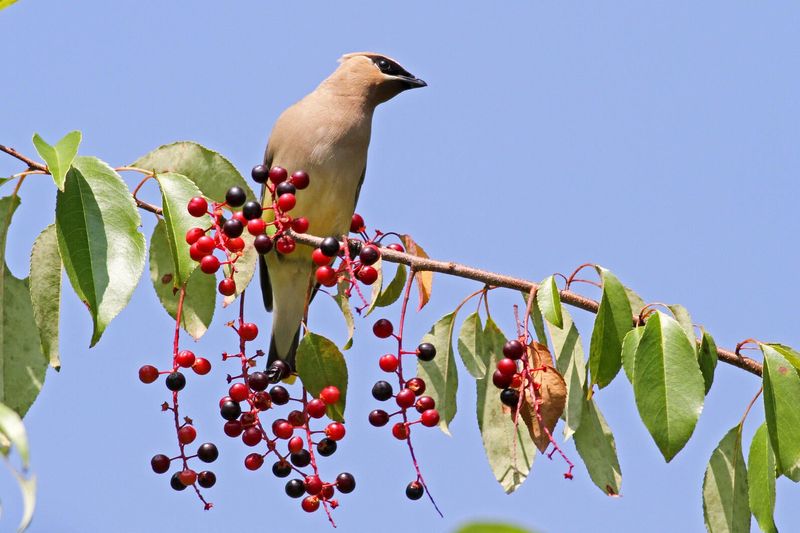
Behind every creepy name hides a busy wildlife cafe. These plants feed a surprising crowd of Virginia bees, birds, and critters.
Devil’s Walking Stick serves up a feast. Honey bees, native bees, and butterflies flock to its nectar-rich blooms.
Its dark purple berries feed songbirds and small mammals. Foxes, raccoons, and opossums also stop by for a snack.
Witch hazel works the late shift. Moths, gnats, and small bees visit when almost nothing else is blooming.
Its seeds later feed Wild Turkey, Ruffed Grouse, and Northern Bobwhite. Squirrels happily join in, and the leaves host spring azure butterfly caterpillars.
Doll’s Eyes feeds bees with its pollen. Birds eat the toxic berries without harm and scatter seeds across the forest.
Bloodroot has a clever helper system. Ants carry off its seeds for an oily treat, planting new bloodroot as they go.
Black Snakeroot blooms when shady woods get quiet. Its musky scent pulls in bees, flies, beetles, and butterflies.
Deer usually skip it, which is great news for gardeners. Ghost Pipe, meanwhile, gets visits from long-tongued bumblebees.
Want to help local wildlife this fall? Plant one or two of these natives and skip harsh pesticides.
Leave fallen leaves under shrubs instead of bagging them. Many helpful insects spend winter tucked inside that cozy cover.