Isaias Dumped Inches Of Rain, So Why Does Your Virginia Lawn Still Look Thirsty?
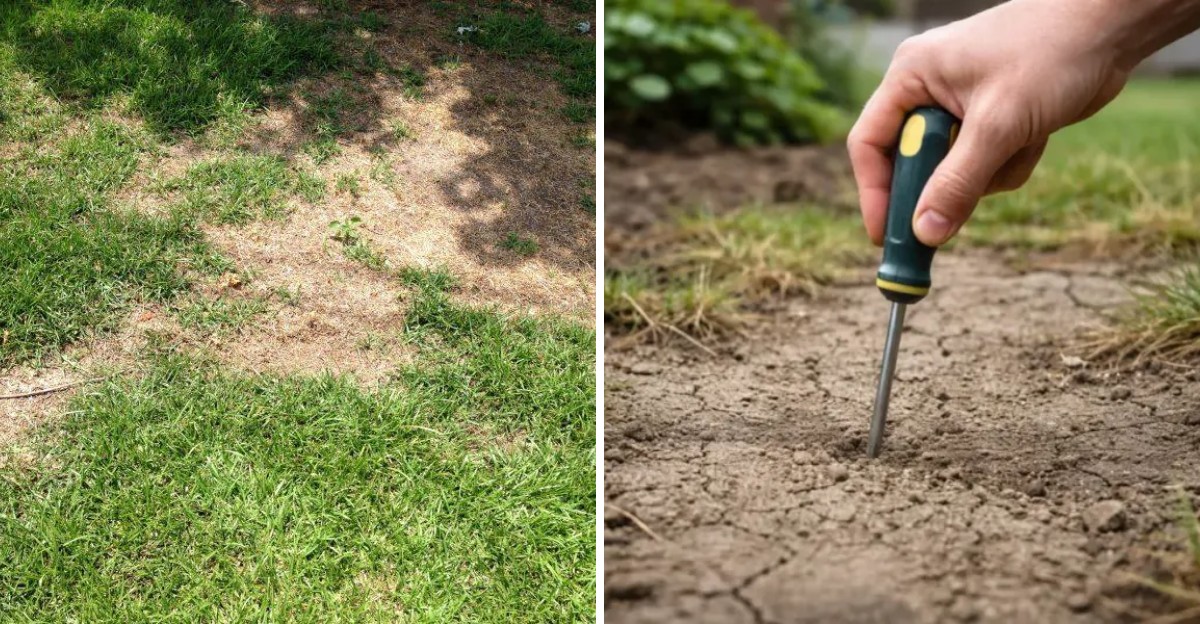
You watched the rain pour down and figured your crispy brown lawn was finally saved. Then the sun came out, and the grass still looked like a worn-out doormat.
The remnants of Hurricane Isaias dumped more than 4 inches on parts of Virginia earlier this month. For a yard that’s been parched since spring, though, one storm rarely tells the whole story.
Rain has to sink into the soil and reach living roots to make a difference. Several sneaky problems can block that from happening, and most of them hide right under your feet.
Others simply come down to patience, timing, and a little smart yard work this fall. Most thirsty lawns can bounce back with the right steps.
Find out what’s really going on beneath that tired turf and how to bring the green back before next summer.
Baked, Compacted Soil Sheds Water Instead Of Soaking It Up
Picture pouring a glass of water onto a kitchen counter. The water spreads and slides off because the surface has nowhere for it to go.
Compacted soil acts a lot like that counter. Tiny soil particles get pressed together until the spaces for air and water nearly vanish.
Virginia yards often sit on dense clay, which packs down easily. Foot traffic, mowers, kids playing, and old construction work all squeeze the ground tighter over time.
Summer heat makes things worse by baking that clay into something close to brick. When Isaias arrived, much of the rain simply sat on top or slid away.
You might notice the lawn looked soggy for a day yet still showed stress soon after. The surface got wet, but the root zone below stayed surprisingly dry.
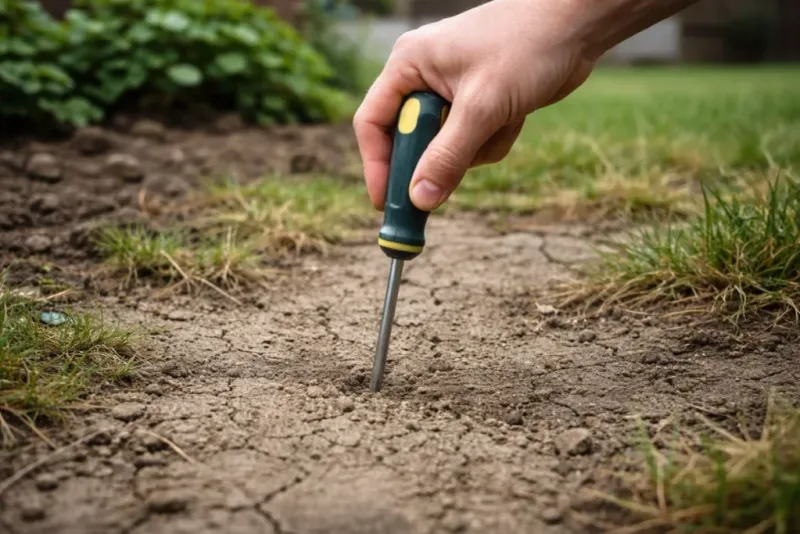
Here is an easy test you can try this week. Push a long screwdriver into the soil, and if it fights you after an inch or two, compaction is likely.
Grass roots cannot push through hard ground very well, so they stay short and weak. Loosening that soil, which we will cover later, is one of the best gifts you can give your yard.
Fast Rain Often Runs Off Before Reaching The Roots
Ever tried to drink a milkshake through a coffee stirrer? Most of it stays in the cup, no matter how thirsty you are.
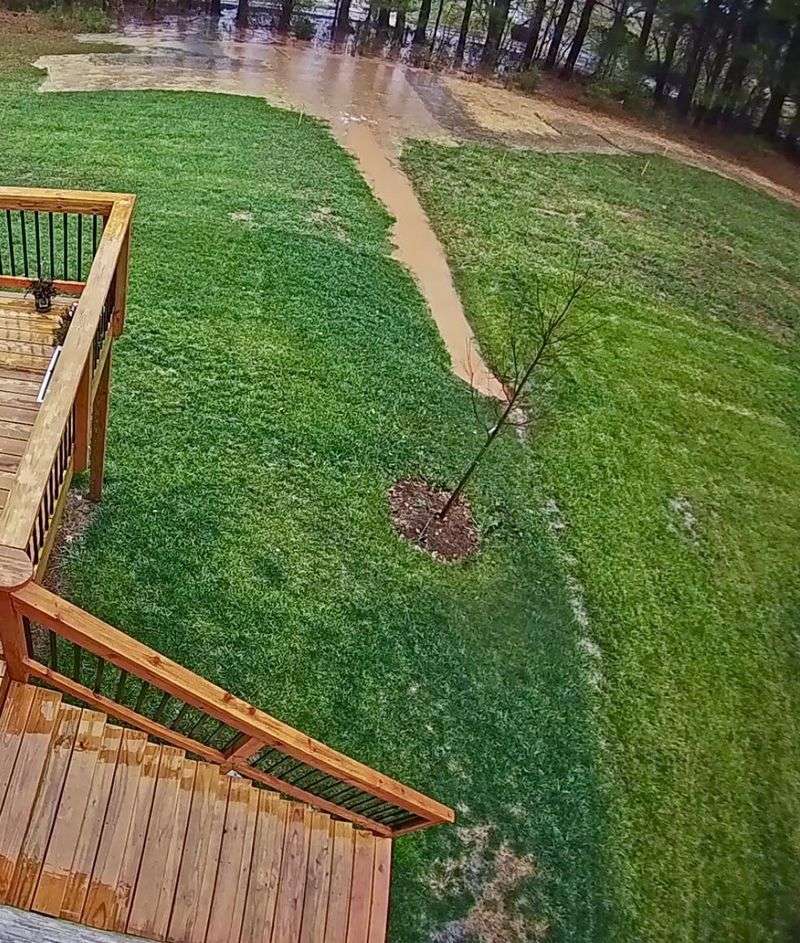
Dry clay ground has the same problem during a downpour. Water lands faster than the soil can drink, so it races across the surface instead.
Isaias delivered a lot of rain in a short window. Rain gauges may have shown several inches, but your grass likely received only a fraction of that.
Slopes make runoff even stronger, carrying water straight to driveways, gutters, and storm drains. Low spots might have flooded while higher patches stayed nearly as dry as before.
Watch your yard during the next hard rain if you can. Muddy streams flowing toward the street tell you water is leaving instead of soaking in.
Slow, steady rain is much kinder to a lawn than a wild tropical burst. A gentle all-day drizzle gives clay time to absorb moisture bit by bit.
Your Virginia Garden Changes Every Week. Your Plan Should Too.
Gardening in Virginia changes quickly throughout the season. Every Friday you’ll receive a simple weekly plan showing exactly what to plant, prune, fertilize, harvest, and protect so you never miss the right timing.
You can borrow that idea when watering by hand or with sprinklers. Shorter sessions with breaks in between help the ground keep up, and less water gets wasted down the sidewalk.
Dormant Fescue Needs Time To Wake Back Up
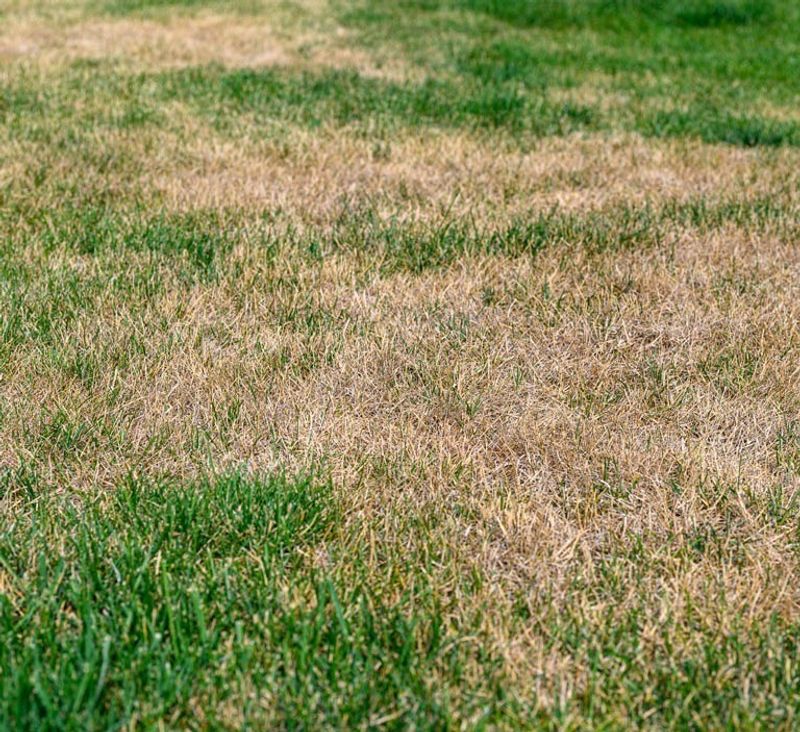
Good news first: that brown fescue may simply be napping. Tall fescue, the most popular grass across Virginia, often goes dormant during hot, dry stretches.
Dormancy is a clever survival trick, not a failure. The grass stops spending energy on green blades and protects its crowns and roots instead.
A healthy fescue lawn can ride out several weeks of drought this way. Once cooler nights and steady moisture return, new green shoots usually push up from the base.
Waking up takes time, though, so one storm rarely flips the switch overnight. Expect a gradual change over a couple of weeks, especially as October cools things down.
Try tugging gently on a brown clump to check its status. Firm resistance and pale, healthy crowns suggest the plant is resting and should recover.
Stay off dormant turf as much as possible while you wait. Foot traffic and tire tracks can crush crowns that are already working hard to hold on.
One more tip: avoid watering just enough to green it up, then letting it dry again. Bouncing in and out of dormancy drains the grass of stored energy.
Some Patches Were Lost To The Drought For Good
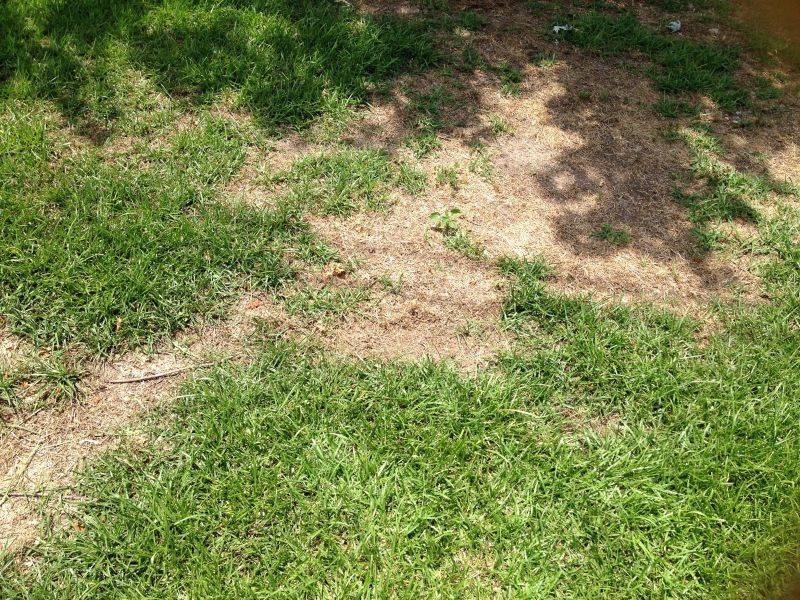
Sadly, not every brown spot is resting. Some patches simply did not make it through the long, hot weeks before the storm arrived.
Grass with shallow or weak roots had little protection when the soil dried out. Areas near driveways, sidewalks, and south-facing slopes tend to take the hardest hit.
Young grass planted last spring often struggles most. Seedlings rarely have deep enough roots to handle intense summer heat in their first year.
How can you tell the difference? Lost grass pulls up easily with brittle, crumbly crowns and no sign of fresh growth at the base.
Give the lawn about two weeks after good rain before making a final call. Spots that stay tan while the rest of the yard greens are probably gone.
Mark those areas with small flags or a quick phone photo. Having a map makes fall repair work much faster and helps you buy the right amount of seed.
Losing a few patches happens to almost every homeowner after a tough summer. Reseeding or laying sod will fill the gaps, and the next section explains another hidden culprit worth checking first.
Thick Thatch Can Block Water Like A Tarp
Imagine laying a thin tarp over your garden and then turning on the hose. Much of the water would bead up and roll away.
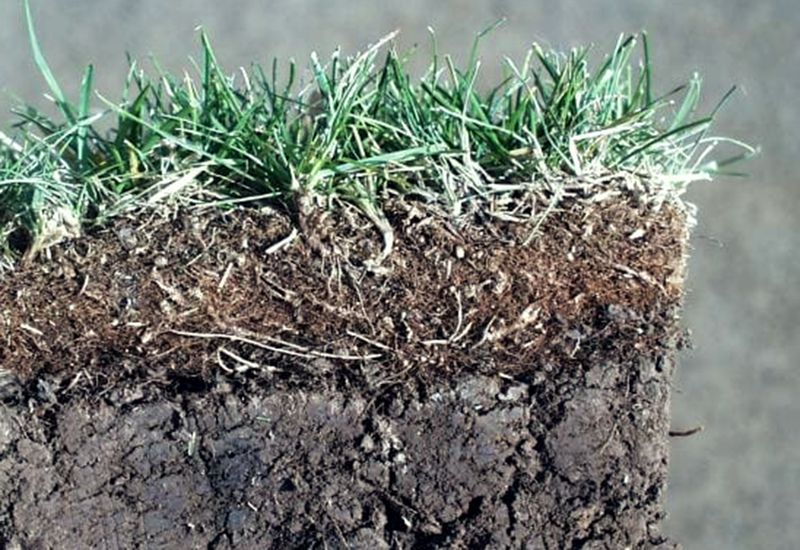
Thick thatch behaves in a similar way. Thatch is a layer of old stems, roots, and clippings that builds up between the grass blades and soil.
A little thatch is actually helpful, acting like mulch for your lawn. Under half an inch, it insulates the soil and holds moisture nicely.
Trouble starts once the layer grows thicker than that. Water, air, and nutrients get trapped above the soil instead of reaching the roots.
Dry thatch is also hard to rewet, much like a dried-out kitchen sponge. Rain from Isaias may have soaked the thatch and then evaporated before touching the ground.
Roots sometimes grow up into the thatch rather than down into the dirt. Those roots sit high and dry, so the grass suffers quickly in warm weather.
Check yours by cutting a small wedge of turf with a trowel. If the spongy brown band measures more than half an inch, plan to aerate or dethatch this fall.
Grub Damage Can Look A Lot Like Drought
Raccoons tearing up your yard at night might be trying to tell you something. They, along with skunks and birds, love snacking on lawn grubs.
Grubs are the young of beetles like Japanese beetles and June bugs. They look like plump, milky-white letters C curled up just below the surface.
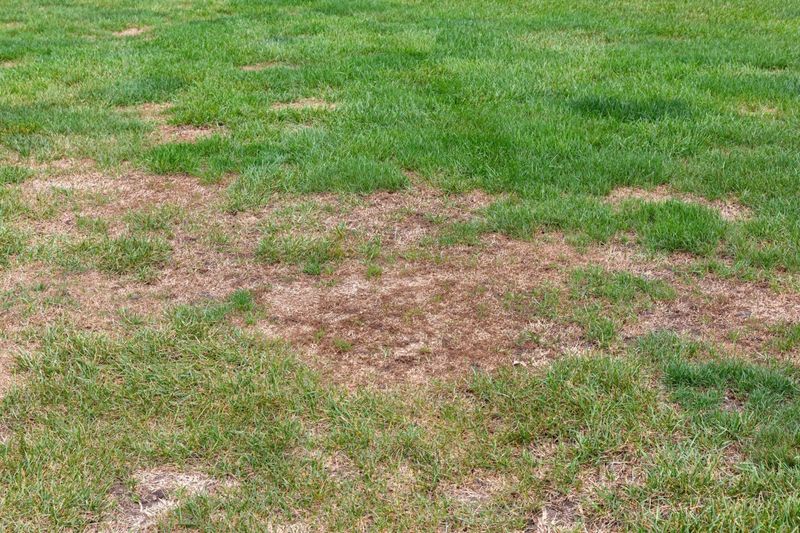
From late summer through fall, grubs munch on grass roots. Without roots, the grass cannot pull up water, so it browns even after heavy rain.
Homeowners across Virginia often mistake grub damage for drought stress. The irregular brown patches look almost identical from the porch.
Here is the giveaway, though. Grubby turf feels spongy and lifts up like a loose rug because nothing is anchoring it.
Dig a one-foot square in a damaged area to count them. Finding roughly ten or more grubs per square foot usually means treatment is worth considering.
Talk with a local garden center or your county extension office about options and timing. Treating at the right time matters, and healthy, well-watered grass also tolerates a few grubs better.
Shallow Roots Dry Out Again In Just Days
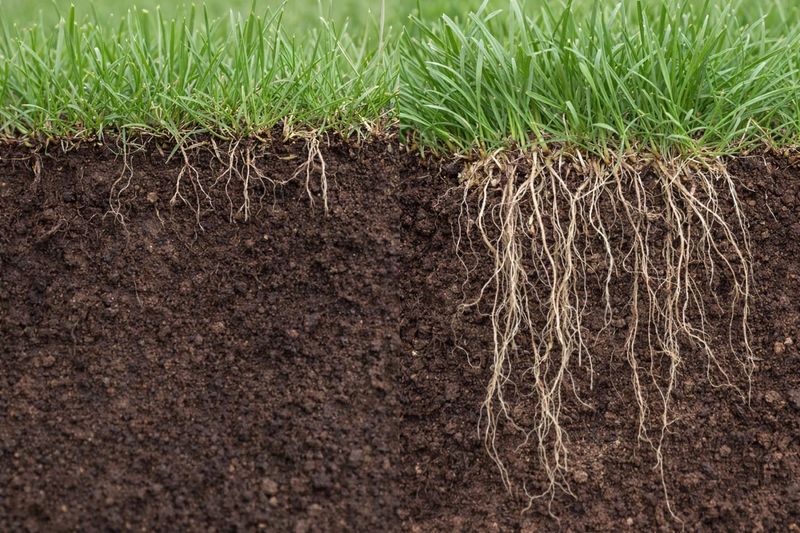
Some lawns perk up after a storm and then fade again within a week. Shallow roots are often the reason behind that frustrating cycle.
Light, frequent watering trains roots to stay near the surface. Why dig deep when a little sprinkle shows up every evening?
Unfortunately, the top inch or two of soil dries out fast in summer heat. Roots living there run out of moisture long before deeper soil does.
Think of shallow roots like a small water bottle. Deep roots work more like a big cooler, carrying the grass through longer dry spells.
Compacted clay and thick thatch can also keep roots shallow, so these problems often travel together. Fixing one usually helps the others improve too.
Want a quick peek? Use a shovel to lift a slice of turf, and look at how far the white roots reach.
Healthy fescue roots can stretch several inches deep, sometimes much more. If yours barely pass two inches, switch to deeper, less frequent watering and plan some fall aeration to help them grow down.
Core Aeration Opens The Door For Water
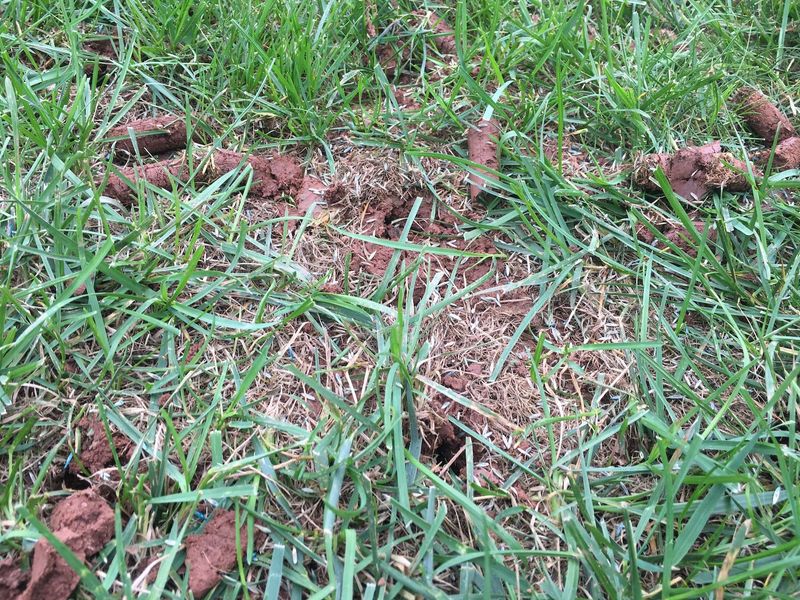
Those little dirt plugs scattered across a neighbor’s yard each fall are not a mess. They are a sign of one of the smartest lawn chores around.
Core aeration uses a machine to pull small cylinders of soil out of the ground. Each hole loosens packed clay and creates a path for water, air, and food.
After aerating, rain soaks in instead of sliding away. Roots also find it easier to stretch deeper, which builds toughness for next summer.
Aeration helps with thatch too. Soil from the plugs mixes into the thatch layer, adding helpful microbes that break it down over time.
For cool-season lawns, early fall is the sweet spot. Grass grows actively then and recovers quickly before winter.
Water the lawn a day or two ahead so the tines can dig deeper. Leave the plugs on the grass, since they crumble back into the soil within a couple of weeks.
Many hardware stores rent aerators by the day. Splitting the cost with a neighbor makes the job cheaper and turns a chore into a team project.
Bare Spots Need Seed Now Or Next Fall
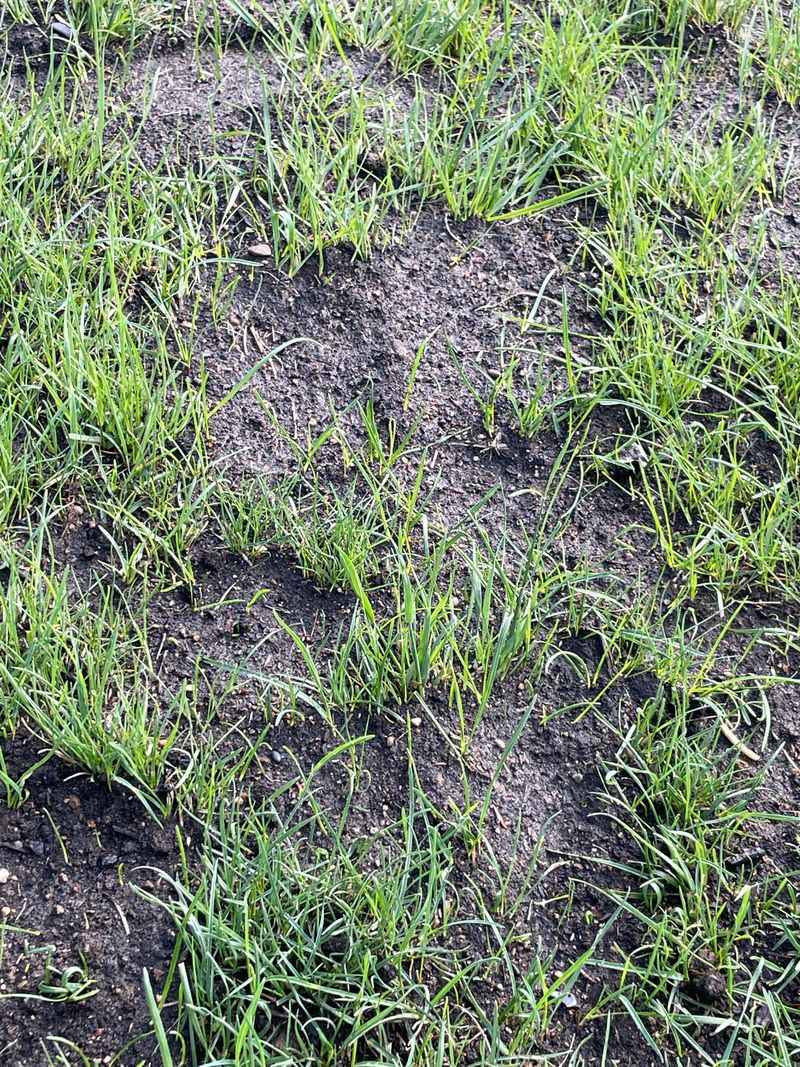
Timing is everything when patching a lawn here. Late summer into mid-fall is the best seeding window for fescue in Virginia, with mountain lawns finishing earliest.
In the Piedmont or on the coast, you may still squeak in a seeding now; otherwise, plan for next fall.
Warm soil helps seeds sprout quickly during those weeks. Meanwhile, cooler air keeps young grass from frying the way it would in July.
Fall seeding also gives new roots months to settle in before winter. By spring, those baby plants have a solid head start.
Spring seeding sounds tempting, but it usually disappoints. Seedlings face summer heat and aggressive weeds before their roots are ready.
Crabgrass preventers add another snag. Those spring weed products also stop grass seed from sprouting, so you cannot easily use both at once.
Prep makes a big difference in success. Rake bare spots to loosen the top layer, spread seed evenly, and press it in lightly so it touches soil.
Keep the seedbed damp with light daily watering until sprouts appear. Need a fix sooner than fall?
Laying sod works for quick coverage, though it still needs regular watering to root in.
Water Deeply If Dry Weather Returns
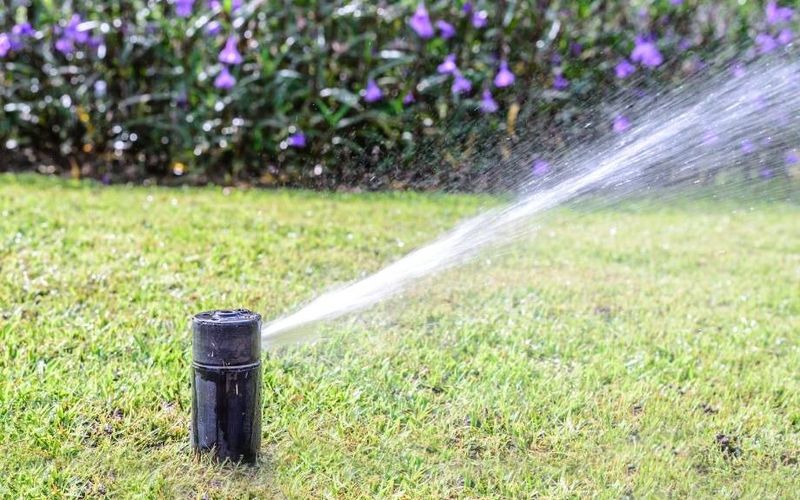
Storms come and go, but dry spells have a habit of sneaking back. A smart watering plan keeps all your hard work from fading.
Aim for about one to one and a half inches of water each week. That total includes rain, so check the forecast before turning on the sprinkler.
Water once or twice a week rather than daily. Deep soakings reaching six to eight inches down encourage roots to follow the moisture.
Early morning, roughly between 4 and 10 AM, works best. Less water evaporates, and grass blades dry before evening, lowering the chance of fungus.
Virginia clay drinks slowly, so try a cycle and soak approach. Run sprinklers for fifteen or twenty minutes, pause an hour, then repeat.
Not sure how much you are applying? Set a few empty tuna cans around the yard and time how long they take to fill one inch.
Aim sprinkler heads at grass, not driveways or sidewalks. With deeper roots, looser soil, and better habits, your lawn will be ready for the next big storm and the dry weeks after.