The Fall Fertilizing Secret Behind Virginia’s Greenest Lawns
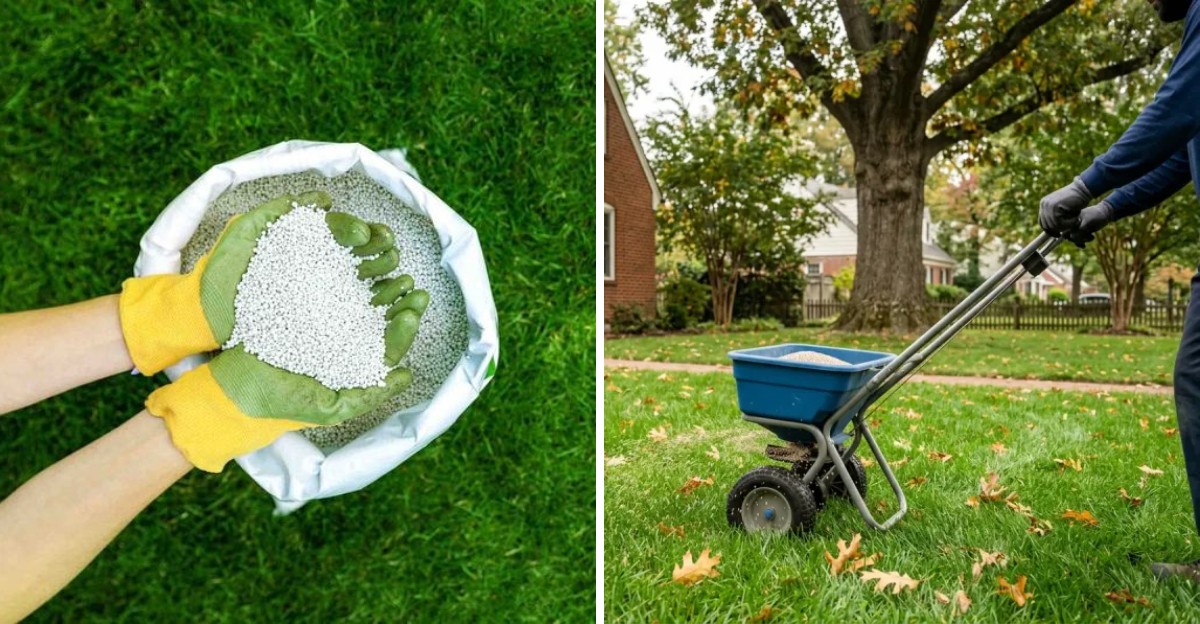
Your neighbor’s lawn looks like a golf course every spring, and you’re left wondering how. The secret isn’t luck or fancy tools.
It’s timing, plus knowing what grass craves when the air turns crisp. Across Virginia, the greenest yards get their real boost in autumn, not April.
While most people put the mower away, grass is building strength underground. That hidden work pays off when spring arrives, and the lawn bursts out thick and bright.
Feeding at the right moment, in the right amount, makes a huge difference. A few simple habits can turn a tired summer lawn into the envy of the block.
Turf experts and seasoned gardeners have this down to a science. Your grass has been waiting for you to figure it out.
Fall Is The Best Time To Feed Cool-Season Grass
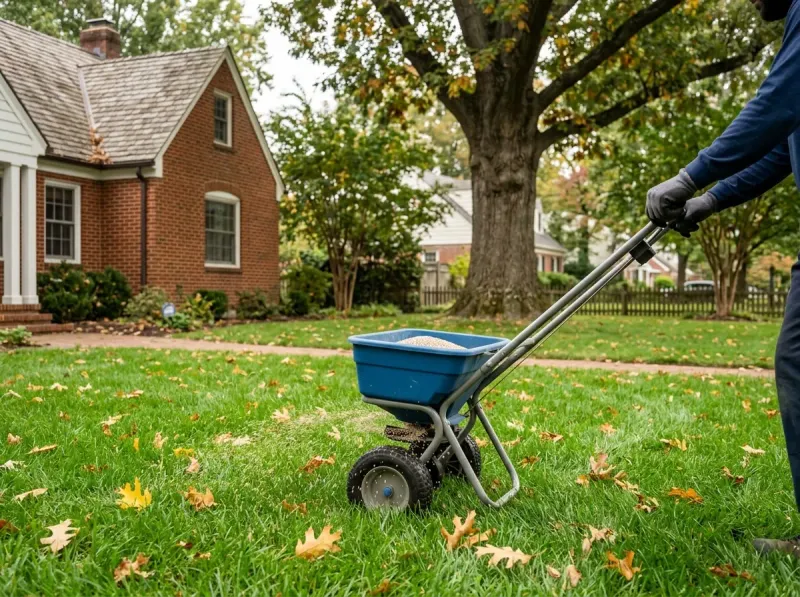
Ask any turf expert in Virginia, and they will point to autumn as the golden season. Cool-season grasses like tall fescue and bluegrass truly wake up when summer heat fades.
Summer is rough on these grasses because hot days and dry spells drain their strength. By September, many lawns look thin, tired, and patchy in spots.
Cooler air and more rain give grass the perfect chance to recover. Soil stays warm for weeks, so roots keep growing even as days get shorter.
Feeding during this window helps grass heal summer damage quickly. It also thickens the turf, which leaves less open space for weeds to sneak in.
Spring feeding often pushes fast leaf growth that you just end up mowing. Fall feeding sends energy downward, where it builds lasting strength below the surface.
Think of it like packing a lunch before a long trip. Your grass stores food now so it can handle winter and start spring strong.
Here is a handy clue for timing your first feeding. When nighttime temperatures start dipping into the 50s, your fescue is ready to eat.
Fall care also helps reduce disease problems that often show up in steamy summer months. A dense, healthy lawn simply resists trouble better than a weak one.
Many homeowners skip autumn chores because the yard seems finished for the year. Yet those quiet weeks are when the greenest lawns in the state are truly made.
Nitrogen Builds Roots And Stored Energy
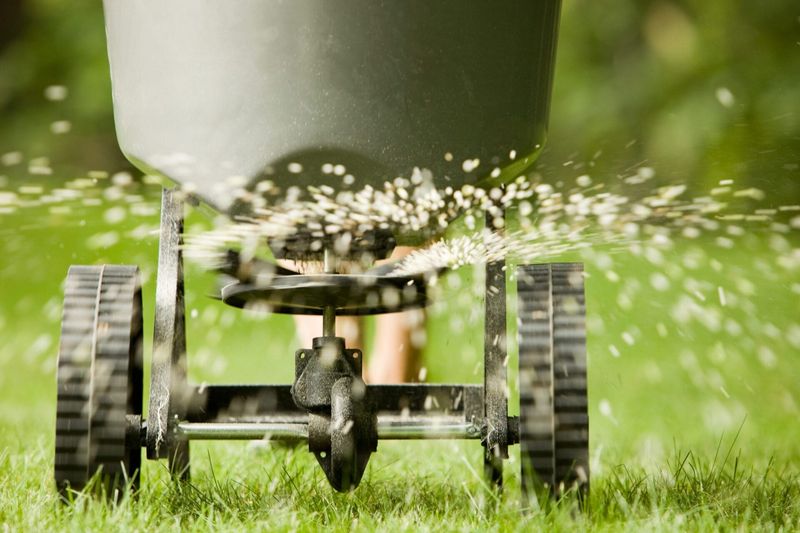
Picture nitrogen as the main course on your lawn’s dinner plate. Of all the nutrients grass needs, it uses this one the most.
Nitrogen helps grass make proteins and chlorophyll, the green stuff in every blade. More chlorophyll means richer color and better food-making from sunlight.
In spring, nitrogen mostly fuels quick leaf growth above ground. Autumn changes the game in a surprising and helpful way.
When grass gets nitrogen in fall, it uses that boost to grow deeper roots. It also stores extra sugars called carbohydrates inside its crowns and roots.
Those stored sugars act like a savings account for cold weather. Grass draws on them all winter, then spends the rest during spring green-up.
Your Virginia Garden Changes Every Week. Your Plan Should Too.
Gardening in Virginia changes quickly throughout the season. Every Friday you’ll receive a simple weekly plan showing exactly what to plant, prune, fertilize, harvest, and protect so you never miss the right timing.
Fun fact: grass blades slow their growth in fall long before roots do. Roots can keep growing in soil that stays above roughly 40 degrees.
That gap gives you a sneaky advantage as a lawn owner. You feed the grass, and most of the reward happens out of sight underground.
Deeper roots also mean a tougher lawn next summer. They reach water farther down, so your yard handles dry spells with less stress.
Look for the first number on a fertilizer bag to find nitrogen content. A bag labeled 16-4-8 contains 16 percent nitrogen by weight.
Knowing that number helps you figure out exactly how much product your yard needs. Simple math now prevents wasted money and unhappy grass later.
Spread Feedings Out From September Through November
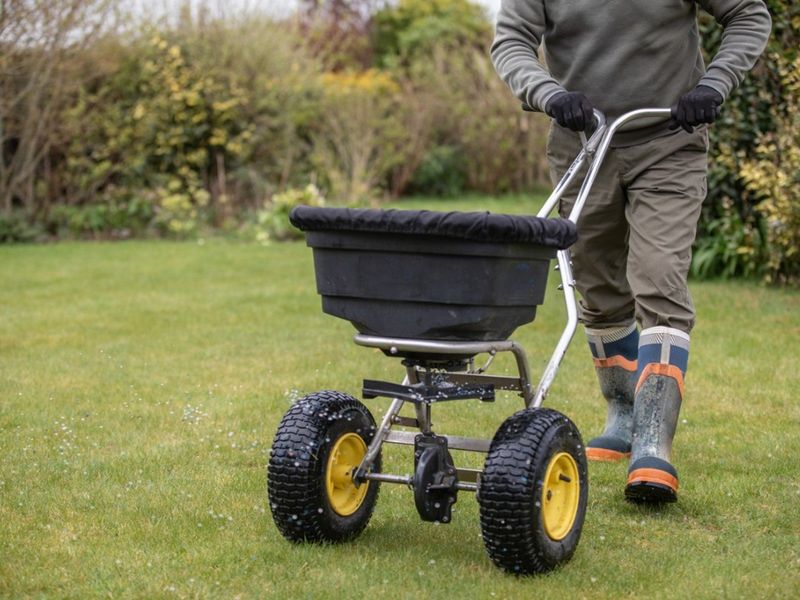
Grab a calendar, because timing turns a decent lawn into a great one. Virginia experts suggest splitting fall feeding into a few smaller rounds.
The first meal often goes down between mid-August and mid-September. Grass is shaking off summer heat and ready to start rebuilding.
A second feeding works well around the middle of October. By then, roots are busy growing and soaking up every bit of help.
The final round usually lands between November 1 and November 15. Leaves above ground slow down, but roots are still quietly working away.
Space each application at least 30 days apart. That gap gives grass time to use what it got before the next helping.
One easy trick is linking feedings to dates you already remember. Labor Day, Columbus Day, and Veterans Day make handy reminders for many families.
Try to wrap things up before Thanksgiving arrives. Fertilizer spread on cold, sleepy ground can wash away with winter rain.
That runoff matters a lot in this state. Extra nutrients flowing into creeks can end up in the Chesapeake Bay and harm its waters.
Planning ahead also saves you from rushed weekend chores. Buy your fertilizer early, check your spreader, and set reminders on your phone.
Spreading feedings out keeps grass steadily fed instead of stuffed and then starving. Your lawn rewards that patience with deep color come April.
Keep Each Application Moderate
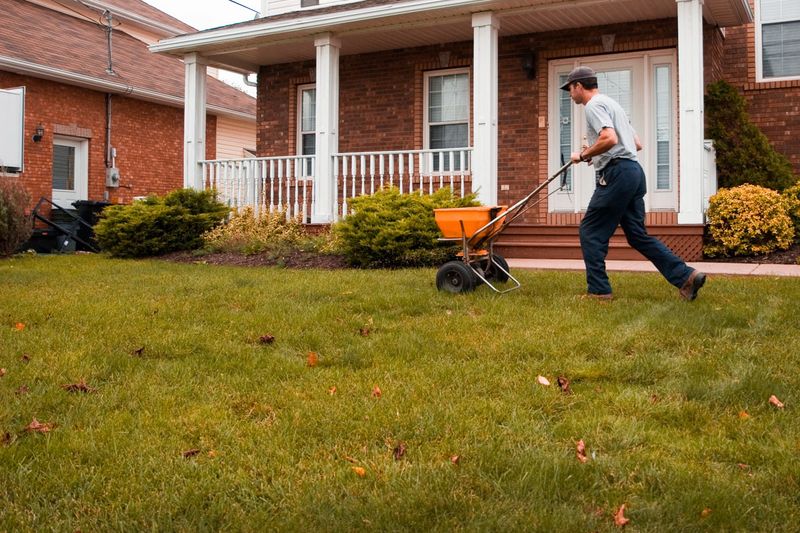
More is not better when it comes to fertilizer. Too much can burn grass, waste money, and pollute nearby streams.
Virginia Cooperative Extension offers a clear rule worth remembering. Apply no more than one pound of actual nitrogen per 1,000 square feet each time.
Most fall programs go even lighter than that limit. Early fall and mid-October feedings often use about 0.7 pounds per 1,000 square feet.
The November feeding drops down to around 0.5 pounds. Grass needs less then because its top growth has nearly stopped.
So how do you turn that into bags and scoops? Divide the nitrogen goal by the first number on the bag, as a decimal.
For a 16-4-8 product, divide 0.7 by 0.16. You get about 4.4 pounds of fertilizer for every 1,000 square feet.
Measure your yard first, since guessing often leads to overdoing it. A quick tape measure walk takes ten minutes and saves headaches.
A 4-1-2 ratio, like 16-4-8, matches what many lawns use. Still, a soil test can fine-tune those other numbers for your yard.
Spreading in two passes at half rate gives more even coverage. Walk north to south, then east to west to avoid striped lawns.
Sweep any granules off sidewalks and driveways right away. Those stray bits wash into storm drains and never reach your grass.
Slow-Release Nitrogen Lasts Longer
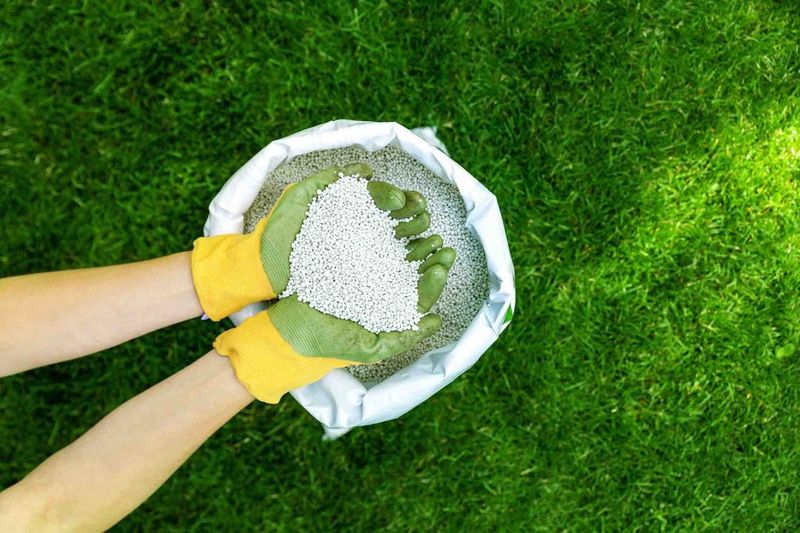
Imagine eating your whole week of meals in one sitting. Fast-acting fertilizer can do something similar to your grass.
Quick-release nitrogen hits the lawn all at once. Grass grows in a sudden rush, then runs low again within a few weeks.
Slow-release nitrogen works more like a steady drip. It feeds grass a little at a time over many weeks.
That gentle pace helps grass actually use what you give it. Less nitrogen slips away into groundwater or nearby ditches.
You also lower the risk of burning your turf. Those scorched yellow streaks often come from too much quick nitrogen in one spot.
Reading the label helps you find the good stuff. Look for words like slow-release, controlled-release, or water-insoluble nitrogen.
Many experts suggest choosing a product with over 50 percent slow-release nitrogen. That percentage usually appears in the guaranteed analysis box on the bag.
Some granules have a polymer or sulfur coating around them. Moisture and soil warmth slowly break that shell, letting nutrients trickle out.
Others rely on soil microbes to free up the nitrogen. Organic choices like feather meal or composted products work this way.
Slow-release bags can cost a little more upfront. Yet you often need fewer emergency fixes, and your lawn stays evenly green longer.
For busy homeowners, steady feeding is a real gift. Your grass keeps eating while you rake leaves and enjoy football season.
A Soil Test Shows What Else Your Lawn Needs
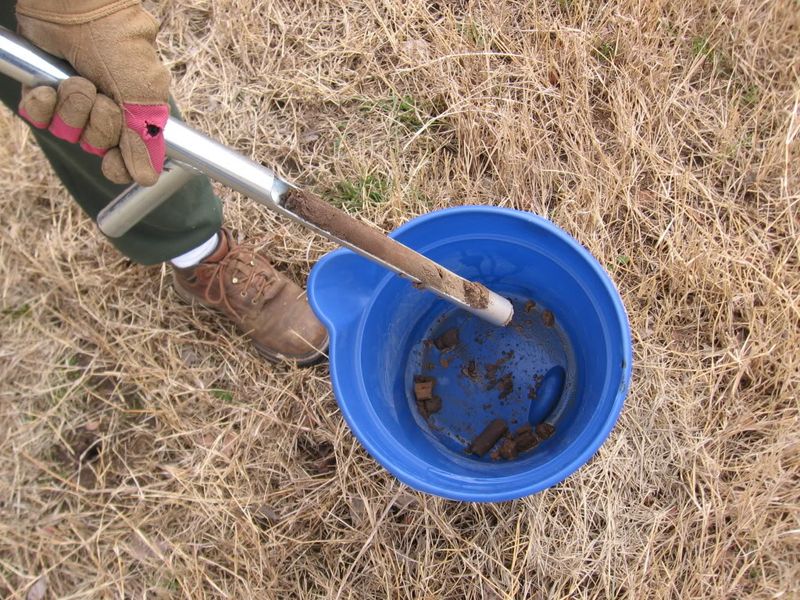
Guessing what your lawn needs is like buying medicine without seeing a doctor. A soil test gives you real answers for about ten dollars.
The Virginia Tech Soil Testing Laboratory handles samples from across the state. You can pick up free kits at local Extension offices and many public libraries.
Your report shows pH plus levels of phosphorus, potassium, and other nutrients. It also includes clear advice on fertilizer and lime amounts.
Here is a surprise many people miss. Standard tests usually do not measure nitrogen at all.
Nitrogen moves through soil too quickly for a single reading to help much. That is why extension guides give set nitrogen rates instead.
Collecting a good sample is easy. Use a trowel or probe to grab soil from about four inches deep.
Gather 10 to 15 small samples from around the yard. Mix them in a clean bucket, then fill the box from that blend.
Skip spots near driveways, fire pits, or recent fertilizer spills. Those areas can throw off your whole report.
Plan on testing every three to four years. Soil changes slowly, so frequent tests are rarely needed.
Fall is a smart time to send samples. Labs tend to be less busy, and results arrive in time for lime decisions.
Keep old reports in a folder. Comparing them over the years shows whether your care plan is truly working.
Fall Is Ideal For Adding Lime If Needed
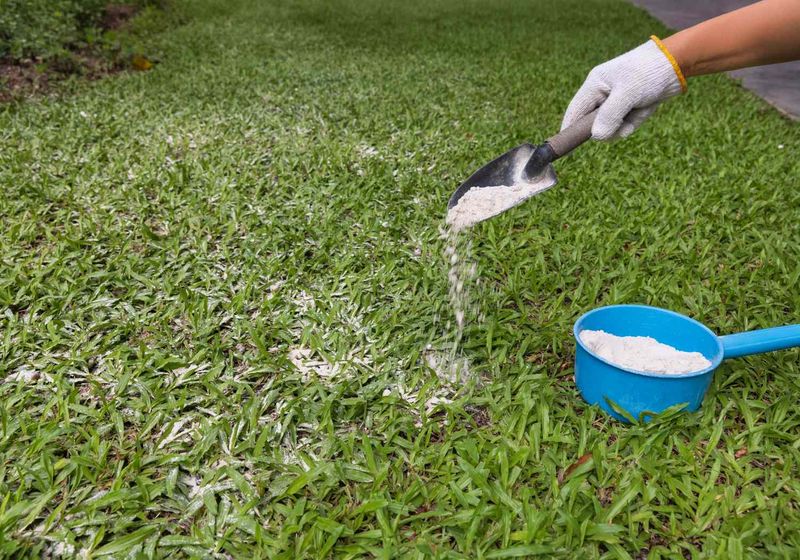
Much of the soil in Virginia leans sour, and grass notices. Rainfall and natural minerals push many yards toward acidic conditions over time.
Lime helps sweeten that soil by raising its pH. Grass then gets better access to nitrogen, phosphorus, and potassium already in the ground.
Think of pH like a lock on a pantry door. When it sits too low, nutrients are there but hard to reach.
Tall fescue and other cool-season grasses do best around pH 6.3 to 7.0. Below that range, even good fertilizer may not deliver full results.
Lime works slowly, often taking several months to change soil chemistry. Spreading it in fall gives it a long head start.
Autumn rain and winter freezes help it move into the soil. By spring, your grass can start benefiting from the improvement.
Before buying a single bag, check your soil test results. Adding lime to soil that does not need it can cause new problems.
Pelletized lime is easier to spread than the dusty powdered kind. It flows nicely through a regular lawn spreader with little mess.
Big jobs may call for splitting lime into two smaller rounds. Many guides suggest about 50 pounds per 1,000 square feet per application.
Lime and fertilizer can share the same season without trouble. Just follow your report so each product does its own job well.
Bermuda And Zoysia Should Skip Fall Feeding
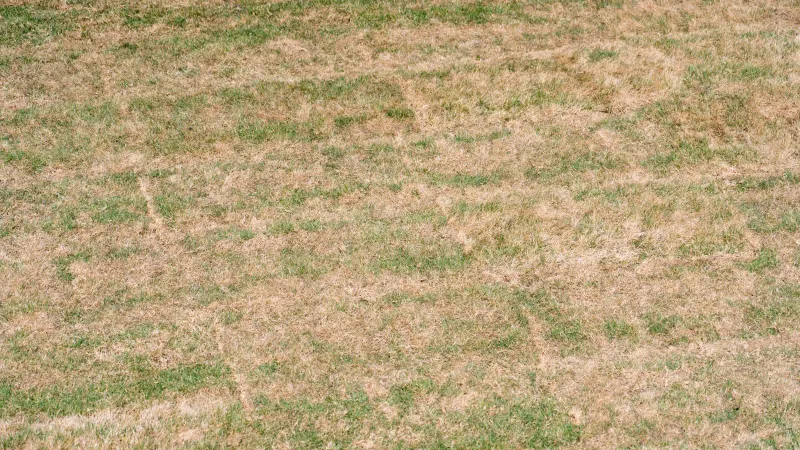
Not every lawn wants a fall feast. Bermuda and zoysia march to a totally different seasonal beat.
These warm-season grasses love the hot, sticky summers in Virginia. They grow fastest from late spring through August.
Once November arrives, they go dormant and turn a tan, straw color. They stay resting until warm weather returns around April.
Feeding them nitrogen in fall sends the wrong signal. Grass pushes out soft new growth right when frost is on the way.
That tender growth gets hurt easily by cold snaps. It also uses up stored sugars the grass needs to survive winter.
A weaker lawn often means a slow, patchy start next spring. Nobody wants that after a long, gray winter.
The usual feeding window runs from May through mid to late August. Mark your final nitrogen date and stick to it.
A potassium-rich product in early September can still help. Potassium boosts cold tolerance and supports sturdy roots without encouraging leafy growth.
Look for a bag with a big middle or last number. Something like 0-0-50 delivers potassium with no extra nitrogen.
Mixed lawns can get tricky when fescue and Bermuda share space. Identify your main grass type before planning any autumn feeding schedule.
Across the state, plenty of greener lawns come from knowing when to hold back. Sometimes the smartest move is simply letting warm-season grass rest.