The Overlooked October Watering Job Michigan Evergreens Need in a Dry Fall
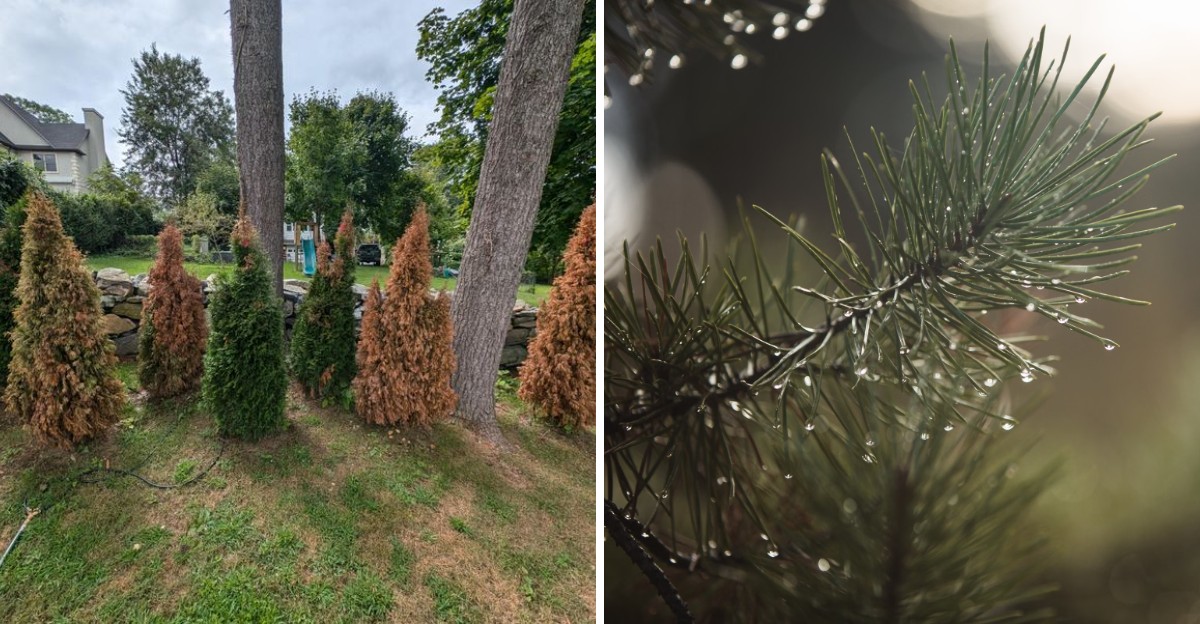
Those needled trees keep losing water all winter, even when the ground freezes as hard as a sidewalk. Their roots cannot sip a single drop from frozen soil, so they burn through whatever they stored earlier.
A dry Michigan autumn makes that problem worse, because the trees head into cold weather already thirsty. By late March, the damage can show up as crispy brown needles on the side facing the wind.
Personally, I learned this the hard way when my favorite front-yard tree turned rusty after one breezy winter. The fix turned out to be shockingly simple, and it costs little more than a garden hose.
You need to handle it during the next few weeks, before the ground locks up for the season. So, are your trees heading into winter with a full tank or a nearly empty one?
1. One Deep Soak Gives Your Trees A Winter Reserve
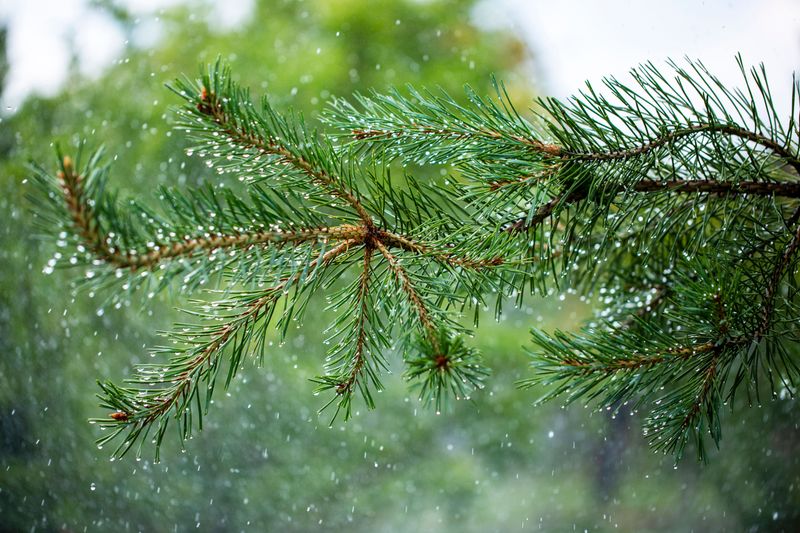
Unlike maples that drop their leaves, evergreens hold onto foliage all winter and keep losing moisture. Sun and wind pull water out of needles on bright January days, much like laundry drying outside.
The trouble starts once the soil freezes, because roots cannot pull up fresh water to replace it. Whatever moisture the tree stored in fall becomes its only supply until the ground thaws in spring.
That is why a deep October soak matters so much across Michigan yards, especially after a dry stretch. Think of it as packing a water bottle for a long hike through cold, windy country.
Michigan State University Extension experts recommend watering evergreens well until the ground freezes in a dry fall. Rain alone often falls short, since a light shower barely wets the top inch of soil.
I like to push a screwdriver into the soil near my spruce to see how dry it feels. If it resists or comes out dusty, the tree is asking for a long, slow drink.
Pines, spruces, firs, arborvitae, yews, and boxwoods all benefit from this simple autumn habit before winter. A single afternoon with the hose now can save you months of worry about brown, scraggly branches.
2. Your Soil Tells You The Fall Has Been Too Dry
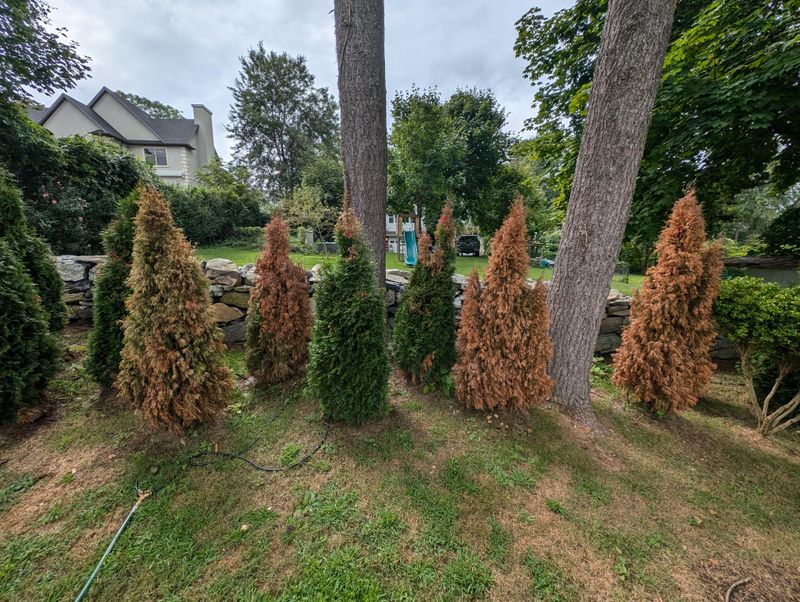
Last October my lawn crunched underfoot like cornflakes, and that sound told me my trees were thirsty too. Grass often shows drought stress first, so it makes a handy early alarm for nearby evergreens.
Checking the soil itself gives a clearer answer than guessing from the sky or the weather app. Dig a small hole about six inches deep near the edge of the branches with a trowel.
Squeeze a handful of that soil and notice whether it holds together or falls apart like sand. Crumbly, pale, and dusty soil at that depth means your trees need help before the freeze arrives.
The trees drop hints as well, though they can be subtle if you are not looking closely. Watch for curling needles, browning tips, or more yellow inner needles falling than you usually see.
Your Michigan Garden Changes Every Week. Your Plan Should Too.
Gardening in Michigan changes quickly throughout the season. Every Friday you’ll receive a simple weekly plan showing exactly what to plant, prune, fertilize, harvest, and protect so you never miss the right timing.
Broadleaf evergreens like rhododendrons and boxwoods often show stress earliest, with leaves that droop or roll inward. Some symptoms hide until spring, which is why trusting the soil test now makes more sense.
A rain gauge stuck in a flower bed is another cheap tool that keeps you honest about rainfall. If the weekly total stays under one inch for several weeks, you can call it a dry fall.
3. You Can Spare Your Trees From Ugly Winter Burn
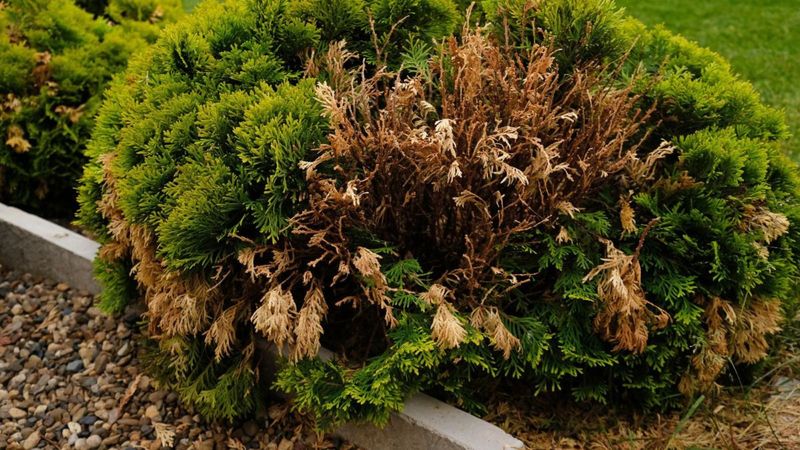
Nobody wants to stroll outside in April and find their arborvitae looking like a toasted marshmallow. That reddish-brown scorch has a name, winter burn, and dry fall soil often sets the stage for it.
Winter burn happens when needles lose water faster than the roots can replace it from cold ground. The side facing south or west usually suffers most, since sun and wind hit it the hardest.
Michigan winters bring plenty of bright days after snowfall, and snow reflects even more sunlight onto branches. That extra glare warms needles enough to lose moisture while the roots stay locked in frozen soil.
Road salt near driveways and streets adds more stress, pulling water away from roots like a sponge. Well-watered trees handle these extra pressures much better than ones that enter winter already parched and stressed.
Damaged needles may stay brown, and the branch tips can produce weaker, shorter growth the following season. Stressed trees can also become easier targets for insects and diseases that look for weak spots.
I believe a little patience helps here, because many browned evergreens push fresh green growth by June. Still, preventing the scorch with a deep October soak beats waiting and hoping for a comeback.
4. A Slow Trickle From Your Hose Works Best
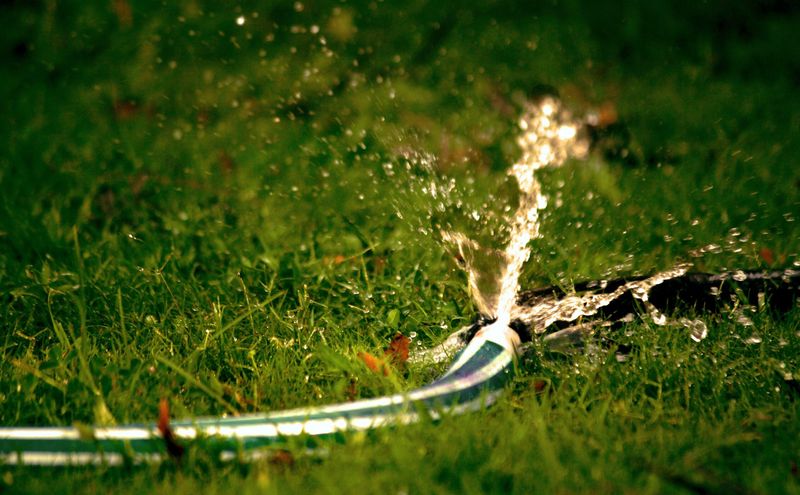
Grab the hose, but leave the fancy spray nozzle in the garage for this particular job. A gentle trickle from an open hose end lets water sink deep instead of running off the surface.
The goal is moist soil about six to twelve inches down, where most evergreen roots do their work.
Soaker hoses are another handy option, since they spread water slowly across a wider circle of roots. Coil one around the trunk in a loose spiral and let it run for an hour or two.
Soggy, puddled soil is not the target, because roots need air just as much as they need water. Heavy clay soils common in parts of Michigan drain slowly, so they usually need less frequent watering.
After soaking, spread a three to four inch layer of shredded bark or wood chip mulch underneath. Mulch works like a cozy blanket, holding moisture in the ground and softening sharp temperature swings.
Leave a few inches of bare space around the trunk so the bark stays dry and healthy. Piling mulch against the trunk like a volcano invites rot, rodents, and a pile of trouble.
5. Your Watering Calendar Runs Until The Ground Freezes Solid
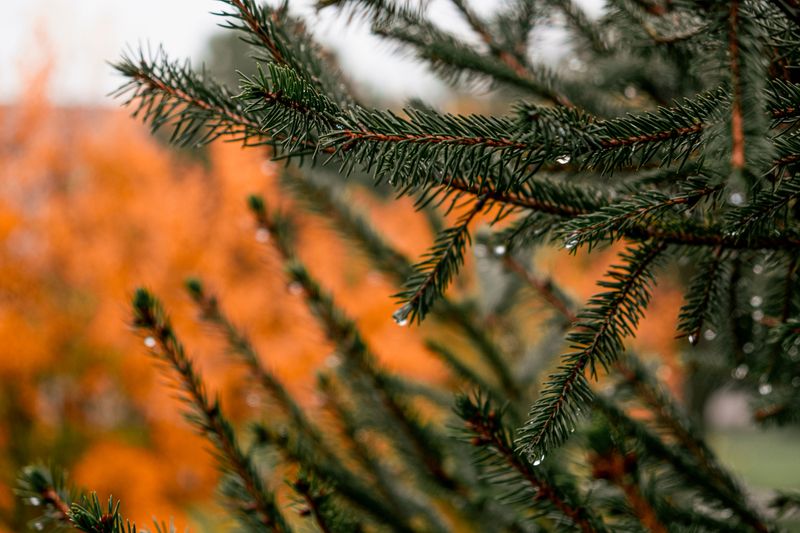
Early October is prime time to start, while the soil is still warm enough for roots to drink. Evergreen roots keep growing in fall until the soil gets very cold, long after top growth stops.
Aim for roughly one inch of water each week whenever rain fails to provide that much on its own. Older, established trees can often go two or three weeks between soakings during a dry spell.
Pick a day when temperatures sit above forty degrees, so water soaks in rather than freezing on top. Morning or midday watering works well, giving the soil time to absorb everything before chilly nights arrive.
In the northern Lower Peninsula and the Upper Peninsula, the ground often freezes earlier than downstate. Gardeners up north may wrap up by early November, while southern yards can keep going a bit longer.
Personally, I set a phone reminder every Saturday morning so the job does not slip my mind. Checking the soil with a trowel first keeps me from watering trees that already have plenty.
Once a shovel will not break the surface easily, you can coil up the hose for winter. Drain it fully before storing, or a frozen hose may split along the seams by January.
6. Those New Plantings Of Yours Deserve Extra Attention
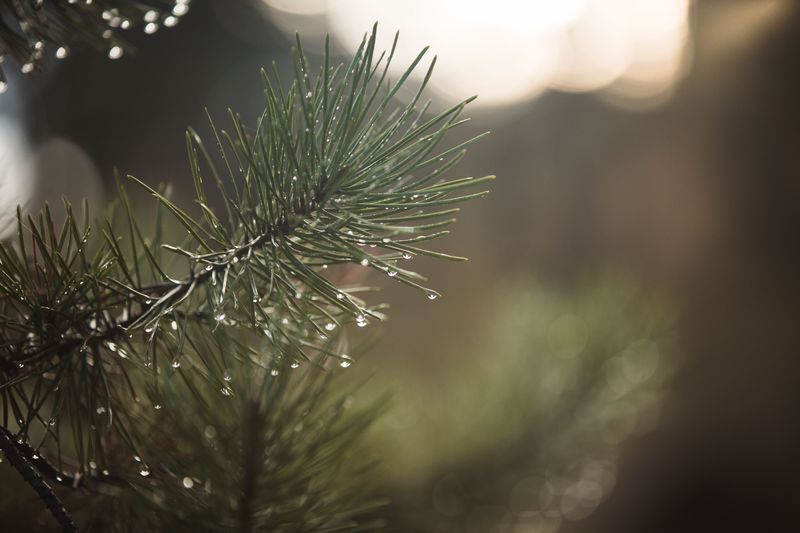
That cute little spruce you planted this summer is basically a toddler with very short arms. Its roots have not spread beyond the original root ball much, so it cannot reach distant moisture.
Young evergreens planted within the last year or two face the highest risk from a dry fall. Their small root systems dry out quickly, even when the surrounding lawn still looks fairly green.
Plan on watering these youngsters at least once a week whenever rainfall comes up short this month. Focus the water right over the root ball, since that is where nearly all their roots still live.
Nursery root balls often hold a different soil mix that dries faster than the native ground around it. Poke your finger right into that ball, because the nearby soil can fool you into skipping a session.
Steady moisture now encourages fresh root growth, which helps the plant anchor itself before the hard freeze. A stronger root system this fall usually means a fuller, greener plant when warm weather returns.
Some nurseries offer replacement guarantees, but a parched, neglected tree may not qualify for one next spring. A few weekly soakings protect your investment and save you a second trip to the garden center.
7. You Can Shield Your Trees From Harsh Winter Winds
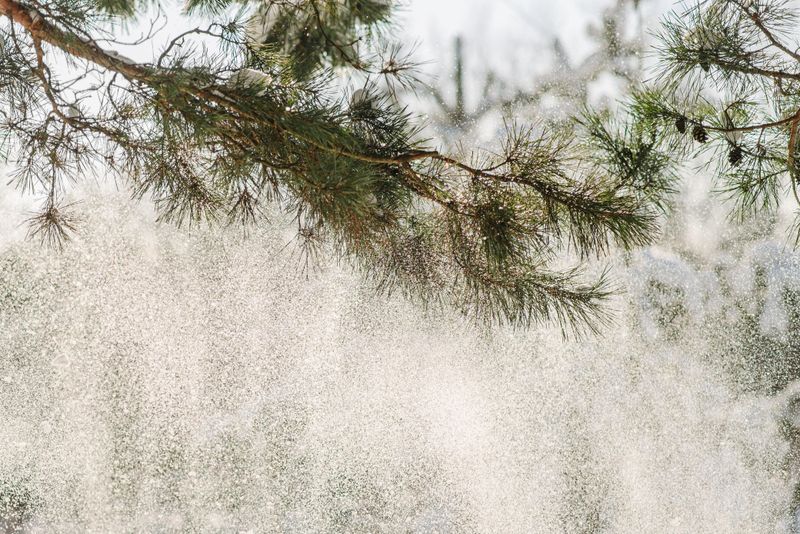
Water does the heavy lifting, yet a few extra steps can give your evergreens a real edge this winter. Think of these tricks as a scarf and mittens for trees that face the wind all season.
Burlap screens set up on the windy side of young or exposed plants cut down on drying gusts. Leave a little space between the fabric and the branches so air can still move around freely.
Anti-desiccant sprays add a waxy coating that helps needles hold onto moisture through the coldest stretch. Apply them on a mild, dry day in late fall, and follow the label directions closely.
Skip fertilizer this late in the season, because it can push tender new growth that freezes easily. Your trees are trying to harden off now, and a nitrogen boost only confuses that natural process.
Upright arborvitae and junipers can splay open under heavy snow, leaving gaps that rarely close back up. Loosely tying the branches together with soft garden twine helps them shed snow instead of breaking.
I can’t imagine skipping these simple chores now that I have seen how much healthier my yard looks. A deep drink plus a little shelter sends your evergreens into winter ready for whatever blows in.