Did Isaias Flood Your Virginia Garden? Why Those Vegetables May Not Be Safe To Eat
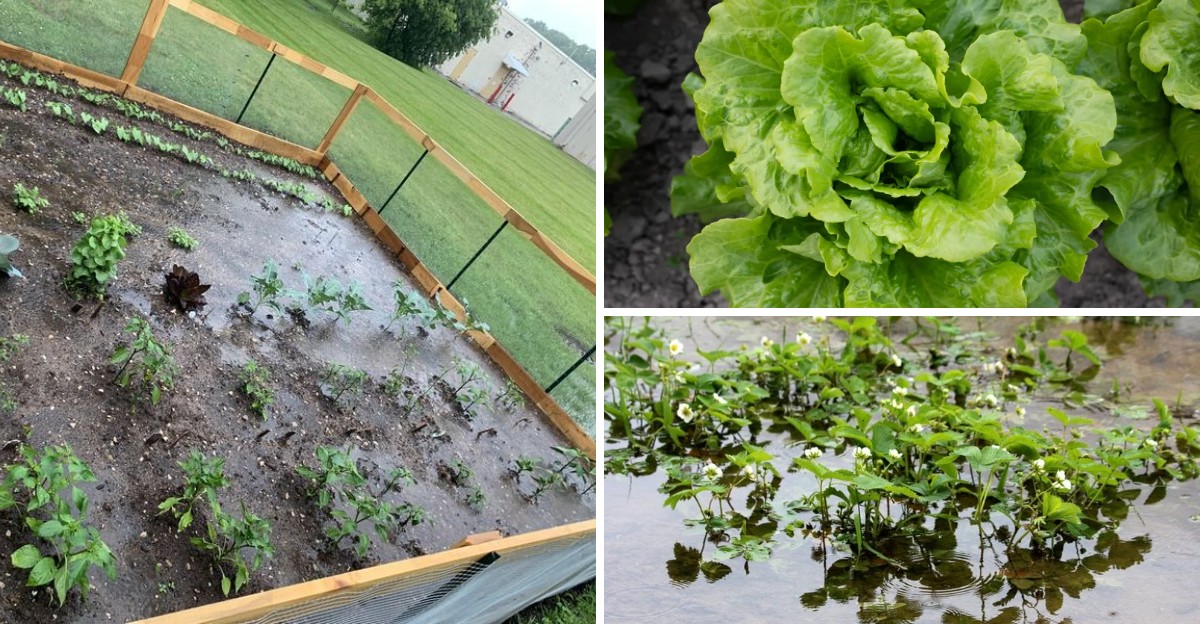
One stormy night can turn a proud backyard garden into a muddy mystery. When the remnants of Hurricane Isaias rolled through, some gardeners woke up to puddles where the lettuce used to be.
If your beds flooded, your plants might look fine once the water drains away. Looks can fool you, though.
Floodwater isn’t the same as a gentle soaking rain. It can carry things you can’t see, smell, or simply wash off.
Some vegetables may still be okay, while others belong in the trash right away. Knowing the difference can protect your family from a nasty stomach bug or worse.
Floodwater Can Carry Sewage And Chemicals
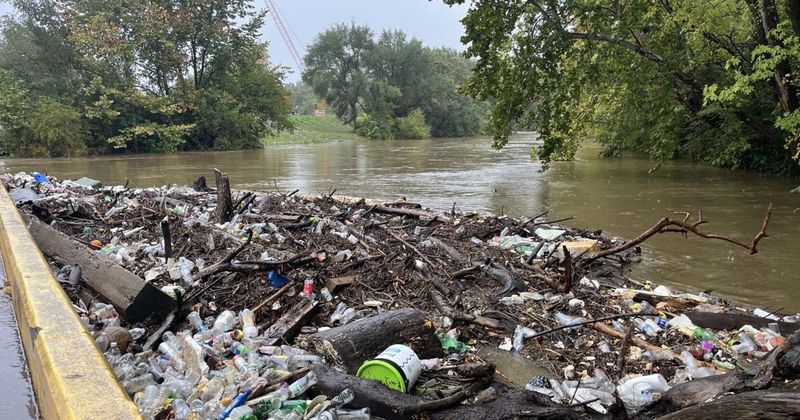
Picture a creek overflowing its banks and rushing through town. Along the way, it picks up whatever it touches, from street grime to septic leaks.
By the time that water reaches your garden, it is a murky soup. Experts warn it can hold germs like E. coli, Salmonella, Norovirus, and Hepatitis A.
Germs are only half the story. Floodwater can also carry gasoline, motor oil, pesticides, heavy metals, and runoff from farms or factories.
Many of these threats are invisible. Your zucchini might look shiny and green while hiding bacteria on its skin.
Sewage is a big worry in Virginia neighborhoods that rely on septic systems. When heavy storms swamp drain fields, waste can bubble up and travel with the water.
Animal waste joins the mix too. Runoff from pastures, chicken farms, and even pet areas can wash straight into backyard beds.
Here is a helpful tip for sizing up the damage. Look for a muddy line, debris, or a slick film on plants to see how high the water rose.
Take photos of that water line before you start cleaning. Pictures help you remember which plants were touched and which stayed dry.
Wear gloves and sturdy boots while you work in flooded soil. Small cuts on your hands or feet can let germs into your body.
Wash your hands well with soap afterward, even if you wore gloves. Keep kids and pets out of the garden until things dry and settle.
Rain-Soaked Soil Alone Isn’t The Problem
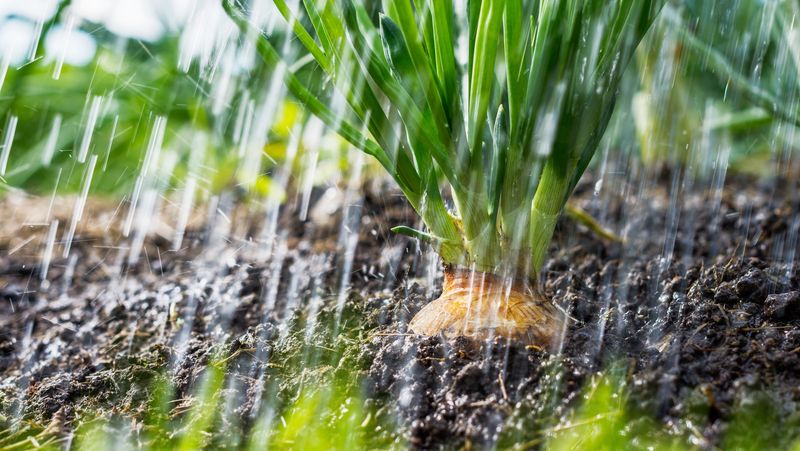
Good news first, because gardeners deserve some after a storm. Puddles from heavy rain are not the same as true floodwater.
Rain falls straight from the sky onto your yard. It soaks the ground and might pool in low spots, but it usually brings no sewage along.
Floodwater is a different beast. It comes from rivers, lakes, streams, or overflowing ditches outside your property line.
As that water travels, it gathers germs and chemicals from everywhere it passes. Your rain barrel never had that kind of journey.
So how can you tell which one hit your garden? Ask yourself where the water came from and where it went.
Did it rise from a nearby creek or roll down from the street? If so, treat it as floodwater and be careful.
Did it simply collect in a soggy corner after hours of rain? Then your veggies are likely fine to eat after a normal rinse.
Your Virginia Garden Changes Every Week. Your Plan Should Too.
Gardening in Virginia changes quickly throughout the season. Every Friday you’ll receive a simple weekly plan showing exactly what to plant, prune, fertilize, harvest, and protect so you never miss the right timing.
Soggy soil still brings its own troubles, though. Roots can rot in waterlogged beds, and fungal diseases love wet, warm weather.
Gently remove standing water if you can, and avoid stomping on wet soil. Walking on soaked ground packs it down and squeezes out air roots need.
Fun fact: plant roots breathe oxygen through tiny pockets in the soil. Too much water fills those pockets, which is why drowned plants droop and yellow.
Leafy Greens Touched By Floodwater Should Go
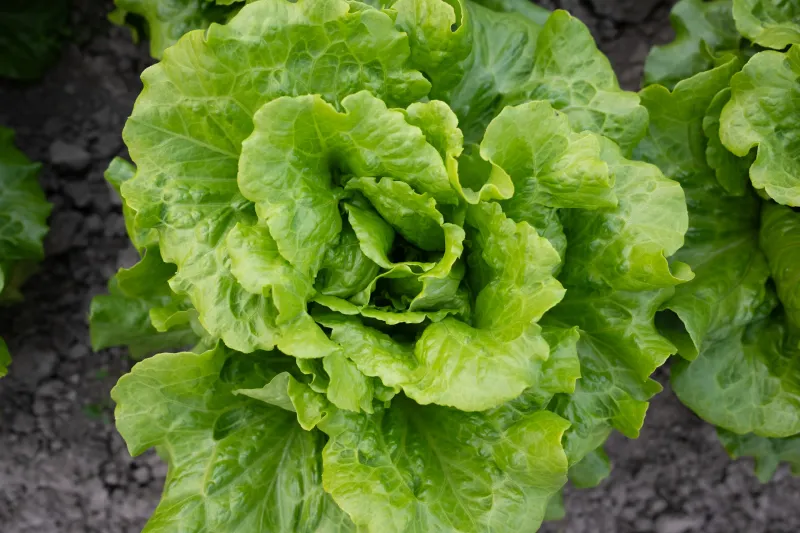
Lettuce has a secret talent for hiding dirt. Anyone who has found grit in a salad knows how stubborn those leaves can be.
Now imagine that grit is actually floodwater germs. Lettuce, spinach, kale, chard, and cabbage are packed with folds, ridges, and tiny crevices.
Bacteria can tuck themselves deep into those nooks. Some can even slip inside soft leaf tissue where no scrubbing can reach.
Leafy greens are also eaten raw most of the time. Without cooking, nothing stands between those germs and your stomach.
Food safety experts agree on this one. If floodwater touched your greens, pull them and toss them in the trash.
Skip the compost pile for these plants. Contaminated leaves could spread germs back into your garden soil later.
Bag them up instead and put them out with household garbage. Wear gloves while you work, and wash your tools afterward.
It stings to lose a crop you tended all summer. Still, a few heads of lettuce cost far less than a trip to urgent care.
Here is a cheerful thought for Virginia gardeners. Once your soil has rested over winter, early spring is a great time for a fresh crop of spinach and kale.
Root Crops Soak Up Contaminants Below Ground
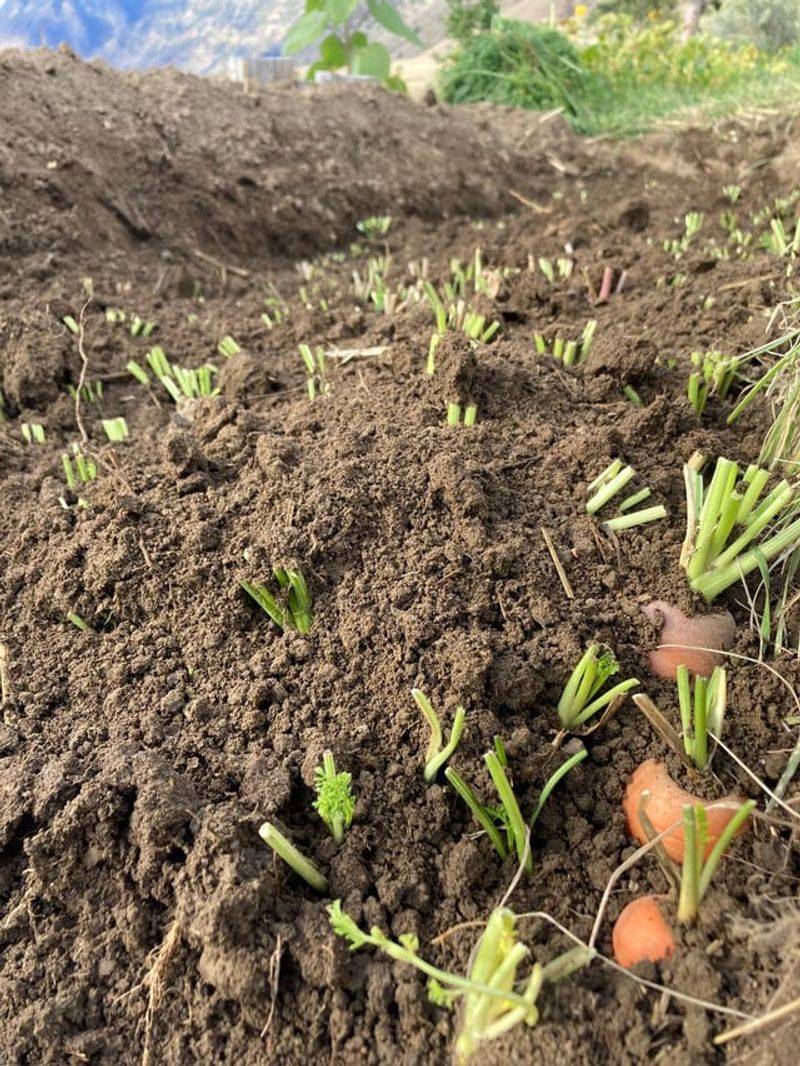
Carrots, beets, potatoes, and radishes spend their whole lives buried in dirt. When floodwater soaks that dirt, these crops sit right in the middle of it.
Root vegetables can pick up germs on their skins. Some contaminants may even be absorbed as the plant pulls in water.
Timing matters a lot here. If the crop was close to harvest, within about a month, the safest move is to toss it.
Crops meant to be eaten raw should also go. Think radishes in salads or carrot sticks for school lunches.
There is a small window of hope for younger plants. Roots that are still four to eight weeks from harvest may be okay later.
Extra growing time gives soil germs a chance to fade. Sunlight, drying, and natural soil life help break them down.
Even then, play it safe at the kitchen sink. Scrub each root well, peel it, and cook it thoroughly before eating.
Boiling, roasting, or baking adds a strong layer of protection. Heat knocks out many bacteria that washing alone would miss.
Write down the date your garden flooded. A simple note on the calendar helps you count the weeks before harvest.
Fun fact: a potato is not actually a root. It is a swollen underground stem called a tuber, but it faces the same flood risks.
Berries Splashed By Floodwater Aren’t Worth The Risk
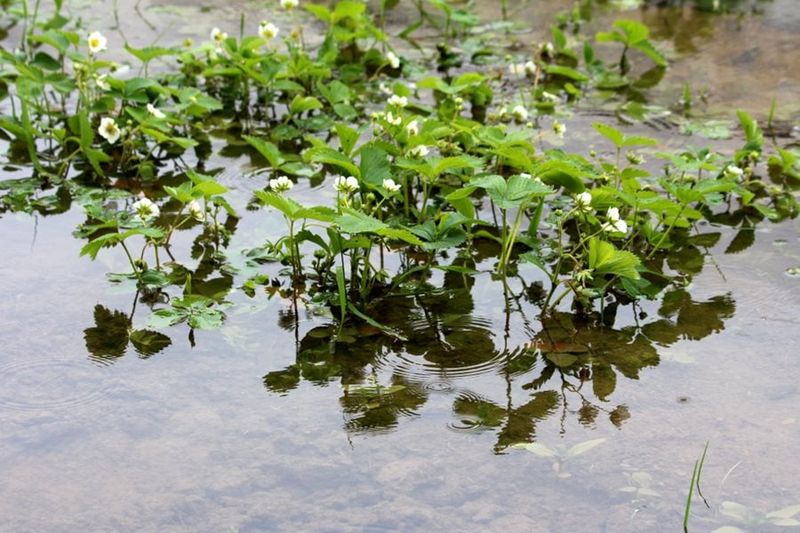
Few things beat a sun-warmed strawberry picked right off the plant. Sadly, flooding can turn that sweet treat into a gamble.
Berries are soft, bumpy, and full of tiny seeds and crevices. Strawberries grow low to the ground, so even a splash can reach them.
Raspberries and blackberries are no easier. Their little clustered bubbles create countless hiding spots for germs.
You cannot scrub a berry hard without turning it into jam. Gentle rinsing simply does not remove floodwater bacteria.
Most people eat berries fresh, too. No cooking means no backup plan if germs are clinging to the fruit.
So if floodwater touched or splashed your berries, let them go. Pick off any fruit on the plant now and throw it away.
The plants themselves may bounce back. Strawberry beds and bramble canes can often produce healthy fruit next season.
Clear away mud and debris around the base once things dry out. Fresh straw mulch keeps future berries off the soil.
Berry lovers have a bright side to look forward to. Many local pick-your-own farms grow fruit on higher ground and inspect fields carefully.
Visiting one can fill the berry gap while your patch recovers. Your kids might even enjoy the outing more than backyard picking.
Tall Crops Above The Water Line May Be Safe
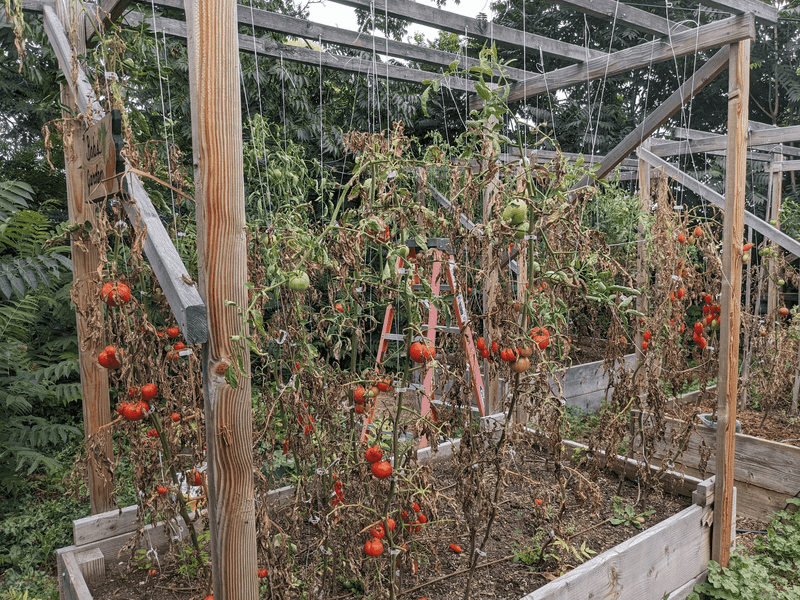
Your staked tomatoes might be the heroes of this story. Tall plants often keep their fruit well above rising water.
Sweet corn, pole beans, peppers on cages, and trellised cucumbers can fall into this group. The key question is simple: did water reach the edible part?
Start by finding the mud line on stems and stakes. Compare it to where the fruit or ears are hanging.
Fruit hanging high above that line has a better chance. Still, look closely for splash marks, dried mud, or silt on the skin.
Wind and rushing water can fling droplets surprisingly high. Any visible splatter means that piece should go in the trash.
Produce that passes inspection needs careful prep. Wash it well under running water, peel it when you can, and cook it.
Cooked tomato sauce or grilled corn adds an extra safety step. Heat helps handle germs that might have slipped past your eyes.
Leave fruit on the plant that was blooming during the flood. New growth that forms afterward is generally a safer bet.
Here is a smart habit for next season. Staking and trellising crops keeps produce off the ground in every kind of weather.
Gardeners in flood-prone parts of the state often swear by raised beds too. A few extra inches of height can make a real difference.
Bleach Won’t Make Flooded Produce Safe
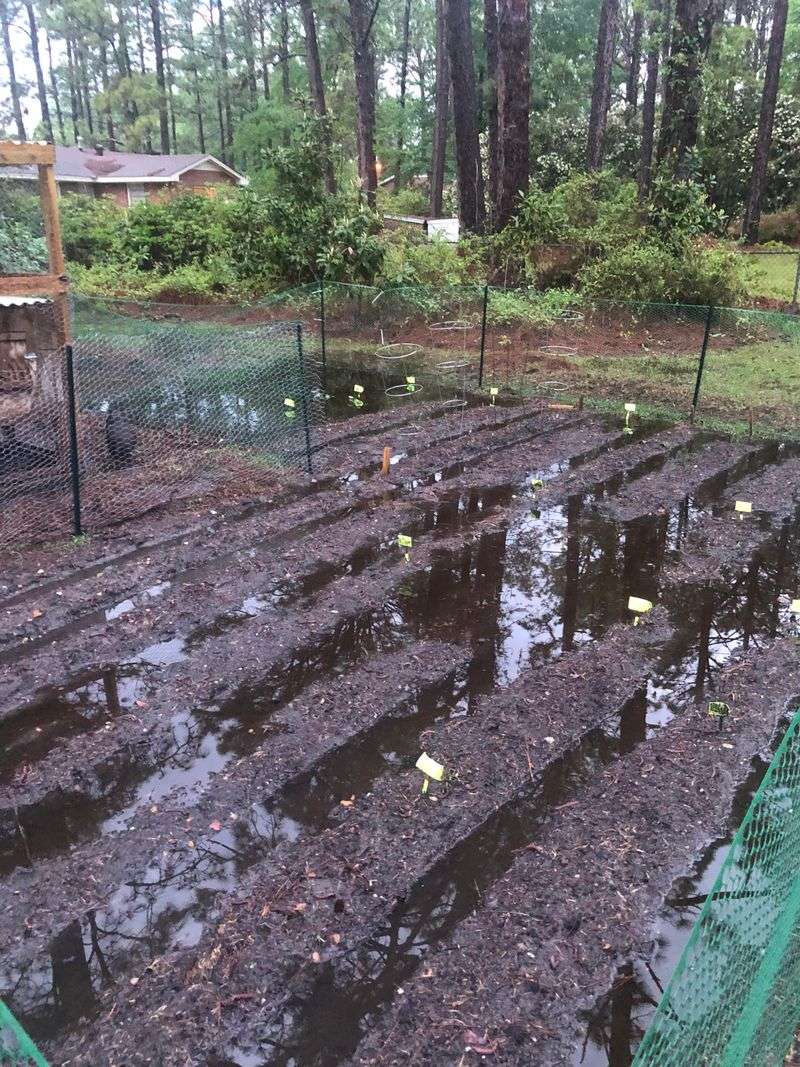
A splash of bleach sounds like a quick fix. Plenty of folks reach for it after a storm, hoping to rescue their harvest.
Unfortunately, bleach cannot undo floodwater damage on produce. It does not reliably remove germs hiding in crevices or soaked into plant tissue.
Chemicals are an even bigger problem. Bleach does nothing to wash away gasoline, pesticides, or heavy metals.
The FDA calls produce touched by floodwater adulterated. In plain words, it is considered unsafe to eat or sell.
You may see advice online about a weak bleach rinse. That tip is meant for produce that was only indirectly exposed, not soaked or splashed.
Even then, mixing bleach yourself is tricky. Too much can harm your stomach and leave a strange taste behind.
Fruit and veggie washes from the store have limits too. They help with everyday dirt but are not designed for flood contamination.
Save your bleach for cleaning instead. A diluted solution works well on garden tools, buckets, and harvest baskets.
Soak hand tools after scraping off mud, then rinse and let them dry in the sun. Clean gear helps keep germs out of future crops.
Quick reminder: do not mix bleach with ammonia or vinegar. Those combos release fumes that can seriously hurt your lungs.
Never Can Or Dry Flood-Damaged Vegetables
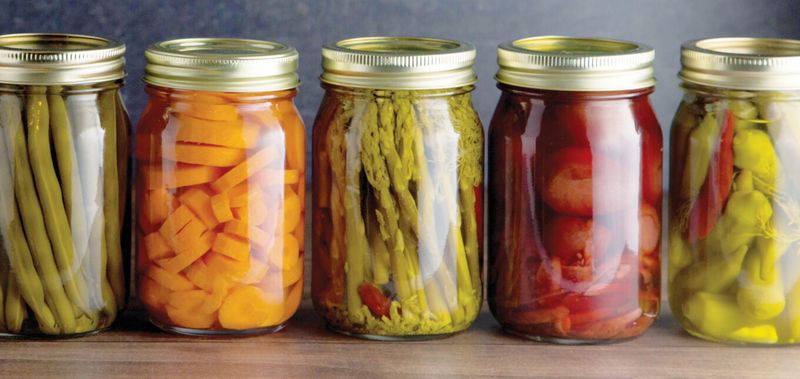
Grandma might have canned everything that grew in her yard. Her wisdom was golden, but flooded produce is one exception.
Some gardeners think preserving will save a soggy harvest. The logic goes that heat or drying should handle any germs.
Sadly, that is not how it works. Canning and drying are not designed to remove floodwater bacteria, viruses, or chemicals.
Home canning relies on starting with clean, healthy produce. Extra germs can overwhelm the process and lead to unsafe jars.
Sealed jars can even become cozy homes for certain bacteria. Some, like the one behind botulism, thrive without air.
Drying has the same weakness. A dehydrator removes water, but many germs and chemicals simply stay put.
Freezing will not fix things either. Cold slows bacteria down without wiping them out.
So keep flood-touched crops far from your pantry shelves. Your future self will thank you during winter soup season.
If you still want homemade preserves this year, buy fresh produce locally. Virginia farmers markets stay busy well into fall with tomatoes, peppers, and apples.
Check that your canning supplies stayed dry during the storm too. Lids, jars, and pressure canners stored in a flooded basement need a deep clean.
Wait Before Replanting In Flooded Soil
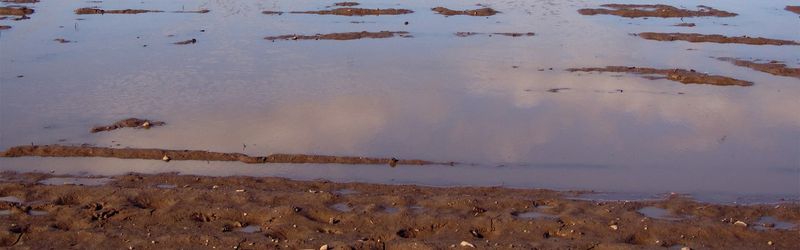
Patience may be the hardest garden tool to use. After a flood, it is also one of the most important.
Experts suggest waiting at least 30 to 60 days before replanting flooded beds. That pause gives soil germs and parasites time to fade away.
Sunshine, drying winds, and natural soil life all help. Each week brings your garden closer to a clean slate.
Suspect heavy metals or fuel spills? Lean toward the full 60 days, or even longer.
A soil test can offer peace of mind. Virginia Cooperative Extension offices can guide you on testing and next steps.
Use the waiting time wisely. Pull flood debris, rake away silt, and let the soil breathe.
Adding compost after the wait helps rebuild healthy soil. It feeds earthworms and helpful microbes that were disturbed by the water.
Plant a cover crop if replanting veggies feels too soon. Winter rye sprouts even in chilly weather, protecting bare soil until spring.
When it is time to plant, choose crops that will be cooked. Garlic can still go in by mid-November in warmer parts of Virginia, and onions and kale make great picks come spring.
When In Doubt, Throw It Out
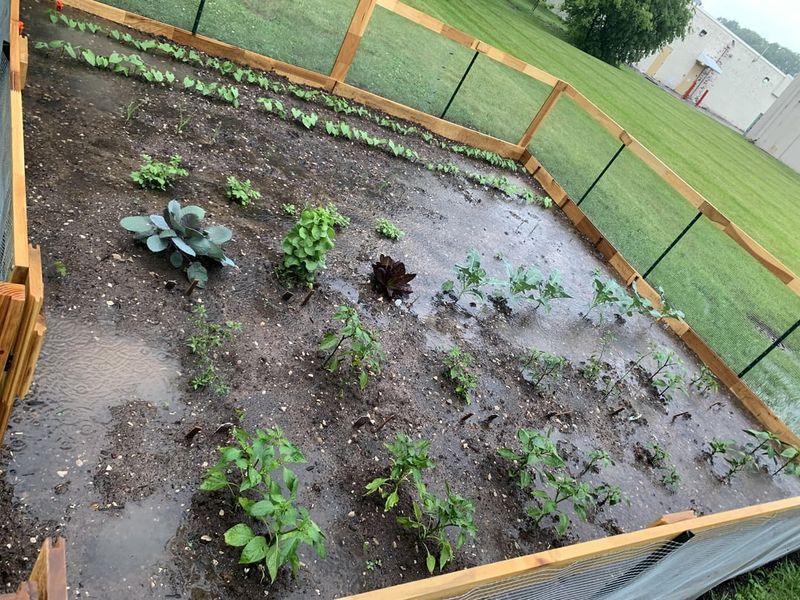
Every gardener knows the sting of tossing good-looking food. Sometimes the bravest choice is letting a harvest go.
The USDA and food safety experts share one clear message. Fruits and vegetables touched by floodwater are not safe to eat.
Germs and chemicals are hard to spot and harder to remove. No smell test or quick glance can tell you a tomato is clean.
Unsure whether the water reached a plant? Treat it like it did.
Children, older adults, and pregnant women face higher risks from foodborne illness. Protecting them is worth more than any basket of squash.
Watch for signs of sickness if someone ate questionable produce. Stomach cramps, fever, vomiting, or diarrhea are reasons to call a doctor.
Here is a practical way to sort your garden. Make three piles: clearly safe, clearly unsafe, and maybe.
Then move everything in the maybe pile to the unsafe side. That simple rule cuts down on stress and second guessing.
Losing crops after Isaias is frustrating for growers. Remember, though, that gardens are surprisingly resilient and often rebound within a season.
Take notes on what flooded and what stayed dry. Those lessons will help you plan smarter beds and stronger crops next year.