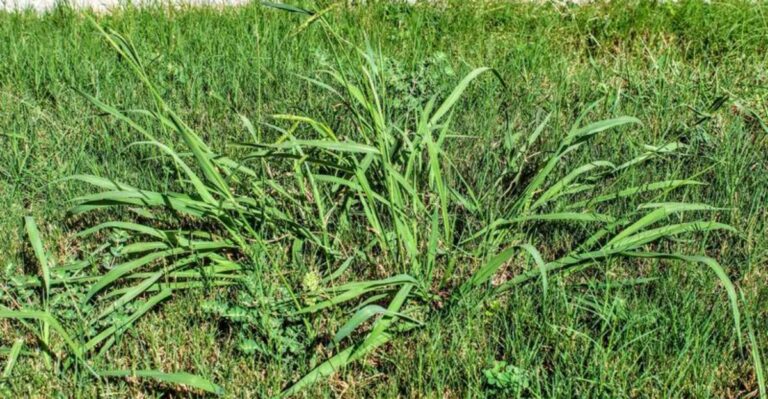
Fall Is A Smart Time To Clear Weeds From Gravel, And Here’s Why
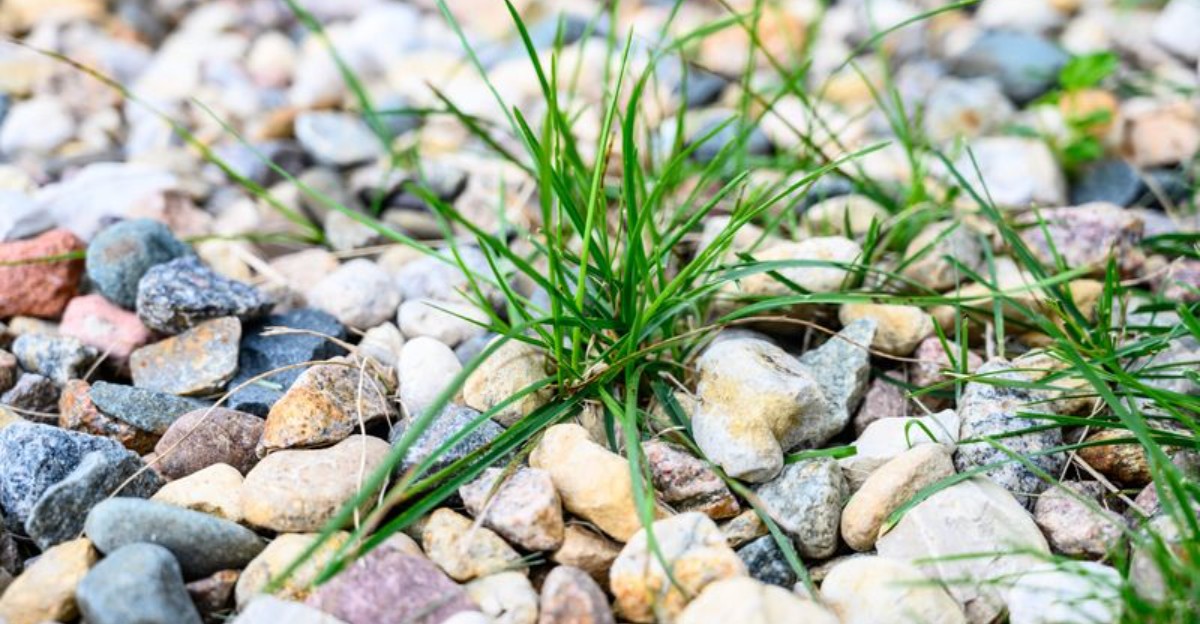
In October, the scrappy plants poking through your gravel start pushing stored sugars down into their roots for winter. I find it wild that something so small can plan ahead, packing away energy like a pantry.
Cooler weather also wakes up a second crowd, since some tiny plants sprout in autumn and quietly grow through winter. You can spot their small green rosettes tucked between stones if you crouch down and look closely this month.
Fall rain softens the packed soil under gravel, so roots slide out more easily than they did in August. I think that one change may make a sore back less likely after an afternoon spent working on paths.
You might kneel on a crunchy driveway, tug one stubborn stem, and feel the whole root give way at once. Who knew the cooler months could make a messy chore feel almost like a small, satisfying win?
Your Weeds Are Sending Food Straight To Their Roots
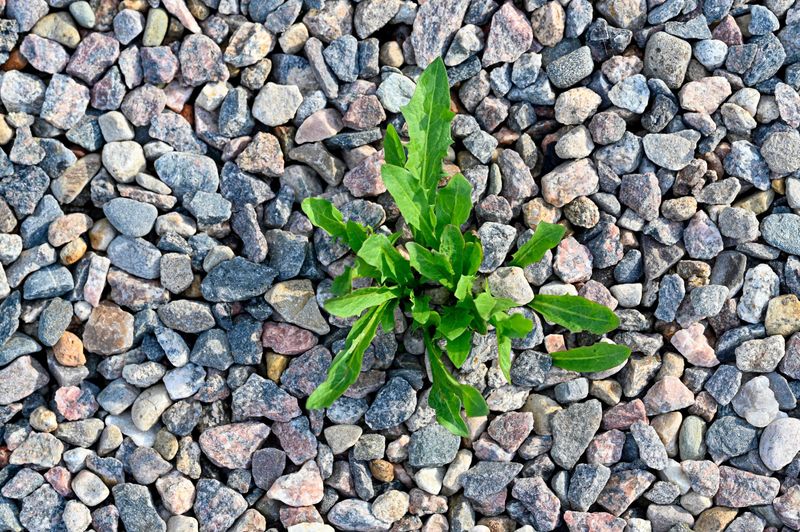
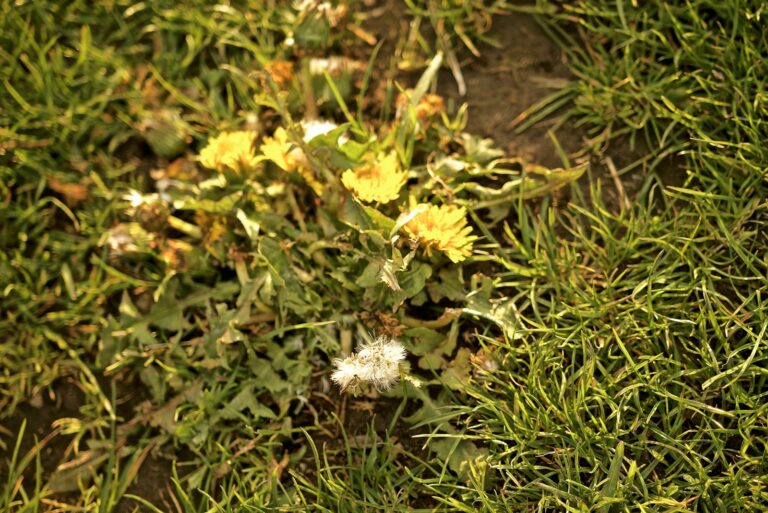
Perennial weeds in gravel, like dandelions, bindweed, and clover, behave differently once the days get shorter in fall. As temperatures drop, these plants move sugars from their leaves down into their roots to survive the winter months.
University extension services, including Purdue and the University of Minnesota, point to this shift as the main reason fall works so well. Systemic products applied to the leaves now tend to travel down with those sugars into the roots.
That matters because perennial weeds regrow from their roots, not just from seeds dropped the year before. If you only remove the top growth in summer, the root often sends up fresh leaves within a few weeks.
In fall, a systemic weed product follows the downward flow and reaches deeper parts of the plant more effectively. Extension experts often suggest treating weeds while leaves are still green and before a hard freeze ends active growth.
Hand pulling works well in fall too, since softer soil makes it easier to get more of the root out. You still need to get as much root as possible, especially with dandelions and their long, carrot-shaped taproots.
Fall is not a perfect answer for every weed, and spring still matters for summer annuals like crabgrass. Most research supports fall mainly for perennial broadleaf weeds, which happen to be the toughest ones in gravel.
So if your driveway keeps sprouting the same stubborn plants each year, October is a smart month to act. You are working with the weed’s natural schedule instead of tackling it during its strongest growth period in summer.
Softer Soil Gives You A Better Grip This Month
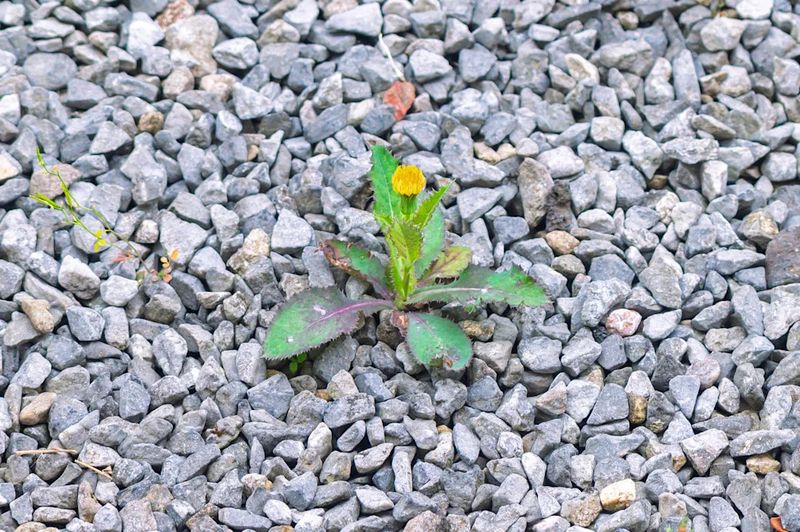
Anyone who has yanked a weed from dry gravel in July knows the frustration of a snapped stem. The leaves come away in your hand, but the root stays hidden under the stones and grows back.
In many areas, fall brings more regular rain and cooler air, so the soil beneath gravel stays moist for longer. Moist soil loosens its hold on roots, which helps you pull the whole plant out in one piece.
Many gardeners like to weed a day after a soaking rain, when the ground is damp but not muddy. If rain is scarce, you can water a gravel area lightly the evening before you plan to work.
A narrow weeding tool, like a dandelion fork or a hori hori knife, slides between stones without scattering them everywhere. Push it down beside the root, rock it gently, and lift while you pull the stem upward.
Cooler temperatures also make the job easier on your body, since you can work longer without overheating in the sun. Shorter sessions spread over a few weekends often feel better than one long afternoon on your knees.
Bring a bucket or tarp so pulled weeds do not sit on the gravel and drop seeds back between stones. Weeds with ripe seed heads should go in the trash rather than a home compost pile that stays cool.
A foam kneeling pad adds comfort on sharp rock, and sturdy gloves protect your hands from scrapes. Little steps like these turn a dreaded chore into steady progress you can actually see.
Tiny Winter Sprouts Are Easiest To Catch Right Now
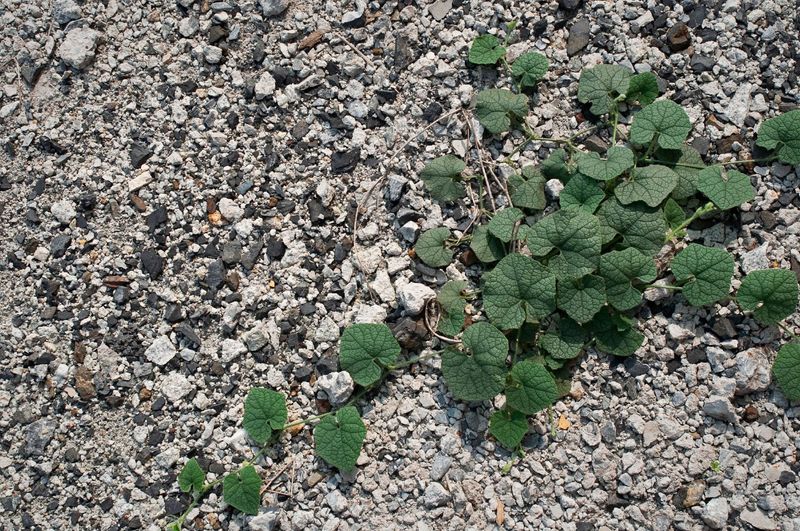
Some of the sneakiest weeds in gravel start their lives just as most garden plants are slowing down for the year. Henbit, chickweed, and annual bluegrass are known as winter annuals because they sprout in fall.
Extension services explain that these plants grow slowly through winter, then flower and drop seed early the next spring. By April, a few overlooked seedlings can turn a tidy path into a carpet of green.
Right now, those seedlings are small and shallow rooted, so they come out with little effort. A quick pass with a stirrup hoe or your fingers can clear a patch in just minutes.
Gravel can still shelter these weeds, since small stones trap some moisture and bits of soil that young roots can use. Leaves, dust, and plant debris that blow in each season slowly build a thin layer for sprouting seeds.
Raking fallen leaves off gravel in October removes some of that debris before it breaks down into soil. Fewer crumbs of organic matter between stones means fewer comfortable spots for seeds to settle in and grow.
Some gardeners use a preemergent product in late summer or early fall to stop winter annuals from sprouting. Always read the label closely, because these products must go down before seeds germinate to work properly.
Checking your gravel every couple of weeks through fall keeps the job small and very manageable. Catching seedlings early often saves you from a much bigger weeding session when spring finally rolls around again.
Skip The Quick Fixes That Only Burn The Tops
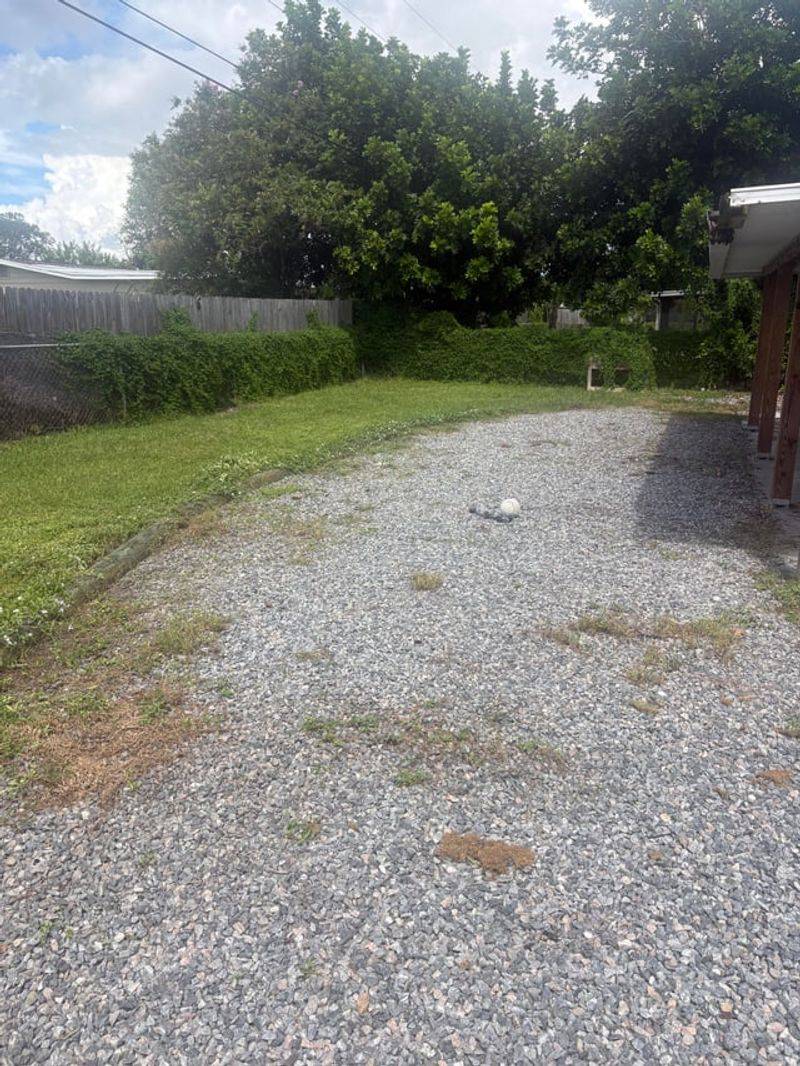
Pouring boiling water or kitchen vinegar on weeds feels satisfying, especially when the leaves turn brown by the next afternoon. Sadly, that quick result can fool you into thinking the problem is gone for good this season.
Extension specialists note that vinegar and hot water mostly damage the leaves and stems they touch directly. Perennial weeds with deep roots often bounce back within a few weeks, since the roots stay alive.
Household vinegar has about five percent acetic acid, which only scorches young, tender plants with any real reliability. Stronger horticultural vinegar works faster, but it can burn skin and eyes, so gloves and goggles are important.
Salt is another popular shortcut, yet many agencies warn against it for gravel near lawns or garden beds. Salt can build up in soil, wash into nearby plantings, and make the ground unfriendly to plants for a long time.
Flame weeders also only heat the top growth, and dry fall leaves around gravel can create a fire risk. If you use one, check local rules and keep a hose nearby while you work carefully on calm days.
None of these methods are useless, but they work best on small annual weeds rather than tough perennials. For dandelions or bindweed, pulling roots or using a labeled systemic product in fall usually brings better results.
Matching the method to the weed saves you time, money, and repeat trips back to the same stubborn patch. A little patience in October often beats a fast fix that only lasts until the next rain.
A Clean Path Today Means Fewer Seeds Next Spring
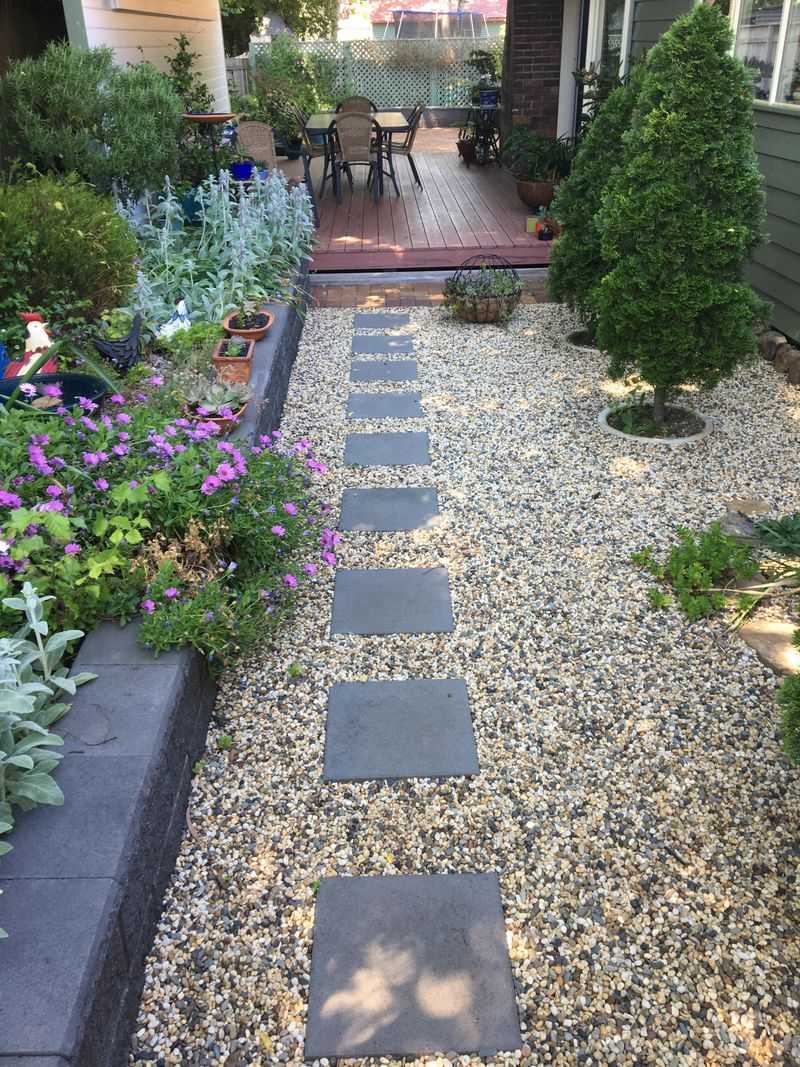
One healthy weed left alone can produce an astonishing number of seeds before the season ends. A single common lambsquarters plant may release tens of thousands of seeds, according to weed science research from universities.
Those seeds slip between gravel stones and wait, sometimes for several years, until conditions are right for sprouting. Scientists call this hidden supply the seed bank, and it explains why gravel weeds seem to return endlessly.
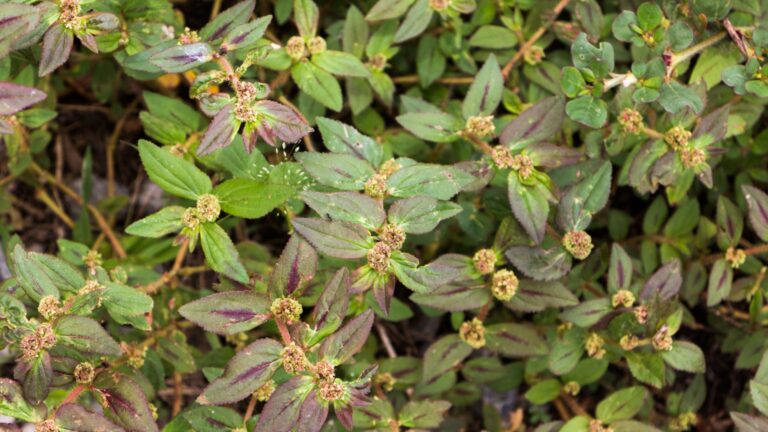
Fall cleanup interrupts that cycle by removing late bloomers before they finish dropping their seeds. Plants like purslane and spotted spurge can keep flowering into early autumn if frost holds off in your area.
Each plant you remove now is one fewer source of seeds waiting to sprout in your gravel next year. Over a few seasons, steady effort can shrink the seed bank and make spring weeding noticeably lighter.
Results will vary depending on your yard, nearby fields, and how many seeds blow in from neighboring properties. Wind, birds, and even shoes carry new seeds, so some weeds will still find their way onto your paths.
Even so, a cleaner start in spring gives you a real advantage before warm weather speeds everything up again. Many gardeners notice that paths cleared in fall stay tidy weeks longer once the growing season returns.
Snapping a quick photo of your gravel now can help you compare progress next April. Seeing fewer sprouts in the same spots is a great reminder that your October work truly paid off.
Thicker Gravel Over Fabric Keeps Future Weeds Guessing
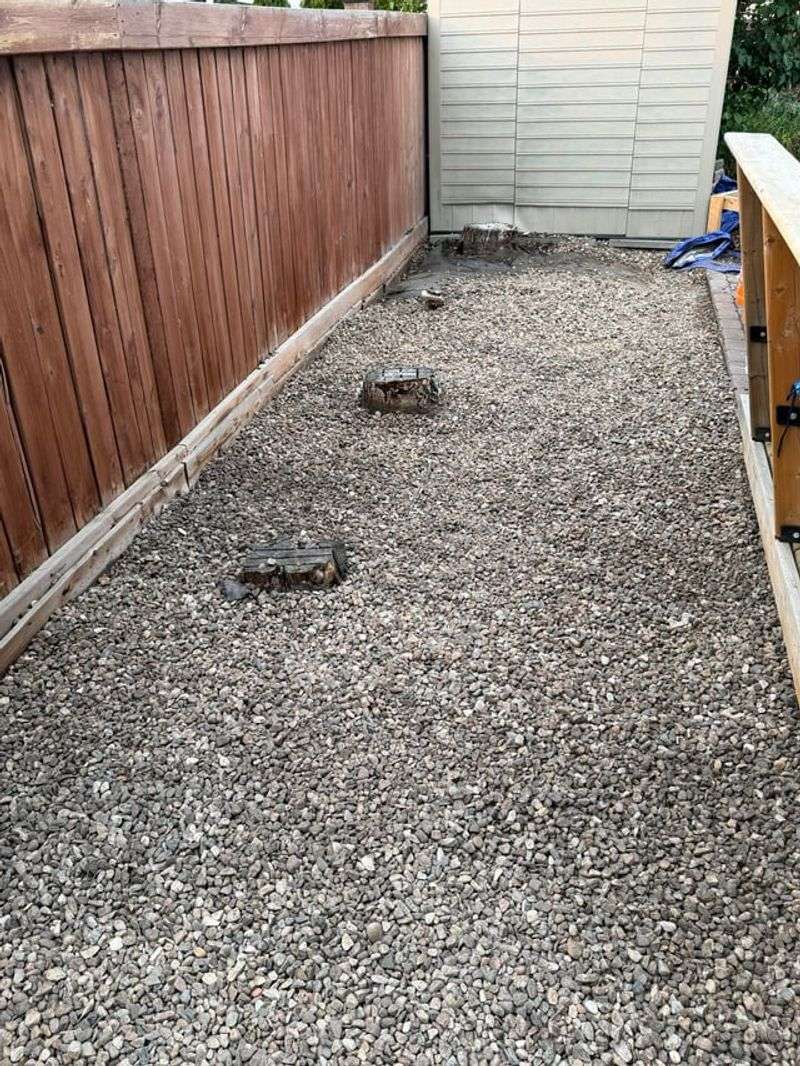
Once your gravel is weeded, fall offers a calm window to make the area harder for new weeds to invade. Cooler days make shoveling stone far more pleasant than hauling heavy wheelbarrows during a hot summer afternoon.
Many extension guides suggest keeping gravel about two to four inches deep for walkways and decorative areas. Thin gravel lets sunlight reach the soil, and sunlight helps many weed seeds sprout and grow quickly.
Landscape fabric under gravel can slow weeds coming up from below, though it rarely stops them for good. Over time, dust and debris collect on top of the fabric, and seeds sprout right in that layer.
That is why regular raking matters as much as the fabric itself in a well kept gravel area. Clearing leaves and twigs every week or two in fall keeps soil from building up between the stones.
Solid edging made from metal, stone, or plastic also helps keep lawn grass from creeping sideways into gravel. Grasses with spreading roots, like Bermuda grass, can travel surprisingly far under paths that lack a clear border.
If you add fresh gravel this month, choose angular crushed stone rather than round pebbles for better stability. Angular pieces lock together, leaving fewer loose gaps where seeds can settle and stay protected from your rake.
A little upkeep each season keeps your gravel looking crisp and lowers the amount of weeding needed later. Your future self will likely appreciate the effort when spring arrives with fewer green surprises underfoot.