Is That Blue-Tailed Lizard on Your Arizona Patio a Young Tiger Whiptail?
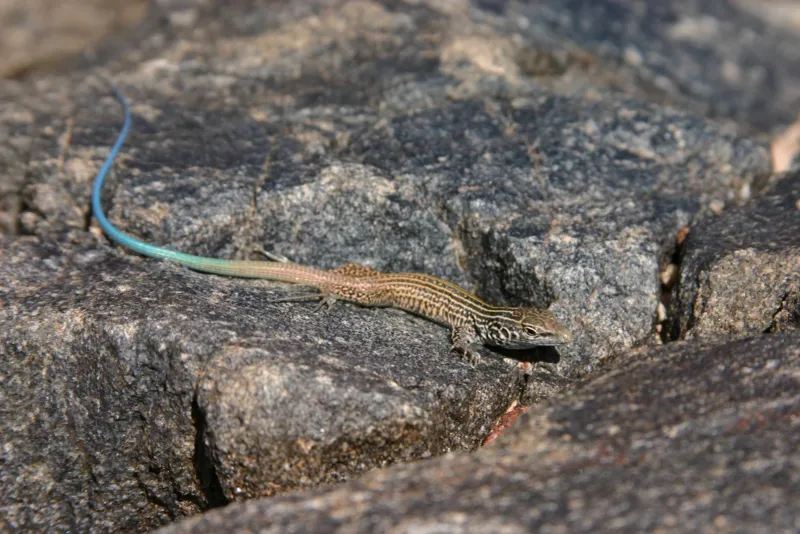
A flash of blue darting across a warm patio stone is hard to ignore. Many Arizona homeowners wonder what the little lizard is and why it showed up in their yard.
The answer is less simple than a single name, because several lizards wear blue in different places. A few easy clues can help you make a smart guess without ever touching the animal.
A blue tail is a clue, not a species name
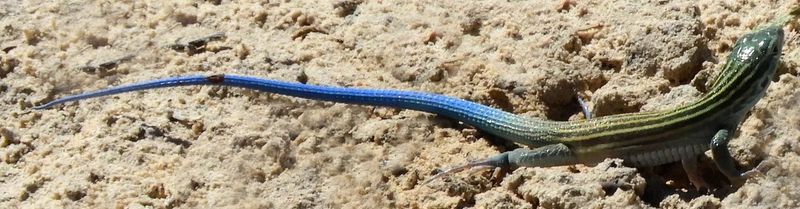
“Blue-tailed lizard” is a casual description, not the name of one species. Nothing shows that a single kind of lizard keeps turning up on patios across Arizona, so the label fits more than one animal.
A young tiger whiptail is one possibility. Young whiptails of this species can have blue tails, but that trait does not apply to whiptails as a group.
Blue can also show up elsewhere, such as on the belly or sides. University of Arizona campus lizard notes describe blue bellies on males of species like the ornate tree lizard and the desert spiny lizard, which is a different marking from a blue tail.
That is why color alone cannot settle the question. Before you pick a name, look at where the blue sits on the body, what the stripes or spots look like, and where in Arizona you saw it.
The next section walks through those checks.
Use markings and location to narrow the possibilities
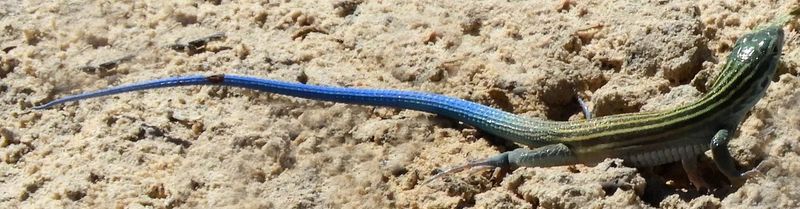
Start with the blue itself. Is it on the tail, or is it a patch on the belly or sides?
A blue tail points toward a young tiger whiptail as one option. Blue patches on the underside belong to other lizards, and National Park Service lizard notes mention blue belly patches on males of some Arizona species.
Next, study the body. Look at the pattern of stripes and spots, and compare the tail color.
The Sonoran spotted whiptail, for example, generally has a brown or orange-brown tail, so a bright blue one would suggest something else.
Location matters too. Arizona’s mountain skink does have a blue tail, but it lives in higher, moister mountain areas in the southeast, roughly 3,500 to 6,500 feet.
That makes it a poor default guess for a Phoenix or Tucson low-desert patio.
If you want a firmer answer, take a photo from a respectful distance and note the spot where you saw it. Chasing the lizard is never needed.
Arizona yards offer food, warmth, and cover
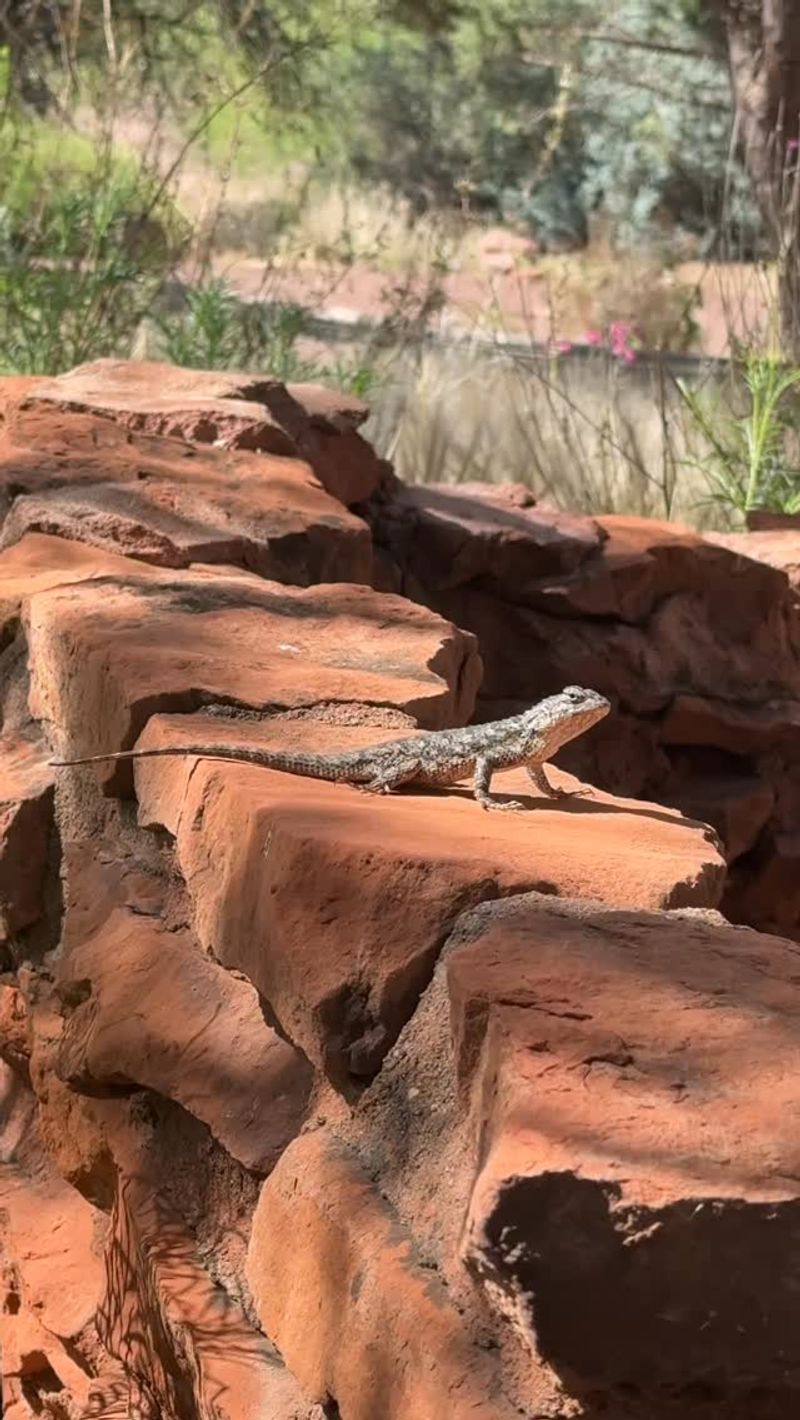
Lizards need three basics: something to eat, a place to warm up, and somewhere to hide. A yard can supply all three.
Insects and spiders give them food to hunt, and Arizona Native Plant Society habitat guidance lists trees, shrubs, flowering plants, rocks, and wood as useful elements.
Warmth matters because lizards rely on outside heat to get going. A sun-baked patio edge or flat rock makes a handy basking spot, then shade or a crevice offers relief when it gets too hot.
Coconino County’s lizard garden guidance describes this routine, though it is a general Arizona example rather than a care plan for low-desert species.
Your Arizona Garden Changes Every Week. Your Plan Should Too.
Gardening in Arizona changes quickly throughout the season. Every Friday you’ll receive a simple weekly plan showing exactly what to plant, prune, fertilize, harvest, and protect so you never miss the right timing.
Keep in mind that these are general reasons a yard can suit lizards. They do not tell you why one particular lizard picked your patio.
It may simply have been passing through.
Support habitat without expecting a guaranteed visitor
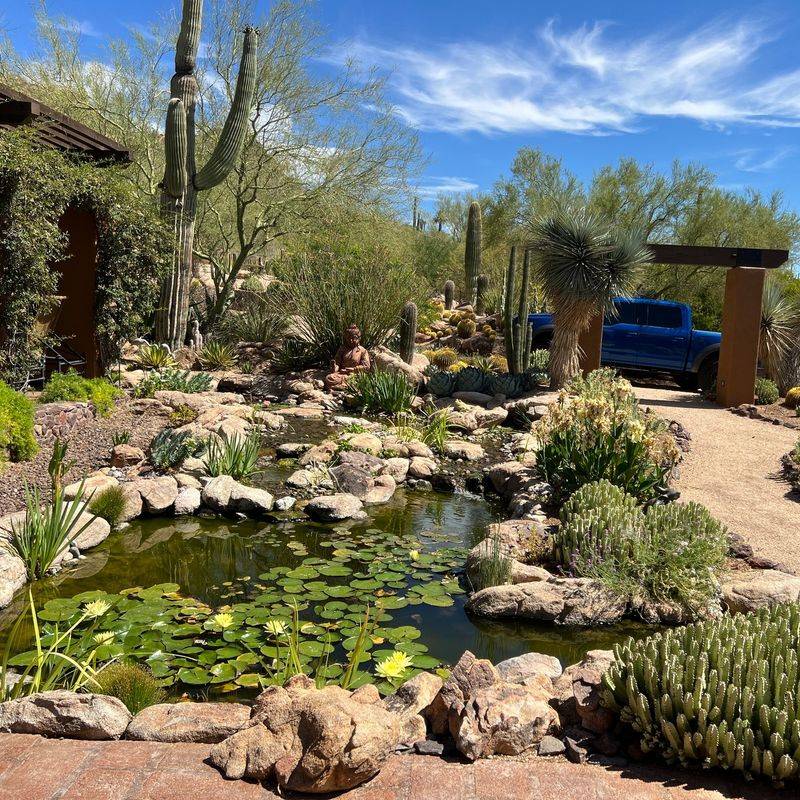
If you like the idea of a lizard-friendly yard, a few optional choices can help. Plant a mix of native species, and group some plants closely so a lizard has quick escape cover.
Palo verde, desert willow, and low shrubs all fit that kind of layout in Phoenix and Tucson yards.
Rocks and wood pieces give lizards a place to bask and tuck away. A little leaf litter under shrubs can support the insects that lizards hunt.
The Arizona Native Plant Society brochure also suggests using insecticides sparingly, since lizards may eat insects that were exposed to them.
Treat all of this as support, not a recipe. A rock pile or new planting will not guarantee a lizard visit, and it will not draw a particular species.
Many of these steps also save water and suit desert conditions anyway, so they are worthwhile on their own.
An insect diet is not a pest-control promise
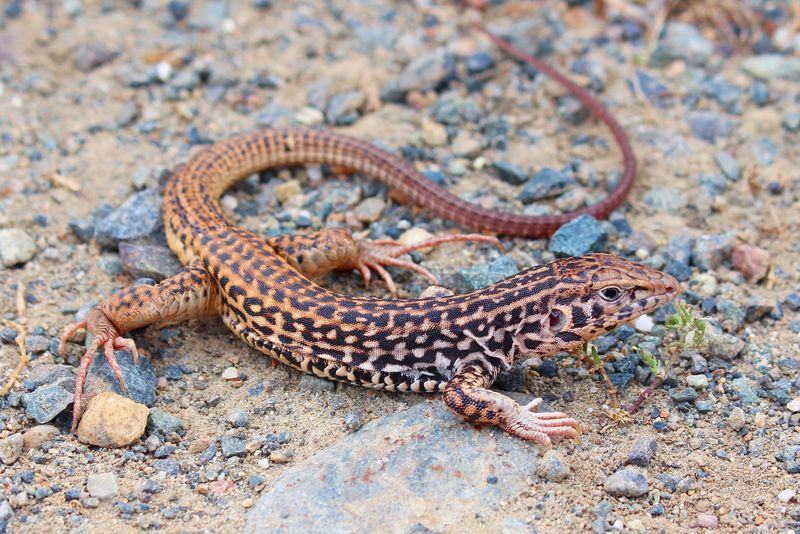
Plenty of homeowners hope a lizard will handle the bugs around the house. The real picture is more modest.
Whiptails eat insects and other small invertebrates, and Saguaro National Park lists insects and spiders in the Sonoran spotted whiptail’s diet.
The same park source says the Sonoran tiger whiptail eats insects, spiders, scorpions, and other lizards. That scorpion detail belongs to that one species.
It does not mean every lizard in Arizona eats scorpions.
It also does not mean a lizard will reduce scorpions, mosquitoes, or other pests around your home. One lizard eating a few bugs is a nice bit of nature to watch, but it is not a substitute for sealing gaps, managing water, or other pest steps you already use.
Enjoy it as a bonus if it happens, not as a plan.
Observe from a distance and leave the lizard alone
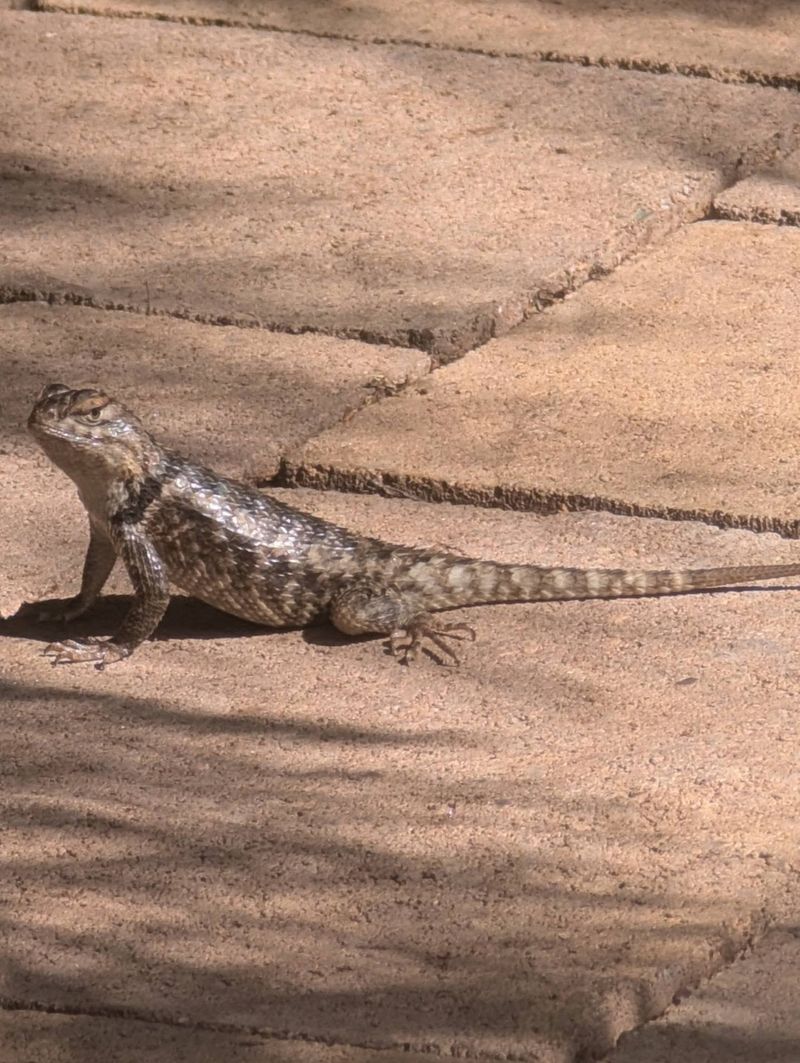
The best way to enjoy a patio lizard is to watch it. Grab your phone, keep a few steps back, and snap a photo.
Catching or handling lizards can stress or injure them, and National Park Service guidance advises against handling or harassing them. Cats and dogs can also threaten lizards, so keep pets from chasing them.
There is a health reason too. Reptiles can carry Salmonella even when they look healthy, and the CDC recommends washing hands after handling them.
Skipping contact altogether matters most around children under five and people at higher risk of serious illness.
A blue tail is not a warning sign of danger. Still, it is smart not to handle any wildlife you cannot identify.
Sometimes the best neighbor is the one you simply let pass.