8 Arizona Natives That Replace Thirsty Lantana And Won’t Poison Your Dog
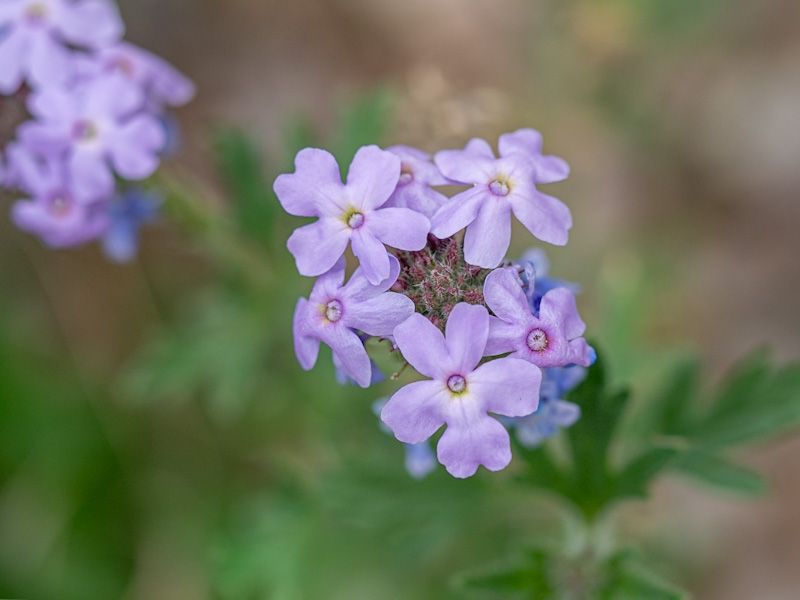
Lantana looks cheerful, but it drinks more water than you might think, and its berries and leaves can make dogs sick. In a Phoenix or Tucson yard, that is a lot of risk for a plant that sulks without regular watering.
The good news is that our own desert grows tough, colorful plants that sip water, feed pollinators, and are much friendlier to curious pups. Here are eight native swaps that keep your yard bright, busy with wildlife, and easier on your water bill.
1. Blackfoot Daisy
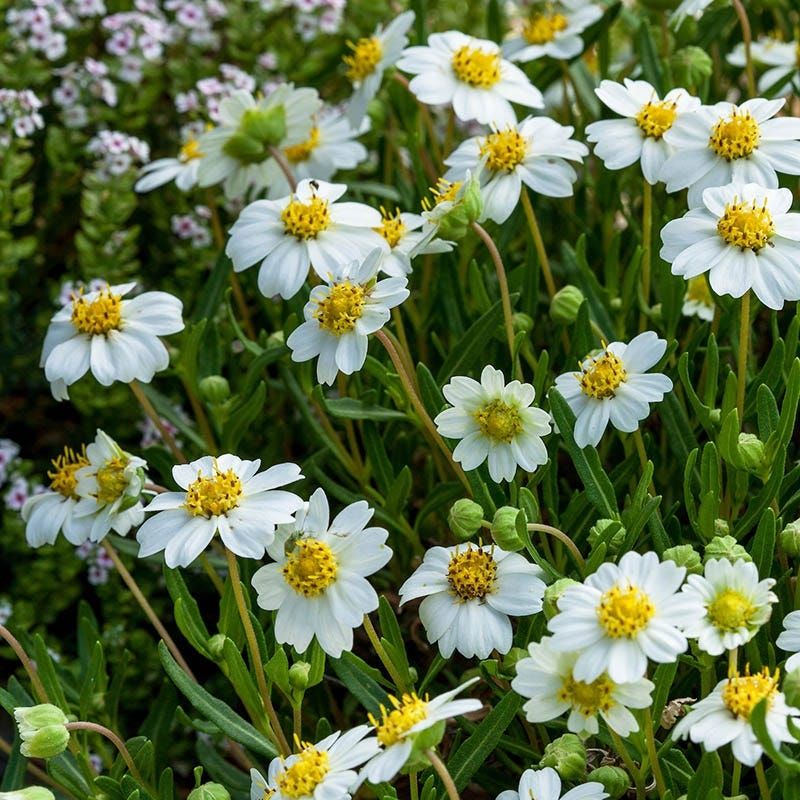
Picture a tidy white cushion that keeps blooming while the thermometer reads 108. Blackfoot Daisy pulls off that trick in rocky, alkaline ground where lantana would beg for the hose.
Each small flower has a sunny yellow center and a light honey scent you can catch on warm evenings. Native bees and butterflies visit steadily from spring into fall, so a patch along your walkway becomes a tiny pollinator snack bar.
Plants stay about a foot tall and wide, which makes them ideal for hellstrips, rock gardens, and the edges of paths where dogs like to patrol.
For pet owners, the news is reassuring. Blackfoot Daisy is not typically listed as toxic to dogs by major poison control resources, though any pup that grazes heavily on greenery may get a touchy stomach.
Care is refreshingly simple. Plant in fall, between October and November, so roots settle before summer heat arrives.
Give it sharp drainage, skip rich soil and fertilizer, and water deeply only every couple of weeks once established. Overwatering is the fastest way to lose it.
Plants are short-lived, but they reseed politely, so new seedlings quietly fill gaps without any extra effort from you.
2. Jojoba
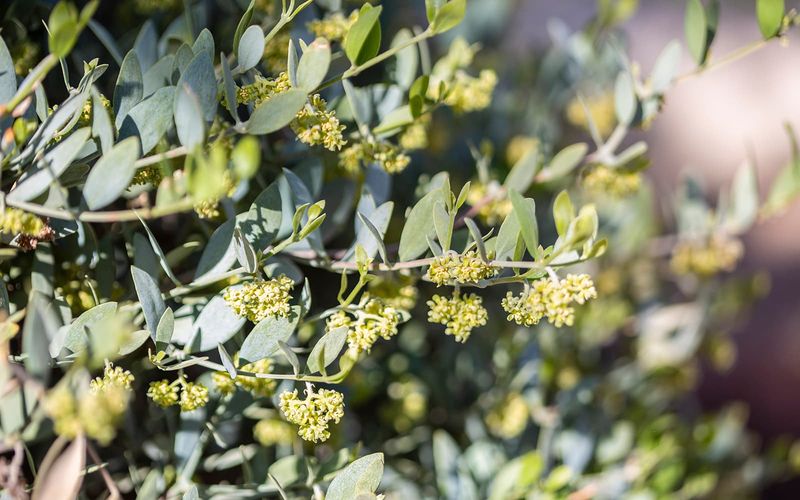
Some plants win you over with flowers. Jojoba wins with grit, standing evergreen and calm through brutal Sonoran summers, poor soil, and months without rain.
Its leathery, blue-green leaves tilt edge-on to the sun, a clever move that reduces heat stress. Over time it forms a dense shrub around three to four feet tall, making a natural screen or low hedge that never needs the constant drip lantana demands.
A deep root system helps hold soil in place, which can reduce erosion on slopes after monsoon downpours.
Fun fact: the seeds produce the famous jojoba oil used in skin and hair products, and Indigenous peoples of the region have used the plant for generations.
For wildlife, Jojoba is a quiet hero. Quail, small birds, and other desert critters use it for cover and food, turning your yard into real habitat instead of just scenery.
Best of all for households with pets, Jojoba is listed as non-toxic to dogs and cats. Plant in fall, water deeply every week or two through the first summer, then taper way back.
Mature shrubs often get by on rainfall plus an occasional summer soak, and shearing is rarely needed.
3. Chuparosa
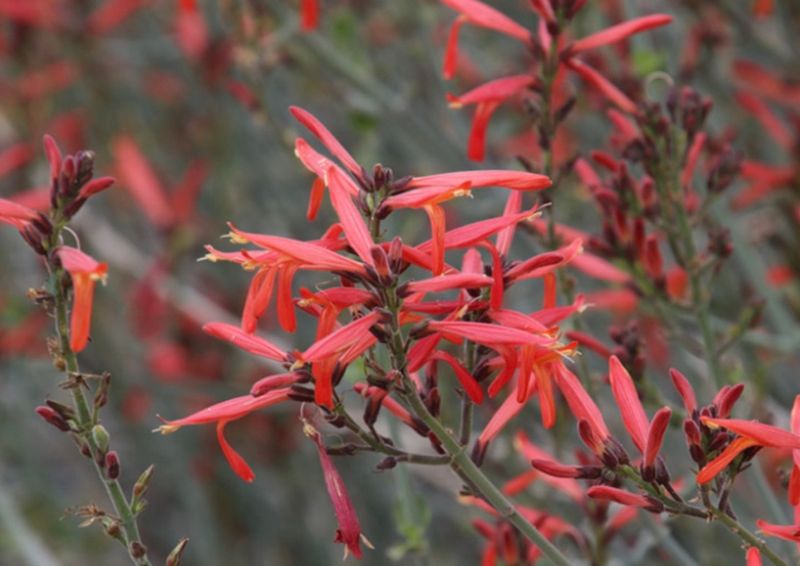
Ask any hummingbird in Phoenix where breakfast is served in February, and it might point straight to Chuparosa. The name even means hummingbird in local Spanish, and the plant earns it.
Your Arizona Garden Changes Every Week. Your Plan Should Too.
Gardening in Arizona changes quickly throughout the season. Every Friday you’ll receive a simple weekly plan showing exactly what to plant, prune, fertilize, harvest, and protect so you never miss the right timing.
Brilliant red-orange tubular flowers appear from late winter through spring, right when many desert plants are still resting. That early nectar can matter a lot to hummingbirds, bees, and butterflies looking for fuel.
Small birds also tuck into the tangle of stems for shelter.
The look is unusual and lovely. Blue-green stems carry few leaves, giving the shrub a soft, almost succulent appearance.
It handles full sun, reflected heat off walls, and poor, well-drained soil without complaint.
Dog owners get two wins here. Chuparosa is non-toxic and has no thorns, so a playful pup can brush past without a yelp or a vet visit.
Expect a rounded shrub around three to four feet tall and wider than that. Plant in fall or early spring, water deeply while it establishes, then back off to occasional summer drinks.
A little extra water can stretch blooming into summer, and a light trim after flowering keeps it tidy without stealing next year’s show.
4. Baja Fairy Duster
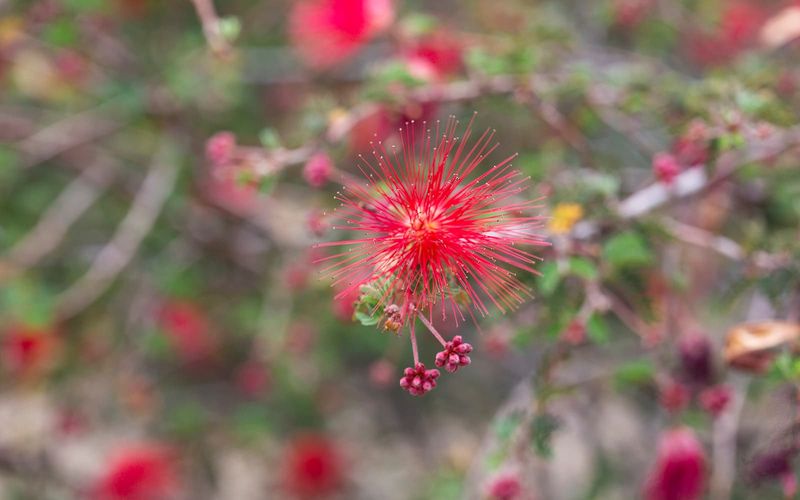
Fluffy red powder puffs on a shrub that laughs at reflected heat? It sounds made up, yet Baja Fairy Duster does exactly that across countless Arizona yards.
Native to Baja California and the Sonoran Desert, this woody shrub blooms nearly year-round, with the biggest show from spring through fall. Hummingbirds treat it like a favorite diner, and native bees and butterflies stop by too.
If you want constant color where lantana once drained your drip line, few swaps are this satisfying.
It loves the hard spots. Think west-facing walls, driveway edges, and pool decks that bake all afternoon.
Once established, it needs only deep, infrequent watering, perhaps every two to three weeks in summer.
Pet parents can relax. Baja Fairy Duster is considered non-toxic to dogs, cats, and even horses, so it fits family yards where paws and snouts explore everything.
The feathery, fern-like leaves soften harsh hardscape, and a mounding habit of roughly four to five feet makes it useful on slopes for erosion control. Plant in fall for the strongest roots.
A light shaping in late winter is plenty, and avoid heavy shearing so those signature puffs keep coming.
5. Desert Marigold
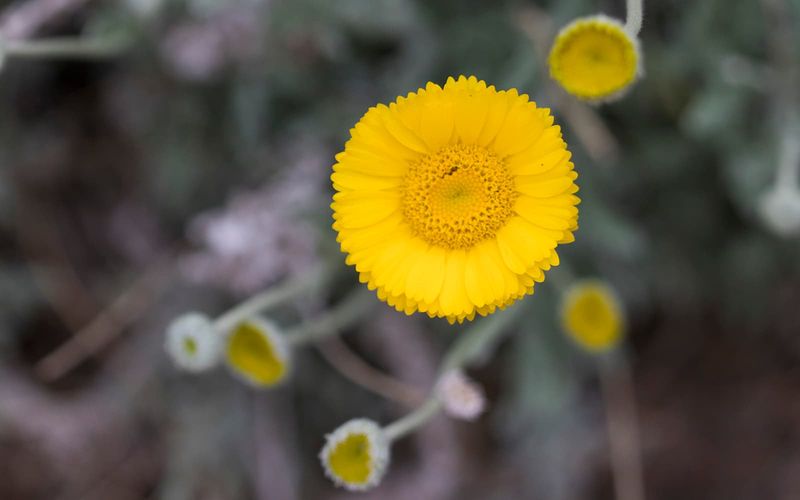
Drive almost any Arizona highway in spring and you will spot little explosions of yellow on the shoulders. That roadside sunshine is Desert Marigold, and it brings the same glow to a home yard with almost no water.
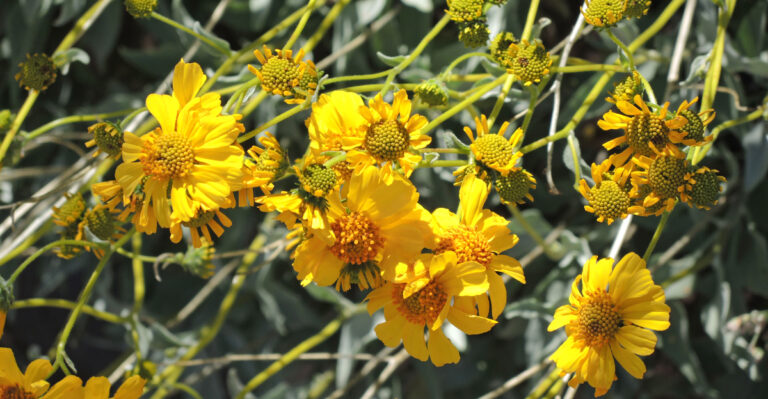
Silvery, woolly leaves form clumps one to two feet tall, and bright yellow daisies float above them from spring through fall. In good conditions it can bloom nearly year-round.
Bees and butterflies are frequent guests.
Here is a bonus many homeowners appreciate. Desert Marigold is often mentioned for natural pest-repelling qualities, and it may help make garden beds less inviting to aphids and mosquitoes.
Results vary, so think of it as a helpful nudge rather than a guarantee.
On the pet front, it is generally considered safe for dogs. Still, a pup that chews large amounts could get a mildly upset stomach, so discourage snacking, as you would with any plant.
Give it full sun and lean, rocky, or alkaline soil. Seeds sown in fall sprout with winter rains, and transplants go in best from October to November.
Water sparingly once settled. Too much water or rich soil shortens its life, while neglect keeps it thriving.
6. Globe Mallow
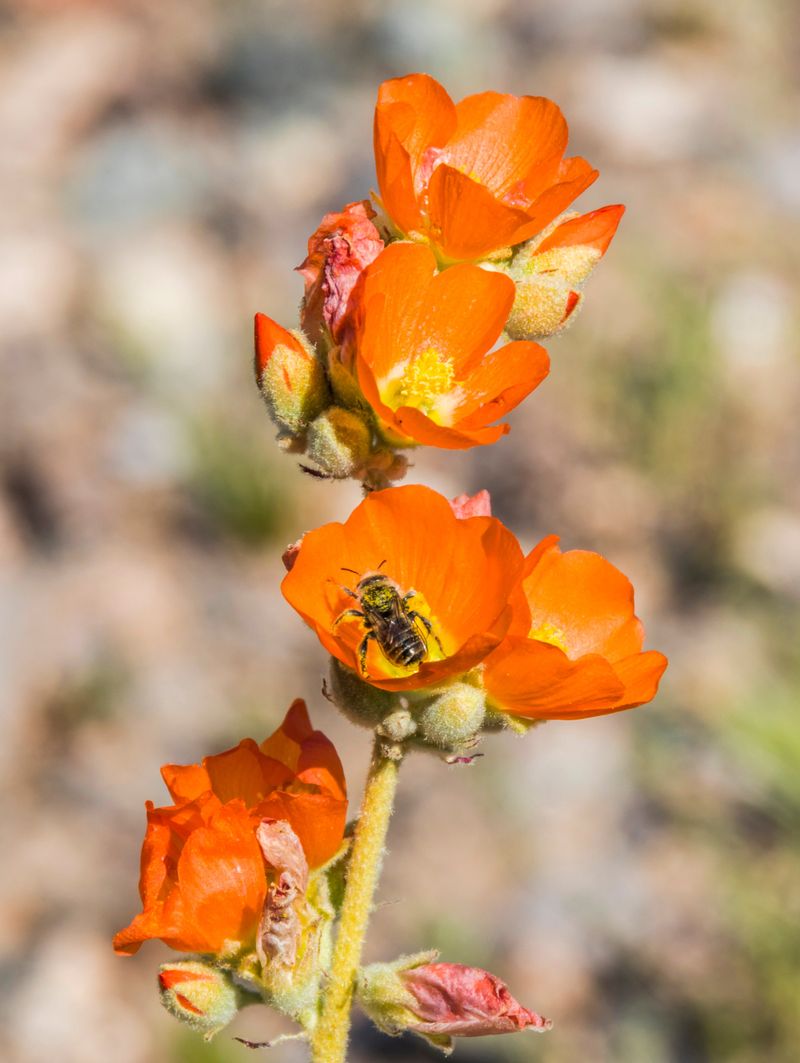
Orange is the classic, but Globe Mallow can also show up in pink, purple, red, or white, like a desert box of crayons. Each cup-shaped flower looks papery and delicate, yet the plant is tough as an old cowboy boot.
Native across the Sonoran Desert, it blooms from early spring into fall and rewards you with a steady stream of pollen and nectar. Hummingbirds, native bees, honeybees, butterflies, and moths all join the party, making it a powerhouse for anyone building a wildlife-friendly yard.
Mounds usually reach two to four feet tall and wide. Use it as a colorful groundcover on a slope or as a stand-alone accent near a patio.
About the dog question: Globe Mallow is generally non-toxic. Its stems and leaves are covered in tiny star-shaped hairs that can irritate skin, which may actually make it less tempting for nosy pups.
Wear gloves when pruning, too.
Plant in fall or early spring in sandy, well-drained soil and full sun. Water every few weeks during the hottest months once it settles.
Cutting it back by about a third after the spring flush encourages fresh growth and another round of blooms.
7. Damianita
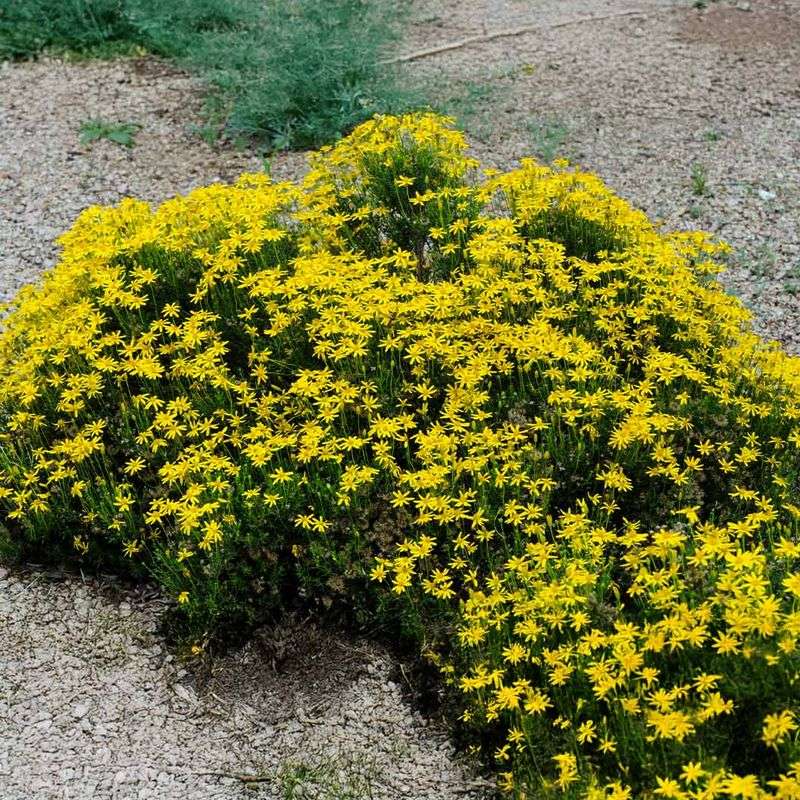
Brush your hand across Damianita and you get a burst of fresh, herbal scent. That aromatic, needle-like foliage is just one reason this little evergreen deserves a spot where lantana used to be.
Native to Arizona and the Chihuahuan Desert, Damianita stays compact, usually under two feet. From spring into fall it gets smothered in golden daisies, with extra flushes through summer.
Bees and butterflies visit often, and deer and rabbits tend to leave it alone.
Because it stays green all year, it keeps borders looking finished even in January. Many gardeners use it as edging along walkways, as groundcover on hillsides, or tucked between boulders in rock gardens.
Families with pets will like this part. Damianita is not listed as toxic to dogs or cats, so it can line the path your pup races down every morning.
Treat it with tough love. Full sun, scorching heat, and poor, gravelly soil suit it best, while soggy beds cause trouble.
Plant between October and November, water regularly the first season, then switch to deep soaks every few weeks in summer. A quick trim after the big spring bloom keeps the mound dense and fresh.
8. Goodding’s Verbena
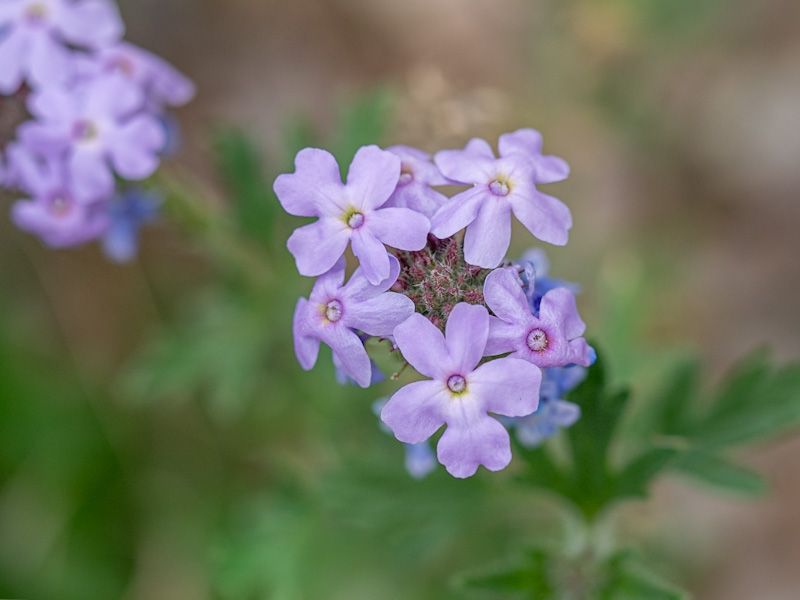
After a summer monsoon storm, Goodding’s Verbena often answers with a fresh wave of lilac-purple flowers, as if the rain flipped a switch. Few natives celebrate a storm quite so cheerfully.
This Arizona perennial forms soft mounds about eight to eighteen inches tall and two to three feet wide. Fragrant flower clusters appear from spring through fall, and butterflies flock to them.
Native bees also join in, so it fits right into a pollinator garden, a container on a shaded patio edge, or a border near paths.
It does look a bit like lantana, which makes it a natural one-for-one swap. The big difference is water.
Goodding’s Verbena gets by on low water once established, though a deep drink every week or two in summer can keep the color coming.
For dogs, it is generally considered pet-safe and shows up on lists of pest-repelling plants friendly to pets. As with some verbenas, eating large amounts may cause mild tummy trouble.
Plants are short-lived but reseed generously, so expect volunteers popping up nearby. Sow seed or set transplants in fall, give full sun with afternoon relief in the hottest spots, and enjoy months of purple.