When Arizona Bald Eagles Begin Building Their Nests
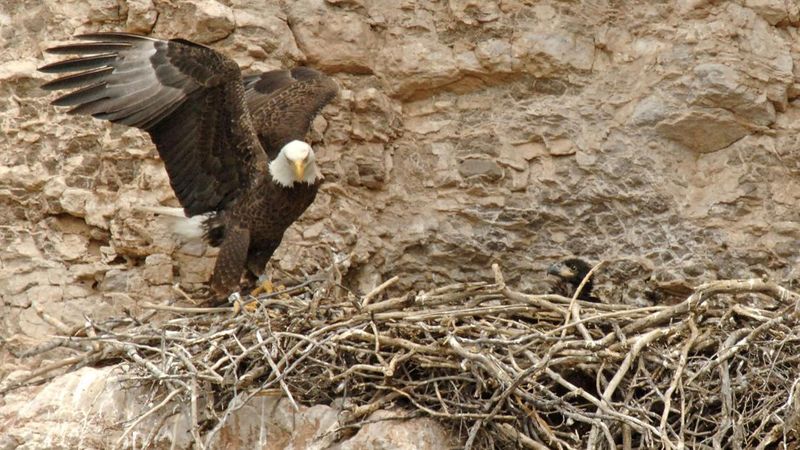
Late October in Arizona brings cooler mornings, and for bald eagles it also brings the start of a busy season. While most of us are thinking about fall weather, eagle pairs may be hauling sticks and fixing up their homes.
Knowing the calendar helps you understand what you are seeing near a nest. It also shows how much these birds do long before any eggs appear.
Arizona’s nest-building window opens in fall
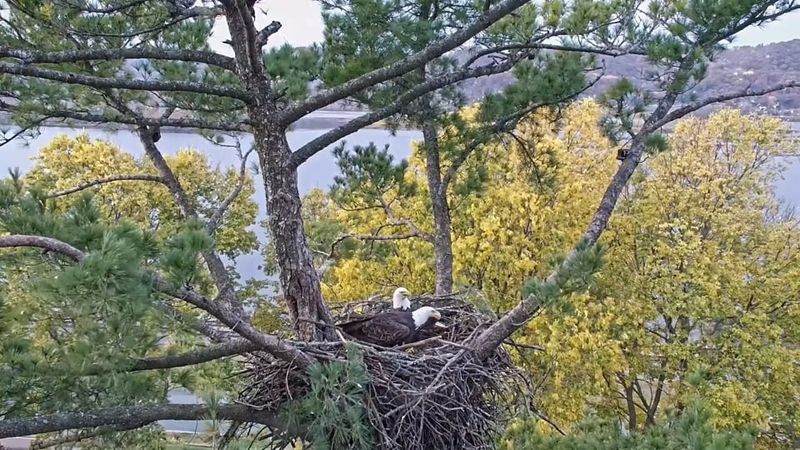
Mid-October marks the opening of the nest-building period for bald eagles in the Southwest. U.S.
Fish and Wildlife Service guidance places that window from mid-October through early March. October 26 sits comfortably inside it.
Peak activity comes a little later. An Arizona study places peak courtship and nest building in November, so late October is the early part of the story rather than the busiest stretch.
Keep in mind that these dates describe regional patterns. They do not mean every pair is building on a particular day, and some pairs may start earlier or later than their neighbors.
Nest work does not always mean a brand-new nest
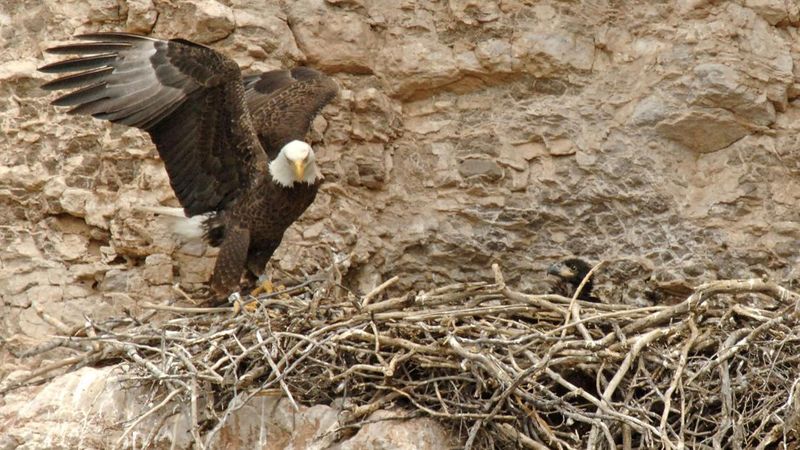
Sticks on the move do not always signal a fresh start. Eagles often return to a familiar nest and repair it or pile on more material, a habit described in Cornell Lab life history notes.
Still, new and alternate nests do happen. Arizona’s 2025 monitoring report describes a pair that built a new nest in November and December, then built another after the first nesting attempt failed.
So a bulky nest or a stick-carrying eagle tells you only that work is underway. It does not prove a pair is starting from scratch, and it does not promise a successful breeding attempt.
Statewide monitoring also records alternate nests and nests with no observed activity, as shown in the 2024 summary.
Elevation shifts the calendar across Arizona
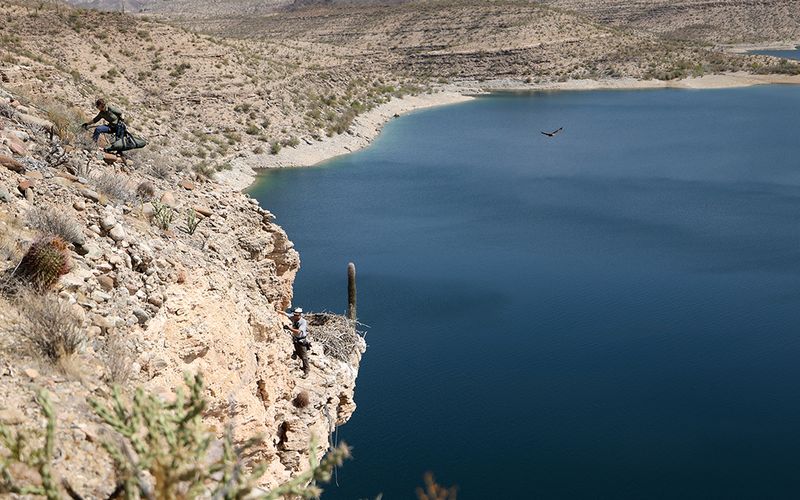
Arizona stretches from low desert river valleys to cool pine country, and eagle timing stretches with it. No single statewide timetable fits every pair.
The 2025 state report estimated average egg-laying dates by elevation: January 13 at or below 3,000 feet, January 24 at 3,001 to 6,000 feet, and February 16 above 6,000 feet. You can read the details in the Arizona 2025 summary report.
Those numbers are estimates drawn from 50 breeding areas. They show a trend, with lower pairs generally laying earlier than higher ones, but they cannot tell you the date for any one pair.
Fall nest work comes before winter egg laying
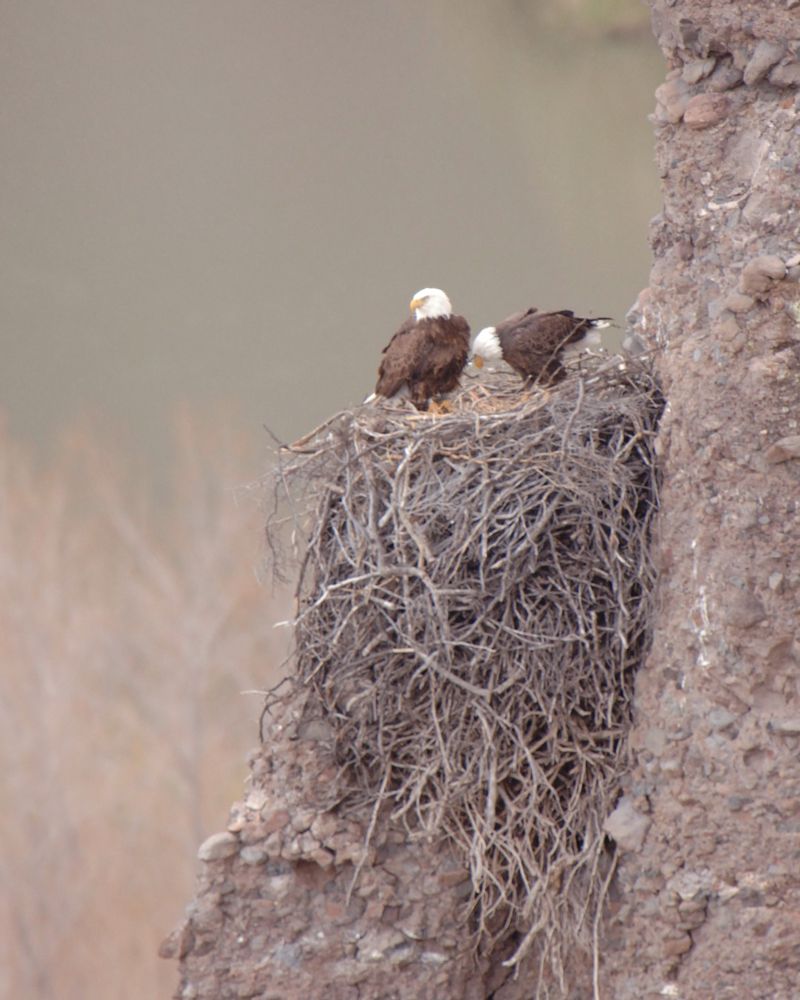
Think of the season as a sequence. Courtship and nest work come first, and eggs follow weeks or months later.
The Arizona study puts peak egg laying from late December to mid-March. Both adults then take turns incubating for about 35 days, a trait also covered in the Southwestern Bald Eagle Management Committee biology page.
The 2025 state report gives a different kind of number: a statewide average laying date of January 26. One describes the peak stretch, the other is an average across monitored areas, so both can be true.
Your Arizona Garden Changes Every Week. Your Plan Should Too.
Gardening in Arizona changes quickly throughout the season. Every Friday you’ll receive a simple weekly plan showing exactly what to plant, prune, fertilize, harvest, and protect so you never miss the right timing.
Either way, eggs in October would be a surprise.
Compare bald eagle schedules, not all birds
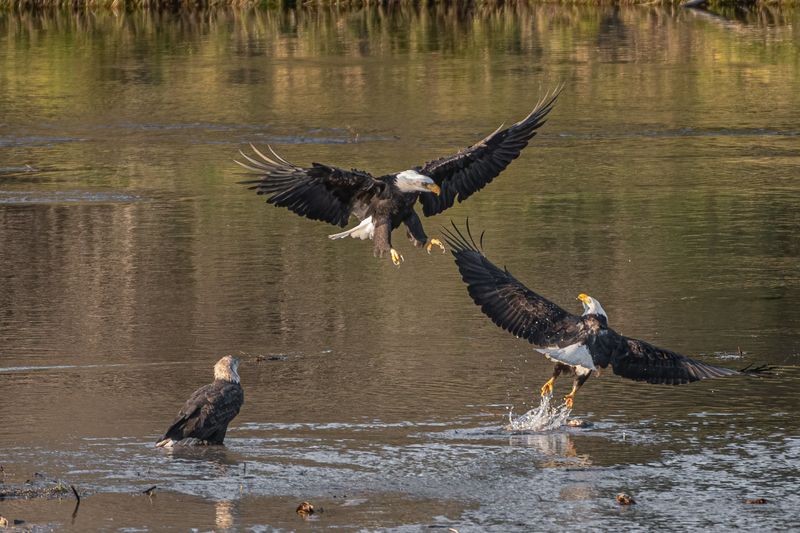
Plenty of people assume Arizona eagles are early and everyone else is late. The facts support something narrower: an Arizona bald eagle calendar that starts courtship and nest work in fall, with egg laying mostly in winter.
Across the country, bald eagle breeding seasons differ from state to state. The Fish and Wildlife Service breeding-season table shows that variation clearly.
Broadly, Arizona eagles begin earlier than many northern populations. That does not mean every northern pair follows one schedule, and it says nothing about other kinds of birds.
The Arizona research documents when eagles here are active, not why.
Watch nesting eagles without disturbing them
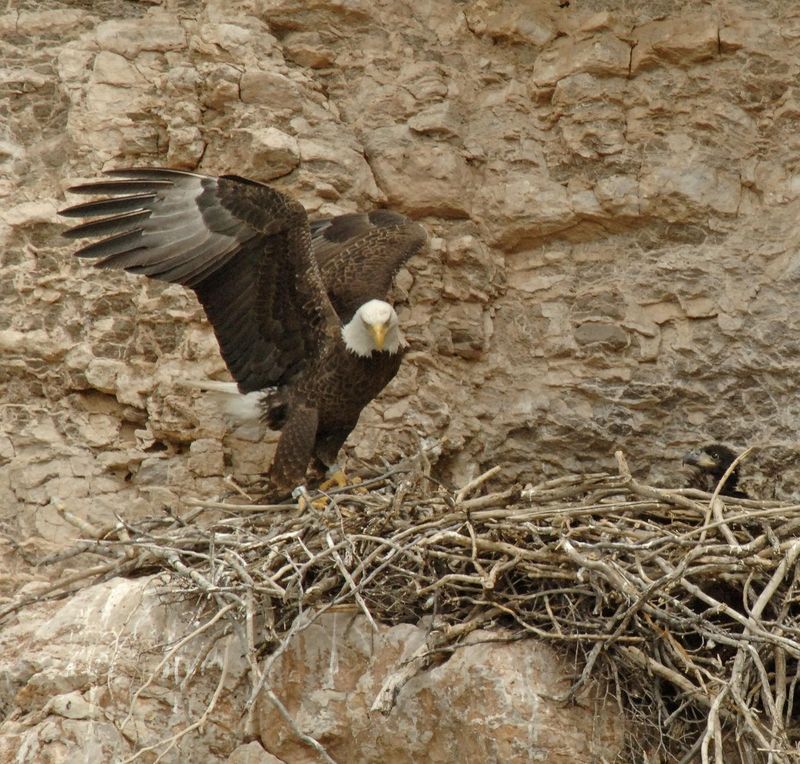
Eagle watching works best from afar. Use binoculars or a spotting scope, stay on the trail, and obey any posted closures.
Never approach a nest or try to get a closer look. The National Bald Eagle Management Guidelines explain that pairs vary in how much they tolerate people, and things like noise, how long you stay, and how visible you are all matter.
Disturbance during courtship and nest building can lead to nest abandonment. Because tolerance differs, no single distance is safe for every nest, so follow site rules and back off if an eagle changes its behavior.
More background is on the Living and Working Near Eagles page.
Use seasonal dates as a guide
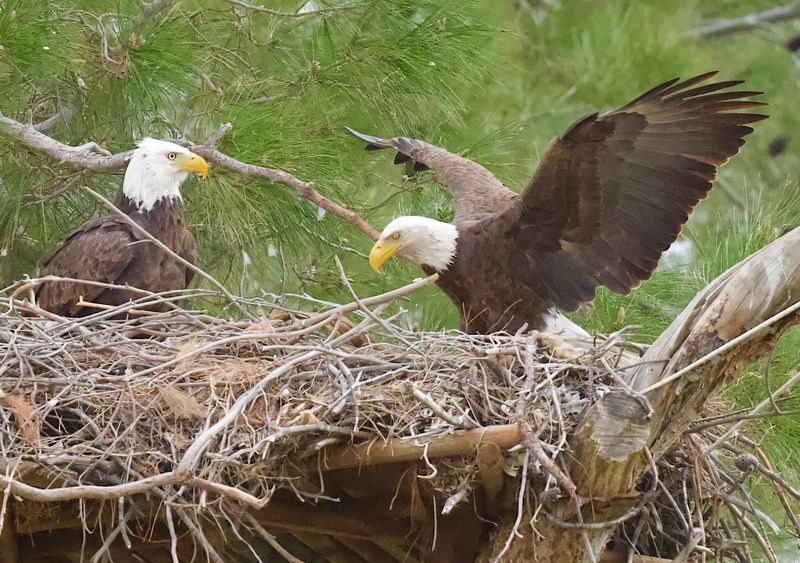
Arizona’s typical nest-building window opens in fall, peak activity arrives in November, and eggs generally follow in winter. The 2025 report shows how much pairs and elevations differ.
Dates tell you what to look for, not what a specific nest is doing. Think of the calendar as a map with fuzzy edges.