How To Rake Leaves And Clean Up Fall Beds In North Carolina While Avoiding Fire Ant Stings
Crisp air, crunchy leaves, and a pumpkin spice latte cooling on the porch rail. Fall yard work feels like a cozy reward after a sticky summer.
Then you plunge a gloved hand into a leaf pile and feel a hot, prickly surprise. Suddenly your peaceful afternoon turns into a hopping, swatting dance across the lawn.
Many yards across the Piedmont and coastal plain of North Carolina hide tiny troublemakers under those golden layers. They love warm soil, loose mulch, and the quiet corners we tend to ignore until autumn.
Mountain gardeners are less likely to run into them, but the habits below are still useful anywhere fire ants show up.
The good news is that a few smart habits can help keep your skin safe and your beds tidy. Grab your rake, and let’s get your yard ready for winter the easy way.
1. Scout Your Yard Before You Grab The Rake

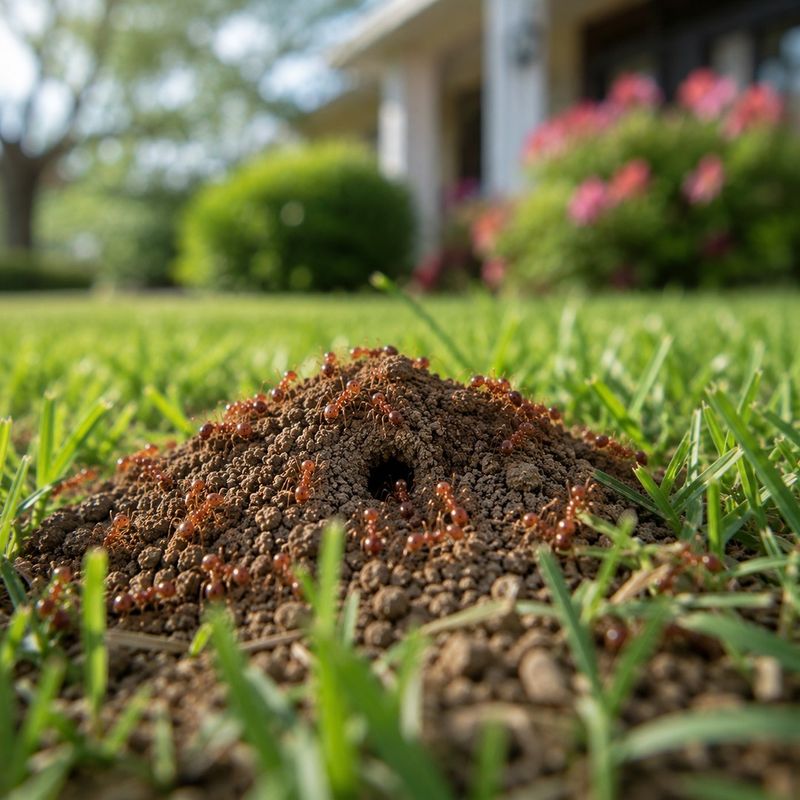
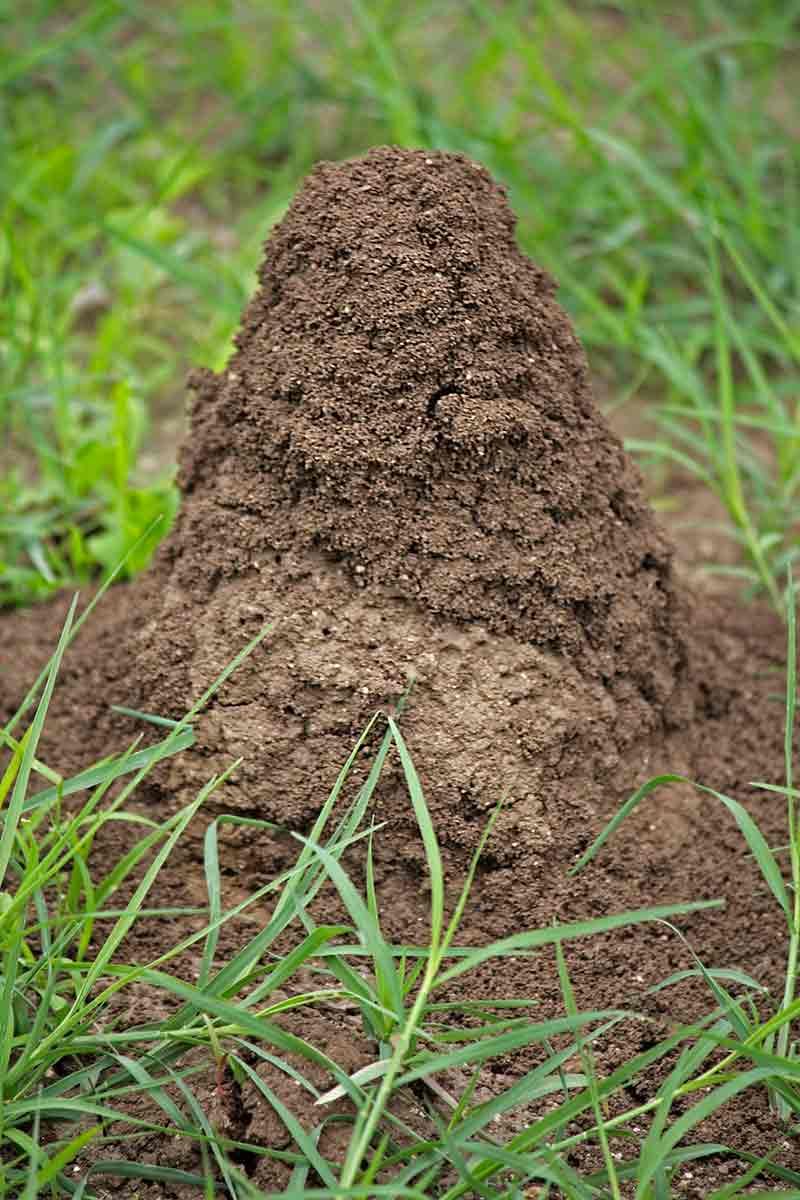
A five-minute walk around the yard can save you hours of itching later. Before any tool touches the ground, stroll slowly and look for fluffy, crumbly dirt mounds with no clear hole on top.
Fire ant mounds in North Carolina often pop up after a good rain, and they tend to be easiest to spot then. They like to hide along sidewalks, near fence posts, beside tree trunks, and in sunny garden edges.
Leaves can cover them, so watch for slight bumps under the leaf layer too.
Carry a few small garden flags or bright sticks on your walk. Each time you spot a mound, poke a flag a couple of feet away from it.
By the end, you have a simple map of the danger zones.
Avoid stepping right next to a mound, since vibrations can send workers rushing out.
Kids and pets should stay inside during the scouting trip. Once you know where the trouble spots are, you can plan your raking path around them.
Think of it like reading a map before a road trip. A little prep makes the whole journey smoother and much less painful.
2. Dress Smart For Fall Yard Work

Shorts and flip-flops feel great on a warm autumn day, but they are an open invitation to stings. Fire ants climb fast, and bare ankles are an easy target.
Start from the ground up. Rubber boots or tall work boots are your best friends, since smooth sides give ants less to grab onto.
Tuck long pants into your socks or boots so nothing can crawl up inside your pant legs.
Gloves matter just as much. Choose thick gloves with long cuffs that cover your wrists, since fire ants can sting through thin cotton garden gloves.
Nitrile-coated or leather styles work well for most North Carolina yard chores.
Some gardeners swear by sprinkling a little baby powder on their boots and pant cuffs. It is a folk tip rather than an Extension recommendation, so treat it as an optional extra and not a replacement for good boots and tucked pants.
Your North Carolina Garden Changes Every Week. Your Plan Should Too.
Gardening in North Carolina changes quickly throughout the season. Every Friday you’ll receive a simple weekly plan showing exactly what to plant, prune, fertilize, harvest, and protect so you never miss the right timing.
Long sleeves help when you reach into shrubs or scoop up leaf piles. Fall weather in the Piedmont and coast can still feel warm, so pick a light, breathable shirt.
Dressing like a beekeeper might seem silly, yet your skin will thank you when the afternoon ends with far fewer red bumps.
3. Treat Fire Ant Mounds Early In North Carolina
Timing is the secret weapon here. Treating mounds ahead of raking means fewer angry ants when you finally get to work, though baits can take days to weeks to show results, so plan ahead.
Baits are a popular choice for many homeowners. Worker ants carry the bait back to the colony and share it, which slowly reduces the nest.
Sprinkle the bait in a circle a few feet around the mound instead of dumping it right on top, and avoid disturbing the mound while you work.
NC State Extension recommends applying bait when ants are actively foraging, in temperatures between about 70 and 85 degrees. Early fall, especially September and October, is a great window.
Skip baiting right before rain, since wet or spoiled bait loses its appeal to ants.
For a quicker fix on a single mound, some people use mound drenches or dusts labeled for fire ants. Read the label carefully and follow every step.
More product does not mean better results.
Pouring gasoline or other fuels on mounds is unsafe and harms your soil. Boiling water is a home remedy some people try, but it takes about three gallons per mound, controls only around 60 percent of the mounds treated, can be hazardous to carry, and scorches nearby plants.
A steady, patient bait plan usually gives the safest and most lasting results for busy families.
4. Rake With A Light Touch Across North Carolina Lawns
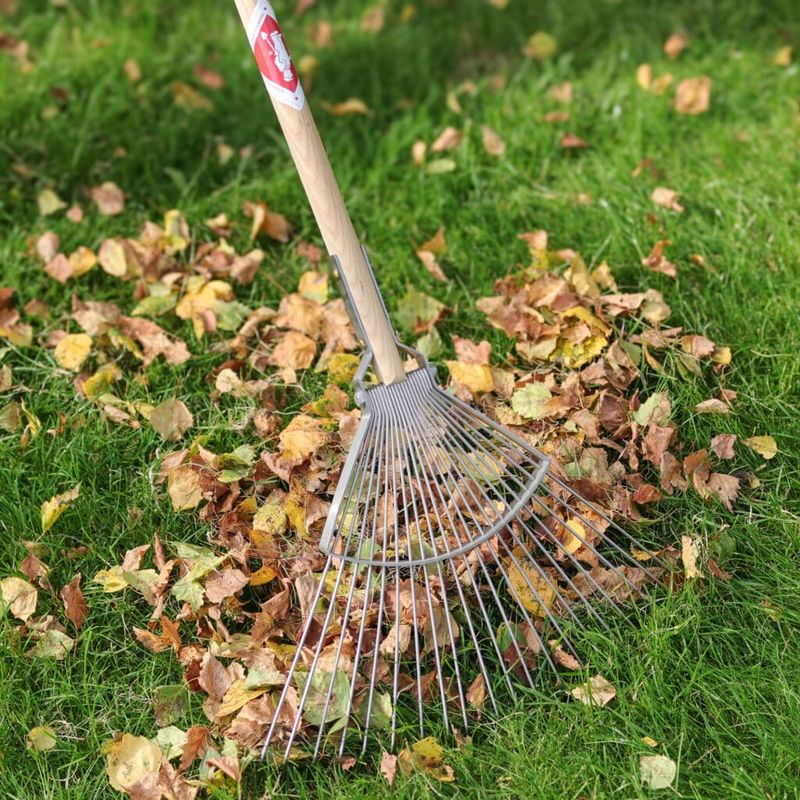
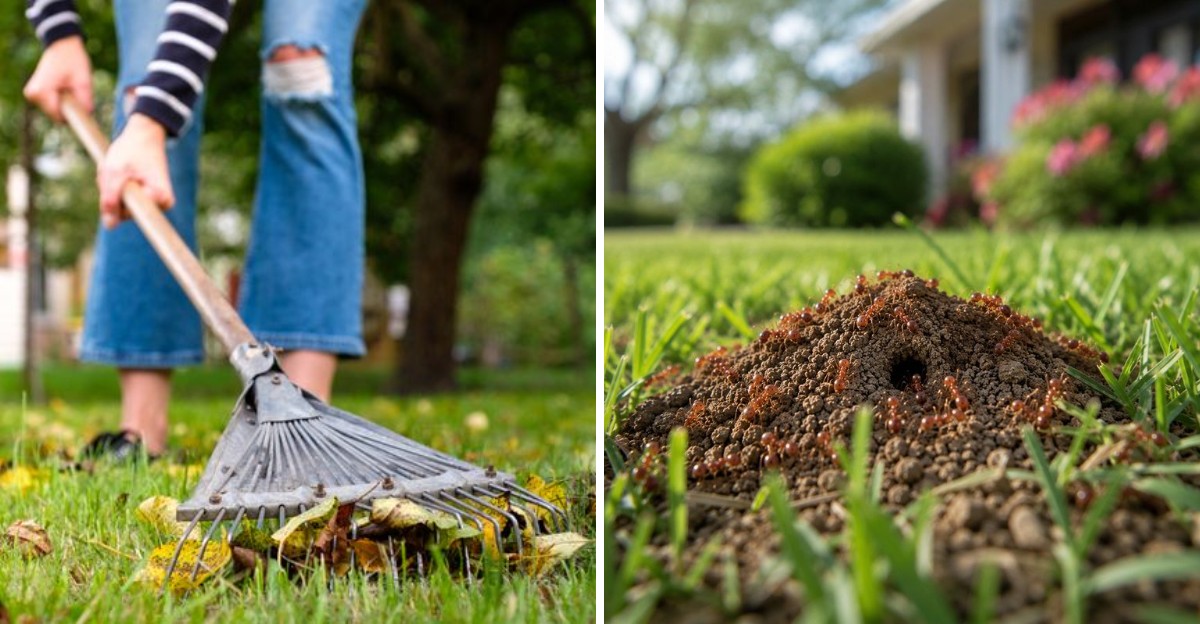
Ever notice how one quick jab of a rake can send leaves, dirt, and bugs flying? Aggressive raking is a fast way to stir up a hidden colony.
Use a long-handled leaf rake with wide, flexible tines. The long handle keeps your feet and hands farther from the ground, and the soft tines skim the leaves instead of digging into soil.
Metal bow rakes are better saved for gravel and garden beds.
Work with gentle, sweeping strokes. Pull leaves toward you in short sections, and keep an eye on any flags you placed during your scouting walk.
Give those spots a wide berth. A few feet of space is a good rough guide.
If you rake near a mound by accident, step back right away. Ants usually swarm up within seconds, so moving quickly helps keep them from reaching your boots.
Wait a few minutes before returning to that area.
Leaf blowers can also help in tricky corners. They move leaves without any contact with the ground, which keeps you at a safe distance.
Across much of North Carolina, oak and maple leaves fall in thick layers, so working in smaller batches over a few days is easier on your back and safer around ants too.
5. Handle Leaf Piles Safely In North Carolina

Leaf piles look harmless, but a heap that sits for a while can become a sheltered spot for all kinds of crawling guests. Fire ants usually prefer open, sunny soil for their mounds, though they may shelter in or under debris, especially after heavy rain.
Rake leaves onto a large tarp instead of straight onto the grass. When the tarp is full, simply drag it to your compost spot or curb.
You skip the whole bend-and-grab routine, and your hands stay far from the bottom layer.
Leaf scoops or grabbers are handy helpers too. These big plastic paddles let you lift armloads of leaves without reaching in with your fingers.
They are inexpensive and save a lot of strain on your back.
Try not to leave piles sitting overnight if you can help it. A pile that sits for a week might have new residents when you return.
Bag them, compost them, or set them out for pickup soon after raking.
Many North Carolina towns offer loose leaf collection in fall, so check your city website for dates. Some places want leaves in paper yard bags rather than plastic.
Knowing the rules ahead of time means your hard work actually leaves the yard, rather than turning into a hidden ant nest by the driveway.
6. Clear Out Flower Beds Without Digging Blindly

Garden beds are where many surprise stings happen. You kneel down, reach into the mulch, and suddenly feel a fiery pinch on your wrist.
Tap the bed lightly with a rake or stick first. Wait about thirty seconds and watch for movement.
If ants come pouring out, mark the spot and work elsewhere for now.
Long-handled pruners and loppers are a game changer for fall cleanup. You can trim faded perennials like coneflowers, daylilies, and black-eyed Susans without sticking your hands into the base.
Cut stems a few inches above the soil and toss them into a bucket.
Leave a few seed heads standing if you like birds. Goldfinches and other North Carolina songbirds snack on them through the colder months.
Your garden will look a little wild, but in a charming way.
A foam kneeling pad helps when you do need to get close. Place it on a spot you have already checked, and keep it off bare dirt where mounds can form.
Work in small sections, finishing one area before moving on, so you know which parts have been checked. Slow and steady really wins this race, and your hands stay comfortable from start to finish.
7. Rethink Mulch Habits In North Carolina Gardens

Pine straw is practically the official mulch of the South. Drive through any North Carolina neighborhood in fall, and you will spot bales stacked in driveways.
Mulch keeps soil warm and moist, which is great for plants. Sadly, those same conditions can appeal to fire ants.
Thick, untouched layers may turn into prime real estate for new colonies.
Keep mulch about two to three inches deep and no more. Pull it back a few inches from tree trunks and house foundations.
Thinner layers can dry out faster on top, which may make them a little less inviting.
Before adding fresh mulch, fluff the old layer with a rake and look for activity. If the old stuff is matted and moldy, remove it first.
Spreading new mulch over a hidden mound just gives the ants a fresh blanket.
Store bagged mulch or pine straw bales off the ground if you can. A pallet or old board works well.
Bales left sitting on soil for weeks can pick up fire ants, and you might carry a whole colony into your flower beds without knowing it. Checking each bale before spreading takes only a moment and saves plenty of trouble later.
8. Know Quick First Aid For Fire Ant Stings

Even careful gardeners get stung sometimes. Knowing what to do right away makes a sore situation much easier to handle.
Brush ants off fast with a sweeping motion. Fire ants can sting more than once, so getting them off your skin quickly matters more than anything else.
Moving away from the mound quickly matters too.
Wash the area with soap and cool water. Then hold an ice pack or cold cloth on the spot for about fifteen minutes to calm the burning.
Over-the-counter hydrocortisone cream or an antihistamine can help with the itching.
Small white blisters often show up within a day. Try hard not to pop or scratch them, since broken skin can get infected.
Keep them clean and let them heal on their own.
Some people have serious allergic reactions to stings. Watch for trouble breathing, swelling of the face or throat, dizziness, or hives spreading across the body.
Call 911 right away if any of these happen. Folks across North Carolina who know they are allergic should talk with a doctor about carrying an epinephrine pen during yard work season.
A small first aid kit near the back door is a smart, simple habit for every home.
9. Prep Your Yard For A Calmer Spring
Think of fall cleanup as a gift to your future self. A little extra effort now means fewer surprises when warm weather returns.
Write down where you found mounds this season. A quick phone photo or sketch of your yard works fine.
Next spring, you can check those exact spots first and treat them before planting begins.
Many experts recommend a two-step plan for fire ants in North Carolina. That means a broadcast bait across the lawn in fall or spring, plus spot treatments for any stubborn mounds.
Repeating this each year helps keep populations lower over time.
Tidy up hiding spots too. Move old boards, stacked pots, and broken bricks off the ground.
These items trap heat and moisture, and ants may build nests under them.
A thick, healthy lawn can also help, since fewer bare patches may mean fewer easy spots for new colonies to settle.
Consider a soil test through your county Extension office. The NC Department of Agriculture tests soil free from April through November, with a $4 fee per sample from December through March.
Then, once winter settles in and the leaves are gone, kick back with a warm drink. Your clean beds and safer lawn will be ready to shine when the dogwoods bloom again.