How To Winterize A Rain Barrel Before Pennsylvania Winter Arrives
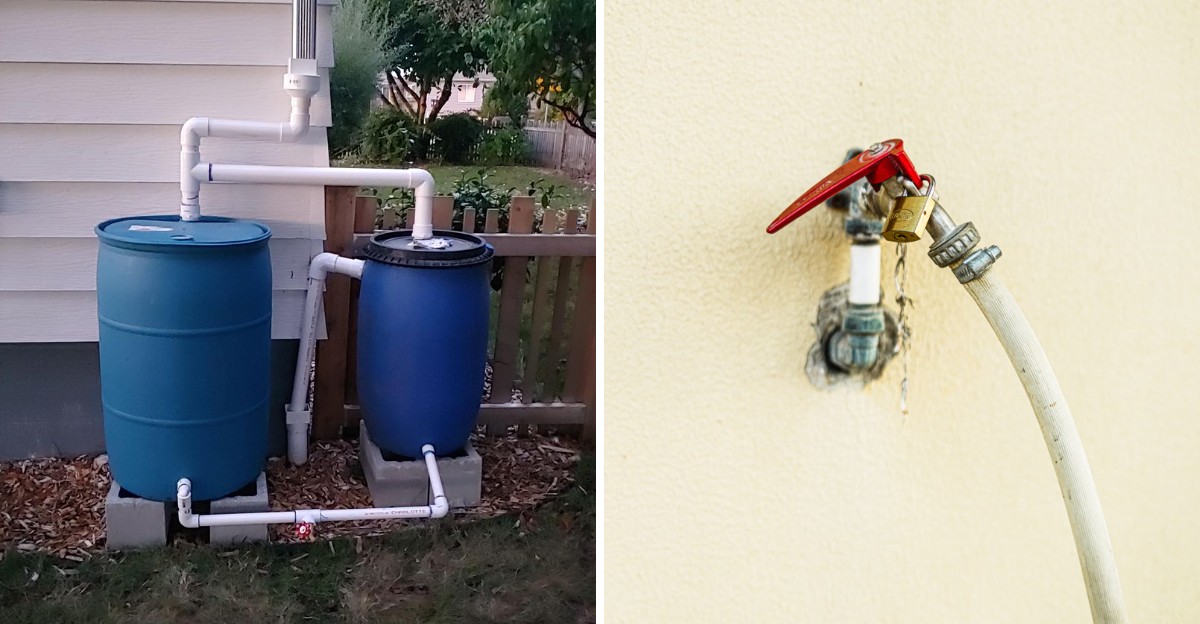
Your rain barrel may be one freeze from splitting. Water expands as it freezes, and plastic cannot withstand that pressure.
Pennsylvania winters can turn full barrels into split seams by January. Overnight lows can dip below freezing before you expect them.
Spigots crack, walls bow outward, and damage can hide until spring. You can prevent that damage with timely moves.
Drain it, detach the diverter, and tip the barrel upside down. Leftover water trapped in a hose or fitting becomes ice pressure.
Mice claim your open barrel as winter housing. Replacing a split barrel can cost more than your summer savings.
Frost across Pennsylvania lands sooner than your calendar suggests. That gives you a short window, since freezing temperatures can arrive quickly.
Soon, a hard freeze will test your preparation. Winning starts at the spigot, and the tilt matters.
1. Watch The Forecast For The First Hard Freeze
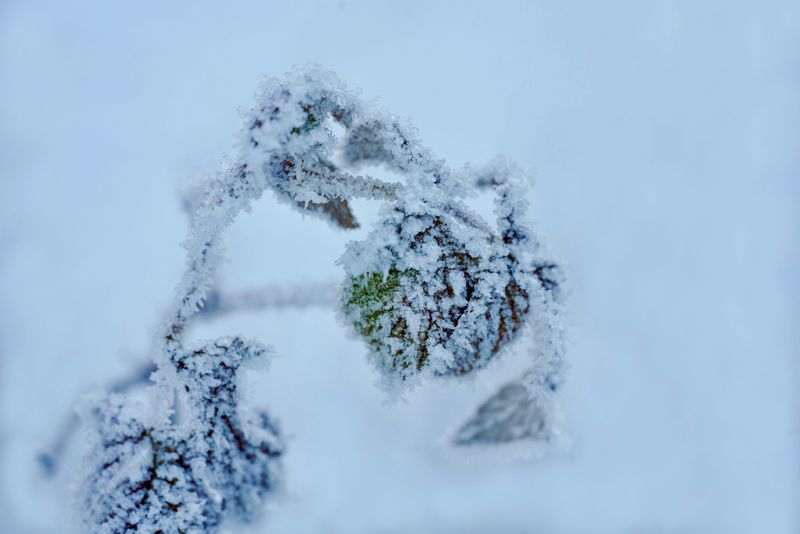
Pennsylvania weather can shift fast, especially in October and November. One week feels like sweater season, and the next brings frost on your windshield at dawn.
Much of the state typically sees its first hard freeze between mid-October and mid-November. Northern counties like Potter and McKean often get chilly nights sooner than Philadelphia or Pittsburgh.
Elevation matters too, so hilly spots in the Laurel Highlands may freeze earlier than valley towns. Know your own neighborhood, and trust what your morning car windows tell you.
A hard freeze means temperatures dip to about 28 degrees or lower for several hours. That is cold enough to turn standing water into solid ice inside a barrel.
Water expands as it freezes, and plastic often cannot handle that pressure. Spigot fittings and seams often crack first under all that pushing force.
So start checking the ten-day forecast as soon as October rolls around. Apps from the National Weather Service or a local TV station work well for this job.
Look for nights in the low thirties, since those are your early warning signs. Once you spot them, plan to finish your barrel chores within the next week or so.
A handy trick is setting a phone reminder for the middle of the month. That small nudge keeps the task from slipping behind raking leaves and carving pumpkins.
Getting ahead of the cold feels great, like finishing homework on Friday afternoon. Your barrel will thank you by showing up in one piece next April.
2. Drain Every Drop From The Barrel
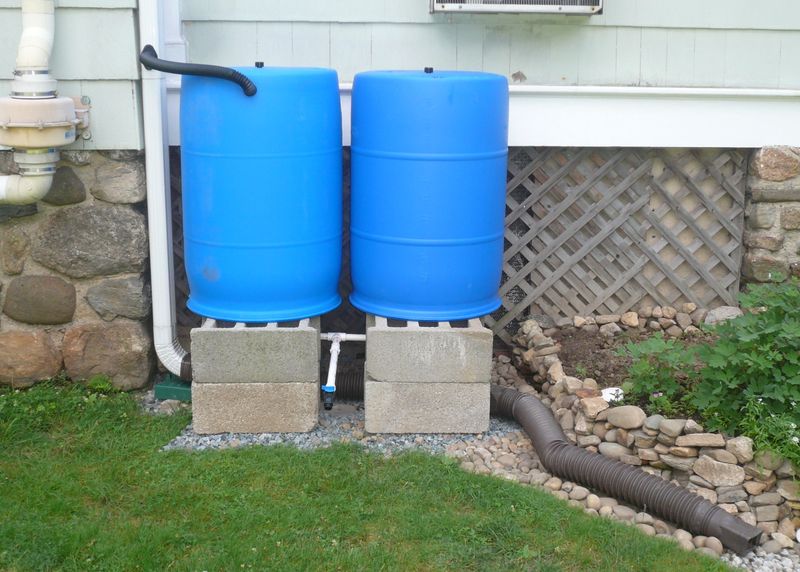
Picture lifting a full 55-gallon barrel, and then picture your back filing a complaint. Water weighs over eight pounds per gallon, so a full barrel tops 450 pounds.
Draining it is a key winter step for plastic barrels, hands down. Empty plastic cannot crack from ice, because there is simply nothing left to freeze.
Start by opening the spigot near the bottom and letting gravity do the heavy lifting. Point the flow toward thirsty shrubs, flower beds, or a lawn spot that needs a drink.
Give your trees and perennials one deep fall soak, since they appreciate moisture before the ground freezes. It is a nice way to use that free water instead of wasting it.
Your Pennsylvania Garden Changes Every Week. Your Plan Should Too.
Gardening in Pennsylvania changes quickly throughout the season. Every Friday you’ll receive a simple weekly plan showing exactly what to plant, prune, fertilize, harvest, and protect so you never miss the right timing.
The spigot usually sits a few inches above the base, so some water stays behind. Tip the barrel gently on its side to pour out that last stubborn layer.
Ask a friend to help if the barrel still feels heavy or wobbly. Bending with your knees, not your back, keeps the job safe and comfortable.
Some barrels have an overflow port near the top, which needs a quick check as well. Make sure no water hides in that fitting or in any connecting tubes.
Once the inside looks dry, peek in with a flashlight to confirm. A few drops are fine, but puddles should go before the cold arrives.
Draining on a sunny afternoon helps a lot, since warm air dries the walls faster. Leave the lid off for an hour while you finish other yard work.
3. Disconnect The Diverter And Reroute The Downspout
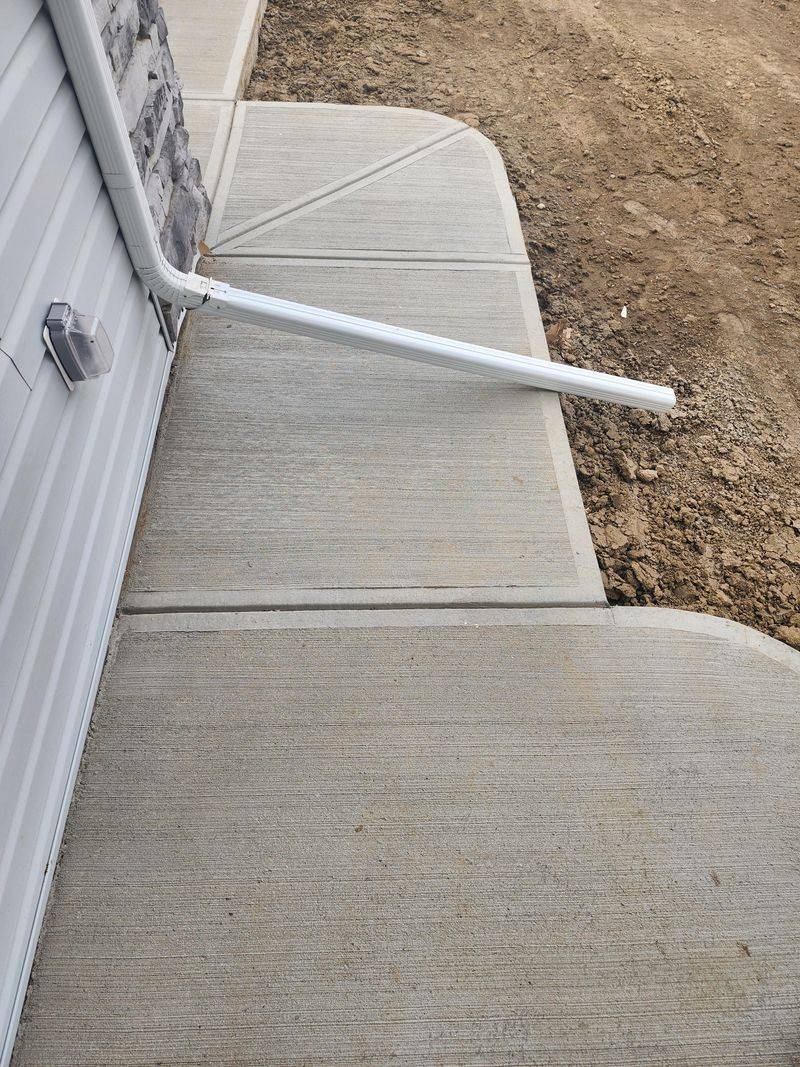
Your downspout does not know summer is over, and it will keep sending water anywhere you point it. That is why the diverter or connection needs attention next.
A diverter is the small device that sends rainwater from the gutter into the barrel. In winter, melting snow can refill an empty barrel and set up another hard freeze.
Most diverters have a simple switch or flap that sends water back down the spout. Flip it to the winter or bypass setting so runoff skips the barrel.
If your setup uses a cut downspout with a short elbow, reattach the full spout section. Hardware stores sell inexpensive replacement pieces if the old one went missing over summer.
Next, check where the water lands once it leaves the downspout. It should flow at least four to six feet away from your foundation.
A splash block or downspout extension makes this easy and is usually quite inexpensive to buy. Pennsylvania basements can leak when meltwater pools near the walls in late winter.
Also remove the hose that links the diverter to the barrel. Water trapped inside that short tube can freeze and split it by January.
Take a moment to clean the gutters while you are up there. Packed leaves can cause overflow, help ice dams form, and leave messy icicles hanging off the roofline.
A clear path for water keeps your house dry and your barrel safe. Think of it as giving the rain a new winter address.
4. Scrub Out The Sludge Before Storage
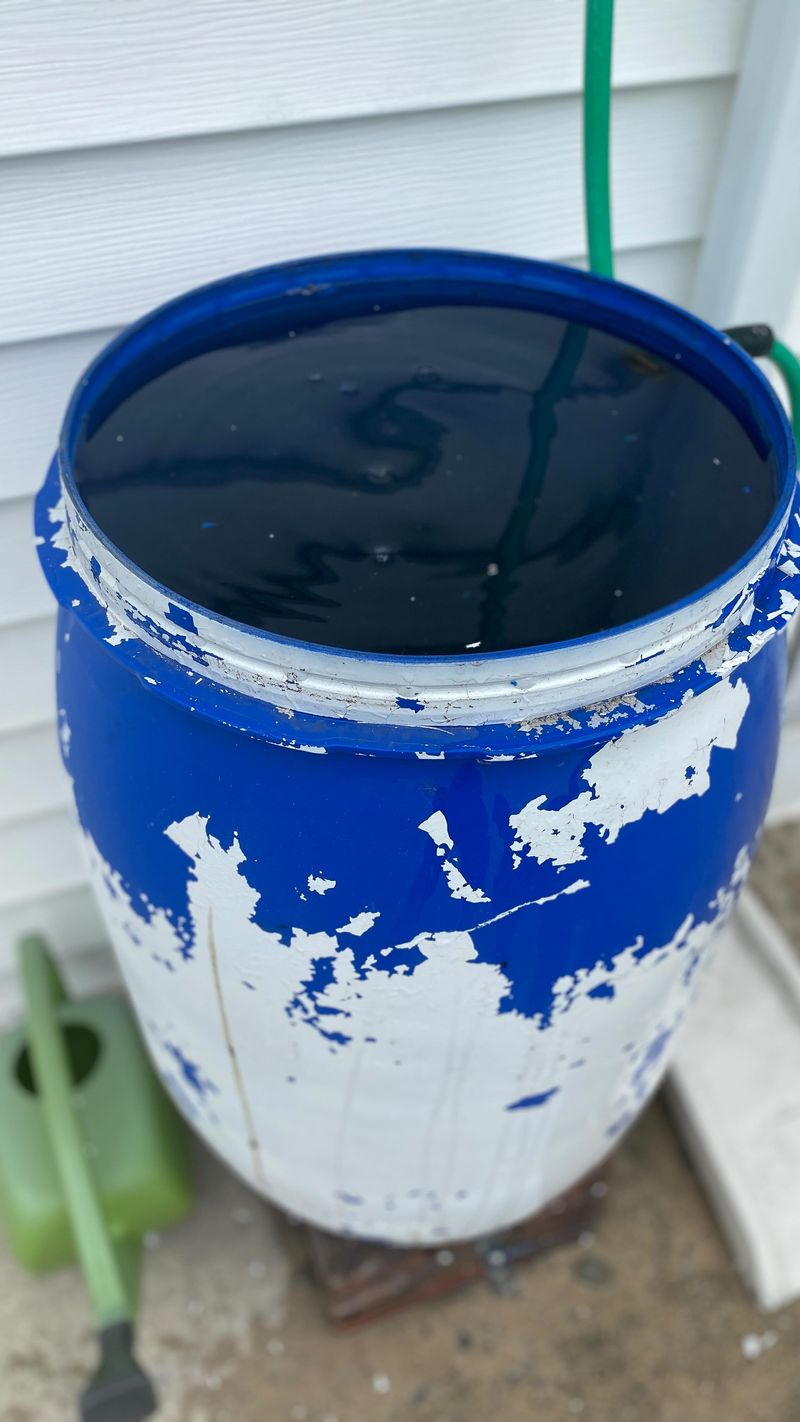
Anyone who has peeked inside a summer barrel knows the water can turn murky, cloudy, and green. Leaves, pollen, bugs, and slimy green film tend to collect at the bottom.
Cleaning now is much easier than scraping dried gunk off next spring. Old debris can also clog the spigot and invite mosquitoes once warm weather returns.
Start by scooping out leaves and sludge with a gloved hand or small garden trowel. Toss the mucky stuff into your compost pile, where it can break down over winter.
Then mix a gentle cleaner of water and a splash of white vinegar. About one cup of vinegar per gallon of water handles most algae and stains.
Scrub the walls with a long-handled brush, like the kind used for car washing. Pay extra attention to the bottom corners and the rim under the lid.
Skip bleach for vegetable beds, or dilute it well, since leftover residue can harm plants. A careful rinse with the garden hose removes the loosened grime.
Let the barrel sit upside down in the sun until it dries out. Moisture left inside can grow mildew while the barrel sits in storage.
Check the mesh screen on top while you are at it. Rinse it, look for holes, and replace it if squirrels or sticks poked through.
A clean barrel feels like a fresh start for next season. Your spring self will smile when the first rain fills a tidy, sweet-smelling container.
5. Remove And Store The Spigot And Hoses
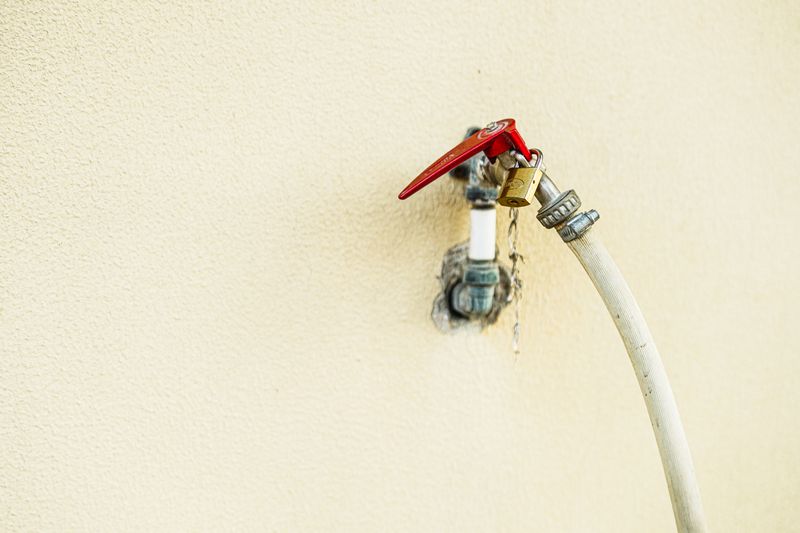
Small brass parts cause big headaches when ice gets into them. The spigot, hose fittings, and any linking tubes deserve their own little winter routine.
Unscrew the spigot from the barrel if your model allows it. Many twist out by hand, while others need a wrench or a pair of pliers.
Wrap the threads with a bit of plumber’s tape before storing it. That helps the part seal tightly when you reinstall it next spring.
Plug the open hole with a rubber stopper or a threaded cap. Bugs and mice love tiny shelters, and an open hole is an easy way inside.
Drain every hose connected to the barrel by holding it up high. Then coil it loosely and hang it inside a shed or garage.
Soaker hoses and drip lines need the same treatment, since they hold sneaky pockets of water. Kinks and splits from frozen water make them useless by planting season.
Keep all the small pieces together in one labeled zip bag or plastic bin. Washers and O-rings disappear easily, and they cost more in frustration than money.
Snap a quick phone photo of how everything connected before you take it apart. That picture becomes a lifesaver in April when your memory feels a little foggy.
Look over each part for cracks, rust, or worn rubber washers too. Ordering replacements during winter means no waiting when the spring rains start.
Sturdy brass fittings often outlast cheap plastic ones, so consider a modest upgrade. A sturdy spigot lasts many seasons and drips far less.
6. Flip Or Move The Barrel Into Shelter
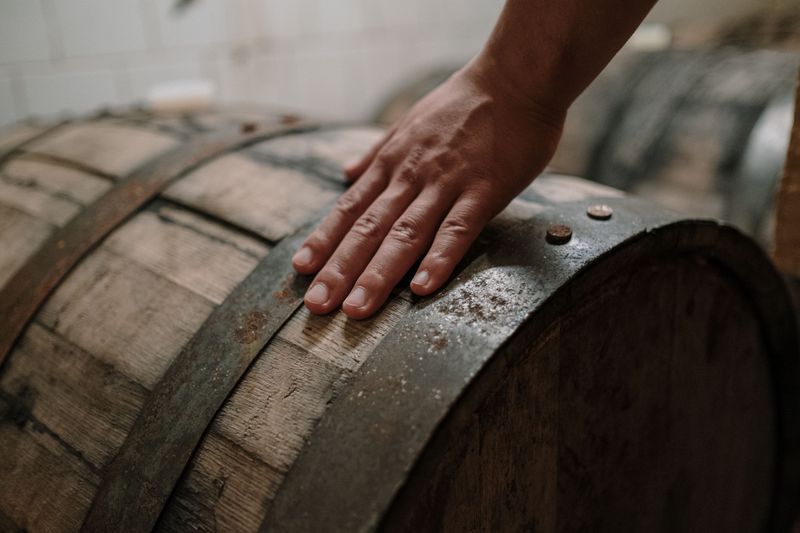
Many gardeners store old barrels in the barn each winter, right beside the snow shovels and sled. They have the right idea, because shelter is the best protection from the cold.
A garage, shed, basement, or covered porch all make excellent winter homes for an empty barrel. Even an unheated space shields the plastic from wind, ice, and harsh sun.
Winter sunlight sends UV rays that can weaken plastic over time. Storing the barrel indoors helps it last for many more years.
If space is tight, stack smaller barrels or tuck one under a workbench. Some folks hang lightweight barrels from sturdy hooks on the garage wall.
If moving it is not possible, flip the barrel upside down where it sits. Water cannot collect inside, and snow simply slides off the bottom.
Remove the lid and screen first so they do not get crushed or lost. Store those pieces somewhere dry, like a garage shelf or tool bin.
Place the flipped barrel on bricks or a pallet, and strap it down firmly. Lifting it off frozen ground stops it from sticking to ice in February.
Check that the stand or cinder blocks are level and steady too. Frost heave can shift the ground under them during freeze and thaw cycles.
Strong winds blow across Pennsylvania hills, so weigh down lighter barrels or tie them in place. A barrel blown out of place can scratch a car or annoy your neighbors.
7. Cover And Secure Barrels Left Outside
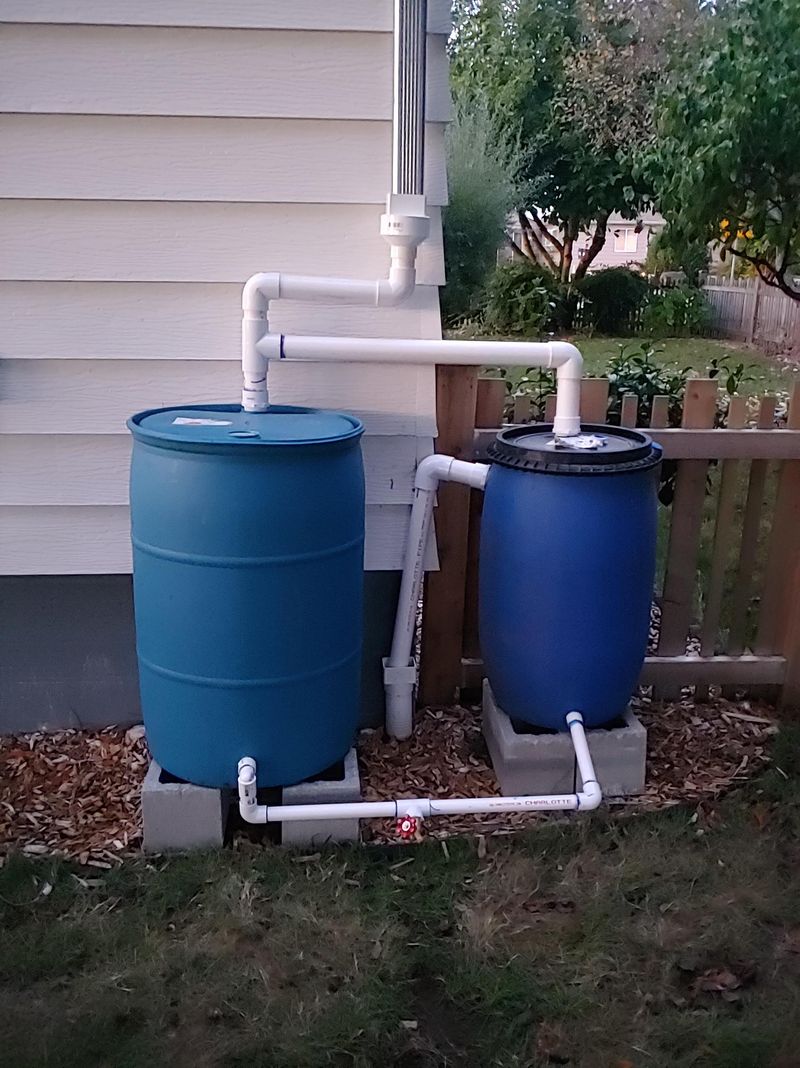
Some barrels are just too big or too built-in to move. Large tanks, linked systems, and decorative barrels often stay outside all season long.
Empty ones still need care, even if they look tough and sturdy. Cold, snow, and wind can wear them down faster than you might expect.
A heavy-duty tarp or fitted barrel cover keeps snow and ice from piling on top. Pick a dark or neutral color so it blends in with the winter yard.
Secure the cover with bungee cords or a ratchet strap around the middle. Pennsylvania winter storms can toss loose tarps across the neighborhood in minutes.
Leave the spigot open if the barrel stays upright and connected. Any water that sneaks in can drain out instead of freezing into a block.
Linked barrels need each connector hose removed or drained between them. Frozen tubes between tanks crack easily and often go unnoticed until spring.
Gardeners near Erie and the northwest corner often face heavy lake-effect snow. Brush off thick snow loads after storms so lids and stands stay strong.
Walk out after big cold snaps and give the barrel a quick look. Spotting a small crack early lets you patch it before it spreads.
Repair kits made for polyethylene work well for minor damage. Fix it on a mild day, since most glues cure poorly in freezing air.
A little attention goes a long way out there. Think of it as checking on a neighbor during a snowstorm.
8. Mark Your Calendar For A Spring Reset
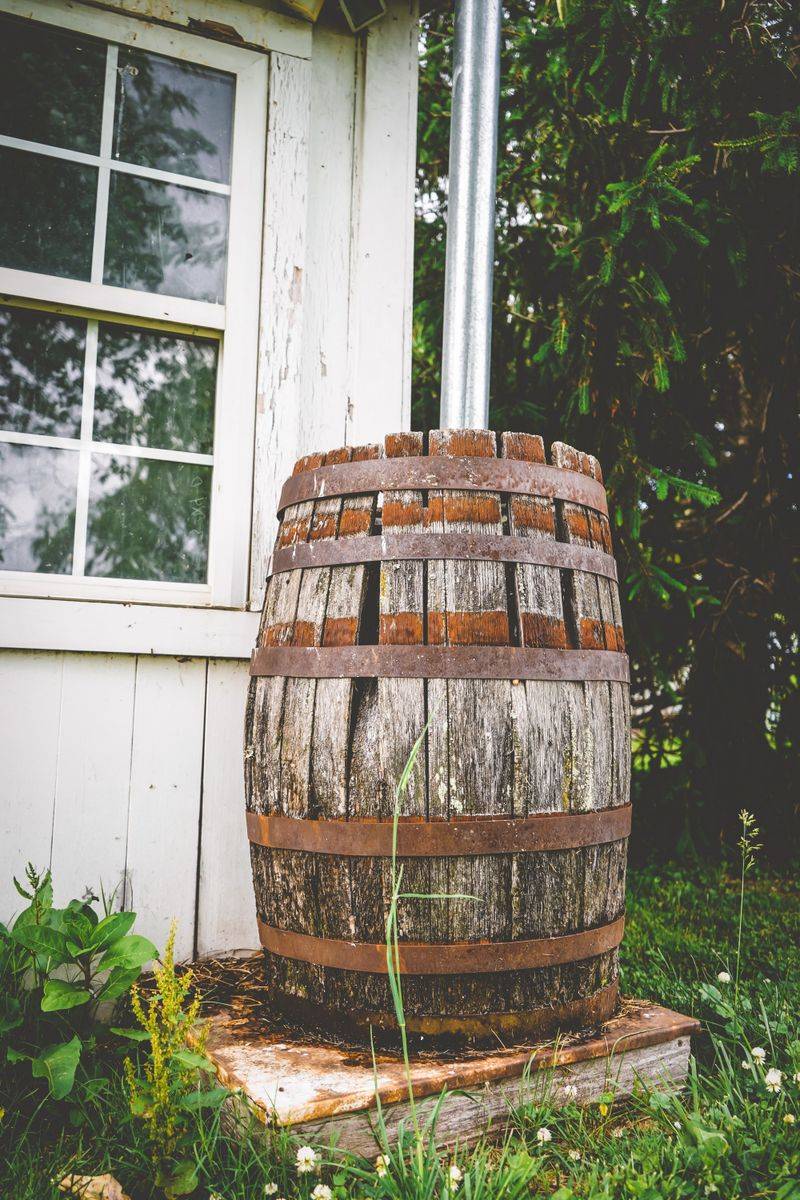
Spring arrives in Pennsylvania with mud, robins, and a sudden urge to get outside. Planning now makes your barrel ready the moment those spring showers begin.
Grab a calendar and mark a date in early to mid April, once nights stay above freezing. That timing usually follows the worst freezes, though a late frost can still surprise you.
Write down the steps you took this fall, in order. Reversing them later becomes simple when the list sits right in front of you.
Keep the zip bag of spigot parts and your phone photos in one easy spot. A kitchen drawer or the garage workbench both work nicely.
Winter is also a smart time to shop for upgrades. Garden stores and county conservation districts often host rain barrel sales and workshops in spring.
Penn State Extension offers helpful guides on rain barrel care for local homeowners. Their tips cover mosquito control, safe water use, and smart placement.
Consider adding a second barrel if you ran short of water last summer. Two linked barrels store twice the water, so less overflows in storms.
Ordering a new screen, lid, or overflow hose ahead of time saves a frantic hardware store trip. Spring stores fill up fast once warm weather hits.
When the big day comes, reinstall the spigot and flip the diverter back on. Then sit back and listen as the first spring rain drums into a ready barrel.
A little prep in October pays off with free water all season. Your garden will start the season with a full water supply.