These Poisonous Plants Grow Wild In New York, And Some Are Probably Near Your Home
That pretty green plant by your fence might be plotting against your skin. From city parks to quiet country roads, leafy beauty is everywhere.
Hidden among the wildflowers, though, are a few plants that can burn, blister, or seriously sicken you. Some look like harmless wild carrots, while others hide berries that resemble blueberries.
Many grow close to homes, schoolyards, and hiking trails across New York. You might walk past one on the way to the mailbox without a second thought.
Kids, pets, and gardeners are often the first to stumble onto them by accident. A little knowledge goes a long way toward staying safe.
Once you know what to look for, spotting these troublemakers gets surprisingly easy. Eight plants in particular are worth learning before your next walk outside.
1. Poison Ivy Grows Almost Everywhere
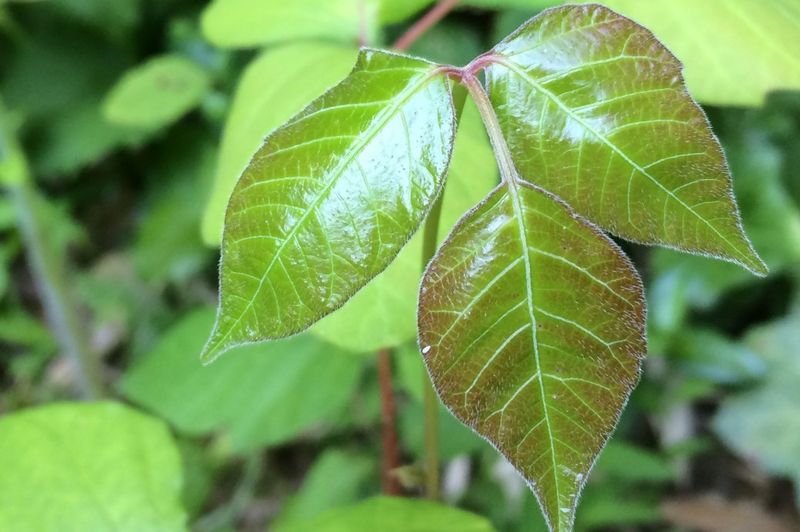
Leaves of three, let it be. Kids across New York learn that rhyme at summer camp for a very good reason.
Poison ivy shows up in city parks, wooded trails, wetlands, empty lots, and backyards. It can grow as a small shrub, a creeping ground cover, or a hairy vine climbing trees.
Each leaf has three leaflets, and they can look shiny or dull. Edges may be smooth, slightly toothed, or deeply notched, so shape alone can fool you.
Colors change with the seasons, too. Spring leaves often look reddish, summer leaves turn green, and fall brings orange or bronze shades.
Every part of the plant holds an oily resin called urushiol. Leaves, stems, roots, and even the pale berries can trigger an itchy reaction.
A red rash usually appears 24 to 48 hours after contact. Blisters and swelling may follow, and the itch can hang around for one to three weeks.
Here is a sneaky detail many people miss. Urushiol can stay active on garden tools, gloves, shoes, and pet fur for many months.
So your dog might bring the rash home without ever getting itchy itself. Give pets a bath after romps through brushy areas.
Burning poison ivy creates another hazard entirely. Smoke carrying the oil can irritate your lungs and cause serious breathing trouble.
Rinse skin with cool water and soap right after possible contact. Acting within the first hour can greatly reduce the reaction.
2. Poison Hemlock Is Life-Threatening If Eaten
Socrates, the famous Greek thinker, was sentenced to drink a hemlock brew over two thousand years ago. That same plant family still lines roadsides today.
Poison hemlock thrives in wet meadows, ditches, and open fields from June through September. You can spot it along many country roads in upstate areas.
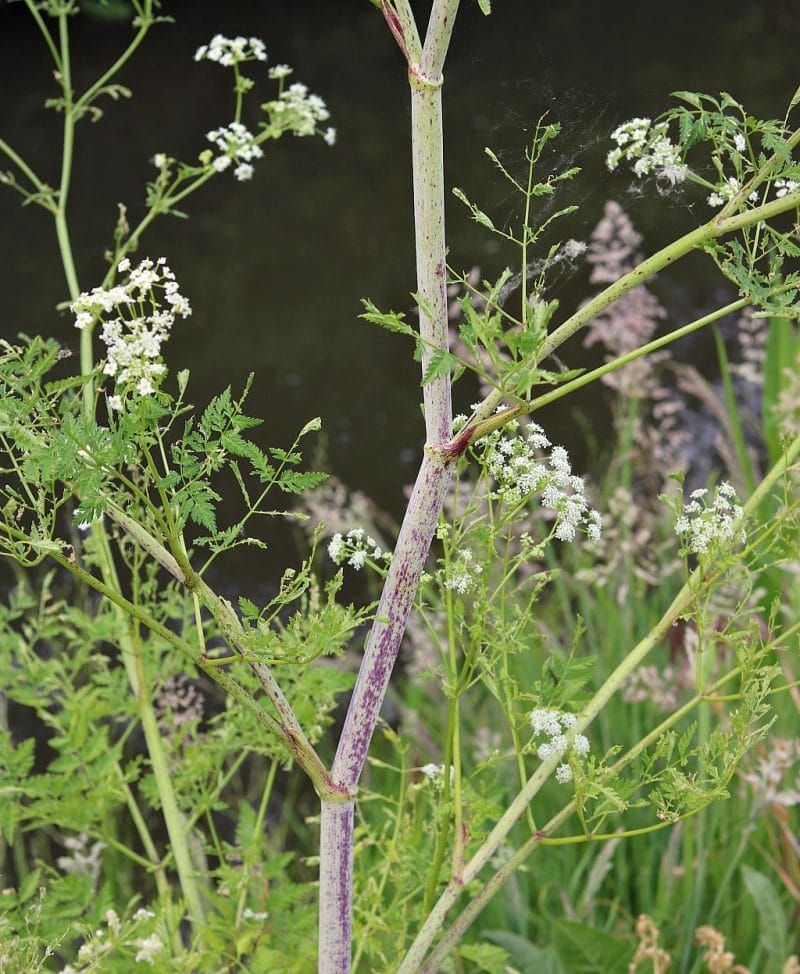
Look closely at the stem first. It is smooth, hollow, and often splashed with purple blotches, almost like spilled grape juice.
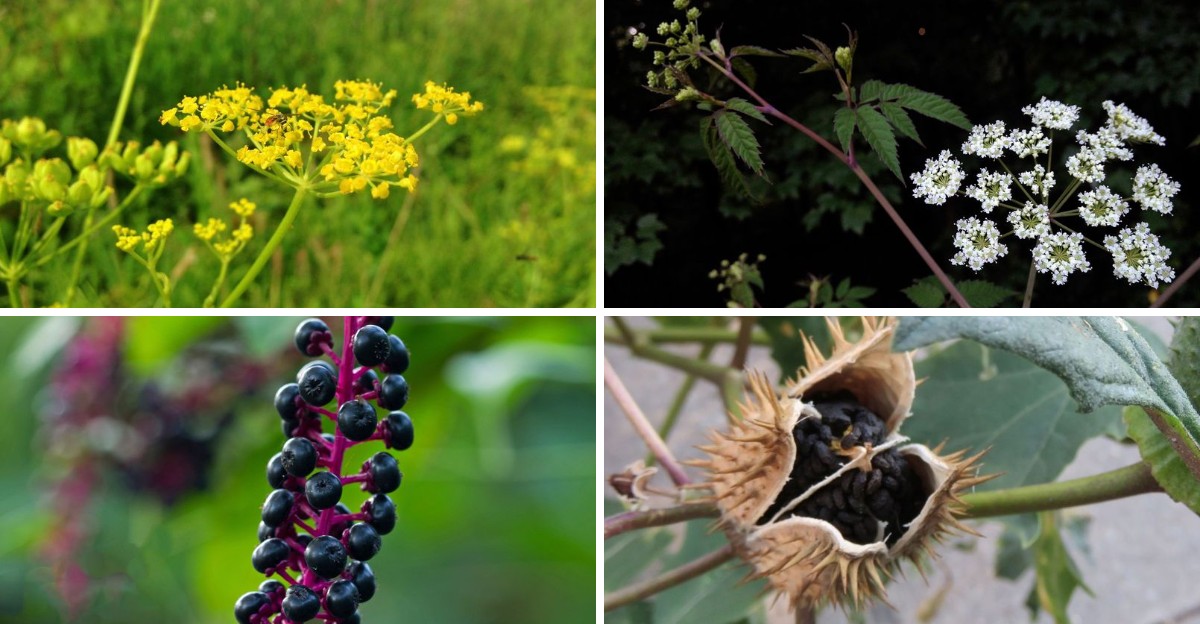
Leaves are finely divided and lacy, a bit like ferns or parsley. White flowers bloom in flat, umbrella-shaped clusters at the top.
Here is where trouble starts. The plant looks a lot like wild carrot, wild parsley, and wild parsnip, which tempts foragers.
Queen Anne’s lace, a wild carrot, has hairy stems. Poison hemlock stems feel smooth, which is a helpful clue for curious hikers.
Your New York Garden Changes Every Week. Your Plan Should Too.
Gardening in New York changes quickly throughout the season. Every Friday you’ll receive a simple weekly plan showing exactly what to plant, prune, fertilize, harvest, and protect so you never miss the right timing.
Every part contains toxic alkaloids, mainly one called coniine. Roots, seeds, leaves, and stems all carry the danger.
Eating even a small amount can be extremely harmful. Doctors have no specific antidote, so treatment focuses on supporting the body.
Symptoms may appear within 15 minutes to a few hours. A racing pulse, confusion, seizures, and kidney trouble can follow.
In serious cases, breathing muscles can stop working properly. Call Poison Control at 1-800-222-1222 right away if someone swallows any part.
Wear gloves when pulling it, since sap can irritate skin. Never mow it without eye protection, either.
3. Giant Hogweed Sap Can Cause Severe Burns
Picture Queen Anne’s lace after a massive growth spurt. Giant hogweed can tower 8 to 14 feet tall, and some reach nearly 20.
Originally from Asia, it was brought over as a showy garden plant. Now it spreads along streams, ditches, roadsides, and fields across New York.
Its hollow stems measure 2 to 4 inches wide. Dark reddish-purple blotches and coarse white hairs cover them.
Leaves are huge and deeply cut, spreading up to 5 feet across. White flower heads form umbrella clusters as wide as 2.5 feet.
The real danger hides inside the stem. Its clear, watery sap contains chemicals called furanocoumarins.
Sunlight activates those chemicals on your skin. The result is a painful condition called phytophotodermatitis, which means plant plus light skin burn.
Blisters often show up within 48 hours. Scars may turn dark and stay sensitive to sunlight for several years.
Sap in the eyes is even scarier. It can cause temporary or lasting vision problems.
The New York State Department of Environmental Conservation tracks this plant closely. You can report sightings through their giant hogweed hotline or website.
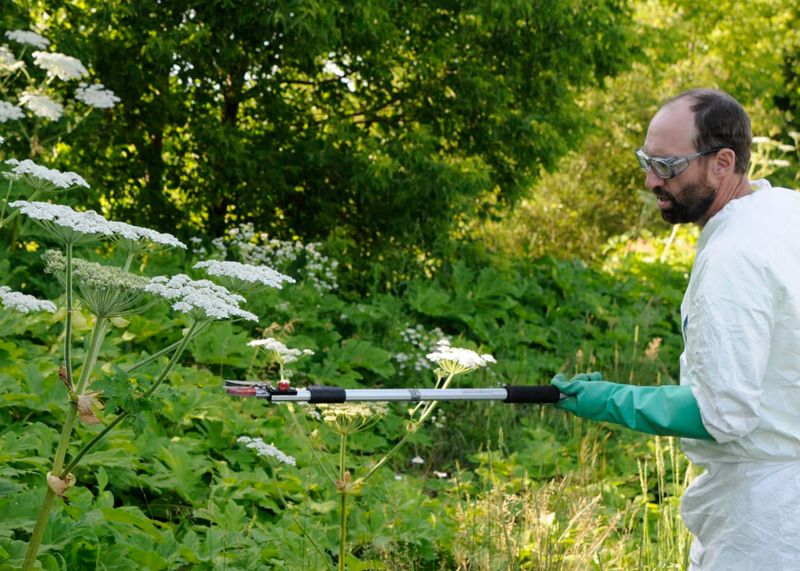
Please skip the DIY removal. Trained crews wear waterproof suits and goggles because a single splash can cause harm.
Snap a photo from a safe distance and send it in. Experts will confirm the plant and help plan a safe cleanup.
4. Wild Parsnip Burns Skin In Sunlight
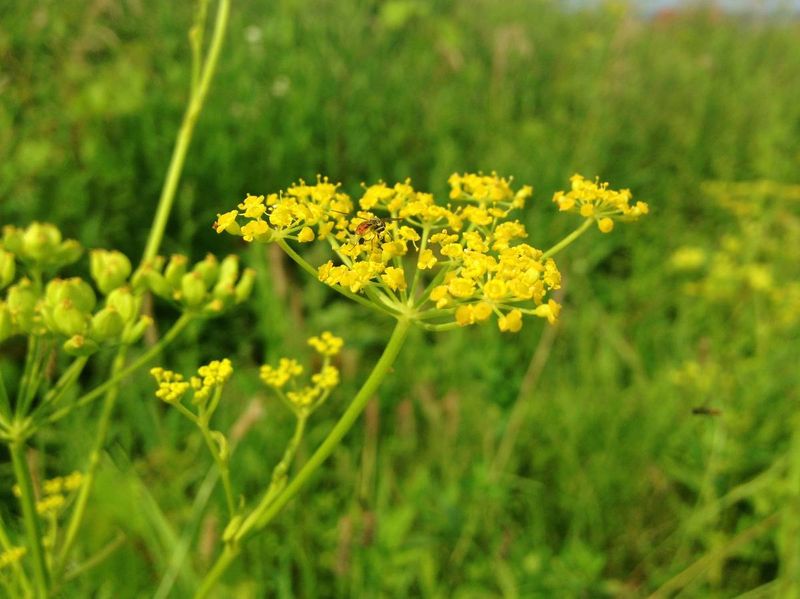
Yellow flowers waving in a sunny ditch look cheerful enough. Brush against wild parsnip on a bright day, though, and you might regret it.
Brought from Europe and Asia long ago, this plant now grows throughout the state. Roadsides, pastures, and abandoned fields are its favorite hangouts.
Wild parsnip usually reaches 2 to 5 feet tall. Its grooved, hollow stems feel smooth rather than hairy.
Leaves look like oversized celery leaves with several leaflets. Tiny yellow flowers gather in flat clusters about 3 to 8 inches wide.
Like giant hogweed, the sap carries furanocoumarins. Once sunlight hits sap on your skin, a burning reaction begins.
Many people first notice red streaks or odd blister patterns. Those lines often match exactly where a stem brushed against an arm or leg.
Affected spots can stay brown and sun-sensitive for up to two years. That surprise souvenir is no fun at the beach.
Fun fact time. The parsnip you buy at the grocery store is the same species, just tamed for gardens.
Mowing crews and weed trimmers get hit often. String trimmers fling sap onto bare legs and arms in a fine spray.
Cut it on cloudy days or in the evening if possible. Cover up, then wash skin quickly with soap and keep it shaded for two days.
5. Water Hemlock Is Among The Most Toxic Plants
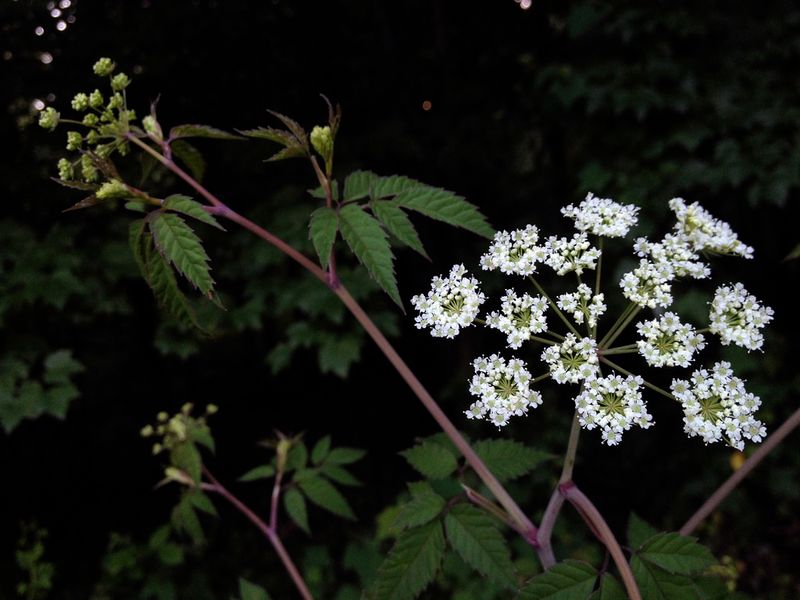
Experts often call water hemlock the most violently toxic plant in North America. Few weeds earn a reputation that fierce.
You will find it near freshwater marshes, swamps, stream banks, and pond edges. Wet ditches in many New York towns can host it as well.
Above ground, it seems fairly ordinary. Stems reach a few feet tall, sometimes with purple streaks, topped by umbrella clusters of tiny white flowers.
The real giveaway sits underground. Its thick roots grow in bundles, and slicing one reveals hollow chambers inside.
Damaged roots ooze a yellowish, oily liquid. That liquid smells a bit like raw parsnip, which has fooled hungry foragers.
The plant holds a powerful nerve toxin called cicutoxin. It attacks the central nervous system with frightening speed.
Roots and lower stems contain the highest levels. Even a small bite can cause serious harm to people and livestock.
Symptoms can begin within 15 minutes or take up to six hours. Expect vomiting, muscle twitching, seizures, and trouble breathing.
Emergency care is essential right away. Call 911 rather than waiting to see how symptoms develop.
Cattle sometimes graze it in early spring when other food is scarce. Farmers should check wet pasture corners before turning animals loose.
For foragers, the rule is simple. If a white-flowered plant grows near water, leave it alone unless an expert confirms it.
6. Pokeweed Berries Are Toxic To People And Pets
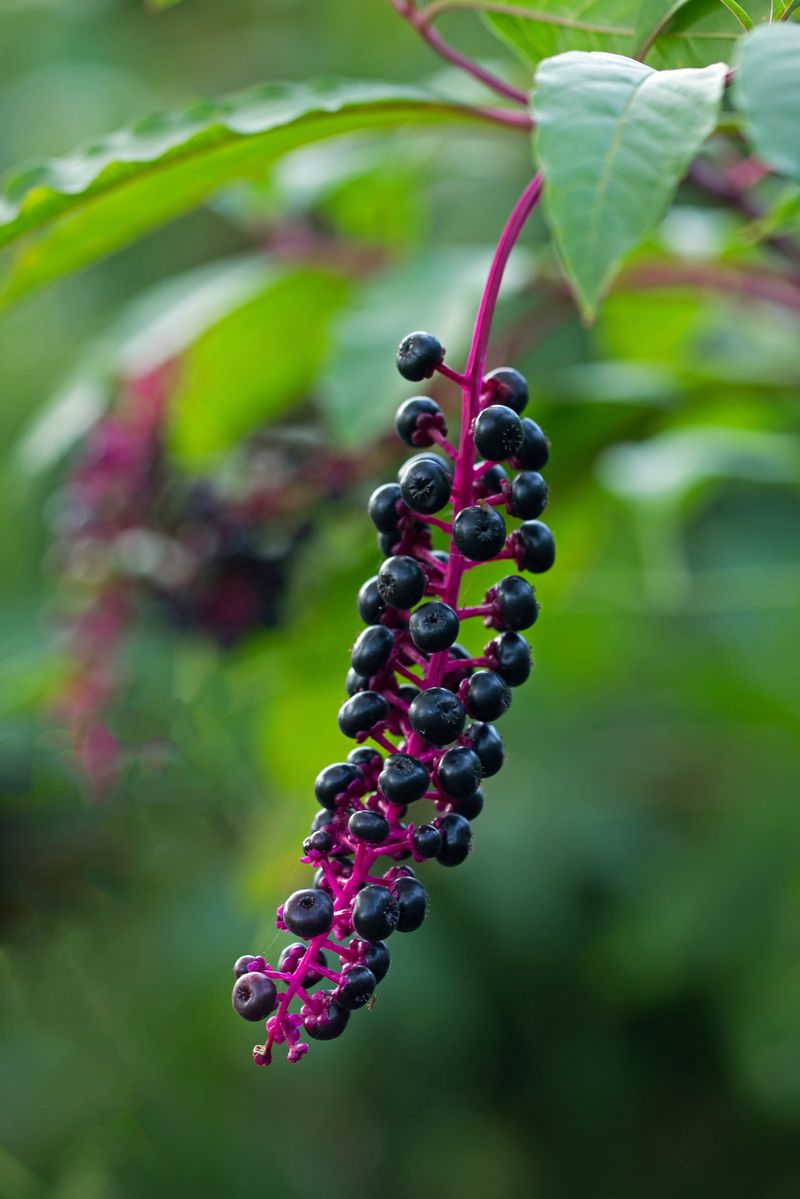
Bright magenta stems and glossy purple berries make pokeweed look like a jewelry display. Unfortunately, this native beauty is full of poison.
Pokeweed loves rich, disturbed soil. Look for it along fences, woodland edges, pastures, and neglected garden corners.
A mature plant can grow taller than an adult. Its large leaves sit on thick reddish stems that are hard to miss.
Small white flowers bloom first in long clusters. By late summer, they turn into drooping bunches of dark purple berries.
Those berries resemble blueberries or grapes. Curious toddlers and snacking dogs find them hard to resist.
Every part is toxic, but the roots pack the strongest punch. Ripe berries also cause trouble when eaten in larger amounts.
The plant contains saponins, oxalic acid, and other irritating compounds. Swallowing it can bring mouth burning, cramps, vomiting, and diarrhea.
Serious cases may involve a racing heart, breathing changes, or seizures. Even handling the plant barehanded can irritate skin.
Here is a fun twist. Birds like robins and catbirds gobble the berries without harm and spread the seeds widely.
Early settlers used berry juice as ink and dye. Some Civil War letters were reportedly written with it.
Pull young plants wearing gloves before berries form. For big plants, dig out the taproot, since it regrows from leftover pieces.
7. Jimsonweed Can Poison People And Animals
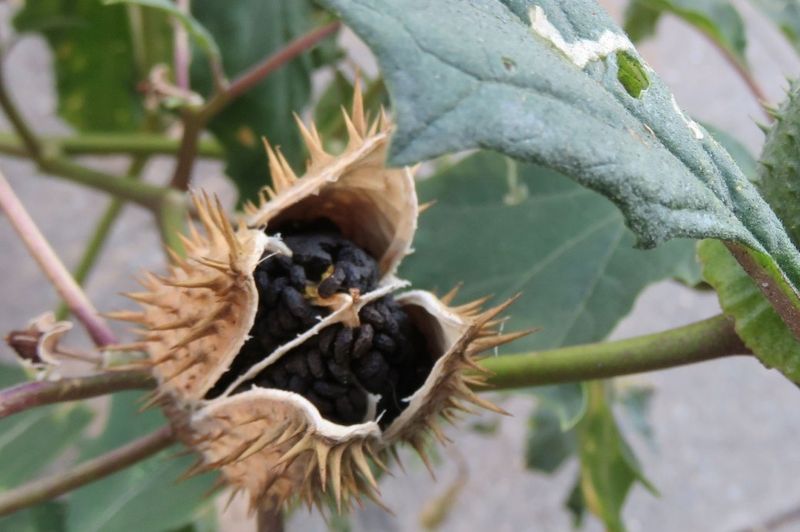
Back in 1676, British soldiers in Jamestown, Virginia, reportedly ate jimsonweed in a salad. They acted strangely for days, giving the plant its name.
Today this non-native annual grows throughout the state. Farm fields, barnyards, pastures, and vacant lots make perfect homes.
Plants can reach about 5 feet tall with branching, upright stems. Those stems range from pale green to purple.
Leaves stretch 3 to 8 inches long with wavy, toothed edges. Crush one and you will notice a strong, unpleasant smell.
From June through September, lovely trumpet-shaped flowers appear. They may be white or purple and often open in the evening.
Next come hard, spiny seed pods shaped like small eggs. When ripe, they turn brown and split into four parts full of seeds.
The whole plant is toxic, especially leaves and seeds. Horses, cattle, goats, sheep, pigs, and chickens are all at risk.
People get sick too, usually by accident or through contaminated grain. Teens sometimes try it on purpose, which leads to emergency room visits.
Warning signs include a fast pulse, confusion, weakness, and dilated pupils. Severe poisoning may bring seizures or coma.
Doctors use a memory trick for the symptoms. Patients are described as hot as a hare, dry as a bone, and mad as a hatter.
Remove plants before pods ripen. Bag them carefully, since one plant can drop hundreds of seeds.
Gloves And Long Sleeves Offer Simple Protection
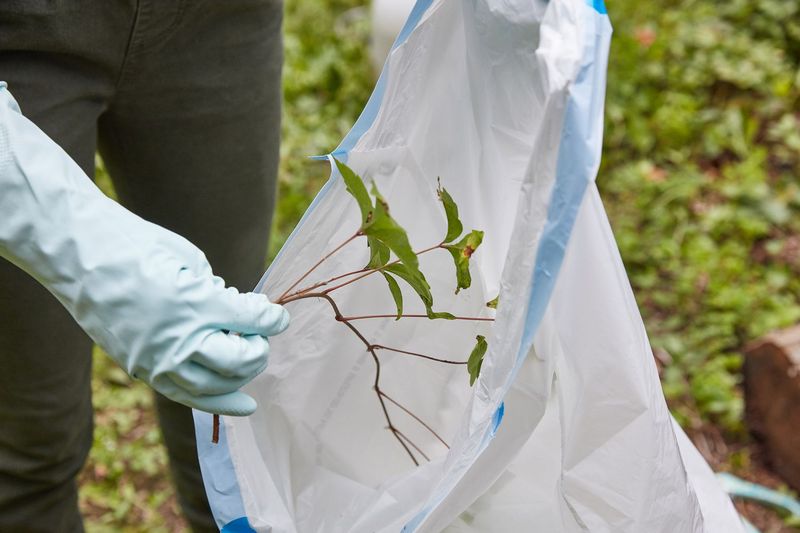
Your best defense against these plants might already be hanging in your closet. Long sleeves, long pants, and gloves stop most problems before they start.
For everyday yard work, cotton clothing works fine. Tuck pant legs into socks to keep sneaky stems away from ankles.
Tougher jobs call for tougher gear. Handling giant hogweed or wild parsnip requires waterproof gloves, sturdy boots, and eye protection.
Sap soaks right through thin cloth gloves. Nitrile or rubber gloves give much better protection.
Accidents still happen, so act fast. Wash exposed skin with soap and cool water as soon as possible.
After sap contact, keep that area covered and away from sunlight. Experts recommend at least 48 hours of shade.
Remember everything else that touched the plant. Wash clothes separately, scrub tools, and bathe pets that wandered through the brush.
Knowledge matters as much as gear. Learn how each plant looks in spring, summer, and fall, since appearances shift.
Staying on marked trails cuts your risk a lot. Many parks post signs where hogweed or parsnip has been found.
Teach kids a simple rule. If they do not know a plant, they should not touch it, pick it, or taste it.
Save the Poison Control number in your phone today. With some caution, you can enjoy every green corner of New York safely.