Why Dozens Of Small Curling Bugs Turn Up In Indiana Basements After A Fall Rain
Most of the tiny curled bugs on an Indiana basement floor in October are drying out. They need damp soil to keep their bodies from losing water, so a dry concrete room works against them.
Extension experts note that many of these critters wander in large groups during fall, often right after heavy rain. I like how predictable the timing is, because soggy ground seems to push them up and out toward buildings.
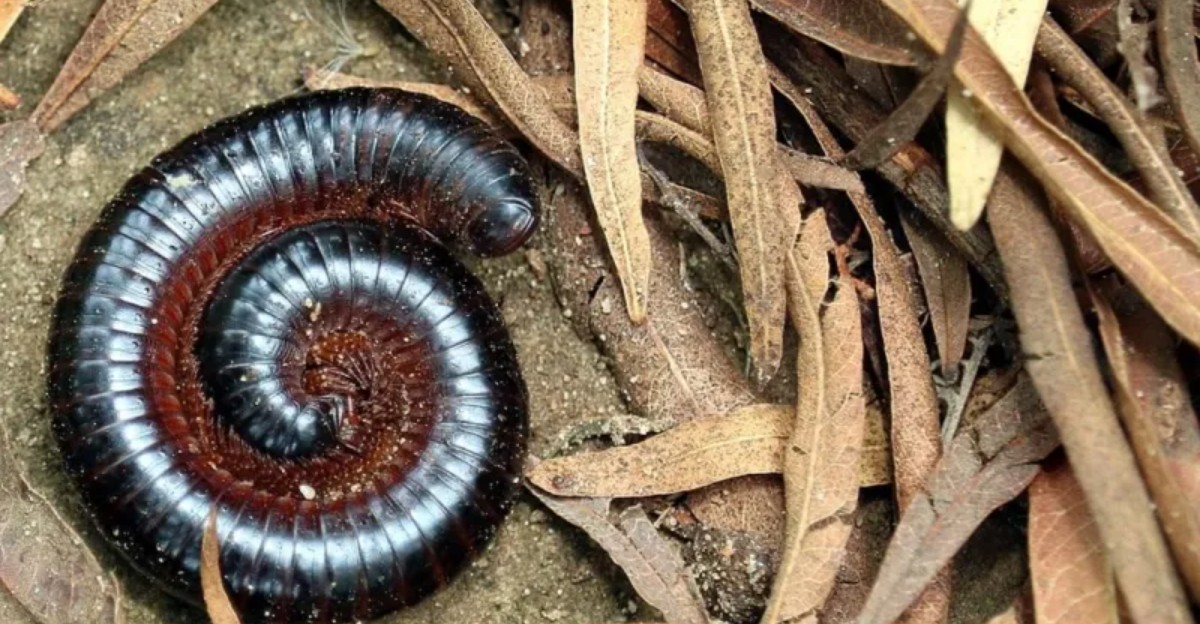
When you nudge one with a shoe, it rolls into a tight spiral and may give off a sharp smell. That curl protects its soft underside and legs, which is a clever trick for a creature this small.
You might find a dozen near the floor drain one morning and only a few dried-out ones the next week. That quick vanishing act is easily the strangest part, so where exactly do the rest of them go?
Soaked Soil Pushes Them Toward Drier Ground
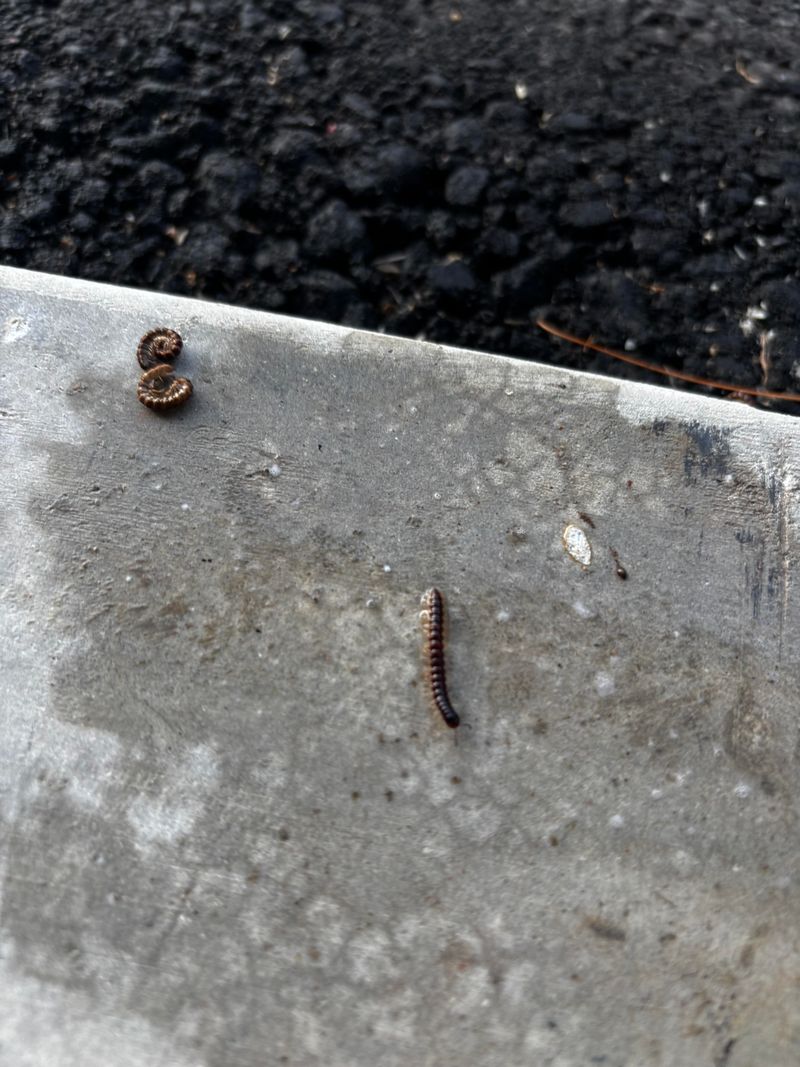
Those little curling visitors are millipedes, and rain is often the push that sends them into Indiana basements. Purdue University Extension notes that millipedes often move in large numbers during fall, especially after heavy rains soak the ground.
Millipedes live in moist soil, leaf litter, and mulch, where they feed on decaying plant material. When that soil becomes waterlogged, the air spaces fill up and the spot becomes uncomfortable for them.
Scientists are not fully sure what triggers these fall wanderings, and several causes may work together. Flooded soil, searching for new food, and looking for sheltered spots to spend winter are all common explanations.
As they crawl across a lawn or patio, many reach a house wall and follow it along the base. Small gaps under doors, cracks in the foundation, and loose window wells give them an easy way inside.
Basements sit below ground level, so they are often the first indoor space a wandering millipede reaches. That explains why you may spot several near the furnace, floor drain, or bottom step after a stormy night.
The upside is that millipedes do not bite people or sting pets, and they rarely damage wood, wiring, or stored food. They are a nuisance pest, which means the main problem is the surprise of seeing so many at once.
Most indoor sightings slow down as October turns colder and the ground outside starts to dry out. Keeping that pattern in mind can help you stay calm the next time a fall rain brings a crowd.
A Coiled Body Lined With Many Legs
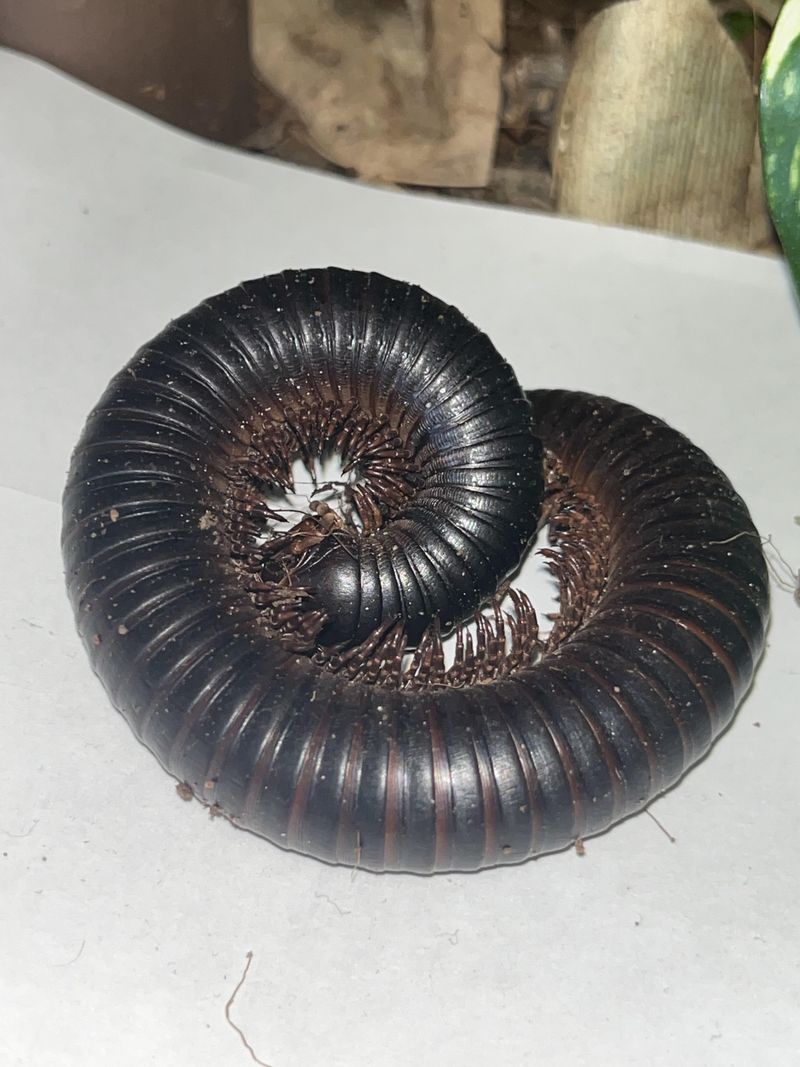
Grab a flashlight and look closely, because a millipede up close is more interesting than it first seems. The millipedes that commonly invade Indiana homes are usually gray or brown and measure about half an inch to one and a half inches long.
Their bodies are long, rounded, and hard, almost like a tiny stack of shiny rings joined together. Most body segments carry two pairs of short legs, which is one of the easiest ways to identify them.
Despite the name, millipedes do not have a thousand legs, and most species have far fewer than that. Many common kinds have somewhere between thirty and four hundred legs, depending on their age and type.
Your Indiana Garden Changes Every Week. Your Plan Should Too.
Gardening in Indiana changes quickly throughout the season. Every Friday you’ll receive a simple weekly plan showing exactly what to plant, prune, fertilize, harvest, and protect so you never miss the right timing.
Centipedes often get mixed up with them, but centipedes are flatter, faster, and have one pair per segment. Millipedes move slowly with a wave-like ripple running down their legs, which looks almost like a tiny train.
The famous curl happens when a millipede feels threatened, and it tucks its head into the center of the coil. That tight spiral shields the softer underside and legs while the hard outer plates face outward.
Pill bugs also roll up, but they form a ball instead of a spiral and have only fourteen legs. Knowing these differences helps you choose the right next step instead of reaching for a spray right away.
Snapping a quick phone photo of one curled specimen makes it easier to compare with extension identification guides. Purdue Extension and other universities post clear pictures that show the rounded body and doubled legs in detail.
Damp Mulch Beds Close To The Foundation
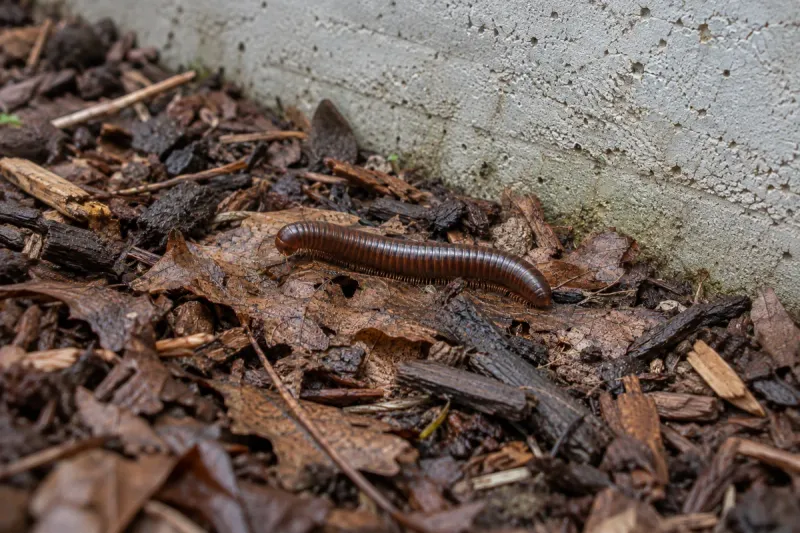
Walk around your house after a rainy October week and peek under the mulch beside the foundation. There is a good chance you will find millipedes curled up in the cool, damp layer right against the wall.
Thick mulch, piled leaves, and grass clippings hold moisture and slowly break down into food they love. Extension specialists say these organic layers can support large millipede populations right next to the house.
Fall makes the problem worse because new leaves drop into beds and gutters often overflow during storms. A clogged downspout can flood the soil by the foundation, creating waterlogged ground that nudges millipedes toward the wall.
In other words, the bed that feeds them all summer becomes a launching pad once heavy rain arrives. The shorter the distance between that bed and a gap in your siding, the more visitors you may see.
Mulch still has real value for plants, so there is no need to remove every bit from your yard. Many experts suggest keeping it about two to three inches deep and pulling it back from the foundation itself.
Raking fallen leaves away from the house each October also removes a major hiding place and food source. Cleaning gutters before the next big storm helps keep water flowing away instead of pooling by the basement.
Small changes like these take an afternoon, yet they can noticeably reduce how many millipedes wander indoors. Your plants still get their cozy blanket, and your basement floor gets a lot less crowded this fall.
Dry Indoor Air Works Against Them
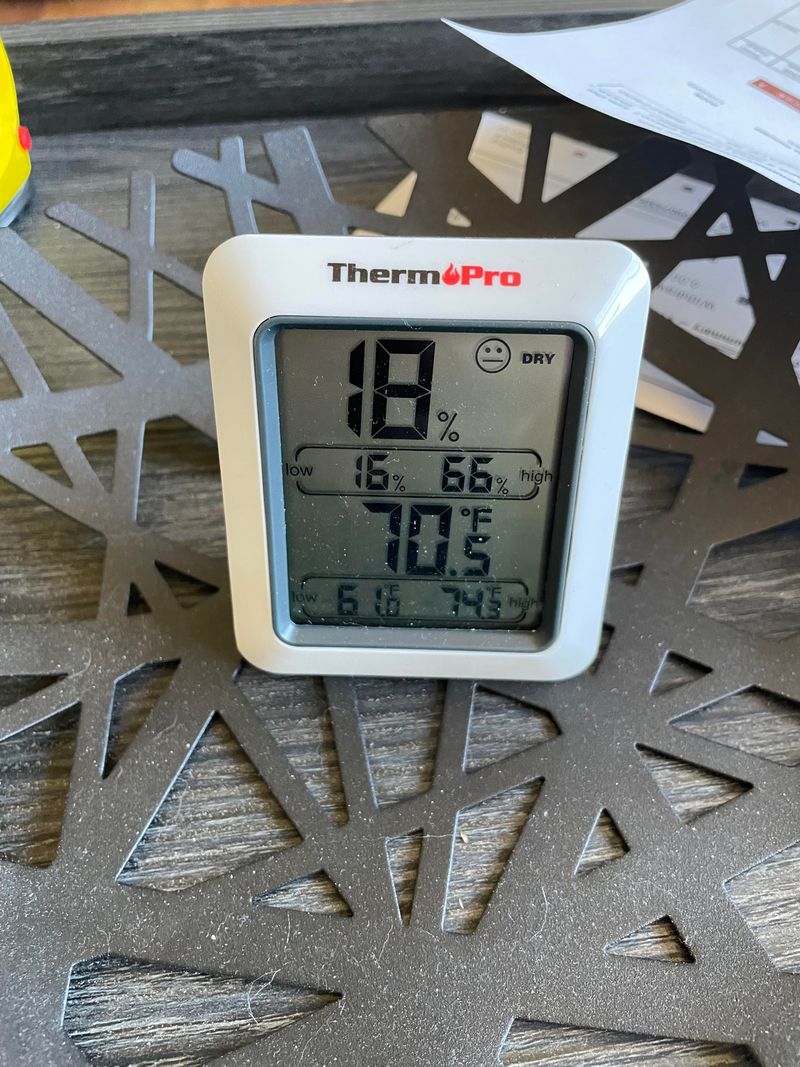
Your basement is actually a tough place for a millipede, even if it feels damp to you. These creatures lose water quickly through their bodies, so they need constant moisture to stay healthy and active.
Indoors, there is very little decaying plant matter for them to eat and almost no soft soil to burrow into. University extension sources report that most millipedes that wander inside survive only a few days in typical homes.
That is why you often find them dried out near baseboards, door sills, or the edges of rugs. They do not breed well indoors, so they rarely build up a lasting population inside a home the way some other pests can.
Running a dehumidifier in the basement during fall speeds up the drying process and makes the space less inviting. Many people aim for indoor humidity around forty to fifty percent, which also helps limit mold and musty smells.
Damp spots still matter, so check for leaky pipes, sweaty walls, or wet cardboard boxes stored on the floor. Those little pockets of moisture can let a few millipedes hang on longer than they would otherwise.
For cleanup, a broom and dustpan or a shop vacuum works well, and insecticide sprays indoors are rarely needed. Simply sweeping them up and tossing them outside handles the issue without adding chemicals to your living space.
Patience helps too, because the indoor numbers usually fade once the outdoor fall migration winds down. In a sense, your dry basement is already doing much of the pest control work for you.
A Faint Odor When Disturbed
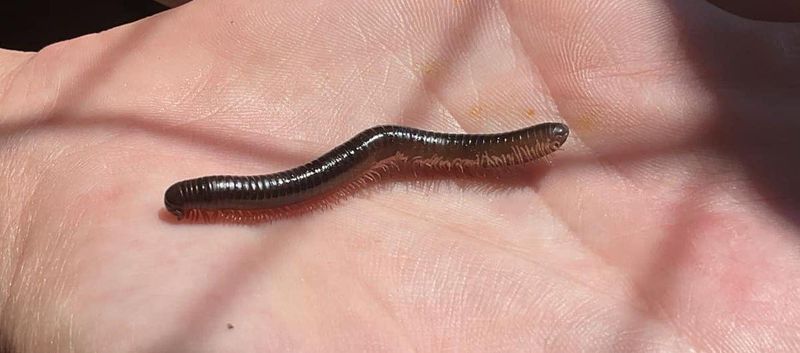
Pick one up with a tissue, and you might notice a sharp, slightly bitter smell drifting from its body. Many millipedes release a defensive fluid from small glands along their sides when they feel handled or crushed.
Depending on the species, the fluid may contain irritating compounds like quinones. The amounts are tiny and mainly work to discourage birds, toads, and other predators.
For people, the fluid can sometimes stain skin a yellow or brownish color that fades after a few days. Some folks also get mild skin irritation, so washing your hands with soap and water is a smart habit.
Keep the fluid away from your eyes, since extension sources warn it can cause stinging and discomfort there. Using a broom, dustpan, or vacuum instead of bare hands avoids the problem and keeps cleanup quick.
Curious dogs and cats sometimes paw at millipedes, and a mouthful of that taste often leads to drooling. Most pets recover quickly, but calling your veterinarian is wise if the drooling or pawing at the mouth continues.
A basement with many millipedes left on the floor can also develop a stale odor, especially near drains and damp corners. Sweeping them up regularly during the fall rush keeps that smell from building up in the air.
Honestly, I think the chemical defense is pretty impressive for a slow, mostly harmless creature that eats rotting leaves. It gives these little recyclers a solid chance in a yard full of hungry birds and beetles.
A Dry Strip Along The Foundation Keeps Numbers Down
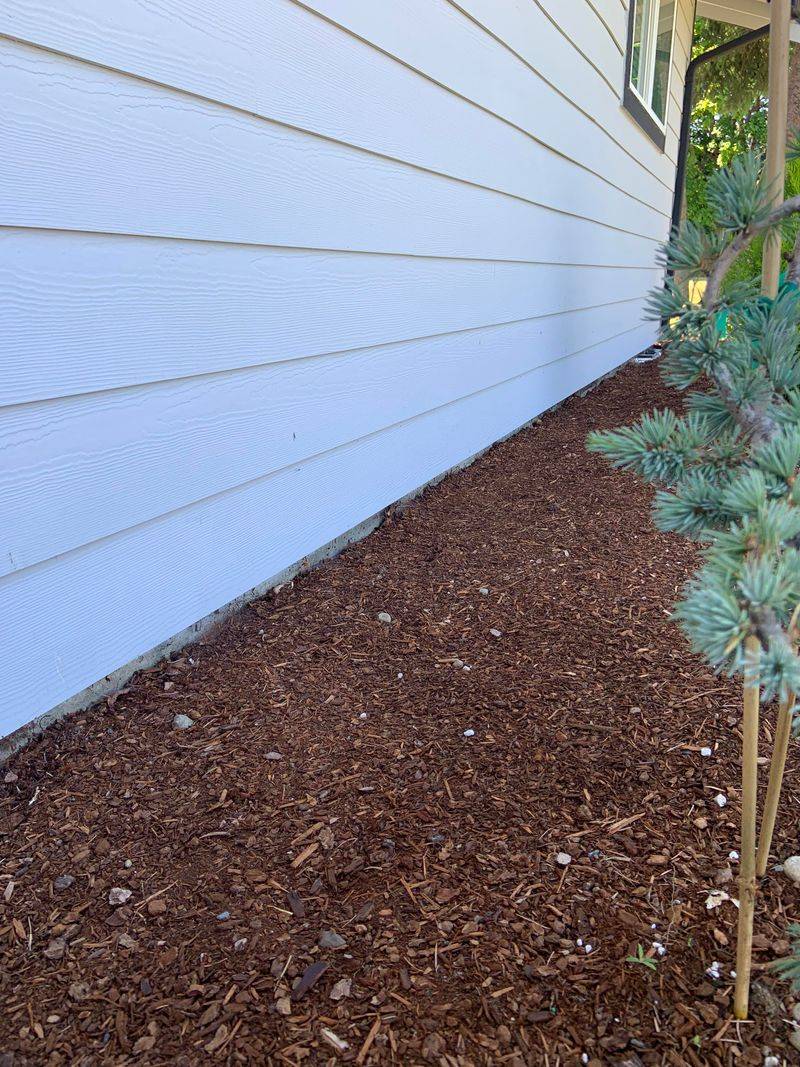
Prevention mostly happens outside, and the most helpful step is creating a dry buffer right around your house. Extension services often suggest keeping a dry, mulch-free strip along the foundation.
Swapping thick wood mulch in that strip for gravel or bare soil gives millipedes fewer moist places to gather. Water dries out faster there, so wandering millipedes face a harsh crossing before they ever reach your walls.
Downspout extensions help a lot by carrying roof water several feet away from the basement walls. Making sure the soil slopes away from the house also keeps rainwater from soaking the ground beside it.
Next, seal the entry points by adding weatherstripping to doors and caulking cracks around windows and pipes. A tight door sweep on the basement or garage door blocks one of the most common ways inside.
Firewood, stones, boards, and stacked pots near the foundation also trap moisture, so move them farther out. Water your fall plantings in the morning so the surface has time to dry before cool evening temperatures arrive.
Outdoor insecticide barriers are an option, but extension experts say they work best alongside these moisture fixes. Sprays alone rarely solve the problem if the soil next to the house stays soggy all fall.
Remember that millipedes do helpful work in your garden by breaking down leaves into rich, crumbly soil. The goal is keeping them in the flower beds where they belong, not on your basement stairs.