What It Really Means When Wasps Start Showing Up Around Your Indiana Home Every Summer
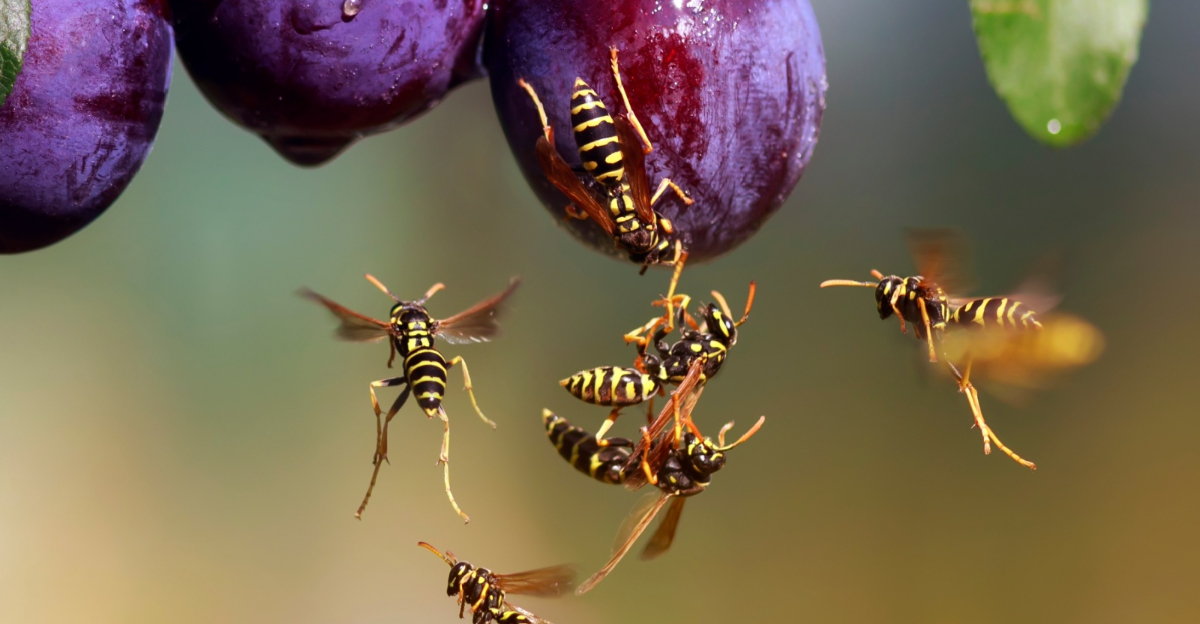
Warm weather hits Indiana and wasps show up uninvited. Every eave gets scouted. Your porch rafters get claimed.
Entire neighborhoods of chewed wood pulp appear before you’ve noticed anything unusual.
One nest becomes two. Two becomes a problem nobody wants to deal with barefoot. Most homeowners don’t think about wasps until someone gets stung.
That’s the wrong time to start paying attention. These insects follow specific patterns, predictable ones, and once you understand what drives them to your yard, you’re already ahead of most of your neighbors.
Nothing about this is random. Provocation has its own logic. Leaving, however, is never part of their plan once they’ve decided your home is prime real estate.
Indiana summers are long enough to let a small wasp situation turn into a serious one. One queen in April. A thousand reasons to act by August.
Why Wasps Are Building Nests Around Your Indiana Porch This Summer
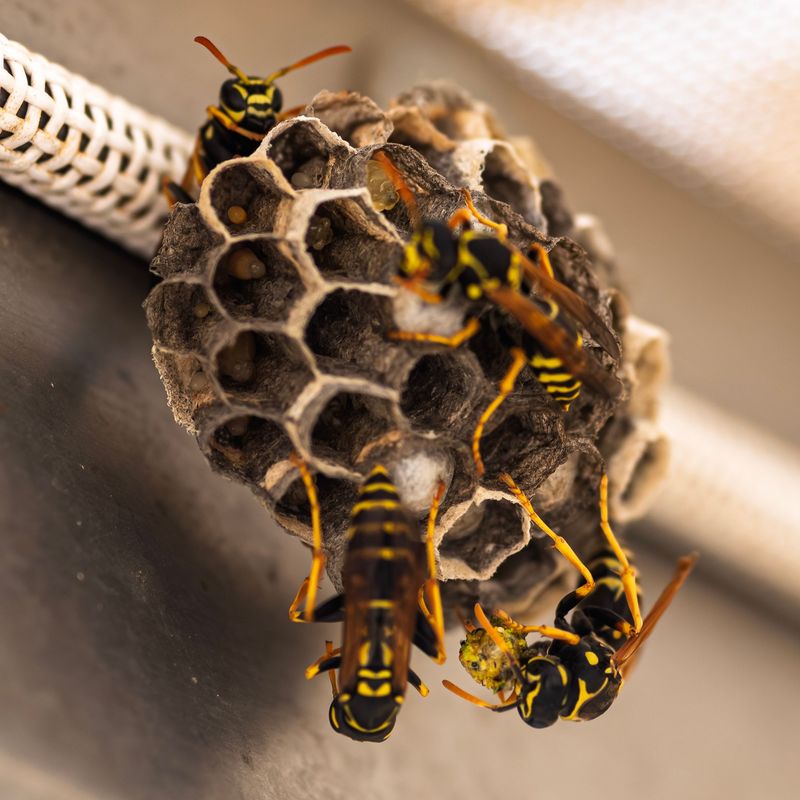
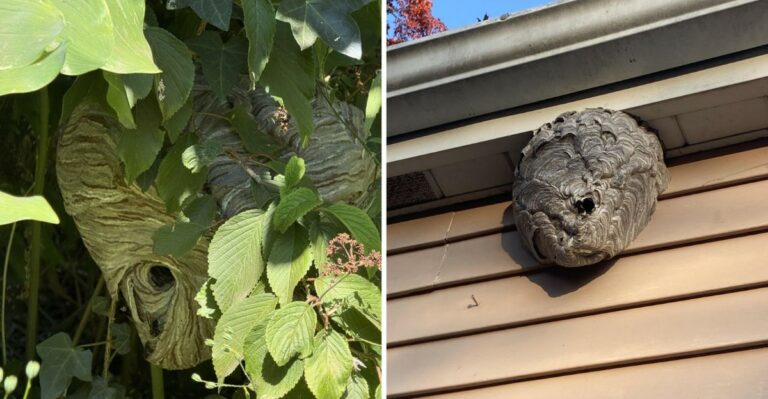
That papery gray lump under your eave? It was not there last week. Wasps start showing up around your Indiana home every summer because of one simple reason: warmth and shelter.
Porches offer the perfect combo of protection from rain and easy access to the outdoors. Queen wasps wake up from winter dormancy in early spring.
They scout locations methodically, looking for dry, sheltered spots with nearby food sources.
Your porch roof, shutters, and deck furniture check every box on their list. Once a queen picks a spot, she builds fast and recruits workers within weeks.
By July, a small nest can house hundreds of workers. That is when most homeowners first notice the problem has grown bigger than expected.
The good news is that early detection makes everything easier. Spotting a golf ball-sized nest in May is far less stressful than finding a basketball-sized colony in August.
Check your porch overhangs, gutters, and window frames weekly during spring. A quick scan takes only a few minutes.
Knowing why they choose your space gives you real power. Once you understand their logic, you can start making your home far less appealing to them.
Common Wasp Species You’ll Find Nesting In Indiana
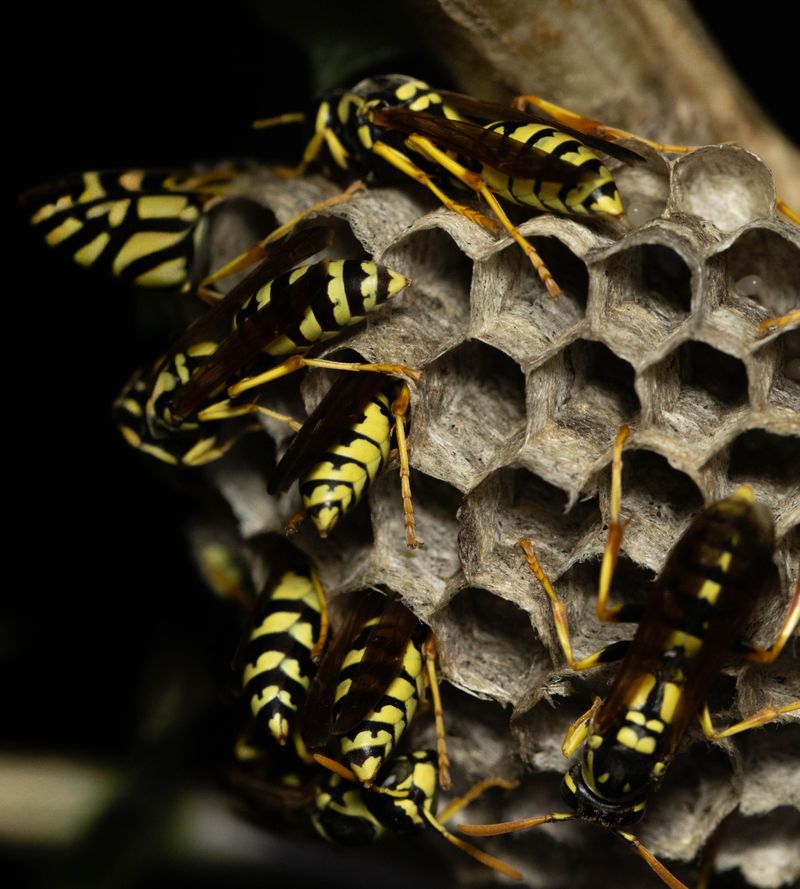
Not every buzzing insect is the same, and telling them apart actually matters a lot. Paper wasps are the most common species you will spot around Indiana porches.
They have long, slender bodies with a pinched waist and build open, umbrella-shaped nests. Yellow jackets are the most reactive species and are commonly drawn to late-summer outdoor meals.
They are stockier, more yellow, and will sting repeatedly without much provocation. Bald-faced hornets are black and white and build large, enclosed, football-shaped nests.
They hang from tree branches or the sides of buildings and defend their space actively. Mud daubers are the loners of the group.
They build small mud tubes on walls or ceilings and rarely bother anyone unless directly handled.
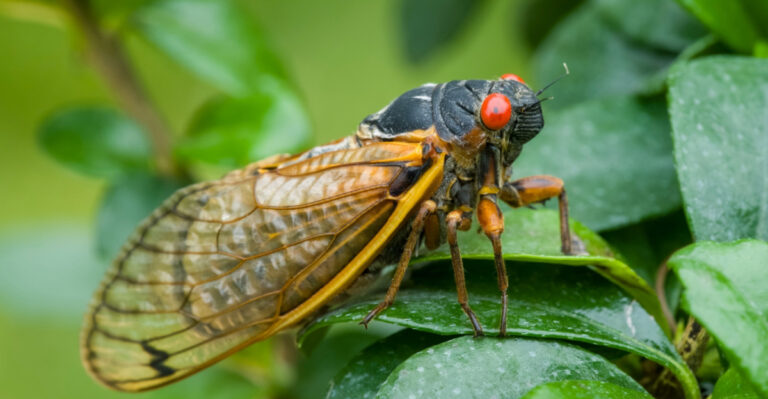
Cicada wasps look intimidating because of their size, but they are surprisingly non-aggressive toward people. These large wasps dig burrows in sandy soil and prefer to keep to themselves.
Your Indiana Garden Changes Every Week. Your Plan Should Too.
Gardening in Indiana changes quickly throughout the season. Every Friday you’ll receive a simple weekly plan showing exactly what to plant, prune, fertilize, harvest, and protect so you never miss the right timing.
Knowing your species helps you choose the right response. A mud dauber nest needs no action at all, while a yellow jacket colony near a doorway is a genuine safety concern.
Snap a photo before you react. A quick search or call to a local pest professional can confirm exactly what you are dealing with before you take any steps.
What Draws Wasps To Your Porch
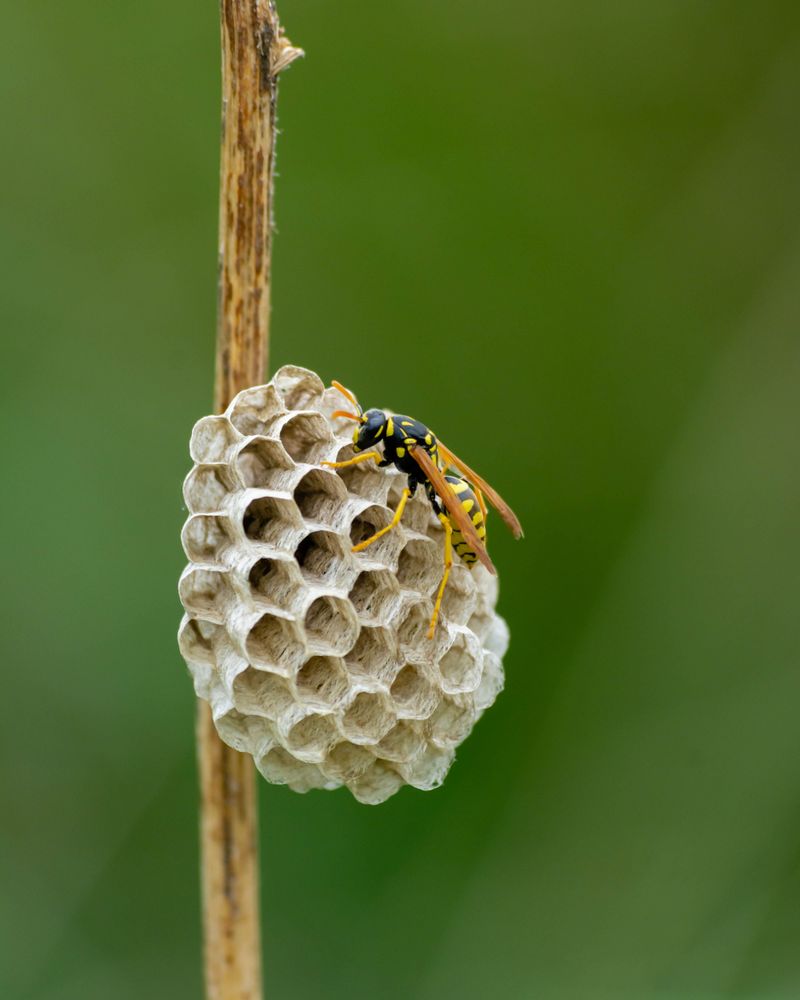
Your porch might as well have a neon sign that says “Welcome, Wasps.” Sweet smells are the number one magnet.
Open soda cans, ripe fruit, and sugary drinks left outside send a clear signal to foraging workers searching for food.
Protein sources matter just as much in early summer. Wasps primarily hunt insects and meat scraps in spring and early summer to feed their growing larvae, shifting toward sugars as the season progresses.
Leftover grilled chicken or an uncovered trash bin is an easy food source wasps will return to. Cleaning up food immediately after outdoor meals is one of the easiest ways to reduce wasp traffic near your home.
Sheltered spaces are equally attractive to nesting queens. Gaps in siding, hollow porch posts, and spaces under deck boards all make ideal nesting locations.
Flowering plants near your porch add another layer of appeal. Wasps feed on nectar too, so a garden packed with blooms right next to your seating area will naturally attract them.
Standing water is another overlooked draw. Birdbaths, clogged gutters, and puddles near the porch give wasps a hydration source they will return to daily.
Eliminating just a few of these attractants can dramatically cut down on activity. Small changes in your outdoor habits add up to a noticeably quieter, wasp-free porch by midsummer.
Surprising Benefits Wasps Bring To Your Backyard
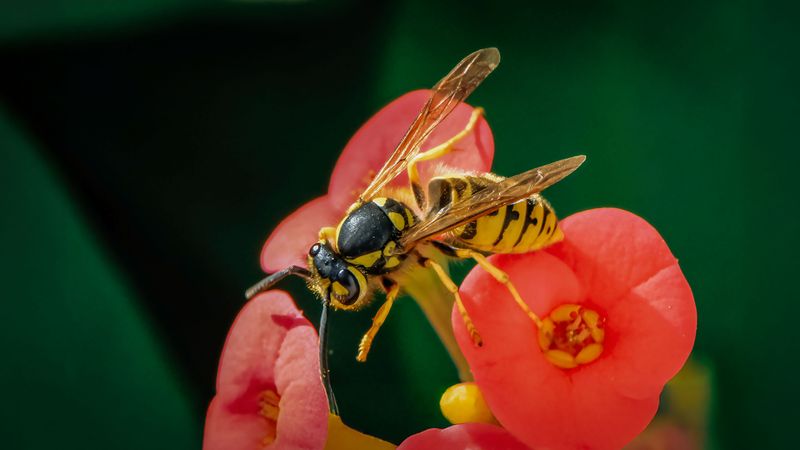
Before you grab the spray can, hear this out for a second. Wasps are actually one of nature’s most underrated pest controllers.
A single colony can eliminate significant numbers of caterpillars, aphids, and flies from your garden over one season.
That means fewer cabbage worms on your tomatoes and fewer aphids on your roses. Gardeners who tolerate a distant wasp nest often notice healthier plants with less manual pest control needed.
Pollination is another underappreciated contribution. Wasps transfer pollen as they visit flowers, and some plant species actually depend on wasps more than bees for reproduction.
Fig trees, for example, have a deeply specialized relationship with certain wasp species. Without them, those figs would simply not exist.
In your backyard, wasps help pollinate herbs, wildflowers, and late-season blooms that bees sometimes skip. Their contribution to your garden ecosystem is quieter than bees but genuinely meaningful.
They also break down organic matter. Wasps chew on dry wood and plant fibers to build their nests, naturally accelerating decomposition in your yard.
None of this means you should ignore a nest above your front door. But a colony nesting far from foot traffic might be worth leaving alone for the season.
Signs Your Wasp Nest Has Become A Serious Concern
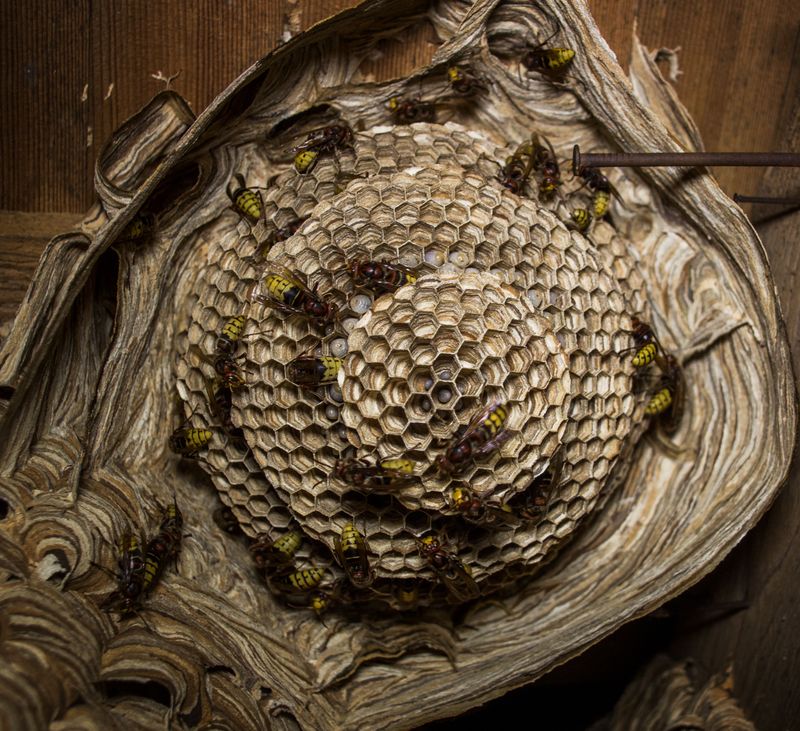
Size is the first warning sign most homeowners miss entirely. A nest smaller than a tennis ball is generally low risk.
One that has grown to the size of a basketball or larger signals a mature colony with thousands of defensive workers ready to act.
Location matters just as much as size. A nest tucked in a back corner of your shed is very different from one above your front door or near a children’s play area.
Increased flight activity is a red flag. If you notice dozens of wasps entering and exiting a spot rapidly, the colony has grown large enough to become a genuine hazard.
Wasps inside your home are a serious warning. If workers are appearing indoors near walls or ceilings, there may be a nest hidden inside your wall void or attic space.
Aggressive behavior without obvious provocation is another sign. Healthy colonies in low-traffic areas rarely bother people passing by at a distance of ten feet or more.
A colony that charges or hovers aggressively near humans is one under stress or overcrowded. That behavior escalates as summer heats up and food competition increases.
Trust your gut when something feels off. A nest that makes you nervous to use your own yard is a nest that has officially crossed the line from tolerable to dangerous.
Safe Ways To Remove A Wasp Nest In Indiana
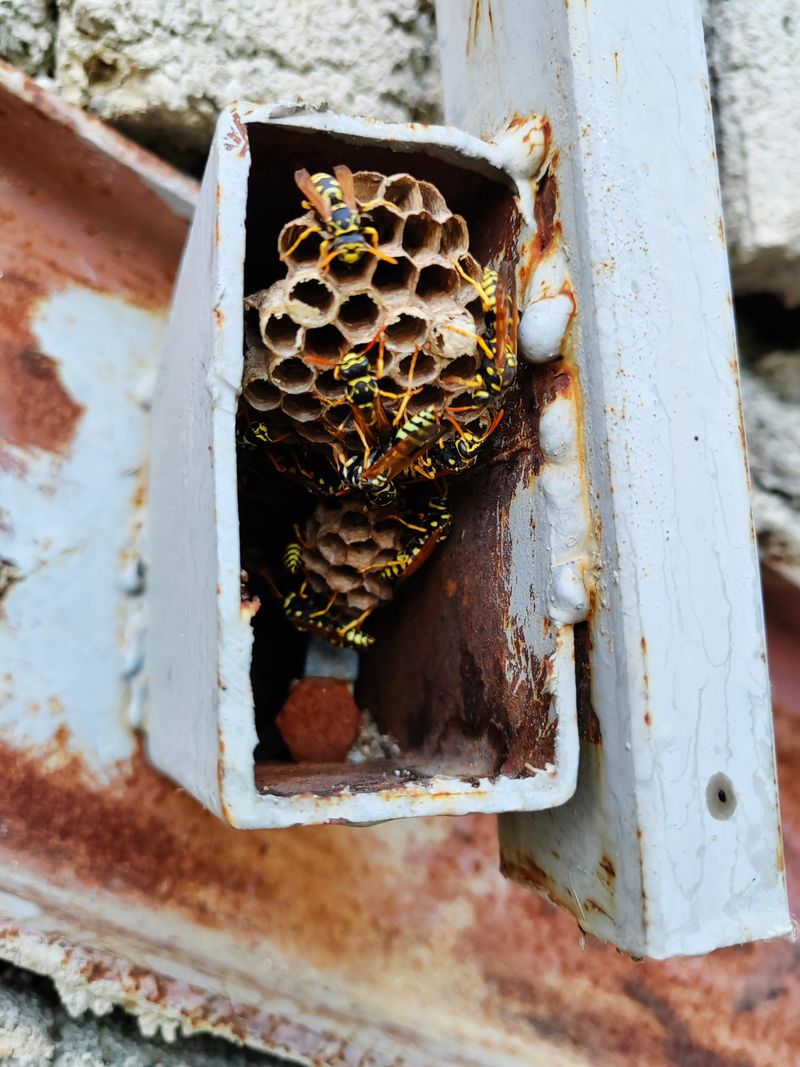
Timing is everything when it comes to nest removal. The safest window to act is at night, when wasps are inactive and clustered inside the nest.
Cooler temperatures slow their reaction time and reduce the chance of a defensive swarm. Wear long sleeves, gloves, and eye protection before approaching any nest.
Exposed skin is an easy target, and a sting near the eye can become a medical issue, particularly for those with sensitivities or allergies.
For small, accessible nests, a commercial wasp spray labeled for instant knockdown works well. Stand at least ten feet away, spray directly into the opening, and move back immediately after application.
Wait 24 hours before checking if the colony has been neutralized. Never attempt to knock down a nest while workers are still active inside.
Underground yellow jacket nests require a different approach. Pouring soapy water into the entrance at night can be effective, but large colonies often need professional treatment to fully eliminate.
Calling a licensed pest control company is always the smartest move for nests in walls, attics, or any enclosed space. Hidden nests are unpredictable, and disturbing them without proper equipment can trigger a significant defensive response.
Document the nest location with a photo before removal. That information helps a professional assess the situation faster and choose the safest treatment method for your specific setup.
Practical Tips To Keep Wasps From Returning Next Season
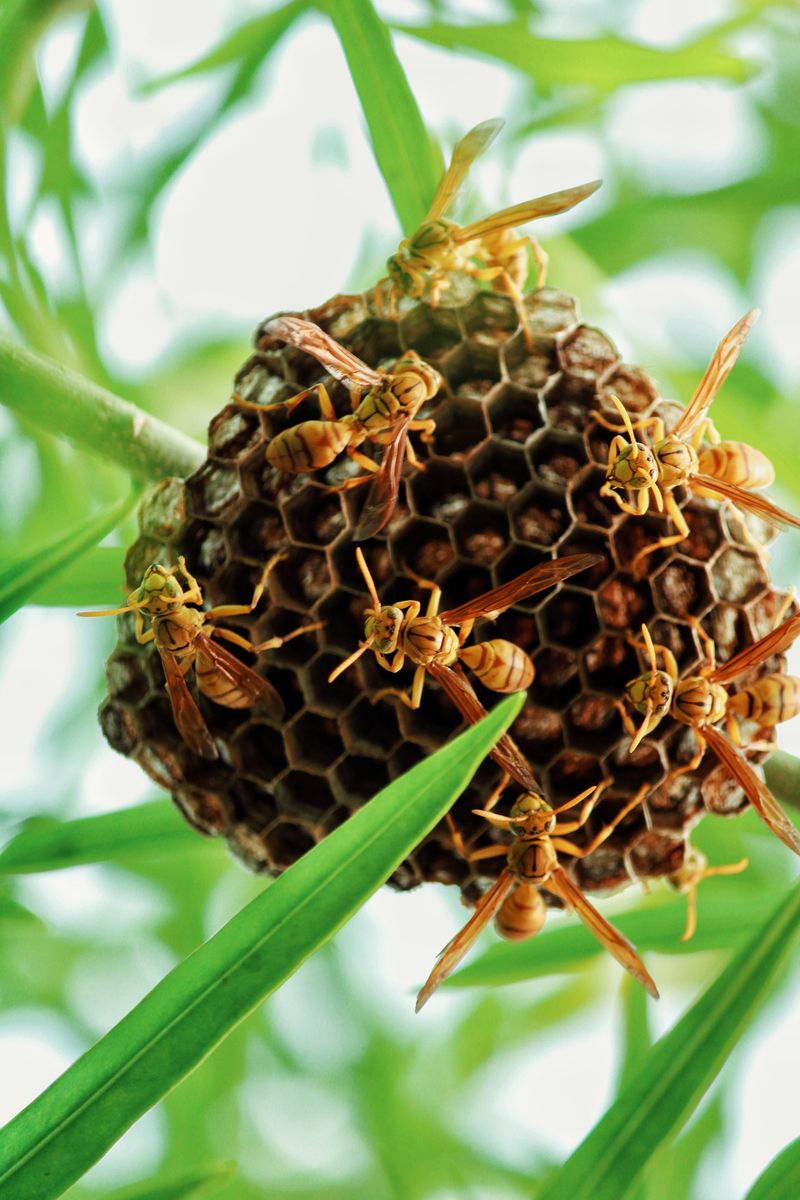
Prevention is so much easier than removal, and it starts in early spring. Seal every gap, crack, and crevice on your home’s exterior before April arrives.
Wasps scout nesting locations in March and April, so blocking entry points early shuts them out before they commit.
Caulk around window frames, utility pipes, and siding seams. Even a gap the size of a pencil eraser is large enough for a queen to squeeze through and start a nest.
Fake wasp nests may work as a deterrent for some species. Many wasp species are territorial and will avoid areas where they believe a rival colony already exists.
Hang a decoy nest near your porch in early spring before real nests appear. Pair it with regular porch cleaning and this combination may reduce early scouting activity.
Peppermint oil is a natural repellent that some homeowners find effective against wasps. Mixing a few drops with water in a spray bottle and applying it to eaves, railings, and corners can discourage scouts from settling in.
Remove old nests completely at the end of each season. Abandoned nests attract new queens looking for a pre-built structure to renovate in spring.
Consistency is what keeps wasps away long-term. Small seasonal habits practiced every year mean fewer unwanted visitors showing up around your Indiana home each summer.