Why Moss Keeps Coming Back On Your Lawn And Roof In Fall
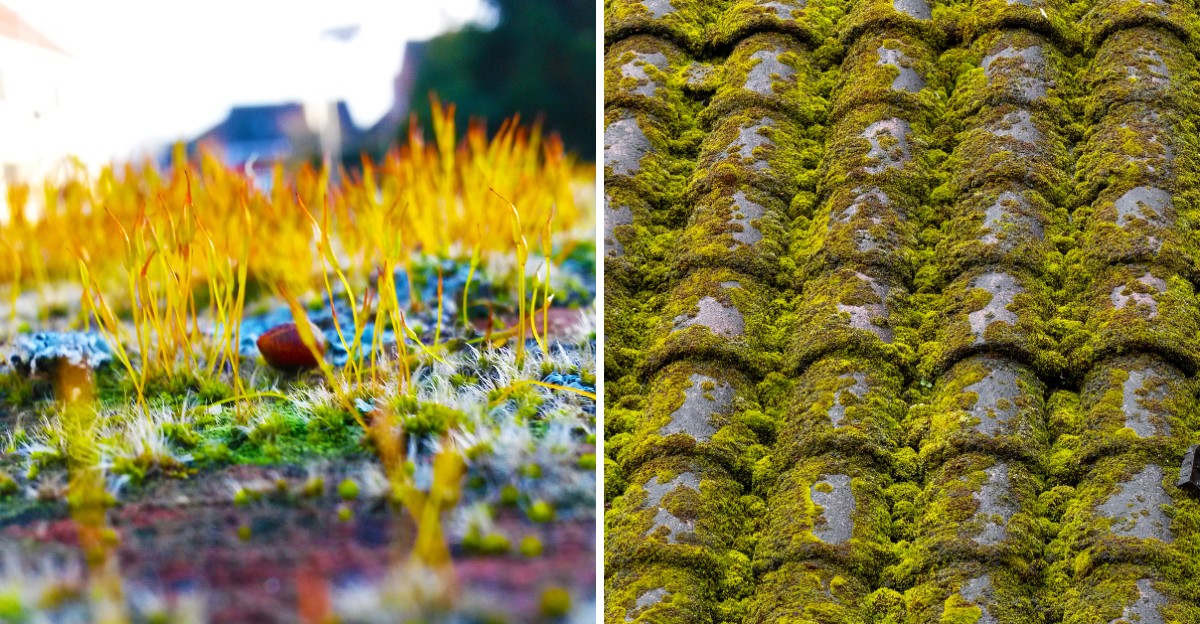
You cleared the moss away last year, yet it returned within weeks. Your rake treats the symptom while the cause stays put.
October hands moss exactly what it needs: damp air, low light, and compacted soil. Shaded slopes on your roof hold moisture for days after clouds leave.
Spores drift in on wind, then settle wherever you leave sparse, thin turf. Soil under your feet can turn acidic and packed, which hands moss the edge.
Moss can lift shingle edges and hold water against your roof. Gutters you overlook can send that water straight onto your foundation.
Fixing it means you change the conditions, not just clear the surface. Sunlight, airflow, drainage, and soil pH decide whether moss stays or leaves.
Adjust those factors before winter arrives. The moss on your roof’s north edge tells you which fix to start with.
1. Shady Spots Stay Damp Longer
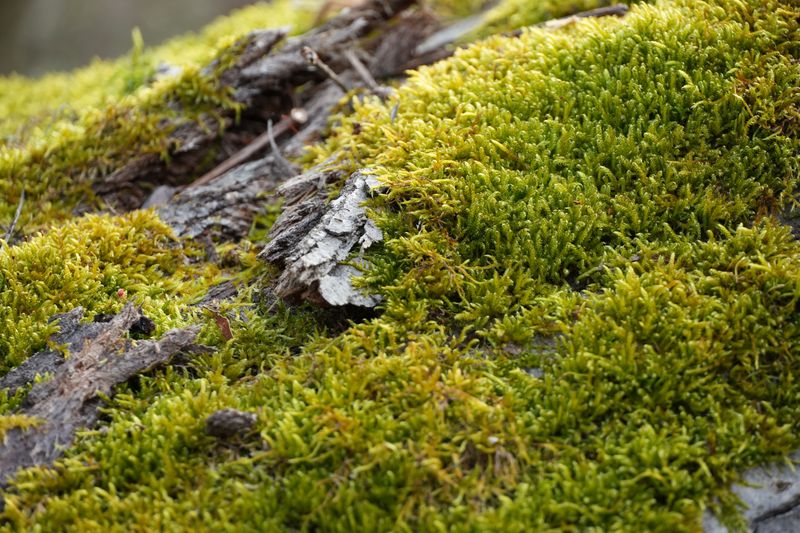
Walk your yard on an October afternoon and look for places the sun skips. Those cool, gloomy corners are where the green fuzz shows up first.
Grass is a sun lover, much like a lizard on a warm rock. It needs several hours of direct light to make food and grow thick.
In fall, the sun sits lower in the sky, so shadows stretch longer across your lawn. Areas that got decent light in July may now sit in shade most of the day.
Moss, on the other hand, is happy with scraps of light. It soaks up water and grows slowly, so shade suits it just fine.
Shady soil also holds moisture longer because less heat dries it out. Dew can linger until noon on the north side of a house or fence.
To help grass compete, trim lower tree limbs to let more light filter through. Even a few extra hours of sun can tip the balance.
If a spot stays deep in shade even after trimming, try shade-tolerant grass seed like fine fescue. Fall is a great time to overseed, since soil is still warm.
Some homeowners give up on grass in heavy shade and plant ground covers or mulch beds instead. That choice can reduce upkeep time and cost each autumn.
Moss in the shade is not a sign of a lazy gardener. It is simply a plant doing well where grass struggles to keep up.
2. Cool Fall Rain Gives Spores A Drink

Picture a tiny green sponge that wakes up the moment it gets wet. That is moss, and October weather gives it the perfect wake-up call.
Unlike grass, moss has no true roots to pull water from deep soil. It drinks straight through its leaves, so every drizzle feeds it instantly.
Summer heat often dries moss out until it turns brown and crispy. It is not gone, though, just napping and waiting for better days.
Once fall rains return and temperatures drop, moss perks up fast. Cool air also slows evaporation, so surfaces stay damp for days after a storm.
Moss spreads by spores, which are like microscopic seeds floating on the breeze, and also by small fragments. Wet weather helps those spores land, stick, and sprout on soil or shingles.
One patch can release a large number of spores, so a nearby mossy roof may contribute to yours. Rain helps these tiny travelers settle.
You cannot stop the rain, but you can make the ground less welcoming. Water your lawn less in fall, since nature usually handles that job.
If you do water, do it early in the morning so grass dries by evening. Night watering leaves blades and soil soggy for hours.
Raking up wet leaves quickly also helps surfaces dry out between showers. Less lingering moisture means fewer cozy spots for spores to settle.
Fall rain gives moss plenty of moisture. Your job is to reduce lingering dampness before moss settles in.
3. Compacted Soil Limits Grass Roots
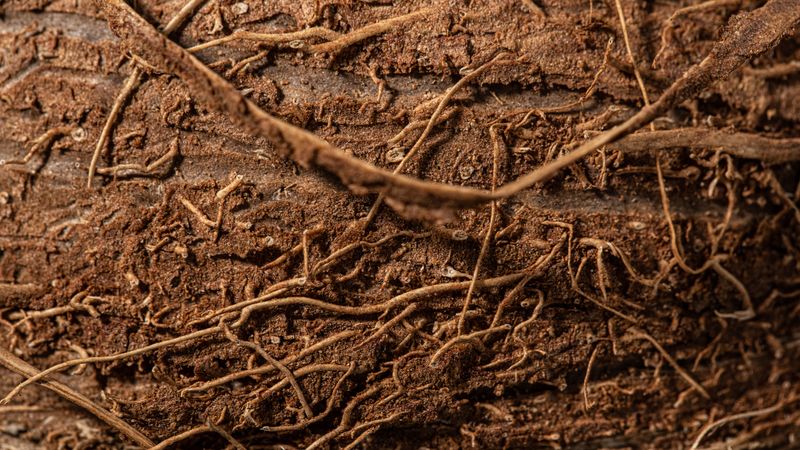
Kids playing tag, dogs racing laps, and summer cookouts all leave a mark on your lawn. Over time, the soil gets packed down very firmly.
Healthy soil is full of tiny air pockets, like a slice of bread. Grass roots use those pockets to breathe, stretch, and soak up water.
When soil is squished together, roots stay short and shallow. The grass above turns thin, weak, and patchy by the end of summer.
Moss loves a hard surface because it does not need to dig deep. It just sits on top and spreads across the gaps where grass gave up.
Packed ground also drains poorly, so rain puddles instead of sinking in. Wet, firm, and sparse conditions suit moss well.
Try the screwdriver test to check your own yard. If pushing one into moist soil feels like a struggle, compaction is likely the culprit.
Core aeration is the classic fix, and early fall is a great window. The machine pulls out small plugs of soil, letting air and water reach roots.
You can rent an aerator from a hardware store or hire a lawn service. Afterward, spread grass seed so it settles into those fresh holes.
Changing traffic patterns helps too, like adding stepping stones along a worn path. Your lawn will thank you with thicker, tougher grass next spring. Loose soil gives grass a fighting chance. Packed soil favors moss.
4. Acidic Soil Can Favor Moss

Here is something many people do not realize until they test their dirt. Soil has a pH level, just like the water in a swimming pool.
The pH scale runs from 0 to 14, with 7 being neutral. Most lawn grasses grow best between about 6 and 7.
Moss, however, tolerates acidic soil, including a pH around 5 or lower, though it also grows in neutral soil. Where grass sulks, moss settles in and gets comfortable.
Several things push soil toward the acidic side over time. Heavy rain washes away calcium, and decaying leaves may add a small amount of acidity.
Fall is prime time for that leaf drop, which is one reason moss thrives now. Some fertilizers can lower pH too, especially if used heavily for years.
A simple soil test kit from a garden center tells you where you stand. Many county extension offices will test samples for a small fee.
If your soil is too acidic, garden lime can raise the pH slowly. October is an ideal month to apply it, since winter rain and snow help it soak in.
Follow the bag directions closely, because more is not better here. Over-liming can cause new problems for grass and nearby plants.
Results take months, not days, so patience pays off. Test again next fall to see how much your numbers have shifted.
Fixing pH will not remove existing moss on its own. It works best alongside better light, drainage, and fertility.
5. Thin Grass Leaves Open Room To Grow

Gaps in turf are open space, and a thin patch in your lawn is an invitation. Moss is often an early colonizer.
By October, many lawns look tired after a long summer of heat, drought, and foot traffic. Grass may be sparse, with bits of soil peeking through.
Moss does not usually push healthy grass out of the way. Instead, it quietly fills the gaps that weak, struggling grass already left behind.
Think of it like an empty seat at a crowded lunch table. If nobody claims it, someone else will sit down fast.
Underfeeding is a common reason grass grows thin. Without enough nitrogen, blades stay pale and slow, and they struggle to fill in.
Mowing too short adds to the problem by stressing plants and exposing soil. Keep your mower set around three inches for most cool-season grasses.
Fall is the best season to thicken a lawn in many regions. Cool air and warm soil help new seed sprout and root quickly.
Rake out loose moss first, then scatter grass seed over the thin patches. Press the seed into the soil gently and keep it lightly moist.
A fall fertilizer feeding helps grass store energy for winter and green up sooner in spring. Thicker turf shades the soil and leaves moss no place to settle.
A dense lawn works like a crowded parking lot. No open spots means little room for moss to settle this winter.
6. Poor Drainage Turns Low Spots Soggy
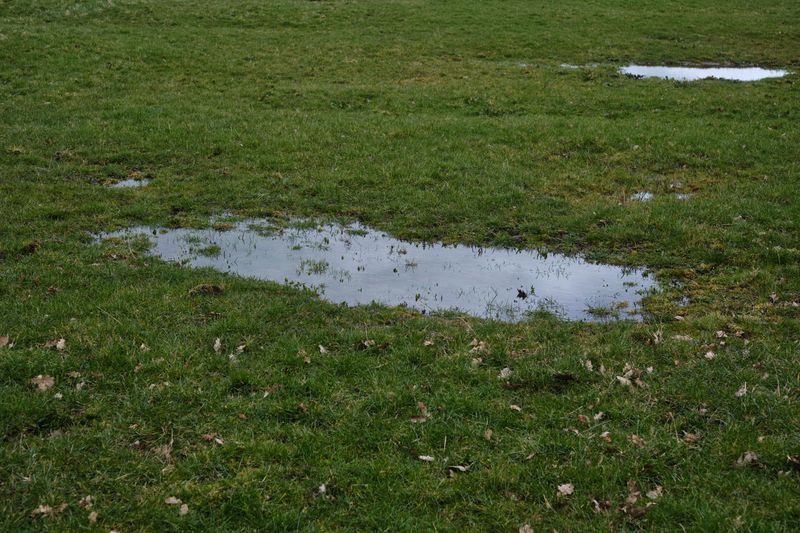
Stomp across your yard after an October storm and listen for the squish. Those mushy spots are telling you something important about your soil.
Water flows downhill, so low areas collect runoff from the rest of the lawn. Those dips can stay wet for days while higher ground dries out.
Clay soil makes things worse, since its tiny particles pack tightly and slow water down. Rain sits on top instead of draining away like it should.
Grass roots need oxygen, and soggy soil leaves little room for air. Roots weaken, blades thin out, and moss can take over the waterlogged area.
Downspouts can contribute too. If they release roof water right next to the lawn, that area can get soaked during most rain events.
Start by watching where puddles form after a heavy shower. Snap a few phone photos so you can map the problem areas.
Extending downspouts with a simple plastic pipe moves water farther away. Splash blocks are cheap and easy to set in place, too.
For low spots, try topdressing with a thin layer, about half an inch, of compost or a sand-compost-topsoil mix. Repeating this each fall slowly levels the ground. Avoid layering plain sand over clay.
Bigger drainage problems may need a French drain, which is a gravel trench that carries water away. A landscaper can help if digging sounds overwhelming.
Dry ground will not fix everything overnight, but it takes away moss’s favorite hangout. Grass gets a fair shot when its feet are not sitting in water.
7. Overhanging Branches Shade And Litter The Roof
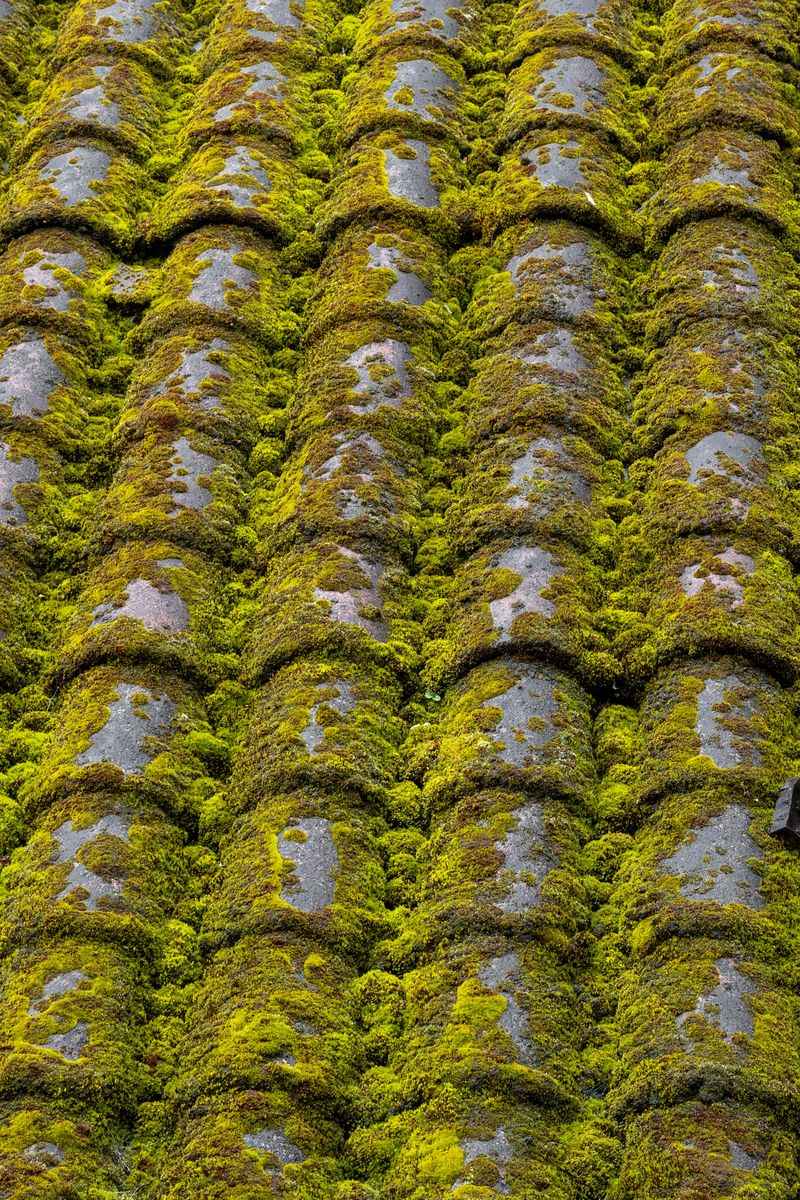
Big trees make a house feel cozy and charming, especially in October color. Your roof, however, may not share your love for those leafy giants.
Branches hanging over shingles block sunlight, keeping the roof cool and damp long after rain. North-facing slopes under trees get hit the hardest.
Falling leaves add another layer of trouble each autumn. They pile up in valleys and corners, trapping moisture against the shingles like a soggy blanket.
As leaves rot, they create a thin layer of organic grit. Moss spores land there and find the perfect starter bed.
Once moss gets going, it acts like a sponge on your roof. It lifts shingle edges and holds water that can sneak underneath.
Over time, that can mean leaks, moisture damage to the roof deck, and repair costs. A little prevention now can reduce later expenses.
Trimming branches back several feet from the roof lets sunlight and wind dry things out. Arborists often suggest six to ten feet. Hire a certified arborist for large limbs near the house.
Late fall or the dormant season is often a good time for pruning, though timing depends on the tree species and your region. Leaves are dropping, so you can see the branch structure clearly.
Use a leaf blower or soft roof rake to clear debris after big leaf drops. Stay off steep or slick roofs and call a pro if needed.
Trees and healthy roofs can live side by side. They just need a little breathing room between them.
8. Clogged Gutters Keep Shingles Wet Longer
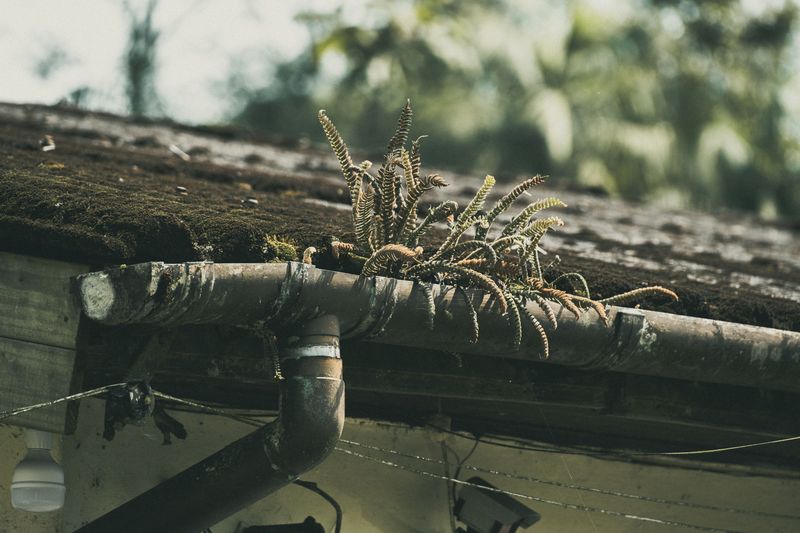
Ever see a waterfall pouring over the edge of a gutter during a storm? That spill usually means leaves have packed the channel tight.
Gutters are supposed to whisk rainwater away from your roof and foundation. When they clog, water backs up and soaks the lower rows of shingles.
Those bottom edges then stay wet far longer than the rest of the roof. Moss loves that steady dampness and often starts growing along the eaves first.
Clogged gutters can also grow their own little gardens of moss, weeds, and even tree seedlings. Some homeowners discover tiny maple trees sprouting up there each spring.
October is the peak month for leaf fall in many areas, so gutters fill fast. Cleaning once in early fall and again after the last leaves drop works well.
Use a sturdy ladder, gloves, and a small scoop to clear out the debris. Flush the gutters with a hose afterward to check that water flows freely.
Gutter guards can cut down on future cleanups, though they still need occasional checks. Pine needles and seed pods can slip past some designs.
Another helpful trick is installing zinc or copper strips near the roof ridge. Rain washes tiny bits of metal down the shingles below the strip, which discourages moss growth over time.
Copper may stain some roofs. Avoid pressure washing a mossy roof, since the force can strip away protective granules. Gentle brushing and a roof-safe moss treatment are much kinder choices.
Clean gutters keep the whole system flowing like it should. A dry roof edge leaves moss with little to hold onto.