This Is The Week Your Christmas Cactus Needs To Leave The Porch In New Jersey
One chilly night could decide whether your porch plant thrives in November. New Jersey autumns swing from sweater weather to frost warnings in days.
Christmas cacti lose their vigor long before water freezes on the segments. Chilled plants show it through soft, translucent segments and a sudden bud drop.
You can spot the signs days after the cold has passed. Pots outside pull cold straight into the roots.
Timing matters more than strength when you move plants indoors. Hurry the move and you invite stalls, drooping, and yellow leaves.
Linger too long and New Jersey makes the call for you. Watch the overnight forecast, not the calendar.
Your plant needs a gradual landing, not a sudden indoor leap. Tiny stowaways ride inside on leaves and under pots, so you must inspect. The true tipping temperature sits surprisingly far above freezing.
Bring It Inside Before The First Frost
Look at the ten-day forecast for Trenton, Newark, or Cape May once fall settles in. Typical mid-October lows run from the mid-forties inland to around fifty near the coast, and cold nights can dip well below that.
That dip is your signal to carry the pot indoors within the next few days. Waiting until Halloween can mean waking up to soft, drooping stems after a surprise frost.
Northwest towns like Sussex and Morris often see their first frost in early to mid-October. Central areas follow around the third week of October, and beach towns can wait until early November.
Inland South Jersey and the Pinelands can frost in mid-October, though. A smart rule is to move the plant once nights fall below about 45 degrees. Many growers use 50 degrees as a safer cutoff, especially for older, prized plants.
Grab a cheap outdoor thermometer and hang it near the porch railing. Checking it each morning takes five seconds and adds useful detail beyond a phone app.
Pick a dry afternoon for the move so the soil is not soggy and heavy. A wet pot is harder to carry and more likely to tip over on the steps.
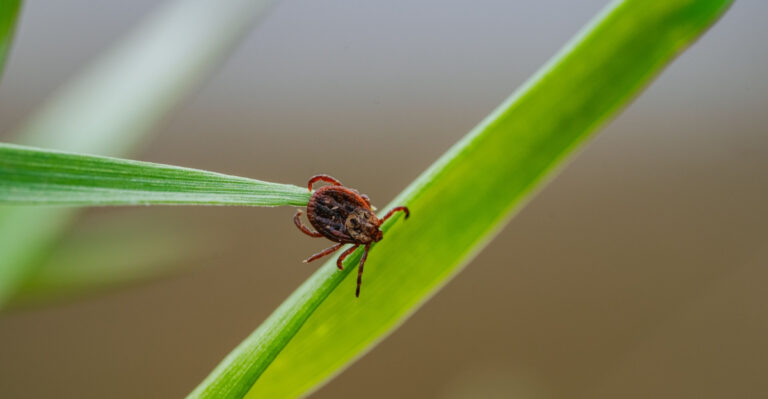
Before heading inside, look under the leaves and around the rim for hitchhiking bugs. Mealybugs look like tiny cotton puffs, and spider mites leave faint webbing between segments.
Spending ten minutes now saves you weeks of frustration later. Your plant gets a safe winter home, and you get peace of mind on chilly nights.
Think of it like bringing in the patio cushions before a storm. Few people regret doing it a little early.
Cold Nights And The Fifty Degree Line
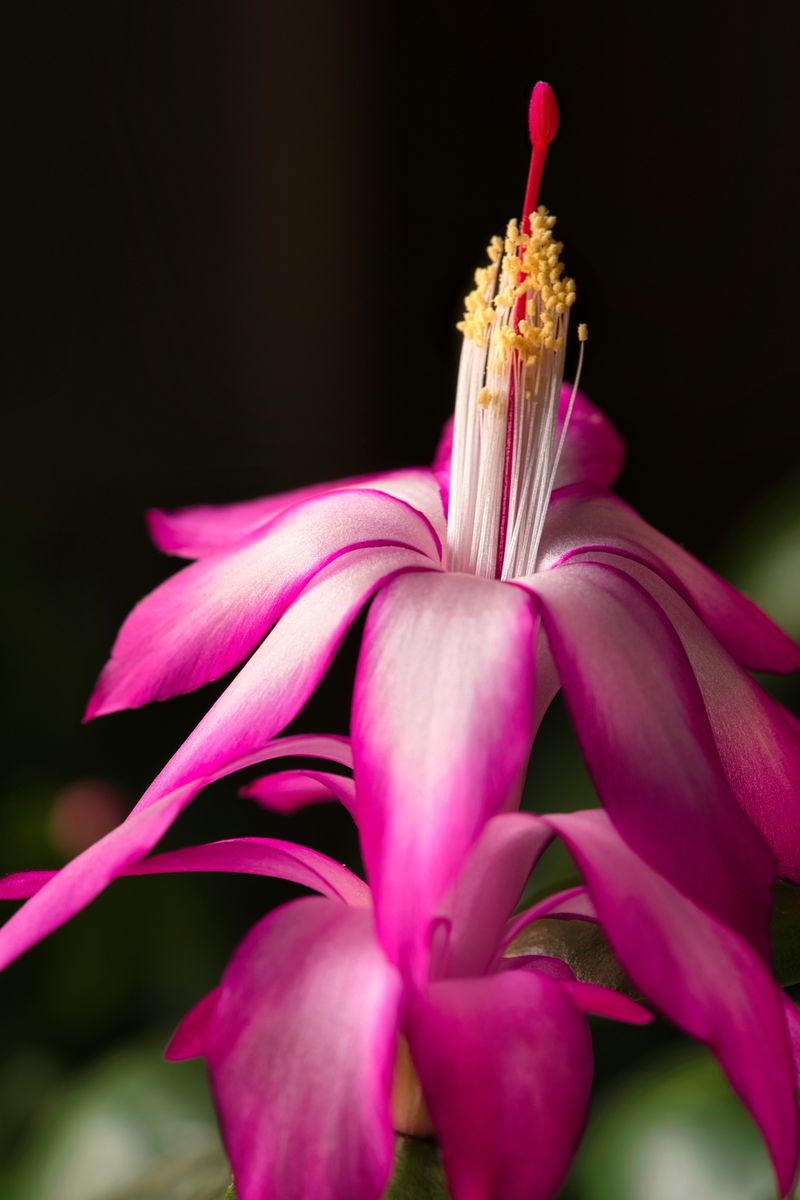
Deep in the misty mountain forests of Brazil, this plant grows on tree branches instead of in dirt. It is used to mild, damp air, not crunchy New Jersey frost.
That jungle history explains a lot about its moods in autumn. Cool nights near 50 to 55 degrees help it, telling the plant to start making buds.
So a little chill is welcome, which is why many people leave it out through September. Trouble starts when temperatures drop much lower than that comfortable range.
Your New Jersey Garden Changes Every Week. Your Plan Should Too.
Gardening in New Jersey changes quickly throughout the season. Every Friday you’ll receive a simple weekly plan showing exactly what to plant, prune, fertilize, harvest, and protect so you never miss the right timing.
Below about 45 degrees, the cells inside those flat green segments become stressed. Near freezing, water inside the stems can form ice crystals that rupture the cell walls.
You will not see the harm right away, which makes it sneaky. A day or two later, stems turn soft, translucent, or dark and wet.
Wind makes things worse because it speeds up heat and moisture loss from the segments, so a breezy 42-degree night on an open porch is harder on a tropical plant than a calm one.
Covered porches help a bit, but they do not hold heat the way a house does. Metal railings cool off quickly once the sun goes down, and bare concrete keeps the base of the pot chilly.
Picture the 50-degree mark as a friendly line in the sand. Above it, your plant is happy and busy setting buds for the holidays.
Below it, time matters and the porch stops being a safe spot. Keep that number in mind every time you peek at the forecast.
A Slow Shift From Porch To Window
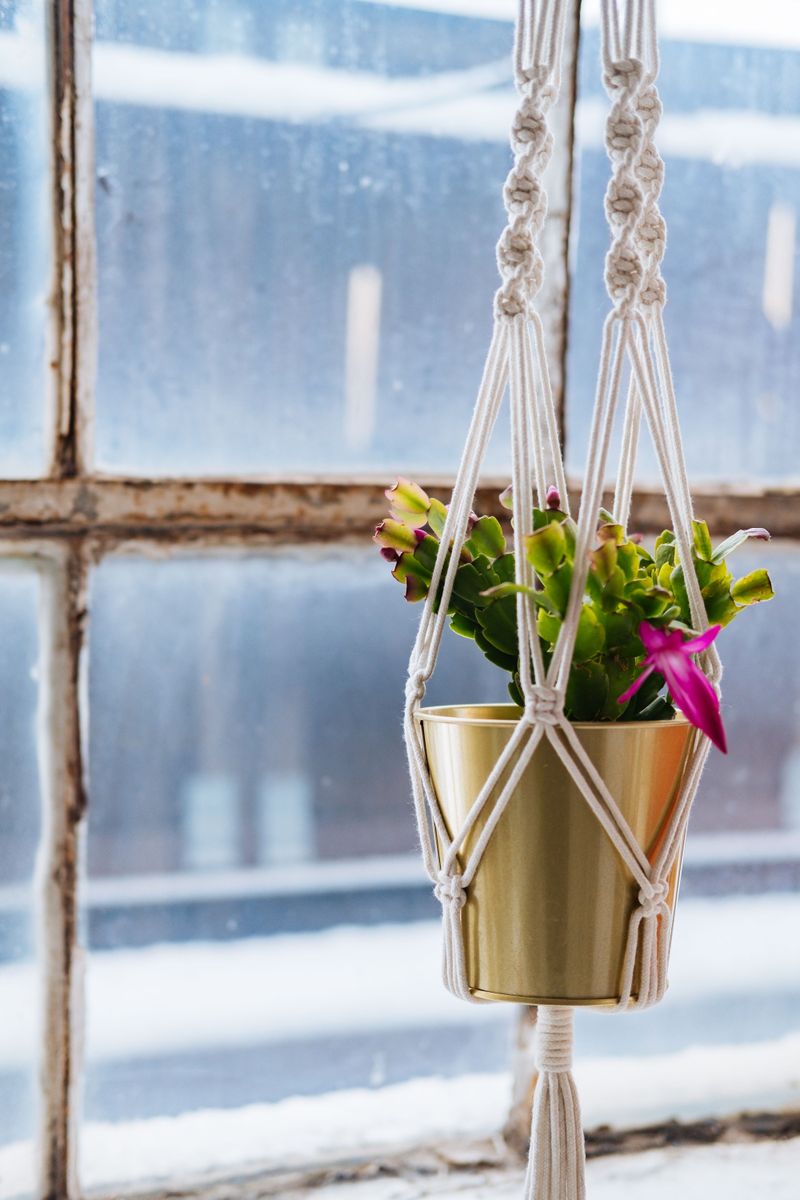
Picture a plant hauled from a chilly porch straight into a toasty living room. Within a week, half its buds can end up scattered across the carpet like pink confetti.
Sudden change is a common reason holiday plants drop their flower buds. Big swings in light, heat, and humidity all at once leave the plant stressed and confused.
A gentler plan works better for everyone involved. Start by moving the pot to a garage, mudroom, or enclosed sunporch for a few days.
These in-between spots are cooler than the house but safer than the open porch. Aim for somewhere that stays between 50 and 60 degrees at night, and check with a thermometer, since unheated garages can drop below 45 degrees.
After three to five days, bring the plant into its winter home indoors. A bright east or north window is ideal, since harsh afternoon sun can damage the segments.
Keep it away from heating vents, radiators, and fireplaces, which release dry air. A drafty front door is also a poor choice once winter wind picks up.
Indoor air in New Jersey gets very dry once the furnace kicks on. Setting the pot on a tray of pebbles and water may add a small amount of moisture.
Try not to move it around much once buds appear. Even turning the pot may cause some plants to shed buds as they reorient toward the light.
Patience improves results here. A plant that settles in slowly is more likely to keep its buds until it blooms.
Think of it as a short layover rather than a nonstop flight. Your plant will thank you with a much fuller show of color.
The Frost Risk To Plan For
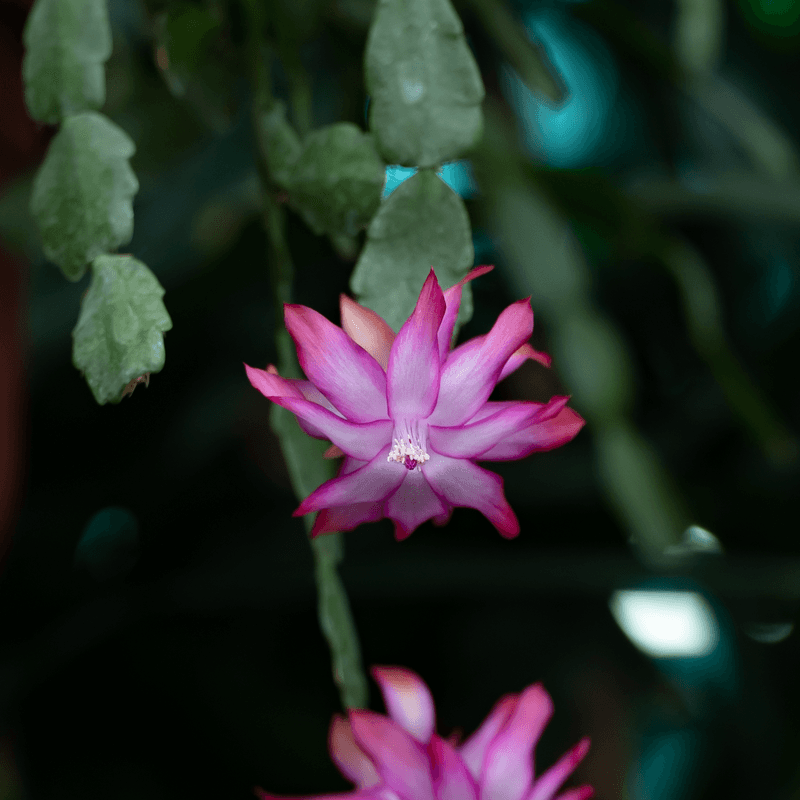
Ever told yourself, just one more night, it will be fine? Plenty of New Jersey gardeners have said that and found frost damage by sunrise.
Early fall weather here loves to play tricks. A warm 70-degree afternoon can slide into a frosty 34-degree night with almost no warning.
Clear skies and calm air are a risky combination. Heat escapes fast on those nights, and frost settles on porches, cars, and pots.
Low spots and valleys in places like Sussex, Warren, and Hunterdon counties chill down even faster. Depending on location, your porch may run a few degrees different from the number on the news.
Another common slip is tossing an old sheet over the plant and calling it good. Covers help a little, but they cannot keep a tropical plant warm through real cold.
Some folks also forget smaller pots chill faster than big ones. A plastic pot sitting on cold concrete loses warmth from the bottom up.
If frost does strike, do not panic or start chopping right away. Move the plant indoors to a cool room and let it recover for a few days.
Trim off segments that turn soft or dark, cutting at the joint with clean scissors. Healthy pieces can be rooted in moist soil to start brand new plants.
Still, the easiest fix is skipping the gamble in the first place. Bringing the pot inside a week early costs little and protects years of growth.
Some of these plants live for decades and get passed down through families. That heirloom is worth protecting from the weather.
Light, Darkness, And The Bud Trigger
Your plant responds to the length of each night. Long, dark, cool nights are the signals that tell it to start building flower buds.
Scientists call this response photoperiodism, which is a fancy word for reacting to day length. In October, natural New Jersey nights are already stretching past twelve hours.
Problems pop up once the plant moves indoors near lamps, TVs, and porch lights. Regular bright light at night can confuse its internal calendar.
For the best results, give it about 12 to 14 hours of steady darkness each night. Keep this up for roughly six weeks to coax plenty of buds.
A spare bedroom that nobody uses after dinner works beautifully. You can also slip a cardboard box over the plant each evening and lift it every morning.
During the day, it still needs bright, indirect light to stay strong and green. A few hours of filtered sun near a window keeps the segments plump.
Watering changes during this stretch too. Let the top inch of soil dry out before giving it a drink, and skip fertilizer until buds form.
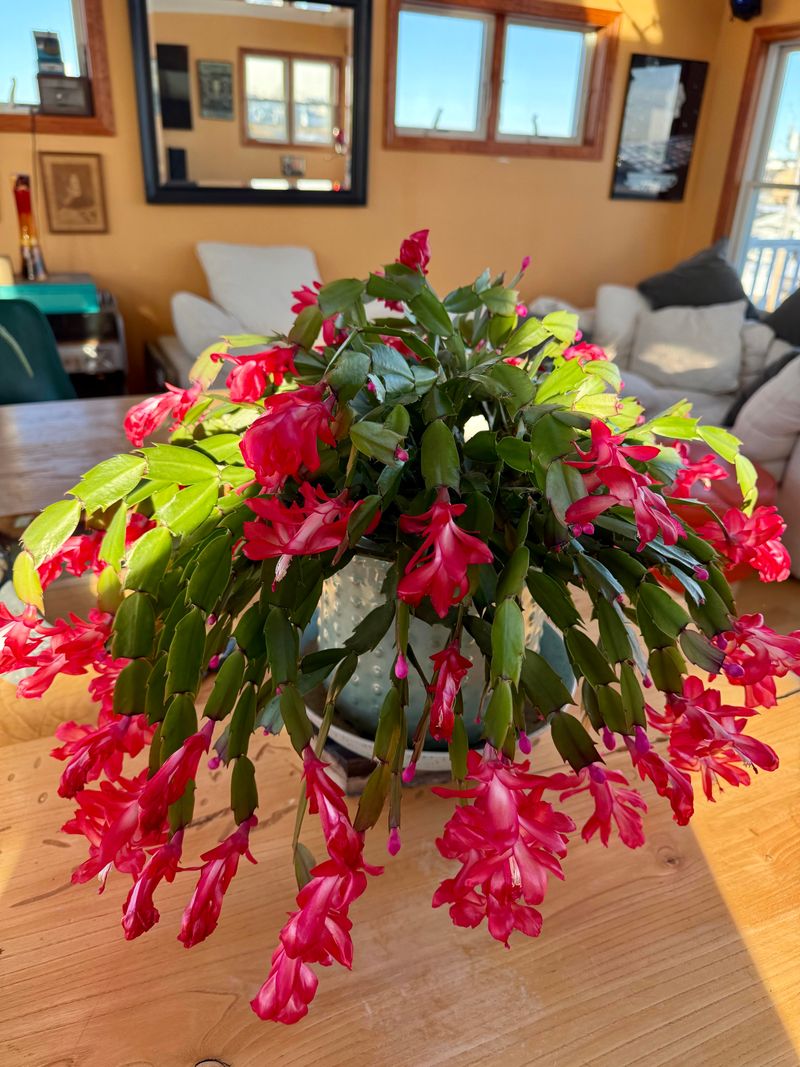
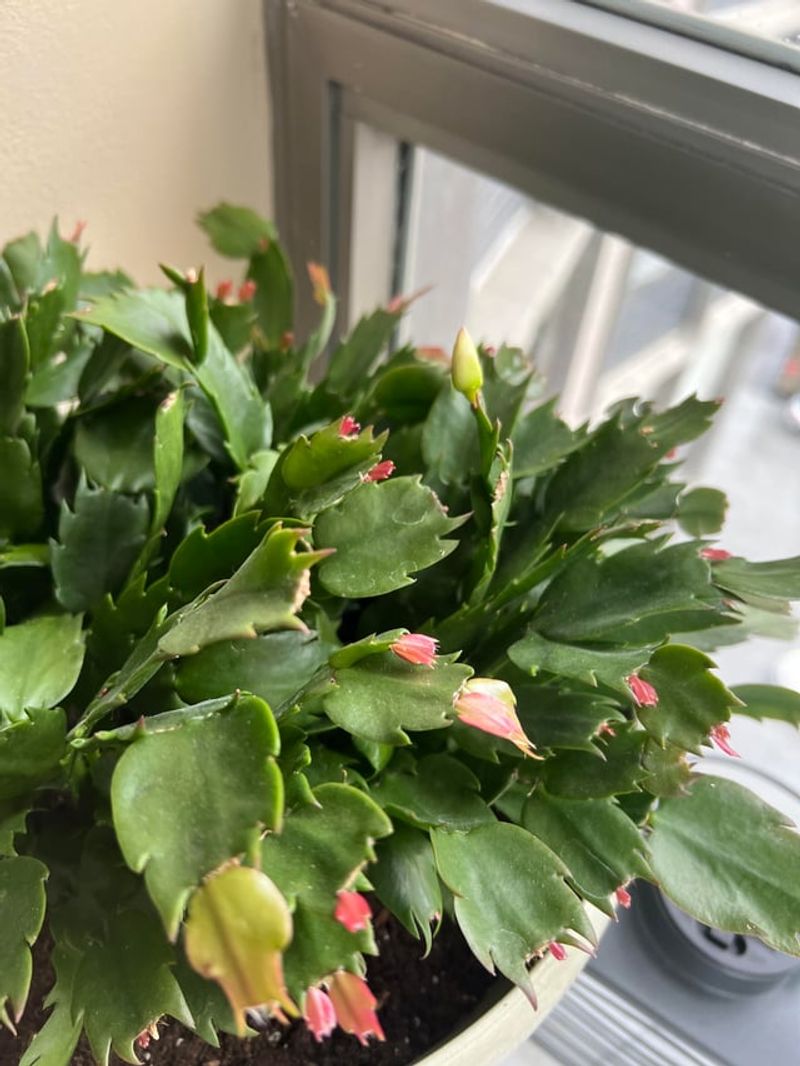
Once you spot tiny pink or red nubs at the tips, celebrate quietly. Those little bumps mean the darkness routine worked, and blooms are on the way.
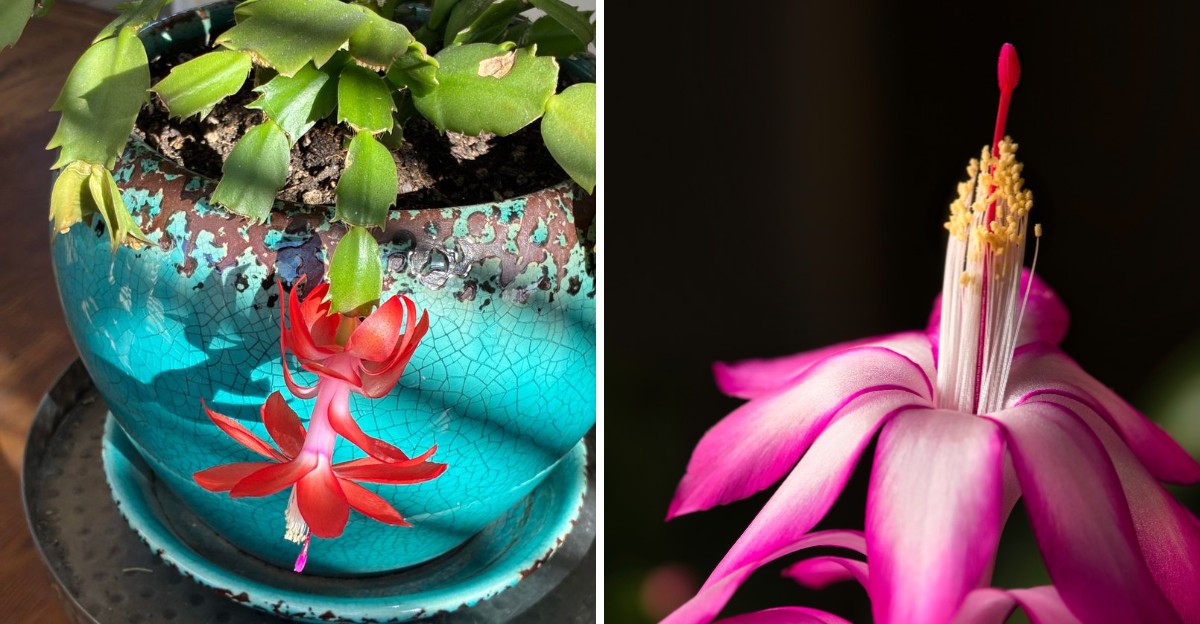
Holiday names can be confusing here, since Thanksgiving and Christmas cactuses look alike. Thanksgiving types have pointy, claw-like edges, while Christmas types have smoother, rounded scallops.
Both kinds respond to dark nights and cool rooms, though Thanksgiving cactus relies more on day length and Christmas cactus more on cool temperatures. Treat them alike, and both will reward you with color.
Winter Care For A Holiday Full Of Blooms
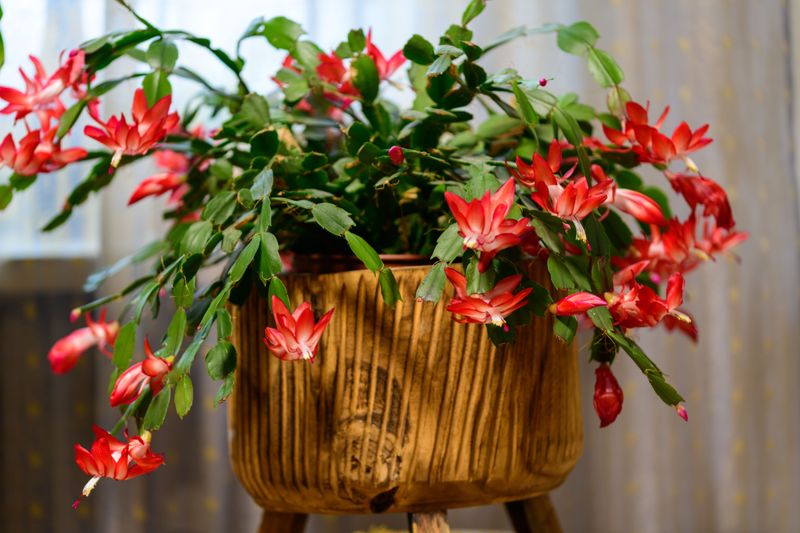
A well-kept holiday cactus can sit on the same windowsill every December, glowing with pink flowers like clockwork. The secret is not magic, just a few steady habits repeated each year.
After the porch season ends, consistency becomes your best friend. Keep the plant in one spot, away from drafts, with room temperatures between 60 and 70 degrees.
Water when the top inch of soil feels dry, then let extra water drain away. Soggy roots lead to rot, which causes more trouble than a missed watering.
Once blooms open, enjoy them for several weeks without moving the pot around. Pinch off faded flowers gently to keep the plant looking tidy and fresh.
After flowering wraps up, give it a short rest with a little less water. Around late winter, you can trim back a few segments to encourage bushier growth.
Spring is the season to repot if roots are poking out the bottom. These plants like being a little snug, so choose a pot just one size bigger.
Once nights stay above 55 degrees in late May, the porch is open for business again. Start it in shade so the segments do not sunburn after months indoors.
Write a reminder on your calendar for early October next year. A simple note can save you from scrambling on the first frosty morning.
Follow this rhythm, and your plant can bloom for many holidays to come. Someday it might even sit on a grandchild’s windowsill, still glowing every December.