The Ohio Frogs That Freeze Solid In Winter And Come Back To Life In Spring
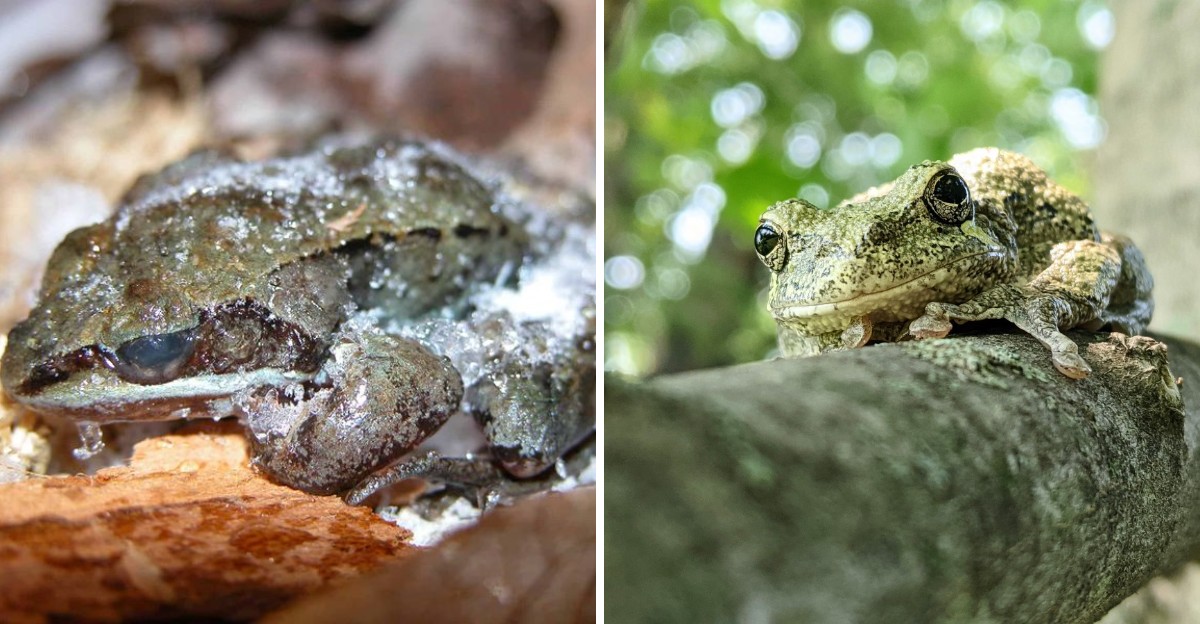
Somewhere beneath the leaf litter in your Ohio yard, a small frog is turning into a block of ice, and it plans on hopping away come spring.
That sounds like a tall tale, the kind a camp counselor tells around a fire. It’s the real deal.
Heart stops, breathing stops, and for weeks the animal shows no sign of life at all. Then the weather warms, and the whole show starts back up like someone pressed play.
A few species around Ohio pull off this stunt, and each one has its own bag of tricks. Some of those tricks involve chemistry that has medical researchers paying attention.
Your backyard may hold more of these chilly survivors than you’d guess.
Think twice before you rake every leaf away. The frogs might already be tucked in.
1. Five North American Frogs Can Survive Being Frozen
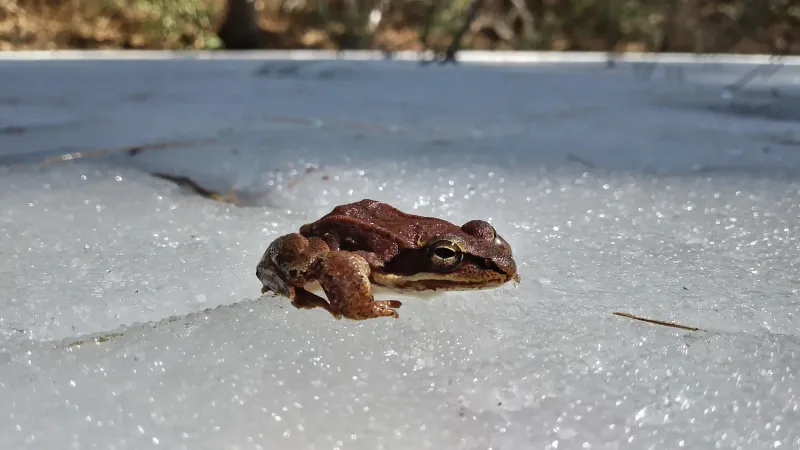
Most animals run, fly, or dig deep to escape winter. A handful of frogs take a bolder route and let the cold move right into their bodies.
Across North America, about five frog species can survive being frozen. Scientists call them freeze-tolerant, which is a fancy way of saying they can turn partly to ice and recover later.
The wood frog gets the most attention, but it has company.
Spring peepers, gray treefrogs, and chorus frogs belong to this tough little club. Many of them live right here in Ohio, tucked into backyards, parks, and wooded wetlands.
You might have heard them singing without knowing their winter secret.
Why would a frog choose freezing over hiding underwater? Many of these species spend winter on land, under leaf litter or loose soil.
That shallow spot is easy to reach in fall and easy to leave in spring.
The tradeoff is that their hiding places can drop below freezing. Instead of fighting the cold, their bodies prepare for it with clever chemistry.
Ice forms, but in a controlled way that protects what matters most.
Here is a fun tip for nature lovers. Leaving a patch of fallen leaves in your yard gives these frogs a cozy winter shelter.
Your lazy fall cleanup could become a frog hotel.
2. Ohio’s Wood Frog Is The Best-Studied Of Them
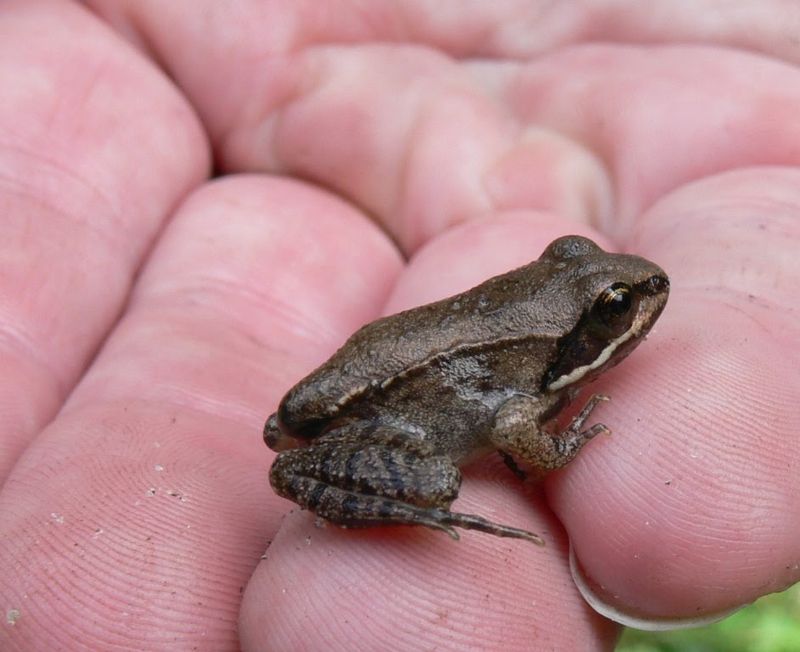
Look for the bandit mask. A wood frog wears a dark stripe across its eyes, like a tiny robber sneaking through the forest floor.
Known to scientists as Rana sylvatica, and sometimes Lithobates sylvaticus, this frog is a star in the research world. No other freeze-tolerant amphibian has been studied as closely.
Much of that research has happened right in the state.
Wood frogs are usually tan, brown, or even a bit reddish. Their colors blend nicely with lifeless-looking autumn leaves, which helps them hide from hungry birds and snakes.
Adults are only about two to three inches long.
So why do scientists love this frog so much? It is common, easy to find in certain wooded areas, and its freezing trick is very dramatic.
Your Ohio Garden Changes Every Week. Your Plan Should Too.
Gardening in Ohio changes quickly throughout the season. Every Friday you’ll receive a simple weekly plan showing exactly what to plant, prune, fertilize, harvest, and protect so you never miss the right timing.
Researchers can watch it freeze and thaw in a lab and learn a lot along the way.
Those lessons reach beyond frogs. Doctors and scientists hope that understanding how a frog protects its organs from ice could help with storing human organs for transplants someday.
A humble backyard frog might help save lives.
If you want to spot one, try a damp forest near a seasonal pond in early spring. Walk slowly and watch the leaves, because that brown blur might just be a masked celebrity.
3. Spring Peepers, Gray Treefrogs And Chorus Frogs Can Do It Too
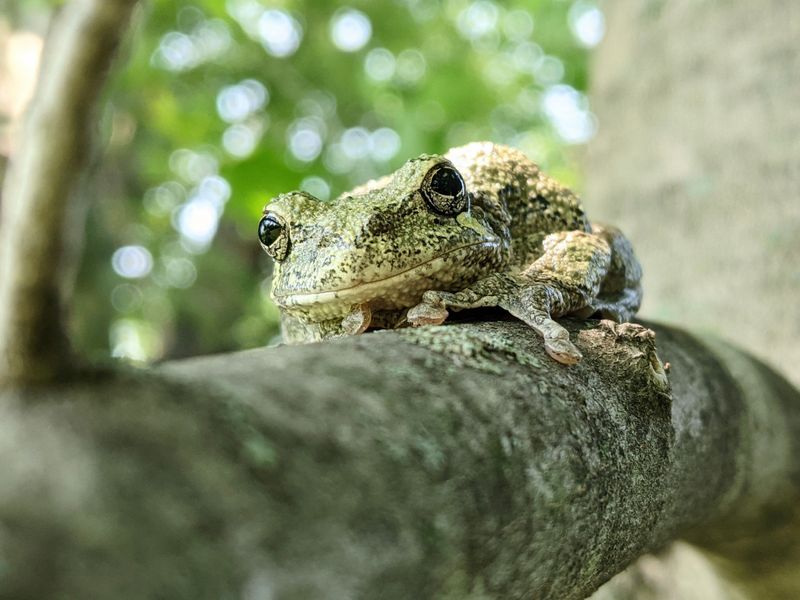
Ever heard a swamp that sounds like sleigh bells? That bright, peeping chorus on a chilly March night often comes from frogs that spent winter as icy little lumps.
Spring peepers are tiny, about the size of a paperclip. They have a dark X on their backs and voices far louder than their bodies seem able to produce.
Each one survived winter by handling the freeze like a pro.
Gray treefrogs are the masters of disguise. They can shift from gray to green, matching tree bark or leaves.
Their trilling call sounds a bit like a bird, and they also endure freezing in their winter hideouts.
Chorus frogs are small, striped, and noisy. Their call sounds like someone running a thumb along the teeth of a comb.
They often start calling while patches of ice still float on the water.
All of these frogs use similar tricks to stay safe. They load their bodies with glucose, a type of sugar, to shield their cells from ice.
It is the same basic plan the wood frog uses, just in different packages.
Next spring, step outside at dusk near a wetland. Close your eyes and count how many different calls you hear, then remember each singer was frozen months earlier.
4. Miami University Scientists Have Studied Them For Decades
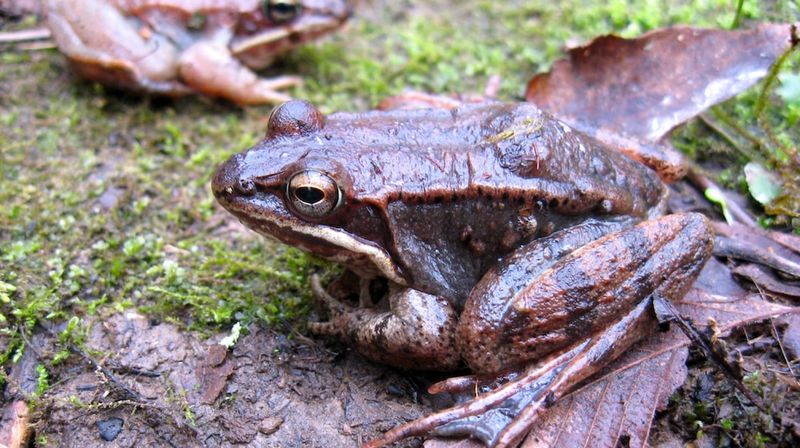
Some people collect stamps. Two Ohio scientists spent more than 25 years collecting answers about frozen frogs.
Jon Costanzo and Richard Lee work at Miami University in Oxford, Ohio. Their lab has become one of the best-known places in the world for studying freeze-tolerant animals.
Wood frogs have been their main focus for decades.
Their work is careful and patient. They cool frogs slowly, measure what happens inside their bodies, and then watch them thaw.
Every test adds another puzzle piece about how life handles extreme cold.
One of their most exciting projects compared Ohio wood frogs to wood frogs living in Alaska. Both are the same species, yet the Alaskan frogs can survive much colder temperatures.
Figuring out why has taught scientists a lot about how animals adapt to their homes.
Research like this takes more than smarts. It takes years of fieldwork, muddy boots, and long nights in the lab.
Students often help, which means young scientists get hands-on training with real discoveries.
Curious about science careers? Stories like this show that you do not need to travel to faraway jungles to find mysteries.
Sometimes the coolest questions, quite literally, are hopping around in your own state.
5. Glucose Works Like A Natural Antifreeze
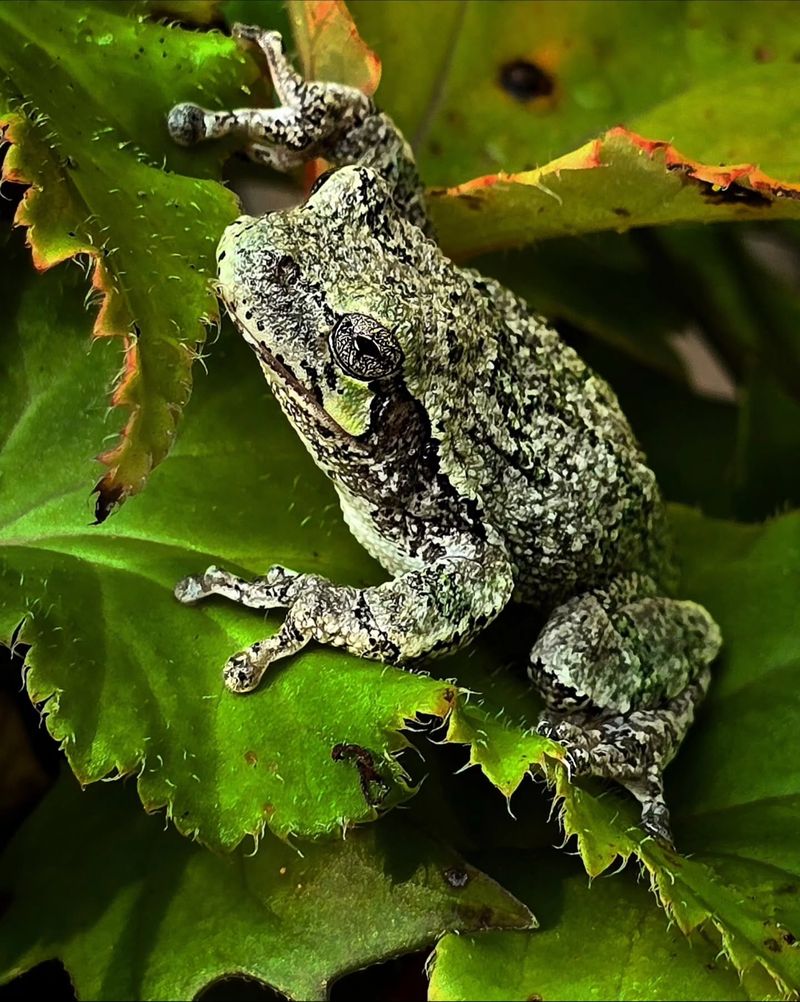
Sugar is usually something you sprinkle on cereal. For a wood frog, it is a life jacket against ice.
Here is how it works. When ice crystals first touch the frog’s skin, its body sounds an alarm.
The liver quickly starts turning stored fuel, called glycogen, into glucose.
That glucose floods the blood and moves into the cells. Sugar levels can rise to many times their normal amount, something that would make a person very sick.
For the frog, it is exactly what the situation calls for.
So what does all that sugar do? It acts like the antifreeze people pour into car engines.
Sugary water does not freeze as easily, which helps protect the inside of cells from sharp ice crystals.
The frog has a second helper, too. Urea, a natural waste product, builds up in its tissues during fall.
Working alongside glucose, it limits ice formation and keeps cells from shrinking too much.
Want to see the idea in action? Try a simple kitchen test with an adult.
Put a cup of plain water and a cup of very sugary water in the freezer, then check them every half hour. The sweet one usually stays slushy longer, just like the frog’s precious cells.
6. Up To 70 Percent Of Their Body Water Can Turn To Ice
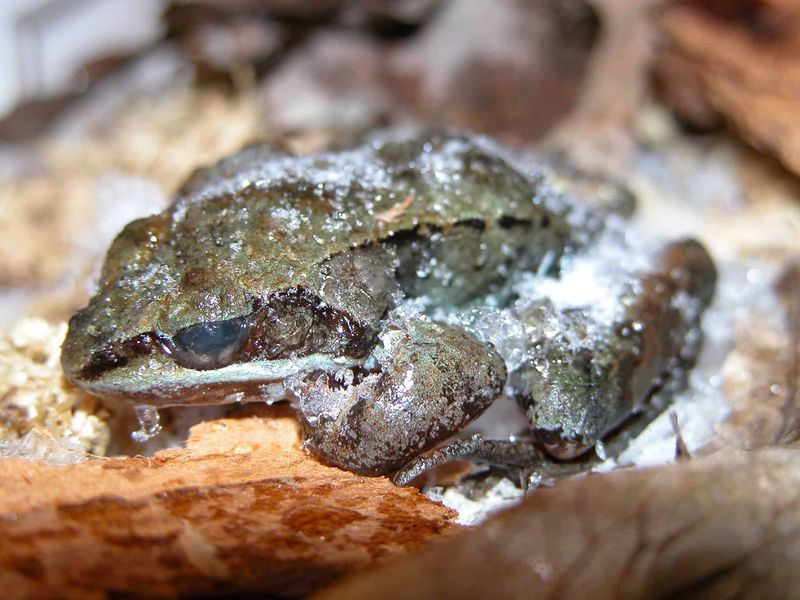
Imagine two thirds of your body turning into ice cubes. That is a normal winter for a wood frog, and it shrugs it off.
Wood frogs can handle about 65 to 70 percent of their body water freezing solid. If you picked one up, it would feel hard, and its eyes might look cloudy white.
Drop it gently and it could even make a little clink.
The secret is where the ice forms. It builds up in spaces outside the cells, like around organs and under the skin.
The insides of the cells mostly stay liquid.
As ice grows outside, it pulls water out of the cells. The cells shrink, a bit like raisins.
That might sound bad, but it actually concentrates the protective glucose inside them, making them even safer.
Why does this matter so much? Ice crystals inside a cell can poke holes in it, like tiny knives.
By steering ice outward, the frog avoids that kind of harm.
Fun fact: the frog’s belly can fill with a big chunk of ice during deep freezes. Scientists sometimes find frozen wood frogs looking like little frosty stones.
A few weeks later, those same frogs are hopping toward the nearest pond.
7. The Heart Slows And Eventually Stops
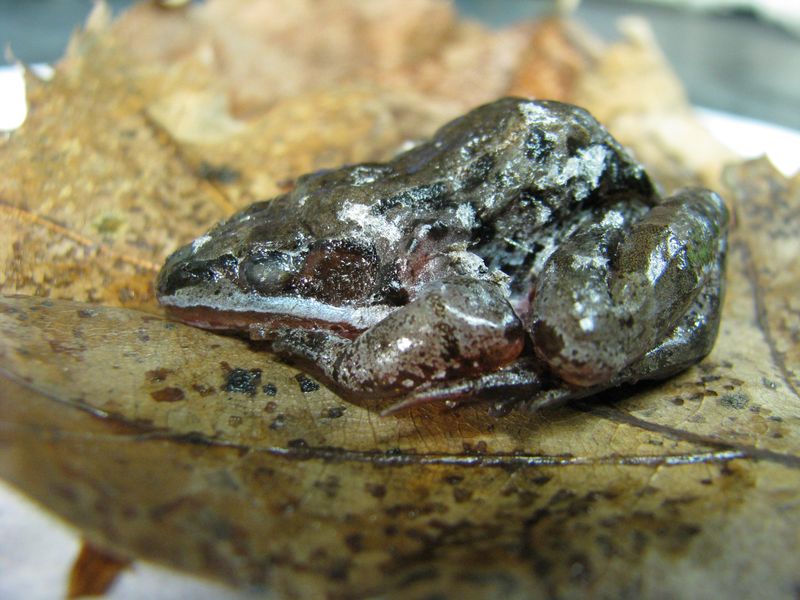
Thump, thump, thump, then silence. For a freezing frog, that quiet moment is part of the plan.
Right after freezing begins, something surprising happens. The frog’s heart actually speeds up, sometimes beating twice as fast.
It is rushing glucose to every corner of the body before the ice settles in.
Over the next day or so, things wind down. As ice formation finishes, usually across about 20 hours, the heartbeat slows and finally stops.
Breathing pauses, blood stops flowing, and scientists cannot detect brain activity.
To any observer, the frog looks like it has given up on life. Yet it is really in a deep pause, like a movie on hold.
Its cells are protected and simply waiting.
Then spring warms the leaf litter. The frog thaws from the inside out, and within about one to two hours, its heart flutters back into action.
A few hours later, it is working close to normal again.
No one fully knows what restarts that tiny heart. It is one of the biggest puzzles scientists still hope to solve.
Maybe one day a curious reader like you will help crack the case and explain how a stilled heart finds its rhythm again.
8. Ohio Wood Frogs Can Handle Temperatures In The Mid-20s
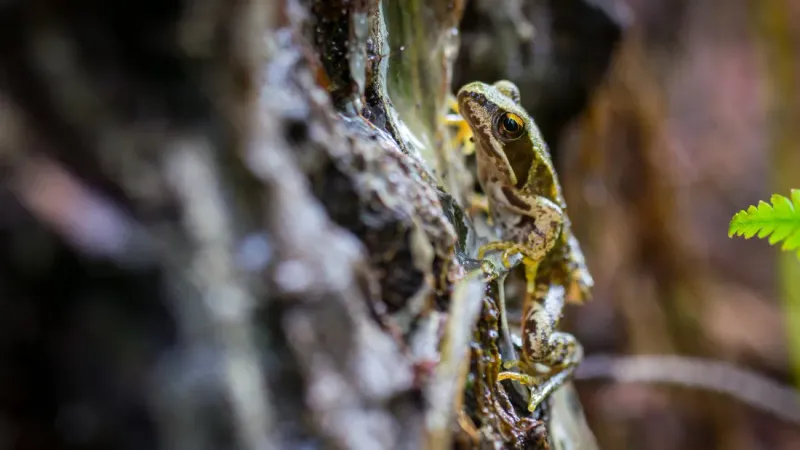
Think of the coldest day you waited for the school bus. An Ohio wood frog might be chilling at a similar temperature, frozen under the leaves.
Wood frogs in the Midwest, including Ohio, usually survive temperatures from about 27 down to 21 degrees Fahrenheit. That is roughly minus 3 to minus 6 degrees Celsius.
Studies of Ohio frogs confirm they handle the mid-20s quite well.
Wait, our winters get much colder than that! True, but the frogs have help.
A thick layer of leaves and snow works like a warm quilt, keeping the ground warmer than the air above.
That is why their hiding spot matters so much. A frog under fluffy snow might stay near the freezing point even when the air drops into single digits.
Nature gives them a built-in blanket.
Their cousins in Interior Alaska are even tougher. Those frogs can survive temperatures near 3 degrees Fahrenheit, and possibly colder.
They build up more glucose and urea to manage the brutal northern cold.
Here is a helpful idea for homeowners. Leaving some leaves under shrubs and along the edges of your yard keeps that insulation in place.
It is an easy way to give local frogs a better shot at seeing spring.
9. Wood Frogs Are Among The First Frogs To Breed Each Spring
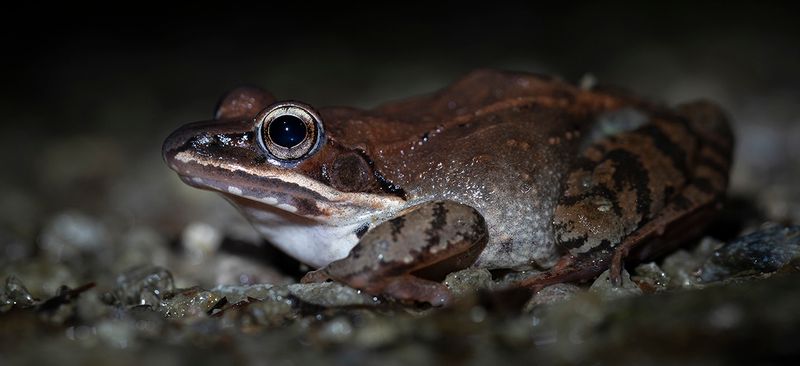
Snow still clings to the shady spots, yet the pond is already buzzing. Listen closely and you might hear what sounds like a group of ducks quacking.
That noise belongs to wood frogs. They are called explosive breeders because they show up all at once, call loudly, and lay eggs in just a few days.
In Ohio, this usually happens from March into April.
Thanks to their freezing skill, wood frogs wake up early. They do not need to wait for deep ground to warm, since they wintered right near the surface.
Once the ice melts from small woodland ponds, they head straight there.
Getting a head start helps their tadpoles. Many wood frogs lay eggs in vernal pools, temporary ponds that dry up by summer.
Early eggs mean tadpoles have more time to grow legs before the water vanishes.
Females lay round clumps of eggs, often grouped together in one sunny corner of the pool. These jelly blobs can hold hundreds of eggs each.
Over time, they may turn greenish from helpful algae.
Want to witness it? Visit a forest pond on a rainy, mild night in early spring.
Bring a flashlight, watch your step, and enjoy one of Ohio’s best wildlife shows.