7 Things Texans Do That Accidentally Invite Scorpions Indoors In Winter
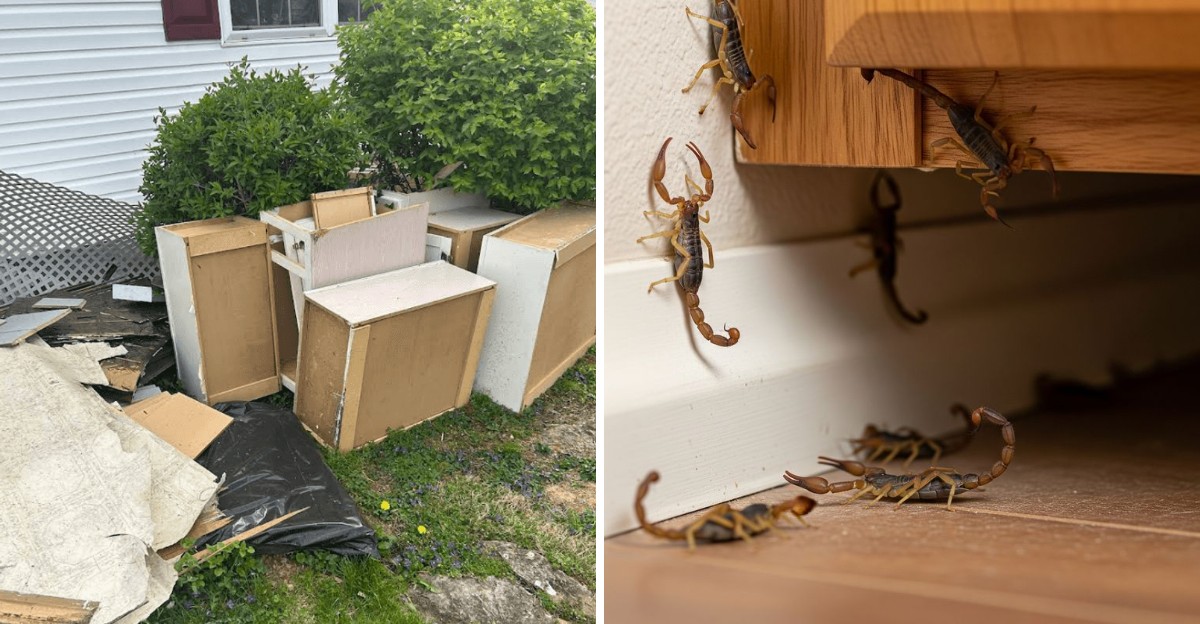
A scorpion can squeeze through a gap about as thin as a credit card. That tiny space under a door, around a pipe, or along a weep hole in brick siding is all it needs to slip inside.
As Texas nights turn chilly, plenty of them are looking for exactly that kind of opening. Striped bark scorpions, the most common species in the state, love warm, sheltered hiding spots.
As the weather cools, they look for places to ride out the cold. Your attic, garage, or wall spaces can look like a perfect winter retreat.
What surprises many homeowners is how often everyday habits make the problem worse. Simple things, like stacking firewood by the back door or bringing potted plants inside without checking them, can roll out an unexpected welcome.
A few small changes can help keep these eight-legged intruders outside this winter.
1. Bringing In Firewood Without Checking It
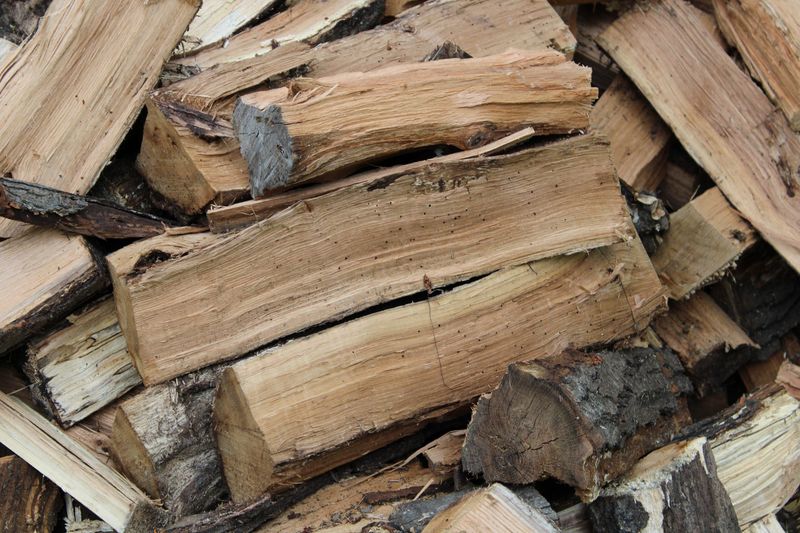
Nothing beats a crackling fire on a cold Texas night. Still, that armload of oak you just carried inside might hold more than wood. Scorpions love the tight, dark spaces between logs and under loose bark.
A woodpile is basically a scorpion apartment building. The wood holds warmth, traps a little moisture, and attracts crickets, roaches, and beetles. Those bugs are dinner for scorpions, so the pile offers food and shelter in one handy spot.
When you grab a log and walk it into the living room, any scorpion tucked inside comes along for the ride.
Once the wood warms up near the fireplace, that sleepy scorpion wakes up and starts to wander. That is often how people find one crawling across the rug.
Start by moving your firewood stack at least 20 feet from the house. Keep it raised off the ground on a metal rack. Air flow keeps the wood drier and makes it less cozy for pests.
Before you bring any piece inside, put on thick leather gloves. Pick up each log and give it a firm knock against the ground or another log. Look closely at the ends, cracks, and under any loose bark.
Only bring in what you plan to burn that same evening. Wood that sits in a basket by the hearth for days gives hidden critters time to crawl out and explore. A small, quick supply works best.
Here is a fun tip. Scorpions glow bright blue-green under ultraviolet light. Shine a cheap UV flashlight over your woodpile after dark, and any scorpions will light up like tiny neon signs. It is spooky, but it really works.
2. Moving Potted Plants Indoors For Winter
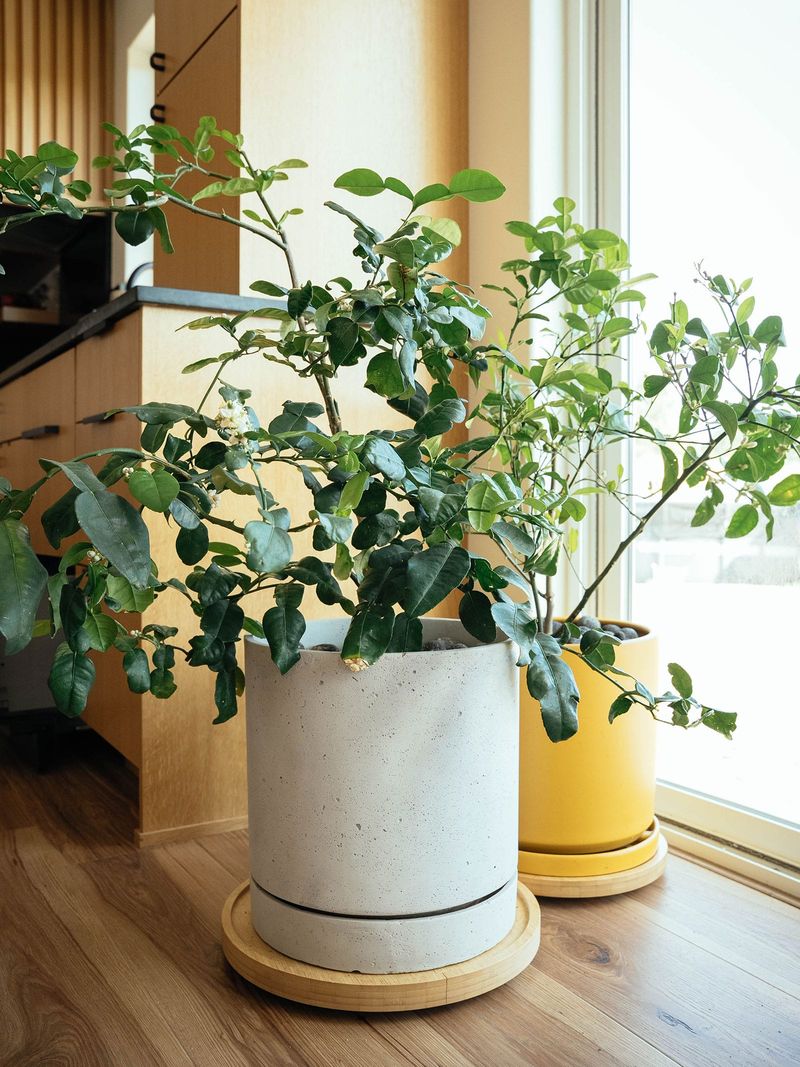
My neighbor once carried her prized lemon tree into the sunroom before a freeze. Two days later, a scorpion strolled out from under the pot. She was not thrilled, and the lemon tree took the blame for weeks.
Plants that spend spring, summer, and fall outside become little ecosystems. Bugs move into the soil. Spiders build webs in the leaves. Scorpions, always hunting for food and shade, settle right in with them.
Your Texas Garden Changes Every Week. Your Plan Should Too.
Gardening in Texas changes quickly throughout the season. Every Friday you’ll receive a simple weekly plan showing exactly what to plant, prune, fertilize, harvest, and protect so you never miss the right timing.
Favorite hiding spots include the space under the pot, the saucer, and even the drainage holes. Thick leaves and dense branches also give them cover. When you move the plant indoors, every hidden guest moves too.
Protecting your plants from frost is smart. You just need a short checkup first. Plan to do it on a warm afternoon when you have good light.
Lift each pot and look at the bottom. Check inside the drainage holes with a flashlight. Empty and rinse the saucer, or swap it for a clean one.
Next, look through the leaves and along the stems. Gently shake the plant over a tarp or a patch of concrete. Anything that falls out will be easy to spot.
You can also water the soil well and wait about 15 minutes. Soaking often pushes bugs to the surface, and you can deal with them outside. Some gardeners also scratch away the top inch of old soil and add fresh potting mix.
Finally, keep newly moved plants in one spot, like a garage or mudroom, for a few days. Watch for any visitors before they join the rest of the house. A little patience saves a lot of screaming later.
3. Leaving Small Gaps Around Doors And Windows
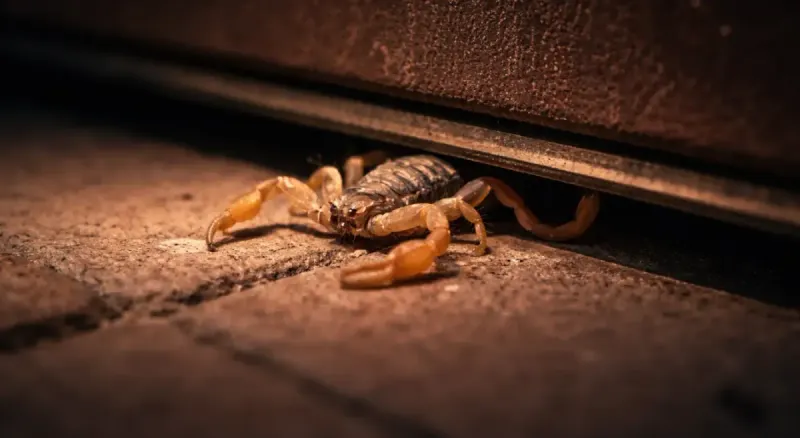
Here is a fact that surprises most folks. A scorpion can slip through a crack about as thin as a credit card. Their flat bodies are built for squeezing into tight places.
When the weather cools, scorpions start searching for warm shelter. Your house leaks heat through tiny gaps, and that warmth acts like a signal. They follow it right to the weak spots.
Doors are the biggest problem. Look at the bottom of each outside door during the day with the lights off inside. If you see daylight peeking under it, a scorpion can get through.
A door sweep is an easy fix. It is a strip of rubber or brush that attaches to the bottom of the door. Most cost under 20 dollars at the hardware store and take minutes to install.
Next, check the weatherstripping along the sides and top of each door. Old stripping gets cracked, flat, and brittle. Peel it off and press in a fresh roll.
Windows need love too. Run a bead of silicone caulk wherever the frame meets the wall. Make sure your window screens fit snugly with no tears.
Do not forget the sneaky spots. Pipes, cable lines, dryer vents, and air conditioning lines all pass through walls. The holes around them are often bigger than needed, so fill them with caulk or expanding foam.
Bonus perk, sealing these gaps also lowers your energy bill. Your heater will not work as hard in winter, and your AC will thank you next summer. You are keeping out bugs and saving money at the same time.
4. Stacking Debris Against The House
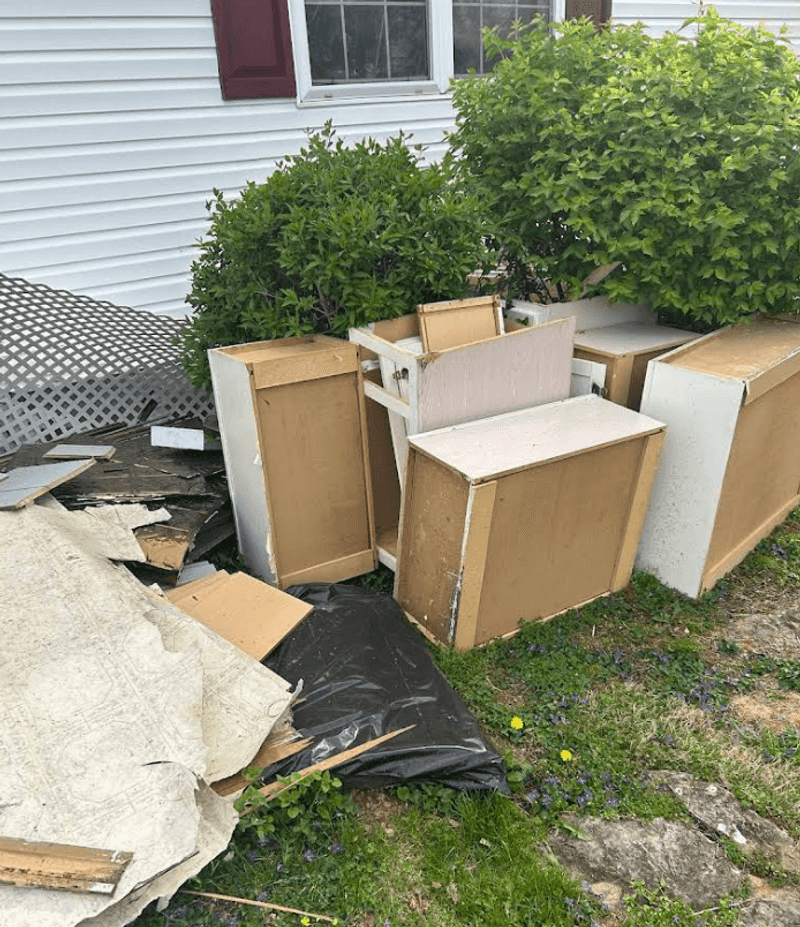
Ask any pest control pro in Texas where they find the most scorpions. Many will point straight at the side of the house. That narrow strip along the foundation is a hot spot.
We all do it. Leftover bricks from a project get stacked by the wall. A few landscape rocks sit by the garage. Old boards, buckets, and a broken lawn chair end up there because it seems out of the way.
To a scorpion, that pile is perfect. It offers shade, protection from birds and lizards, and a steady supply of bugs. Best of all, it sits inches from your walls and the tiny cracks that lead inside.
Think of a debris pile as a launch pad. Scorpions rest there during the day. At night, they climb up the foundation, find a gap, and wander indoors.
Clearing the area is simple, though it takes some muscle. Wear thick gloves and closed-toe shoes. Lift each item slowly and away from your body.
Move anything you want to keep at least a few feet from the house. Better yet, store it on a rack or in a shed. Haul away broken items and junk you no longer need.
Also look at your landscaping. Thick mulch, ivy, and shrubs touching the walls give scorpions cover too. Trim plants back and try a gravel border near the foundation.
A clean, open strip around your home makes it much harder for scorpions to sneak close. As a bonus, you can spot cracks in the foundation more easily. Your yard will look tidier too.
5. Leaving Outdoor Lights On All Night
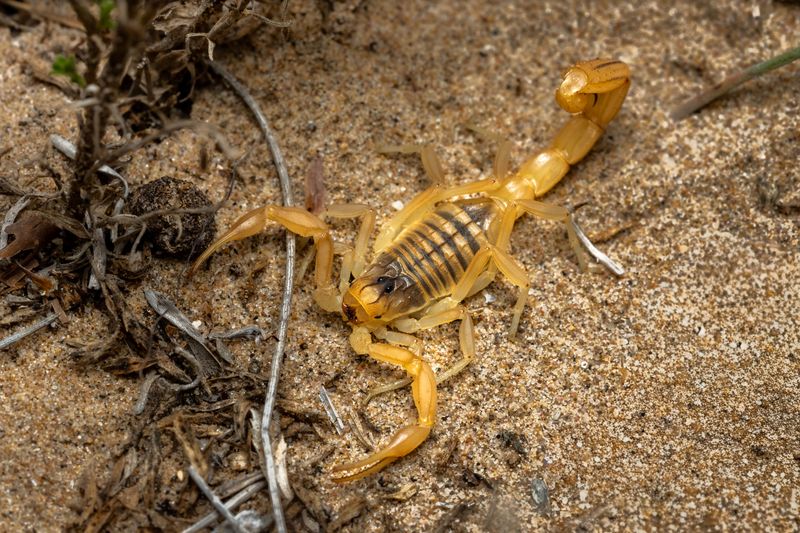
Moths, gnats, and beetles flock to a bright porch light like kids to an ice cream truck. Where the bugs go, the hungry scorpions follow. Your cheerful light might be setting up a nightly buffet right outside the front door.
Scorpions are night hunters. They wait in the shadows and grab insects that come close. A well-lit doorway draws a crowd of prey, so it draws the predators too.
Winter nights in Texas are not always cold. On mild evenings, bugs still buzz around lights, and scorpions stay active. That puts them right at the threshold of your home.
The easiest fix costs nothing. Turn off porch and patio lights you do not truly need. Fewer bugs means fewer scorpions hanging around.
Of course, many families want lights for safety. In that case, swap regular white bulbs for yellow bug bulbs or warm LED lights. Insects have a harder time seeing those colors, so far fewer show up.
Motion sensor lights are another smart choice. They stay dark most of the night and only switch on when someone walks by. You keep your safety and lose the bug party.
Placement matters too. If you can, mount lights a little away from the door and shine them toward the path. That way, any bugs gather off to the side instead of right where you walk in.
Fun fact, scorpions actually avoid bright light themselves. They lurk at the edge of the glow and wait for an easy snack. So a darker doorway really is a less tempting one.
6. Storing Items In Cardboard Boxes

Holiday season means digging out boxes of lights, ornaments, and old sweaters. Many Texans have opened a cardboard box and found a scorpion staring back. It is the kind of surprise nobody wants with their tinsel.
Cardboard is a scorpion favorite. Boxes stay dark and quiet for months. The corrugated layers have tiny tunnels, and the glue and paper can draw roaches and silverfish, which scorpions eat.
Garages, attics, and closets add to the problem. People rarely disturb these areas, so scorpions can settle in without being bothered. Cardboard sitting right on a concrete floor is extra inviting.
Switching to plastic bins with snap-tight lids is one of the best moves you can make. Scorpions cannot chew through plastic or crawl past a sealed lid. Clear bins are even better because you can see inside before opening.
Start with one area, like the garage. Pull everything out and sort it as you go. Wear gloves and shake out each item before placing it in a new bin.
Keep bins on metal shelves instead of the floor. That leaves fewer dark corners and makes cleaning easier. Sweep regularly so bugs have fewer places to hide.
Also think about clutter in general. Piles of clothes, shoes, and paper bags give scorpions shelter too. Shake out shoes and jackets that have sat unused, especially in winter.
Getting organized might feel like a chore. Still, you will find your stuff faster and keep it in better shape. Those decorations will look great, and no stinger will come with them.
7. Ignoring Leaks And Damp Spots
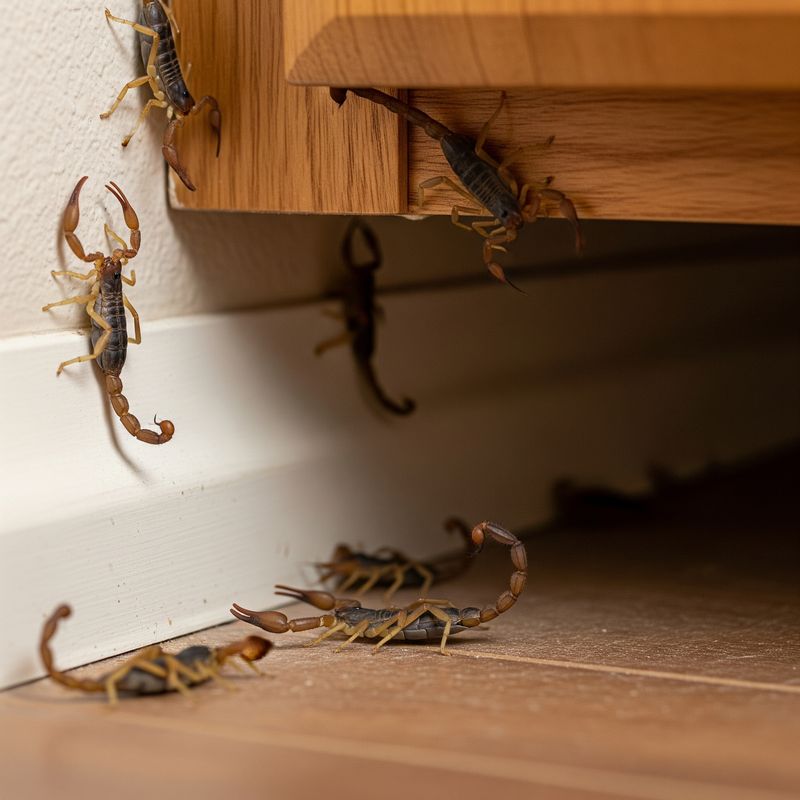
Did you know scorpions can go months without food but still need moisture to survive? That thirst sends them hunting for damp places. In a dry Texas winter, your leaky sink might be the best water source around.
Small drips are easy to ignore. A faucet that taps away all night or a pipe that sweats under the cabinet seems harmless. To a scorpion, though, that steady moisture is a big draw.
Damp areas also attract the bugs scorpions eat. Roaches and silverfish love wet, dark spots. So a leak offers both a drink and a meal.
Bathrooms, kitchens, laundry rooms, and water heater closets are common trouble zones. Crawl spaces under older homes can stay damp for long stretches too. Scorpions often hide in these places during the day.
Take a quick walk through your home with a flashlight. Open cabinets under sinks and feel for wet wood or puddles. Look for water stains, mildew smells, and dripping pipes.
Fix what you can right away. Tighten loose fittings, replace worn washers, and wrap sweating pipes with foam insulation. Call a plumber for bigger leaks.
Keep things dry day to day. Run the bathroom fan after showers. Wipe up spills, hang wet towels to dry, and do not leave pet water bowls overflowing on the floor.
For crawl spaces, a vapor barrier or a small dehumidifier can help a lot. Outside, make sure gutters drain away from the foundation. A drier home is less welcoming to scorpions and better for your house overall.