What To Do With Your Hydrangeas In Ohio In November So They Bloom Next Summer
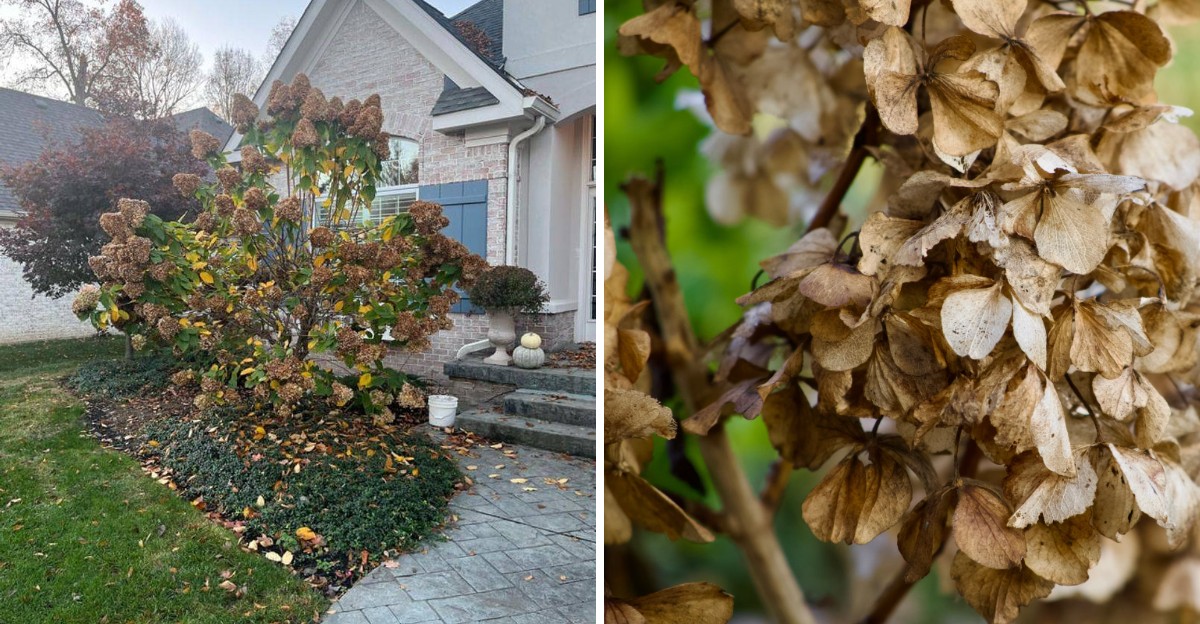
Next June, two hydrangeas on the same Ohio street will look nothing alike. One drips with blooms.
The other offers a bush full of leaves and a lot of excuses.
The gap gets settled this month, long before anyone thinks about flowers. November quietly decides how summer plays out, and the chores that matter most look boring from the porch.
A couple of them feel too small to count. One or two feel like the opposite of what a caring gardener would do.
Miss them and the bill arrives in July.
Not every hydrangea follows the same rules either. Two shrubs in one yard can need completely different treatment, which explains why a friend’s advice sometimes backfires.
Spend ten minutes with your plants this weekend. The best summer display starts with a short November to-do list.
1. Know Which Type Of Hydrangea You’re Growing
Picture two neighbors on the same Ohio street. One cuts her hydrangeas to the ground every fall and gets huge blooms, while the other does the same and gets only leaves.
The difference is not luck. It comes down to which kind of hydrangea each person is growing.
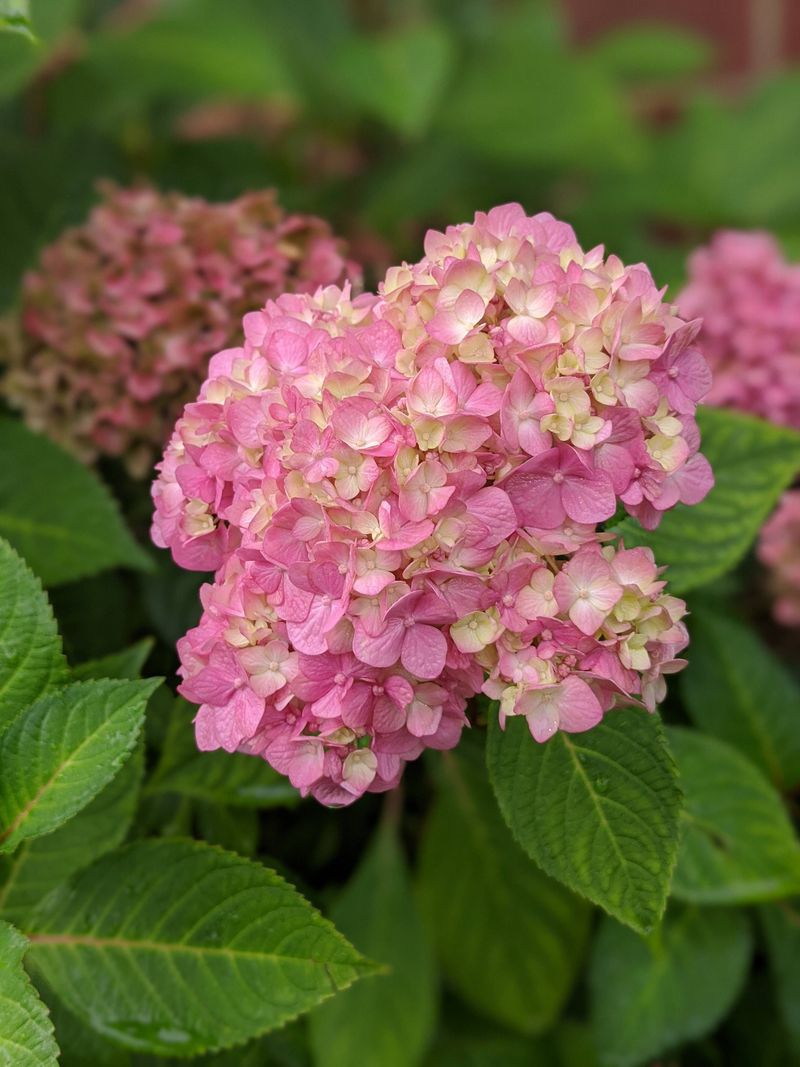
Ohio gardens usually hold four main types. Bigleaf hydrangeas have big round leaves and blue or pink mophead flowers.
Oakleaf hydrangeas have leaves shaped like oak leaves and turn deep red in fall.
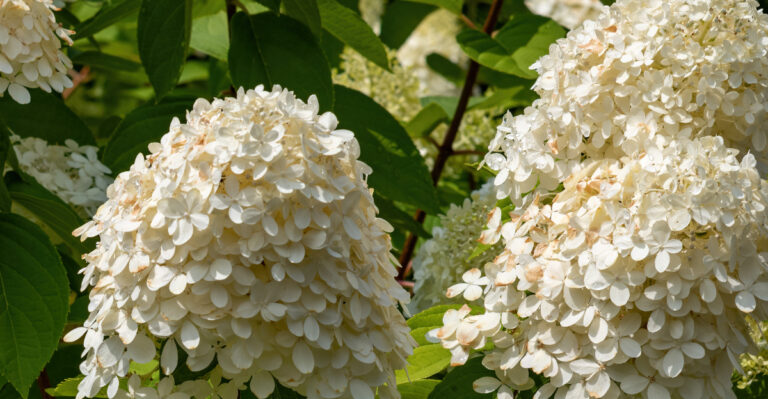
Panicle hydrangeas grow cone-shaped flower clusters that often start white and blush pink. Smooth hydrangeas, like the famous Annabelle, have round white snowball blooms on softer stems.
Here is why it matters. Bigleaf and oakleaf types form flower buds on old wood, which means last year’s stems.
Panicle and smooth types bloom on new wood that grows each spring.
Some newer bigleaf varieties, called rebloomers, can flower on both old and new stems. Endless Summer is one popular example many Ohio gardeners own.
If you are not sure what you have, look for an old plant tag or snap a photo and show it to a local garden center. Leaf shape and flower style are big clues.
Once you know your type, every other step in this list will make much more sense.
2. Bigleaf Hydrangeas Already Hold Next Summer’s Flower Buds
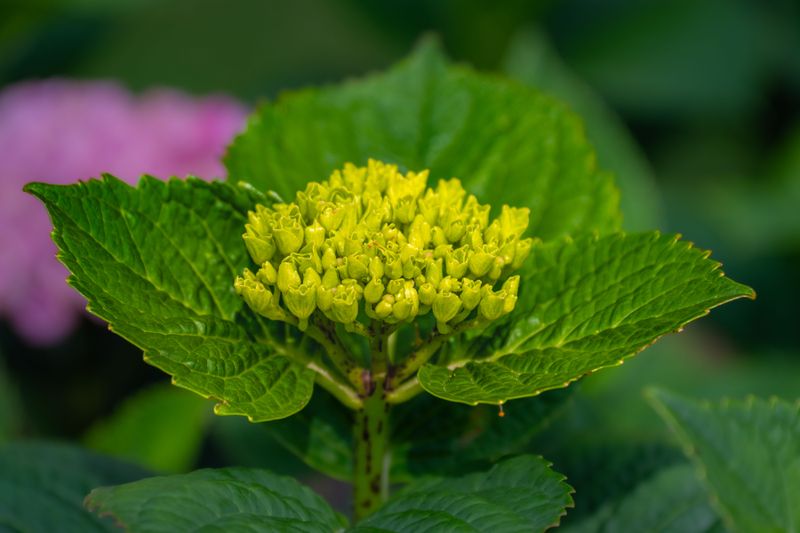
Here is a fun surprise. Next summer’s flowers on a bigleaf hydrangea are already sitting on the plant right now.
Between August and October, these shrubs quietly tuck tiny flower buds into the tips of their stems. You can often spot them as fat, pointed bumps near the top of each cane.
Think of each bud like a wrapped present. Inside is a tiny packed-up bloom waiting for warm weather to open.
The tricky part is that these buds must make it through an entire Ohio winter. Cold snaps, icy winds, and sudden thaws can all harm them before spring arrives.
Many gardeners wonder why their bigleaf plant grew lots of healthy leaves but no flowers. Most of the time, the buds were damaged by cold or snipped off by accident.
Take a walk outside and gently look at the stem tips. Seeing those buds for yourself makes it easier to remember why they need protection.
Did you know? Bigleaf hydrangeas first came from Japan, where winters along the coast are milder than ours.
That history helps explain why they need extra care in a place like Ohio.
Treat those buds like treasure, and the rest of your November chores will start to feel worthwhile.
3. Leave Bigleaf And Oakleaf Hydrangeas Unpruned
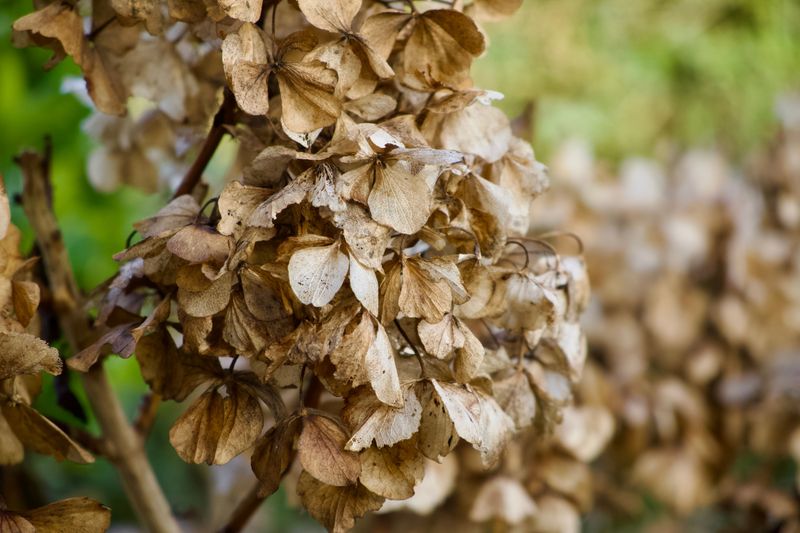
Put down the pruners and step away from the shrub. That might be the most helpful advice for bigleaf and oakleaf hydrangea owners this month.
It feels natural to tidy up the garden in fall. Brown stems look messy, and cutting them back seems like good housekeeping.
With these two types, though, a fall trim removes the flower buds that formed weeks ago. Every snip could mean one less bloom next summer.
So when is the right time to prune them? The best window is right after they finish flowering, usually in June or July.
That gives the plant time to grow new stems and set fresh buds before fall.
You still have a little freedom now. Snipping off faded flower heads, known as trimming, is fine at any time of year.
Just cut right below the old bloom and no lower.
You can also remove stems that are broken, damaged, or clearly sick. Cut those back to healthy wood so problems do not spread.
A simple rule helps here. If you are unsure whether a cut is safe, wait until summer.
Patience pays off with these shrubs. Leaving them alone this fall is like saving money in a bank for a bright, colorful payout later.
4. Water Well Until The Ground Freezes
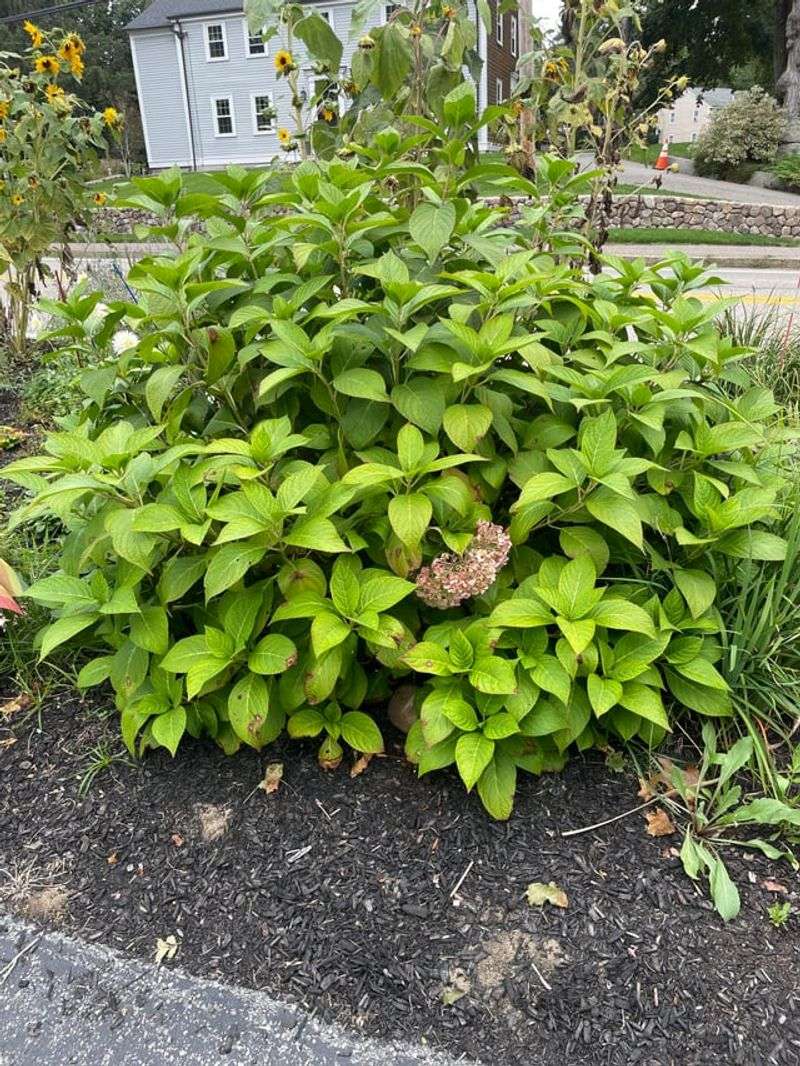
Thirsty plants go into winter at a big disadvantage. A dry Ohio fall can leave hydrangea roots stressed right before the cold settles in.
Hydrangeas love moisture. The name even comes from Greek words meaning water vessel, which tells you how much they enjoy a good drink.
Keep watering until the ground starts to freeze. In most parts of Ohio, that happens sometime in late November or December.
Aim for about 1 to 1.5 inches of water each week when rain falls short. Deep soakings two or three times a week work better than quick sprinkles.
Point the hose at the base of the plant, not the leaves. Roots do the drinking, and wet leaves can invite fungus problems.
A soaker hose or slow trickle helps water sink deep into the soil. Let it run for a while so moisture reaches the full root zone.
There is a hidden bonus here. Moist soil holds warmth better than dry soil, so the roots stay a bit cozier as nights grow colder.
Before you water, poke a finger a couple of inches into the soil. If it feels dry, your hydrangea is ready for a drink.
Once the ground is frozen solid, you can coil up the hose for the season.
5. Spread 3 To 4 Inches Of Mulch Around The Roots
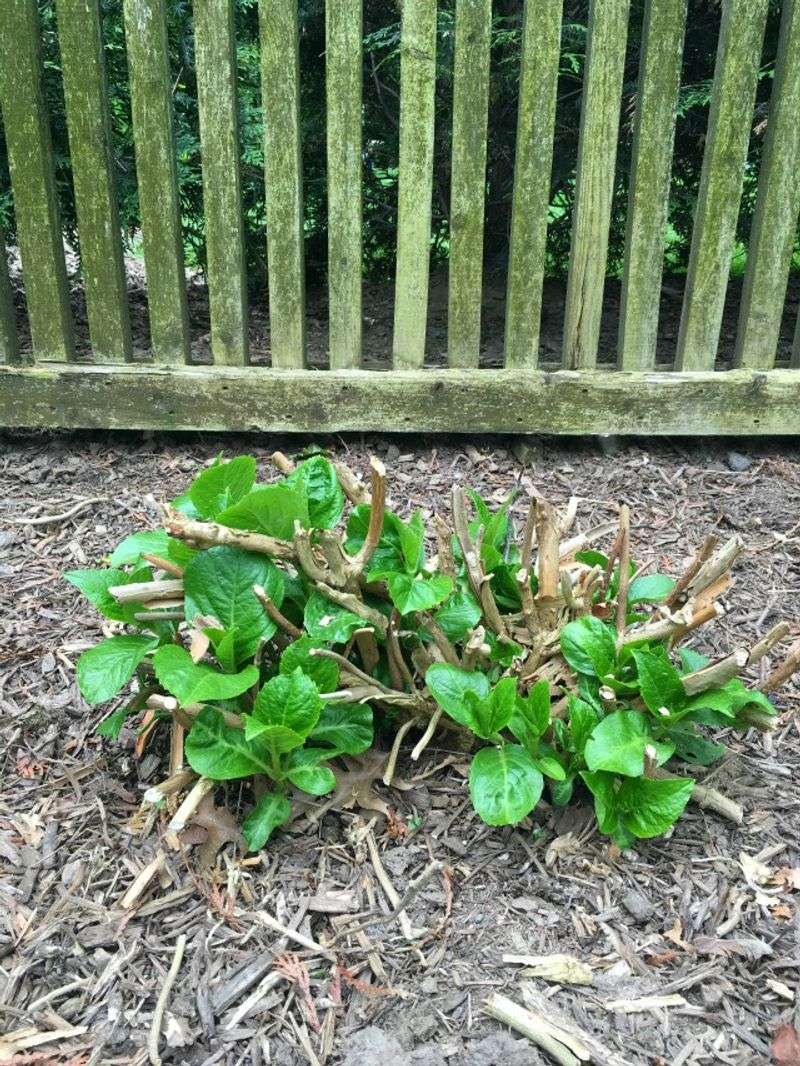
Imagine heading outside on a January morning without a coat. Hydrangea roots feel much the same way when they face winter without mulch.
A good layer of mulch acts like a warm blanket. It keeps soil temperatures steady and holds in moisture during long, cold months.
Shredded hardwood, pine bark, straw, and chopped fallen leaves all work well. Many Ohio yards already have free leaves piled up and ready to use.
Spread mulch 3 to 4 inches deep around the base of each plant. Some gardeners in colder areas go a little deeper for extra protection.
Timing matters too. Late November or early December is ideal, once the leaves have dropped and the soil has cooled down.
Mulching too early can trap warmth and moisture that invite rot, disease, or hungry critters looking for a winter home. Waiting a bit gives better results.
Keep the mulch a few inches away from the main stems. Piling it right against the wood can hold too much dampness and cause trouble.
Why go through the effort? Ohio winters often swing between freezing and thawing.
Those swings can push roots upward and damage them, and mulch helps calm those ups and downs.
6. Leave The Stems Standing Through Winter
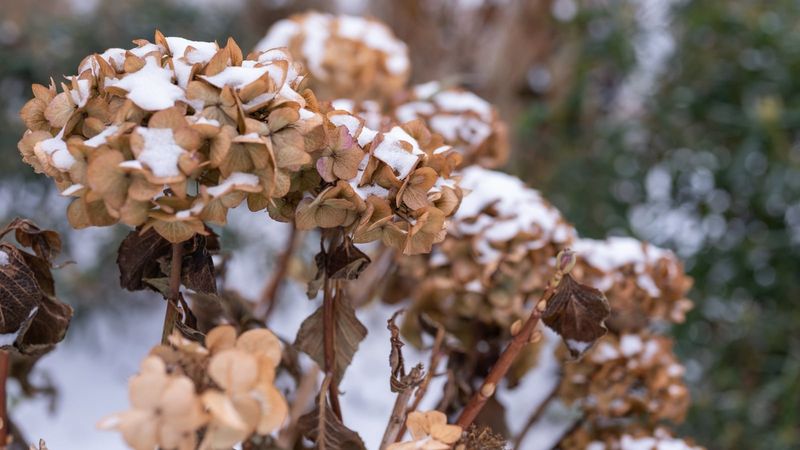
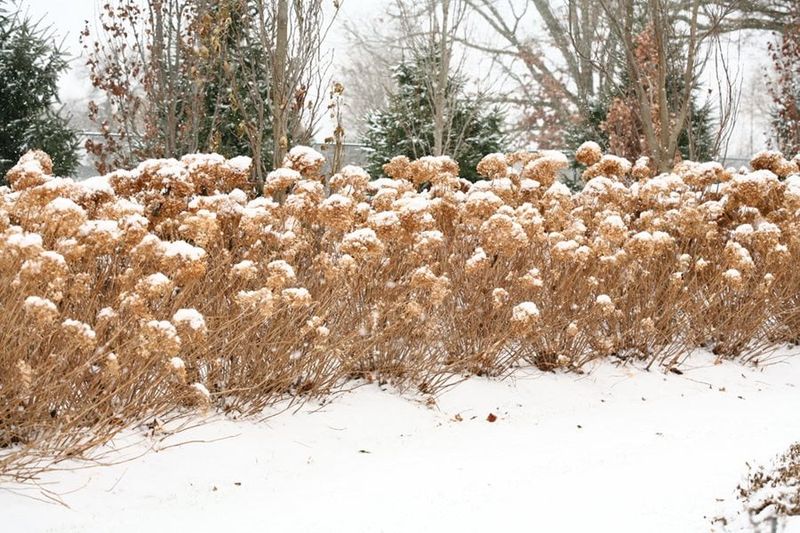
Snow resting on dried hydrangea blooms can look like a scene from a holiday card. Leaving those stems up gives you beauty and protection at the same time.
For bigleaf and oakleaf types, the standing stems are where next summer’s buds live. Cut the stems, and the buds go right along with them.
The old wood also shields the buds in a quiet way. It holds them up off the cold, soggy ground and gives them a sturdy home until spring.
Faded flower heads can stay too, if you like the look. Many gardeners enjoy their papery tan and rose colors against winter snow.
If the old blooms bother you, trim them off right below the flower. Just avoid cutting deeper into the woody stem.
Birds may even visit the shrubs for shelter on windy days. A tidy garden is nice, but a slightly wild one can be friendlier to wildlife.
Panicle and smooth hydrangeas are more flexible. You can trim them in late winter or early spring since they bloom on new growth anyway.
Still, many people leave all their hydrangeas standing until spring. It is less work now, and the winter garden looks more interesting with some shape and texture.
7. Build A Wire Cage Filled With Shredded Leaves For Bigleaf Types
Some gardeners call it a hydrangea sleeping bag. It is simple to build and can make a big difference for bigleaf blooms.
Start with chicken wire or hardware cloth and a few garden stakes. Pound the stakes into the soil around the plant before the ground freezes.
Wrap the wire around the stakes to form a cage. Make it a little wider and taller than the shrub so stems are not squeezed.
Next, fill the cage loosely with insulating material. Shredded leaves are a favorite, though straw or pine needles also work.
Shredded leaves have a neat trick. As they slowly break down, they give off a tiny bit of heat, much like a forest floor in winter.
Avoid packing the leaves too tightly. Loose filling traps air, and trapped air is what keeps the cold out.
Heavy snow and rain can flatten the leaves over time. Setting a piece of plywood or foam board on top helps the filling stay fluffy.
This method matters most in colder northern Ohio towns and for bigleaf types. Oakleaf hydrangeas can benefit too in especially chilly spots.
Remove the cage in spring once hard freezes have passed. Your buds should come out rested and ready to grow.
8. Panicle And Smooth Hydrangeas Can Skip The Cage
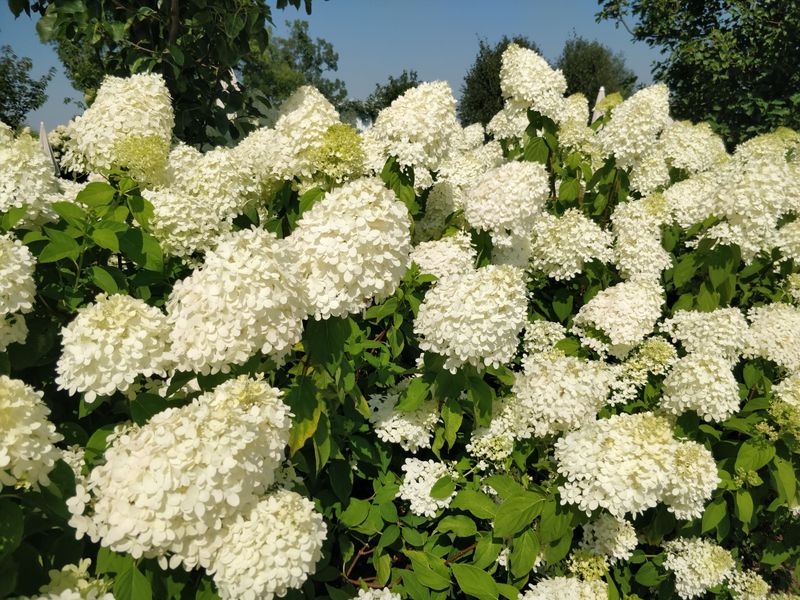
Good news for busy gardeners. If you grow panicle or smooth hydrangeas, your winter chores just got a lot easier.
These two types are the tough kids of the hydrangea family. They form flower buds on new stems in spring, so winter cold does not ruin next summer’s show.
Varieties like Limelight, Quick Fire, and Annabelle handle Ohio winters with very little fuss. Many of them are rated hardy far colder than our state gets.
No wire cage is needed here. A layer of mulch about 2 to 3 inches deep around the roots is usually plenty.
Water them well in fall just like your other shrubs. Healthy, well-fed roots will push out strong new stems when spring arrives.
In a rare, bitterly cold winter, some branch tips may get damaged. That is not a big worry, since you can trim those tips off in early spring.
Fun fact: smooth hydrangeas are native to the eastern United States, including parts of Ohio. They have been handling local weather for a very long time.
If you are planning to add more hydrangeas, these two are smart picks for low-stress gardening. They reward you year after year without asking for much in return.
9. Keep Covers Handy For Late Spring Frosts
Ohio weather loves a plot twist. Just when spring feels settled, a sneaky frost can show up in April or even early May.
Bigleaf hydrangeas are especially at risk. Their buds start swelling early, and one frosty night can damage them after surviving the whole winter.
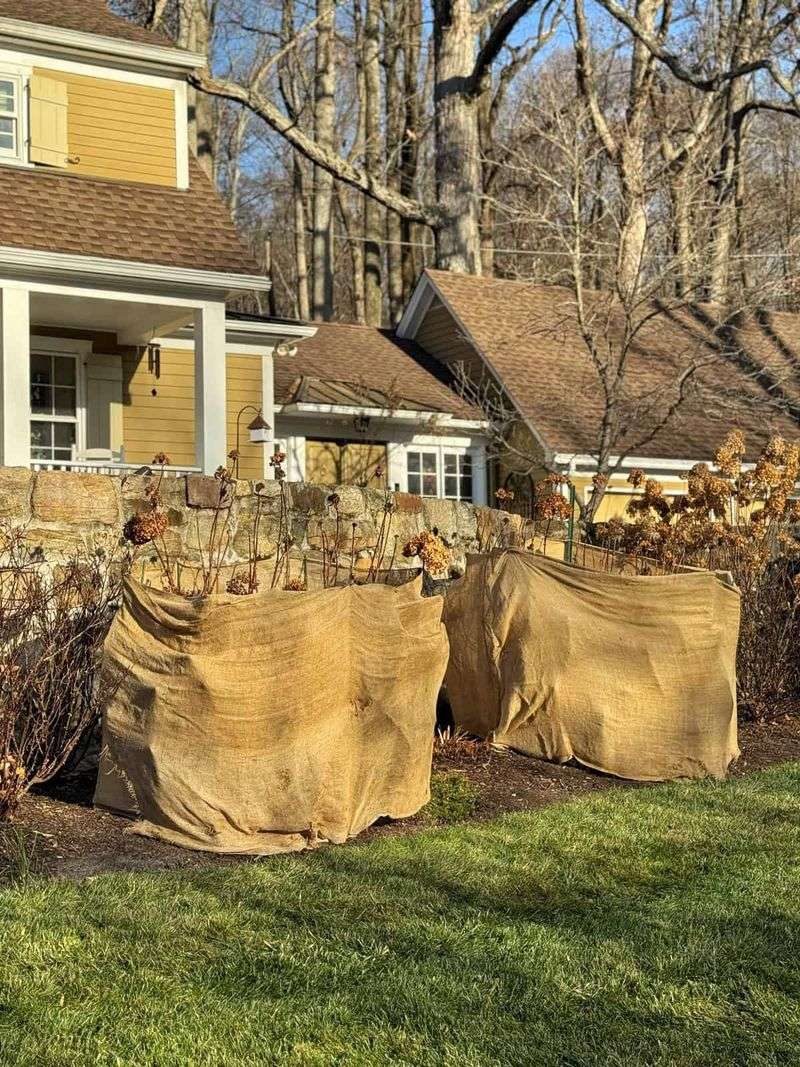
That is why November is a great time to plan ahead. Gather frost blankets, lightweight burlap, or old sheets and store them where you can grab them quickly.
When the forecast calls for frost, drape the covers over your plants in the evening. Placing a few stakes around the shrub creates an air pocket that holds in warmth.
Skip plastic covers. Plastic can trap moisture against the leaves and cause more harm than help.
Watering the soil before a frosty night is another smart move. Damp soil holds heat better and releases it slowly overnight.
Once temperatures climb above freezing the next morning, remove the covers. Leaving them on during a sunny day can overheat the plant.
Keep an eye on local weather apps through spring. A few minutes of covering can save weeks of waiting for flowers.
It may feel early to think about April now. Still, having a plan ready means your hard work this fall gets the happy ending it deserves.