Ohio Native Plants That Actually Thrive In A South-Facing July Garden
A south-facing garden in Ohio July is not for the faint of heart. Full sun from morning to evening, reflected heat off the house, soil that dries out faster than almost anywhere else in the yard.
Most plants hit a wall in that spot by midsummer and spend the rest of the season just holding on. Native Ohio plants change that equation.
Not all of them. A specific group evolved in exactly these conditions.
Open prairies, rocky south-facing slopes, exposed edges where heat and drought are the norm. These plants do not just tolerate a brutal south-facing bed.
They perform in it. Root systems built for dry heat, bloom times that align with peak summer, toughness that shows up most clearly when conditions get hardest.
The right natives turn a problem exposure into a strength.
1. Plant Butterfly Weed Where July Sun Hits Hard
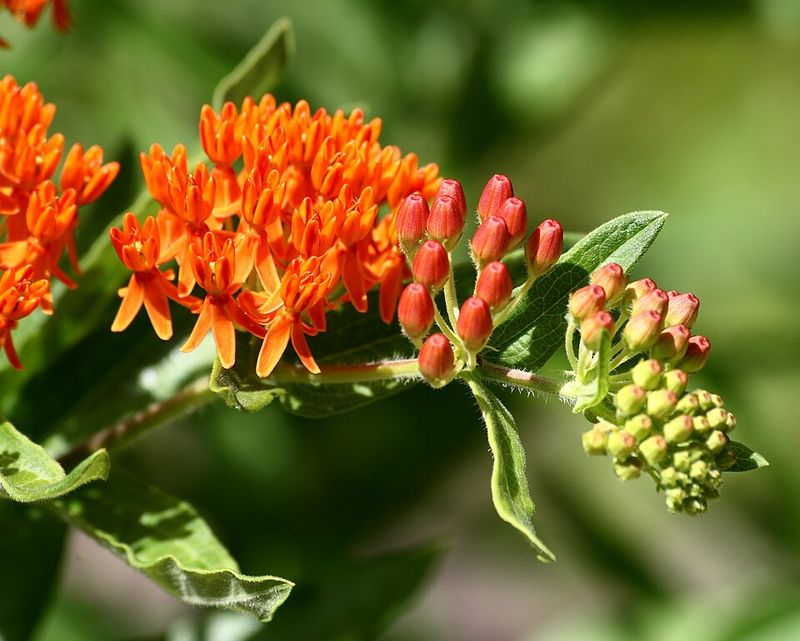
A bed that bakes by midafternoon needs plants with more than a pretty face. Butterfly weed, Asclepias tuberosa, is one of the few natives that genuinely earns its place in that kind of spot.
Its clusters of vivid orange flowers open in summer and hold their color even when the heat is relentless.
This plant runs deep taproots into the soil, which is exactly how it survives dry spells once it is settled. That taproot is also why you should plant it where you want it to stay.
Moving an established butterfly weed rarely goes well. Choose your spot carefully from the start.
Good drainage is not optional for this plant. Soggy or clay-heavy soil that holds water will cause problems.
Sandy or loamy, well-drained ground is where it performs best. Raised beds or slopes work well in heavier soil situations.
Monarch butterflies use it as a host plant, and many other pollinators visit the flowers regularly. Do not expect a big show in the first season.
Butterfly weed puts most of its energy underground during year one. By year two and three, the plant fills in and rewards patience with a strong, reliable display that suits the hottest corner of your landscape.
2. Grow Purple Coneflower For Strong Full-Sun Color
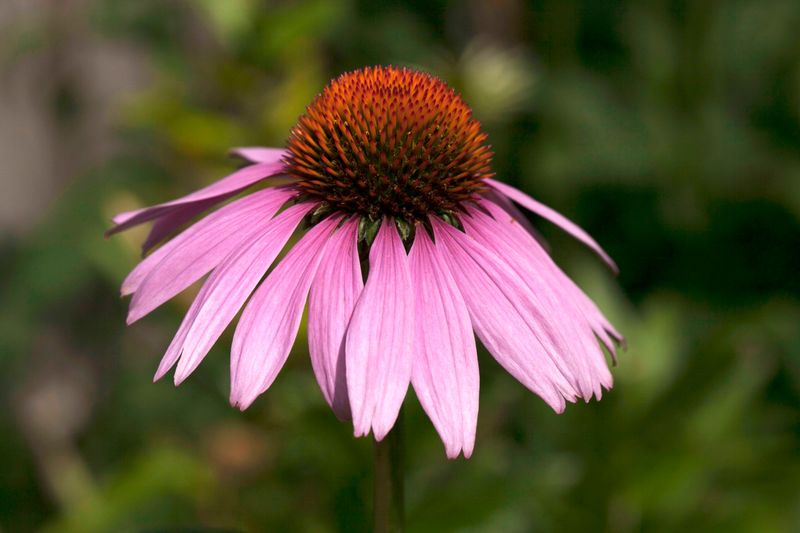
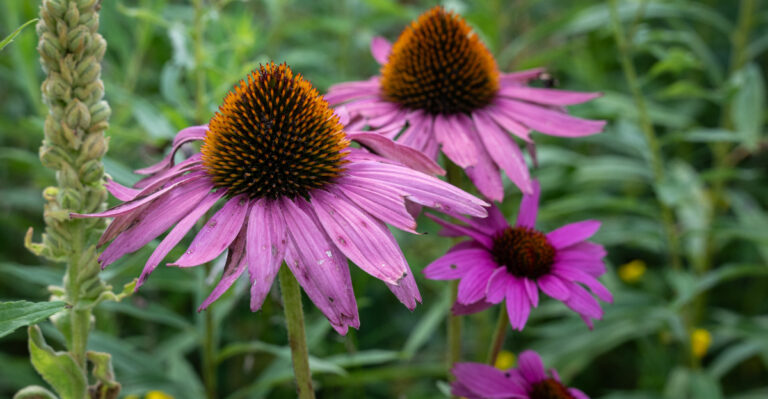
Few plants show up as reliably in summer borders as purple coneflower. Echinacea purpurea produces its familiar pink-purple blooms right through the hottest weeks of the season.
The raised, spiky seed heads that follow the flowers are worth keeping on the plant through fall and winter for the birds that feed on them.
Full sun brings out the best in this plant. It can manage with a little afternoon shade, but south-facing beds are actually where it tends to look its strongest.
Well-drained soil matters more than soil richness. Overly fertile ground can cause floppy stems.
Watering during the first season is important. Do not assume that because it is native it can manage on its own right away.
New roots need consistent moisture to anchor the plant before summer heat peaks. Once established, it handles dry stretches much better.
Your Ohio Garden Changes Every Week. Your Plan Should Too.
Gardening in Ohio changes quickly throughout the season. Every Friday you’ll receive a simple weekly plan showing exactly what to plant, prune, fertilize, harvest, and protect so you never miss the right timing.
The seed heads that form after blooming attract goldfinches and other small birds. Leaving them standing through winter adds structure to the Ohio garden and supports wildlife.
Purple coneflower also spreads slowly by self-seeding over time, so you may find small plants appearing nearby. This is a feature, not a problem, in most home landscapes.
Dividing clumps every few years keeps plants vigorous and productive.
3. Use Little Bluestem For Heat-Tough Native Texture
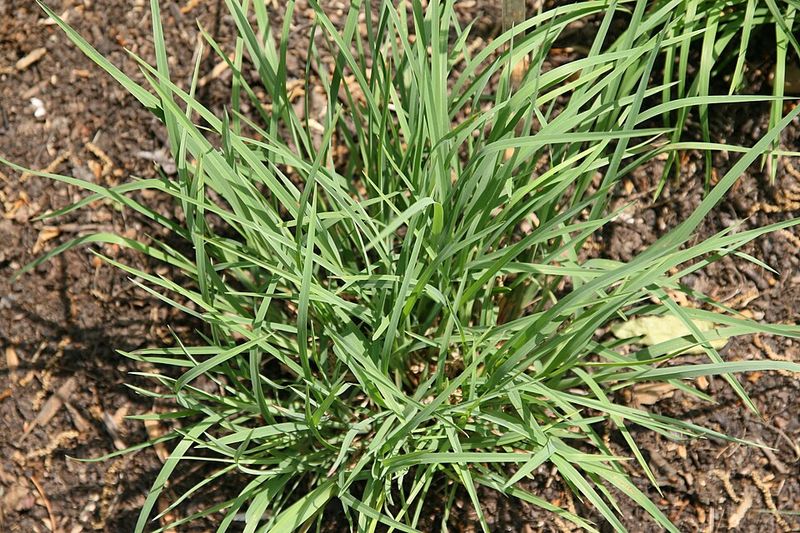
Reflected heat rolling off a wall or fence can make a south-facing bed feel more like a parking lot than a garden. Little bluestem, Schizachyrium scoparium, handles that kind of exposure with quiet confidence.
It is a warm-season grass, which means it wakes up slowly in spring and hits its stride right when summer heat peaks.
The upright blue-green stems create a fine, airy texture that contrasts well with broader-leaved plants nearby. As temperatures cool in fall, the foliage shifts to shades of rust, copper, and orange that carry the garden through the end of the season.
The seed heads catch winter light and add movement on windy days.
This grass performs best in well-drained, lean soil. Rich or consistently wet ground causes the stems to flop outward, losing the upright form that makes it useful in a border.
If your soil is heavy clay, amend it or plant little bluestem on a slope where water moves away from the roots.
Clumps grow slowly and stay in bounds reasonably well. They do not spread aggressively.
Cutting them back to a few inches in late winter before new growth starts keeps them tidy. Little bluestem pairs naturally with prairie flowers like coneflower and blazing star, making it a practical choice for a layered, sunny planting.
4. Add Blazing Star For Upright Blooms In Hot Beds
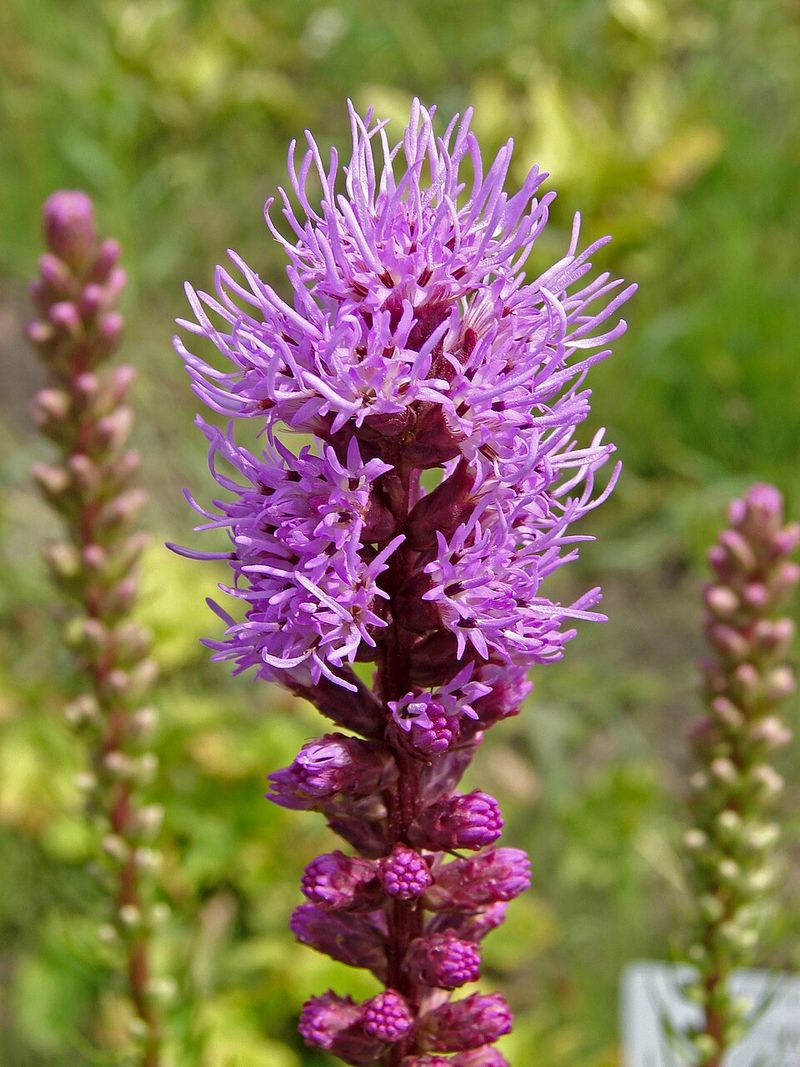
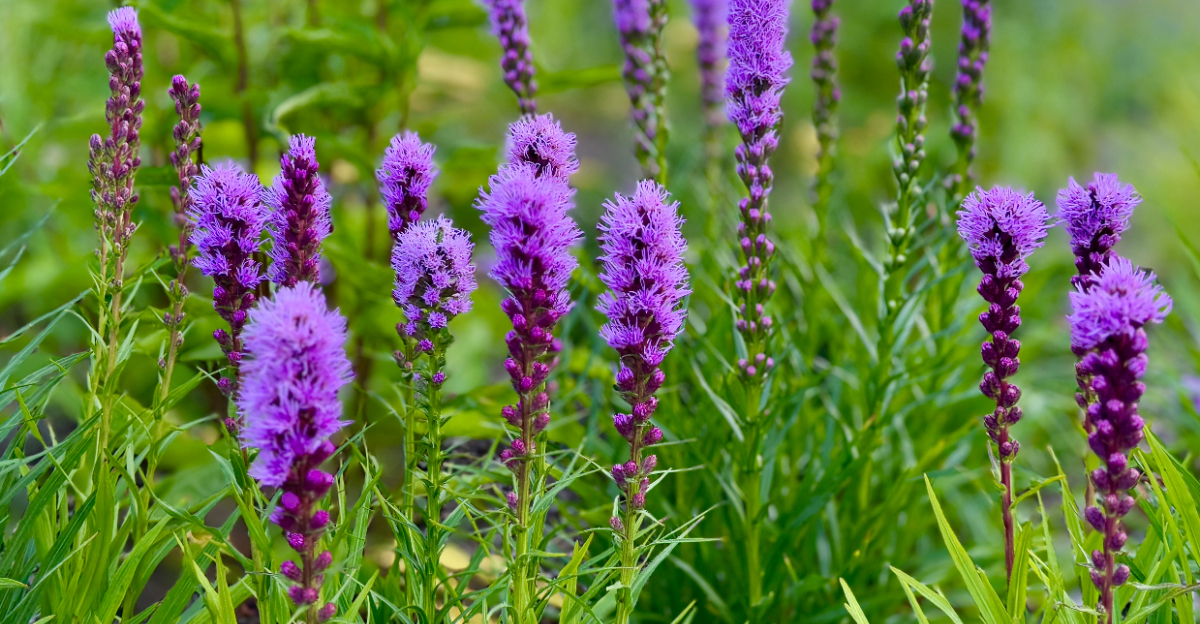
Vertical structure is easy to overlook when planning a sunny border, but it makes a real difference in how the whole planting reads from a distance. Blazing star, native Liatris species, delivers that upright form through spikes of rosy-purple flowers.
They open from the top down, which is the opposite of most flowering plants.
Several Liatris species are native to this state, and they are not all the same. Liatris spicata, often called dense blazing star, handles average to slightly moist, well-drained soil.
Liatris cylindracea and Liatris squarrosa prefer drier, leaner conditions. Matching the right species to your site makes a noticeable difference in how well the plant performs over time.
South-facing beds with fast-draining soil are a natural fit for the drier-site species. Plant the corms in fall or early spring.
Water regularly during the first season while the plant establishes its root system. After that, established plants are far more resilient through dry summer stretches.
Butterflies and bumblebees are especially drawn to blazing star flowers. The bloom period runs from roughly mid-July into August, which fills a gap when some earlier summer plants are already fading.
The seed heads that follow attract small finches. Leaving the stalks standing through winter adds a quiet, structural element to the Ohio garden that carries the space between seasons.
5. Plant Wild Bergamot Where Airflow Stays Good
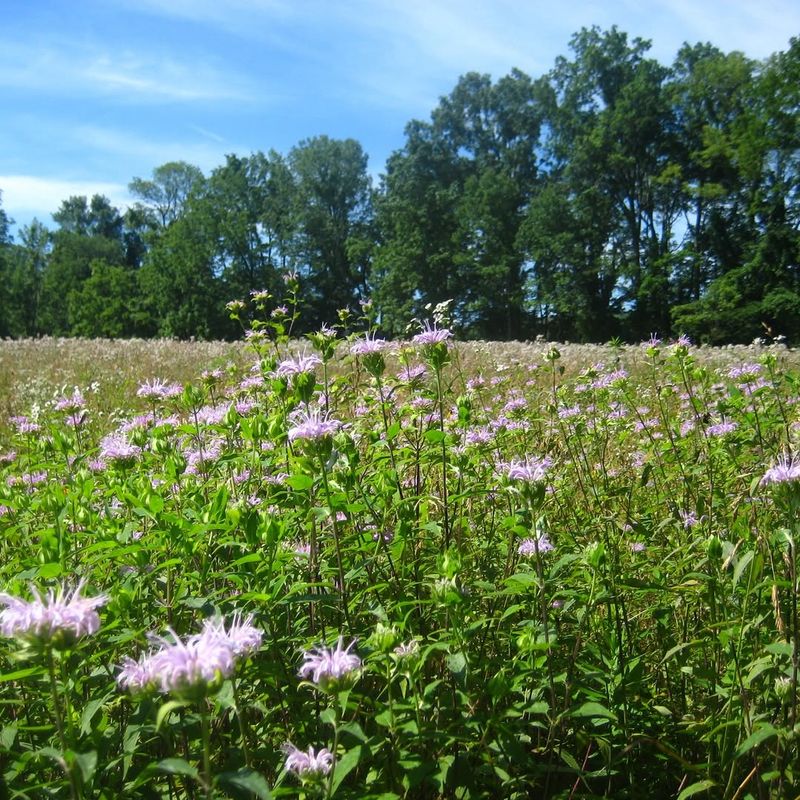
Not every corner of a south-facing garden gets the same treatment from the wind. Wild bergamot, Monarda fistulosa, does best where air moves freely around the plant.
Good airflow does not eliminate powdery mildew entirely, but it helps reduce the pressure compared to crowded or low-circulation spots.
The lavender-pink flower heads open in July and carry a clean, oregano-like scent when the foliage is brushed. Bumblebees, hummingbirds, and several native bee species visit the blooms regularly.
The aromatic foliage also tends to discourage deer browsing, which is a practical benefit in many home landscapes.
Wild bergamot spreads by rhizomes where conditions suit it. In a rich, moist, sunny spot it can expand into a generous patch within a few seasons.
In a drier, south-facing bed with leaner soil, the spread is more moderate. Plan your placement with that spreading habit in mind.
Giving it room from the start avoids having to manage it aggressively later.
Full sun produces the best flowering. Partial shade leads to fewer blooms and can increase mildew problems.
Average, well-drained soil is the right starting point. Water during the first season to help roots settle.
After establishment, wild bergamot handles heat and dry spells reasonably well. Cutting stems back after blooming can encourage a second flush of foliage and tidy the plant heading into late summer.
6. Grow Black-Eyed Susan For Golden Mid-Summer Color
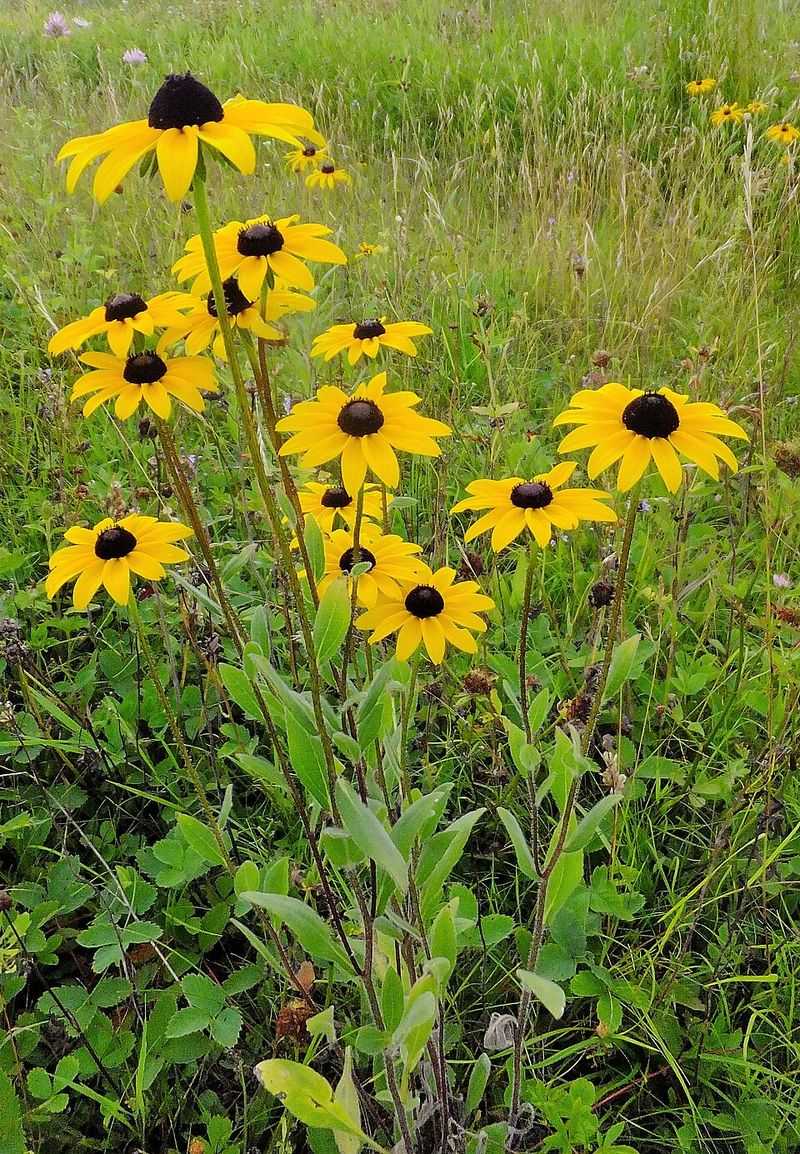
There is something almost cheerful about a wave of golden-yellow flowers pushing back against the harshest part of a July heatwave. Black-eyed Susan, Rudbeckia hirta and related native species, does exactly that.
The bright yellow rays surrounding a dark central cone are a classic midsummer sight in open fields and sunny roadsides across this state.
Rudbeckia hirta often behaves as a short-lived perennial or biennial, depending on the site and conditions. It self-seeds reliably in open, sunny beds, which means a healthy planting tends to renew itself over time.
Some Ohio gardeners find this useful. Others prefer to pull seedlings to control where plants appear.
Either approach works fine.
Full sun is where this plant shines. It tolerates a range of soil types, including clay, but good drainage still improves performance.
Average to lean soil actually suits it well. Overly rich soil can push leafy growth at the expense of flowers.
Water new transplants or seedlings regularly through their first season. Once the root system is in place, established plants handle dry weeks with more resilience.
Rudbeckia flowers attract bees and several butterfly species. The seed heads that follow feed goldfinches and other small birds through fall and into winter.
Leaving stems standing after bloom is a simple way to extend the garden’s value well past the growing season.
7. Use Prairie Dropseed For Dry-Site Staying Power
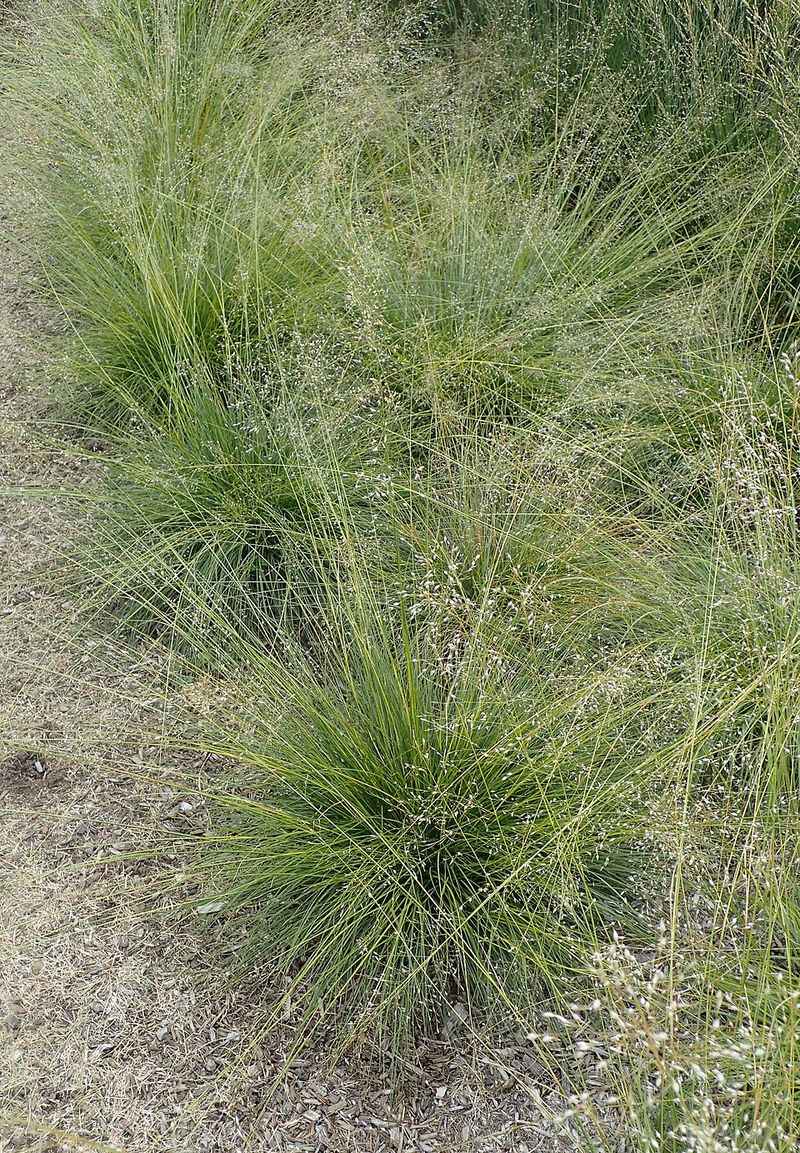
Some plants take their time, and prairie dropseed is honest about that from the beginning. Sporobolus heterolepis grows slowly during its first season or two, putting energy into roots rather than visible top growth.
Gardeners who expect instant impact from this plant will be disappointed. Those who give it time are usually glad they did.
The fine, hair-like foliage forms a neat mound that arches slightly outward as the plant matures. In late summer, delicate flower stalks rise above the foliage and release seeds that carry a faint, popcorn-like scent on warm days.
The foliage turns a warm golden color in fall and holds its shape well into winter.
Prairie dropseed is well-suited to dry, well-drained, sunny sites. South-facing beds with lean or sandy soil are a natural match.
It does not perform well in heavy, wet, or frequently irrigated soil. Planting it near water-loving plants or in a spot that stays moist is a common mistake that slows or prevents establishment.
Once settled in, this grass is genuinely long-lived and low-input. It does not spread aggressively and stays within a predictable clump size.
Cutting it back in late winter before new growth starts is the main maintenance task. Prairie dropseed pairs well with butterfly weed, little bluestem, and blazing star in a dry, sunny planting.
It adds fine texture without competing for attention.
8. Add Mountain Mint For Pollinators In Sunny Heat
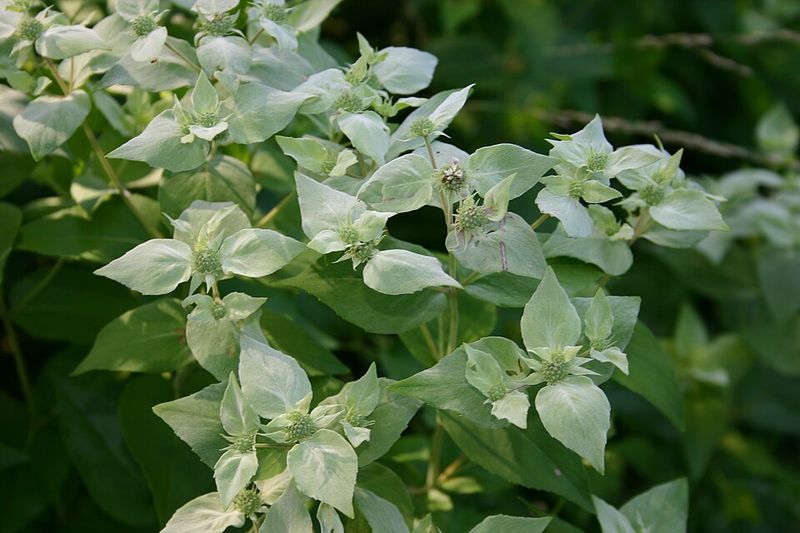
Walk past mountain mint on a warm July afternoon and the scent hits you before you even look down. Pycnanthemum species produce strongly aromatic foliage that carries a sharp, clean mint fragrance.
The small, clustered white flowers that open in midsummer may look modest up close, but they draw an impressive range of bees, wasps, and butterflies.
Mountain mint is one of the more reliable pollinator plants for a full-sun setting in this state. Research from several university programs has documented dozens of native bee species visiting Pycnanthemum during bloom.
That kind of ecological value is real, not just a marketing claim. If supporting pollinators matters to you, this plant earns its space.
It does spread where conditions suit it, which is worth knowing before you plant. In a moist, sunny spot with decent soil, mountain mint can expand into a sizable patch within a few seasons.
In a drier, south-facing bed, the spread is more gradual. Planting it where a ground-covering patch is welcome, rather than next to plants that need more room, is the smarter approach.
Water regularly during the first season. After establishment, it handles summer heat and moderate dry spells without much trouble.
Average, well-drained soil works well. Cutting stems back after the main bloom period can encourage fresh growth.
Mountain mint is not fussy, but it is not static either. Give it space and let it do its work.