What To Do With Leftover Halloween Pumpkins In A Pennsylvania Garden
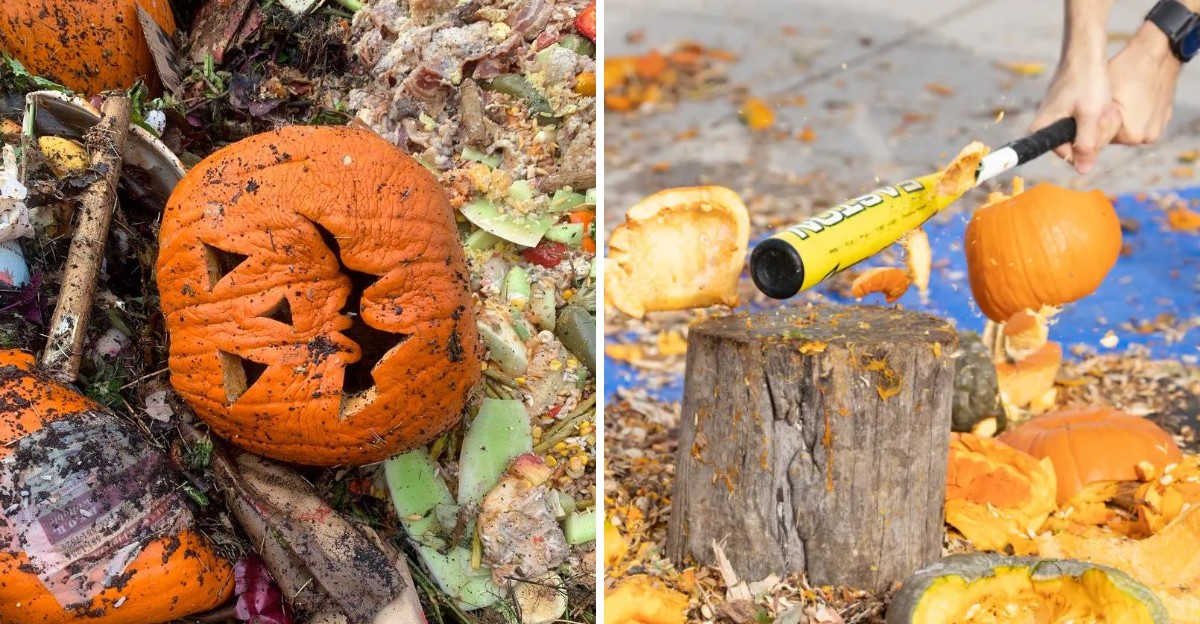
The candy bowl is empty, the costumes are back in the closet, and that grinning pumpkin on your porch has started to slump like it ate too much of the haul. Resist the urge to toss it in the trash.
That sagging smile still has a lot left to give. The shell can feed your compost pile, the seeds can feed backyard birds or start next year’s patch, and the flesh can help build richer soil over winter.
Pennsylvania gardeners are well set up for this, with plenty of fallen leaves and cool weather that keeps the process moving at a steady pace. A few simple steps can turn one tired jack-o-lantern into something your garden will appreciate.
Grab your gloves. Your orange friend has one last job to do.
1. Toss Chunks Into Your Compost Pile
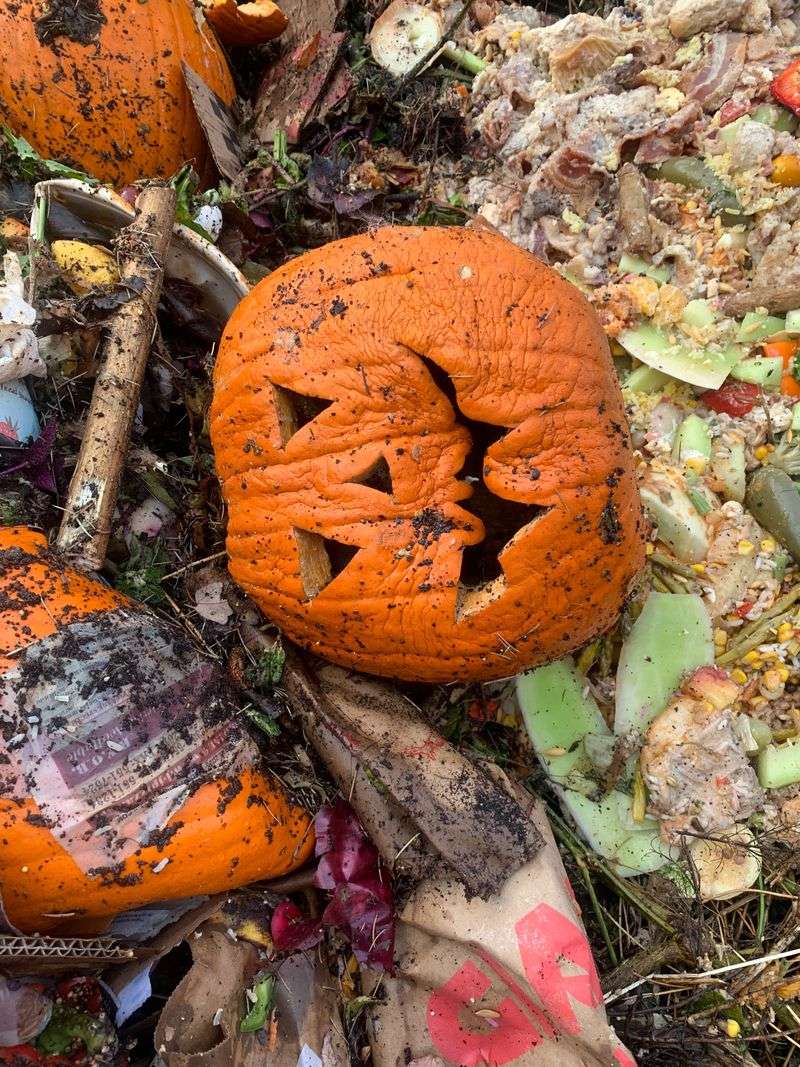
Old pumpkins are about 90 percent water, which makes them a quick snack for compost microbes. They break down fast once you give them a little help.
Start by scraping out any candle wax, paint, or glitter. Those extras do not belong in your soil, so pull them off before anything goes in the bin.
Next, grab a shovel or a sturdy knife and chop the shell into fist-sized pieces. Smaller chunks rot faster because tiny critters have more surface to munch on.
Balance matters here. Pumpkin counts as a green, wet ingredient, so mix it with brown stuff like dry leaves, straw, or shredded cardboard.
Luckily, a Pennsylvania yard in November is buried in fallen maple and oak leaves. Try about two scoops of leaves for every scoop of pumpkin.
Bury the chunks in the middle of the pile instead of leaving them on top. That hides them from raccoons and keeps the heat working through chilly nights.
Turn the pile every week or two until the ground freezes. Things will slow down in winter, but the action picks back up in spring.
By planting season, that porch decoration should be dark, crumbly compost. Spread it around tomatoes or peppers and watch them perk up.
2. Bury Pumpkins Right In Garden Beds
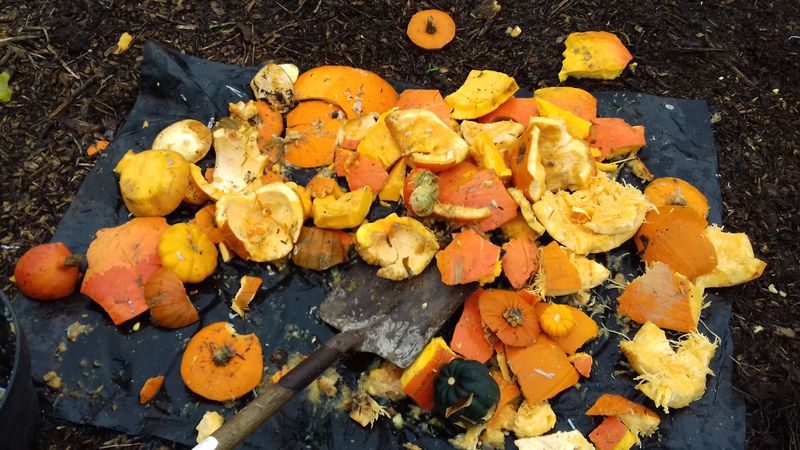
Some gardeners skip the compost bin entirely. Trench composting lets you feed the soil exactly where next year’s crops will grow.
Start with a healthy pumpkin. Firm, clean fruit is a good candidate.
Anything with soft rot, white fuzzy growth, or sunken spots could carry disease, so send those to the trash instead.
Pick an empty bed and dig a trench about 12 inches deep, deep enough that animals are less likely to smell dinner.
Smash the pumpkin into pieces and drop them in. Cover everything with the soil you removed and pat it down firmly.
Over the winter, worms move in and get to work. Freeze and thaw cycles in Pennsylvania help crack the pieces apart even more.
Earthworms adore pumpkin. They pull bits down into the ground and leave behind castings, which are like a vitamin boost for plants.
Mark the spot with a stake or a rock. Here is why it matters: Phytophthora blight is a soil-borne disease that affects pumpkins, squash, cucumbers, peppers, tomatoes, eggplant, and beans, and it can persist in soil for a long time.
Penn State Extension notes that rotating among pumpkins, peppers, and snap beans does not help, since all three are susceptible. Crops in the grass family, like corn, fit better into a rotation.
So plant corn or other non-host crops over the trench next season, and keep squash, cucumbers, tomatoes, and peppers somewhere else. Your spring self will appreciate the sticky note.
Done right, the method takes just twenty minutes. The payoff shows up months later in greener leaves and fuller harvests.
3. Save Seeds For Next Year’s Pumpkin Patch
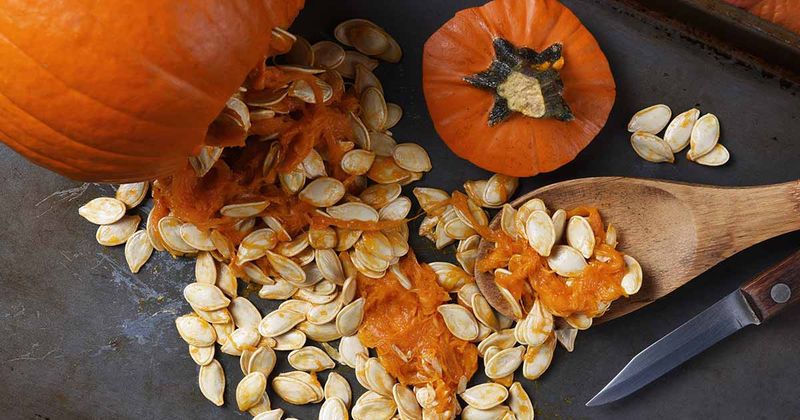
Growing your own pumpkin from a Halloween leftover feels a bit like magic. A handful of seeds can start a whole patch.
Scoop the seeds out and rinse them in a colander. Rub off the stringy orange goo with your fingers until they feel smooth.
Spread them in one layer on a paper plate or screen. Let them dry in a cool spot for about two weeks, turning them now and then.
Once they snap instead of bend, tuck them in a paper envelope. Label it with the pumpkin type and the year so you do not forget.
Keep the envelope in a cool, dry place like a closet. Skip plastic bags, since trapped moisture can cause mold.
A quick heads-up helps here. Many store pumpkins are hybrids, so their babies might look different from the parent, sometimes in funny ways.
Plant outdoors after the last spring frost, usually late May across most of Pennsylvania. Pumpkins hate cold soil, so a little patience pays off.
Give each vine plenty of room, around 50 to 100 square feet. Then sit back and see what surprise shape shows up by October.
4. Set Out A Feast For Backyard Birds
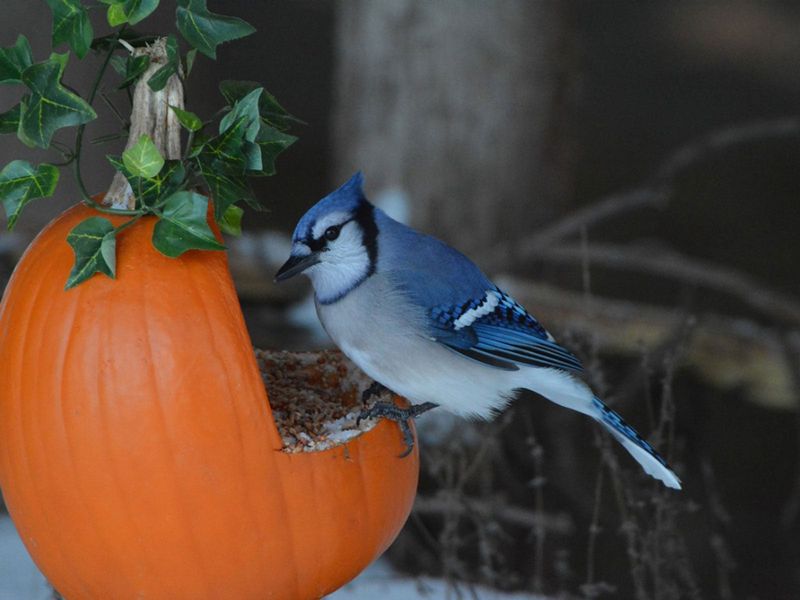
Cardinals, chickadees, and blue jays get hungry when the weather turns cold. Your old pumpkin can become their favorite diner.
Cut a small pumpkin in half and scoop out the stringy middle. Poke three holes near the rim and thread through some strong twine.
Fill the bowl with black oil sunflower seeds, the top pick for most songbirds. Hang it from a sturdy branch about five feet off the ground.
Pennsylvania backyards stay busy with winter birds, so expect visitors within a day or two. Kids especially love watching from the window.
Roasted pumpkin seeds make a tasty treat too. Just leave them plain, since salt and spices are not good for birds.
Swap out the feeder once it starts getting mushy or moldy. A fresh shell keeps your feathered guests healthy and happy.
When the pumpkin wears out, toss it in the compost. Nothing goes to waste, and the cycle keeps rolling.
Keep a bird guide or app handy for fun. You might spot a dark-eyed junco or a tufted titmouse stopping by for a snack.
5. Share Them With Farm Animals
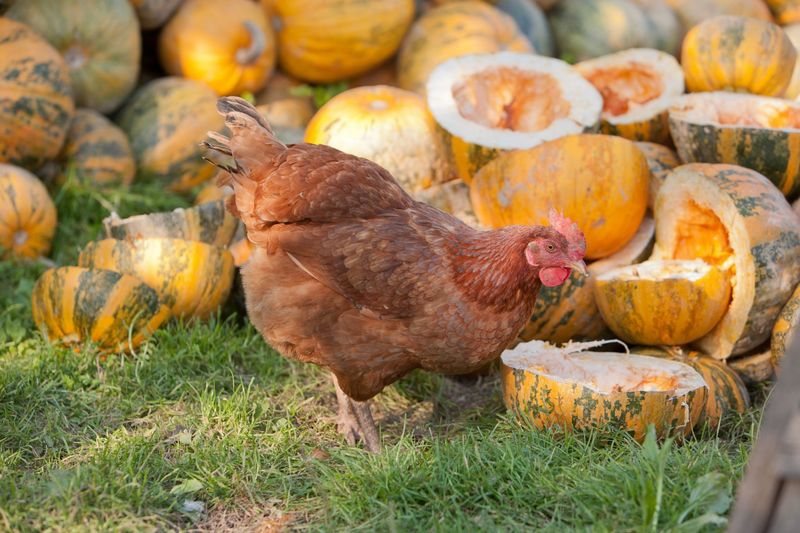
Chickens go wild for pumpkin. Toss one in the run, and the whole flock crowds around like it is a party.
Plenty of families in Pennsylvania keep backyard hens, goats, or pigs. Pumpkins make a healthy fall snack for all of them.
Crack the pumpkin open first so the animals can reach the soft insides. Chickens will peck it down to a thin shell in a day or two.
Only share pumpkins that are clean and fresh. Skip anything painted, waxed, or covered in fuzzy mold, since that can upset tummies.
No farm animals at home? Lots of local farms, animal sanctuaries, and 4-H groups welcome pumpkin donations after Halloween.
Call ahead before dropping anything off. Some places have rules about how many they can take or what shape they need to be in.
Some communities even hold pumpkin collection days. Check with your township or county extension office for drop-off spots near you.
Animals get a treat, and you skip filling the trash can. Leftover scraps from the feeding can head straight to the compost afterward.
6. Plant A Whole Pumpkin And See What Sprouts
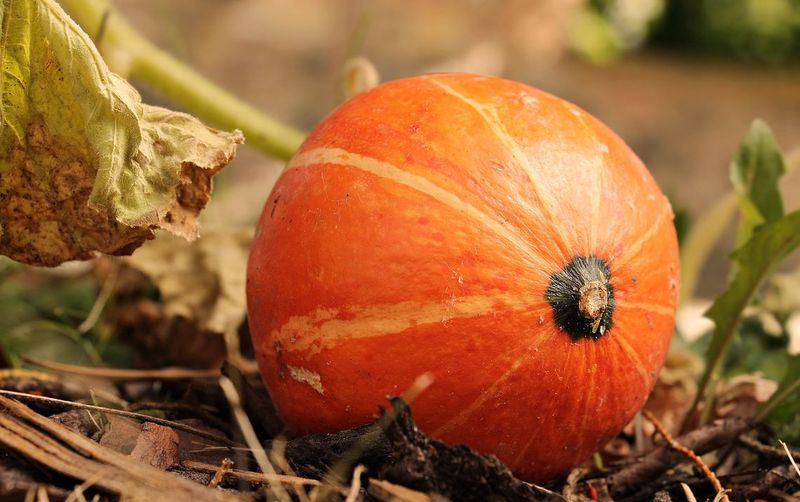
Lazy gardening sometimes works wonders. Bury a whole pumpkin, seeds and all, and let nature handle the rest.
Start with a firm, healthy pumpkin. Skip any with soft spots or mold, since diseased fruit can introduce problems into the soil.
Choose a sunny corner with lots of space, and keep it away from your vegetable beds. Squash, cucumbers, tomatoes, and peppers are all vulnerable to Phytophthora blight, which can survive in soil, so a spot near the edge of the yard or a flower border is a safer pick.
Dig a hole deep enough to cover the pumpkin with a few inches of soil.
Through the winter, the shell often softens and becomes food for the soil. The seeds sit inside, waiting for warm weather.
When late spring warms up in Pennsylvania, little green sprouts may pop through the ground. Sometimes you get a whole clump of them.
Thin the seedlings to the two or three strongest plants. Too many crowded vines will fight over water and sunlight.
Gardeners call these volunteers, and they are a fun experiment. Store-bought and Halloween pumpkins are often hybrids, so you never quite know what kind of pumpkin will appear.
Kids enjoy this project a lot. They get to check the spot every few days and cheer when the first leaves show up.
Water the young plants during dry spells and add mulch around them. By fall, you might have homegrown pumpkins ready for carving.
7. Turn Pumpkin Shells Into Mini Planters
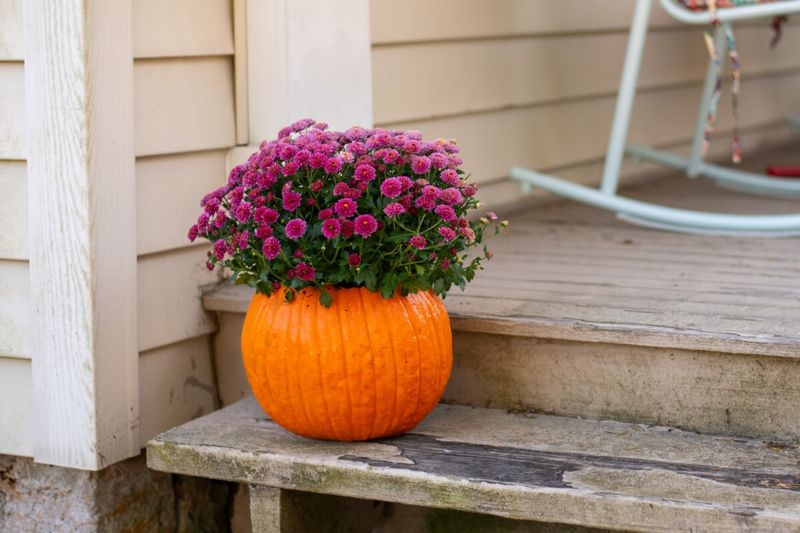
A hollow pumpkin makes a cute, free flower pot. It even breaks down in the soil when you plant it later.
Choose a small pumpkin that is still firm and not caved in. Cut off the top, scrape the insides clean, and poke a few drain holes in the bottom.
Fill it with potting soil and tuck in cool-season plants. Mums, pansies, and ornamental kale all handle chilly Pennsylvania nights well.
Set your pumpkin planter on a porch step or picnic table. It adds a festive touch right through Thanksgiving.
The shell will soften after a few weeks. When it does, dig a hole in the garden and plant the whole thing, pot and all.
Pumpkin flesh feeds the roots as it breaks apart. Your flowers get a cozy, nutrient-packed home for the season.
Little seedlings work too. Mini pumpkins can hold herbs or lettuce starts to grow indoors on a sunny windowsill.
A dab of petroleum jelly on cut edges can slow drying. It buys you a few extra days of good looks.
8. Make Pumpkin Mulch For Winter Beds
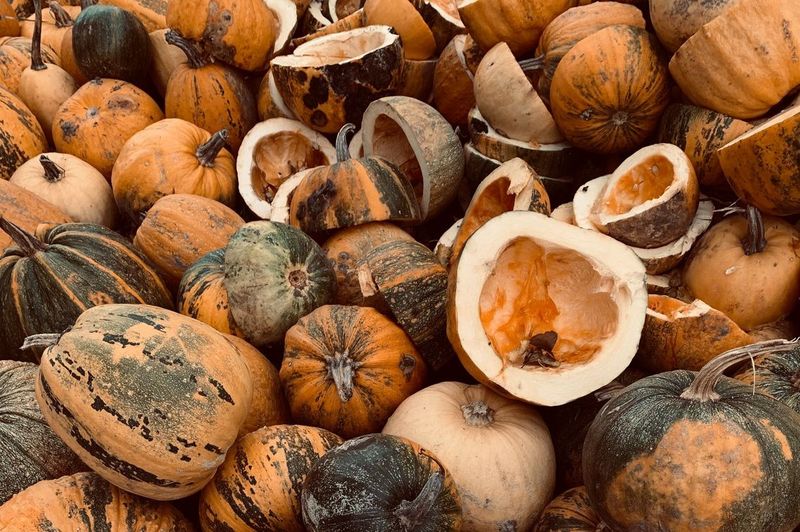
Garden beds look bare and lonely in late fall. A layer of pumpkin bits can tuck them in like a warm blanket.
Use healthy pumpkins only. Fruit with soft rot, white fuzzy growth, or sunken spots belongs in the trash, not on your beds.
Chop or smash pumpkins into small pieces, about the size of a walnut. A lawn mower with a bagger works great for this messy job.
Scatter the bits over empty beds, then cover them with straw or shredded leaves. That top layer hides the pumpkin and stops it from blowing around.
Choose your beds wisely. Phytophthora blight affects squash, cucumbers, peppers, tomatoes, eggplant, and beans, so skip beds where those crops will grow next year.
Flower borders, garlic plantings, and beds headed for corn are better candidates, since none of them are among the crops commonly affected.
Winter in Pennsylvania brings snow, rain, and freezing nights. All that weather helps the pumpkin soak into the soil slowly.
Soil life stays active under the mulch even when it is cold. Worms and fungi keep working, breaking things down a little at a time.
Garlic beds benefit too. Spread a thin layer around freshly planted cloves for added nutrients come spring.
Keep pumpkin mulch a few inches away from tree trunks and shrub stems. Too much moisture against bark can invite rot.
By April, the pieces will mostly vanish. What remains is softer, darker soil ready for spring seeds.
9. Host A Pumpkin Smash Party With Your Neighbors
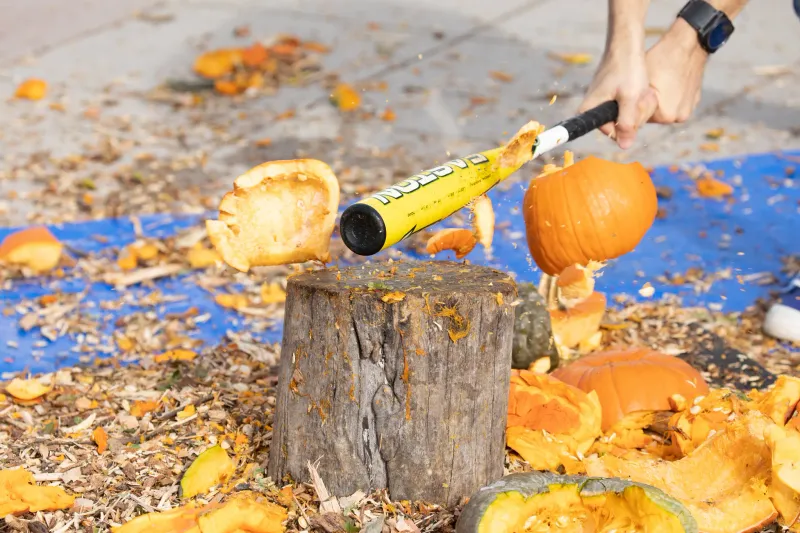
Smashing pumpkins is oddly satisfying. Turn it into a neighborhood event, and you have a fun way to help the earth.
Many towns across Pennsylvania now host pumpkin smash days in early November. Folks bring their old jack-o-lanterns and toss them into big compost bins.
You can start your own version at home or a community garden. Set up a tarp, a few safe dropping spots, and a compost area nearby.
Kids love dropping pumpkins from a short ladder or stepstool. Make sure an adult watches, and keep everyone in sturdy shoes.
Add some cider, donuts, and music to make it a party. A little contest for the biggest splat keeps things lively.
Afterward, shovel the pieces into the compost or a garden trench. Mix in leaves to balance out all that wet pumpkin.
Pumpkins in landfills create methane, a gas that warms the planet. Smashing and composting keeps them out of the trash.
Neighbors get to meet, laugh, and help the garden all at once. It might just become a brand new yearly tradition on your street.