Pick Globe Amaranth Before Georgia’s First Frost To Keep Its Color Long After Fall
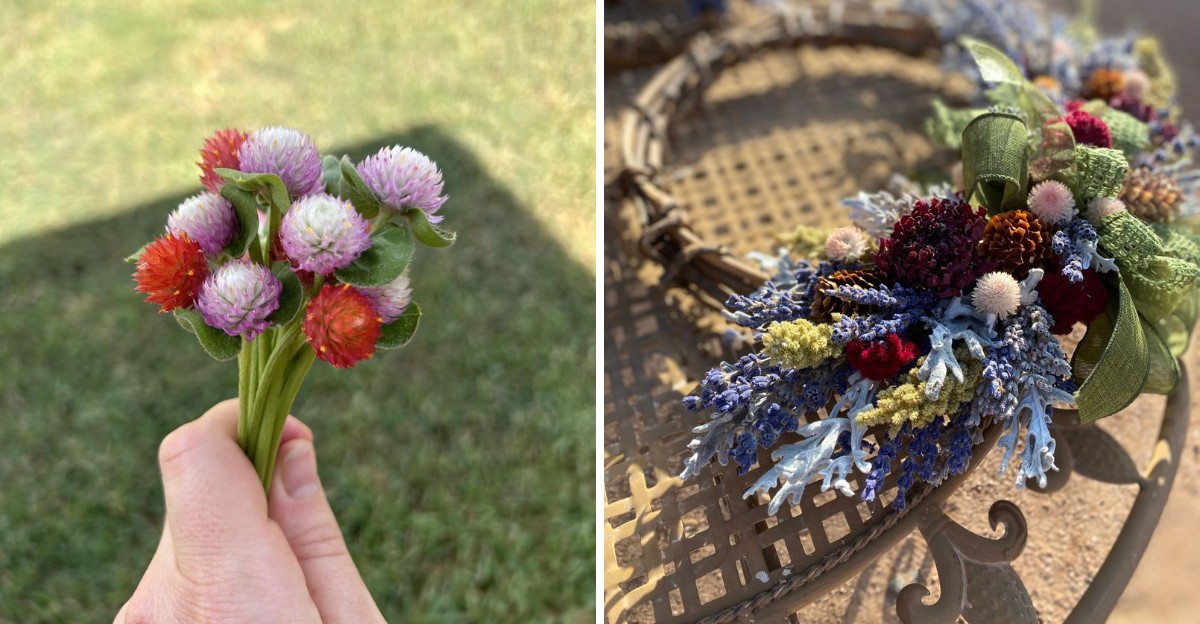
Globe amaranth flowers look almost unchanged in late October, with round, papery heads still holding bright purple, pink, or white.
Their texture comes from stiff bracts rather than soft petals, which helps them handle heat and dry spells. Gardeners who dry them can enjoy that color well into winter and beyond.
Frost tends to end the show quickly, browning the heads and leaving stems limp almost overnight.
Stems cut a little before that first cold night keep their color at its brightest. Heads picked too young or too late may not dry as nicely, though.
First frost dates vary widely across the state, so north Georgia gardeners often need to act sooner than coastal ones.
Snip a handful this week, and you may end up with a jar of summer color still going strong in February.
1. Papery Flower Heads Hold Their Color Long After Drying
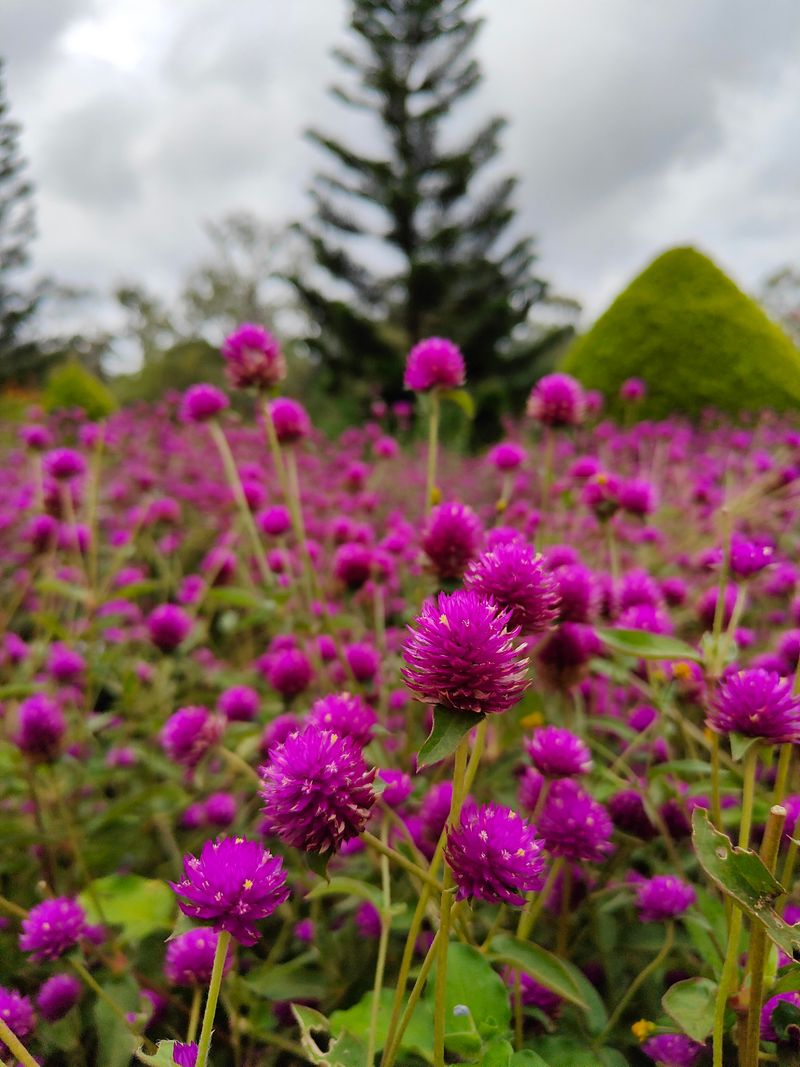
Few garden flowers dry as easily as globe amaranth. Its round heads are made mostly of stiff, papery bracts rather than soft petals, so they keep their shape well once the moisture leaves.
Those bracts are the colorful part you see from across the yard, and the true flowers are tiny and tucked between them.
Because the bracts hold little water, they shrink only a small amount while drying. Purple and magenta types tend to stay especially bold, while white and pale pink can soften a bit over time.
Gardeners across Georgia often call it an everlasting, a name given to flowers that keep their look after drying.
Of course, no dried flower lasts forever. Sunlight, humidity, and dust can slowly dull the colors, so how long they stay bright depends a lot on where you keep them.
Indoors and out of direct sun, many dried globes look good through winter and often well beyond that.
Variety matters too. Some newer types, like the Las Vegas or QIS series, were bred for strong color and sturdy stems, though older heirloom kinds can dry just as nicely.
If you grew several colors this year, try drying a few of each. You will quickly learn which ones hold up best in your own home and which you want to plant again next spring.
2. Frost Can Damage Blooms Still Left On The Plant
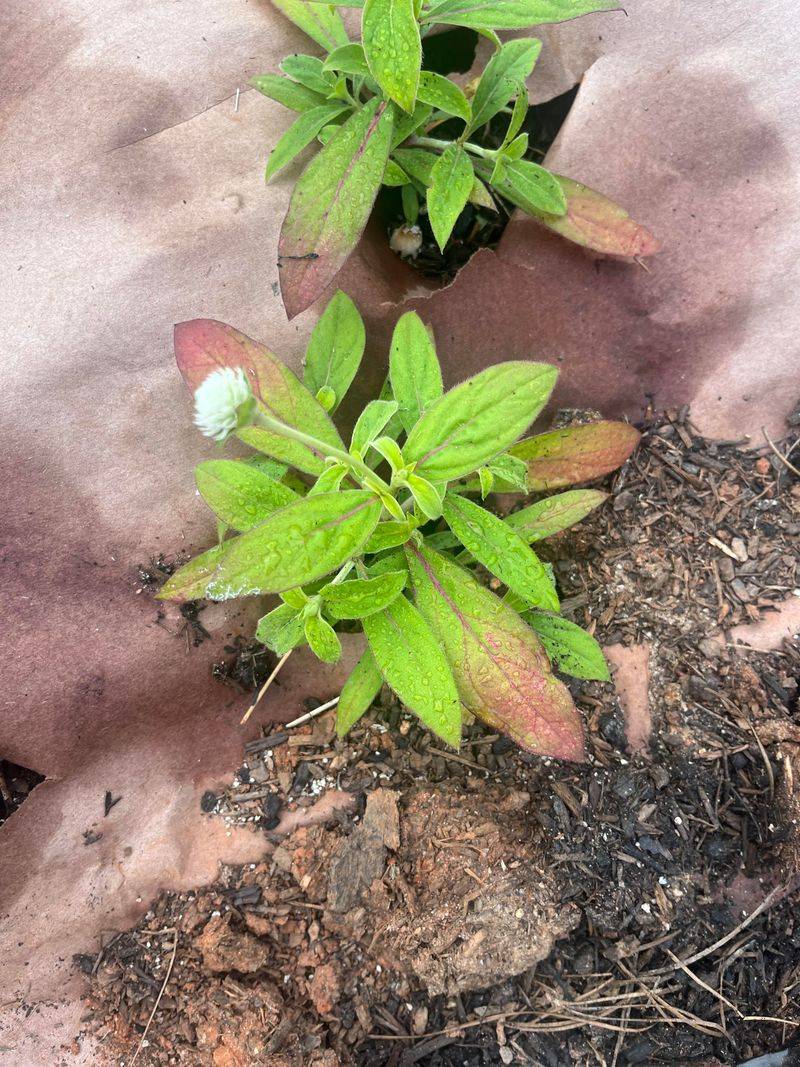
One cold night can undo a whole summer of color. Globe amaranth is a tender, warm-season annual, and frost usually harms its leaves, stems, and flower heads.
After a hard freeze, the foliage often turns dark and limp within a day or two.
Flower heads may hold together a little better than the leaves, but they can still brown, look water-soaked, or lose their crisp feel. Those damaged blooms rarely dry into anything worth displaying.
Timing depends on where you live. North Georgia mountain areas often see frost in October, while middle and south parts of the state usually get it later, sometimes into November or beyond.
Your own yard can differ from the regional average, too.
Low spots, open fields, and gardens far from buildings tend to chill faster than beds near a warm brick wall. Checking your local forecast each evening in fall is the easiest way to stay ahead of trouble.
Your Georgia Garden Changes Every Week. Your Plan Should Too.
Gardening in Georgia changes quickly throughout the season. Every Friday you’ll receive a simple weekly plan showing exactly what to plant, prune, fertilize, harvest, and protect so you never miss the right timing.
When temperatures are predicted to drop near freezing, plan to harvest that day or the next morning.
Covering plants with a sheet can sometimes protect them through a light frost, but it is not a sure thing. If you want a solid supply for drying, picking early is the safer choice.
3. Heads That Are Fully Colored And Firm Are Ready To Harvest
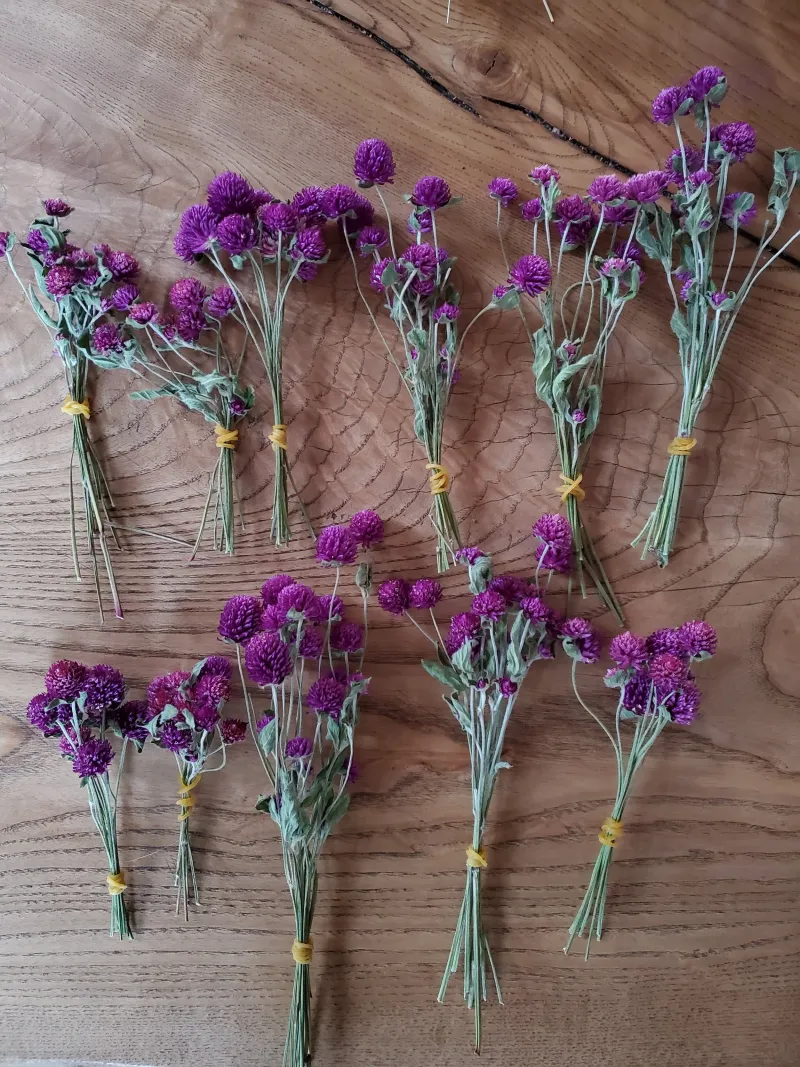
Squeeze one gently and you will know. A ready globe feels firm and springy, not soft or loose, and its color looks rich all the way around.
Young heads are often small and pale at the tip, so give those a little more time if frost is not close.
Fully open heads usually have the best shape for drying. They are round or slightly oval, and the color looks even from base to top.
Older blooms can tell a different story.
Heads left on the plant too long may start to fade, turn brownish at the base, or feel looser. They can still dry, but they often shed bits and look less fresh in arrangements.
Morning is a good time to cut, once the dew has dried off. Wet flowers can take longer to dry and may be more likely to develop mold, especially in humid Georgia weather.
Bring a pair of clean, sharp pruners or scissors.
Cutting regularly through late summer can also encourage more branching and new blooms, so you may end up with several small harvests instead of one big one.
Just keep an eye on the calendar as nights get cooler, and gather everything that looks ready before cold weather arrives.
4. Long Stems Make Bundling And Arranging Easier
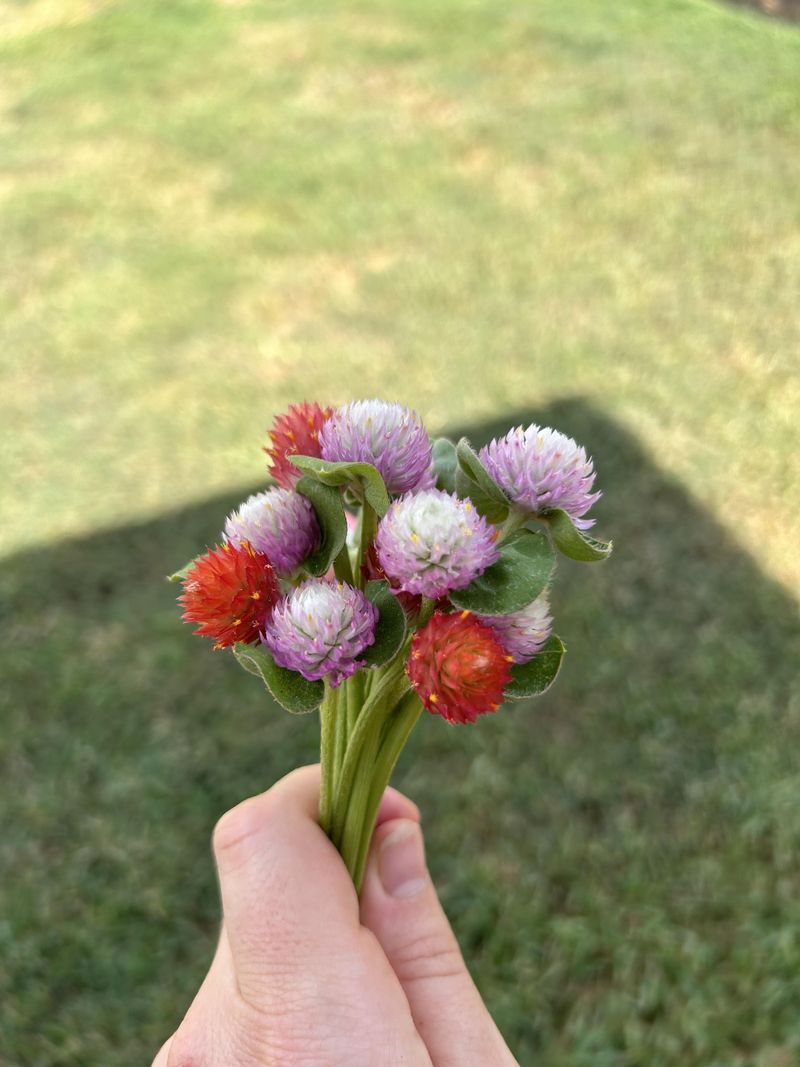
Short stems are a headache later. When you cut globe amaranth, reach down the plant and take as much stem as you reasonably can.
Longer stems give you more to grip when tying bundles, and they fit better in vases and wreath frames.
Look for a spot just above a pair of leaves or a side branch. Cutting there helps the plant stay tidy, and it may push out new shoots if there is still time before frost.
Some varieties naturally grow taller than others.
Compact types sold for borders may only give you short stems, while taller cutting varieties often reach well over a foot. If you plan to dry flowers again next year in Georgia, choosing a taller type can make the job simpler.
Side shoots are worth saving, even when they are shorter.
Small stems work nicely in tiny jars, gift tags, or tucked into a wreath where length matters less. Sort your harvest into long and short piles as you go so bundling feels less messy.
Try to keep stems straight while drying, since they stiffen into whatever shape they hold. A bent stem can be hard to use in a tall arrangement, but it may still fit well in a low bowl or a small craft project.
5. Stripping The Leaves Helps Stems Dry Faster
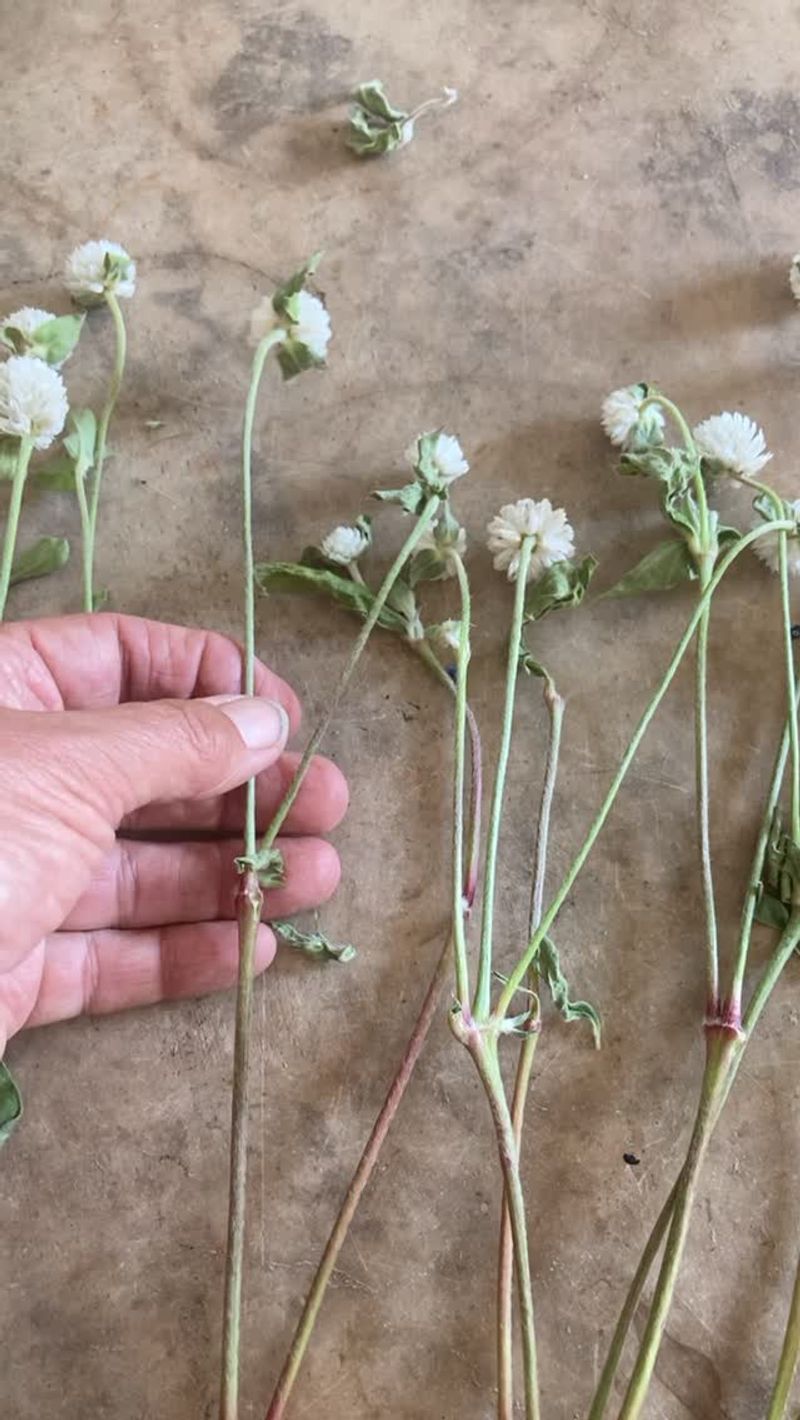
Leaves hold more water than you might think. Pulling them off before drying gives the stems less moisture to lose, which can help the whole bundle dry more evenly.
Run your fingers down each stem, gently pulling leaves away as you go.
Most come off easily while the stems are fresh. Once they dry, the leaves tend to crumble and shrivel into a dull, messy look, so removing them early also keeps your finished flowers neater.
Bare stems allow air to move more freely inside a bundle.
That airflow matters a lot in a humid place like Georgia, where damp air can slow drying and sometimes lead to mold. Fewer leaves means less material trapping moisture between the stems.
You can leave a leaf or two near the flower head if you like the green contrast. Just know that they usually fade and curl, so a quick test with one bundle will show whether you enjoy the look.
Toss stripped leaves into your compost pile instead of the trash.
Take a moment to check stems for insects, too. A quick shake outdoors can help move off any small hitchhikers before you bring the harvest inside.
6. Hanging Bundles Upside Down In A Dark Dry Spot Preserves Color
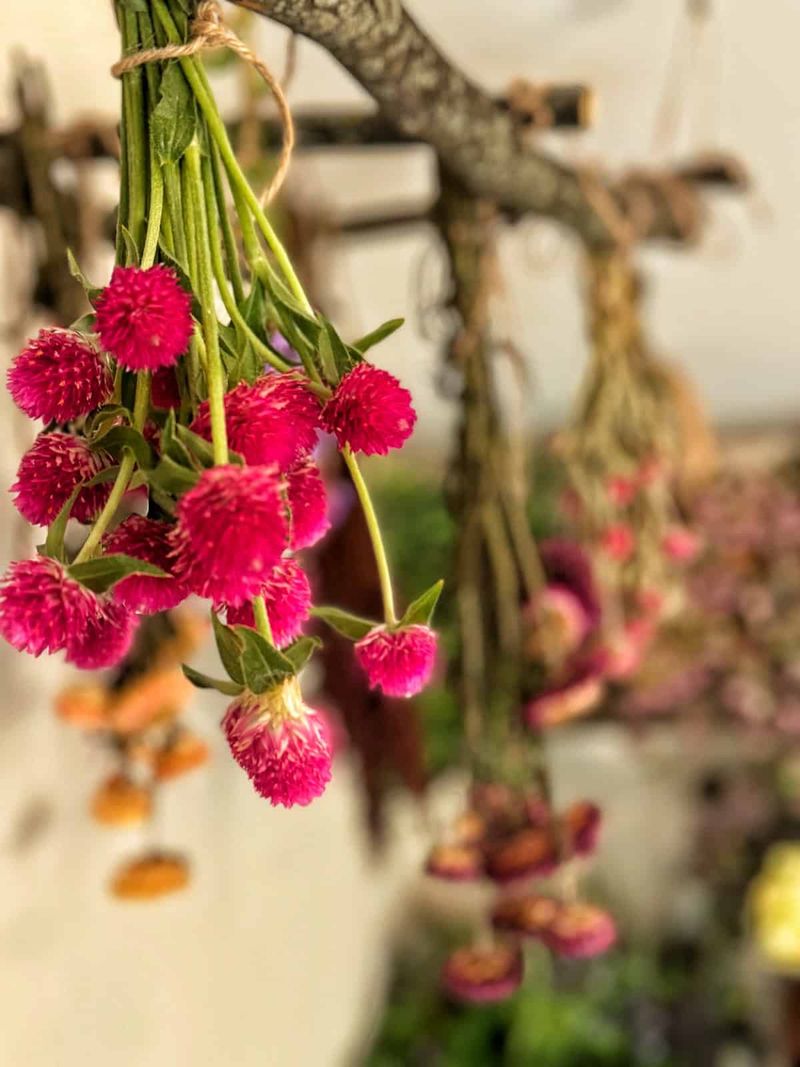
Darkness is your color’s best friend. Light, especially direct sun, can fade dried flowers, so drying them in a dim space usually keeps the hues brighter.
Gather about five to ten stems per bundle and wrap the ends with a rubber band.
Rubber bands work well because stems shrink as they dry, and the band tightens with them. String can loosen and let stems slip out and fall.
Hang each bundle upside down from a hook, hanger, or rod. Leave space between bundles so air can move around them freely.
Good spots include a closet, a spare room, or a dry pantry corner.
Steamy bathrooms and damp basements are usually poor choices. In Georgia, fall humidity can still run high on some days, so a room with air conditioning or a small fan nearby may help things along.
Drying time varies with stem thickness, humidity, and airflow.
Many bundles feel dry in about two to three weeks, though some take longer. When the stems snap cleanly and the heads feel crisp, they are ready to use or store.
If you notice any fuzzy spots or a musty smell, remove those stems right away so the problem does not spread.
7. Dried Globes Brighten Wreaths And Winter Arrangements
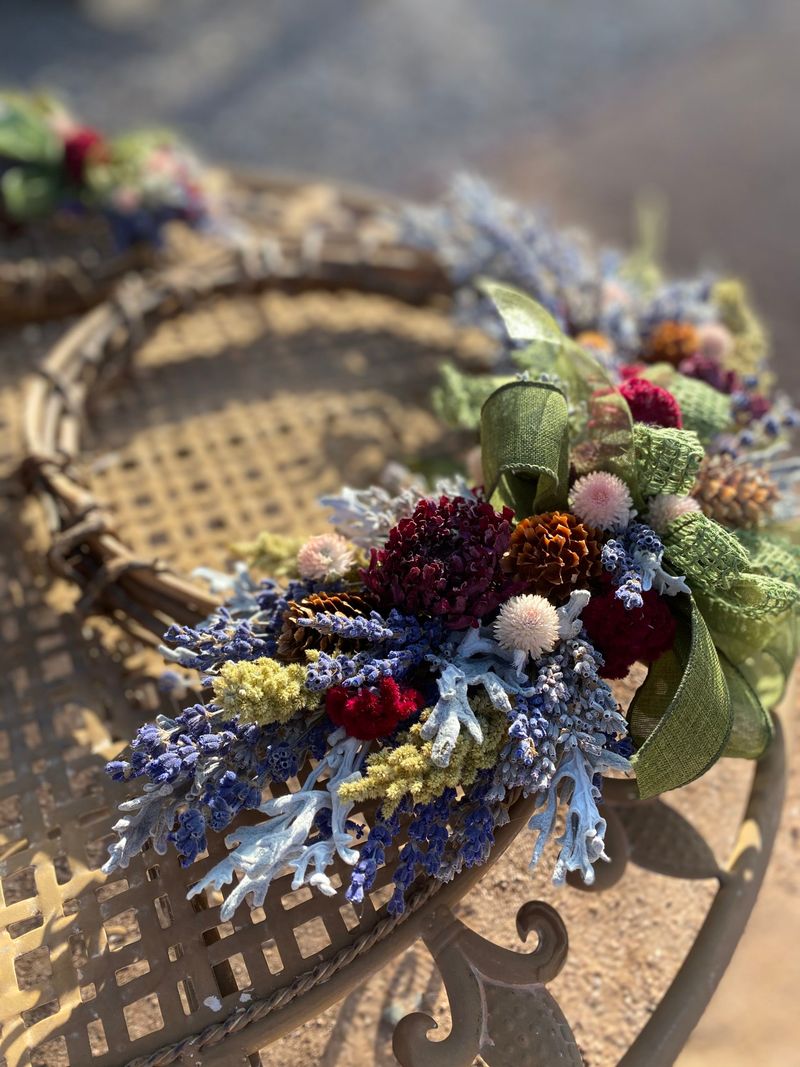
Gray January days need a little color. Dried globe amaranth brings cheerful dots of purple, pink, and red to the house when the garden outside looks bare.
Wreaths are one of the easiest projects to start with.
A grapevine or straw base works well, and you can tuck short stems right into it or attach them with hot glue. Mix globes with dried grasses, seed heads, or eucalyptus for a natural look.
Small vases and mason jars make simple table displays, too. Group a single color for a calm feel, or mix shades for something more playful.
Plenty of Georgia gardeners also add dried globes to holiday garlands and gift wrapping.
Placement affects how long your creations last. Keep wreaths and arrangements away from sunny windows, heat vents, and damp spots to help the color hold longer.
A front door wreath may fade faster if it gets strong sun or rain.
Store extra flowers in a paper bag or box in a dry, dark place until you need them. Handle them gently, since dried heads can crack or crumble with rough use.
With a bit of care, this fall harvest can keep your home bright until it is time to plant seeds again next spring.