The Georgia Herb That Can Help Make Your Porch Less Appealing To Boxelder Bugs
Clusters of black and red bugs sunning themselves on porch railings can make an evening outside feel crowded.
Boxelder bugs gather on warm, sunny surfaces in fall as they look for places to wait out the cold.
They rarely bite or harm plants, but a few often slip inside once the door opens. Sprays offer only short-term relief, leaving many homeowners hunting for gentler options.
One common herb with a strong scent has earned a reputation for making those sunny spots less inviting.
Results vary, and no plant will clear them away on its own. Planted in pots near the steps of a Georgia porch, it can add a pleasant layer of defense.
Move a pot or two into the brightest corner where the bugs bunch up, then see what happens over a few warm afternoons.
1. Red-Marked Black Bugs Crowding A Sunny Porch Are Hard To Ignore
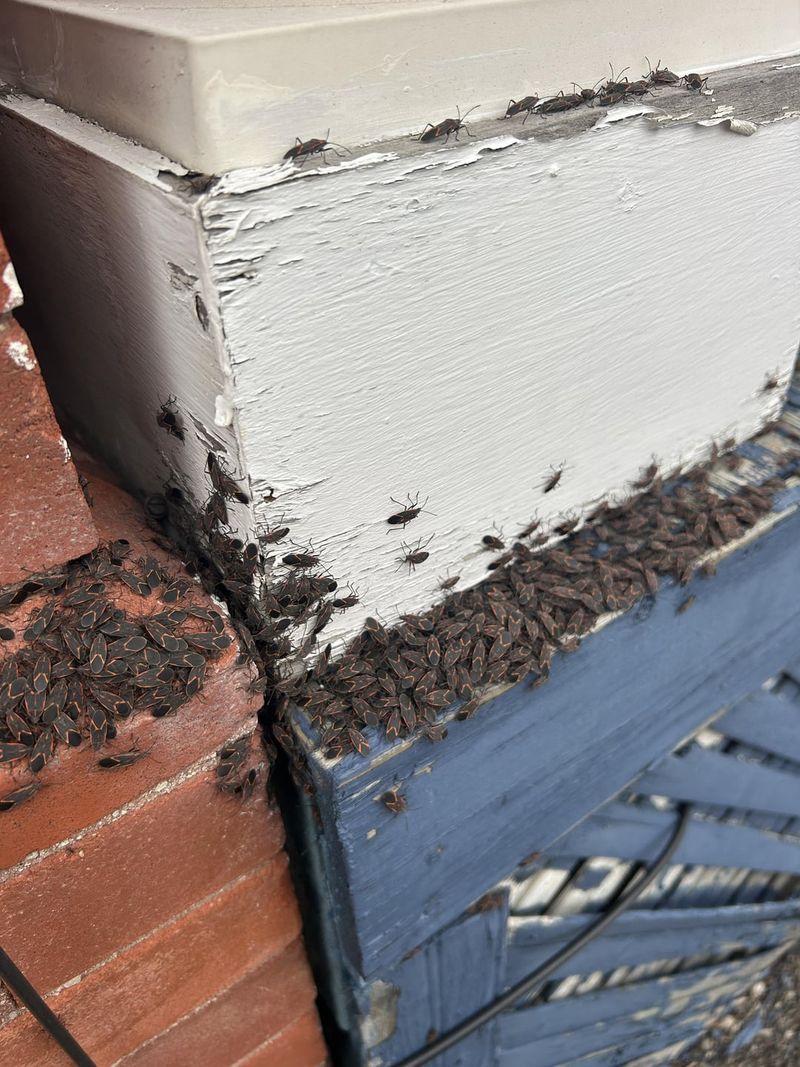
Step outside on a warm fall day and you might find dozens of black bugs with red lines sunning on your siding. Those are boxelder bugs, and they tend to gather where walls soak up afternoon heat.
Adults are about half an inch long, with red or orange edges along the wings and body.
Thankfully, they do not usually bite people, and they are not known to damage homes or most garden plants. Their main habit is feeding on seeds of boxelder and some maple trees.
Trouble starts when the weather cools and they look for sheltered spots to wait out winter.
Gaps around windows, doors, and siding can lead them indoors, where they may stain curtains or walls if crushed. Across Georgia, south and west facing walls often draw the biggest groups.
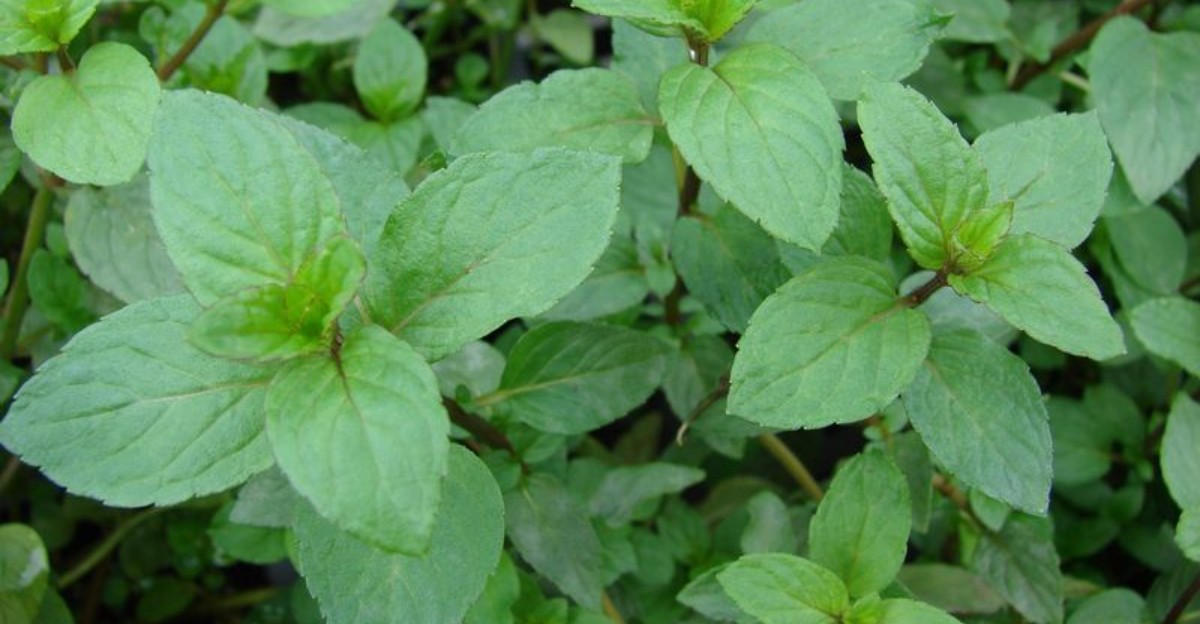
So where does an herb fit in? Peppermint, known as Mentha × piperita, is a strongly scented plant sometimes suggested as a natural deterrent.
Gardeners like it because it is easy to grow and smells fresh to most people.
Solid proof that peppermint plants alone repel boxelder bugs is limited, so think of it as a possible helper rather than a cure. Pairing it with good sealing and cleanup gives you a much better shot at a calmer porch.
2. Strong Minty Oils Are The Reason This Herb Gets Recommended
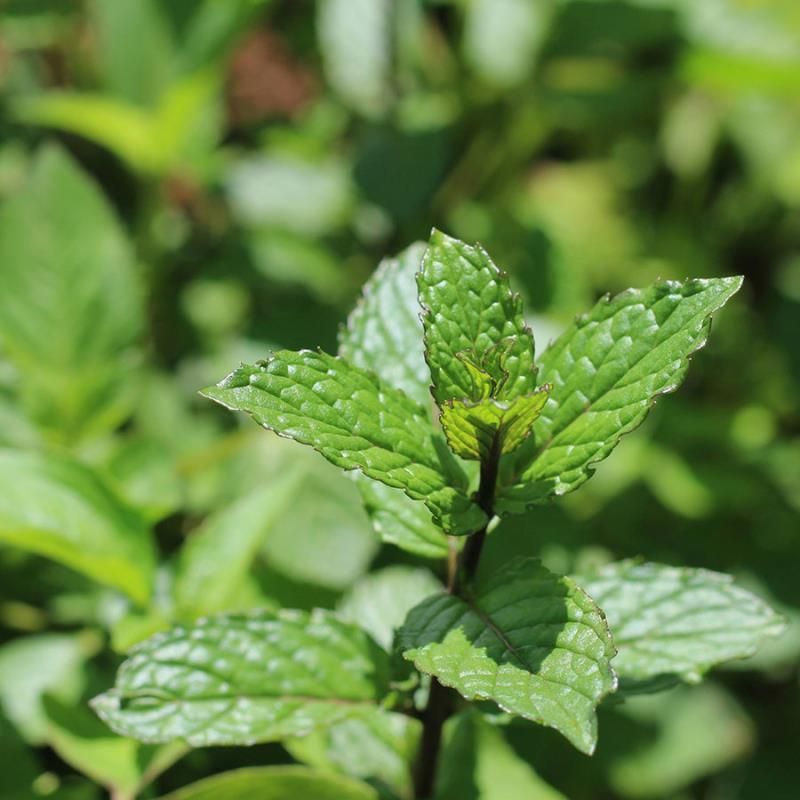
Crush a peppermint leaf between your fingers and the smell hits right away. That sharp scent comes mostly from menthol and related natural oils stored in tiny glands on the leaves.
Plenty of insects seem to avoid strong aromas like these, which is why mint shows up in so many home remedy lists.
Peppermint oil also appears as an ingredient in some commercial products sold as natural insect repellents. Results vary by product, pest, and how the spray is used.
A growing plant gives off far less scent than a concentrated oil.
Most of the aroma releases when leaves are brushed, bruised, or warmed by the sun. On a still day, the smell may barely reach a few feet from the pot.
Here in Georgia, summer heat can make the plant smell stronger, while cool fall weather may tone it down.
Your Georgia Garden Changes Every Week. Your Plan Should Too.
Gardening in Georgia changes quickly throughout the season. Every Friday you’ll receive a simple weekly plan showing exactly what to plant, prune, fertilize, harvest, and protect so you never miss the right timing.
Some people mix a few drops of peppermint oil with water and soapy solution to spray on bugs they can see. Soapy water itself can harm soft-bodied insects on contact, so the oil may play a smaller role than it seems.
Test any homemade spray on a hidden spot first, since oils can mark paint or wood.
Keep concentrated oils away from pets, especially cats, and follow label directions on store products. Used carefully, mint is a pleasant tool with modest, uncertain effects.
3. Peppermint Scent May Discourage Bugs But Won’t Stop Every Visitor
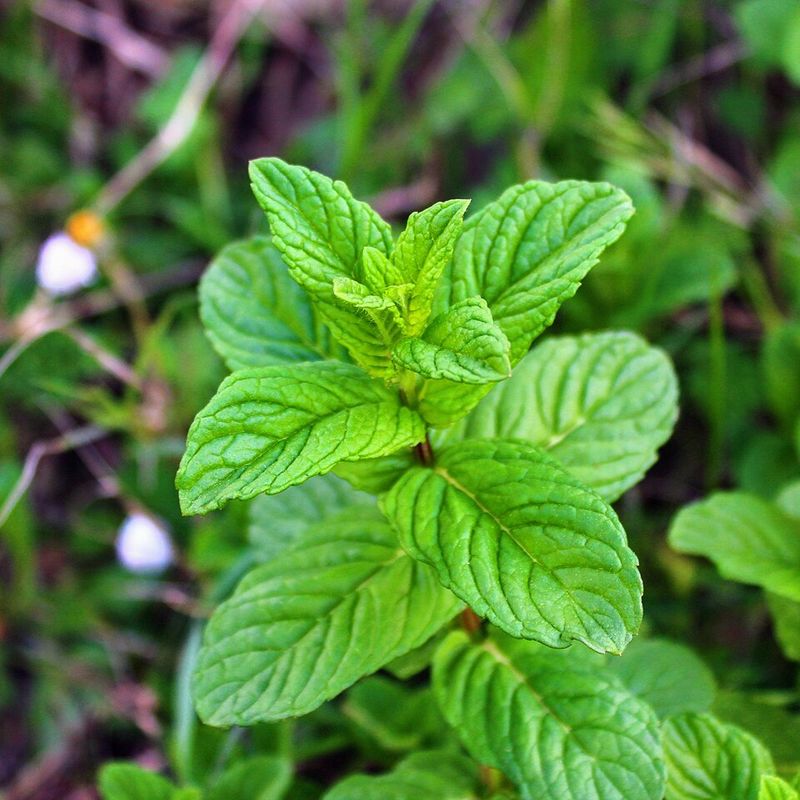
Honest truth time. A pot of mint will not build an invisible wall around your house.
Boxelder bugs are driven by strong instincts to find warmth and shelter as days shorten.
When thousands of them are moving at once, a mild herbal smell is unlikely to turn every one away. Some may land right next to the pot without seeming bothered at all.
Gardeners report mixed results, and that fits what you would expect from a living plant.
Wind, rain, plant size, and how often leaves get disturbed all change how much scent is in the air. A thick, healthy patch will give off more aroma than a thin, struggling one.
Georgia weather adds another twist, since fall warm spells can bring sudden bursts of bug activity.
Set realistic goals instead. Fewer bugs resting near the door is a fair win, while an empty porch is probably too much to hope for.
Keep an eye on where the crowds gather, then compare spots with mint and spots without it.
Simple notes over a few weeks can show whether the herb seems to help on your own property. If it does not, you still have a fragrant plant for tea, cooking, and a nice smell by the steps.
4. Containers Keep Fast-Spreading Mint From Taking Over Beds
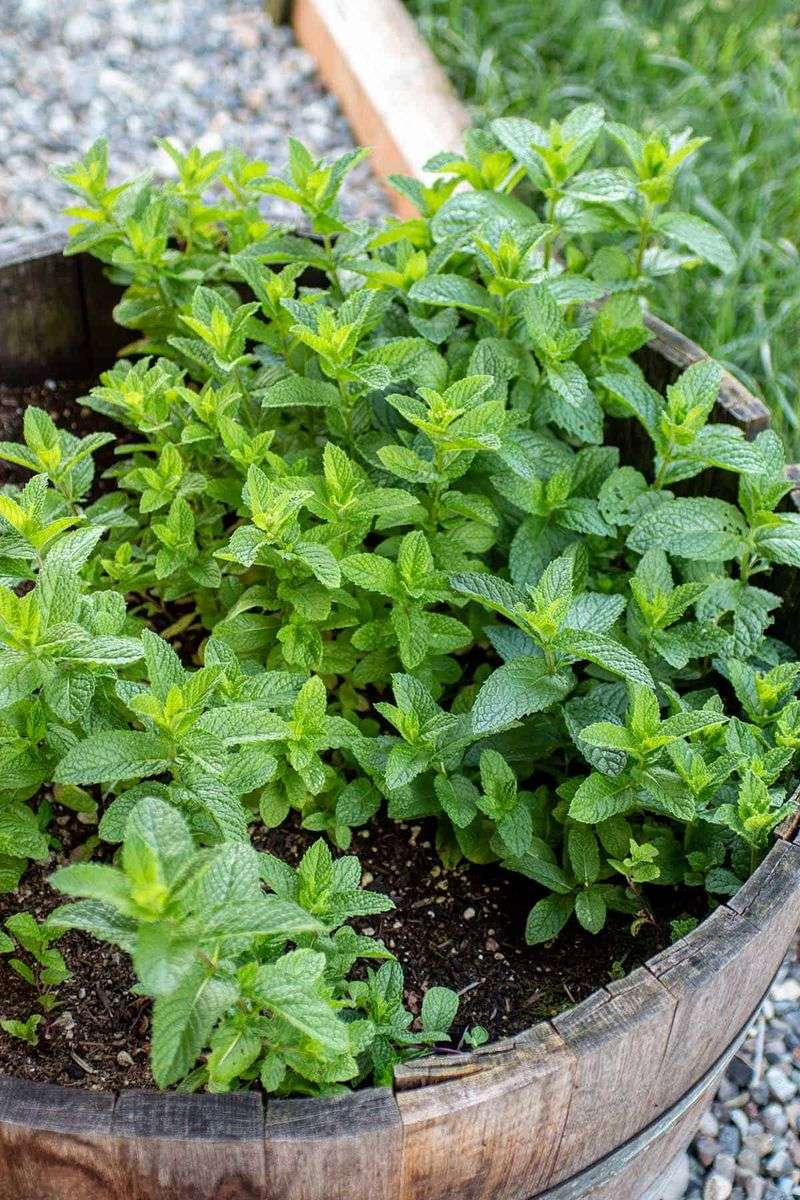
Plant mint in open ground once and you will likely remember it for years. Peppermint spreads by underground runners that creep sideways and pop up in surprising places.
Pots solve most of that headache while keeping the plant easy to move.
Pick a container at least a foot wide with drainage holes in the bottom. Fill it with quality potting mix rather than heavy garden soil, which can stay soggy.
Morning sun with some afternoon shade often suits mint well across much of Georgia.
Hot afternoons in summer can leave leaves wilted, so check soil moisture often and water when the top inch feels dry. Pots dry out faster than beds, especially dark plastic ones in full sun.
Keep containers off bare soil when you can, since runners sometimes escape through drainage holes.
A saucer, paver, or plant stand underneath helps stop roots from sneaking into the ground. Trim long stems regularly to keep growth bushy and full of fresh, fragrant leaves.
Peppermint is a perennial in many areas, and it often goes quiet or thins out in cold months before returning in spring.
Results can differ with your zone, the winter, and how well the pot drains. Dividing crowded plants every couple of years helps keep them vigorous.
5. Placing Pots By Entryways Keeps The Fragrance Close To Problem Spots
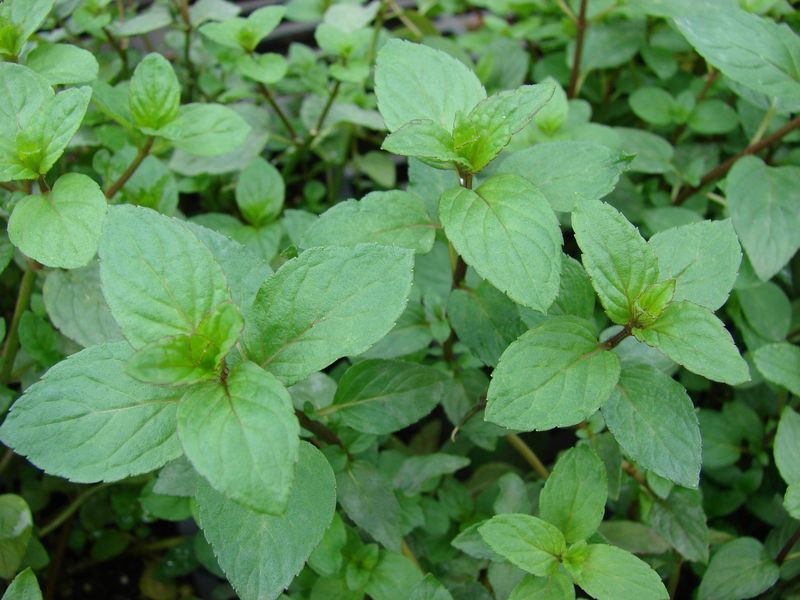
Location matters more than quantity. One pot in the right place may do more than five tucked in a back corner.
Start by watching where the bugs actually gather on sunny afternoons.
Front steps, door frames, and window ledges on warm walls are common hangouts. Set your mint close to those spots so any scent stays near the action.
Brushing the leaves as you walk by releases extra aroma, which is a nice bonus near a busy door.
Pairs of pots on each side of an entry look tidy and frame the doorway. Small rail planters can also work along porch edges where bugs crawl.
Remember that mint still needs decent light to grow well, so a deeply shaded corner may leave it weak and leggy.
Shuffle pots around through the season and see which spots seem to stay quieter. On many Georgia porches, the afternoon side of the house gets the most bug traffic in fall.
Avoid crowding pots right against siding where moisture can collect and stain wood.
Leave a few inches of space for air to move and for easier sweeping. Simple placement tweaks like these cost nothing, and they let you test the herb fairly without expecting it to carry the whole load.
6. Female Boxelder Trees Nearby Explain Why The Bugs Keep Coming
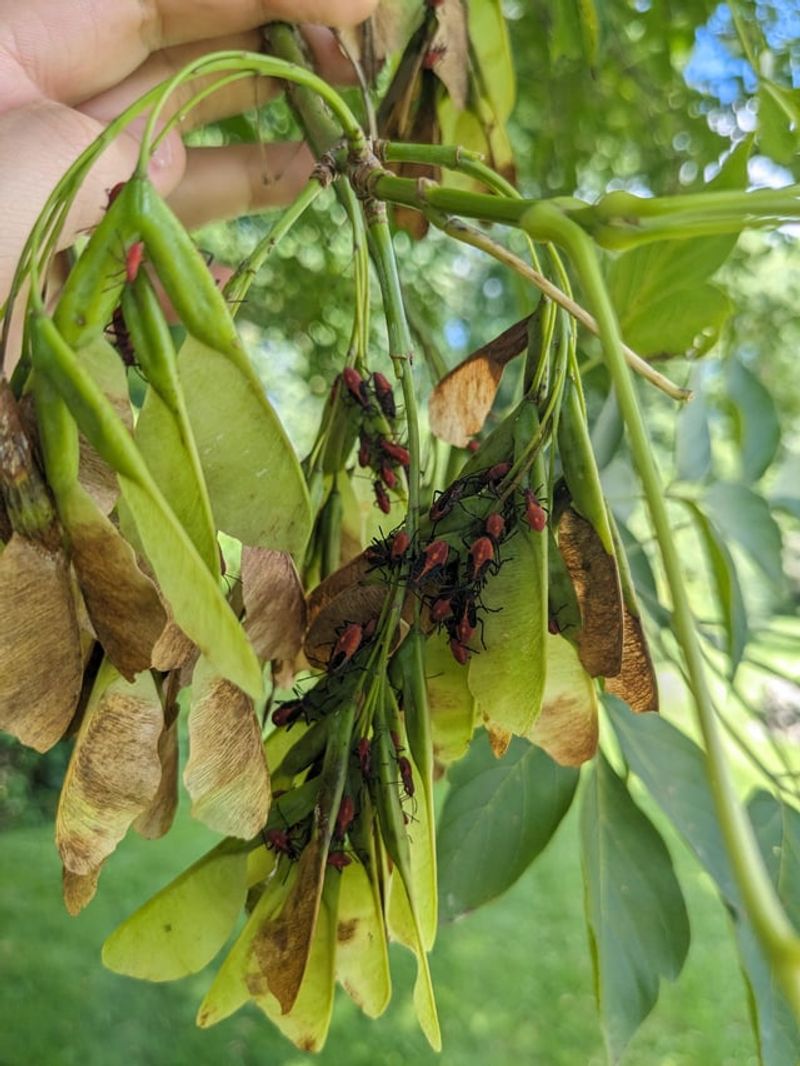
Look up before you look down. A seed-bearing tree nearby may be the real reason your porch stays busy.
Boxelder bugs feed mainly on seeds of female boxelder trees, a type of maple that grows wild in parts of Georgia.
Only female trees produce the winged seeds, so male trees are much less of a draw. Some other maples can also support smaller numbers of the bugs.
Boxelder trees often turn up along creeks, fence lines, and empty lots.
You can spot a female tree in late summer or fall by the hanging clusters of paired, winged seeds. Leaves usually have three to five leaflets, which can look a bit like poison ivy at first glance.
Removing a tree is a big decision, and it may not solve everything.
Bugs can fly in from neighboring yards, so results depend on how many host trees grow around you. Talk with a certified arborist before cutting anything large, and check local rules if the tree sits near a property line.
Raking up fallen seeds under the tree may help reduce food on the ground nearby.
Choosing a different tree species when planting new shade trees is a simple long-term step. Your local county Extension office can help confirm a tree’s identity if you are unsure.
7. Sealed Cracks And Tight Screens Do The Heavy Lifting
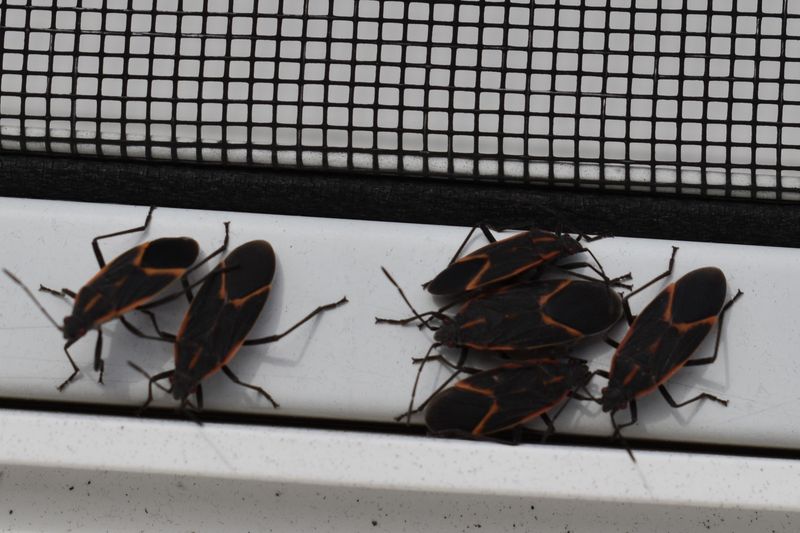
Caulk beats mint, plain and simple. Blocking entry points is widely recommended by Extension experts as one of the most useful steps against boxelder bugs.
Walk around your house on a sunny day and look for gaps where bugs crawl in.
Check window frames, door sweeps, siding seams, and spots where pipes or wires enter. Seal small cracks with good outdoor caulk, and use weatherstripping on doors that leave light underneath.
Torn window screens are an easy fix and a common weak spot.
Patch small holes or replace worn screens before fall, when bugs start hunting for shelter. In most of Georgia, late summer into early fall is a sensible time to finish these repairs.
Vents and attic openings may need fine mesh screening, as long as airflow stays clear.
Bugs already on outside walls can be swept away or knocked off with a strong spray of soapy water. Indoors, a vacuum works well, and it avoids the stains that crushing can leave.
Insecticides are seldom needed for a nuisance bug like this, and they may bring their own risks near kids and pets.
Put sealing first, then let peppermint pots add a fresh scent and possibly a small extra nudge. Together, they make a practical, low-stress plan for a calmer porch.