Salvia Along Low-Desert Arizona Fences This Fall: A Realistic Look for Pollinators
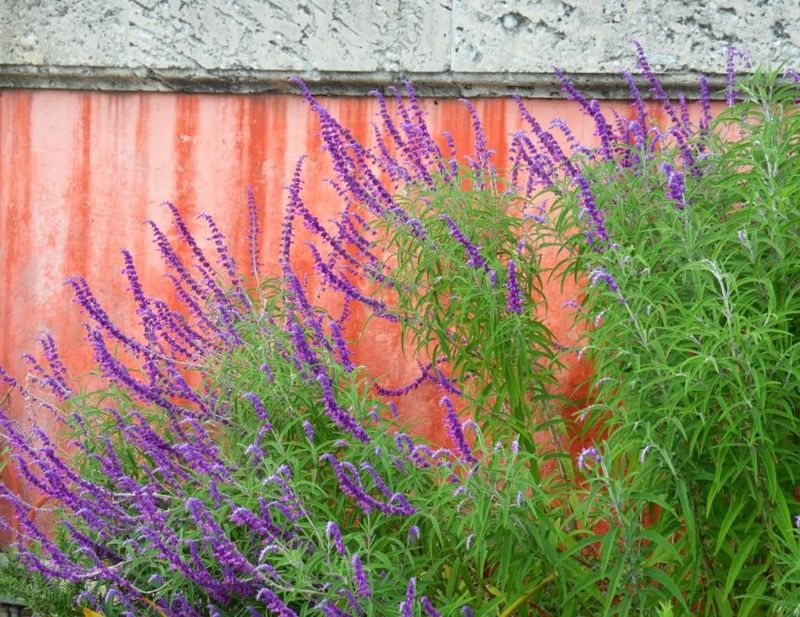
A bare fence in Phoenix or Tucson can look like wasted space, and a few flowering plants could give bees and hummingbirds something to visit. Salvia is a popular pick, but the word covers many different plants with different habits.
Fall is a good time to think about planting in the low desert. Here is how to decide whether a salvia fits your fence line.
Fall can offer a useful planting window in the low desert
Cooler weather makes October a comfortable month to get plants in the ground, and local guidance backs that up. Pima County Extension’s October gardening guide lists salvia among the perennials to plant that month.
That advice is written for Pima County, so it is a local reference point rather than a calendar for every Arizona elevation or climate. Higher and colder areas follow different timing.
The reasoning behind fall planting is simple. Arizona Native Plant Society guidance says fall and winter planting can give roots time to establish before hotter, drier weather arrives.
Think of it as a head start, not a guarantee. Roots will not grow nonstop all winter, and a new plant may not bloom much in its first spring.
Autumn sage is one shrub option for a fence line
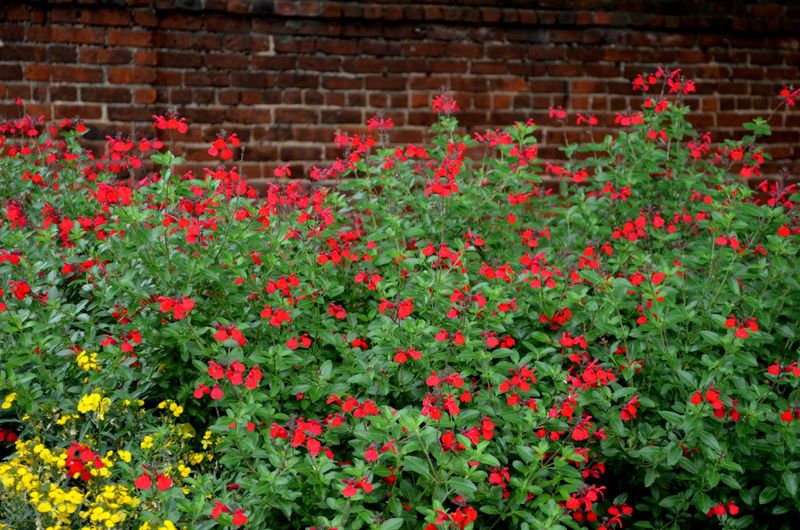
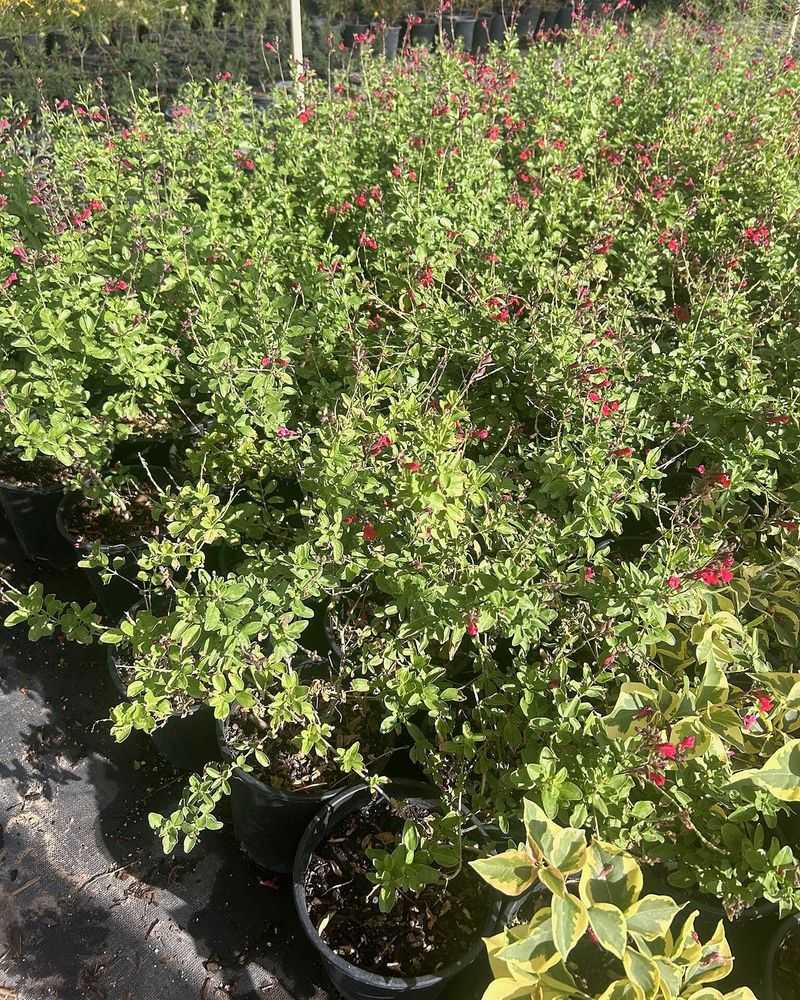
Autumn sage (Salvia greggii) is a specific plant, not a stand-in for every salvia. University of Arizona Extension describes it as usually about 3 by 3 feet, able to bloom in spring, summer, and fall with some water, and valuable to hummingbirds.
It is a useful garden plant here, but it is not an Arizona native. Its cited native range is Texas and Mexico.
Heat-tolerant is fair; water-free or drought-proof is not.
Mature size matters along a fence. A shrub that reaches about 3 feet wide needs elbow room, so a tiny nursery pot set close to the wall will outgrow its spot if you crowd it.
Desert chia offers seasonal flowers, not a lasting hedge
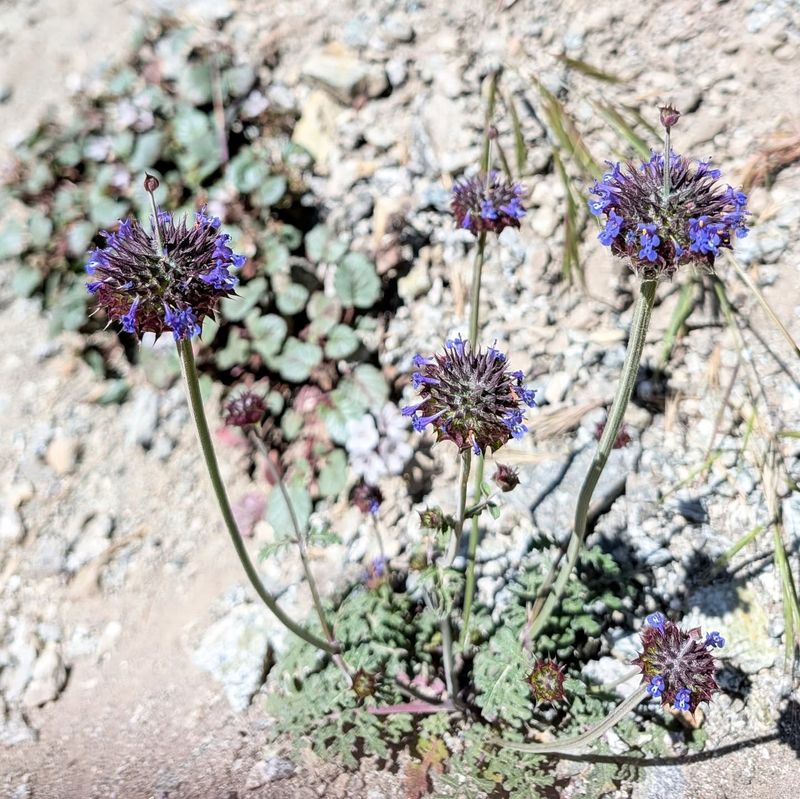
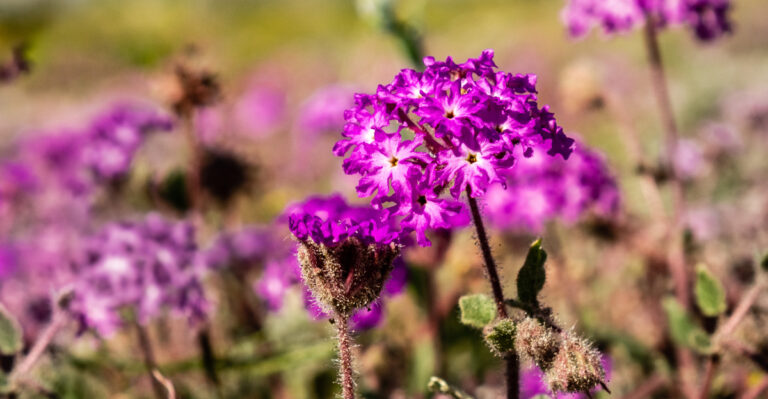
Desert chia (Salvia columbariae) plays a different role. It is an Arizona-native annual, so it lives one season and does not form a permanent row.
According to the Arizona Native Plant Society plant list, its flowers attract native bees, it flowers from March through July, and it can be grown from seed if moisture is provided.
Treat it as a seasonal splash of bloom along the base of a fence. It is not a hummingbird planting, and it will not give you a year-round hedge.
If you like the idea, plan on letting it return from seed rather than expecting the same plant each year.
Choose plants that fit the fence-side site
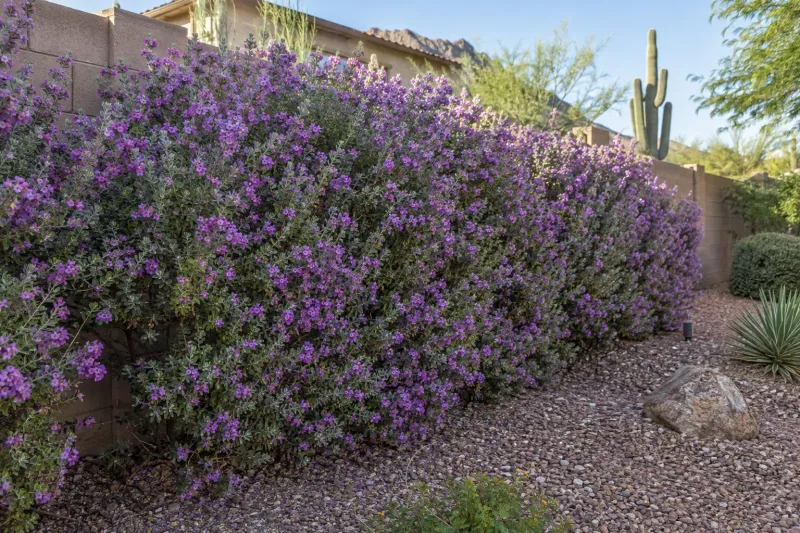
Walk your fence line before you buy anything. A west-facing wall can bake in afternoon sun, while a spot near a downspout or low corner may hold water.
Every fence line is a little different.
Drainage deserves special attention. University of Arizona planting guidelines warn that poor drainage can damage roots, and they suggest checking drainage in shallow, compacted, or heavy soils.
Your Arizona Garden Changes Every Week. Your Plan Should Too.
Gardening in Arizona changes quickly throughout the season. Every Friday you’ll receive a simple weekly plan showing exactly what to plant, prune, fertilize, harvest, and protect so you never miss the right timing.
They also advise matching plants to the site’s climate and microclimate.
Then think about room. If you choose autumn sage, its typical size of about 3 by 3 feet, as noted in the Extension plant profile, is a starting point for spacing, not a fixed layout.
Leave space for growth and airflow.
Water new plants as they establish
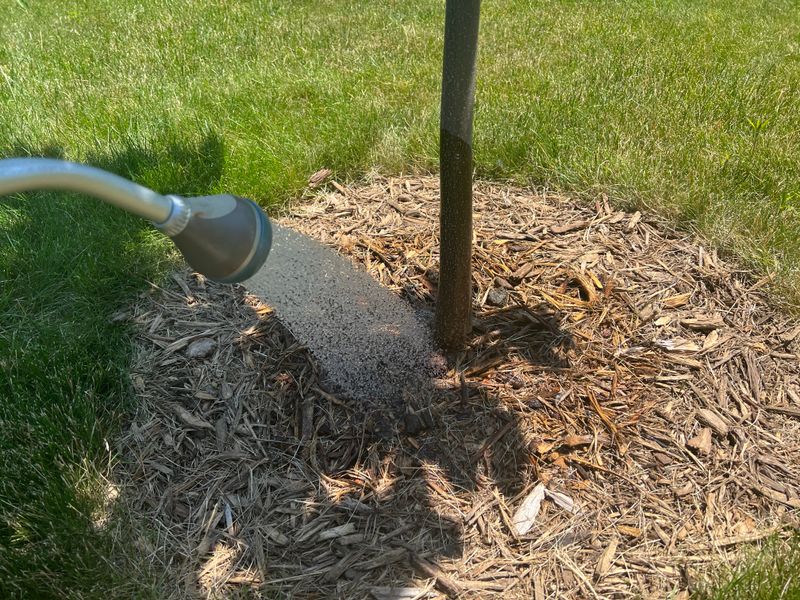
Desert-adapted does not mean no water. A plant suited to a dry landscape can still struggle if it goes thirsty while its roots are settling in.
Arizona Extension planting guidance recommends keeping the root ball moist after planting and adjusting irrigation intervals to the weather. That means a cool, cloudy week calls for less water than a warm, windy one.
No fixed schedule fits every yard, so use your finger. Check the soil near the root ball, and notice whether the plant looks limp.
Over time, you can stretch the gaps between waterings as the plant gets established.
Flowers can help pollinators without creating a guaranteed corridor
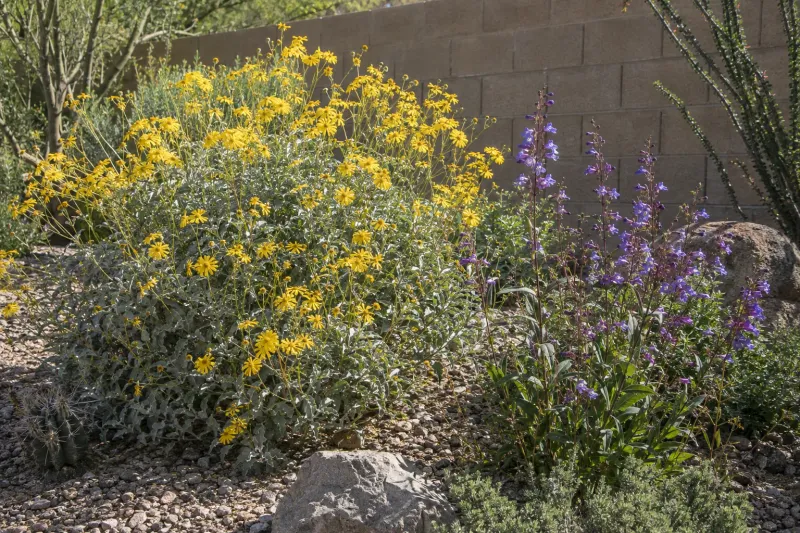
Salvia flowers can add food for pollinators, but they work best as one piece of a bigger planting. The University of Arizona low-desert pollinator guide notes that most pollinators are generalists and recommends blooms across the year.
Salvias do not all bloom on the same schedule. The Extension’s pollinator plant list shows red salvia as an annual blooming May to October, while woodland sage is a perennial blooming May to June.
Weather, exposure, and elevation shift bloom timing and visits. Regional resources such as the Pollinator Partnership’s Arizona and New Mexico planting guide also point to varied habitat.
A corridor by spring, or steady pollinator traffic, is not something a fence row can promise.
Match the salvia to the planting goal
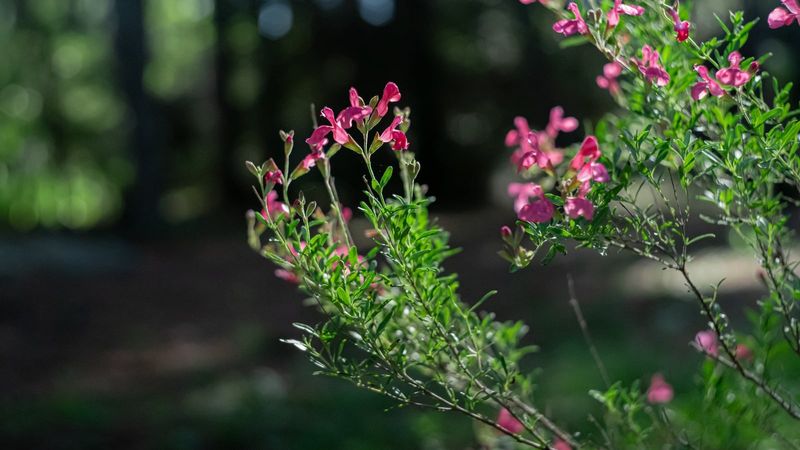
If you want a larger flowering shrub and can give it some water while it settles in, autumn sage is worth a look, especially for hummingbirds.
If seasonal flowers for native bees fit your goal, desert chia is an annual that can grow from seed. Either way, fall is a reasonable start in suitable low-desert conditions, and the same planting-time advice applies.
A fence is a fine place to begin, and the bees will tell you how it went.