What Georgia Gardeners Should Do With Hostas Before Winter (And What To Avoid)
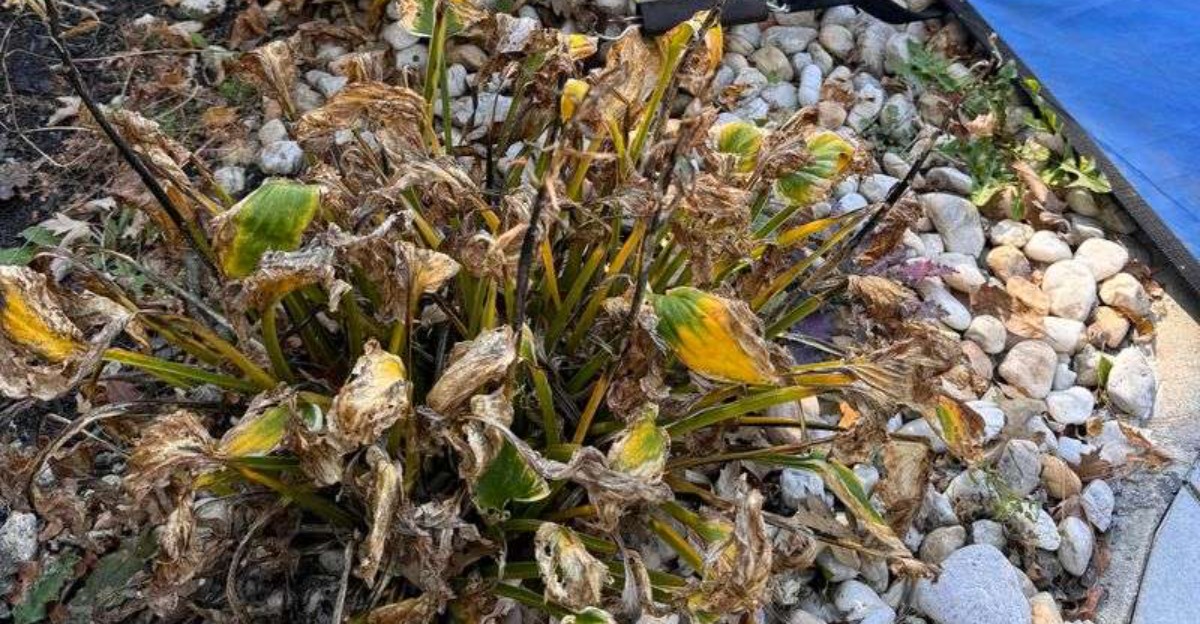
Hosta leaves that looked lush in July often slump into a yellow, soggy heap after the first hard frost.
Most homeowners want that mess gone quickly, especially in beds that line the front walk. How and when you handle it matters more than many gardeners expect, though.
Leaves still holding some green can keep feeding the roots for a little while longer, even as the edges brown.
Old foliage left lying on the bed all winter can shelter slugs and the tiny eggs that bring them back in spring.
Plenty of Georgia gardeners also pile mulch right over the crowns, which can trap moisture in heavy clay soil.
Wait until the leaves have fully collapsed before you cut anything back. Patience at this stage can lead to stronger clumps when new shoots push up next year.
1. Let Leaves Fade Naturally Before Cutting Anything Back
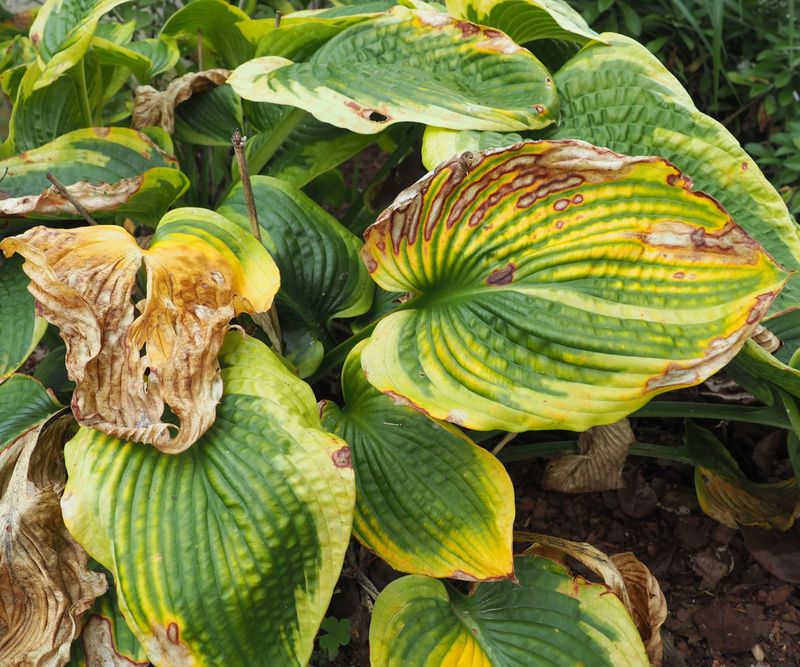
Yellow hosta leaves in October are not a warning sign. They are part of a normal seasonal slowdown, and your plant is still doing useful work during that change.
While leaves fade, hostas can pull some stored nutrients back into their roots and crowns.
Cutting healthy green foliage too early may cut that process short. Most extension guides suggest waiting until leaves have yellowed or collapsed before trimming them away.
In Georgia, timing varies a lot from one area to the next.
Mountain gardens often see hostas fade sooner, while coastal and southern yards may hold color longer into late fall. Watching your own plants works better than picking a single date.
Some gardeners like a neat bed and feel tempted to tidy up right away. A little patience usually pays off here, and a slightly messy look lasts only a few weeks.
Healthy-looking leaves can stay put until they soften and lose their color.
If one leaf is torn or spotted, you can snip that single leaf without trimming the whole plant. Spot cleanup keeps things tidy while letting the rest of the foliage finish fading.
Use clean, sharp pruners when you do cut, and leave a short stub above the crown. Pulling hard on leaves can tug at the crown, so gentle cuts are the safer choice for most plants.
2. Removing Collapsed Foliage After Frost Reduces Slug Hiding Spots
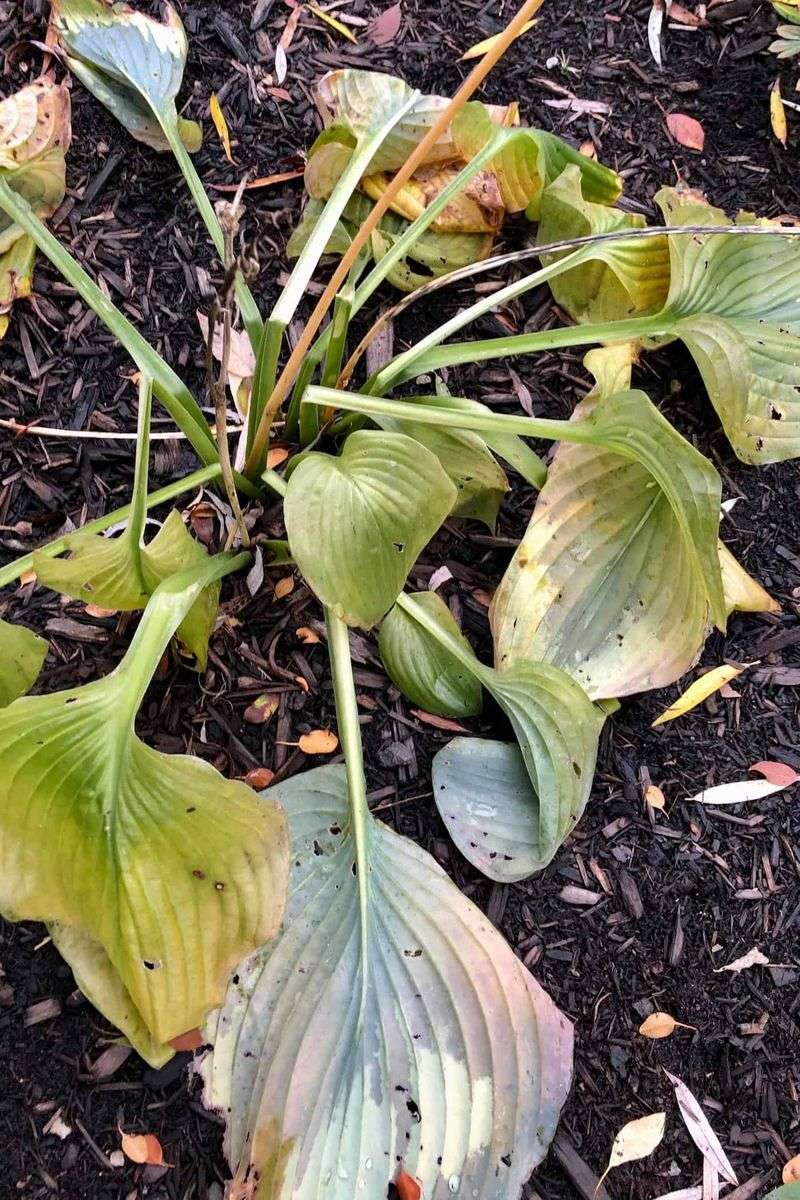
Frost turns hosta leaves into a limp, mushy pile almost overnight. That soggy layer looks harmless, yet it can make a cozy shelter for slugs and snails.
Slugs like cool, damp spots, and wet leaf litter offers exactly that kind of cover.
Clearing away collapsed foliage removes some of those hiding places near the crown. It will not wipe out a slug problem, but it can help lower the number of pests waiting around in spring.
Across much of Georgia, the first frost usually arrives sometime in fall, though the timing differs by region and year.
Once leaves have flattened, cut them close to the ground with clean pruners or a sharp knife. Rake up loose bits so the area around each crown stays fairly open.
Your Georgia Garden Changes Every Week. Your Plan Should Too.
Gardening in Georgia changes quickly throughout the season. Every Friday you’ll receive a simple weekly plan showing exactly what to plant, prune, fertilize, harvest, and protect so you never miss the right timing.
Healthy, pest-free leaves can go into your compost pile.
Slugs may also lay eggs in moist soil and debris, depending on local conditions. A cleaner bed gives you a better chance to spot and handle them early next season.
Try to finish this chore on a dry day if you can.
Wet leaves stick together and tear, which makes cleanup slower and messier. A dry afternoon lets you work quickly and see the crowns clearly, so you avoid stepping on new buds hidden just below the soil.
3. Bagging Diseased Leaves Keeps Problems From Lingering Into Spring
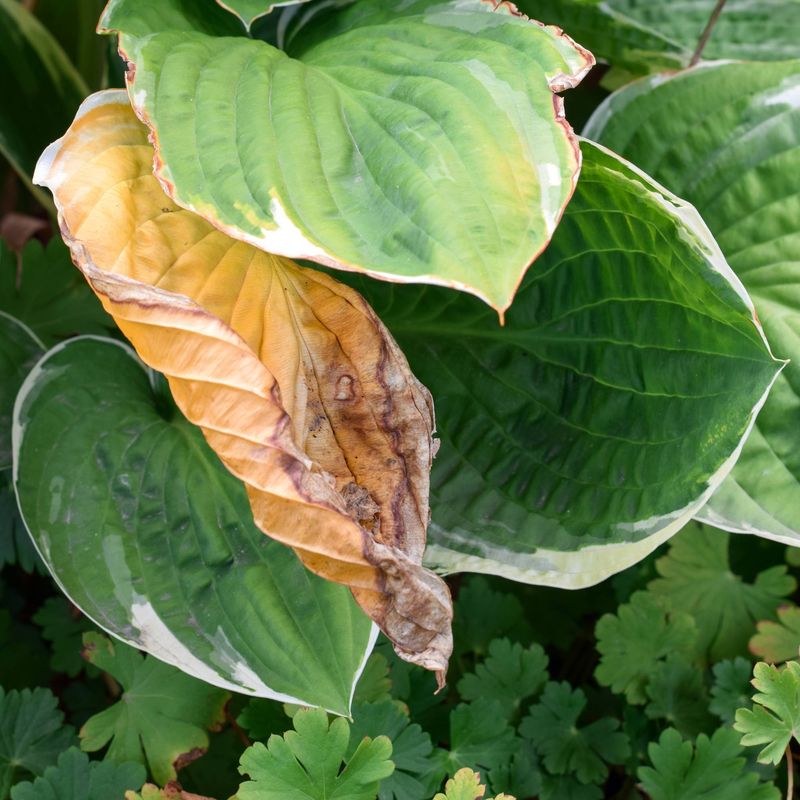
Spotted, blotchy leaves deserve a different exit than healthy ones. Some leaf diseases can hang on in fallen foliage and show up again when warm, wet weather returns.
Anthracnose and other leaf spot problems are among the issues hosta growers may notice.
Brown spots with pale centers, ragged holes, or odd streaks can point to several causes, including disease, pests, or sun scorch. If you are unsure, a sample to your county extension office can help sort it out.
Bagging suspect leaves is a simple, low-cost step.
Most home compost piles do not heat up enough to reliably break down disease organisms. Sending infected foliage out with yard waste, where local rules allow, is usually the safer path.
Hosta Virus X is a more serious concern than ordinary leaf spot.
Plants with mottled, puckered, or ink-bleed patterns along the veins may be infected, though symptoms can be confusing. Georgia extension specialists can confirm a diagnosis, and infected plants are typically removed rather than saved.
Clean your pruners after cutting sick foliage, especially before moving to the next plant. A quick wipe with a household disinfectant helps limit the chance of spreading trouble around your garden beds this fall.
4. Thick Mulch Piled On The Crowns Can Invite Rot And Voles
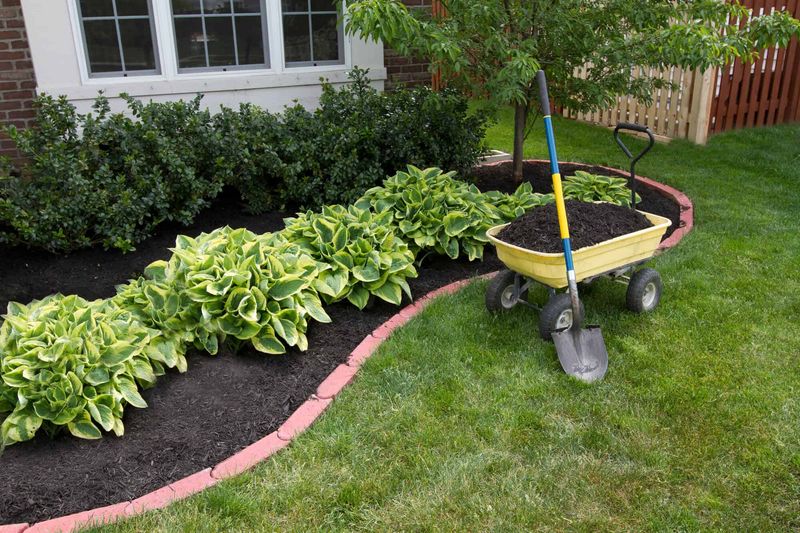
More mulch is not better when it comes to hosta crowns. Heaping a deep layer right on top can trap moisture, and soggy crowns are more likely to rot in wet winters.
Voles may also move in under thick, fluffy mulch.
Those small rodents tunnel through loose cover and sometimes chew on hosta roots and crowns. Mulch does not cause vole problems by itself, but heavy layers can give them a sheltered place to feed.
So what does a sensible approach look like?
A modest layer of pine straw, shredded leaves, or bark spread around the bed helps hold soil moisture and moderate temperature swings. Keep it pulled back a little from the crown so air can reach it.
Georgia winters tend to bring plenty of rain, especially in some months and regions.
Heavy clay soils, common in the Piedmont, can stay wet longer than sandy coastal soils. If your beds drain slowly, go lighter on mulch near the plants.
Hostas are generally hardy across the state, so they rarely need extra insulation piled on.
If you notice tunnels, wilting, or plants that wobble when touched, voles could be the cause, though other problems can look similar. Checking around the crown gently can help you figure out what is going on.
5. Skip Fall Fertilizer While Plants Head Toward Dormancy
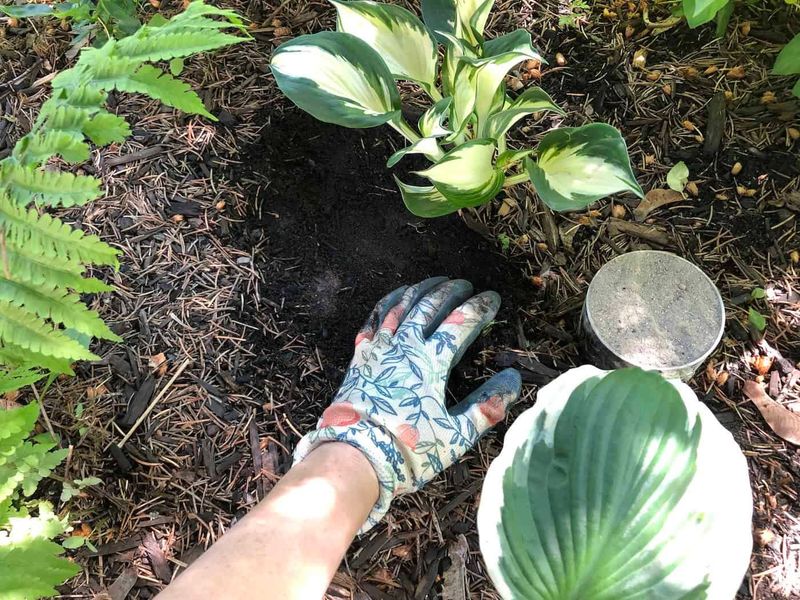
Feeding a sleepy plant rarely makes sense. Hostas are slowing down in fall, and a late boost of fertilizer does not line up well with what they need at that point.
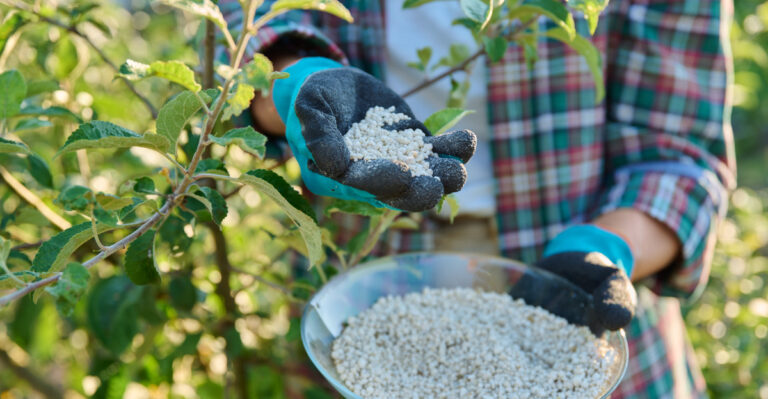
Fertilizer high in nitrogen can push soft new growth.
Tender leaves that appear late in the season may be damaged when cold weather arrives. Even if your plant shows no harm, the nutrients may wash away in winter rains before roots can use them.
Hostas usually do fine with modest feeding.
Most growers apply a balanced, slow-release product in spring as shoots emerge, sometimes with a light follow-up in early summer. Rich soil with plenty of organic matter may need little extra.
A soil test is the most reliable guide, and the University of Georgia Extension offers testing through county offices. Results tell you what your beds actually lack instead of leaving you to guess.
Compost is a different story from synthetic fertilizer.
Spreading a thin layer of compost around beds in fall can improve soil structure over time without forcing a growth spurt. Keep it off the crowns, and treat it as a soil builder rather than a quick plant food.
Save the fertilizer bag for spring, when your hostas can put those nutrients to work.
6. Dividing Clumps Can Wait Until New Shoots Appear In Spring
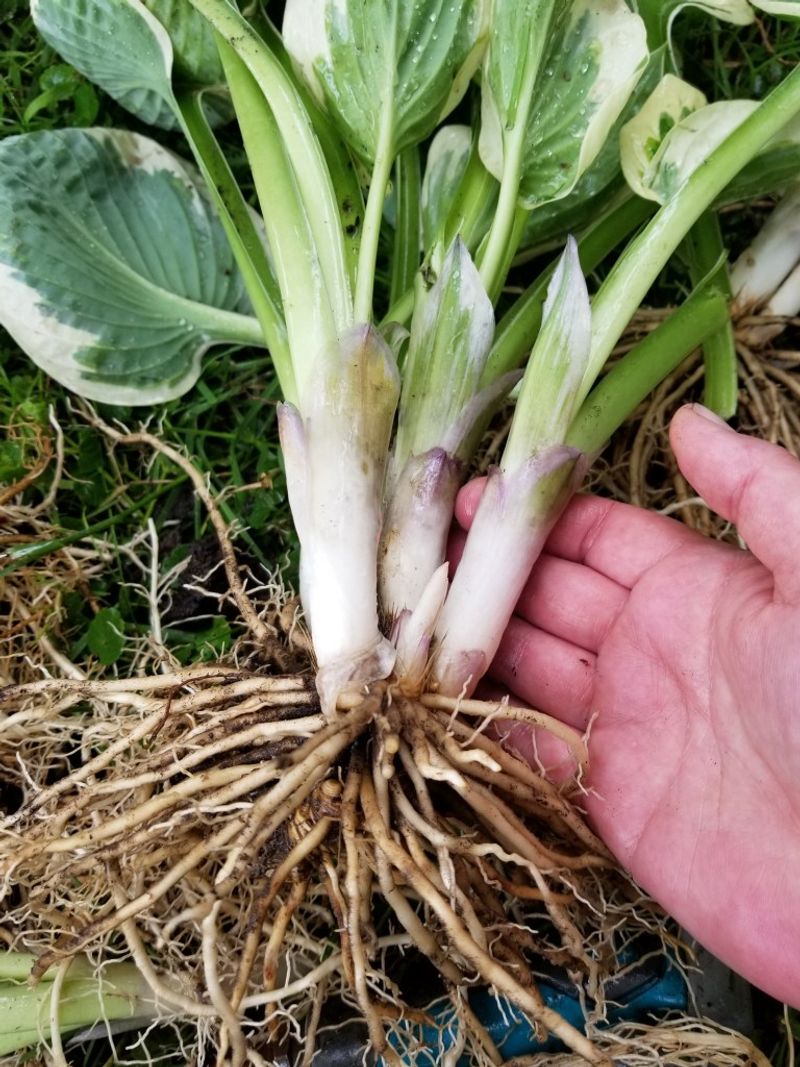
Crowded hostas tempt you to grab a shovel in October. Holding off until spring often makes the job easier and gentler on the plant.
In early spring, pointed shoots called pips poke through the soil.
Those shoots show you exactly where each crown sits, so you can split clumps without guessing. Divisions made then also have the whole growing season ahead to settle in and build roots.
Fall division can work in some cases.
Gardeners sometimes divide in early fall when soil is still warm, giving roots several weeks to grow before winter. Waiting until plants are fading or nearly dormant leaves less time, and success can depend on weather and soil.
In Georgia, early spring weather can swing between warm spells and late frosts.
Keep an eye on forecasts after dividing, and cover new divisions with a light cloth on chilly nights if needed. Regular watering helps replanted pieces get established as the season warms.
Not every clump needs splitting.
Many hostas grow happily for years without division, and some slow-growing varieties prefer to be left alone. Divide when plants seem crowded, show a hollow center, or when you simply want more plants to share around your yard.
7. Winter Chill Helps Hostas Complete Their Dormant Period
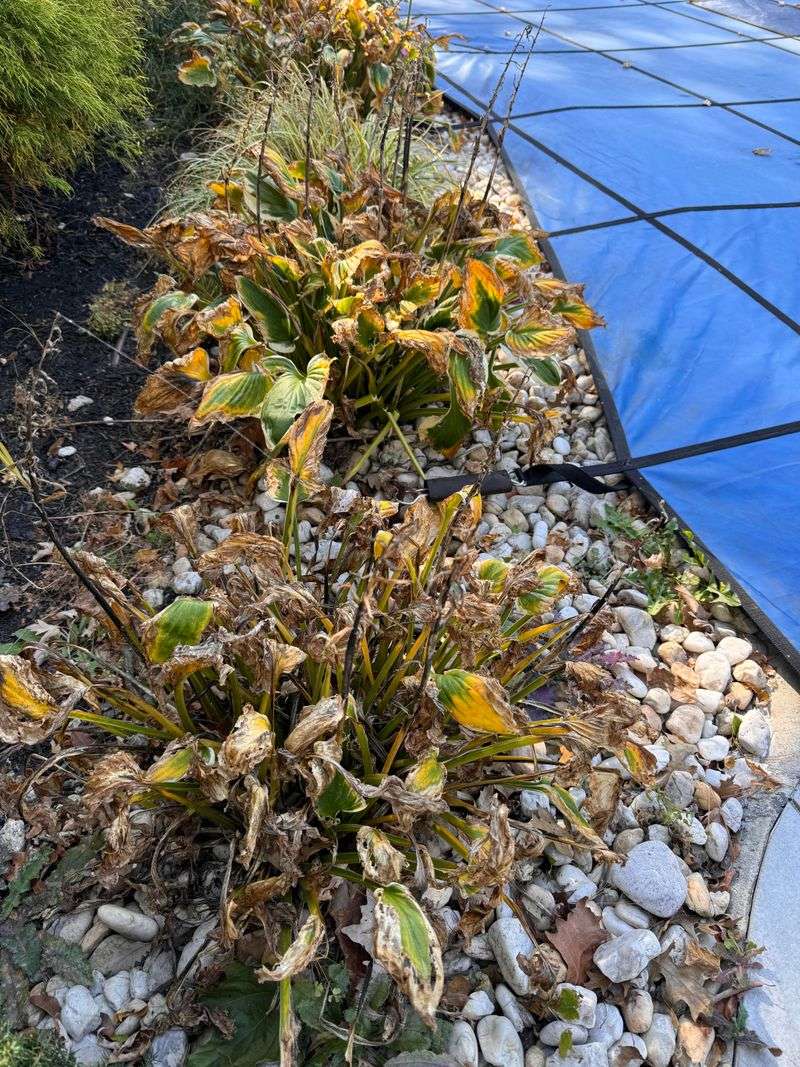
Cold weather is not the enemy here. Hostas need a stretch of winter chill to rest properly, and that rest helps set them up for strong spring growth.
Gardeners sometimes worry when beds go bare and quiet.
An empty patch of soil in January is exactly what a resting hosta looks like. Covering plants with plastic or bringing potted ones into a warm house can interfere with that natural cycle.
Most of Georgia gets enough cold for hostas to perform, especially in the north and central areas.
Gardens near the coast and in the far south receive milder winters. Some hostas may grow less vigorously there, and certain varieties are known to handle warmer areas better than others.
Local nurseries can point you toward hostas that do well in your area.
Potted hostas are a slightly different case. Containers can freeze through more easily than ground soil, so grouping pots in a sheltered spot or sinking them into the ground may offer some protection.
Let winter do its quiet job.
Skip heavy watering on cold days, since soggy soil in winter can raise the chance of crown rot. If weather stays dry for weeks, an occasional drink on a mild day is usually enough until shoots return in spring.