Why Moles Are Still Tunneling Through Ohio Lawns In November

The ground should be sleeping by now, yet fresh ridges keep appearing across your Ohio lawn like someone is running a tiny subway under the grass.
Neighbors figure the critters would have quit with the cold. They haven’t.
Something keeps them busy well past the point when most yard pests pack it in, and the cause has nothing to do with your turf at all.
Many homeowners respond by firing up every gadget in the garage. Spikes, sprays, and noisemakers fill the shed, and the ridges keep coming anyway.
A smarter move starts with understanding the animal and what it’s actually chasing.
Once you know that, the whole picture changes, including which fixes make sense this time of year.
Press a foot on a fresh ridge tomorrow morning and see what happens next. The tunnel will tell on itself.
1. Moles Don’t Hibernate
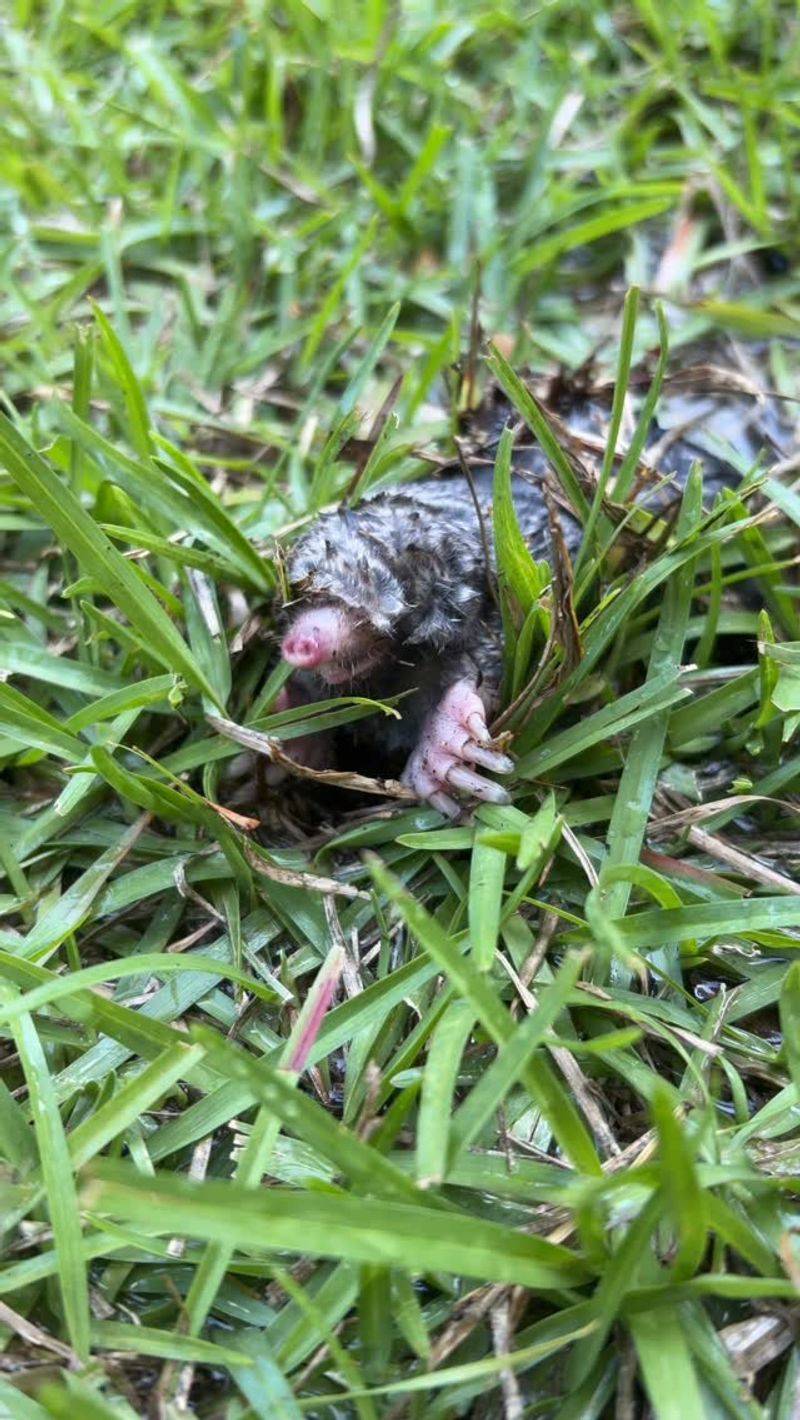
Picture a tiny furry digger that skips winter break entirely. Bears nap and chipmunks snooze, but moles keep clocking in all year long.
Moles stay active through cold snaps, snow cover, and hard freezes. They cannot store much body fat, so they need a steady stream of food to keep going.
Taking a months-long nap simply is not an option for them.
Many Ohio homeowners believe moles vanish when cold weather arrives. In truth, the activity just becomes harder to spot.
A dormant brown lawn or a blanket of snow hides the ridges and mounds that seemed so obvious in September.
Underground, the work continues day and night. Moles hunt in short shifts, rest briefly, then get right back to digging.
Their tunnels keep growing even when the yard above looks calm and quiet.
Knowing this helps you plan smarter. If you spotted mole damage in October, the same animals are likely still there in November.
Waiting for winter to solve the problem usually means more tunnels to deal with come spring.
Fun fact: an Eastern mole can feel its way through total darkness using sensitive whiskers and its pink, twitchy snout. Its eyes are tiny and barely useful, but its sense of touch is amazing.
Those skills make winter darkness no big deal for this busy little excavator.
2. Fall Rains Push Earthworms Toward The Surface
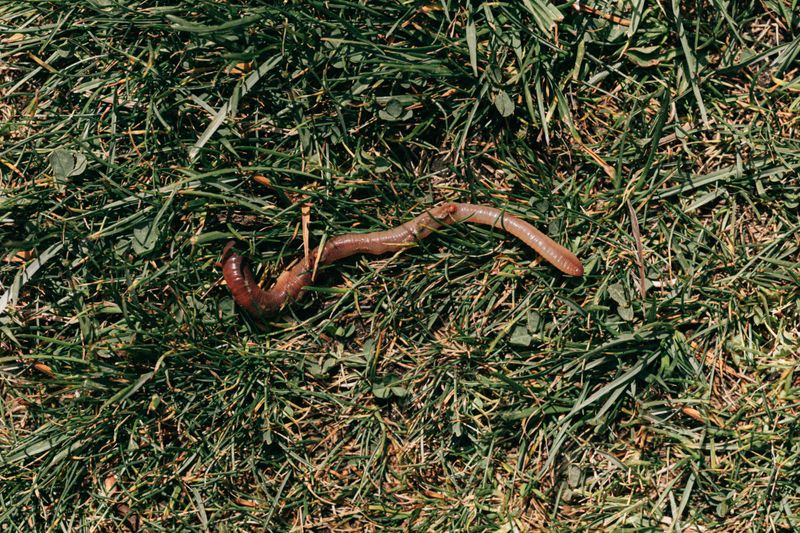
Ever notice worms wriggling across your driveway after a soggy autumn storm? That same rain is sending a dinner invitation straight to the moles in your yard.
Ohio falls often bring plenty of cool, steady rain. Damp soil turns soft and crumbly, which makes digging easy work for a mole.
Hard, dry ground takes more effort, so moles tend to stay deeper during droughts.
Moist soil also changes where earthworms hang out. When the ground gets wet, worms move up closer to the surface.
They feed on decaying leaves and organic matter, which is plentiful in November.
Moles follow their food wherever it goes. When worms rise, moles rise with them, pushing new ridges just under the grass.
A heavy rain on Tuesday can mean fresh tunnels by Wednesday morning.
Your Ohio Garden Changes Every Week. Your Plan Should Too.
Gardening in Ohio changes quickly throughout the season. Every Friday you’ll receive a simple weekly plan showing exactly what to plant, prune, fertilize, harvest, and protect so you never miss the right timing.
Here is a handy tip for homeowners. Walk your lawn the day after a good soaking and look for new raised lines.
Those fresh runs show you exactly where moles are working right now.
Overwatering in late fall can make things worse. If your sprinklers are still running in November, consider shutting them off.
Your lawn needs much less water as temperatures drop, and drier soil may be a bit less inviting to hungry tunnelers.
3. Earthworms, Not Grubs, Are Their Main Food

Ask most neighbors what moles eat, and you will probably hear one word: grubs. That guess is understandable, but it misses the real star of the menu.
Earthworms make up somewhere between 55 and 93 percent of a mole’s diet. The Eastern mole, the kind most common in Ohio, is an insectivore whose whole life revolves around finding worms.
Grubs and beetle larvae get eaten too, but only as side dishes.
Those extras usually make up just 5 to 20 percent of what a mole consumes. Think of grubs as the chips next to the sandwich.
They are nice to have, yet nobody built the meal around them.
Now for a jaw-dropping number. A single mole needs to eat 60 to 100 percent of its body weight every day.
Over a year, that adds up to roughly 50 pounds of prey, mostly wiggly worms.
That huge appetite explains the endless digging. A mole cannot slow down for long, because its body burns fuel fast.
Every tunnel is basically a search party for the next snack.
Here is the funny part. Healthy lawns with rich soil often have lots of earthworms.
So a mole visit can be a backhanded compliment about how good your dirt really is.
4. That’s Why Grub Treatments Rarely Help
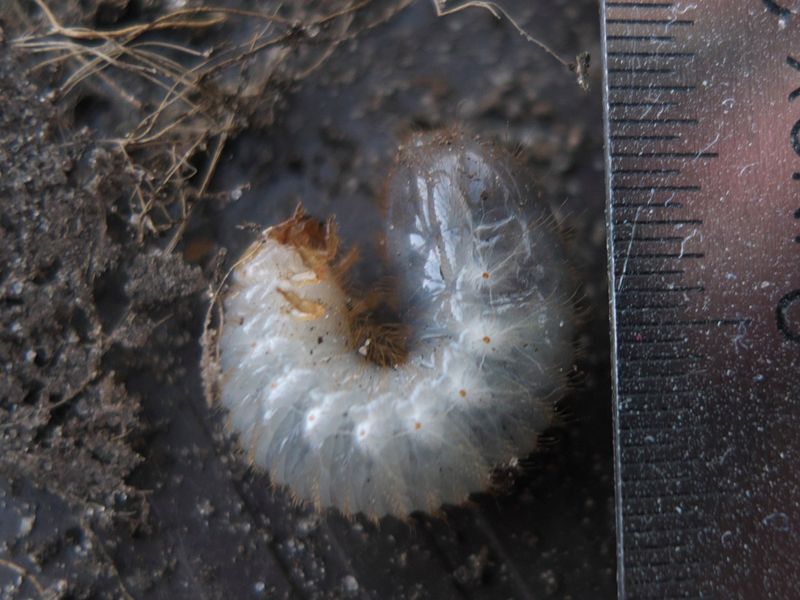
Many folks have walked out of a garden store with a big bag of grub control, sure the mole trouble was about to end. A few weeks later, the ridges were still there, and the wallet was a little lighter.
The math simply does not work in your favor. Grubs are a small slice of a mole’s diet, so wiping them out removes only a tiny part of the food supply.
The earthworm population stays right where it was.
As long as worms are plentiful, moles have every reason to stick around. They may barely notice the grubs are missing.
Some may even dig more as they hunt a bit harder for food.
Grub products also tend to be expensive. Spending money on them for mole control usually means paying for a fix that targets the wrong problem.
There are good reasons to treat grubs, though. If you see brown patches of turf that peel back like carpet, grubs may be chewing the roots.
In that case, a treatment can protect your grass.
Just keep the two problems separate in your mind. Grubs harm grass roots, while moles mostly cause tunnels and mounds.
Solving one does not automatically solve the other, so plan your fall budget with that in mind.
5. Shallow Runs Serve Their Fall Feeding
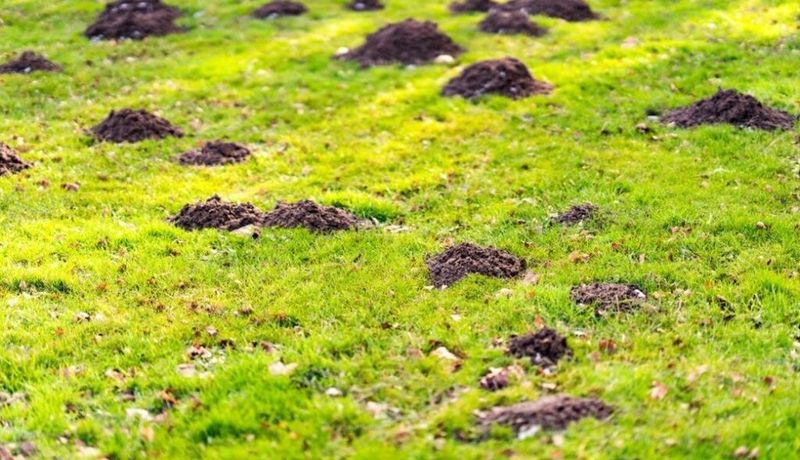
Those wiggly raised lines across your lawn look like someone drew on the grass with a crayon. They are actually feeding tunnels, and a mole can build them shockingly fast.
In fall, moles dig shallow runs just under the surface. They are chasing earthworms and insects that moved upward with the extra moisture.
The result is a squiggly ridge that often looks like it wanders with no plan.
Moles can dig these surface tunnels at around 18 feet per hour. That is like a person digging a tunnel the length of several football fields in one afternoon.
No wonder your yard changes so quickly overnight.
Many of these runs are temporary. A mole might pass through once, grab a few worms, and never return.
Others connect to main travel lanes the mole uses again and again.
You can test which tunnels are active with a simple trick. Gently press down a short section of each ridge with your foot.
Check back in a day or two, and any raised spots show you a mole is still using that path.
Shallow runs can loosen grass roots and dry out turf. Pressing ridges back down and watering lightly helps the roots reconnect with the soil, keeping your lawn looking tidier through winter.
6. Deeper Tunnels Will Carry Them Through Winter
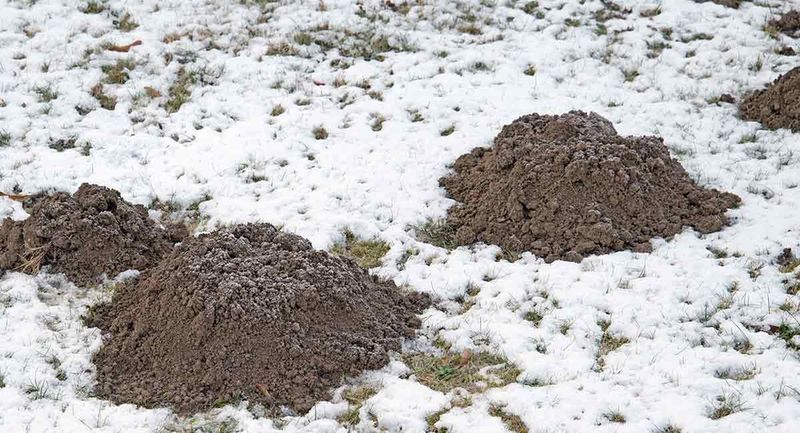
When the first hard freeze stiffens the top layer of soil, moles do not panic. They simply head downstairs to a cozier floor of their underground home.
These deeper tunnels usually sit about 8 to 18 inches below the surface. That puts them under the frost line, where the soil stays softer and a bit warmer.
Think of it as a basement apartment with natural insulation.
Earthworms and insects also move deeper as the weather cools. So the moles are not just hiding from the cold.
They are following their food to a new level of the buffet.
Moles also build nests in these deeper areas. Lined with grass and leaves, the nests give them a safe, sheltered place to rest between hunting trips.
It is a smart setup for getting through an Ohio winter.
For homeowners, this shift has a sneaky side effect. You may see fewer fresh ridges in December and January, and it can feel like the moles moved out.
In reality, they are just working out of sight.
Watch for mounds of loose dirt popping up during mild winter spells. Those piles come from deeper digging, as moles push extra soil up to the surface.
They are a quiet clue the crew is still on the job.
7. Fall Is A Good Time To Make Peace With Your Moles
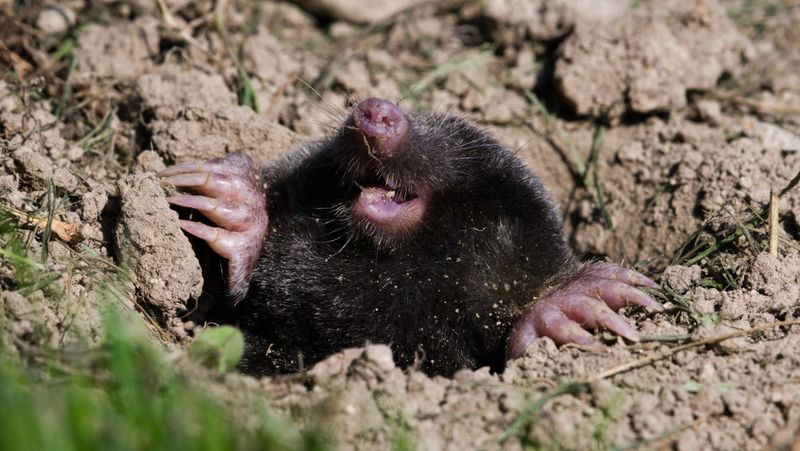
Moles are nature’s tiny tillers. As they dig, they loosen packed soil and let air and water reach grass roots.
That is especially helpful in Ohio’s heavy clay, which tends to pack down hard.
They also snack on grubs and other insects that can chew on grass roots. Your underground visitor is part of the pest control crew, even if it leaves a messy trail.
Most mole damage is cosmetic. The ridges and mounds look bad, but the grass usually recovers once the soil settles.
So what can you do in the meantime? Press raised ridges back down with your foot or a lawn roller, and water lightly so roots reconnect with the soil.
Rake mounds of loose dirt flat instead of leaving them in piles. That soil is rich and crumbly, so spread it around as a free top dressing.
In spring, overseed any thin spots the tunnels left behind. A thick, healthy lawn hides future runs much better.
Remember the backhanded compliment from earlier. A yard full of moles is usually a yard full of earthworms, and that means your soil is in great shape.
8. Underground Barriers Protect The Spots That Matter Most

The good news is that you can protect your favorite spots without harming a single mole. The secret is a barrier they cannot dig through.
Hardware cloth, a sturdy galvanized wire mesh, works best. Choose openings no bigger than about half an inch.
Dig a narrow trench around the bed you want to protect, about 18 to 24 inches deep. Set the mesh upright in the trench, then bend the bottom few inches outward, away from the bed, in an L shape.
That outward bend stops moles from simply digging underneath. Leave a few inches of mesh above the ground so they cannot hop over the top.
Fall is a great time for this project. The soil is soft from autumn rain, and most garden beds are empty and easy to work around.
Building raised beds? Lay hardware cloth across the bottom before you add soil.
That one step keeps moles, voles, and other diggers out for years.
Barriers take some effort, so save them for the areas you care about most. Let the rest of the lawn be shared ground.
If moles ever become a serious problem, call a licensed wildlife professional and ask about humane options before you decide anything.
9. Castor Oil And Home Remedies Have Little Value

Chewing gum stuffed in a tunnel, a handful of human hair, a buzzing stake in the ground. Folk remedies for moles could fill a quirky cookbook, but sadly most do not deliver.
Castor oil products are probably the most popular option. At best, they may push moles away for a short time.
They rarely remove the animals or give you a long-term fix.
Mothballs, hair, and gum tend to show spotty results at most. Ultrasonic devices promise to scare moles off with sound, yet studies and field experience show little lasting effect.
Moles live in a noisy, vibrating world already.
The bigger risk is wasted time. While you test one trick after another, moles keep digging new runs.
A small problem can quietly grow into a lawn-wide mess.
Some remedies may even shuffle moles around rather than solve anything. They might leave one corner of the yard and pop up in your flower bed.
That is more of a relocation than a result.
Mothballs deserve extra caution. They contain chemicals that can harm pets, kids, and soil, and using them outdoors may break label rules.
Save your money and energy for steps that truly work, like barriers around your favorite beds and a little lawn repair, and your yard and its moles can share the space in peace.