Kentucky Bluegrass Or Tall Fescue? September Is When The Difference Really Matters In Ohio
September puts these two grasses to a real test, and the wrong pick shows itself fast once Ohio temperatures start swinging.
You might think Kentucky bluegrass and tall fescue behave the same way once fall rolls around, but they respond to cooling soil and shorter days on completely different timelines. One recovers from summer stress at a pace that catches homeowners off guard.
The other handles Ohio’s unpredictable early frosts in a way the first one simply can’t match.
Seeding windows, watering needs, and even mowing height start to diverge sharply this month, and picking the wrong routine for your grass type can undo weeks of good intentions.
Figure out which one’s actually growing in your yard before you commit to a September routine. The difference matters more right now than at any other point in the year.
1. Know Which Grass Handles Ohio Winters Better
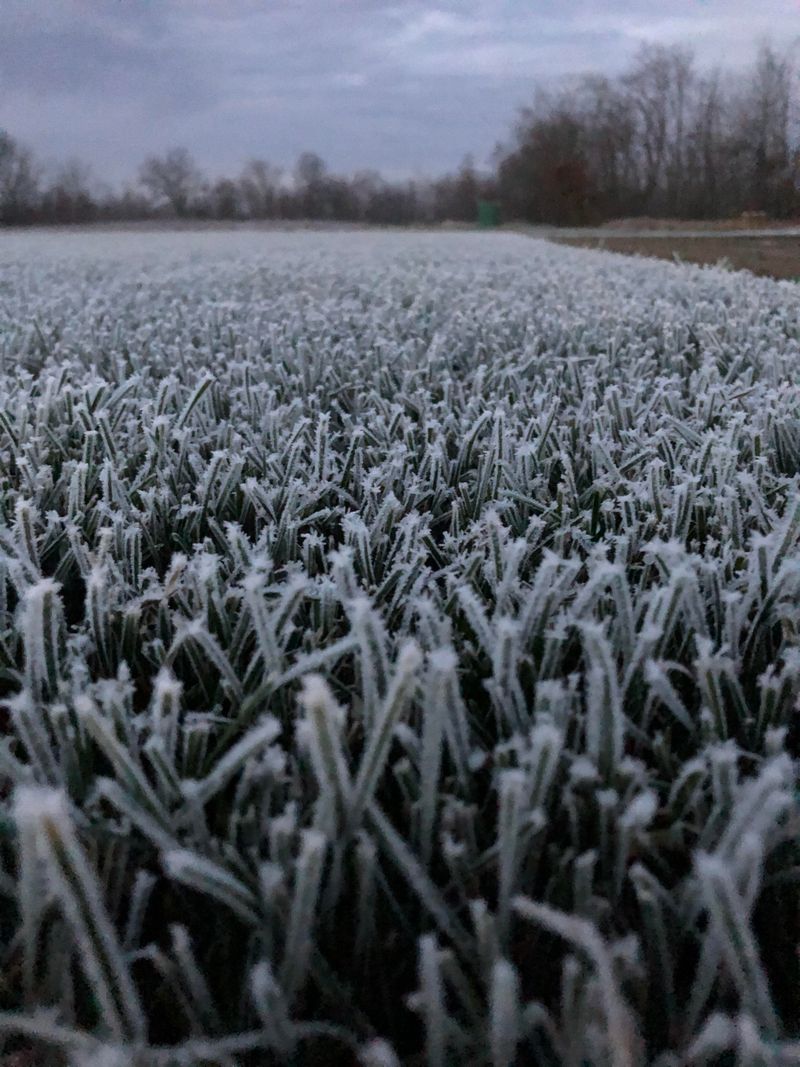
Ohio winters do not ask permission. Wind whips across open yards, snow piles up, and freeze-thaw cycles push and pull at the soil all season long.
Both Kentucky bluegrass and tall fescue are cool-season grasses, which means they were built for exactly this kind of climate. They slow down in winter, hold their crowns close to the ground, and wait for spring.
Bluegrass, though, has the stronger cold-weather reputation. It is a standard choice across the northern states because it shrugs off deep freezes and bounces back thick in spring, thanks to underground stems called rhizomes that spread and refill any rough spots.
Tall fescue is cold hardy too, and modern turf-type varieties handle winters just fine in most yards. In especially cold, exposed conditions, Kentucky bluegrass can have an advantage because of its strong winter hardiness.
What does that mean for you in September? If your lawn sits exposed to wind or gets scraped bare by plows near the driveway, leaning toward bluegrass in your seed mix gives you extra insurance.
For most central and southern yards, either grass rides out winter without drama. Knowing which one you have simply helps you predict how fast it wakes up once March rolls around.
2. Compare Roots Before Choosing A Seed
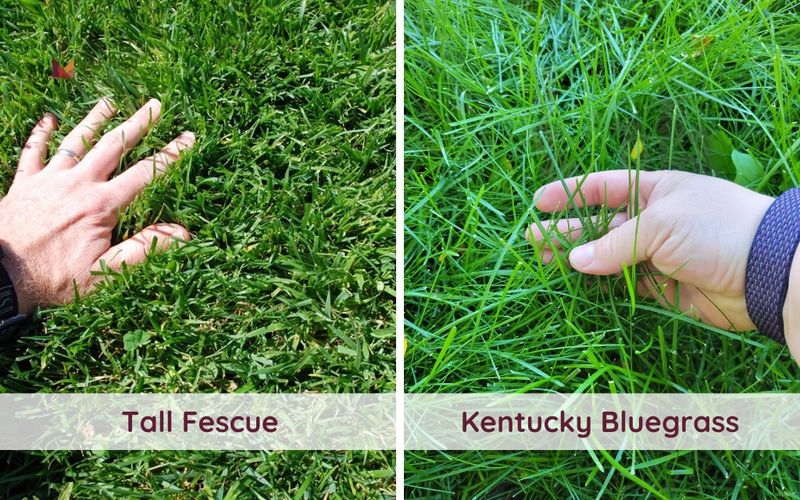
Picture two neighbors digging wells. One drills thirty feet down, the other scoops a shallow hole and hopes for rain.
That is roughly the difference between tall fescue and Kentucky bluegrass underground. Tall fescue can develop a substantially deeper root system than Kentucky bluegrass when soil conditions allow.
Kentucky bluegrass keeps things close to home, with most roots sitting four to eight inches down and occasionally stretching to twelve inches. That shallow network works fine when moisture is steady, but it runs out of options fast during a dry July.
Root depth explains almost every practical difference between these two grasses. Deeper roots mean better drought tolerance, more heat resistance, and less panic when the sprinkler ban shows up.
Shallower roots mean quicker response to fertilizer and watering, plus that dense carpet look bluegrass fans love.
Before you buy a bag of seed this September, think about how much babysitting your lawn realistically gets. If you travel in summer or forget the hose exists, fescue roots do the work for you.
Your Ohio Garden Changes Every Week. Your Plan Should Too.
Gardening in Ohio changes quickly throughout the season. Every Friday you’ll receive a simple weekly plan showing exactly what to plant, prune, fertilize, harvest, and protect so you never miss the right timing.
If you enjoy a weekly watering routine and want that golf-course texture, bluegrass rewards the attention. Many homeowners split the difference with a blend and get a bit of both.
3. Match Each Grass To Your Soil
Anyone who has tried to dig a post hole in Ohio knows the truth: our soil is often thick, sticky clay that turns into pottery by August.
Clay compacts easily, holds water after storms, then cracks when things dry out. Grass roots have to fight for air and space in that kind of ground.
Tall fescue handles the challenge better. It adapts to a wide range of soils, tolerates compaction, and rides out those wet-then-dry swings without sulking.
It prefers a slightly acidic to neutral pH, right around 6.0 to 6.5.
Kentucky bluegrass is pickier. It shines in full sun with loose, well-drained, fertile soil and a steady moisture supply.
Plant it in compacted clay under a shade tree and you will be reseeding every year.
September is the smart time to check what you are working with. A simple soil test through your county extension office tells you pH and nutrient levels for a few dollars.
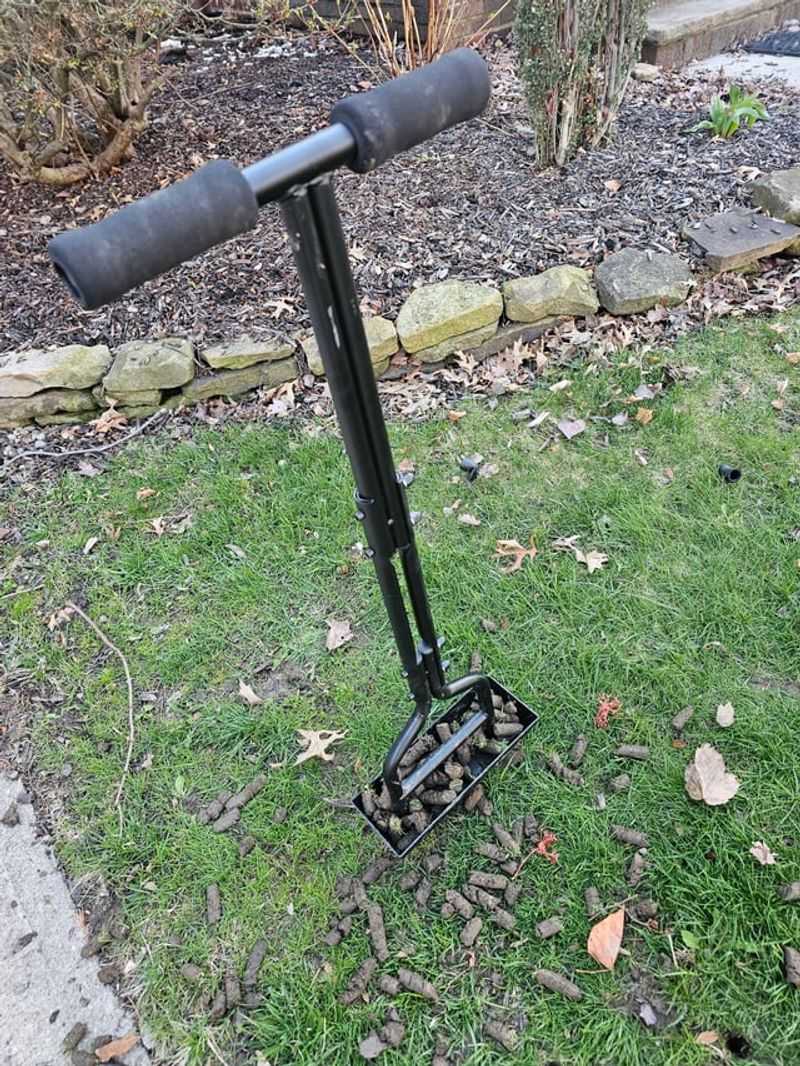
Core aeration this month pulls plugs out of compacted clay and opens channels for air, water, and new roots. Topdressing with a thin layer of compost afterward softens heavy ground over time.
Match the grass to the dirt and everything else gets easier.
4. Use September To Repair Thin Turf
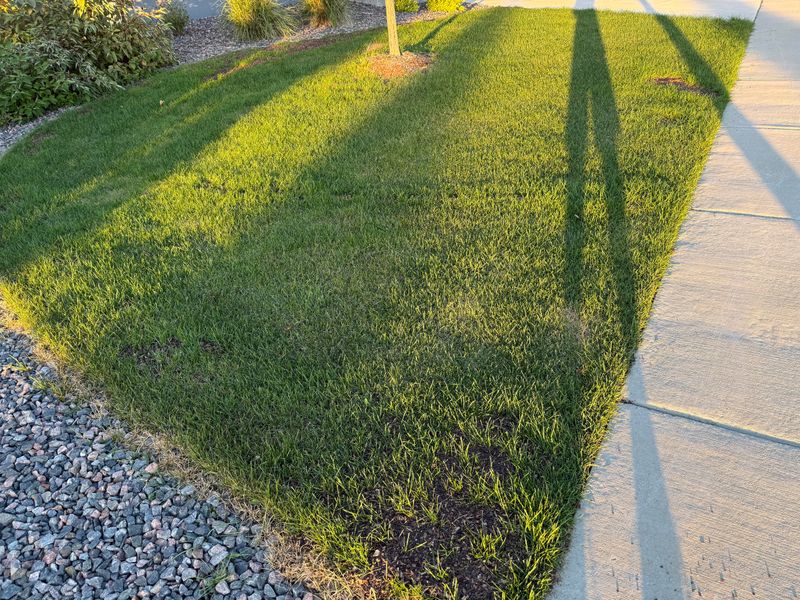
For cool-season lawns in Ohio, September is one of the most important months for repair and establishment.
Everything lines up at once. Air temperatures cool off, rain becomes more dependable, and the soil still holds enough summer warmth to sprout seed quickly.
Cool-season grasses also shift into serious root growth right now. New seedlings get weeks of comfortable weather to establish before frost, instead of the brutal heat that ruins spring seeding attempts.
Start by being honest about the damage. Walk the yard and mark thin areas, bare strips along walkways, and spots scalped by the mower.
Core aerate first if the ground feels hard underfoot. Those plugs relieve compaction, improve drainage, and create perfect little pockets where seed can settle in and touch actual soil.
Seed-to-soil contact matters more than the amount of seed you use. Rake lightly, spread at the recommended rate, then keep the top inch of soil damp with short daily waterings until sprouts appear.
Skip crabgrass preventer in any area you are seeding, since it blocks grass seed from germinating too.
Do the work in early September rather than late, and your repaired patches head into winter with real roots instead of wishful thinking.
5. Choose Fescue For Drier Lawn Conditions

Ever notice one yard on the block staying green in August while the rest go tan? Odds are decent that lawn is tall fescue.
Those long roots reach moisture sitting well below the surface, the water that shallow-rooted grasses cannot touch. That single advantage carries fescue through most dry spells.
During active growth it wants roughly an inch of water per week, but it tolerates gaps between waterings far better than bluegrass. Homeowners often keep quality turf using thirty to fifty percent less irrigation.
In plenty of Ohio summers, an established fescue lawn coasts through without any supplemental watering at all.
Sunny slopes, strips along hot driveways, and yards without irrigation systems are perfect candidates. So are homes where the water bill already stings.
September is when you set this up. Seed turf-type tall fescue now and it germinates in about seven to twelve days, giving it a solid head start before cold weather.
Choose a modern turf-type variety rather than old pasture fescue, which produces coarse, clumpy blades nobody wants in a front yard.
One caution: fescue grows in bunches instead of spreading. Seed generously and plan a light overseeding every couple of years to keep the stand thick.
6. Give Bluegrass More Help During Drought
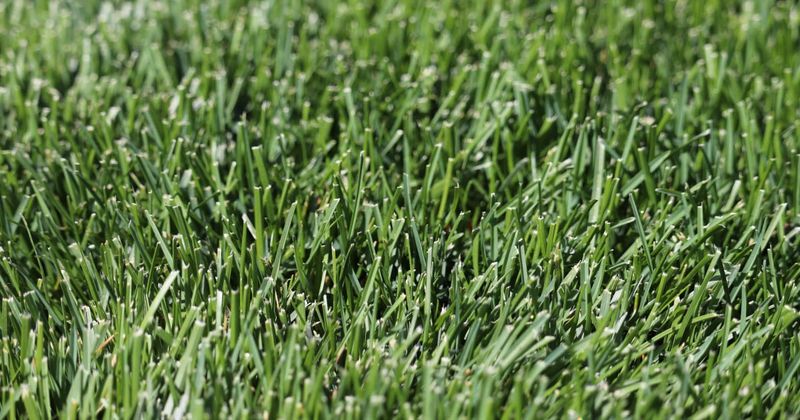
Kentucky bluegrass is the diva of the cool-season world, and honestly it earns the attention with that deep blue-green color.
The trade-off is thirst. With roots mostly in the top four to eight inches, bluegrass runs low on moisture quickly once rain stops.
When summer turns hot and dry, it responds by going dormant and browning out. Dormancy is a survival trick rather than a problem, and the lawn usually greens back up after rain returns.
Still, thirty to forty-five days without meaningful water pushes a bluegrass lawn into full dormancy. Traffic during that stretch can thin it out noticeably.
To keep it green through an Ohio summer, plan on about an inch and a half of water weekly. Deep, less frequent soakings beat daily sprinkles, because they encourage roots to chase moisture downward.
Early morning watering reduces evaporation and lets blades dry before evening.
Here is the September payoff. Bluegrass spreads by rhizomes, so a healthy fall means it will knit itself back together over thin areas without much help from you.
Feed it now, water it well through any warm September stretch, and raise the mower a notch. Strong fall roots make next summer far less stressful for both of you.
7. Time Fall Fertilizer Around Active Growth
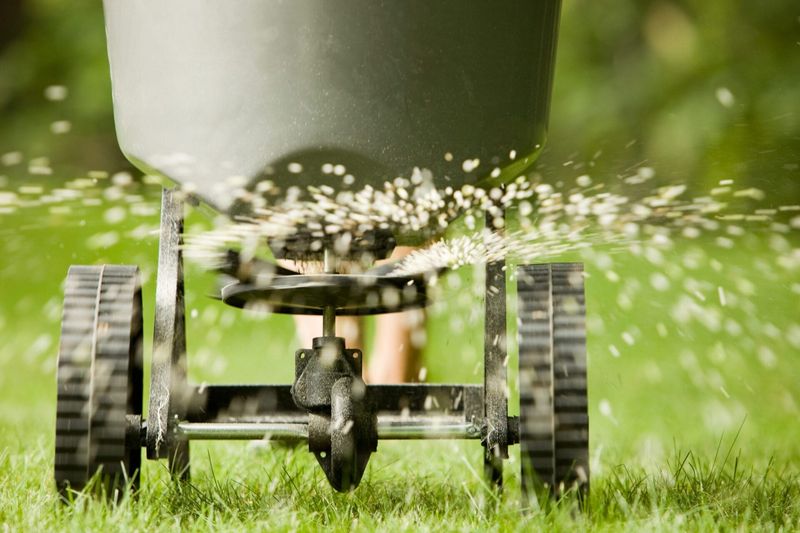
Fall feeding is the closest thing lawn care has to a cheat code. From September through November, cool-season grasses put their energy into roots and crowns instead of leafy top growth.
An early September application helps turf recover from summer stress and fuels root development while soil is still warm. That feeding also supports any new seedlings you started this month.
The second key window comes in early November, before the ground freezes. A winterizer application helps grass store carbohydrates, which translates into winter toughness and a faster, greener wake-up in spring.
Watch soil temperature rather than the calendar. Grass responds to what is happening underground, and Ohio weather rarely follows a tidy schedule from year to year.
Amounts differ by grass type. Annual nitrogen needs vary by grass type, soil, and maintenance goals, so follow a soil test and the recommendations for your specific lawn rather than relying on one fixed rate.
Sweep stray granules off driveways and sidewalks so they do not wash into storm drains. Water lightly after spreading unless rain is already on the way.
Skip heavy nitrogen in late spring. Fall is when the same bag of fertilizer does considerably more good for your lawn.
8. Overseed With The Right Grass For Your Yard
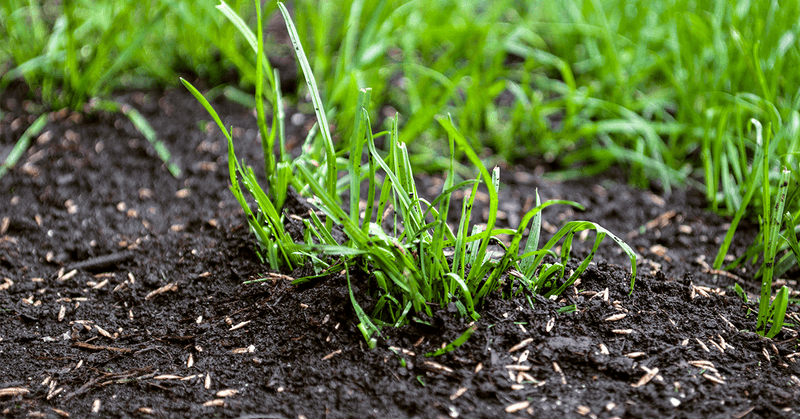
Timing separates a successful overseeding from a bag of wasted money. In Ohio, the sweet spot runs from mid-August through late September, sometimes stretching into early October.
Soil temperatures between fifty and sixty-five degrees with air in the sixties and low seventies create ideal germination weather.
Grass choice changes your final date. Kentucky bluegrass is slow, taking fourteen to twenty-one days to sprout, so it needs to go down early in that window.
Tall fescue pops in seven to twelve days, which gives procrastinators a little breathing room.
Consider how each grass behaves after it establishes. Fescue is a bunch grass, growing in clumps that do not creep sideways to patch bare ground, so overseeding every two or three years keeps it dense.
Bluegrass spreads through rhizomes and repairs itself, which is why it handles kids, dogs, and soccer games so gracefully.
Plenty of lawns do best with a blend of turf-type tall fescue, Kentucky bluegrass, and perennial ryegrass. The ryegrass sprouts fast and holds soil, the fescue supplies drought toughness, and the bluegrass fills gaps over time.
Read the seed label before buying. Look for high germination rates, named varieties, and a weed seed percentage close to zero.
9. Pick The Turf That Fits Your Maintenance Style

Be honest with yourself about weekends. The best grass for your yard is the one matching how much time you actually want to spend on it.
Tall fescue is the low-key option. It gets by with less water, fewer fertilizer trips, and about two to three pounds of nitrogen per thousand square feet each year across two or three applications.
Mow it at three inches or taller and it looks great while shading out weeds. Taller blades also protect those deep roots from heat.
Kentucky bluegrass asks for more. Plan on three to five pounds of nitrogen annually across three to five feedings, plus steadier watering to hold that rich color and tight density.
It likes a mowing height between two and a half and three inches, and it responds beautifully to consistent care. If you genuinely enjoy lawn work, bluegrass gives back what you put in.
Fun fact: Kentucky bluegrass is not native to Kentucky at all. European settlers brought it over, and it spread so well through the bluegrass region that the name stuck.
Whichever you pick this September, keep mower blades sharp and mow often enough to remove only a third of the height at a time.