Should Your Bird Feeder Stay Up This Winter? What New York Bird Experts Say
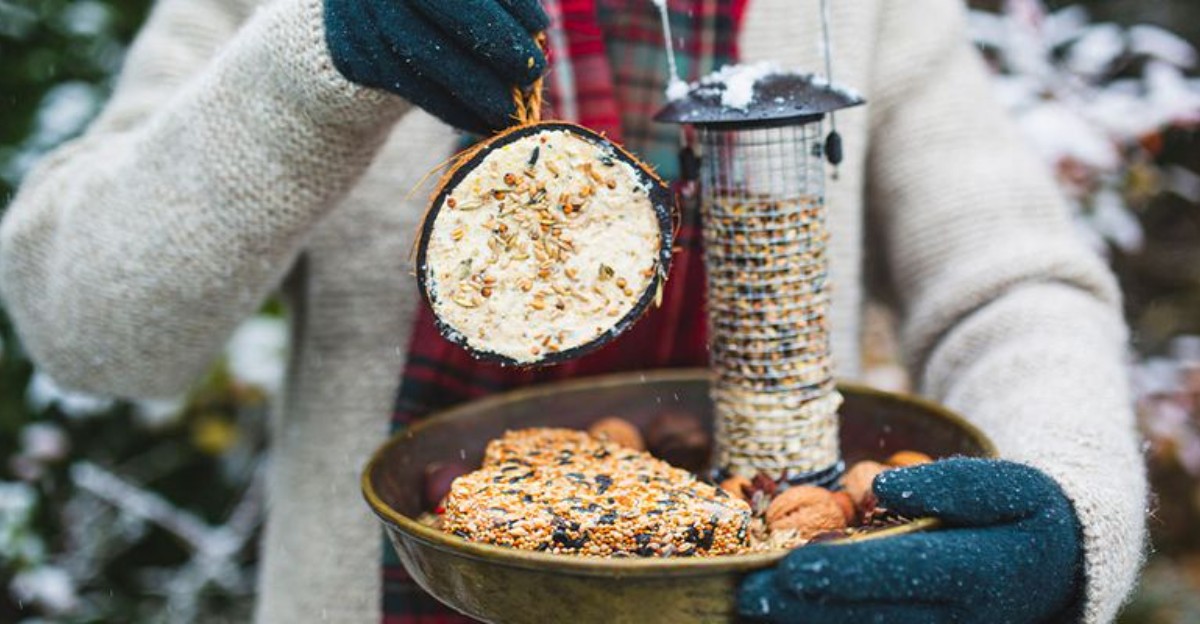
A bright red cardinal on a snowy feeder is one of the best free shows in New York. Then a neighbor mentions bears, rats, or sick finches, and suddenly your cheerful hobby feels complicated.
So should that feeder stay up or come down? The answer depends on where you live, who visits your yard, and how often you clean it.
In a bitter cold snap, a feeder can be a lifeline for birds. In the wrong spot at the wrong time, it can become a dinner bell for guests you never invited.
Below, we break down what wildlife experts actually recommend, from bear season timing to cleaning routines. You’ll also find easy ways to help birds without the headaches.
Most New Yorkers Can Keep Feeding Birds
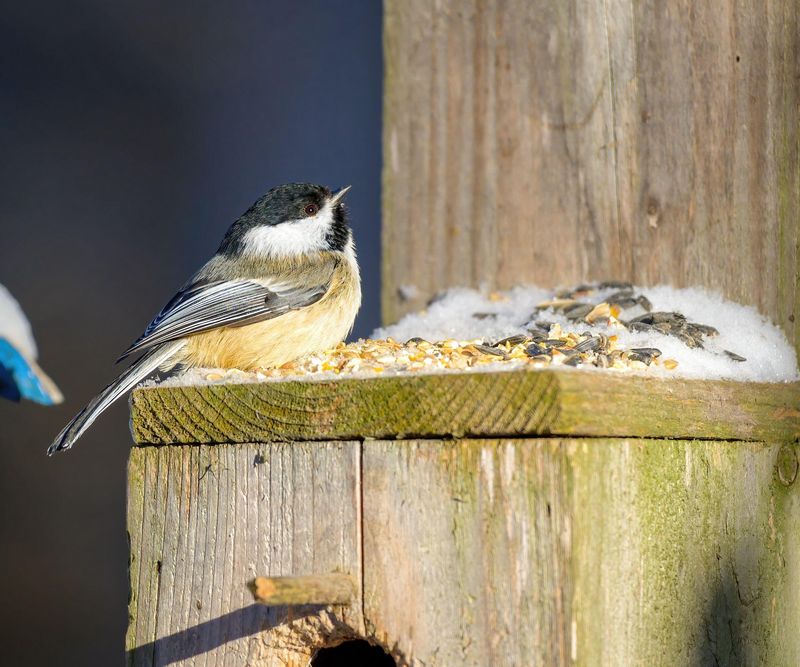
Good news first: if a chickadee is tapping at your window, you probably do not need to panic. For most homes across the state, feeders can stay up with a little care.
Experts at the state Department of Environmental Conservation focus their warnings on specific areas and situations. City yards, suburban lots, and many rural spots carry fairly low risk.
Birds burn a surprising amount of energy just staying warm and active. A full feeder gives them a dependable snack when wild seeds and insects run low.
Feeding also brings real joy to the people watching from the kitchen table. Cardinals, blue jays, juncos, and woodpeckers can turn a plain yard into a lively show.
Still, a feeder works best as a supplement, not a full menu. Wild birds get most of their food from nature, even when feeders are close by.
Pick quality foods that match the birds you hope to see. Black oil sunflower seed draws the widest crowd, while suet keeps woodpeckers and nuthatches happy.
Placement matters more than many people realize. Set feeders within three feet of a window or farther than 30 feet to reduce collisions.
Before deciding anything, think about your local wildlife and how clean you can keep things. Those two factors shape nearly every expert recommendation in the sections ahead.
Many bird clubs and nature centers around the state host feeder counts each winter. Joining Project FeederWatch lets your backyard sightings help scientists track bird populations.
Bears Make Feeders Risky In Some Areas
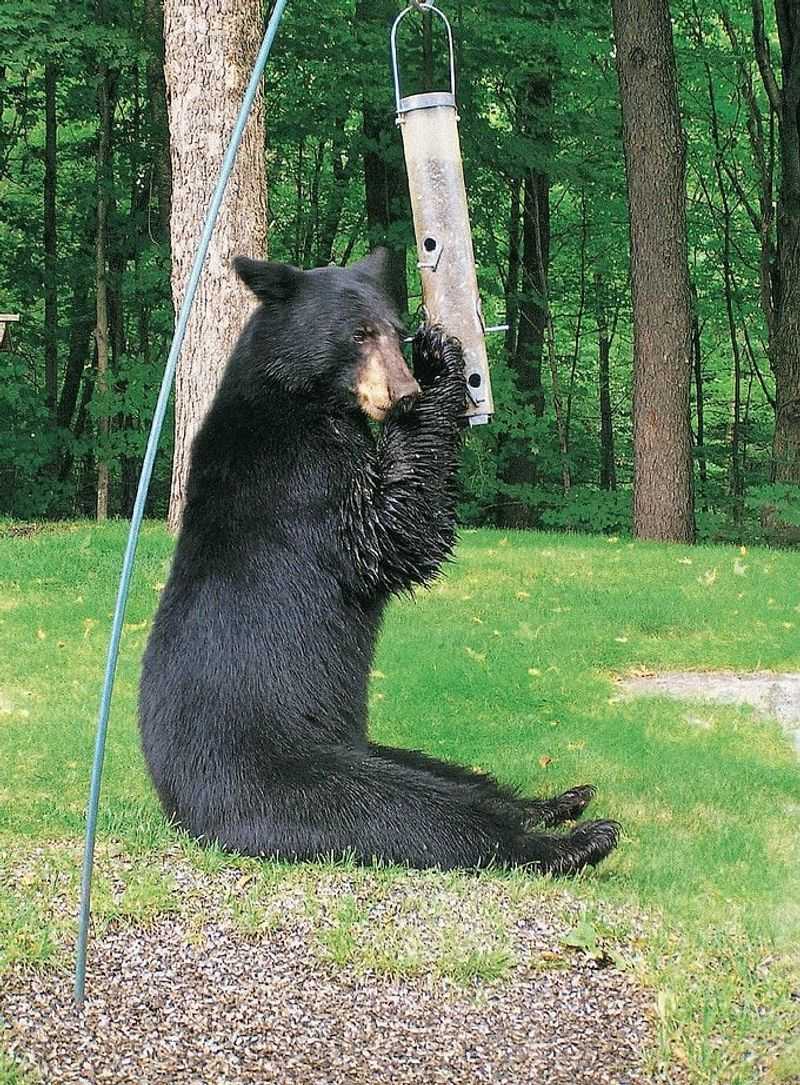
Picture a 300-pound black bear swinging from your tube feeder like a kid on monkey bars. Folks in parts of upstate New York do not have to imagine it.
Black bears live across much of the Adirondacks, Catskills, and Southern Tier. Sightings also pop up in the Hudson Valley and western regions each year.
Birdseed is a dream food for a bear because it packs loads of fat and calories. One feeder can hold more energy than hours of foraging for berries or grubs.
According to the DEC, bird feeders are a leading cause of bear problems around homes. State reports have linked feeders to the large majority of bear conflicts near houses.
Once a bear finds an easy meal, it tends to return again and again. Over time, it may lose its natural fear of people and wander closer to porches.
That shift creates real danger for families, pets, and the bear itself. Bold bears may need to be removed by wildlife officials, a sad ending for everyone.
Feeding bears on purpose is illegal in New York, too. Leaving feeders out after a bear visits can also lead to warnings from officials.
Watch for bent poles, chewed feeders, or muddy paw prints near the deck. Any of these clues means it is time to bring everything inside right away.
Neighbors matter here, since one open feeder can draw bears to a whole street. Talk with nearby households so everyone follows the same smart habits.
Wait Until Bears Den Before Hanging Feeders In Bear Country
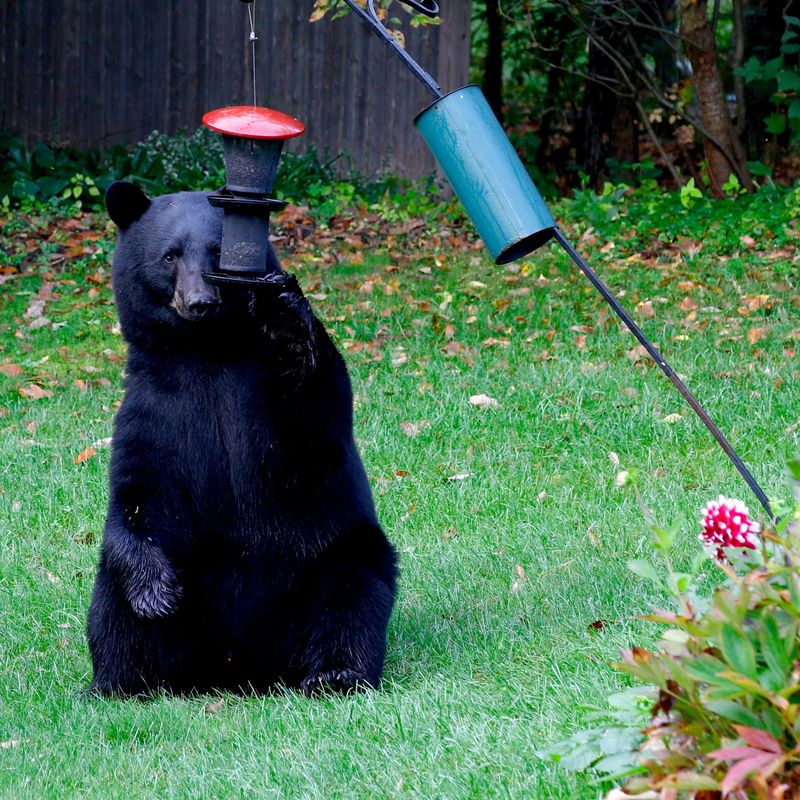
Timing is the secret weapon for bird lovers who share the woods with bears. The DEC’s advice is simple once you learn the calendar.
In bear country, take feeders down by April 1, as bears start waking up. Hungry bears leave their dens in early spring with very little natural food available.
Feeders should stay put away until bears settle into dens, usually around late November or early December. Mild falls can push that date later, so watch local conditions.
Some people think bringing feeders in at night solves the problem. Sadly, bears often forage in daylight, so a daytime feeder still works like a dinner bell.
Cleanup counts just as much as the feeder itself. Rake up spilled seed and hulls before spring so the ground does not tempt a curious nose.
Store extra birdseed inside a locked garage or sturdy shed. A bag on the porch can draw a bear as quickly as a full feeder.
During the warmer months, birds find plenty to eat without our help. Insects, seeds, and berries are plentiful, so your flock will not go hungry.
Dates can shift as the state updates its guidance. Check the DEC website each year before hanging feeders back up for winter.
A birdbath makes a great summer swap if you miss the visitors. Fresh water draws robins, catbirds, and warblers without offering bears a calorie-packed reward.
Spilled Seed Can Draw Rodents And Coyotes
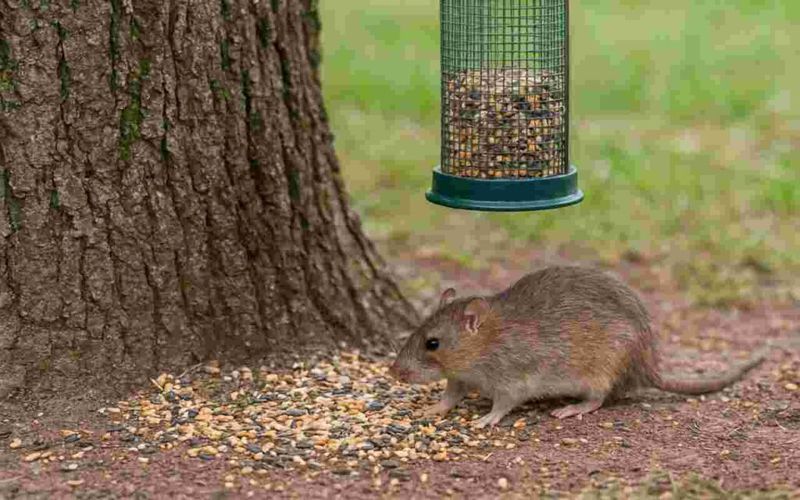
Birds are messy eaters, and the ground below a feeder proves it. Finches and sparrows toss aside seeds they dislike, building a buffet for other animals.
Mice, rats, chipmunks, and squirrels quickly discover that free meal. In crowded neighborhoods, rats near a feeder can become a real headache.
Small mammals tend to bring bigger visitors along behind them. Coyotes and foxes follow rodents, while raccoons, skunks, and opossums snack on leftover seed.
Most of those animals are harmless from a distance. Even so, nobody wants a skunk under the deck or a coyote eyeing a small dog.
Cutting waste is the best fix. Choose seed blends without fillers like milo and red millet, which many birds simply kick aside.
Hulled sunflower chips, often sold as hearts, leave almost no shells behind. Less mess means fewer reasons for wildlife to linger under your feeder.
Seed trays attached below feeders can catch fallen bits before they reach the grass. Empty those trays every few days so they do not turn into a moldy mess.
Sweep or rake under feeders once a week, especially after windy days. Store seed in metal cans with tight lids, since rodents chew straight through plastic bins.
If rats show up anyway, pause feeding for a few weeks. Most rodents move on once the easy food disappears.
Clean Feeders Regularly To Prevent Disease
Would you eat off a plate nobody washed for months? Birds face that exact situation when feeders go uncleaned, and it can make them very sick.
Crowded feeders let germs spread from bird to bird surprisingly fast. Salmonella, house finch eye disease, and trichomoniasis are a few common problems experts mention.
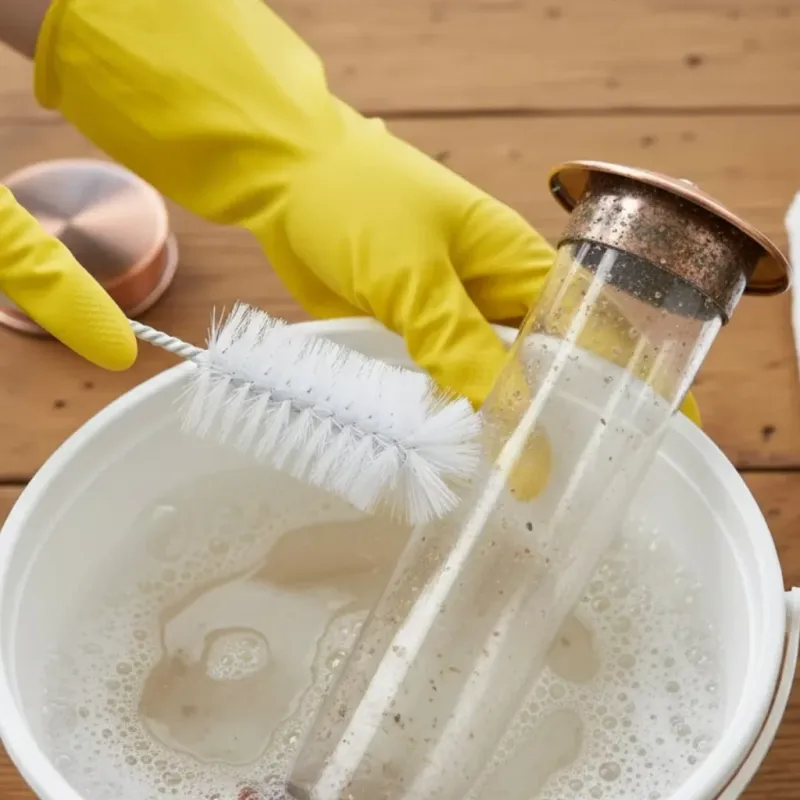
The fix is easy and takes about twenty minutes. Scrub feeders every two weeks with hot, soapy water and a long bottle brush.
Next, soak them in a mix of one part bleach to nine parts water. Rinse well afterward so no bleach smell lingers on the perches or ports.
Let every piece dry fully before refilling, since damp seed grows mold quickly. Wet weather can turn seed clumpy within days.
Gloves are smart during cleaning, and hand washing afterward is a must. Bird droppings can carry germs that affect people, too.
Clean more often during warm, rainy spells or when crowds of birds visit. Hummingbird feeders need fresh nectar every few days in summer heat.
Hulls and droppings pile up under feeders over time. Rake that layer away regularly so birds feeding on the ground stay healthy.
Keeping two sets of feeders makes the routine easier. Swap in a clean set while the dirty ones soak and dry.
Wooden feeders are harder to sanitize than plastic or metal ones. If you buy new, choose models that come apart easily for scrubbing.
Take Feeders Down If Sick Birds Appear
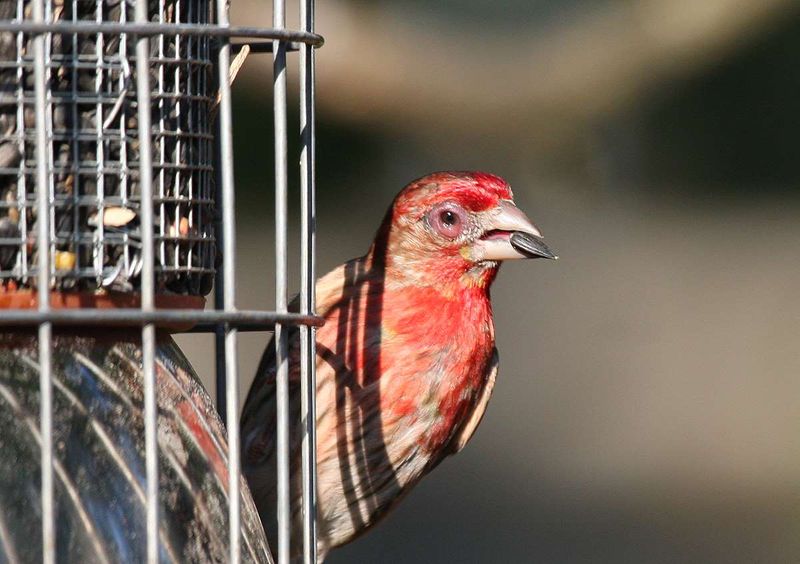
One puffy, sleepy finch at the feeder may look cute, but it could signal trouble. Sick birds often act differently from their busy, alert neighbors.
Watch for crusty, swollen, or closed eyes, which often point to house finch eye disease. Fluffed feathers, slow movements, and wobbly balance are other warning signs.
When you spot these symptoms, take down all feeders and birdbaths for one to two weeks. A break encourages birds to spread out, which slows the spread of illness.
Use that time to scrub and disinfect every feeder, tray, and bath. Rake up old seed, hulls, and droppings under the feeding area as well.
Try not to handle sick birds with bare hands. Wear gloves if you must move one, then wash up carefully.
A licensed wildlife rehabilitator can help with a sick or injured bird. The DEC keeps a list of rehabilitators across the state on its website.
Report unusual numbers of sick or lifeless birds to the DEC. Your report helps experts track outbreaks, including avian flu, across the state.
Pets should stay away from sick birds, too. Keep cats indoors, since an easy catch could also spread germs.
After the break, return clean feeders and keep watching closely. If sick birds reappear, pause again and space feeders farther apart.
Spreading feeders out helps because crowding is a major driver of disease. Several smaller stations work better than one packed hub.
Winter Feeding Helps Birds Through Cold Snaps
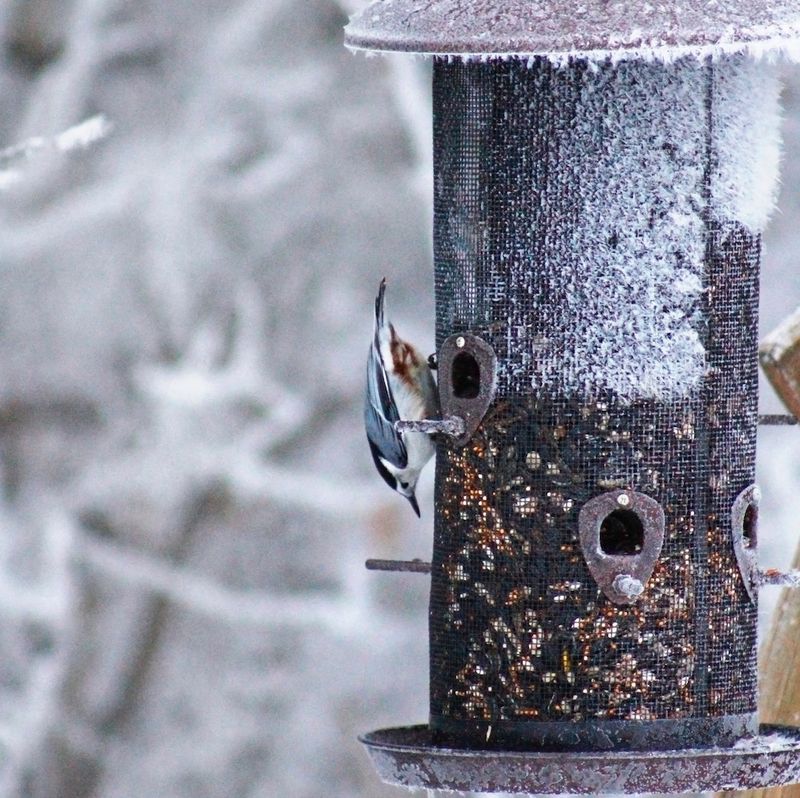
When a January wind howls across New York, a tiny chickadee may weigh less than two quarters. Staying warm on a frigid night takes huge effort for a bird that small.
Many small birds burn most of their fat reserves overnight. Each morning, they race to refuel before the next cold spell arrives.
Snow and ice can bury seeds and berries for days at a time. Feeders give birds a reliable backup when natural food is hard to reach.
High-fat foods are the best choice in winter. Suet, peanuts, and black oil sunflower seed supply lots of energy in every bite.
Keep feeders stocked consistently during storms and deep freezes. Birds learn your routine, and steady food helps them get through tough stretches.
Water matters as much as food when puddles freeze solid. A heated birdbath gives birds a place to drink without melting snow with body heat.
Clear snow off feeder perches and trays after storms. A small roof over a platform feeder keeps seed dry and easy to reach.
Brush piles and evergreens offer shelter close to the feeding area. Birds feel safer eating when they can dart into cover from hawks.
Winter also brings fun visitors like juncos, tree sparrows, and occasional redpolls. Keep binoculars handy, because snowy days often bring the busiest feeder traffic.
Even in bear country, winter feeding is usually fine once bears have settled in. Just stop again by spring, following the DEC’s dates.
Native Plants Feed Birds Without The Risks
Imagine a feeder that refills itself, needs no scrubbing, and rarely attracts bears. Native plants come pretty close to that dream.
Trees, shrubs, and wildflowers that evolved here produce seeds, nuts, and berries birds recognize. They feed birds through every season without the risks feeders can bring.
Insects are the hidden bonus of a native garden. Most songbirds feed their babies caterpillars, and native plants host far more of them.
Oaks are superstars, supporting hundreds of caterpillar species across the Northeast. Hickories, black cherry, and serviceberry are also excellent choices for New York yards.
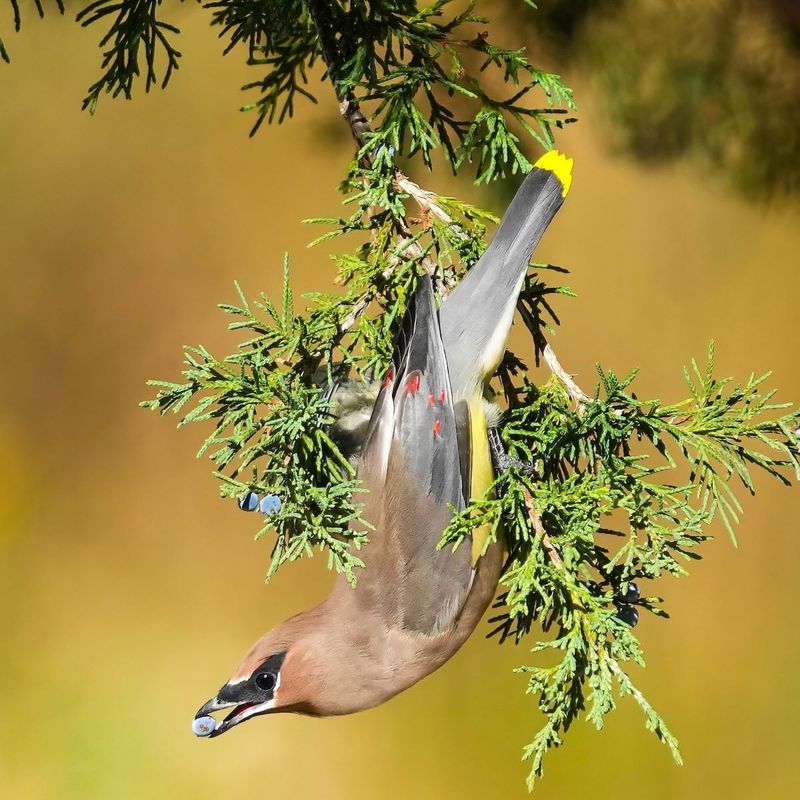
Shrubs like winterberry, viburnum, and dogwood hold berries into fall and winter. Cedar waxwings and robins often strip those branches clean in a single afternoon.
Wildflowers count, too, especially goldenrod, asters, coneflowers, and bee balm. Leave seed heads standing after bloom so goldfinches can pick at them.
Trumpet honeysuckle is a native vine that hummingbirds adore. Skip the invasive Japanese and bush honeysuckles, which crowd out local plants.
Dense plantings also provide cover and nesting spots. Birds raise more young when safe hiding places are close by.
Start small with one shrub or a corner bed if a full makeover feels overwhelming. Local nurseries and Cornell Cooperative Extension offices can suggest plants for your soil.
Over a few seasons, your yard can feed birds year-round. Feeders then become a fun extra rather than the main course.