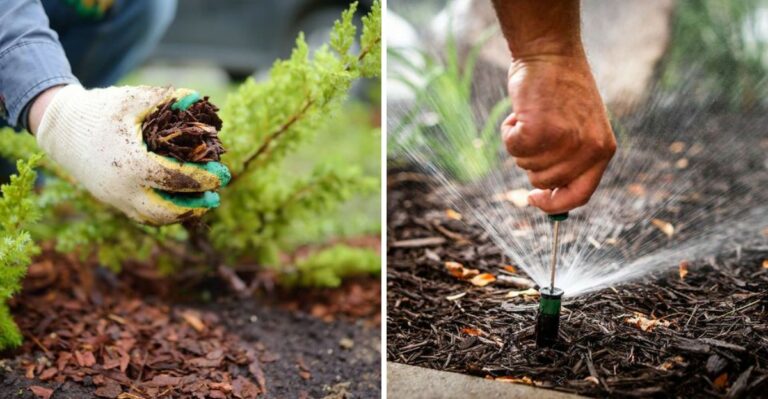
Fig Tree Care Tasks Texas Gardeners Should Do In November
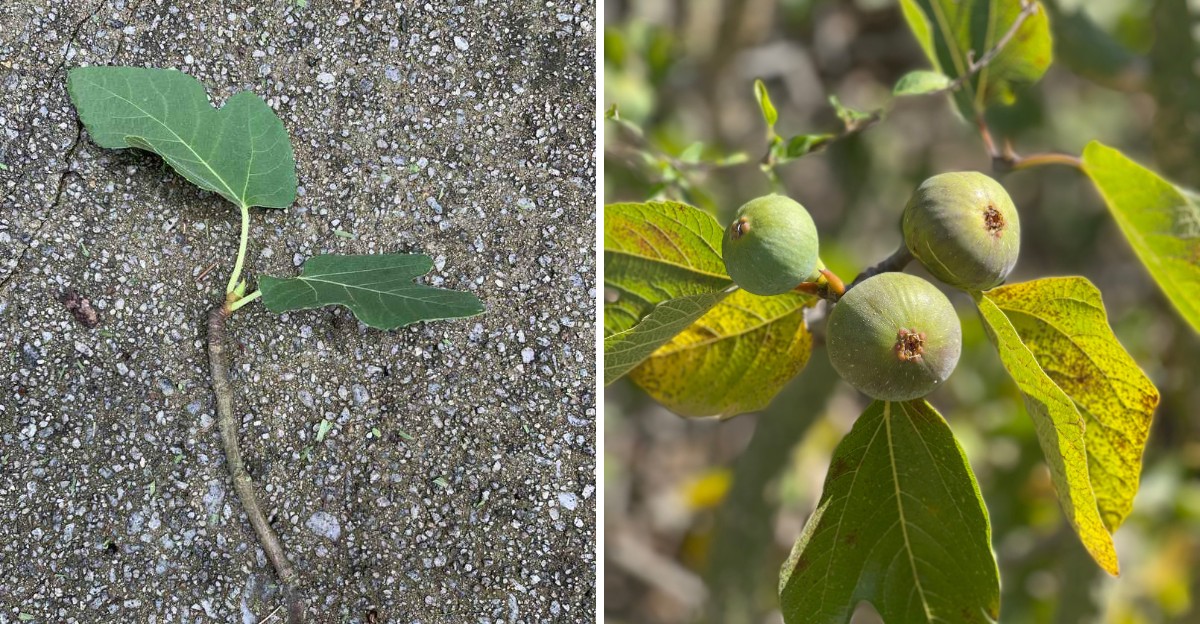
Fig leaves can grow as wide as a dinner plate. All season long, they shade the branches, fuel the fruit, and give the tree its lush, almost tropical look. In November, those big leaves start dropping one by one.
It’s a sign your fig tree is shifting into winter rest. Growth slows, energy moves down into the roots, and the tree prepares for the cold months ahead.
What happens now can affect how well it handles a hard freeze and how much fruit it produces next year. Fallen leaves can harbor disease if they’re left lying around.
Young trees and potted figs are especially vulnerable when temperatures suddenly plunge. Even watering and pruning decisions made this month can make a noticeable difference come spring.
A few simple tasks now can help your fig tree rest easy and wake up ready for another sweet harvest.
1. Rake Up Fallen Leaves
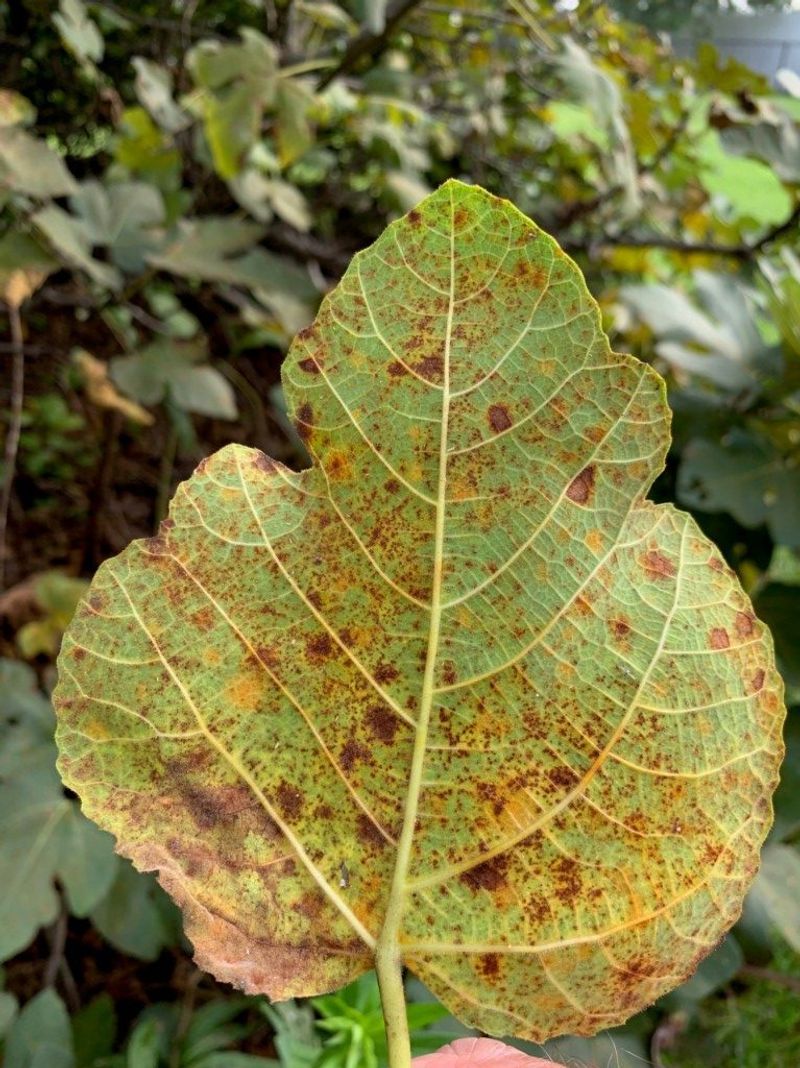
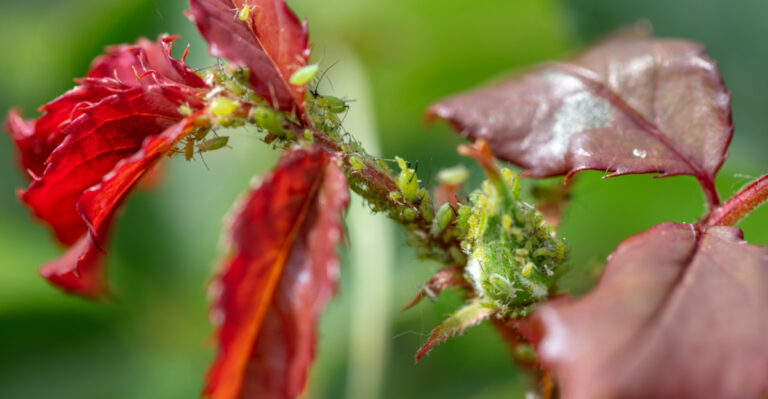
Those big, fuzzy fig leaves piling up under your tree look harmless. They might even seem like free mulch. But if your tree had brown or rusty spots on its leaves this year, that pile could be hiding trouble.
Fig rust is a common fungal disease in Texas. It shows up as tiny yellow, orange, or brown spots on the leaves, often in late summer.
As it spreads, leaves turn yellow and fall off early. The fungus does not just vanish in winter. Its spores can survive on old leaf litter and wait for warm, humid weather to return.
When spring rains arrive, those spores can splash right back onto fresh new leaves. That starts the whole cycle over again. Raking up fallen leaves breaks that cycle and gives your tree a cleaner start next year.
Grab a leaf rake and clear the ground under the whole canopy. Check around the trunk and in any corners where leaves like to collect. Try to do this a few times during the month, since figs drop their leaves over several weeks.
Now comes the key part. If your tree had rust, do not toss those leaves into your compost pile. Most home compost piles do not get hot enough to destroy fungal spores. Instead, bag them up and put them out with the trash or yard waste pickup.
Did your tree stay healthy all season? Then you can compost the leaves or shred them for mulch elsewhere in the garden.
Either way, a tidy space under your fig makes it easier to spot pests, check the soil, and keep an eye on your tree all winter long.
2. Add A Thick Layer Of Mulch
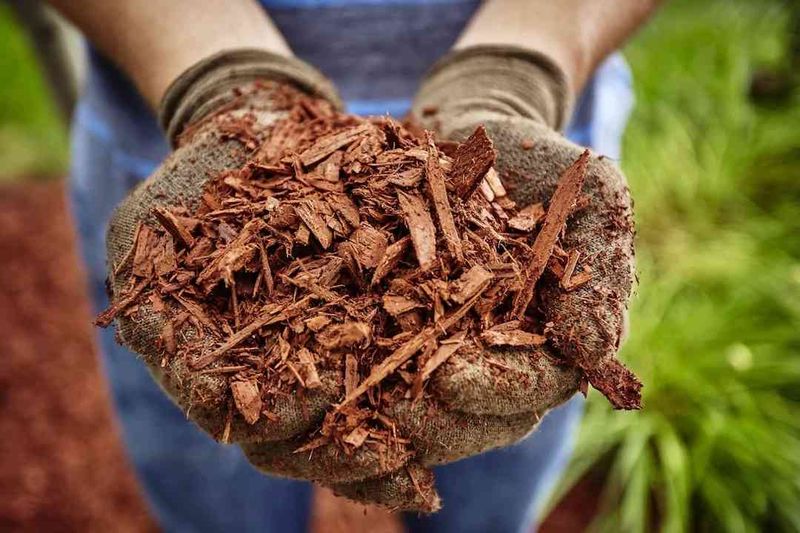
Think of mulch as a cozy winter blanket for your fig tree. A thick layer keeps the roots snug when cold air sweeps across Texas. It also does a lot more than you might expect.
Fig trees have shallow roots that spread out wide near the surface. That makes them easy to reach with water, but it also leaves them exposed to cold snaps.
A good layer of mulch traps warmth in the soil and slows down temperature swings. Your roots stay steadier and happier.
Mulch also holds in soil moisture. Fall in Texas can be windy and dry, and bare soil loses water fast. With mulch in place, the ground stays damp longer, so you water less often.
So how much should you use? Aim for about three to four inches spread over the whole root zone. That means out to the edge of the branches, or even a bit farther.
Good choices include shredded hardwood, pine straw, chopped leaves from healthy trees, or cedar mulch, which is easy to find in many Texas garden centers.
Here is one rule you should never skip. Keep the mulch pulled back about three inches from the trunk. When mulch piles up against the bark, it holds in moisture and can cause rot.
It also gives bugs and rodents a hidden place to chew. Picture a donut shape instead of a volcano.
As a bonus, mulch slowly breaks down and feeds the soil. By spring, you will have richer earth, fewer weeds, and a fig tree that came through winter in much better shape.
3. Water Deeply During Dry Spells
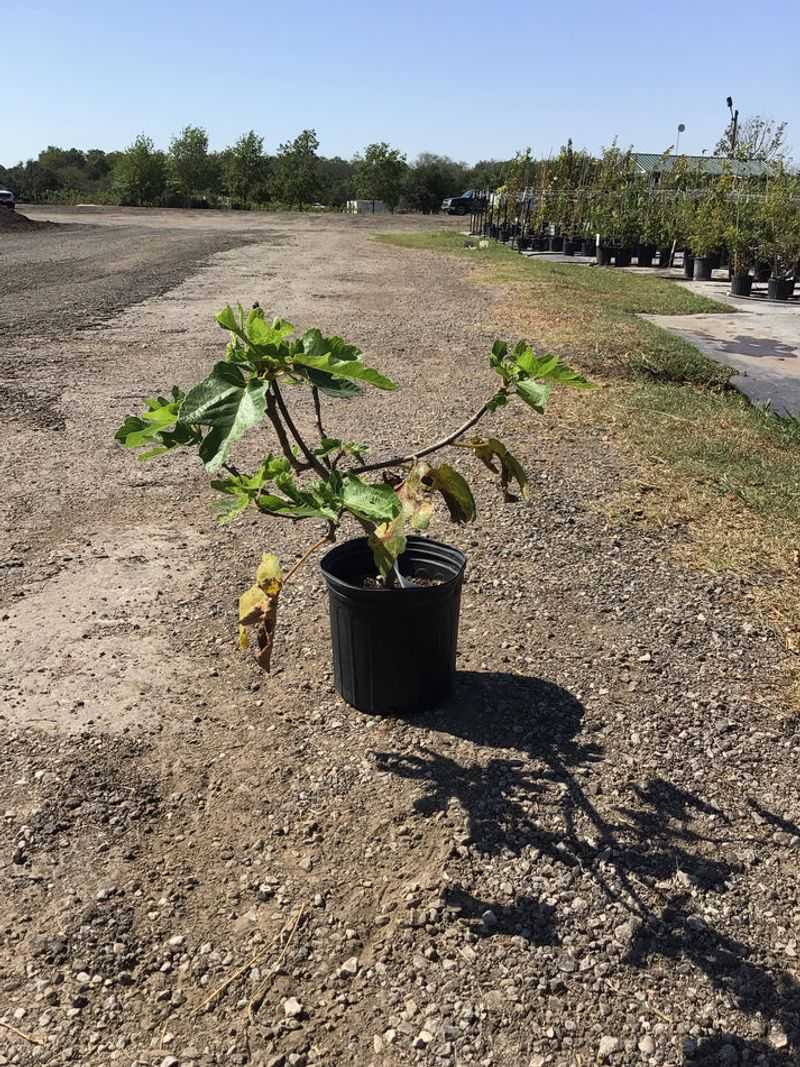
Here is a fact that surprises many gardeners. Wet soil holds heat better than dry soil. That simple bit of science can help your fig tree ride out a cold night.
Once your fig drops its leaves, it goes dormant. It is resting, not growing, so it needs much less water than it did in July.
But that does not mean you should forget about it until spring. Texas falls are often dry, and some years bring weeks without real rain.
When the soil gets bone dry, roots can become stressed. Stressed roots are more likely to suffer damage when temperatures drop. A deep drink every so often keeps them in good shape through the dormant season.
The trick is to water deeply, not often. A quick sprinkle only wets the top inch of soil. Instead, let a hose trickle slowly at the base of the tree for twenty to thirty minutes.
A soaker hose works great, too. You want the water to soak down eight to twelve inches.
How do you know when to water? Push your finger or a small trowel into the soil a few inches deep. If it feels dry, it is time. During a dry spell, watering every two to three weeks is usually plenty for a tree in the ground.
Keep an eye on the weather forecast as well. If a freeze is on the way, water a day or two ahead. The damp soil will release stored warmth overnight and give roots a little extra shield. Potted figs dry out faster, so check them more often.
4. Skip The Fertilizer
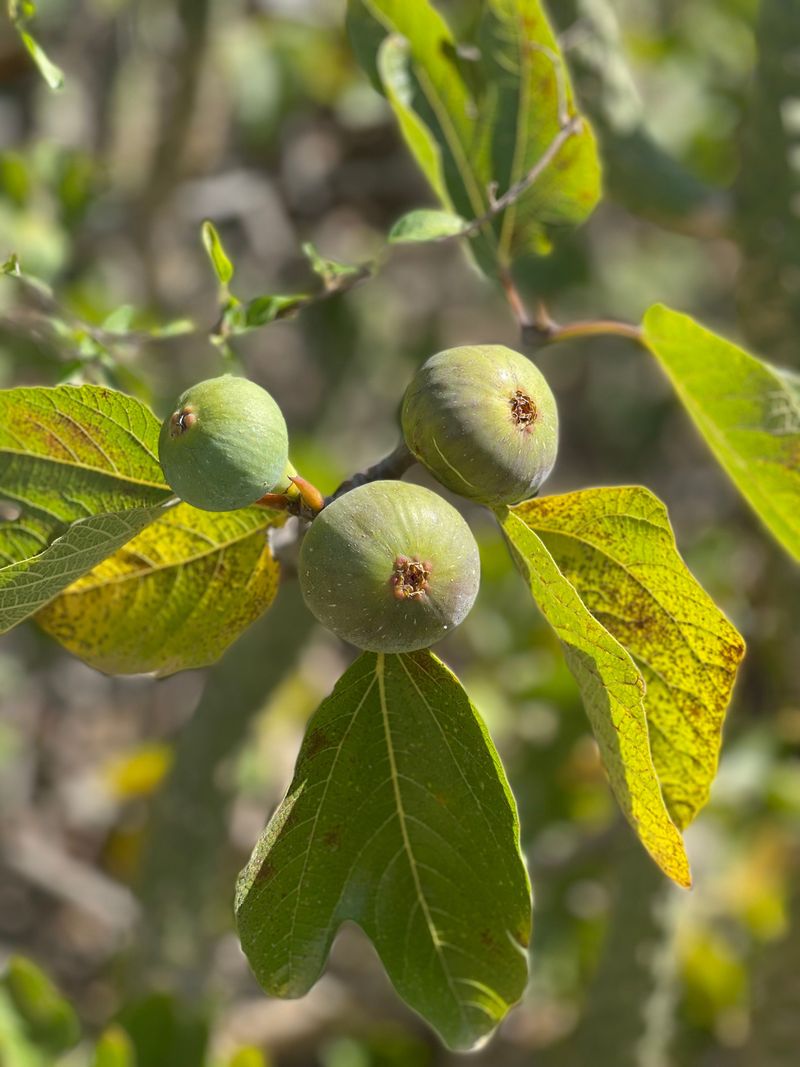
Sometimes the best thing you can do for a plant is nothing at all. When it comes to feeding your fig tree in November, that is exactly the case. Put the fertilizer bag back on the shelf for now.
Fertilizer, especially the kind high in nitrogen, tells a plant to grow. In spring and early summer, that is great news. But in late fall, your fig is trying to slow down and harden off for winter. A boost of food can confuse it.
When a fig gets fertilizer this late, it may push out soft, tender new shoots. Those green shoots have not had time to toughen up.
One cold night can damage them badly. Worse, the tree spends energy on growth it cannot keep instead of saving it for spring.
Think of it like eating a giant sugary snack right before bedtime. Your body gets a burst of energy when it should be winding down. Your fig feels the same mixed signal.
So when should you feed it? Wait until late winter or early spring, once you see buds starting to swell.
In most of Texas, that falls around late February to March. A balanced fertilizer at that point gives the tree fuel just when it needs it.
Many fig trees in Texas do not need much fertilizer at all. Too much can lead to lots of leaves but fewer figs. If your tree grew well and gave a good crop this year, a light spring feeding or a layer of compost may be all it needs.
5. Hold Off On Major Pruning
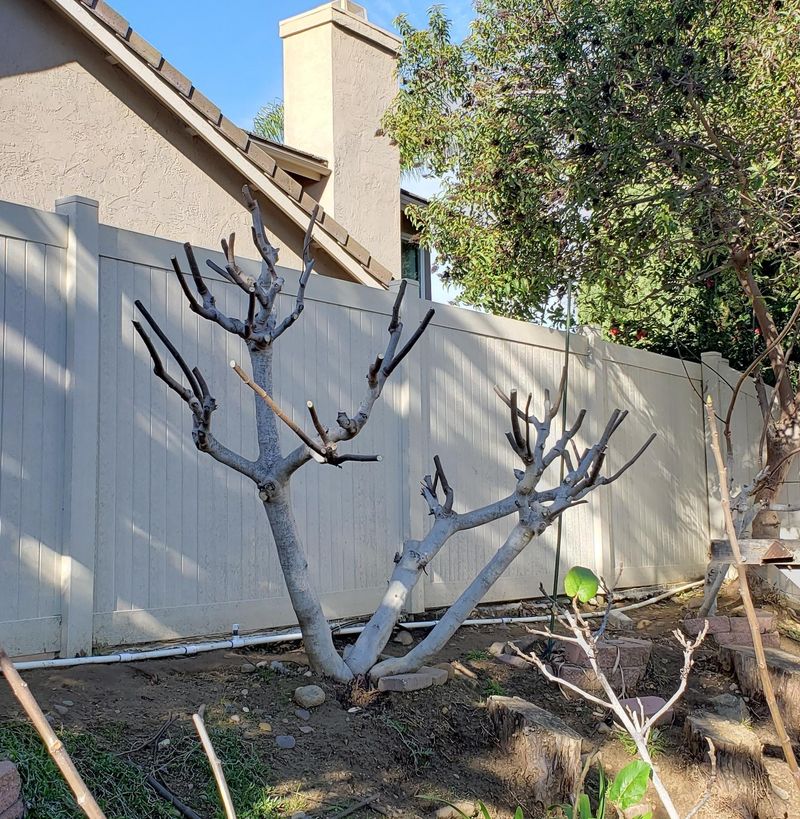
Pruning shears in hand, ready to tidy up that wild fig? Hang on a minute. November is one of the worst times to give your tree a big haircut.
Every cut you make is like a small wound. In late fall, the tree heals slowly because it is going dormant. Fresh cuts can let cold air and moisture reach tender wood. That can lead to more damage if a hard freeze comes along.
Heavy pruning can also trigger new growth on warm fall days. Texas often has mild spells in November and December. A pruned fig might wake up a little and send out soft shoots. Then a cold front rolls through and zaps them.
There is another smart reason to wait. If you prune now and a freeze hits later, you may end up cutting twice. By late winter, any freeze-damaged branches will be easy to spot.
Damaged wood looks dry, brown, or shriveled, and it snaps easily. Healthy wood is green under the bark when you scratch it with a fingernail.
So the best plan is to save major pruning for late winter, usually February in most of Texas. You can shape the tree, remove crowded branches, and clean up damage all in one go.
That said, a little light cleanup is fine now. Feel free to remove branches that are clearly broken, rubbing together, or blocking a walkway.
Just keep it small. Fun fact: figs fruit on both old and new wood, so you will not lose your crop by waiting a few months to prune.
6. Get Ready For Freezes
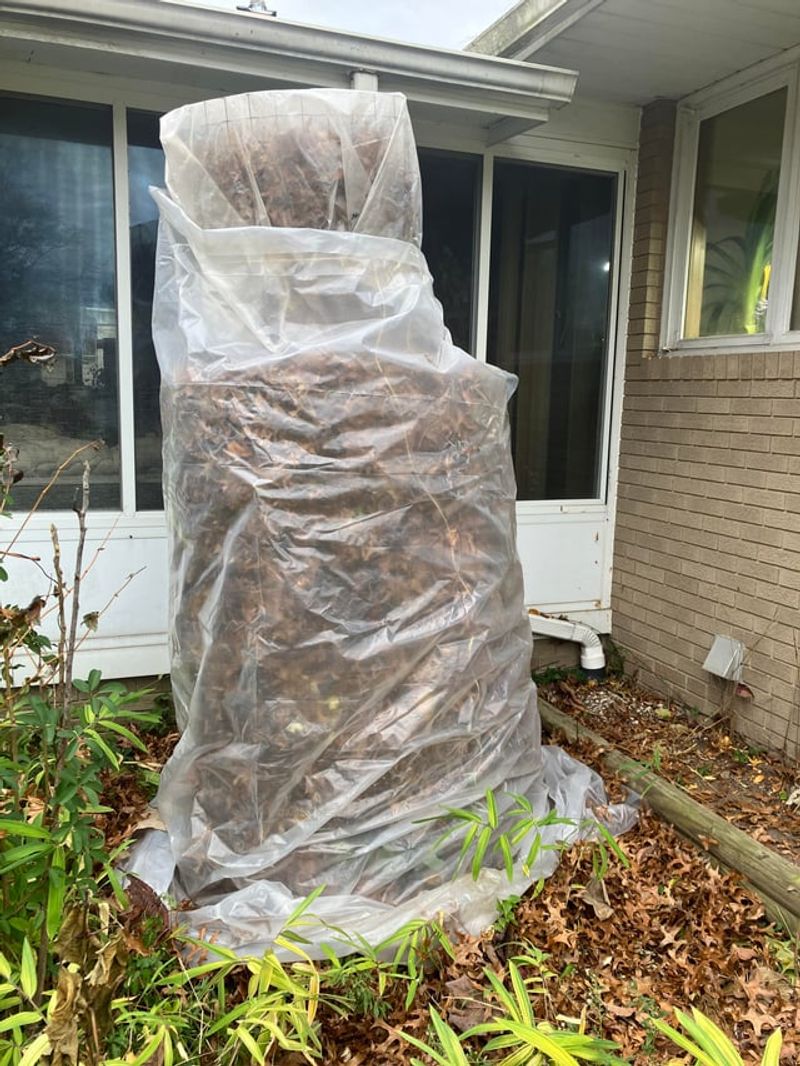
Remember the big Texas freeze of February 2021? Many gardeners lost fig branches they had grown for years. A little planning in November can save you from that kind of heartbreak.
Fig trees can handle some cold, but hard freezes are a different story. In North and Central Texas, temperatures can drop into the teens.
That can damage branches or even knock a young tree back to the ground. Older trees with thick trunks usually bounce back, but young ones are more at risk.
Your first step is to gather supplies now, before the stores sell out. Frost cloth is a lightweight fabric that traps warmth from the ground.
It lets air and some light through, so it is much better than plastic. Pick up clips, stakes, rocks, or bricks to hold the edges down.
When a hard freeze is forecast, cover smaller trees in the afternoon. Drape the cloth all the way to the ground so it can hold in the earth’s warmth.
Plastic sheets touching the branches can actually make damage worse, so avoid them. Remove the cover once temperatures climb back above freezing.
Potted figs need extra care because their roots sit above ground in containers. Roots in a pot get cold much faster than roots in soil. On the coldest nights, roll them into a garage, shed, or covered porch.
South Texas gardeners get off easier, since freezes are rarer there. Still, keeping a frost cloth handy is cheap insurance. Sign up for weather alerts on your phone so a surprise cold front never catches you off guard.
7. Take Cuttings For New Trees
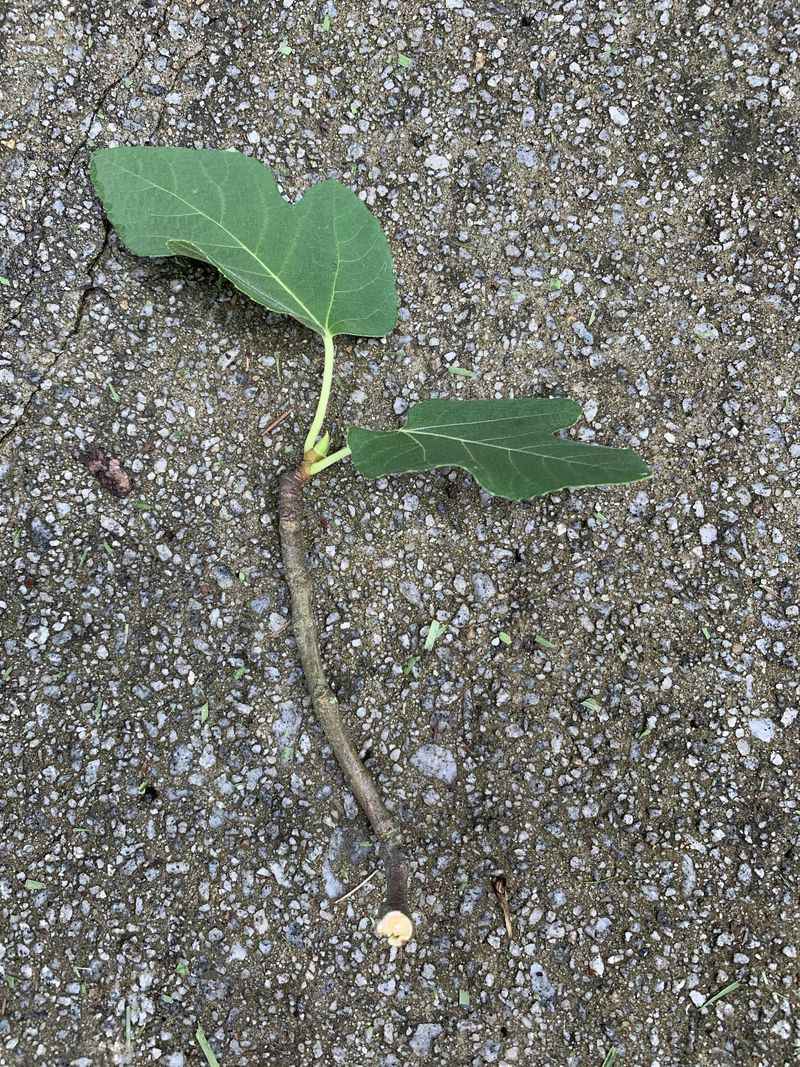
Want free fig trees? Your own backyard tree can give you as many as you like. All it takes is a few bare branches and a little patience.
Figs are one of the easiest fruit trees to grow from cuttings. People have been doing it for thousands of years, all the way back to ancient gardens around the Mediterranean. Once your tree drops its leaves in November, it is the perfect time to start.
Look for healthy branches from this past year’s growth. Good ones are about as thick as a pencil and feel firm, not soft.
Use clean, sharp pruners to cut pieces six to ten inches long. Each piece should have at least three or four buds, which look like small bumps along the stem.
Make a flat cut at the bottom, just below a bud, and a slanted cut at the top. That way you always remember which end goes down. Dipping the bottom in rooting hormone can help, but figs often root fine without it.
Next, push each cutting into a pot of moist potting mix so only one or two buds stick out. Keep the pots in a sheltered, bright spot that stays above freezing.
Water lightly and keep the soil damp, not soggy. Roots usually form in several weeks to a couple of months.
Why bother? New trees make wonderful gifts for friends and neighbors. They also act as backup plants. If a hard freeze hurts your main tree, you will have young figs ready to plant in spring, carrying on the same tasty variety.