The One Thing Michigan Strawberry Beds Need Before Winter Sets In
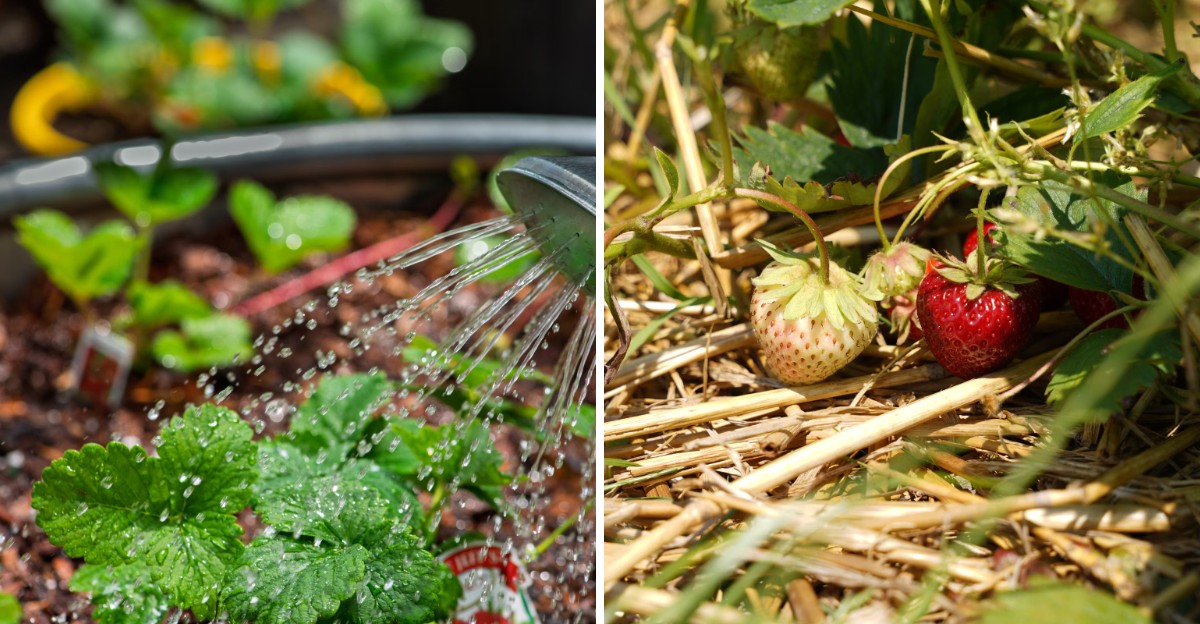
A strawberry plant looks fine in November. Green leaves, a tidy crown, nothing out of place. That calm is deceptive.
The buds that decide next June’s berries are already tucked in the crown, and they are far more fragile than the leaves above them.
One bitter Michigan night without protection can wipe out a whole season of fruit before anyone knows. Gardeners who lose their crop every other year often blame the variety or the weather.
The real problem usually comes down to one job, and to when it is done. Do it too early, and it causes trouble. Do it too late, and the damage is already finished.
Learning the right moment, and the material that works best, can mean the difference between a few berries and baskets of them.
1. A Thick Layer Of Straw Mulch Is The One Thing
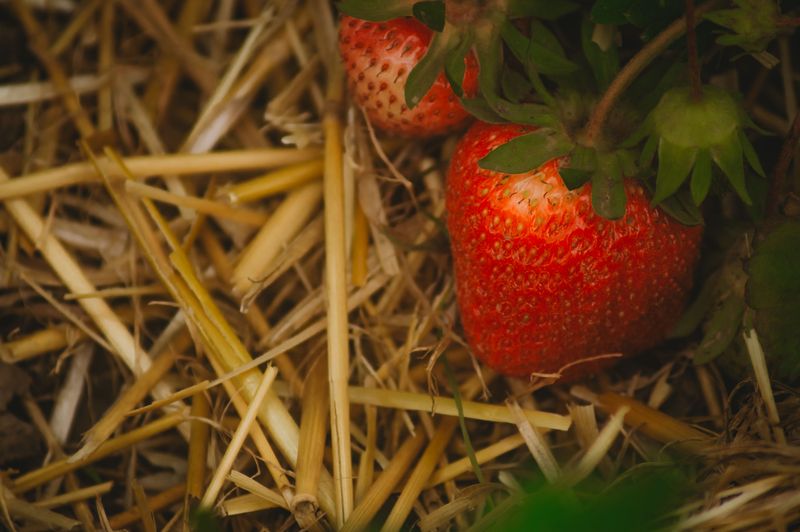
Ask any longtime Michigan berry grower for their best winter tip, and you will likely hear one word: straw.
A loose, golden blanket of straw over your strawberry bed is the single most helpful thing you can give your plants before the cold arrives. It sounds almost too simple, yet it works beautifully.
To understand why, you need to know about the crown. The crown is the short, thick stem in the center of each plant, and it is where the leaves, flowers, and roots all grow from.
Unlike many plants, strawberries keep their crowns right at the soil surface, with very little protection from the weather. That exposed spot faces three big threats.
Bitter cold can injure the tissue inside the crown, drying winter winds can pull moisture out of the plant, and repeated freezing and thawing can tear at the roots.
Any of these problems can shrink next year’s harvest, and a harsh winter can wipe out unprotected plants completely.
Straw solves all three problems at once. Its hollow stems trap air, and that trapped air acts like insulation in the walls of your house. The soil underneath stays colder but steadier, which keeps the crowns and roots safe.
Here is the exciting part. Your strawberry plants already formed the flower buds for next spring’s berries during the cool days of fall. Those tiny buds are tucked inside the crown right now, waiting.
Research from Michigan State University Extension notes that strawberry crowns can be injured when temperatures drop into the low 20s or below without cover.
Michigan winters regularly fall far below that, often into single digits or lower. A good layer of straw helps make sure those buds wake up ready to bloom.
2. Timing Matters More Than You Might Think

Patience is a gardener’s secret weapon in late fall. Many people grab the straw the moment the first chilly night hits, but jumping in too soon can actually hurt your plants. Getting the timing right is just as important as the mulch itself.
Mulching too early causes two problems. When plants are still green and growing, a heavy cover can trap moisture and lead to rot. It also blocks the natural process called hardening off, when plants slowly toughen up as the weather cools.
Your Michigan Garden Changes Every Week. Your Plan Should Too.
Gardening in Michigan changes quickly throughout the season. Every Friday you’ll receive a simple weekly plan showing exactly what to plant, prune, fertilize, harvest, and protect so you never miss the right timing.
On the other hand, waiting too long has its own risks. If a sudden deep freeze arrives before the straw goes down, those bare crowns can take a beating. So how do you find the sweet spot?
Watch your plants closely. After several hard frosts, usually when nighttime temperatures dip into the 20s, strawberry plants go dormant. You will notice the leaves flatten against the ground and turn a reddish or purplish color.
That color change is your green light. The goal is to get the straw down before temperatures fall into the teens.
In southern Michigan, this usually happens from mid to late November. Gardeners in northern Michigan and the Upper Peninsula often need to mulch earlier, sometimes in early November or even late October.
Keep in mind that every year is different. A warm fall can push the right date later, while an early cold snap might move it up by a week or two. Checking your local weather forecast and looking at your plants will tell you more than any calendar.
A quick walk through the garden each week in November makes it easy to catch that perfect moment.
3. Use Clean Straw, Not Hay
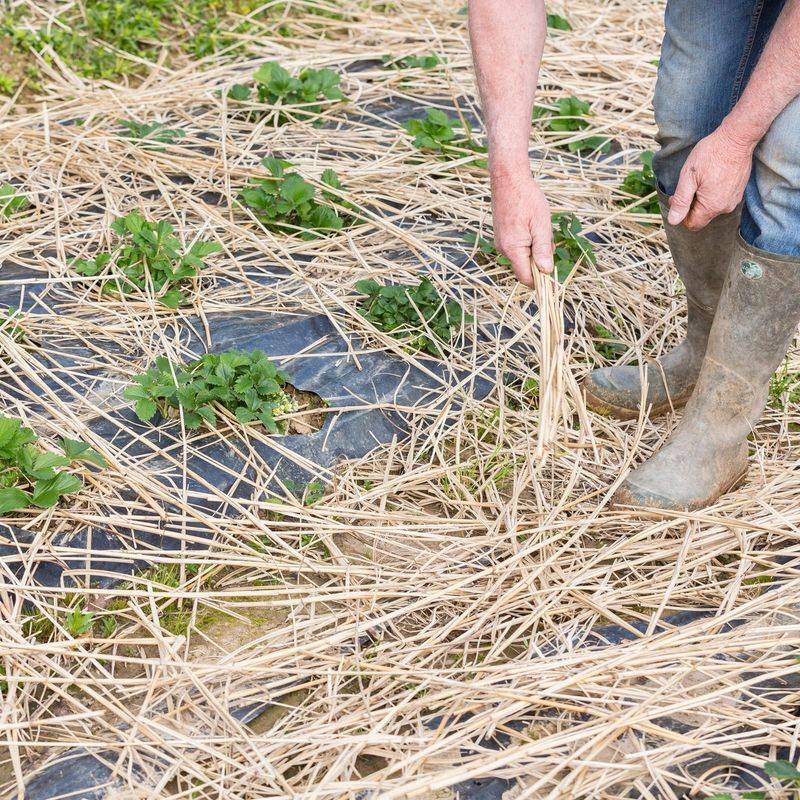
Straw and hay look like twins at first glance, but your strawberry bed can tell the difference. Picking the wrong one is a common mistake that can haunt you all next summer. Luckily, the fix is easy once you know what to look for.
Straw is the leftover stalk from grain crops like wheat or oats after the grain has been harvested. It is light, airy, golden, and mostly free of seeds. Hay, however, is dried grass or alfalfa cut for animal feed, and it often contains plenty of seeds.
Those seeds are the real trouble. Spread hay over your strawberries, and you may be planting a fresh crop of weeds right in your bed. Come spring, you would spend hours pulling grass out from between your berry plants.
You can find straw bales at most garden centers, farm stores, and local farms in the fall. Wheat straw and oat straw both work great. Before spreading, break the bale apart and shake the straw loose so it fluffs up and covers evenly.
Out of straw? A few other materials can step in. Shredded leaves and pine needles both make solid choices because they stay loose and let air move through.
Skip whole, unshredded leaves, though. Maple and oak leaves can mat together into a soggy, heavy layer that smothers the plants underneath. Running them over with a lawn mower first chops them into a much better mulch.
Michigan gardeners already battle plenty of weeds during the growing season. Starting spring with a clean bed saves time and gives your strawberries room to shine.
Spending a few extra dollars on quality straw pays you back in fewer weeds and happier plants.
4. Spread It Loose And Deep Enough
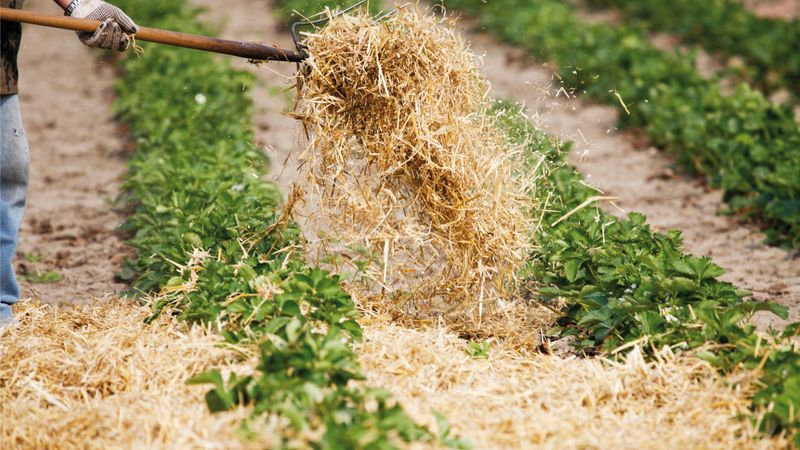
Think of your straw layer like a fluffy winter coat. A thin windbreaker will not keep you warm in January, but a coat stuffed so tight you cannot breathe is no good either. Your strawberries need something right in the middle.
A layer that is too thin lets cold air reach the crowns, which defeats the whole purpose. Straw packed down hard, however, can smother the plants and hold too much moisture. The best protection comes from a loose, airy layer full of tiny air pockets.
So how much should you use? Aim for about 3 to 4 inches of straw after it settles. Since fresh straw packs down over time, many gardeners start with a layer closer to 5 or 6 inches thick when first spreading it.
Cover the entire bed, not just the plants. The goal is to hide the strawberries completely so no green or red leaves peek through. Spreading straw over the paths and edges also helps protect roots that stretch beyond each plant.
Work in handfuls and toss the straw lightly rather than dumping big clumps. A calm day makes the job much easier, since wind loves to carry loose straw across the yard.
After a few weeks, take another look. Rain, snow, and wind can flatten the straw or blow some away, especially along the edges. Add more wherever the layer looks thin.
Snow is also a wonderful insulator, and some Michigan winters bring plenty of it. Still, you cannot count on steady snow cover every year, especially in the southern part of the state where thaws often melt it away.
Straw gives reliable protection no matter what the sky delivers.
5. Mulch Helps Prevent Frost Heaving
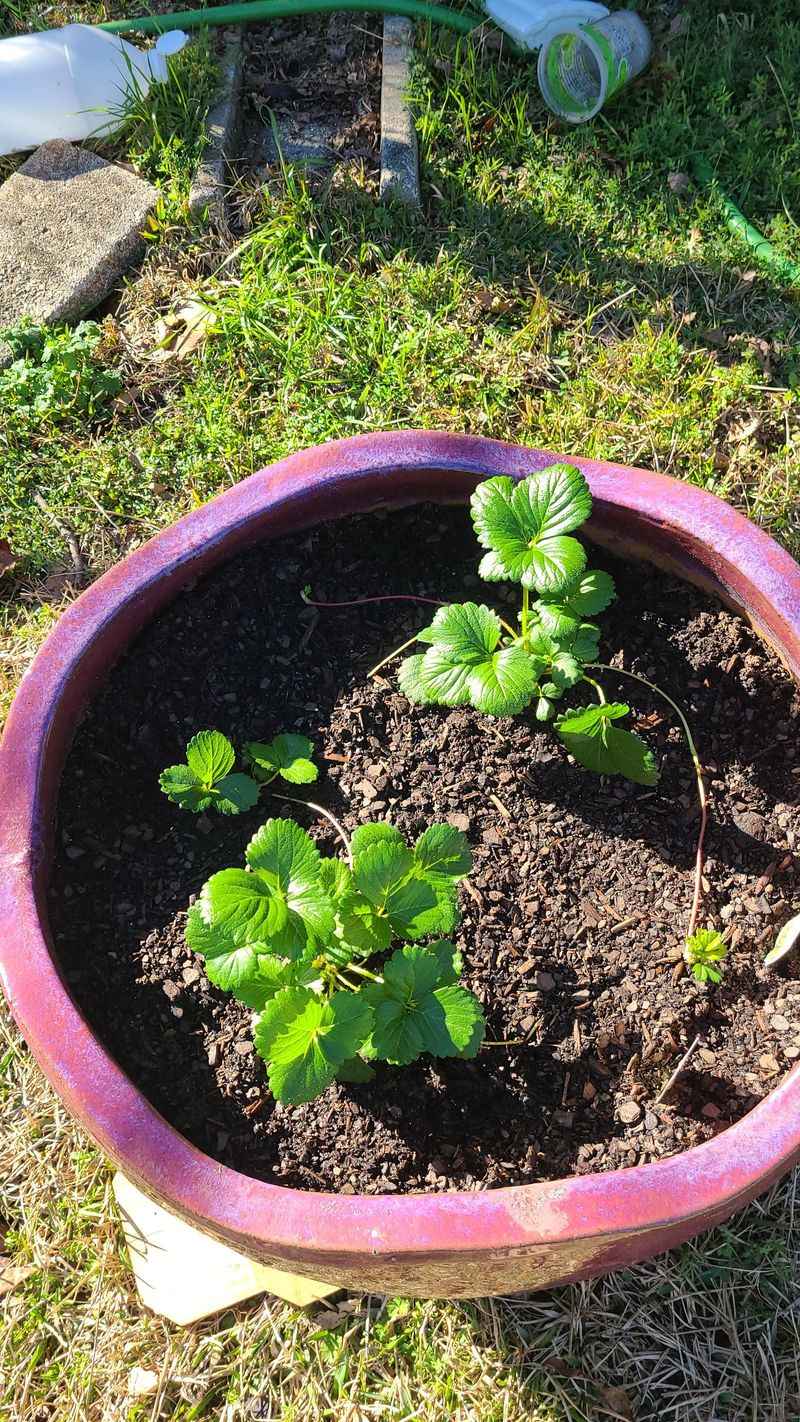
Strange as it sounds, the ground itself can push your strawberry plants right out of the soil. Gardeners call this frost heaving, and it happens more often than most people realize. A good straw cover is one of the best ways to stop it.
Here is how it works. When wet soil freezes, the water inside expands and lifts the ground upward. Then it thaws and settles, only to freeze and lift again a few days later.
Each cycle nudges shallow-rooted plants a little higher. Strawberries are especially at risk because their roots do not reach very deep. Over time, the plants can rise until their crowns and roots sit above the soil.
That leaves them in rough shape. Roots can snap as the soil shifts, and the exposed crowns face cold, drying air with nothing to shield them. A heaved plant often struggles all spring or never recovers.
Mulch helps by keeping soil temperatures steady. Instead of swinging between frozen and thawed every few days, the ground under straw stays more evenly cold. Fewer swings mean far less heaving.
Keep the straw in place all winter long. During warm spells, walk out to the garden and check your bed. If you spot a plant sitting too high, gently press it back into the soil with your hand so the crown rests right at ground level.
Add fresh straw anywhere the layer has worn thin. A spare bale stored in the garage makes these quick touch-ups easy.
Michigan is famous for wild late-winter weather. A sunny 50-degree day in February or March can be followed by a hard freeze that night, making this extra care well worth it.
6. Know When To Pull It Back In Spring
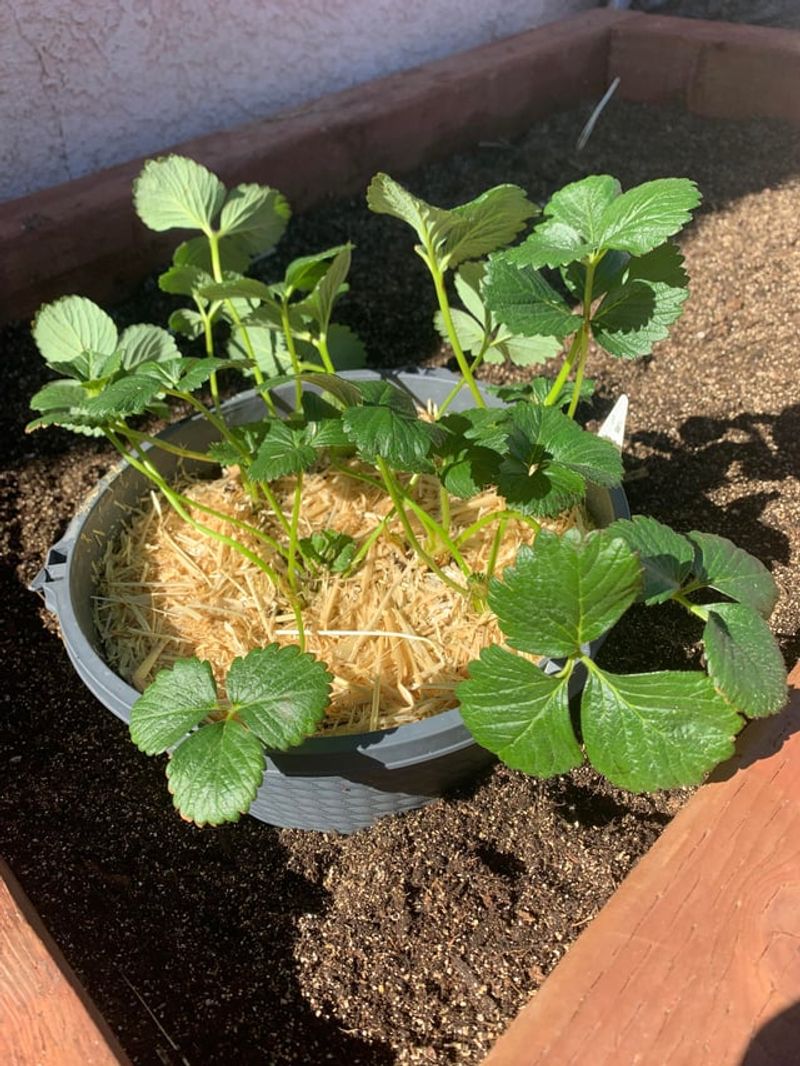
Spring fever hits hard after a long Michigan winter, and many gardeners can hardly wait to uncover their strawberries. Removing the straw is a big moment, but timing it well makes a huge difference. Go too slow or too fast, and your plants pay the price.
Leaving mulch on too long causes plants to start growing in the dark. Without sunlight, the new leaves turn weak, yellow, and stretched out, which gardeners call leggy. Those flimsy plants have a hard time producing good berries.
Pulling mulch off too early carries a different risk. Tender new growth and early flowers can be hurt by a surprise frost. The trick is to watch and wait for clear signs.
Start checking under the straw in early spring, often in late March or April depending on where you live. Lift a little straw from a few plants and look closely. When you see new leaves starting to grow and they look pale or yellowish, the time has come.
Rake the straw gently off the plants and into the paths between your rows. This keeps weeds down in the walkways and gives you a clean place to kneel while picking later. It also keeps the straw handy for one more important job.
Michigan springs love to throw out frosty nights just as strawberries begin to bloom. Open blossoms are very tender, and a single cold night can turn their centers black, meaning no berry will form.
When the forecast calls for frost, simply rake the straw back over the plants in the evening. Uncover them again the next morning once temperatures warm up. A few minutes of effort can save a whole season of sweet fruit.
7. Weed And Water Before You Mulch
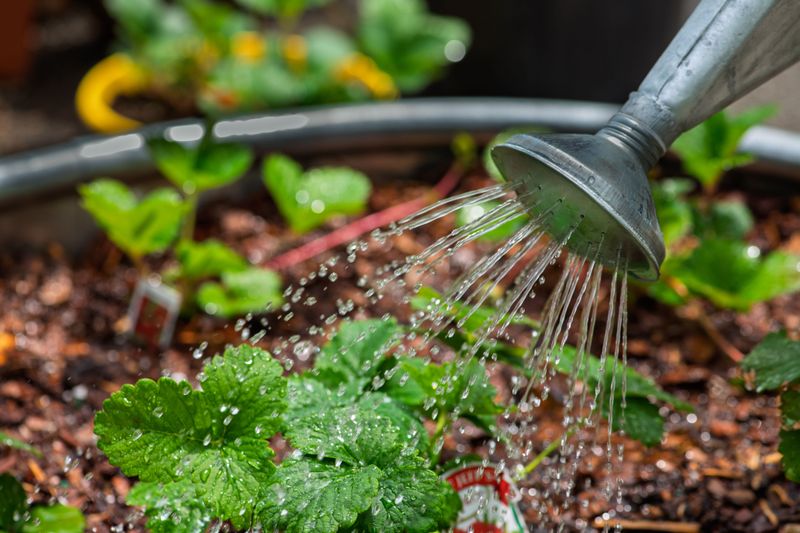
Before you tuck your strawberries in for the winter, give the bed one last bit of attention. A little cleanup now saves a lot of headaches in spring. Think of it as making the bed before laying down the blanket.
Start with weeds. Any weeds left in the bed will not simply disappear under the straw. Many hardy weeds keep growing slowly through cool weather and burst back to life in spring, fighting your strawberries for water, sunlight, and nutrients.
Pull them out by hand, roots and all, while the soil is still soft. Grassy weeds and dandelions are common troublemakers in strawberry beds, so look carefully around each plant.
Next, tidy up the plants themselves. Remove any leaves that look spotted, moldy, brown, or withered. Diseased leaves can carry fungus spores through winter and spread problems to healthy plants once the weather warms.
Water comes last, and it matters more than many people think. Plants that head into winter well watered handle the cold much better than thirsty ones. Dry soil also loses heat faster than moist soil, leaving roots more exposed.
If the ground feels dry a couple of inches down, give the bed a deep, slow soaking before the soil freezes. One thorough watering is better than several quick sprinkles.
This step is especially smart this year. Parts of Lower Michigan have been abnormally dry this fall, and the western Upper Peninsula has slipped into serious drought. Many strawberry beds simply have not received enough rain.
A good drink before mulching gives your plants the moisture they need to stay strong through the long months ahead.
8. A Well-Protected Bed Means A Better Harvest
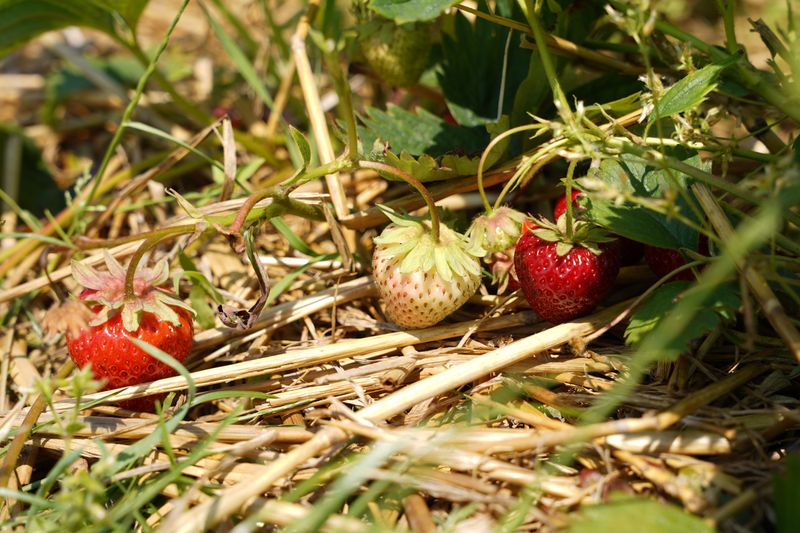
Few things beat the taste of a sun-warmed strawberry picked straight from your own garden.
That sweet June moment actually begins months earlier, on a cold November afternoon when you spread the straw. Winter care and summer flavor are closely connected.
Strawberries plan ahead. During the shorter, cooler days of fall, the plants form the flower buds that will become next year’s berries. Those buds stay hidden inside the crown all winter long.
Protecting the crowns means protecting your future harvest. Beds left bare often struggle, producing fewer berries that tend to be smaller. In a harsh winter, gardeners may lose some plants entirely and need to replant.
Well-mulched beds tell a happier story. The plants usually come through winter with firm, healthy crowns. Once the straw comes off, they leaf out quickly with strong green growth and plenty of flower stalks.
The payoff works for every type of strawberry. June-bearing varieties, which produce one big crop in early summer, benefit greatly since their whole harvest depends on those fall buds.
Everbearing and day-neutral types, which produce berries over a longer season, also get a strong, healthy start. Michigan has a long love story with strawberries.
Families across the state visit u-pick farms every June, and strawberries are one of the most popular fruits grown in home gardens from Detroit to the Upper Peninsula. Growing your own lets you pick berries at peak ripeness, when the flavor is at its best.
All it takes is a few bales of straw and an afternoon outdoors. Next summer, every juicy bite will remind you that the effort was worth it.