The Golden Berries Hanging Over Alabama Yards Look Harmless But Are Toxic To Pets
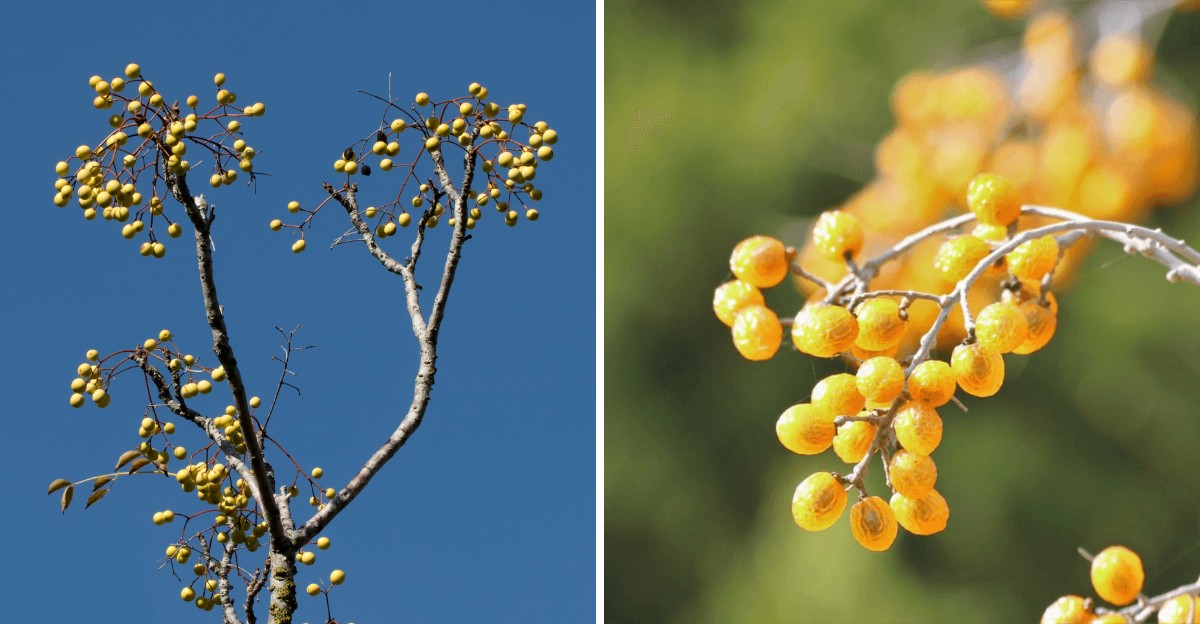
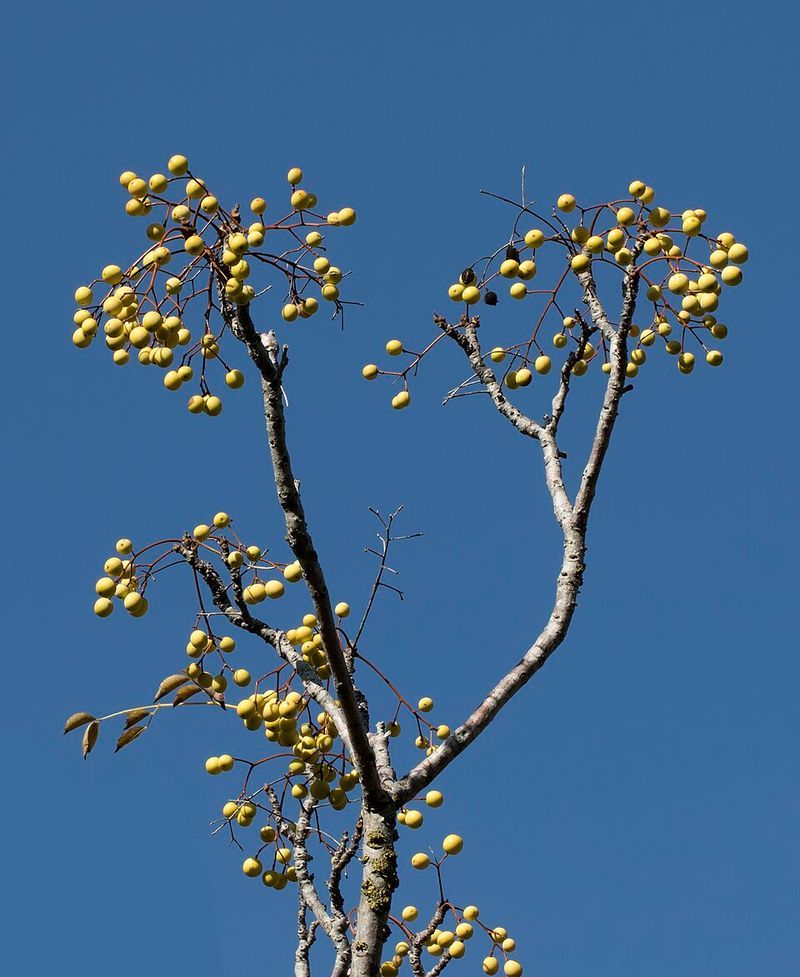
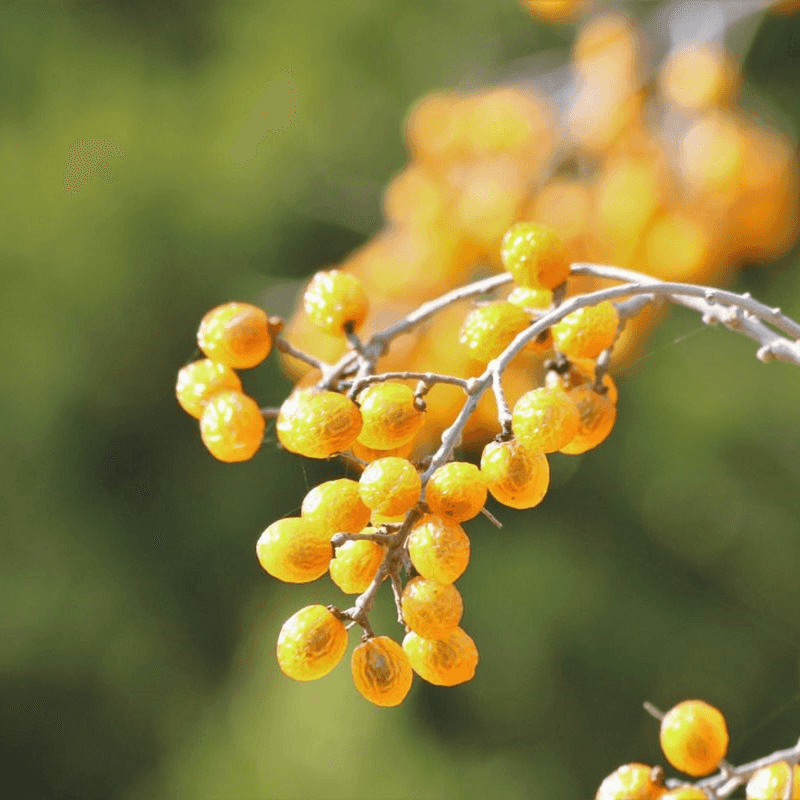
You spot golden beads on a leafless Alabama branch, and your dog spots them faster. Wrinkled and glossy, they look harmless.
Their sticky, sweet pulp invites a lick from any curious tongue. Inside waits a seed packed with compounds that unsettle your pet’s nervous system.
Drooling, wobbly steps, and shaky legs can appear within hours of a few bites. Squirrels skip them, so you assume they are safe.
Dogs follow their noses, not your assumptions. Your kids toss them across the grass, spreading the trouble farther.
Alabama vets can see cases in autumn, and fallen fruit feeds the pattern. Clearing the fallen fruit takes minutes, but spotting the tree takes sharper eyes.
Smart owners act before the sniff becomes a vet visit. Check the base of your trees for fallen fruit today. Its leaves hold the clue that names it.
A Pretty Tree With A Hidden Secret
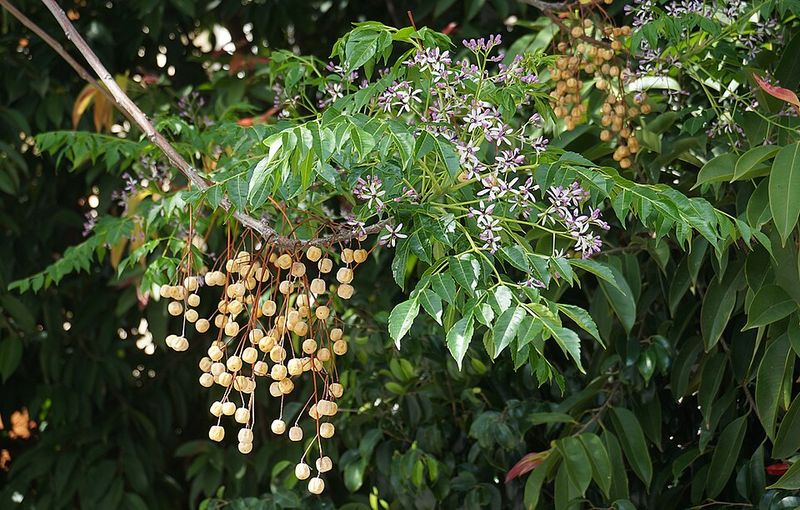
Those golden beads belong to the chinaberry tree, a fast-growing import from Asia. Folks in the South planted it for shade generations ago.
Many parts of the tree carry natural compounds, but the berries pack the biggest punch. The main troublemakers are called tetranortriterpenes, which upset the gut and nerves.
Picture a tree that looks like a friendly umbrella in summer. It has lacy green leaves, purple flowers that smell like lilac, and bark with a reddish tint.
Chinaberry goes by other names too, including bead tree and Texas umbrella tree, so a quick search with those labels can help you confirm what you found.
By fall, the leaves turn yellow and drop away. The berries stay put, hanging like wrinkled little lanterns well into winter.
Dogs are the pets that meet these berries frequently, partly because they gulp first and think later. Cats, horses, pigs, and even people can get sick too.
Birds are a strange exception, since many eat the berries with fewer problems. Some birds do act tipsy after a big feast, which is quite a sight.
Because birds drop the seeds far and wide, new trees pop up along fences and ditches. You might have one growing nearby without ever planting it.
Spotting the tree is your first step toward a safer yard. Look for those dangling yellow clusters on leafless branches this month.
A quick walk around your property can reveal more than you expect. Check corners, alleys, and the edges of wooded lots too.
October Brings The Biggest Berry Drop
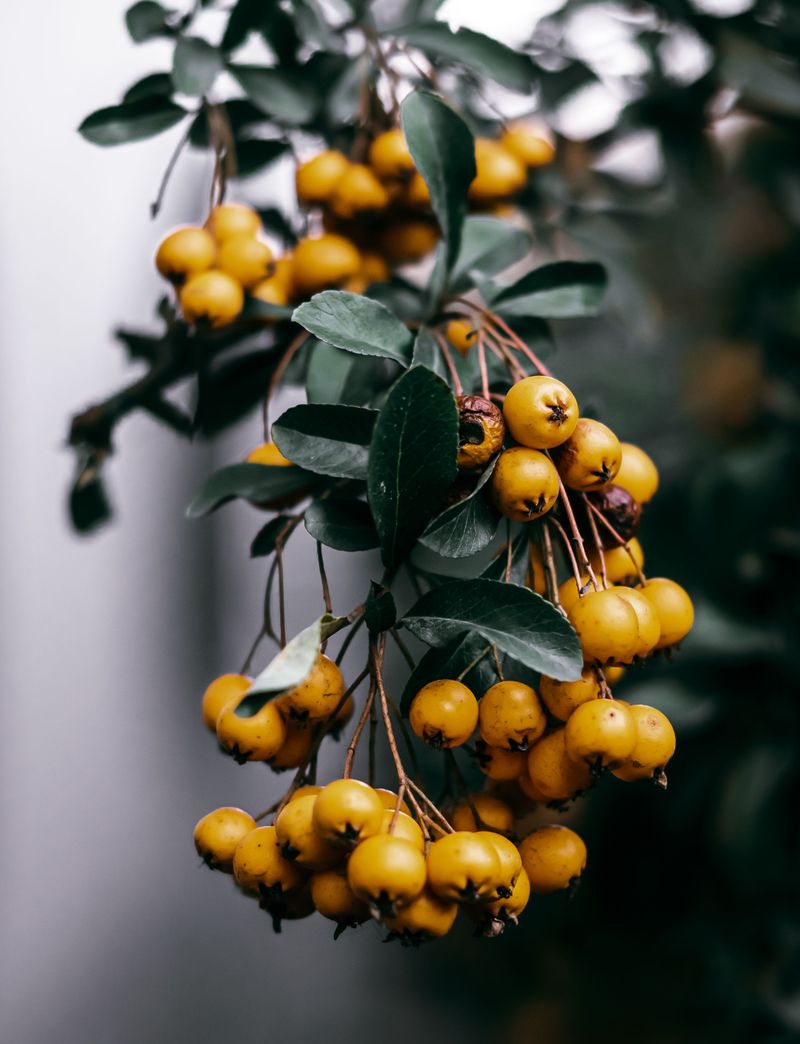
Autumn in Alabama means football, cooler mornings, and a rain of tiny golden balls. The chinaberry tree ripens its fruit right around now.
Green berries turn creamy yellow as fall settles in. Wind and rain then shake them loose onto lawns, patios, and driveways.
Timing matters because pets suddenly have easy access. A dog that ignored the tree through the summer may now find snacks underfoot.
Ripe berries can actually be more tempting than unripe ones. They soften, wrinkle, and give off a faintly sweet smell.
Your Alabama Garden Changes Every Week. Your Plan Should Too.
Gardening in Alabama changes quickly throughout the season. Every Friday you’ll receive a simple weekly plan showing exactly what to plant, prune, fertilize, harvest, and protect so you never miss the right timing.
Many experts note that ripe fruit carries the strongest punch of natural compounds. That makes this season a high-attention stretch of the year.
Berries can hang on the branches through winter, dropping a few at a time. So the trouble often lingers well past Halloween.
Think of October as the start of berry season, not a one-week event. Your cleanup job may stretch into January or February.
Puppies deserve extra attention during these months. Young dogs chew on items that roll, and those berries roll beautifully.
Check shady corners and low spots, because rain pushes berries into gutters and puddles where curious noses can find them without warning.
Watching the ground after storms is a smart habit to build. A windy night can leave dozens of fresh berries across your lawn.
Keep a little bucket by the back door for quick pickups. Five minutes of grabbing berries beats an urgent trip to the vet.
The Costly Mistake Of Waiting It Out
Plenty of pet owners have said, he ate something weird, but he seems fine. With chinaberries, that calm attitude can backfire fast.
Symptoms often show up within a few hours of eating the berries. Sometimes they take longer, which fools people into relaxing too soon.
An upset stomach and loose stools are usually the first warning signs. Some dogs drool heavily or refuse their dinner.
Things can get tougher from there. Weakness, wobbly walking, and seizures may follow if a pet ate a lot.
Some animals breathe fast or seem confused about where they are. In serious cases, the heart and breathing can be affected.
Owners who keep a close eye on pets after a berry sighting often catch changes early, and that head start gives the vet more options.
The big mistake is waiting to see if things improve. The compounds keep moving through the body while you watch and hope.
Small dogs face higher risk because a few berries go further in a tiny body. A Chihuahua and a Labrador eating the same amount can react very differently.
Another common slip is trying home remedies found online. Forcing salt water or other tricks can cause more trouble than relief.
If you saw your pet eat berries, act even before symptoms appear. Early care tends to make the whole story much shorter.
Keep your vet number and a pet helpline number saved in your phone. Fumbling for numbers during a stressful moment wastes precious minutes.
Fast Help From Your Vet
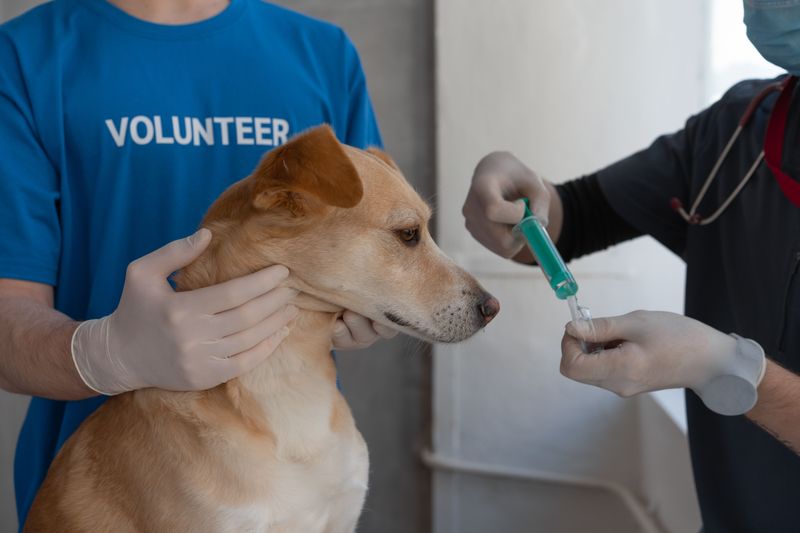
Grab the phone first, then grab your keys. Calling ahead lets the vet clinic prepare for your arrival.
Animal helplines run by groups like the ASPCA answer around the clock. A small fee may apply, but the advice is worth it.
Bring a sample of the berries if you can do it safely. A quick photo of the tree helps the vet confirm what your pet ate.
Tell them roughly how many berries might be gone and when it happened. Even a guess helps them plan treatment.
Write down your pet’s approximate weight before you call, since the vet uses it to estimate how much of the berries could matter.
Vets may help your pet empty its stomach if the snack happened recently. They know safe methods that keep your pet comfortable.
Activated charcoal is another common tool. It soaks up leftover compounds in the stomach like a sponge.
Pets with stronger symptoms may need IV fluids and medicine for nausea. Muscle-calming care and close watching can also be part of the plan.
Some pets stay overnight so staff can track their heart and breathing. That might feel intimidating, yet it gives your buddy round-the-clock support.
Stay calm on the drive, because pets pick up on your mood. A soft voice and a steady hand can comfort them a lot.
Ask the vet what to watch for once you head home. Clear instructions help you spot any setbacks early.
Recovery And The Road Back Home
Many Alabama pets improve with prompt care, though outcomes vary. Plenty are wagging and begging for treats within a day or two.
Recovery depends on how many berries were eaten and how fast help arrived. Size, age, and overall health play a role too.
At home, expect your pet to feel tired for a little while. Let them rest in a quiet spot away from busy foot traffic.
Your vet may suggest a bland diet for a few days. Boiled chicken and plain rice are common choices for upset tummies.
Offer fresh water often, since an upset stomach and loose stools drain fluids. Small sips are easier on a sore stomach than big gulps.
Watch for any return of shaking, wobbly steps, or refusing food. Call the vet right away if something seems off.
Follow-up visits with your Alabama vet may include bloodwork to check organs. Those tests show how well the organs are recovering.
Gentle play and short leash walks help your pet regain strength, and a few calm days can make the return to normal routines smoother.
Emotionally, owners often feel guilty after a day like this. Remember that chinaberries fool lots of smart, caring Alabama pet owners each year.
Use the experience to tighten up your yard routine. Your pet will not thank you in words, but the tail wag says enough.
Write down the date and details of the event. That record helps if your pet needs care again later.
Smart Yard Moves For A Safer Season
You are the boss of your backyard, and that is good news. A few simple habits can keep chinaberries far from curious snouts.
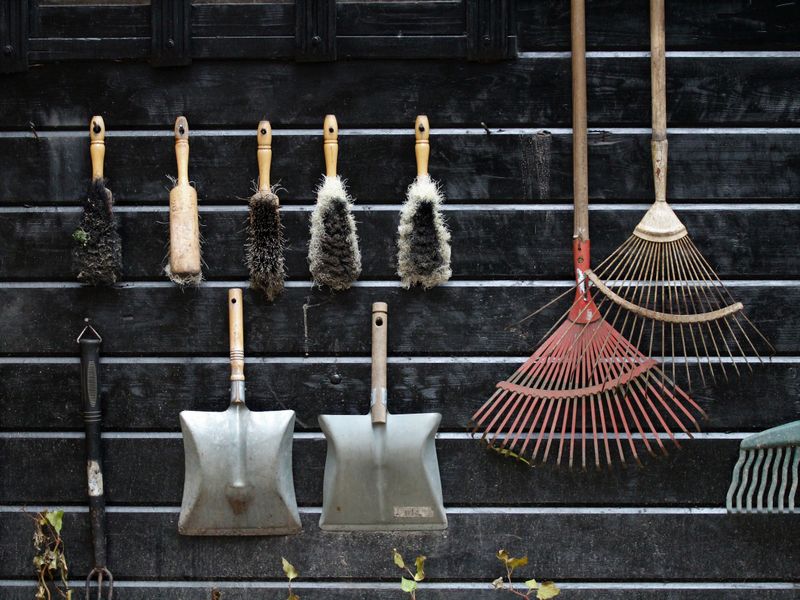
Rake up fallen berries regularly during fall and winter. Bag them and put them in the trash instead of a compost pile.
Supervise pets outdoors when berries are dropping. A leash walk around the yard keeps nosy dogs from snacking.
Fencing off the area under the tree can work well. Even a short temporary fence makes a big difference.
Removing the tree is the longest-lasting fix. Chinaberry is considered invasive in Alabama, so many experts encourage replacing it.
Cutting it down is only part of the job, though. Stumps and roots sprout new shoots, so ask an arborist about treating the cut stump right away.
Pull young seedlings while they are small and easy to yank. Spring rain makes the soil softer for this chore.
Consider planting native trees in its place. Southern red maple, redbud, and American holly add color without the risk.
Teach a strong leave it command to your dog. That one phrase can stop trouble before it reaches their mouth.
Share what you learn with your family, so the whole household knows which tree to avoid and which command to use when a dog heads toward berries.
Talk with neighbors, too, since berries ignore property lines. A friendly chat can protect pets on your street.