7 Things That Attract Raccoons To Texas Homes In Fall
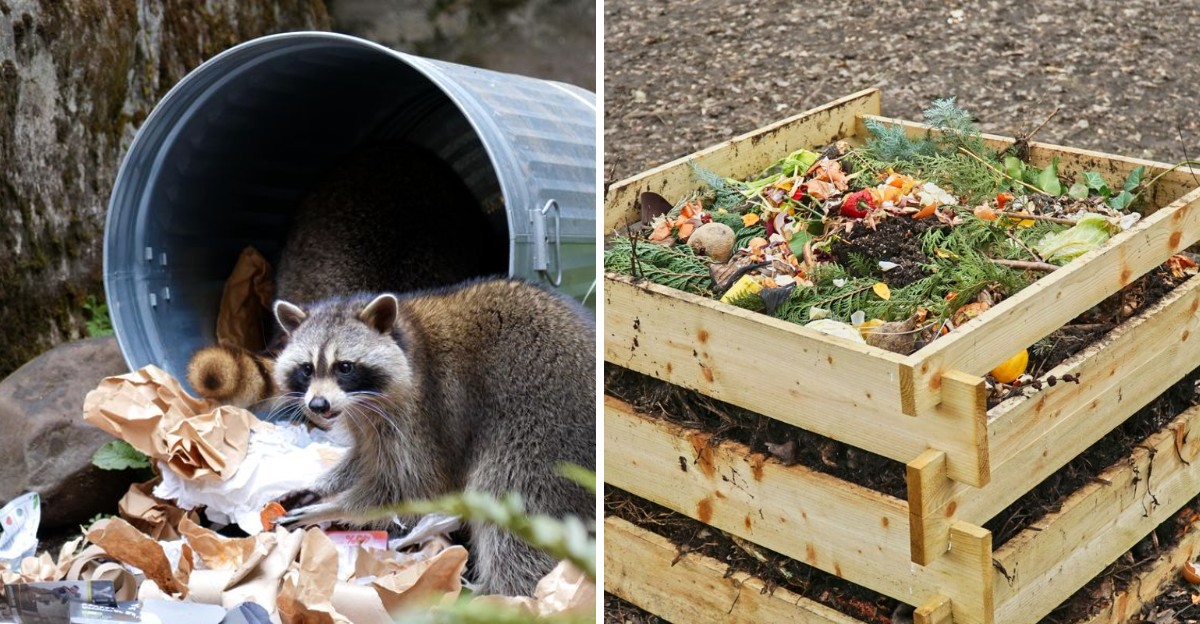
Raccoons have some of the most remarkable hands in the animal world. Their front paws are packed with sensitive nerve endings, allowing them to feel, grip, twist, and pry with surprising skill.
Latches, lids, and loose vents don’t stand much of a chance. That talent comes in handy every fall.
As cooler weather settles across Texas, raccoons start eating everything they can find to build up fat reserves. At the same time, many are searching for cozy shelters to ride out chilly nights.
Attics, chimneys, crawl spaces, and the dark gap under a deck can all look like ideal hideouts. Fallen pecans, pet bowls, birdseed, garbage cans, and backyard ponds add to the temptation.
Once a raccoon finds a yard that offers both food and shelter, it often decides to stick around.
Knowing what draws them in can help you stop small visits from becoming a big problem.
1. Pet Food Left Outside
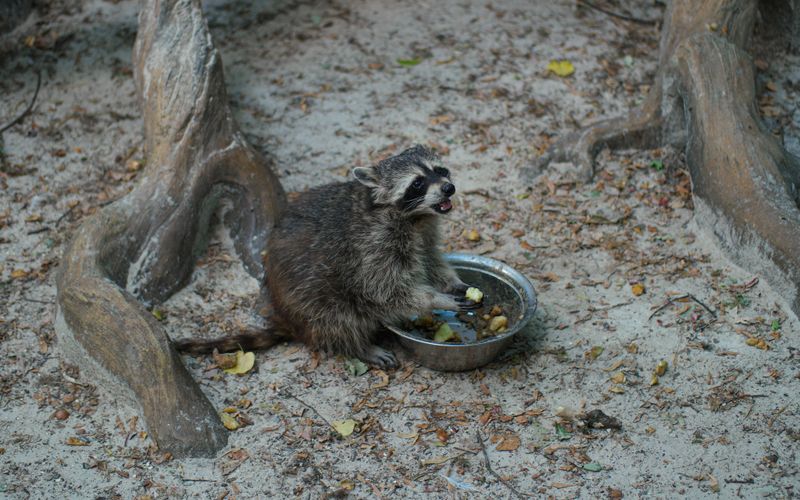
Your dog finishes half of dinner and walks away. An hour later, a masked bandit strolls up the porch steps and cleans the bowl. Many Texas homeowners have seen this happen, sometimes on their own doorbell cameras.
Fall is a big eating season for raccoons. They need extra fat to stay strong through chilly winter nights.
A bowl of kibble is like a free buffet with no work required. Dog food and cat food are packed with protein and fat, which raccoons love.
Once a raccoon finds an easy meal, it remembers. It will come back night after night to check for more.
Worse, it may bring friends or family members along. Before long, you could have several raccoons visiting your porch on a regular schedule.
Leftover pet food can also cause trouble for your pets. Raccoons may fight with cats or dogs over a bowl.
They can also spread germs and parasites through their saliva and droppings. Nobody wants that near the spot where Fido eats.
Luckily, the fix is simple. Feed your pets indoors whenever you can. If your pets must eat outside, stay nearby and pick up the bowl as soon as they finish. Try feeding at set times rather than leaving food out all day.
Store big bags of pet food in a sealed plastic or metal bin. Keep that bin inside the house or in a closed garage. Raccoons can tear open paper bags in seconds, so a sturdy container is a smart buy.
Also, wipe up any spilled kibble on the porch. Even a few crumbs can send a tasty smell into the night air. A clean feeding area tells raccoons there is nothing worth checking out.
2. Unsecured Trash Cans
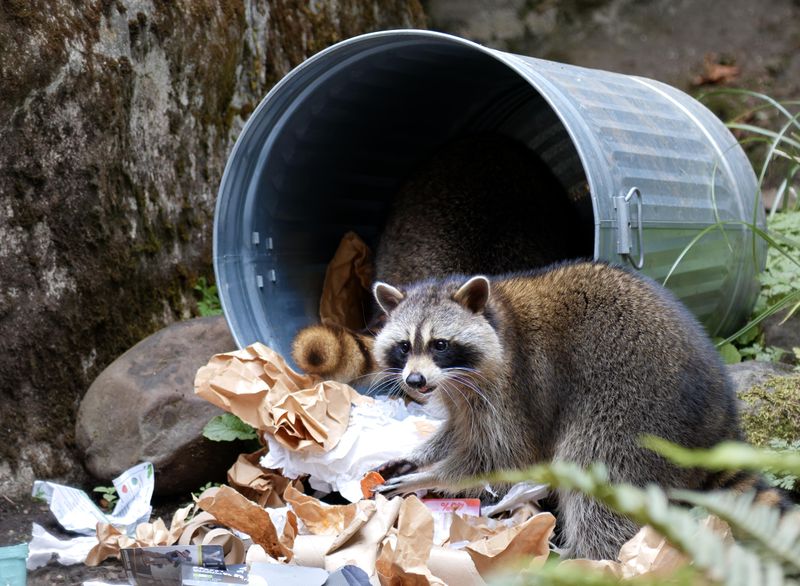
Here is a fun fact. Raccoons have super sensitive front paws with thousands of nerve endings. Scientists say their paws work almost like human hands, which explains why trash lids rarely stop them.
To a raccoon, your garbage can is a treasure chest. It holds old chicken bones, pizza crusts, fruit peels, and greasy wrappers. In fall, when raccoons are trying to eat as much as possible, that smell is hard to resist.
Your Texas Garden Changes Every Week. Your Plan Should Too.
Gardening in Texas changes quickly throughout the season. Every Friday you’ll receive a simple weekly plan showing exactly what to plant, prune, fertilize, harvest, and protect so you never miss the right timing.
A loose lid is easy for them to pop off. Some raccoons even tip over the whole can to get inside. The next morning, you wake up to trash spread across the driveway. It is messy, smelly, and frustrating to clean.
So how do you win the trash battle? Start with a can that has a locking lid. Many stores sell cans built with clips or twist locks made for wildlife. If you already have a can you like, use bungee cords stretched tightly over the top.
Location matters too. Keep cans in a garage or shed whenever you can. If they have to stay outside, put them against a wall or fence so they are harder to knock down. Some people strap cans to a post for extra support.
Bag your trash well before tossing it in. Double bagging smelly food scraps, like meat or fish, can help cut down on odors. Rinse the inside of your cans every few weeks with soap and water.
Finally, try putting your trash out on the morning of pickup instead of the night before. Raccoons do most of their raiding after dark. Less time at the curb means fewer chances for a midnight snack.
3. Pecans And Fallen Fruit
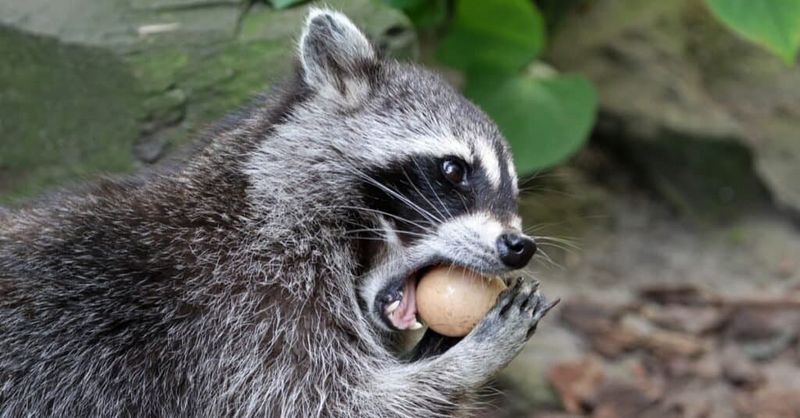
Ask any Texan about fall, and pecans will come up fast. The pecan is our state tree, and many backyards have at least one. Raccoons are big fans of them too.
As autumn arrives, pecans, acorns, and fruit start dropping to the ground. Persimmons, figs, pears, and grapes can pile up quickly. For a hungry raccoon, all of that is a rich and filling feast.
Nuts are loaded with fat and energy. That makes them perfect for an animal trying to bulk up before winter. Sweet, soft fruit is just as tempting. Rotting fruit gives off a strong smell that can draw raccoons from far away.
Leaving fallen food on the ground is like ringing a dinner bell. Raccoons will return again and again while the supply lasts.
They might also explore the rest of your yard while they are there. That can lead them to your trash, garden, or even your home.
The best plan is to clean up often. Rake or gather fallen nuts and fruit every day or two during peak season. A pecan picker tool with a rolling basket makes the job much faster. Kids can help, and it can turn into a family activity.
Pick ripe fruit from trees before it falls whenever possible. Share extra pecans with neighbors or save them for holiday pies. Toss spoiled fruit in a sealed bag inside a locked trash can.
You can also trim tree branches that hang close to your roof. Raccoons often use these branches like a bridge.
Keeping limbs at least a few feet away from the house makes it harder for them to reach your attic after a nutty snack.
4. Grubs In The Lawn
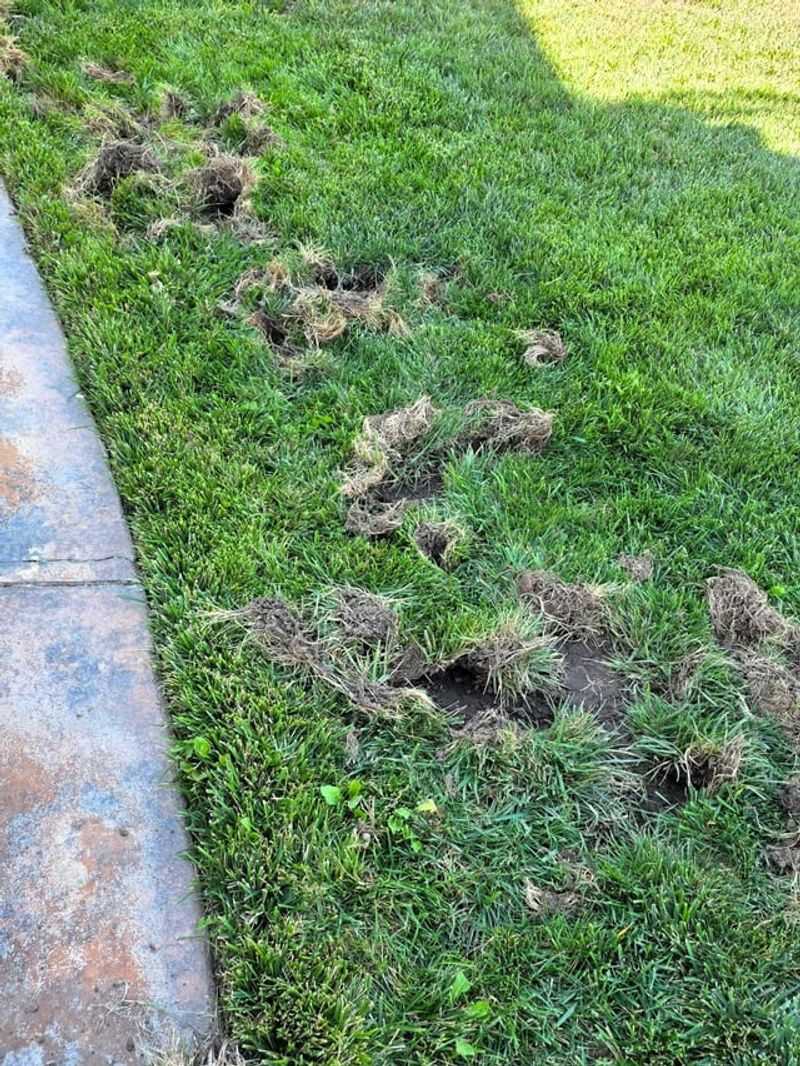
Picture-perfect grass one day, torn-up chunks the next. If you have walked outside to find patches of sod flipped over like pancakes, a raccoon may be the culprit. They were not trying to ruin your yard on purpose. They were hunting for bugs.
Grubs are the young, worm-like stage of beetles, such as June bugs. They live just under the soil and munch on grass roots. In late summer and fall, they grow plump and juicy. To a raccoon, that is a protein-packed snack.
Raccoons use their clever paws to peel back the grass and grab the grubs underneath. Skunks and armadillos do something similar, so check the damage closely.
Raccoon damage often looks like rolled-back strips of sod, while armadillos dig small, cone-shaped holes.
Want to know if you have a grub problem? Try this simple test. Cut a one-foot square of grass and lift it up. If you count more than five to ten grubs, your lawn is probably on the raccoon menu.
Controlling the grubs is the key. You can use natural options like beneficial nematodes. These tiny worms attack grubs but are safe for people and pets. Milky spore is another natural product that works over time.
Some people choose grub control products from a garden store, so always follow the label carefully.
Healthy lawn care helps too. Avoid overwatering, since grubs like moist soil. Mow at the right height and keep your grass strong.
If raccoons have already flipped your sod, press it back down and water it. With the grubs gone, the nightly digging should slow down.
5. Bird Feeders
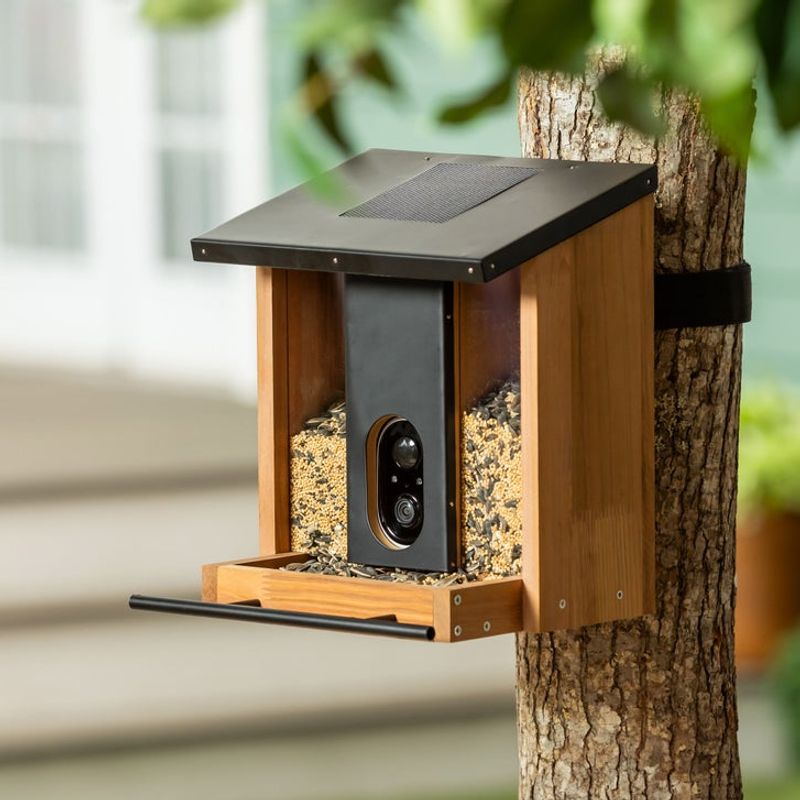
Bird lovers, brace yourselves. That feeder full of sunflower seeds and suet cakes may be feeding more than cardinals and chickadees. After the sun goes down, raccoons often take over the night shift.
Birdseed is rich in oils and fat, and suet is basically a block of pure energy. For a raccoon prepping for winter, it is hard to find a better snack. Raccoons are skilled climbers, too. Poles, trees, and deck railings are no problem for them.
Once they reach a feeder, raccoons can be rough. They may shake it, pry it open, or knock it to the ground.
Broken feeders and spilled seed are common signs of a nighttime visitor. Spilled seed can also attract mice and rats, which creates a whole new problem.
Thankfully, you do not have to give up on backyard birds. The easiest trick is to bring feeders inside at night.
Birds mostly eat during daylight hours, so they will not miss a thing. Just hang the feeder back up in the morning.
If that sounds like too much work, try a raccoon baffle. A baffle is a cone or tube-shaped shield that goes on the feeder pole.
It blocks raccoons from climbing up. Place the pole at least ten feet away from trees, fences, and roofs so they cannot jump over.
Choose feeders with metal parts and locking lids. Clean up fallen seed under the feeder every few days.
A tray under the feeder can catch extra seed before it hits the ground. With a few smart changes, your feathered friends can eat in peace.
6. Compost And Grill Grease
Texans take their barbecue seriously. Brisket, ribs, and sausage are fall weekend favorites. Sadly, raccoons agree, and they can smell your cookout long after the last plate is cleared.
A dirty grill holds drippings, grease, and bits of burnt meat. Those smells hang in the air and travel far.
A raccoon passing by may climb right onto the grill to lick the grates or dig into the grease trap. Some even knock grill covers off to get a taste.
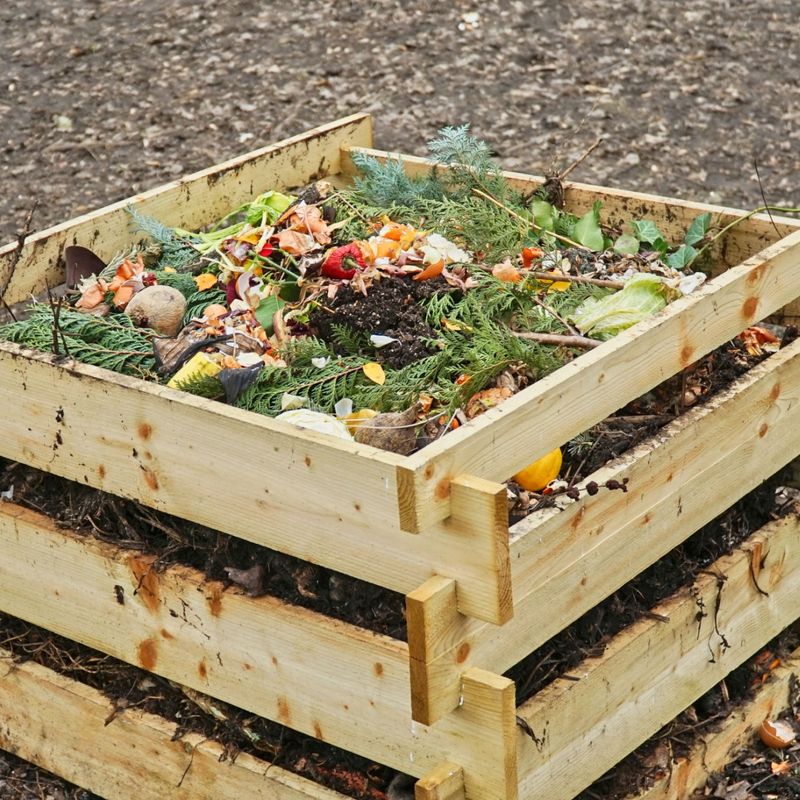
Compost piles can send out a similar invitation. Open piles full of veggie peels, fruit scraps, and leftovers are easy pickings.
If meat, bones, dairy, or oily foods end up in the mix, the smell becomes even stronger. Raccoons will dig through the pile and scatter it across the yard.
For the grill, cleaning is your best friend. Scrape the grates after every cookout while they are still warm. Empty and wipe the grease tray often. Cover the grill tightly, and store it in a garage or shed if you have space.
For compost, switch to an enclosed bin with a lid that locks. Tumbler-style bins work well because they sit off the ground and close tightly.
Keep meat, fish, bones, cheese, and greasy foods out of your compost completely. Those items belong in a sealed trash can.
Balance food scraps with plenty of dry material, like leaves or shredded paper. Turning the pile often helps it break down faster and smell less.
A tidy cooking area and a covered compost bin make your patio far less tempting to these furry food critics.
7. Easy Shelter In Attics And Chimneys
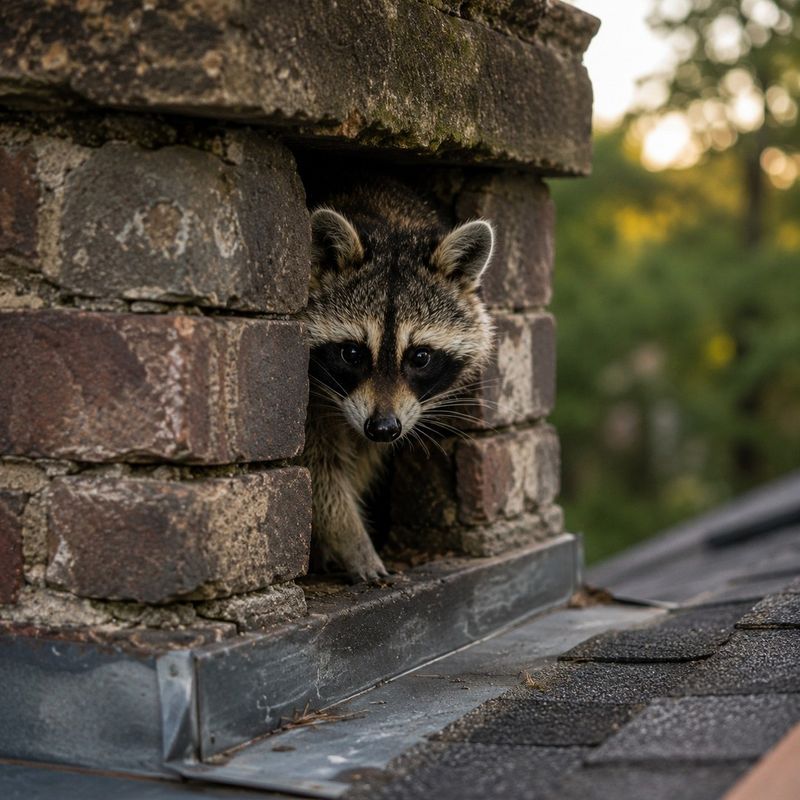
Strange scratching sounds above the ceiling at night? Thumps in the chimney? Many Texas families hear these noises when the weather cools off. Often, the source is a raccoon looking for a cozy place to stay.
As fall nights get chilly, raccoons search for warm, dry, safe spots to rest. In the wild, they use hollow trees and rock dens.
Around homes, attics, chimneys, and crawl spaces work just as well. Some mother raccoons even pick these spots to raise their babies in early spring.
Raccoons are strong and determined. They can rip open loose shingles, vents, and soffits. An open chimney is like a ready-made tree hollow. Once inside, they can tear insulation, chew wires, and leave behind droppings that carry germs.
Prevention is much easier than removal. Walk around your home and look for gaps near the roof, vents, and foundation.
Seal openings with sturdy materials like heavy metal mesh or hardware cloth. Install a chimney cap with a mesh screen, which also keeps out birds and leaves.
Trim tree limbs that touch or hang over your roof. Fix damaged shingles and loose boards quickly. Close off spaces under decks and porches so raccoons cannot move in below.
If you think a raccoon is already inside, do not try to catch or handle it yourself. Raccoons can carry rabies and may bite or scratch when scared.
Call a licensed wildlife removal expert who knows Texas laws and safe methods. They can remove the animal and help seal up entry points, so your home stays a raccoon-free zone all season long.