How To Set Up A Winter Windowsill Herb Garden From Your North Carolina Fall Beds
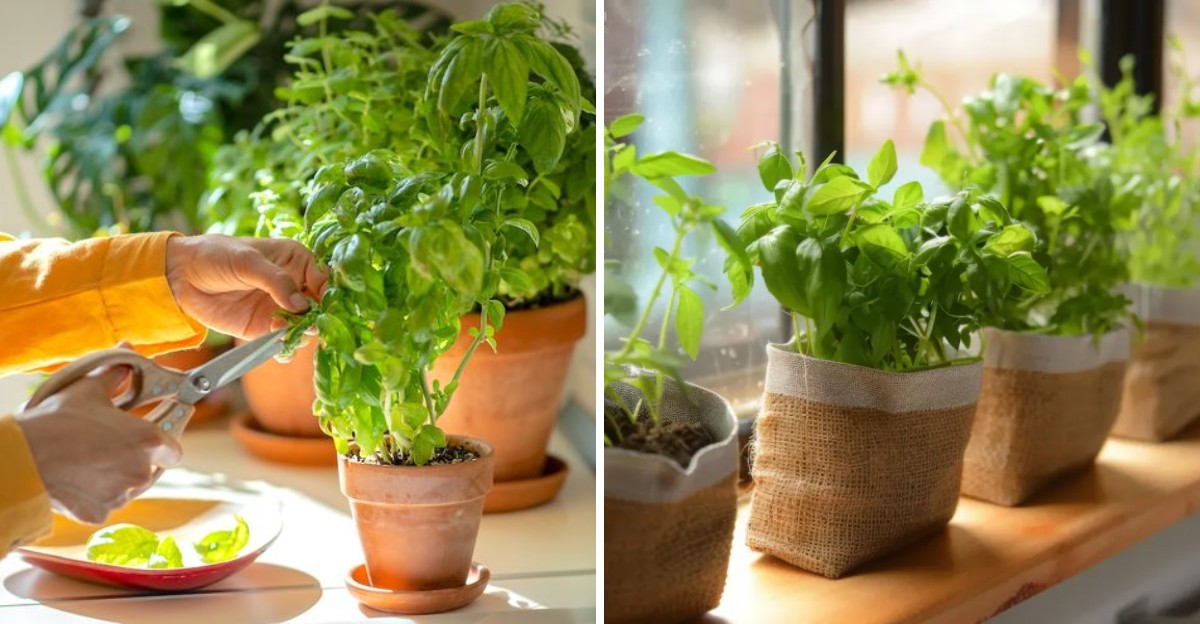
The first frosty morning hits your North Carolina garden, and your herbs look like they heard bad news. The leaves are still green, still fragrant, and still begging to be useful.
You brush past them and catch a whiff of something peppery and bright that smells like soup, roasted potatoes, and cozy dinners waiting to happen. Here is the plot twist: that green goodness does not have to fade with the season.
A sunny windowsill can keep the flavor going within arm’s reach of the stove. Many hardy herbs can stay outside through winter, so this is a bonus move, not a rescue mission.
A little dirt under your nails and some patience is all it takes. Grab a trowel and let’s make your kitchen smell like summer again.
1. Pick The Best Herbs To Bring Indoors
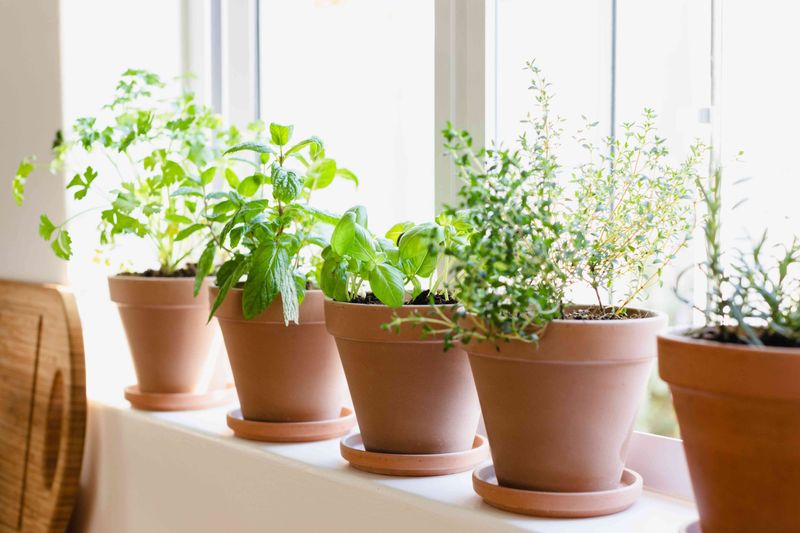
Not every plant in your fall bed is ready for an indoor life. Some herbs adjust to a windowsill like they were born for it, while others sulk and stretch.
Chives, parsley, and mint are strong choices for most North Carolina homes, since they tolerate somewhat lower light than many other herbs. Thyme and oregano can work too, though they often want a very bright window or a little help from a grow light.
Basil is a sun lover, so it needs plenty of light indoors. It will not survive a frost outside, so bring any basil in before the cold arrives, or start a fresh pot from seed.
Rosemary can work too, but it needs a bright window and careful watering. Spider mites also like it indoors, so keep an eye on the leaves.
Look for plants with firm stems, deep green leaves, and plenty of fresh growth. Skip any herb with yellow patches, sticky leaves, or tiny bugs crawling around the base.
A strong plant brought inside will bounce back faster than a tired one.
Think about what you actually cook during the colder months. If you make lots of soups and stews, parsley and thyme will earn their spot.
Chives are a great match for baked potatoes and scrambled eggs on busy mornings.
Fun fact: chives are part of the onion family, which is why they taste so mild and zesty at the same time. Their purple flowers are edible too, though indoor plants rarely bloom.
Start with three or four herbs instead of ten. A small, healthy collection is easier to care for and much more rewarding.
2. Time Your Herb Move Before The First Frost

Timing can make or break your indoor herb plan. Wait too long, and a sudden cold snap might damage tender leaves overnight.
Across much of North Carolina, the first frost shows up between late October and mid-November. Mountain gardens often see it earlier, while coastal areas may stay mild a bit longer.
Check your local weather forecast and aim to dig up your herbs a week or two before the expected frost date.
Your North Carolina Garden Changes Every Week. Your Plan Should Too.
Gardening in North Carolina changes quickly throughout the season. Every Friday you’ll receive a simple weekly plan showing exactly what to plant, prune, fertilize, harvest, and protect so you never miss the right timing.
Moving plants while nights are still cool, but not freezing, gives them a gentle start. They have time to settle into their new pots before facing the dry air inside your house.
That small head start helps a lot.
Try to dig on a cloudy day or in the late afternoon. Strong sun can stress freshly disturbed roots, and a calm, cool day makes the move smoother.
Water the bed the night before so the soil holds together around the roots.
Here is a handy trick many gardeners use. Write your digging day on the kitchen calendar in September as a reminder.
Life gets busy in the fall, and a note keeps you from missing the window.
Tender herbs like basil need to come inside before any frost, so move those first. Thyme, chives, and mint can handle a light chill, and some Extension sources note that chives and mint even benefit from a light frost before the move, since it nudges them into a rest period.
Parsley is also fairly hardy.
3. Dig Up Herbs Without Hurting The Roots
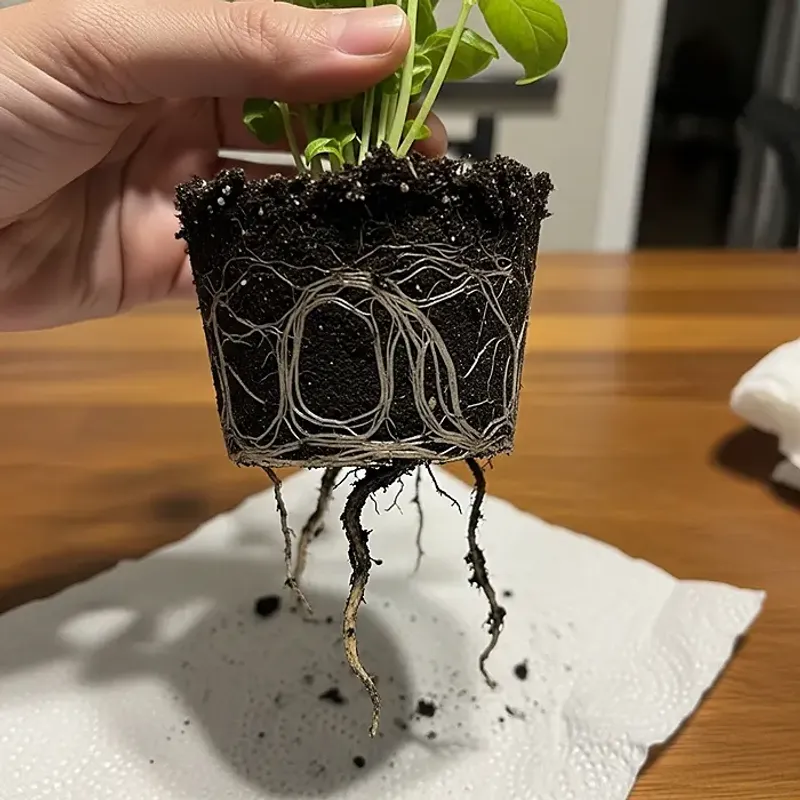
Roots are the quiet heroes of every herb. Treat them kindly during the move, and your plant will reward you with weeks of fresh leaves.
Start by pushing a sharp trowel or small shovel into the soil about four inches away from the stem. Work in a circle around the plant to loosen it gently.
Then lift from underneath, keeping as much soil attached as you can.
Many North Carolina gardens are full of heavy red clay. That sticky soil can cling to roots and hold too much water once it lands in a pot.
Shake off some of the clay carefully, but do not strip the roots bare.
If an herb is huge, like a sprawling oregano, divide it into smaller clumps. Pull the clump apart with your hands or slice through it with a clean knife.
Each section with healthy roots can become its own windowsill plant.
Mint deserves special attention because its roots spread fast underground. Take just a small piece rather than the whole patch.
You will have plenty, trust me.
After digging, trim off any long, scraggly stems. A common rule of thumb is to cut the top back by about a third, which helps balance the plant, since the roots lost some reach.
Less leaf area means less stress while the herb adjusts.
4. Choose Pots And Soil That Suit North Carolina Homes
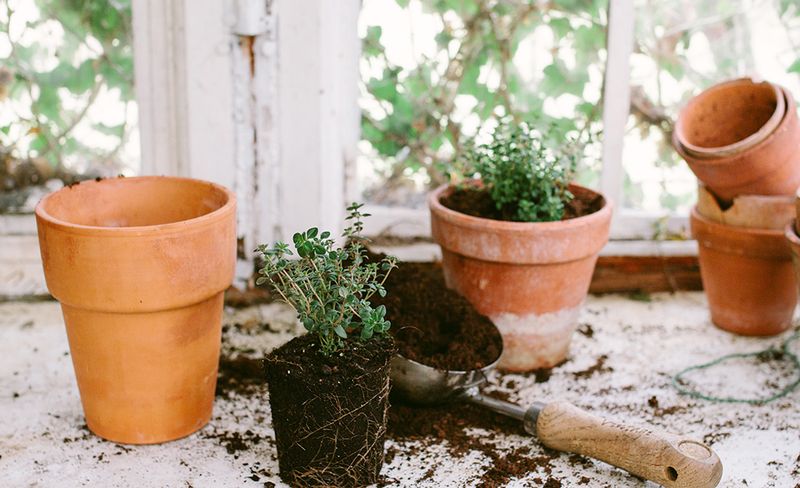
Garden dirt and indoor pots are not the best match. Bed soil packs down tight in containers and can leave roots soggy and struggling.
Grab a bag of quality potting mix instead. It is light, fluffy, and drains well, which is exactly what indoor herbs want.
Many gardeners add a handful of perlite to boost airflow around the roots.
Pots need drainage holes, no exceptions worth making. Water that sits at the bottom can lead to root rot, one of the most common indoor herb problems.
Place a saucer underneath to protect your windowsill from drips.
Terracotta pots are a favorite for good reason. The clay breathes, letting extra moisture escape, which helps herbs like thyme and rosemary that dislike wet feet.
Plastic pots hold water longer, so they suit thirsty herbs like mint and parsley.
Winter air inside North Carolina homes can get pretty dry once the heat kicks on. Matching the pot to the plant helps you balance moisture without constant fussing.
Size matters too, so pick a pot about two inches wider than the root ball.
Did you know? Terracotta has been used for planters for thousands of years.
Ancient gardeners figured out what modern growers still love about it.
5. Find The Sunniest Window In Your House
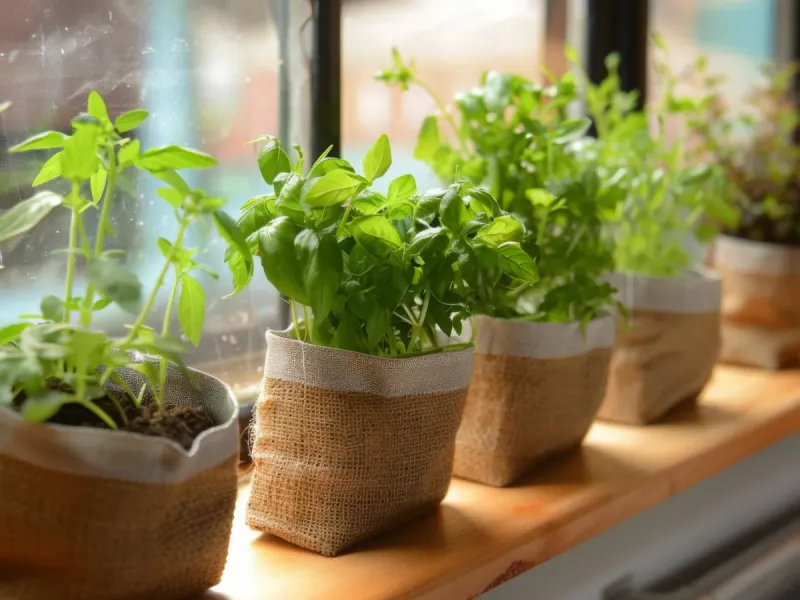
Sunlight is the fuel that keeps herbs growing. Indoors, it becomes the single biggest factor in how well your little garden does.
NC State Extension guidance says herbs need at least five to six hours of direct sun each day. A south-facing window is usually the winner, since it gets the strongest winter sun.
West-facing windows come in second, offering warm afternoon light.
Winter days in North Carolina are shorter, and the sun sits lower in the sky. That angle can actually help, because light reaches deeper into rooms than it does in summer.
Still, trees, porches, and curtains can block more than you might expect.
Spend one day watching your windows. Note where sunlight lands in the morning, at noon, and in the late afternoon.
You may discover a surprise sunny spot in a bedroom or hallway.
Herbs also like a comfortable room. NC State Extension guidance suggests daytime temperatures of about 65 to 70 degrees, with nights roughly 10 degrees cooler.
Keep herbs a few inches away from cold glass on chilly nights. Leaves touching a frosty pane can get damaged.
Also avoid placing pots right above heating vents, which dry plants out quickly.
Turn each pot a quarter turn every few days. Herbs lean toward the light, and rotating keeps them growing straight and full instead of lopsided.
Leggy stems and pale leaves are a sign your plant wants more sun. Move it closer or try a different window.
6. Add Grow Lights For Cloudy Winter Days
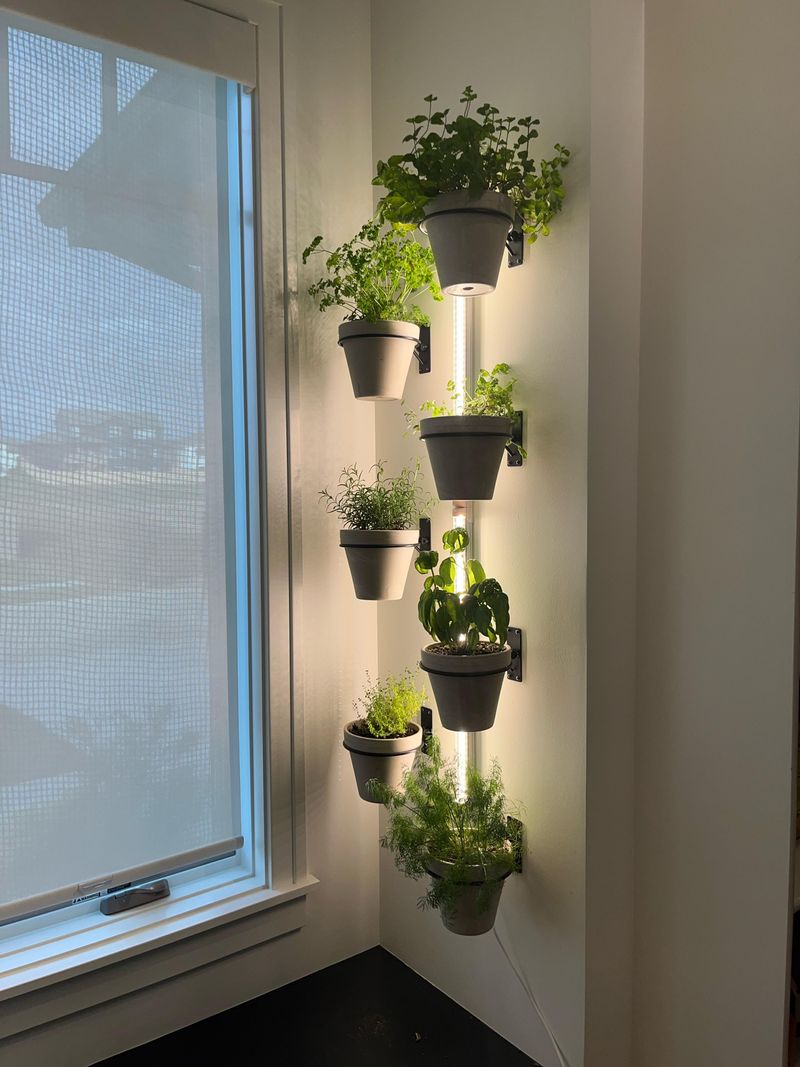
Gray skies have a way of sneaking up during January. A week of drizzle can leave your herbs looking a bit glum and stretched out.
A simple LED grow light can fill that gap. These lights are affordable, use little electricity, and stay cool enough to sit close to leaves.
Clip-on styles and slim bar lights work nicely on a windowsill or shelf.
North Carolina winters swing between bright, crisp days and long stretches of rain. Having a backup light means your herbs keep growing no matter what the weather does.
Think of it as a sunny day you can switch on.
Hang or position the light about six to twelve inches above the plants. Sources vary on how long to run it, with some suggesting as few as 8 to 10 hours and many recommending 12 to 16 hours a day.
A good starting point is around 12 to 14 hours, then adjust based on how your plants respond. An inexpensive outlet timer makes this easy, so you do not have to remember every morning.
Full-spectrum white lights look natural in a kitchen. Some purple lights work well too, but they can make your herbs look a little odd while you cook.
Watch the leaves for clues. If they look bleached or crispy, raise the light a bit higher.
If stems keep stretching tall and thin, lower it or add more hours.
A small investment here can help keep your herbs growing steadily through the darkest weeks of winter.
7. Water Smart For Dry Indoor Air
Overwatering is one of the most common mistakes with indoor herbs. Herbs inside need less water than you might guess, especially with less sunlight.
Use the finger test before grabbing the watering can. Push your finger about an inch into the soil.
If it feels dry, water slowly until it drips from the bottom, and if it feels damp, wait another day.
Rosemary and thyme like to dry out a bit between drinks. Parsley, chives, and mint prefer soil that stays lightly moist.
Grouping plants with similar needs makes the routine much simpler.
Indoor heating across North Carolina homes can drop the humidity way down in winter. Dry air can leave leaf tips brown and crispy.
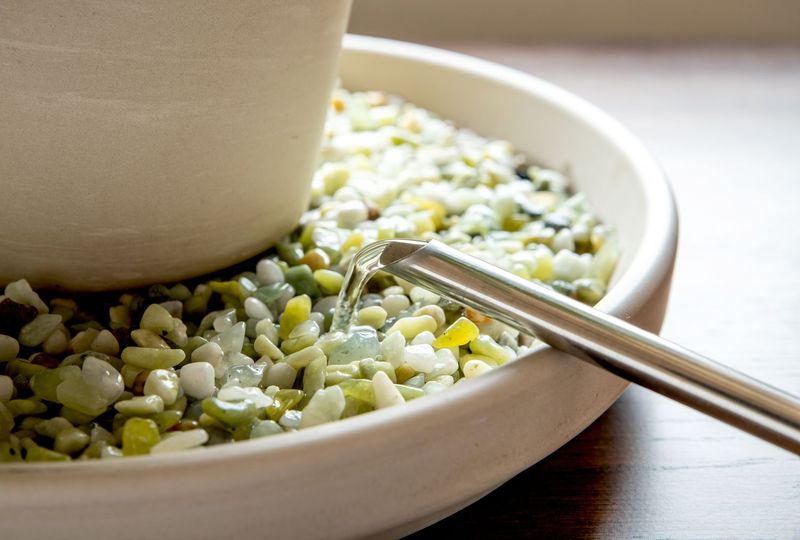
A pebble tray can add a small boost of humidity right around the leaves and costs almost nothing. The effect is modest, so think of it as a helper rather than a fix.
To make one, fill a shallow tray with small stones and add water just below the top of the pebbles. Set your pots on the stones.
As the water evaporates, it adds a little moisture around the leaves.
Water that is close to room temperature is gentler on roots than icy tap water. Fill a jug the night before and let it sit on the counter.
Empty saucers after watering so pots do not sit in puddles. Wet bottoms invite root rot and fungus gnats.
8. Keep Pests From Hitching A Ride From North Carolina Beds

Garden bugs love a free trip indoors. Aphids, spider mites, and whiteflies can hide under leaves and multiply quickly in a warm kitchen.
Before any herb crosses your doorstep, give it a close inspection. Flip leaves over and look along the stems.
Tiny specks, webbing, or sticky spots are clues that something is living there.
A gentle shower helps a lot. Rinse each plant outside with a hose or in your sink, spraying the undersides of leaves.
That simple step washes off many pests before they settle in.
Keep new arrivals apart from houseplants for a week or two. Set them in their own sunny corner and check them every few days.
If bugs show up, you can deal with them before they spread.
Warm, humid fall weather in North Carolina gives pests plenty of time to build up in garden beds. That makes the inspection step extra worth doing.
A mild insecticidal soap labeled for edible plants works well for stubborn critters. Follow the label, and skip homemade dish soap sprays, since household detergents can damage leaves.
Since you plan to eat these herbs, skip harsh chemicals. Rinse the leaves well before cooking.
Fungus gnats can pop up in damp soil. Letting the top layer dry out helps send them packing.
9. Harvest And Enjoy Your Windowsill Herbs
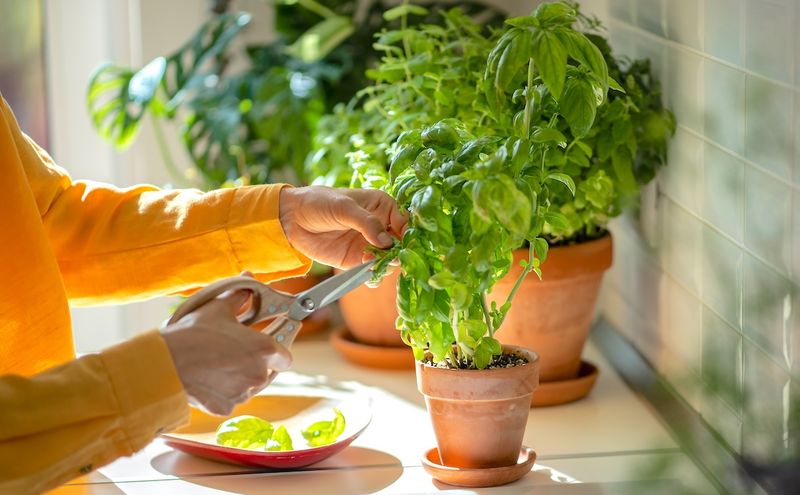
Snipping fresh herbs while snow dusts the yard feels a little like magic. A pinch of green can turn plain soup into something special.
Give your plants a week or two to settle into their new home before you start harvesting. That pause lets roots adjust.
Once you see fresh growth, grab clean scissors and start snipping.
Cut from the top and outer stems first. Trimming just above a pair of leaves encourages the plant to grow bushier.
Try not to remove more than one third of the plant at a time.
Regular harvests actually help your herbs grow better. Plants respond to trimming by sending out new shoots.
Leaving them untouched often leads to tall, floppy stems.
Fresh parsley brightens Brunswick stew, a classic favorite in North Carolina kitchens. Chives make a great topping for grits, and thyme adds warmth to roasted sweet potatoes.
Rosemary pairs nicely with chicken on a cold Sunday evening.
Indoor herbs grow slower in winter, so they need light feeding. Herbs need only modest fertilizer, and a diluted liquid fertilizer once a month is plenty.
Over-feeding is a common mistake.
When late spring rolls around, you can move your healthiest perennial herbs back outside. Your windowsill garden becomes a head start for next season’s beds, and the cycle begins again.