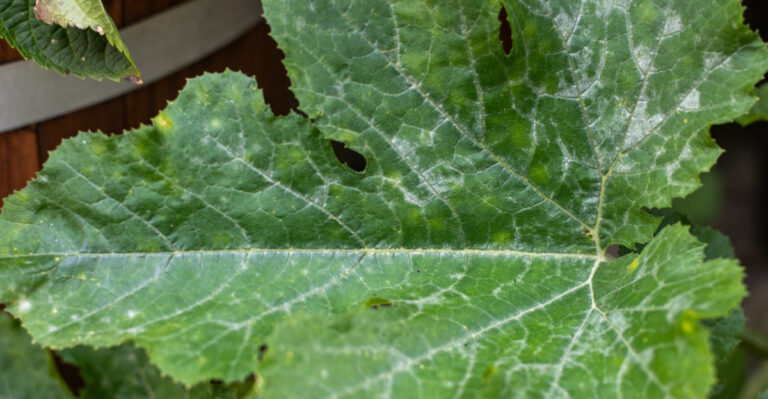
That Spooky Foamy Spiral On Your Indiana Pumpkin Showed Up Just In Time For Halloween, And It Isn’t A Fungus
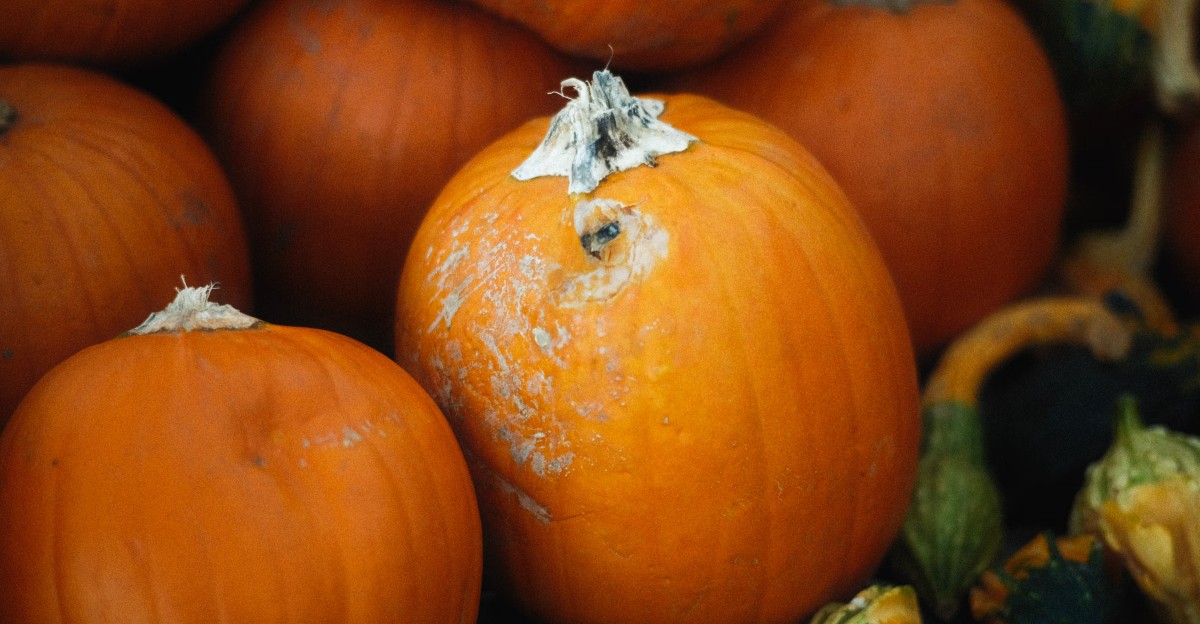
A pumpkin can go from firm and glossy to bubbling like a root beer float in just a few warm, damp days. I found one on a porch step last fall with a pale, foamy swirl creeping across its side, and I’ll admit I jumped back.
Most folks blame mold right away. That guess makes sense, since fuzz and rot usually go hand in hand. Yet the froth tells a different story, and the true source is far smaller than any mold spot.
Here in Indiana, October brings mild afternoons, heavy dew, and pumpkins sitting on porches for weeks. Those conditions give tiny organisms a cozy place to work. Your festive display might be hosting a busy crowd you cannot even see.
So what turns a cheerful orange pumpkin into a fizzy mess? I think the answer will change how you pick, carry, and store your next one.
That Bubbly Ooze On Your Porch Pumpkin Has A Tiny Source
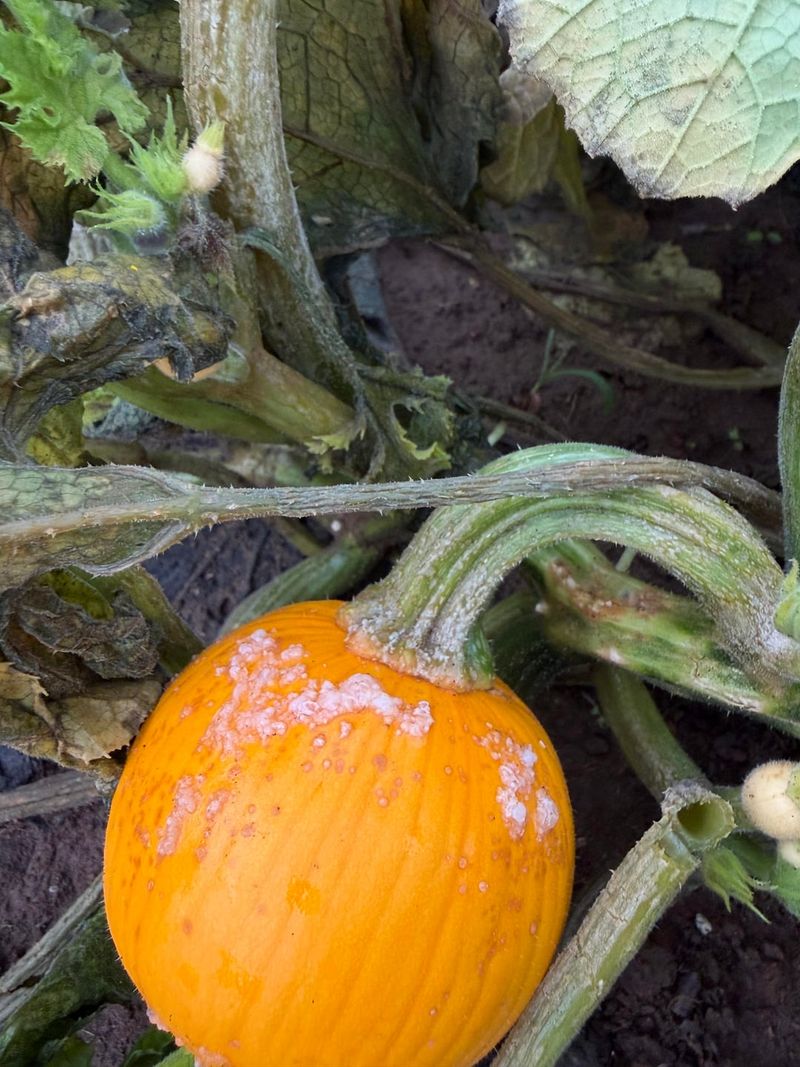
My first reaction to foamy pumpkin goo was to grab the gloves and call it mold. Then I looked closer and saw no fuzz at all, just wet, bubbly slime seeping from a soft patch.
That detail matters. Fungal rots on pumpkins usually show fuzzy growth, powdery spores, or colored rings of white, gray, or black. Frothy, watery ooze with a sour smell points somewhere else, mostly toward bacteria.
Bacteria are single-celled living things, and they are not related to fungi. They work fast in warm, wet tissue. As they feed, the pumpkin’s insides break down into liquid, and gases from that breakdown can make the juice bubble and foam as it leaks out.
Now, about that spiral. No university source I found explains a true spiral pattern. My best guess is that the ooze simply follows the pumpkin’s ribs, cracks, or the curve of the rind as it runs and dries.
So treat the spiral shape as a quirky bonus, not a clue. The foam itself is the real message. Your pumpkin is softening from the inside, and tiny microbes are doing the work.
Soft Rot Bacteria Turn Pumpkin Flesh Into Frothy Mush
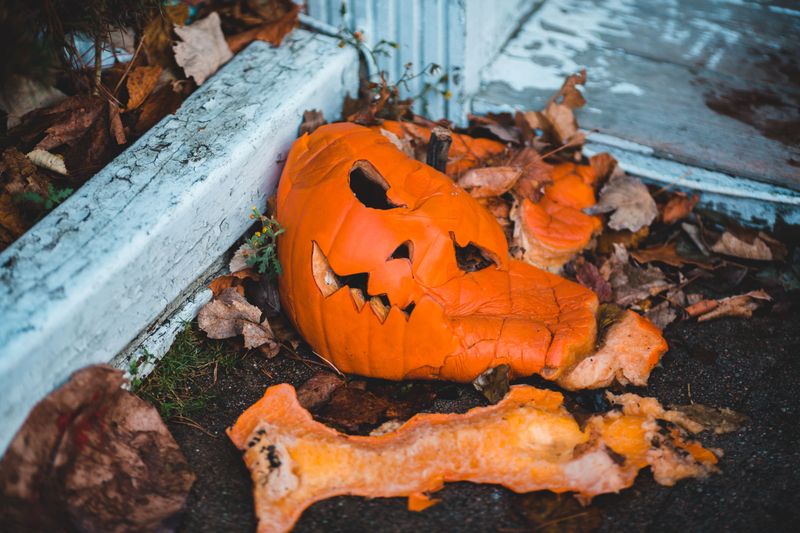
Plant scientists have a name for this mess: bacterial soft rot. Extension specialists at schools like Purdue and Wisconsin describe it on pumpkins, squash, potatoes, and many other juicy crops.
The usual troublemakers belong to groups called Pectobacterium and Dickeya. They release enzymes that dissolve pectin, the natural glue holding plant cells together. Once that glue breaks down, firm flesh turns into a soupy, water-soaked mess.
You can often spot soft rot by a few signs. The area looks darker and wet, it feels squishy when pressed, and the rind may crack and leak. Many people also notice a strong, unpleasant smell, which often comes from other bacteria that move in afterward.
Fungal rots tend to behave differently. They usually spread more slowly and leave visible mold on the surface. Soft rot can turn a healthy-looking pumpkin into a puddle in a matter of days during warm weather.
Your Indiana Garden Changes Every Week. Your Plan Should Too.
Gardening in Indiana changes quickly throughout the season. Every Friday you’ll receive a simple weekly plan showing exactly what to plant, prune, fertilize, harvest, and protect so you never miss the right timing.
Personally, I find the speed the most surprising part. One afternoon your jack-o’-lantern looks fine, and two warm days later it slumps. Knowing the cause helps you act early instead of guessing.
Tiny Nicks In The Pumpkin Rind Let Bacteria Sneak Inside
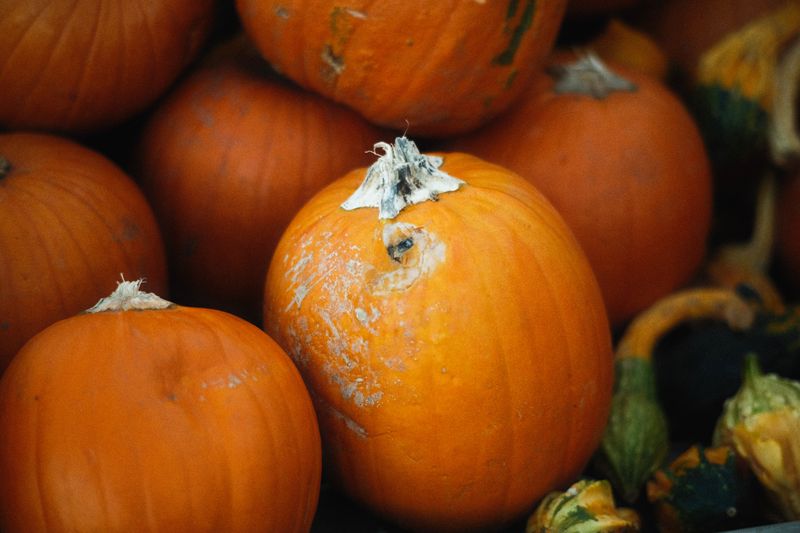
A pumpkin rind works like a raincoat. As long as it stays whole, most bacteria simply sit on the surface and wait.
Trouble begins with a wound. Extension guides list insect feeding, cuts from knives or tools, hail damage, fingernail scrapes, and bruising from drops as common entry points. Even a broken or snapped stem can open the door.
Squash bugs and cucumber beetles deserve a special mention. They chew and pierce the rind and stems, leaving tiny openings that soft rot bacteria can use. Controlling these insects during summer pays off in fall.
Carving creates the biggest wound of all. Once you cut a face into your pumpkin, the moist flesh is exposed to air, bacteria, and fruit flies. That is why carved jack-o’-lanterns often collapse within a week or so, especially on warm days.
Try this simple habit. Carry pumpkins from underneath instead of by the stem, and set them down gently on a soft surface. Leave a few inches of stem attached when cutting them from the vine.
Small changes like these keep the rind intact. A smooth, unbroken shell gives your pumpkin its best shot at lasting until trick-or-treat night.
Warm Rain And Heavy Dew Give Pumpkin Rot A Head Start
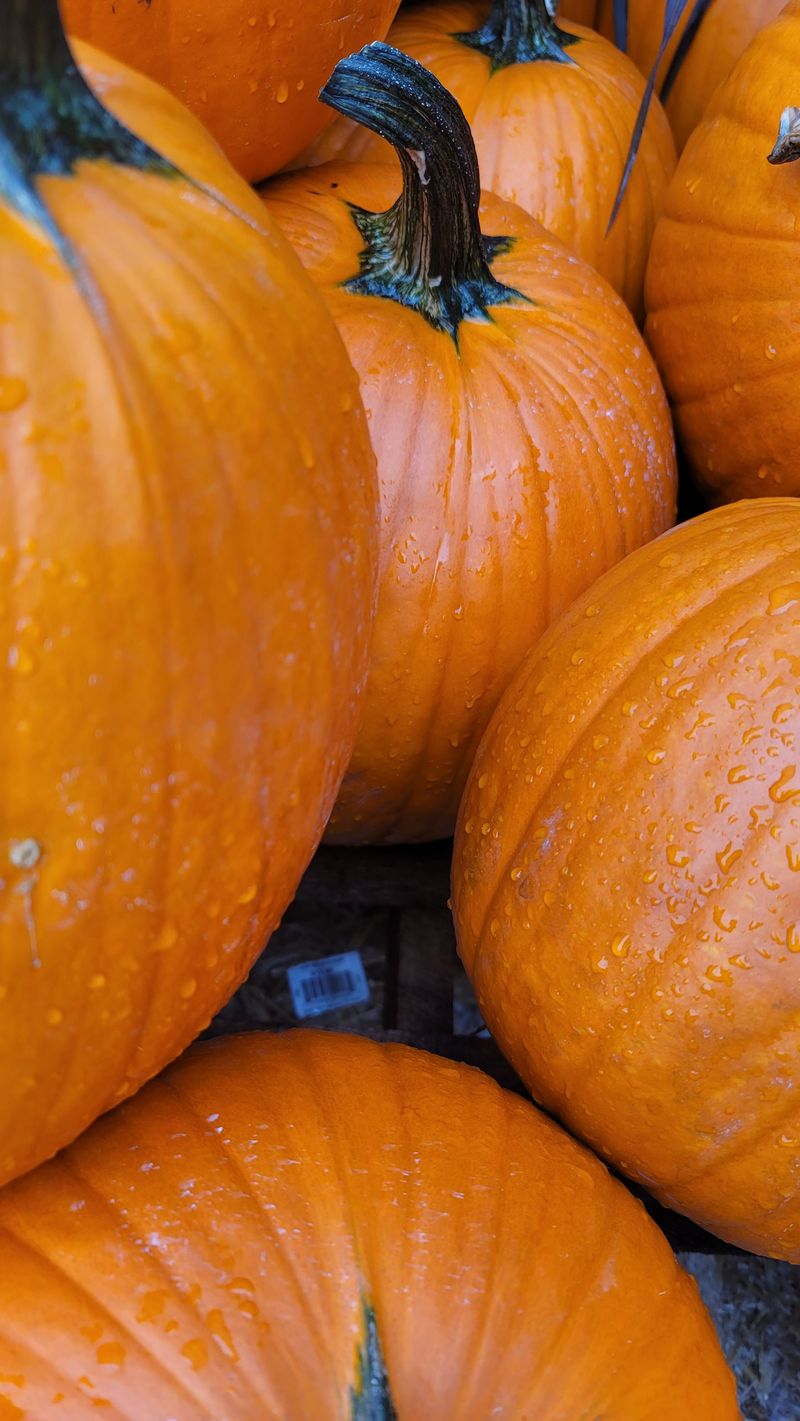
Weather does a lot of the heavy lifting here. Soft rot bacteria love warmth and moisture, and early fall in Indiana often serves up both.
Late September and early October can bring stretches of rainy days followed by warm afternoons in the 70s. Pumpkins sitting on wet soil stay damp underneath for long periods. That steady moisture gives bacteria an easy path into any weak spot.
Southern Indiana usually stays warmer later into fall than northern counties. That small difference can mean more rot pressure in the south during a mild October. A sudden cold snap, on the other hand, can chill-injure pumpkins and open them up to decay later.
In the garden, you can tilt the odds in your favor. Plant in well-drained soil, avoid overhead watering late in the season, and give vines enough space for air to move. A layer of straw or a board under each fruit keeps the bottom off muddy ground.
On the porch, moisture still matters. Pumpkins resting in puddles or under dripping gutters tend to soften first. Move them to a covered, airy spot, and you will likely notice the difference within days.
A Yellow Foamy Blob Near Your Pumpkins Could Be Slime Mold
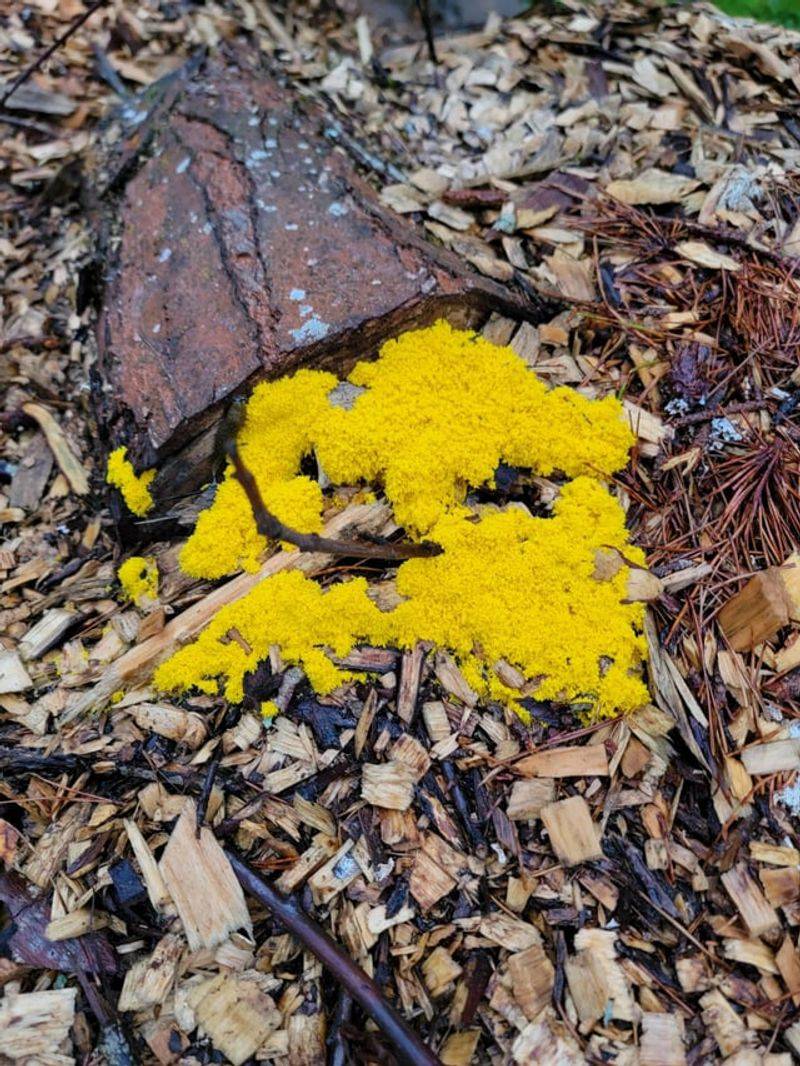
Sometimes the foam is not coming out of the pumpkin at all. If you spot a bright yellow, frothy blob on mulch or creeping up the side of a pumpkin, you may be looking at slime mold.
Gardeners often call one common type dog vomit slime mold, and the nickname fits. Its scientific name is Fuligo septica. Here’s the fun twist: despite the word mold, slime molds are not fungi either.
Scientists place them in a separate group of single-celled organisms. They glide slowly over damp surfaces, feeding on bacteria and bits of decaying material. During wet spells, they can pop up overnight on mulch, lawns, and anything resting on them.
The best part? Slime molds rarely harm healthy plants. They are mostly using your pumpkin as a ladder, not a meal.
To tell the two apart, check the pumpkin underneath. If the rind feels firm and the foam wipes away easily, slime mold is the likely culprit. If the spot is soft, smelly, and leaking, soft rot is more likely.
Simply scoop slime mold away with a trowel, or let dry weather shrink it into a crusty, powdery patch.
Giant Pumpkin Growers Watch Closely For A Foaming Stump
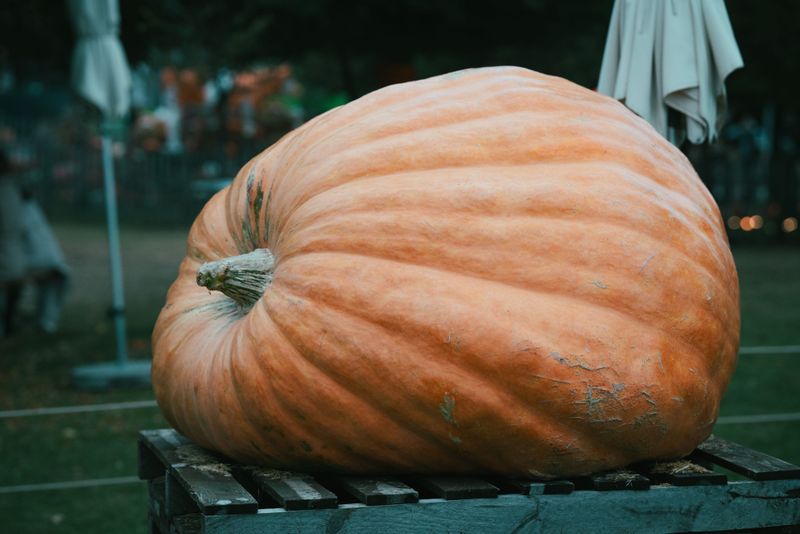
Competitive growers who raise half-ton pumpkins have a phrase that makes them wince: foaming stump. Online forums like BigPumpkins.com are full of anxious posts about it every summer and fall.
The foam usually shows up where the fruit’s stem meets the main vine. Growers often link it to the plant pulling in more water than it can use, especially after heavy rain or aggressive pruning. That extra pressure can split tissue, and bacteria may move in and create smelly white froth.
Much of this comes from grower experience rather than formal research, so I treat it as practical wisdom, not settled science. Still, the advice is consistent. Experienced growers clean away soft, rotting tissue, let the area drain, and aim a small fan at the stem to dry it out.
Some also ease back on watering until the foaming slows. Shade covers help keep the stump from overheating in strong sun.
Even if you grow regular jack-o’-lantern pumpkins, the lesson carries over. Foam at the stem is a warning sign. Catch it early, keep the spot dry, and you have a better chance of saving the fruit before rot spreads inside.
Careful Picking And Dry Storage Keep Your Halloween Pumpkins Firm
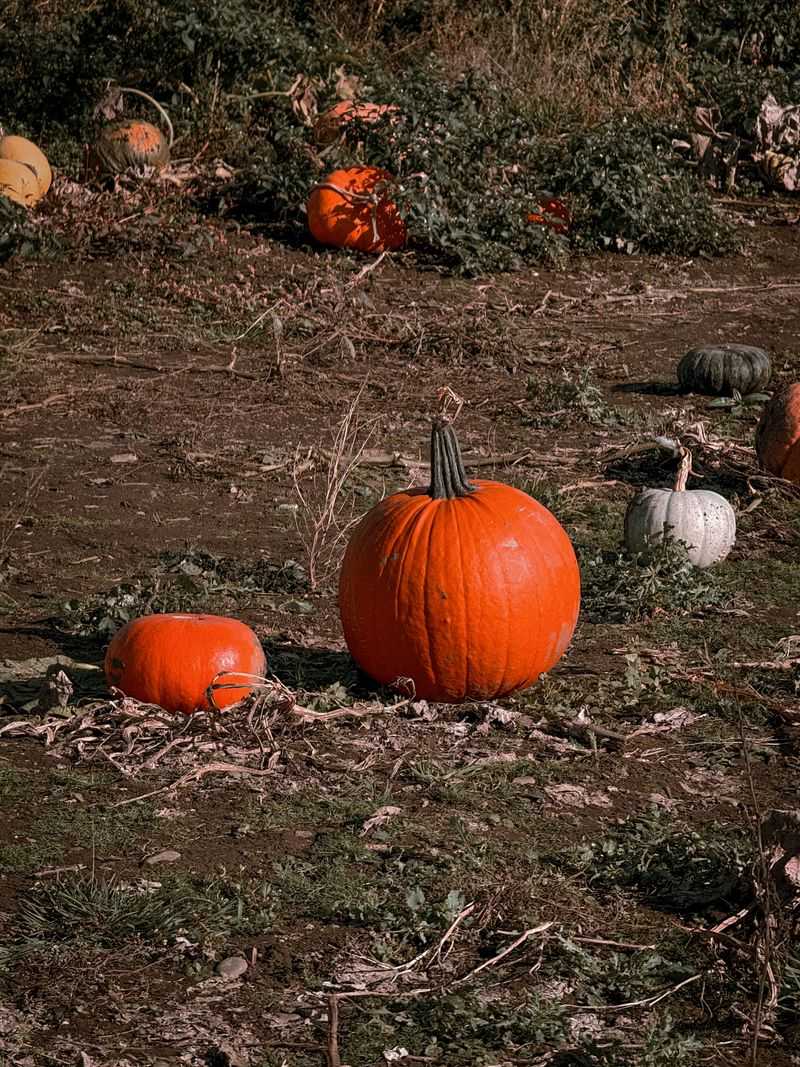
A little planning goes a long way toward a foam-free Halloween. I like to think of pumpkin care as starting in the field and ending on the porch.
Harvest when the rind is hard and the color is deep and even. Cut the stem with clean pruners, leaving three to four inches attached. Skip any fruit with soft spots, cracks, or water-soaked patches, since those rarely improve.
Before storing, many extension services suggest wiping pumpkins with a very dilute bleach solution to reduce surface bacteria. Dry them thoroughly afterward. Moisture left on the rind can undo all your effort.
Storage conditions matter just as much. Purdue and other universities recommend a cool, dry place with good airflow, ideally around 50 to 55 degrees. Keep pumpkins off concrete and out of puddles, and give each one a little breathing room.
Wait to carve until a few days before Halloween. Carved pumpkins break down fast, especially in warm weather.
Finally, check your display every few days. If one starts to foam or soften, compost it right away so the mess and the fruit flies stay away from its healthy neighbors.